
A Comprehensive Detailed Study
🏢 PART I: PROFESSIONAL ETHICS
🌍 Introduction to Professional Ethics


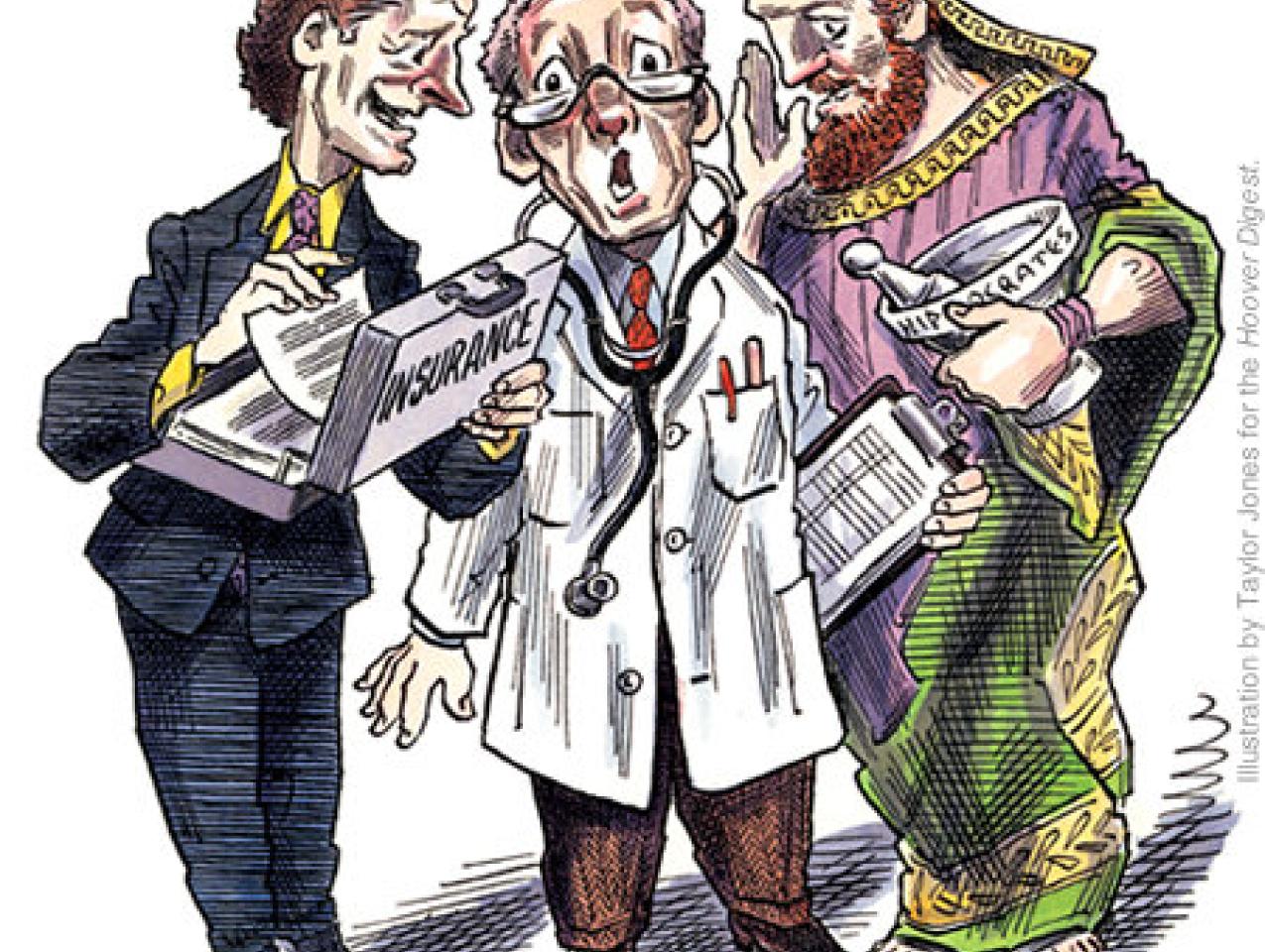

Professional ethics refers to the moral principles and standards that guide behavior in a professional environment. These ethics ensure that individuals act with integrity, responsibility, fairness, and accountability in their work.
In modern society, professional ethics are crucial because they:
- Build trust and credibility
- Ensure fair practices
- Promote organizational success
- Maintain social responsibility
Whether in business, healthcare, education, law, or technology, professional ethics define how individuals interact, make decisions, and fulfill their duties.
🧭 Meaning of Professional Ethics
🔹 Definition
Professional ethics are the rules, principles, and standards that govern the conduct of individuals in a professional setting.
🔹 Key Elements
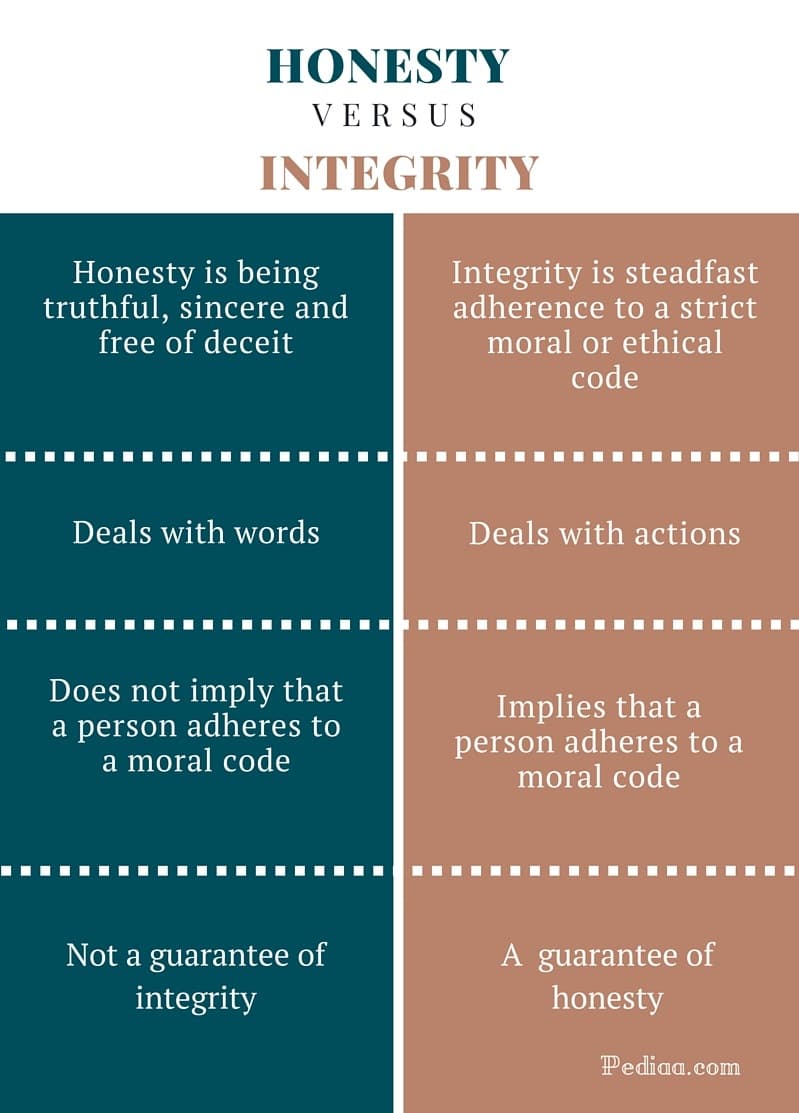
- Integrity
- Honesty
- Accountability
- Confidentiality
- Respect
🌿 Nature of Professional Ethics
🔹 1. Normative



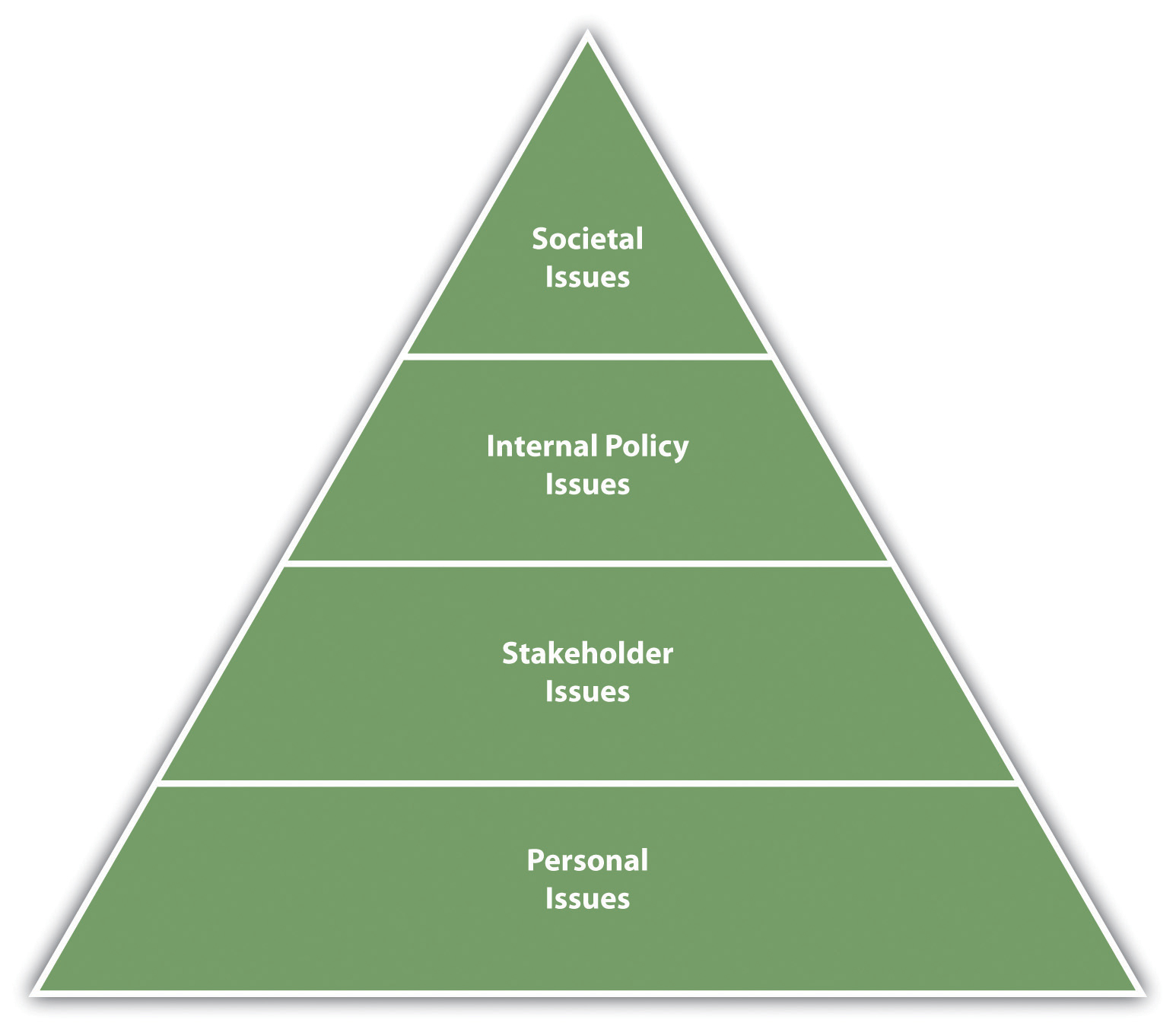
- Based on established rules and standards
🔹 2. Universal
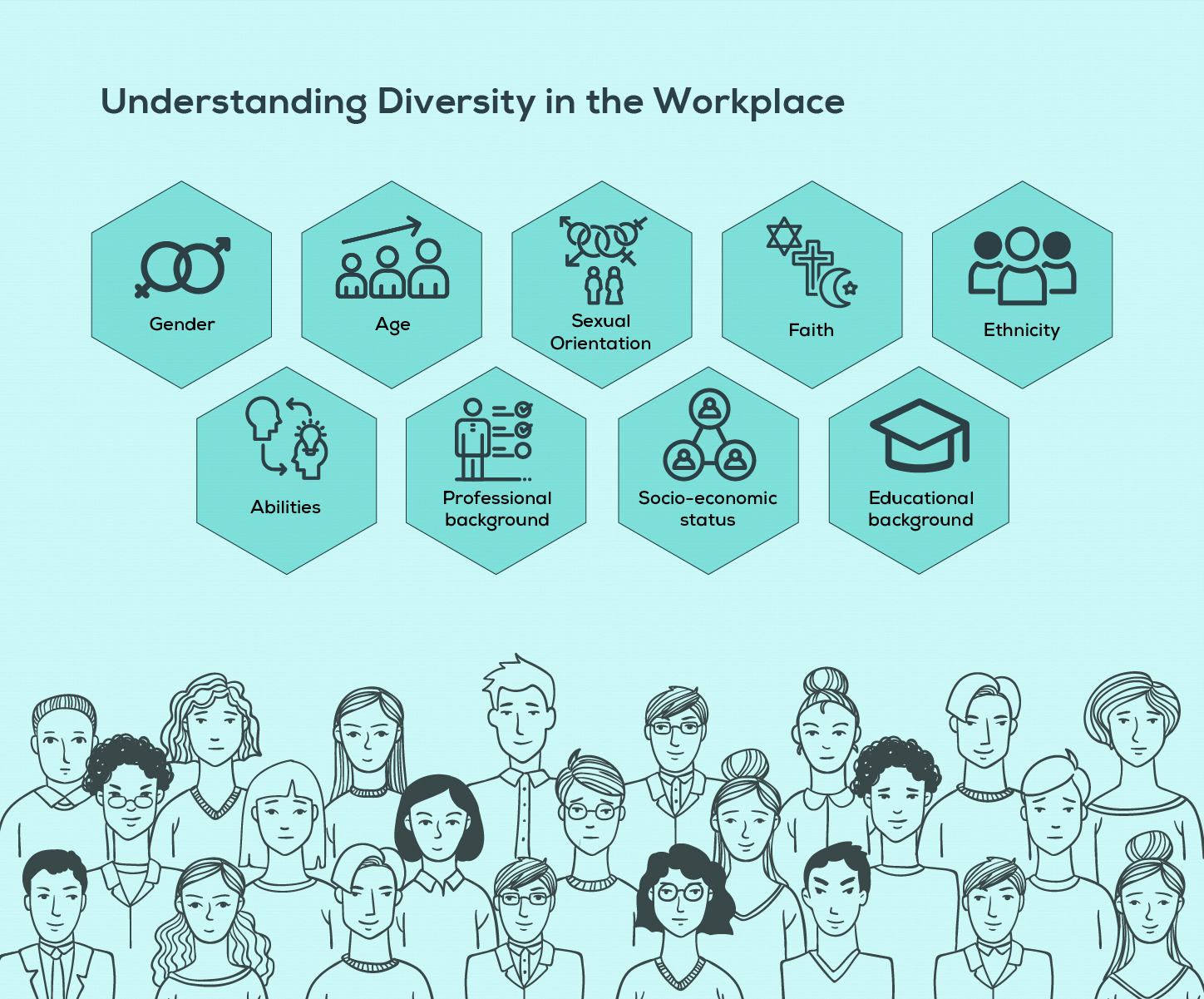



- Applicable across professions
🔹 3. Practical and Applied


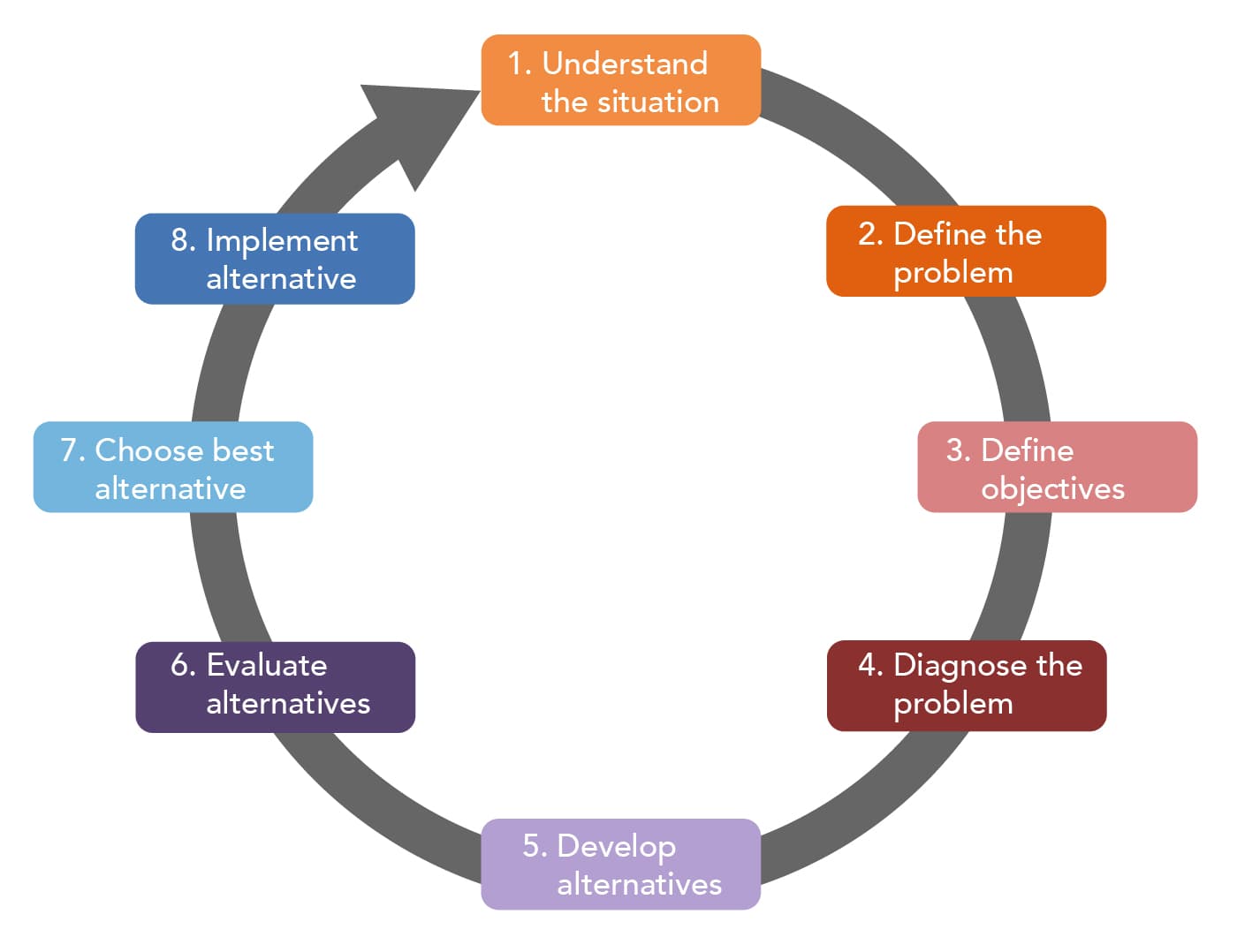
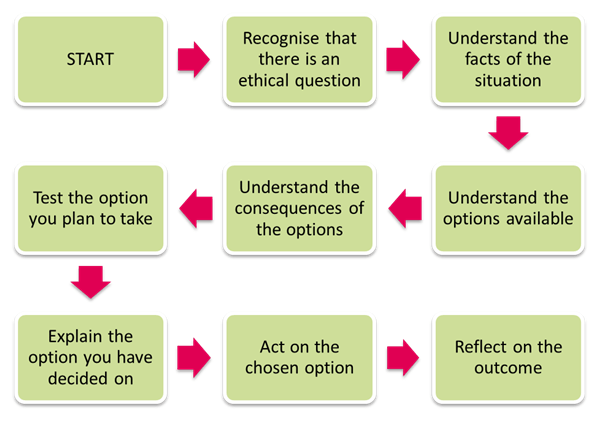
- Applied in real situations
🔹 4. Dynamic



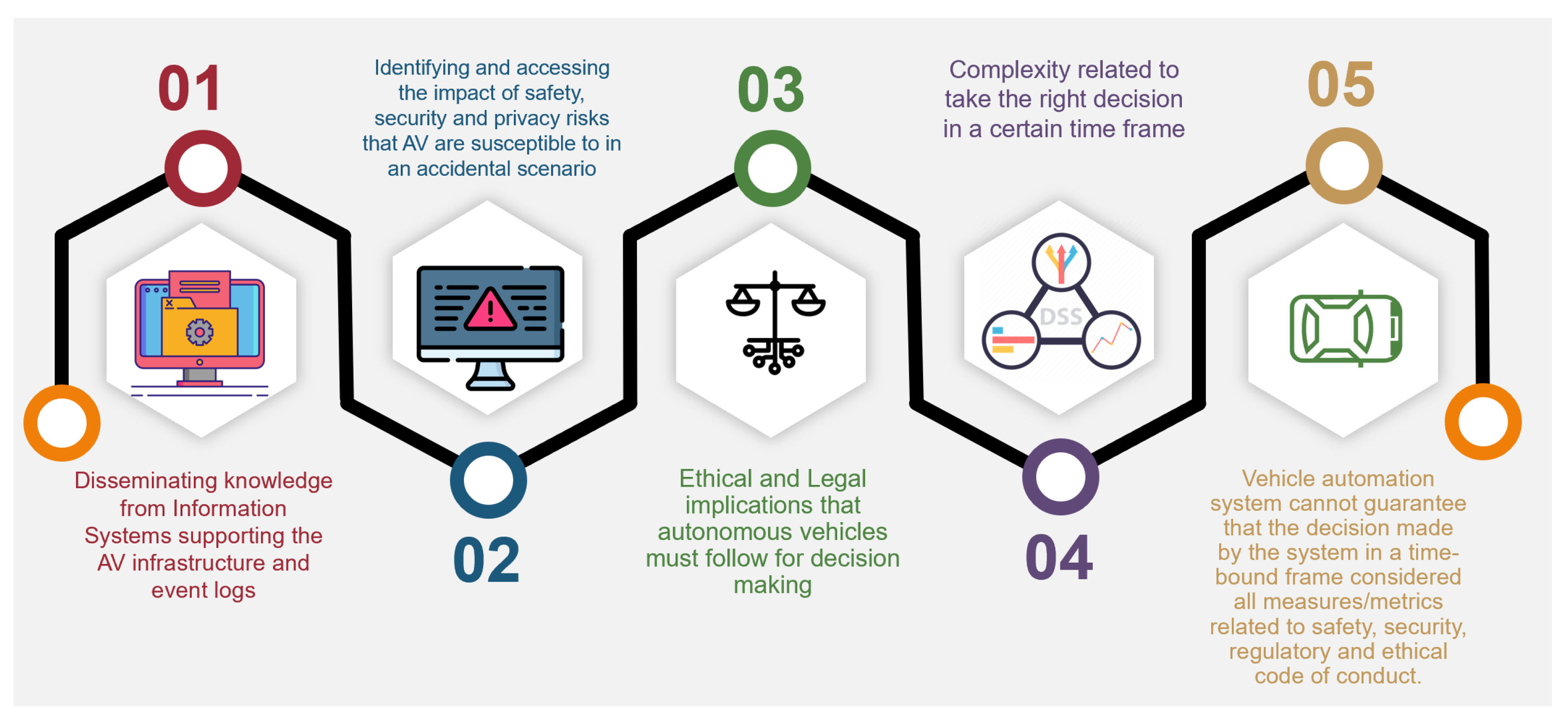
- Evolve with time and technology
🌟 Principles of Professional Ethics
🔹 Integrity
- Being honest and consistent
🔹 Confidentiality
- Protecting sensitive information
🔹 Accountability
- Taking responsibility
🔹 Fairness
- Treating everyone equally
🔹 Respect
- Valuing others
🌍 Importance of Professional Ethics
🔹 1. Builds Trust
🔹 2. Enhances Reputation
🔹 3. Promotes Fairness
🔹 4. Ensures Legal Compliance
🔹 5. Improves Workplace Culture
🌱 Professional Ethics in Different Fields
🏥 Healthcare
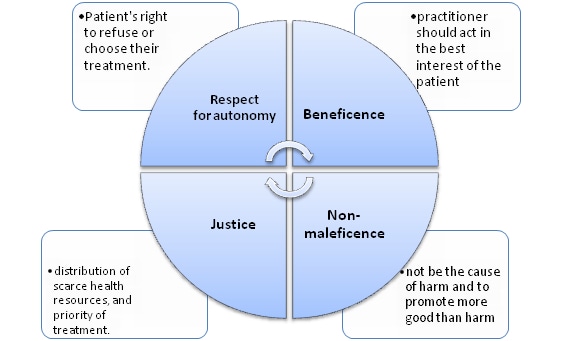

- Patient confidentiality
- Duty of care
⚖️ Law



- Justice and fairness
💼 Business




- Transparency
- Corporate responsibility
💻 Technology

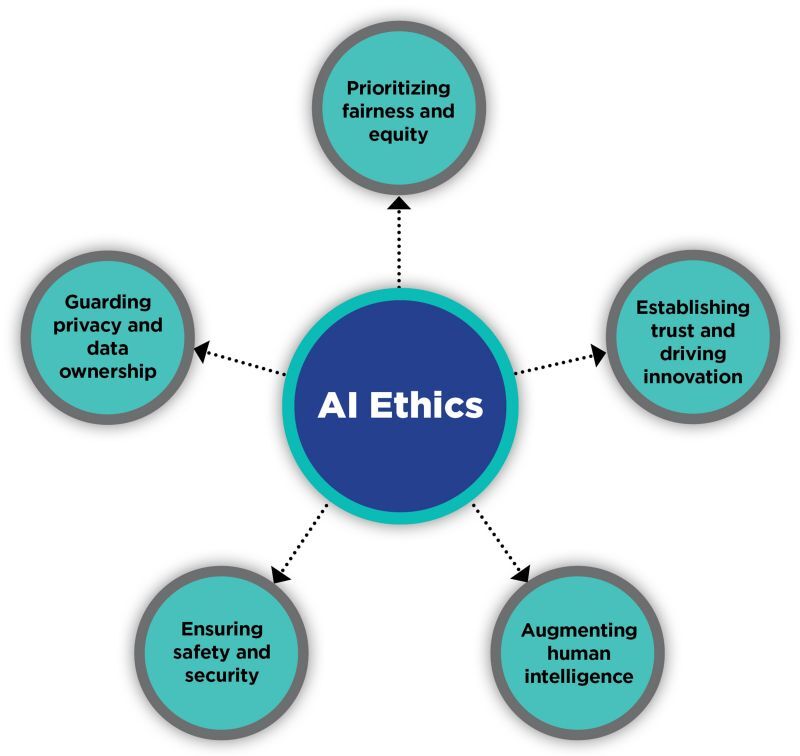
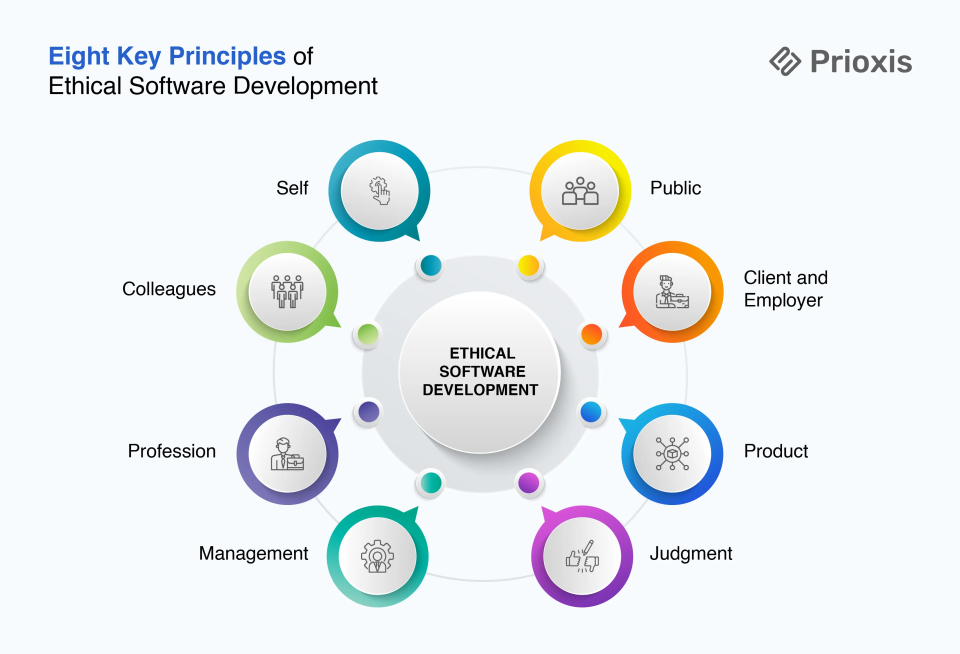
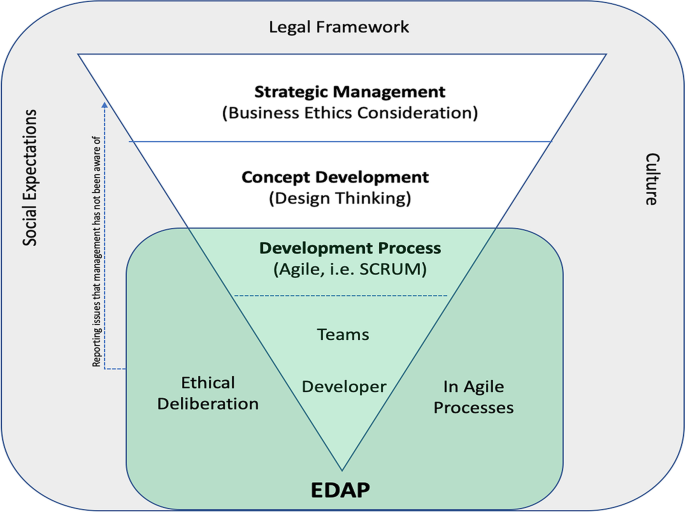
- Data privacy
- Ethical use of technology
⚖️ Challenges in Professional Ethics
- Corruption
- Conflict of interest
- Pressure to compromise values
- Lack of accountability
🌱 Promoting Professional Ethics
- Ethical training
- Clear policies
- Leadership example
- Accountability systems
🌱 PART II: MEANING AND NATURE OF HUMAN VALUES
🌍 Introduction to Human Values
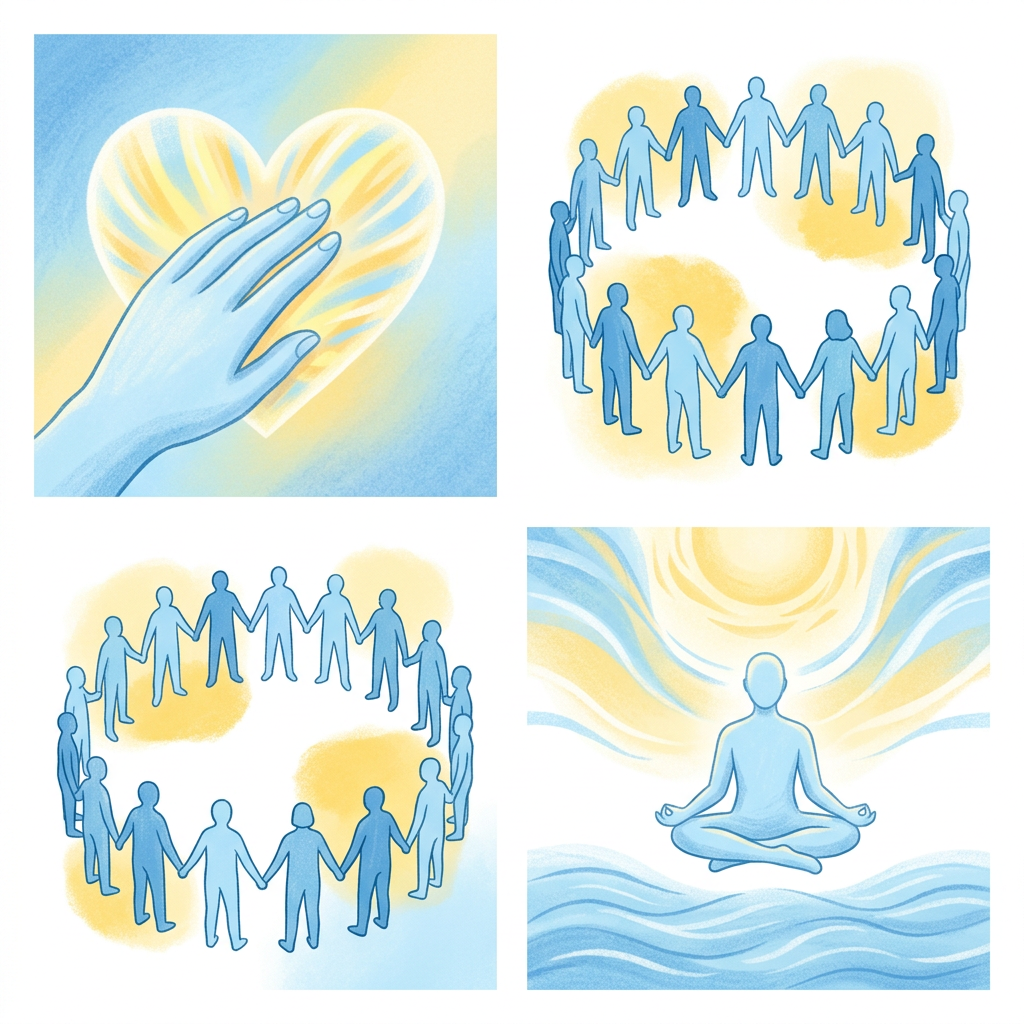


Human values are the core principles that guide human behavior, decisions, and interactions. They define what is important, meaningful, and desirable in life.
These values form the foundation of:
- Ethical behavior
- Social harmony
- Personal development
🧭 Meaning of Human Values
🔹 Definition
Human values are enduring beliefs that influence attitudes, behavior, and decision-making.
🔹 Examples
- Honesty
- Respect
- Compassion
- Responsibility
- Justice
🌿 Nature of Human Values
🔹 1. Universal




- Shared across cultures
🔹 2. Learned

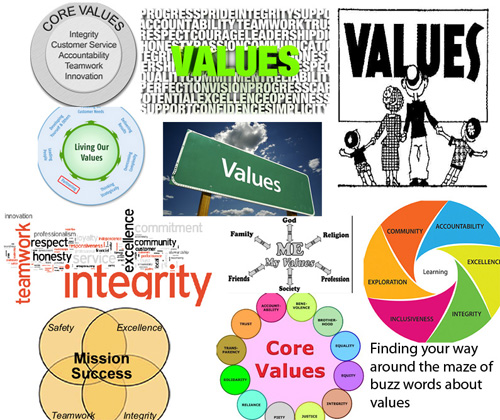


- Acquired through experience
🔹 3. Dynamic
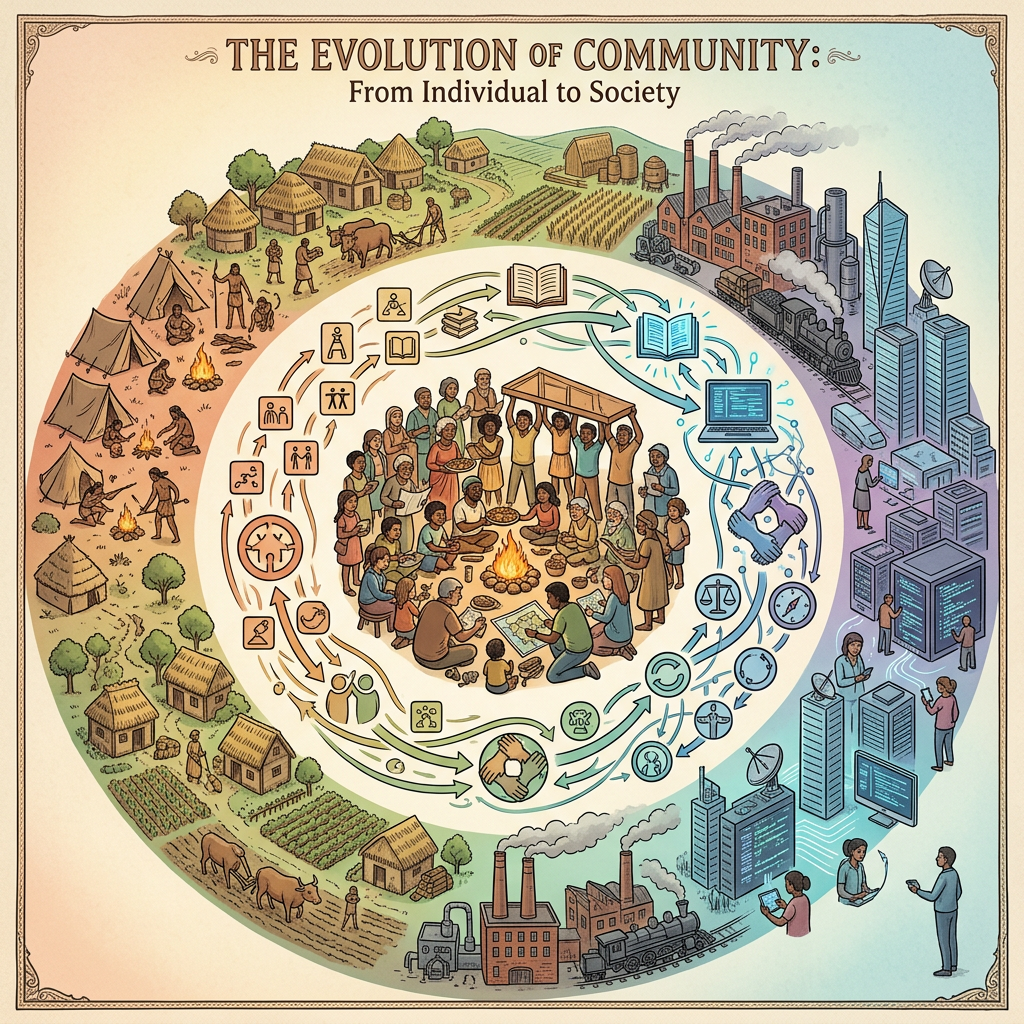

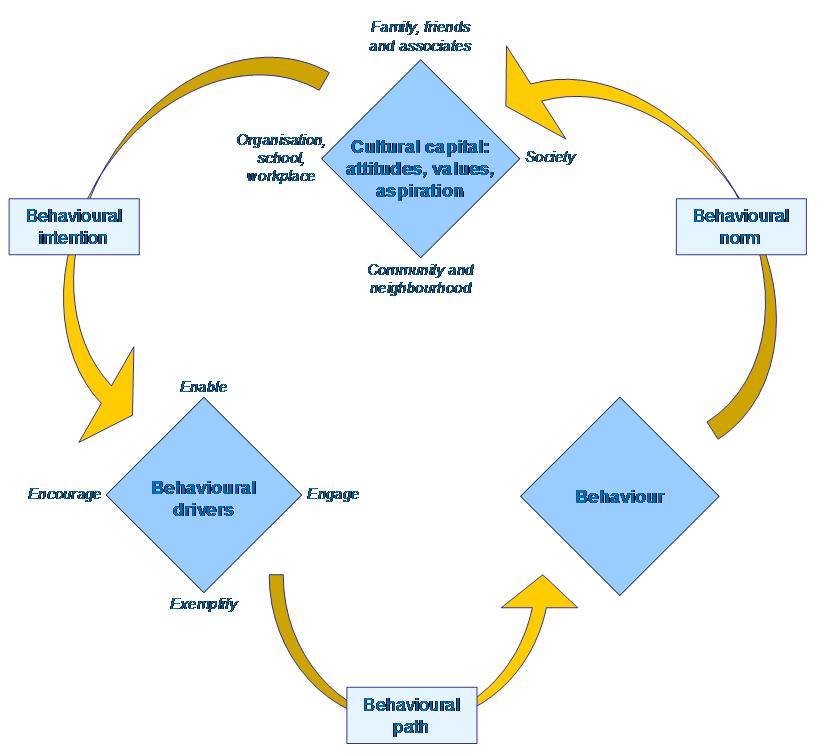

- Change over time
🔹 4. Abstract




- Cannot be seen but felt
🔹 5. Goal-Oriented


- Guide actions
🌍 Importance of Human Values
🔹 Personal Development
🔹 Social Harmony
🔹 Ethical Decision-Making
🔹 Cultural Stability
🔄 Relationship Between Professional Ethics and Human Values
- Human values form the foundation of ethics
- Professional ethics apply these values in workplace
👉 Example:
- Value: Honesty
- Ethics: Transparent business practices
🌟 Conclusion
Professional ethics and human values are deeply interconnected concepts that guide human behavior in personal and professional life. While human values provide the moral foundation, professional ethics ensure that these values are applied in real-world situations.
Together, they help create a society that is ethical, responsible, and harmonious, where individuals act with integrity and contribute positively to the community.
🏷️ Tags
Professional Ethics, Human Values, Integrity, Accountability, Workplace Ethics, Moral Values, Ethical Behavior, Value Education