
Land is one of the most valuable natural resources on Earth. It supports agriculture, forests, human settlements, industries, and biodiversity. However, increasing human pressure and unsustainable practices have led to land degradation, a serious environmental issue affecting productivity, ecosystems, and livelihoods worldwide.
This detailed guide explores land resources, their classification, uses, causes and impacts of land degradation, and conservation strategies.
🌱 Introduction to Land Resources

🌿 Definition
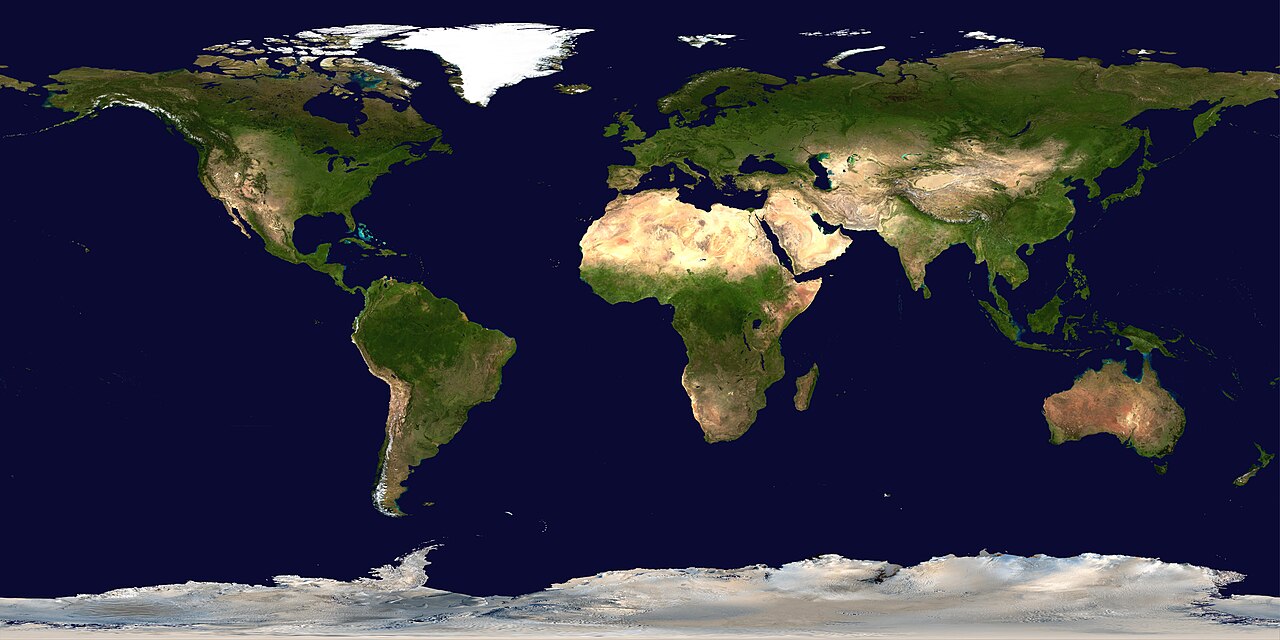
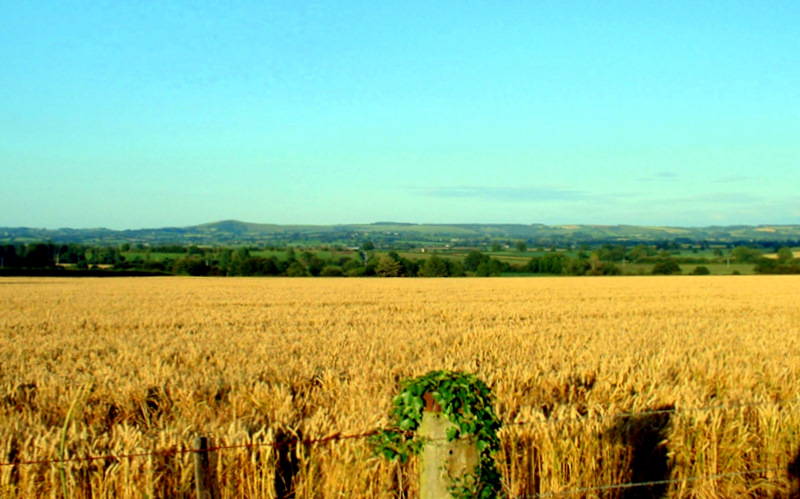
Land resources refer to the total natural land area available on Earth that can be used for various purposes such as agriculture, forestry, mining, settlement, and industry.
🌍 Importance of Land Resources
- Basis of food production
- Habitat for plants and animals
- Supports economic activities
- Provides raw materials
- Maintains ecological balance
🔍 Classification of Land Resources
Land resources can be classified based on usage and characteristics.
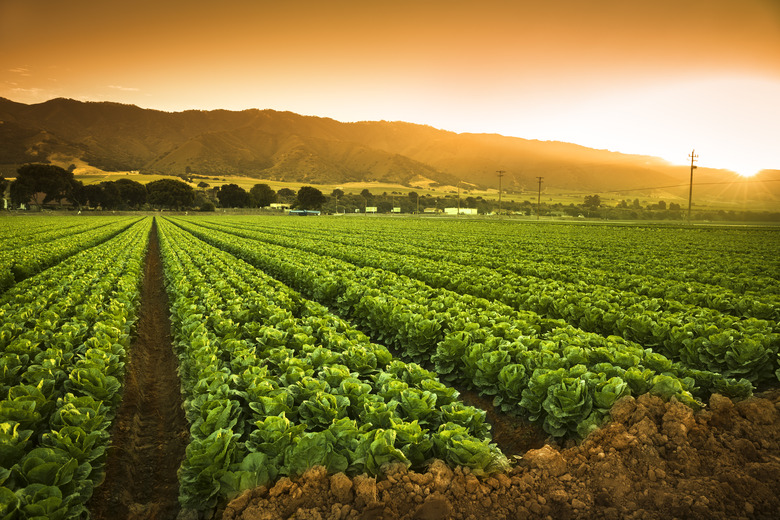
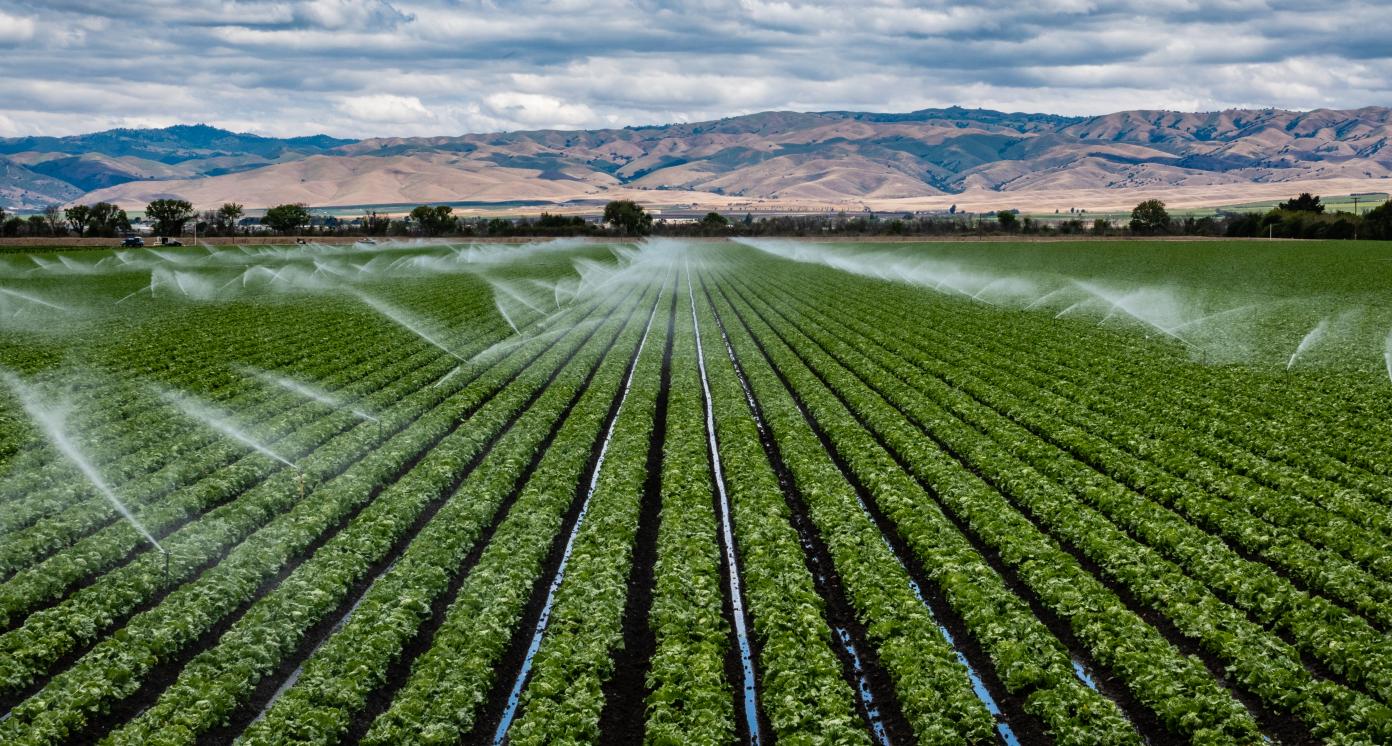
🌾 1. Agricultural Land


🌱 Features
- Used for crop production
- Fertile soil
- Requires irrigation
🌍 Importance
- Food production
- Livelihood for farmers
🌲 2. Forest Land


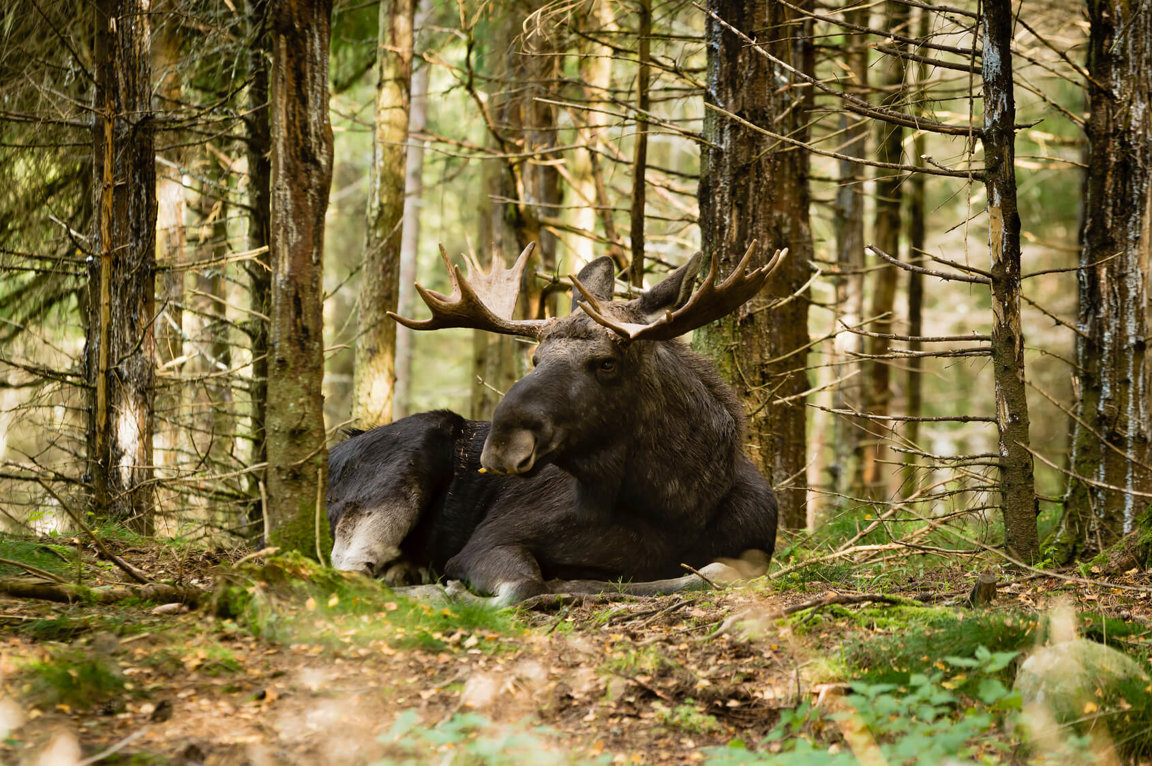

🌱 Features
- Covered with trees and vegetation
- Rich biodiversity
🌍 Importance
- Climate regulation
- Carbon storage
🏙️ 3. Urban Land
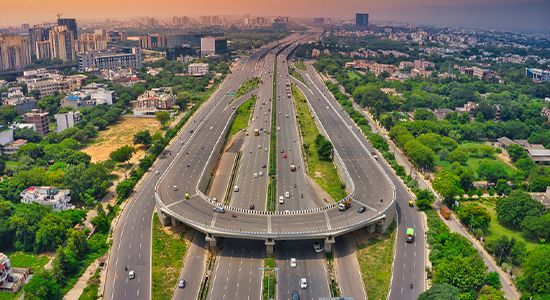

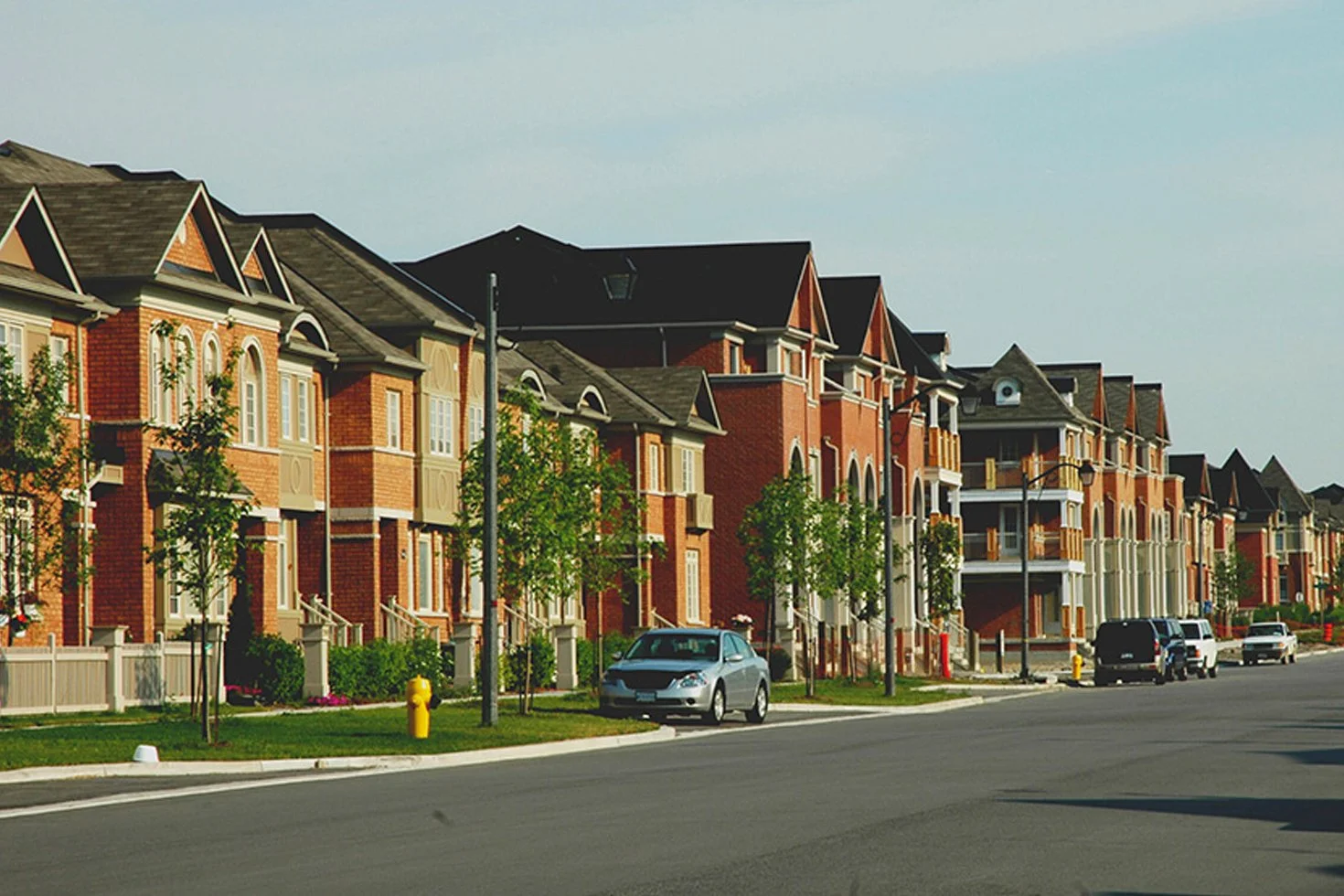

🌱 Features
- Used for settlements
- Infrastructure development
🌍 Importance
- Economic activities
- Housing and services
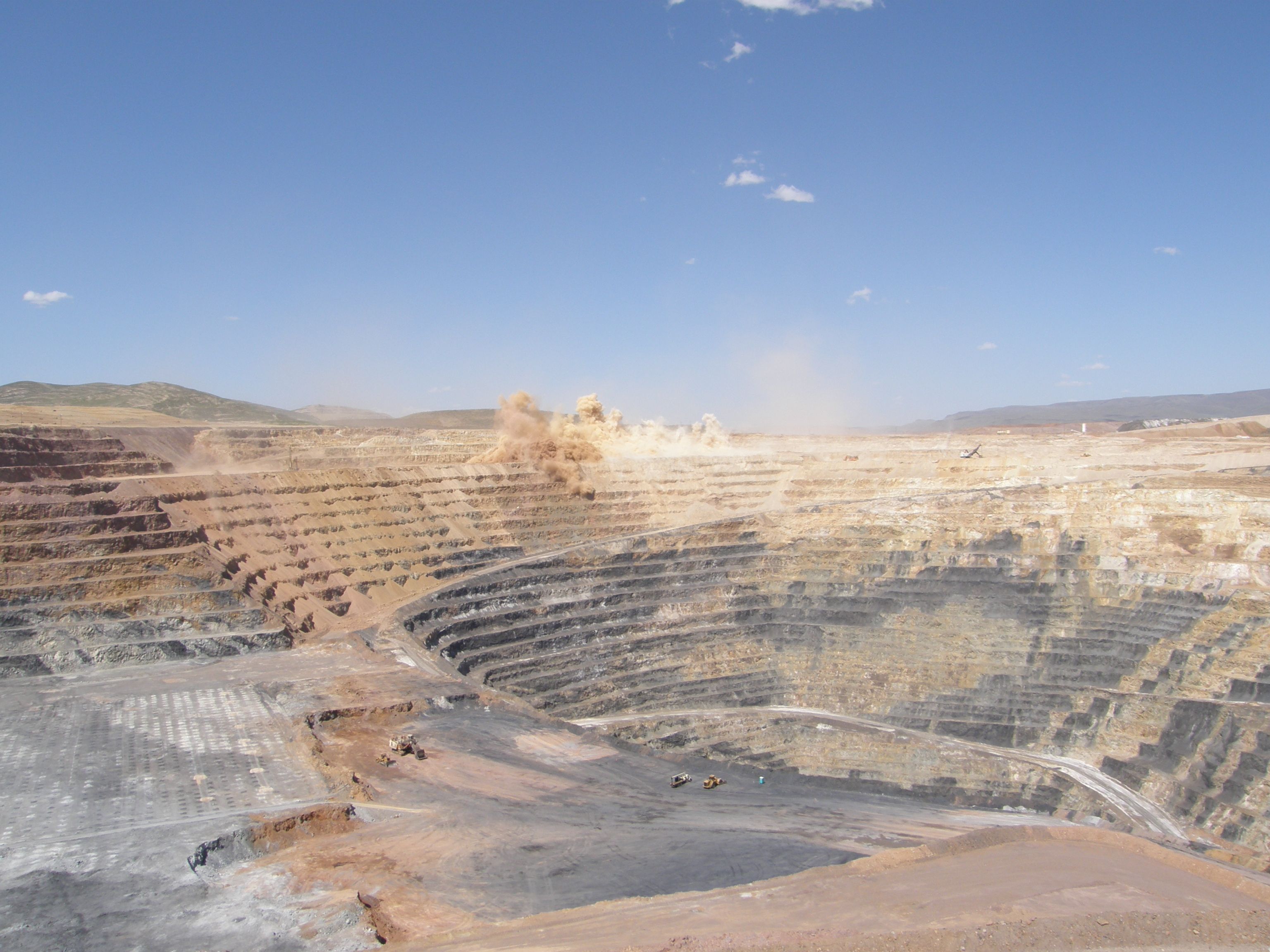
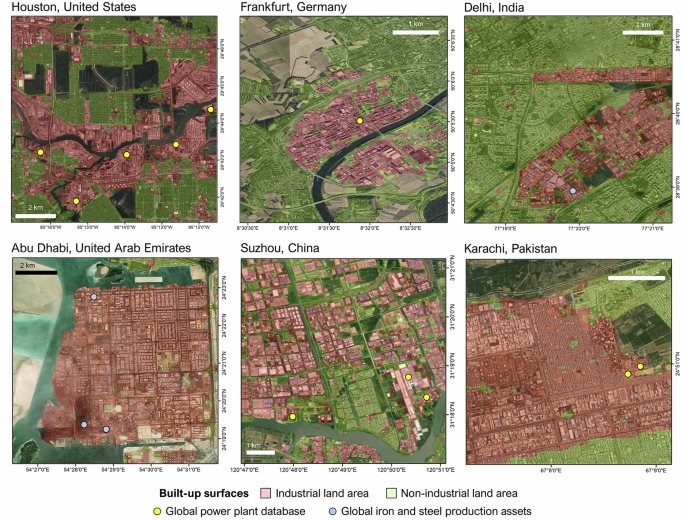
⛏️ 4. Industrial and Mining Land
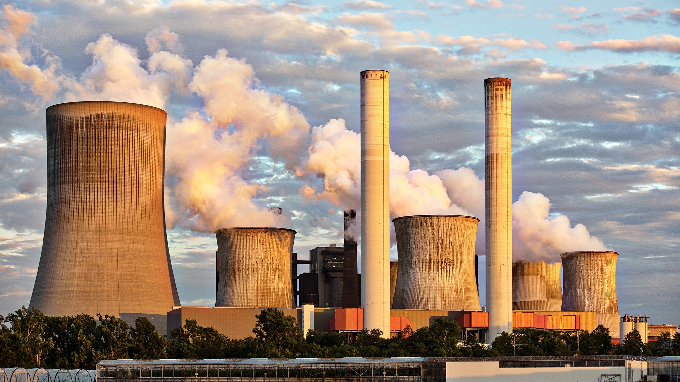

🌱 Features
- Used for industries and mining
🌍 Importance
- Resource extraction
- Industrial growth
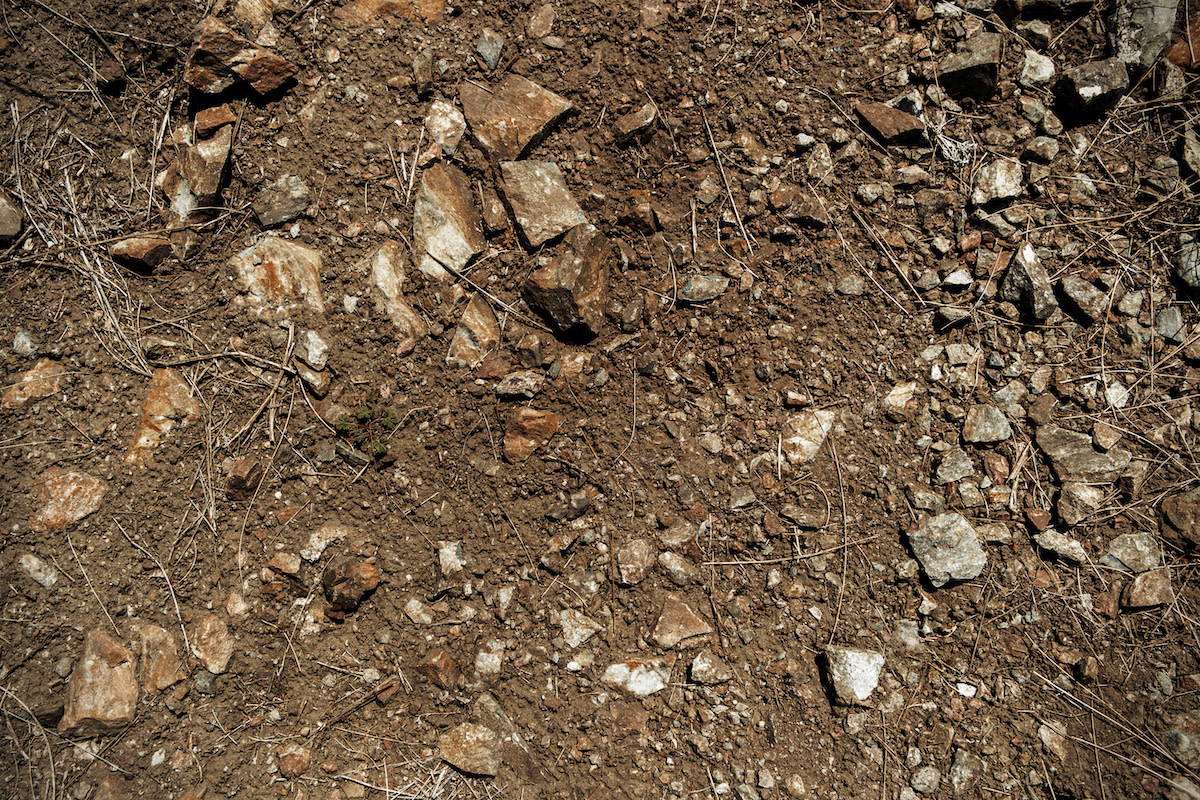
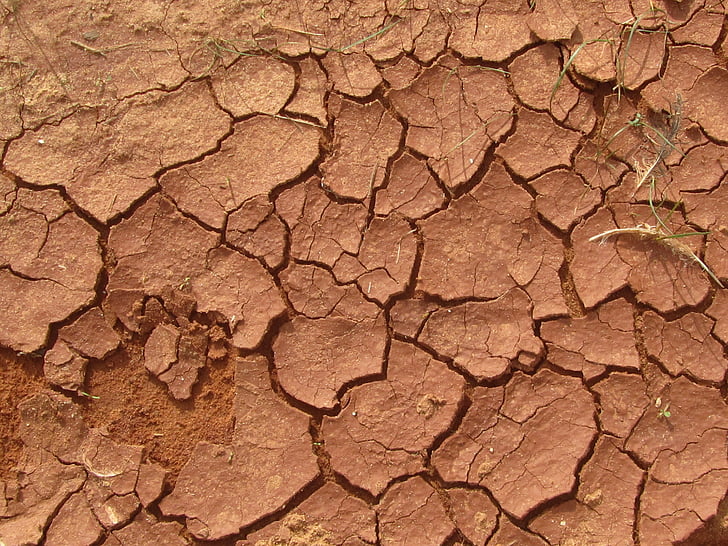
🌿 5. Wasteland


🌱 Features
- Unproductive land
- Poor soil quality
🌍 Importance
- Potential for restoration
🌎 Land Use Patterns
Land use refers to how land is utilized by humans.
🌱 Types:
- Agriculture
- Forestry
- Urbanization
- Industrial use
⚠️ What is Land Degradation?


🌱 Definition
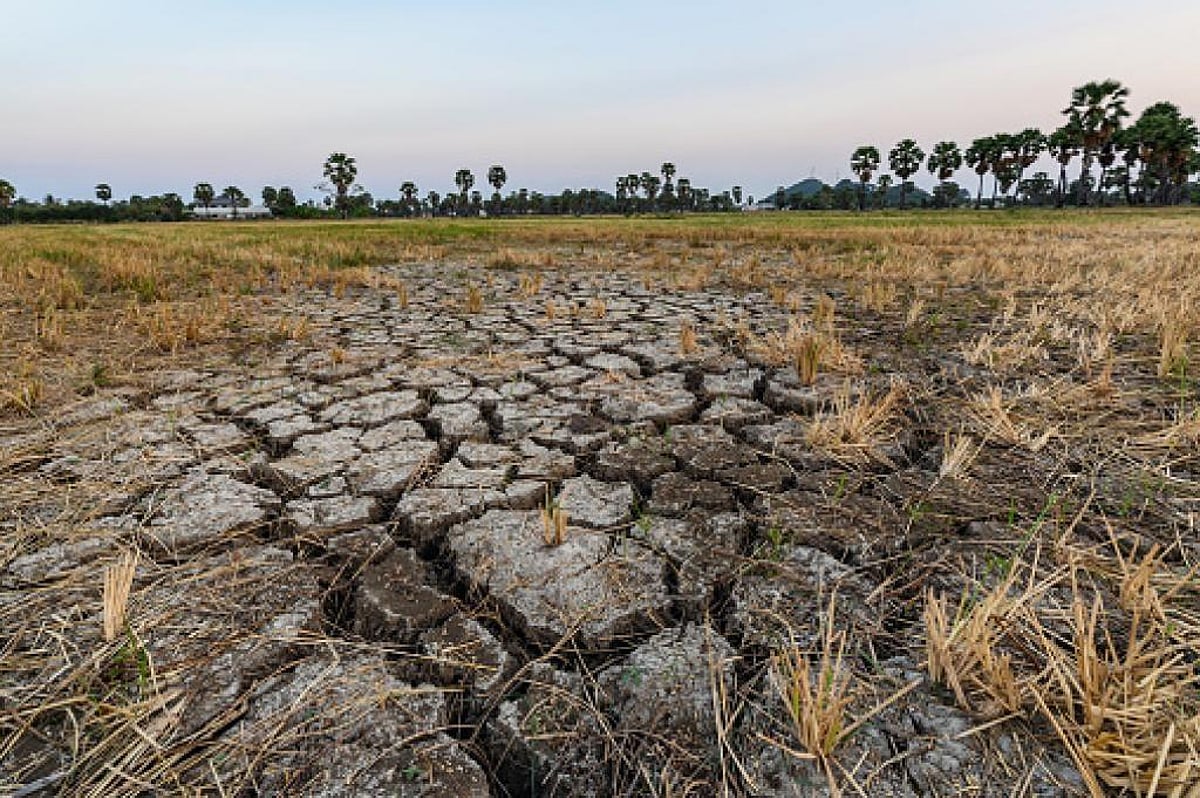
Land degradation is the decline in the quality and productivity of land due to natural or human activities.
🌍 Causes of Land Degradation
🌿 1. Deforestation
- Removal of trees
- Leads to soil erosion
🌱 2. Overgrazing
- Excessive grazing by livestock
🌾 3. Soil Erosion
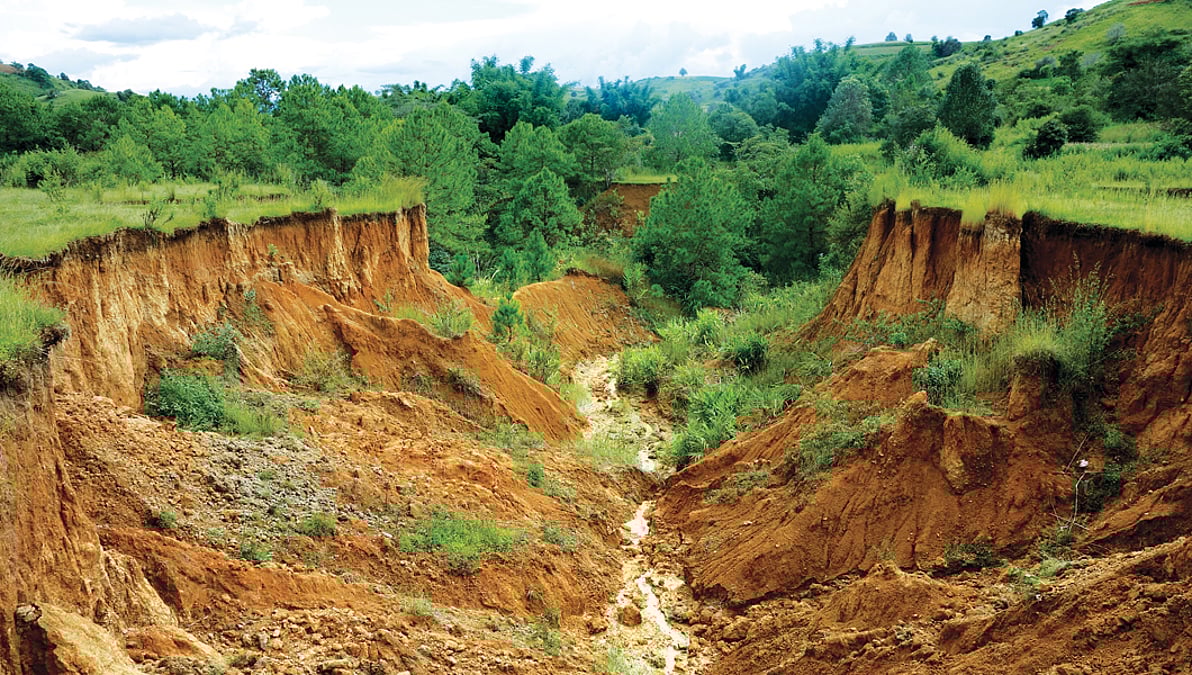
- Loss of topsoil due to wind and water
🌳 4. Urbanization
- Conversion of fertile land into built-up areas
⛏️ 5. Mining
- Disturbs land surface
🌍 6. Industrial Activities
- Pollution and waste disposal
🌡️ 7. Climate Change
- Droughts and extreme weather
🔄 Types of Land Degradation
🌱 Physical Degradation
- Soil erosion
- Desertification
🌿 Chemical Degradation
- Soil salinity
- Pollution
🌾 Biological Degradation
- Loss of vegetation
- Decline in soil organisms
🌎 Effects of Land Degradation
🌱 1. Reduced Agricultural Productivity
- Decreased crop yield
🌿 2. Loss of Biodiversity
- Habitat destruction
🌍 3. Desertification
- Expansion of deserts
🌾 4. Water Scarcity
- Reduced water retention
🌡️ 5. Climate Change Impact
- Increased carbon emissions
👥 6. Socio-economic Effects
- Poverty
- Migration
🌱 Soil Erosion – A Major Concern



🌿 Types:
- Water erosion
- Wind erosion
🌍 Effects:
- Loss of fertile soil
- Reduced productivity
🌍 Desertification


🌱 Definition
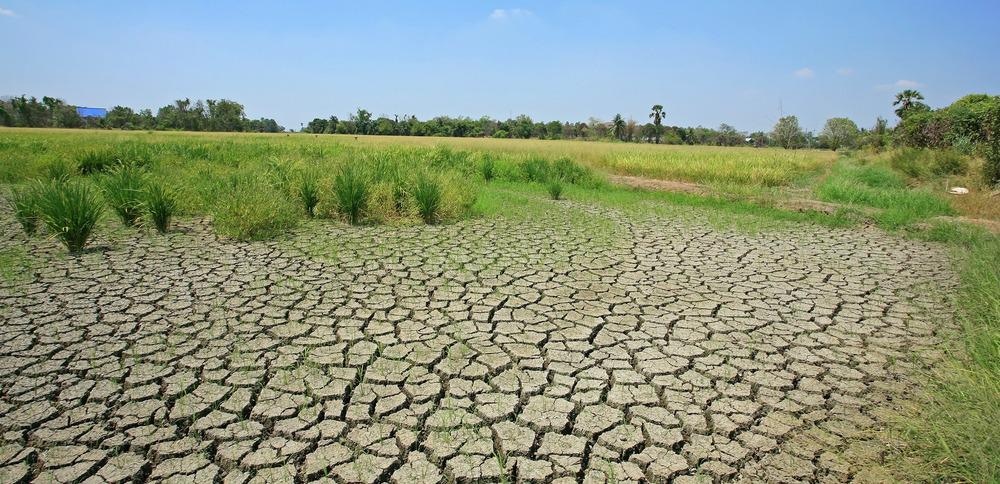
Desertification is the process by which fertile land becomes desert.
🌍 Causes:
- Deforestation
- Overgrazing
- Climate change
🌱 Conservation of Land Resources

🌿 Methods
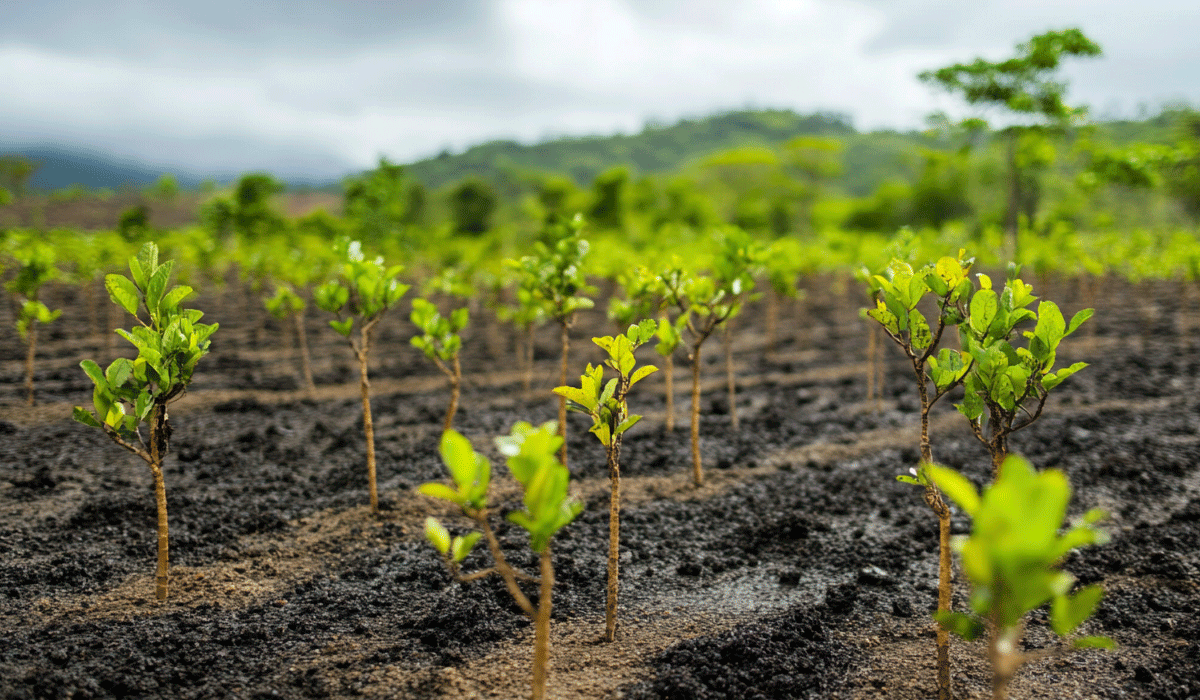
🌱 1. Afforestation
- Planting trees
🌿 2. Soil Conservation
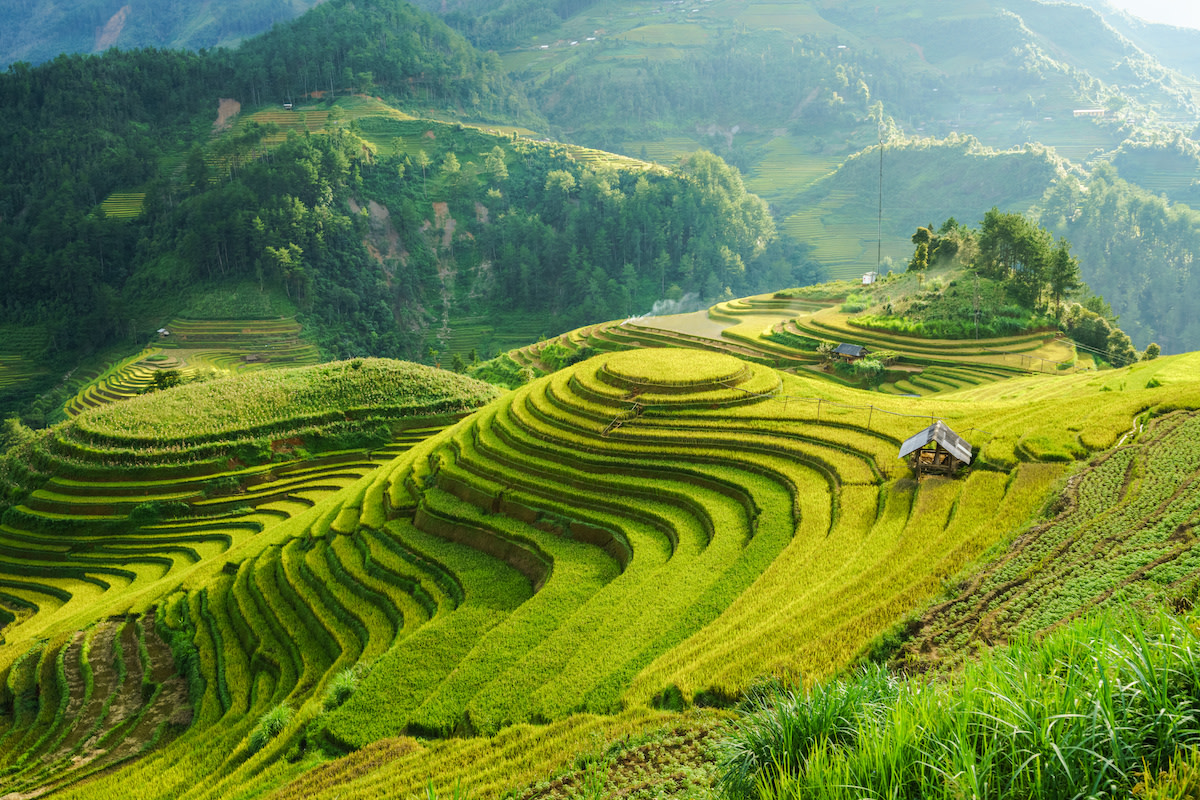
- Contour plowing
- Terracing
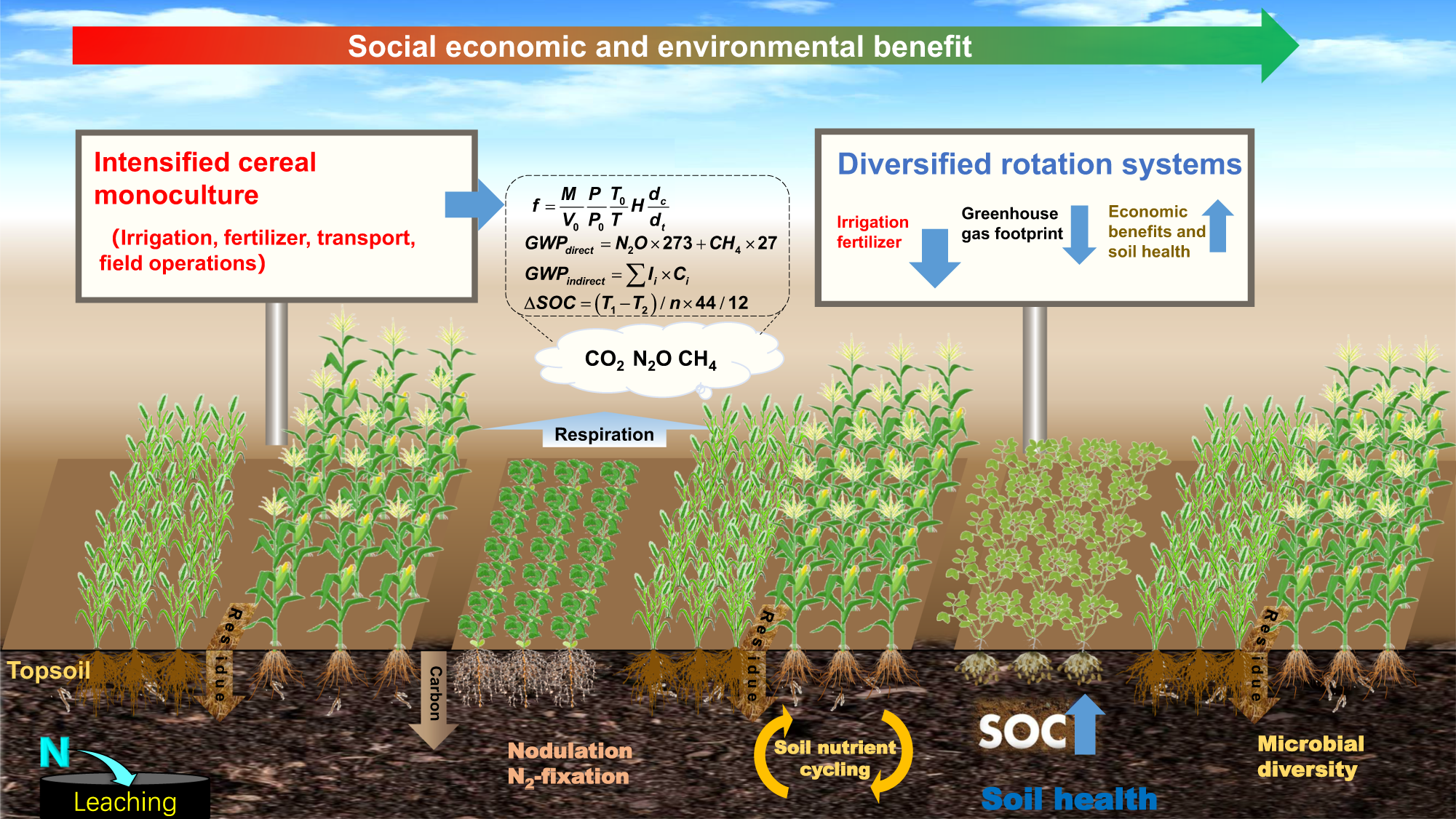
🌾 3. Sustainable Agriculture
- Crop rotation
- Organic farming
🌳 4. Controlled Grazing
- Prevent overgrazing
🌍 5. Land Reclamation
- Restoring degraded land
🌎 Role of Government and Policies
- Land use planning
- Environmental laws
- Awareness programs
🌱 Sustainable Land Management
- Efficient use of land
- Protect soil quality
- Balance development and conservation
🧬 Advanced Concepts
🌍 Land Capability Classification
- Determines suitable land use
🔄 Integrated Land Management
- Combines conservation and development
⚠️ Challenges
- Population pressure
- Urban expansion
- Climate change
🌱 Future Strategies
- Smart land use planning
- Technology in agriculture
- Sustainable policies
🧠 Conclusion
Land resources are essential for human survival and ecological balance. However, land degradation poses a serious threat to productivity, biodiversity, and sustainability. Protecting land resources requires a combination of conservation techniques, sustainable practices, and effective policies. By managing land wisely, we can ensure its availability and productivity for future generations.