

📘 Introduction to Environmental Impact Assessment (EIA)
Environmental Impact Assessment (EIA) is a systematic process used to evaluate the environmental consequences of proposed development projects before they are carried out. It helps decision-makers understand the potential impacts on the environment and take appropriate measures to mitigate negative effects.
EIA is a critical tool for achieving sustainable development, as it ensures that economic growth does not come at the cost of environmental degradation.
The concept of EIA emerged globally in the 1970s and has since become a mandatory requirement in many countries, including India, for major developmental projects such as:
- Industries
- Infrastructure projects (roads, dams, airports)
- Mining activities
- Power plants
🌱 Concept and Definition
📖 Definition
Environmental Impact Assessment is the process of identifying, predicting, evaluating, and mitigating the environmental impacts of a proposed project prior to decision-making.
🔑 Key Features:
- Predictive and preventive approach
- Scientific and systematic analysis
- Involves public participation
- Supports sustainable development
🎯 Objectives of EIA
🌿 1. Environmental Protection
- Prevent ecological damage
⚖️ 2. Informed Decision-Making
- Provide scientific data to authorities
🔄 3. Sustainable Development
- Balance development and conservation
🧠 4. Risk Identification
- Identify potential hazards
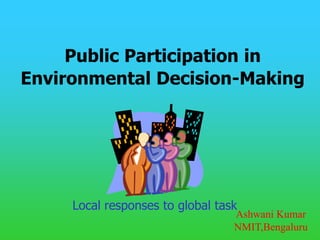
👥 5. Public Participation
- Involve local communities
🌍 Importance of EIA


🌱 Prevents Environmental Damage
Identifies negative impacts before project implementation.
🌍 Protects Ecosystems
Safeguards biodiversity and natural resources.
💰 Economic Benefits
Reduces long-term environmental costs.
👨⚖️ Legal Compliance
Ensures adherence to environmental laws.
🌿 Promotes Sustainability
Encourages eco-friendly development.
🔬 EIA Process (Stages)
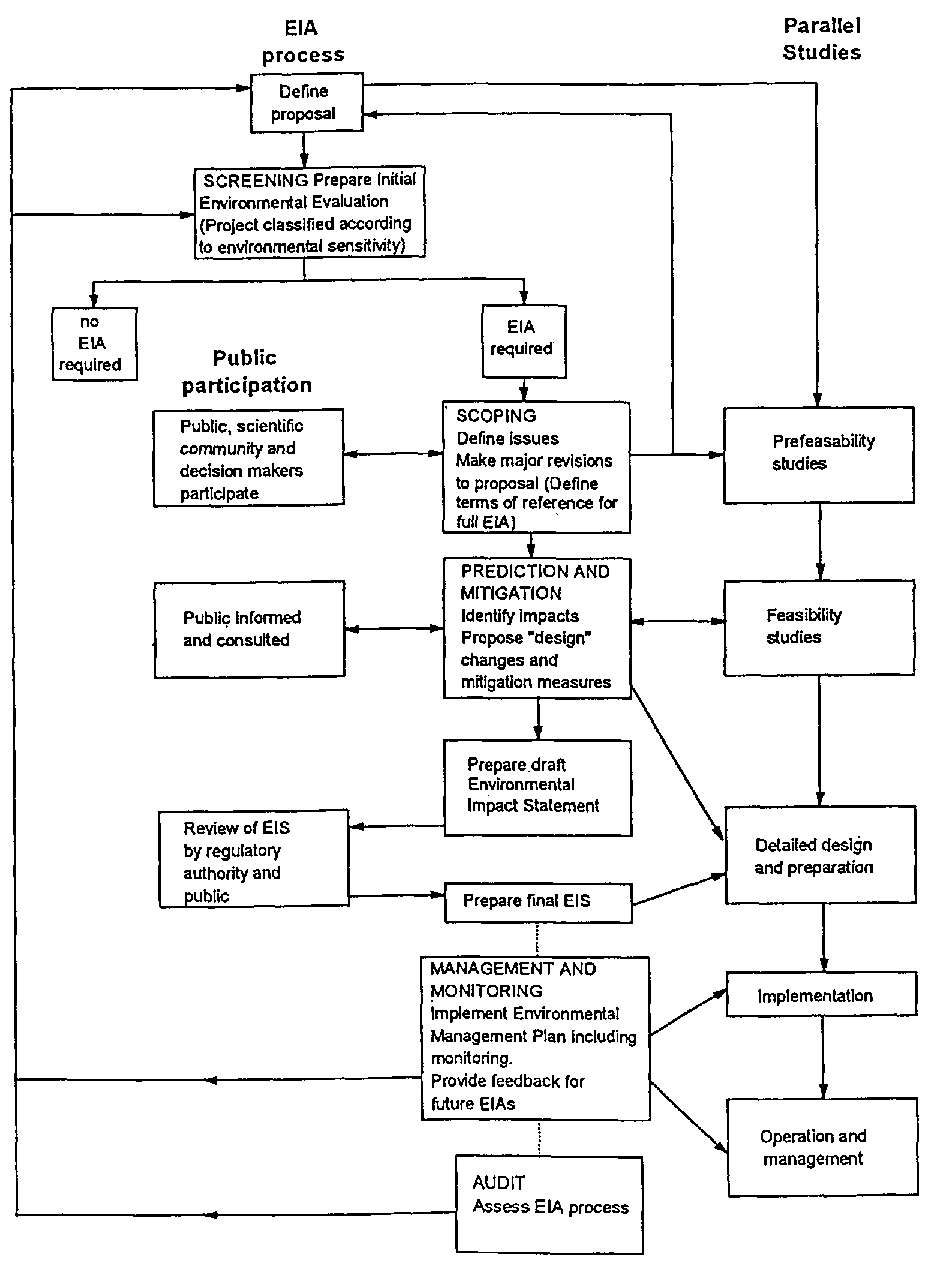

1. Screening
- Determines whether a project requires EIA
2. Scoping
- Identifies key environmental issues
3. Impact Analysis
- Predicts potential environmental impacts
4. Mitigation Measures
- Suggests ways to reduce impacts
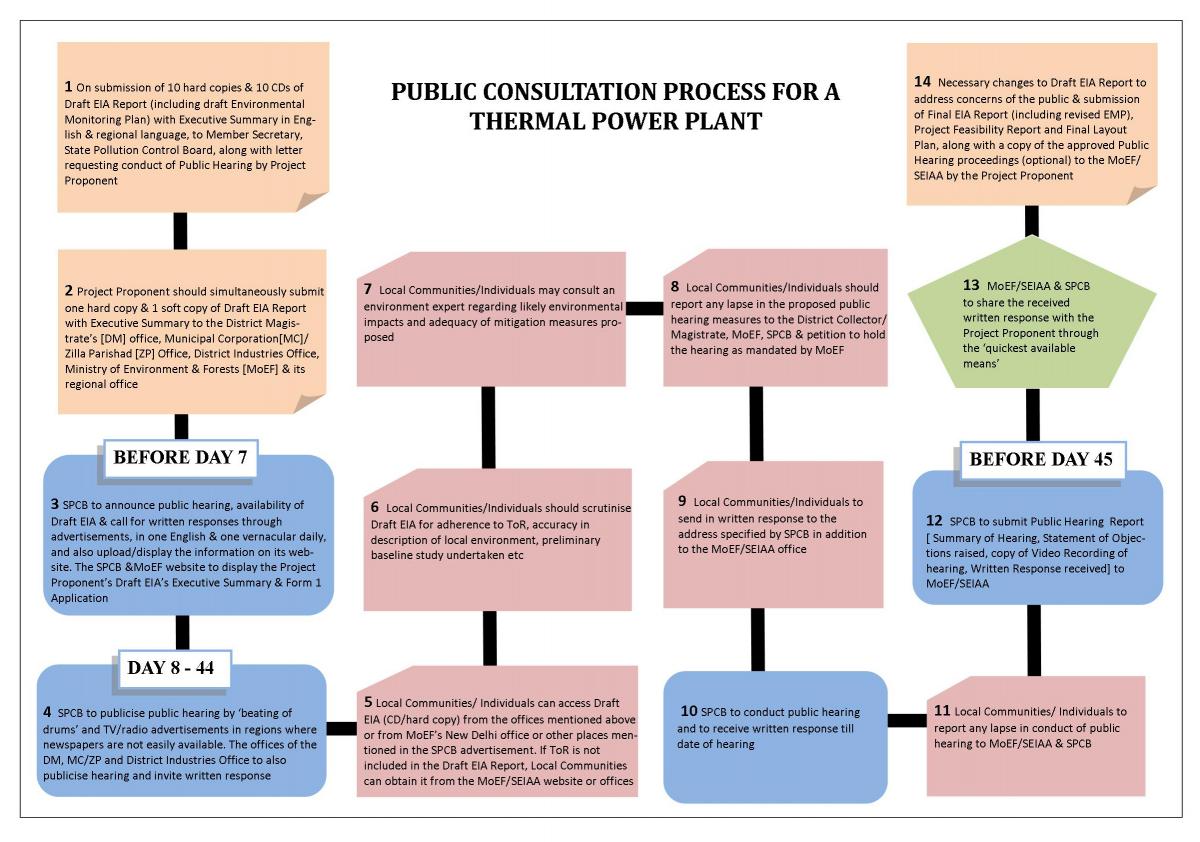
5. Public Consultation
- Involves stakeholders
6. Decision-Making
- Authorities approve or reject project
7. Monitoring and Compliance
- Ensures adherence to conditions
🌍 Types of EIA
📊 1. Rapid EIA


- Conducted quickly
- Based on short-term data
🔬 2. Comprehensive EIA

- Detailed analysis
- Based on long-term data
🌐 3. Strategic Environmental Assessment (SEA)
- Applied to policies and plans
- Broader scope
🏗️ 4. Project-Level EIA
- Focuses on individual projects
🔬 Methods Used in EIA
📋 Checklists
- List of environmental parameters
📊 Matrices
- Interaction between activities and impacts
🗺️ Mapping
- Geographic analysis
💻 Modeling
- Predict future impacts
⚠️ Environmental Impacts Assessed
🌫️ 1. Air Pollution
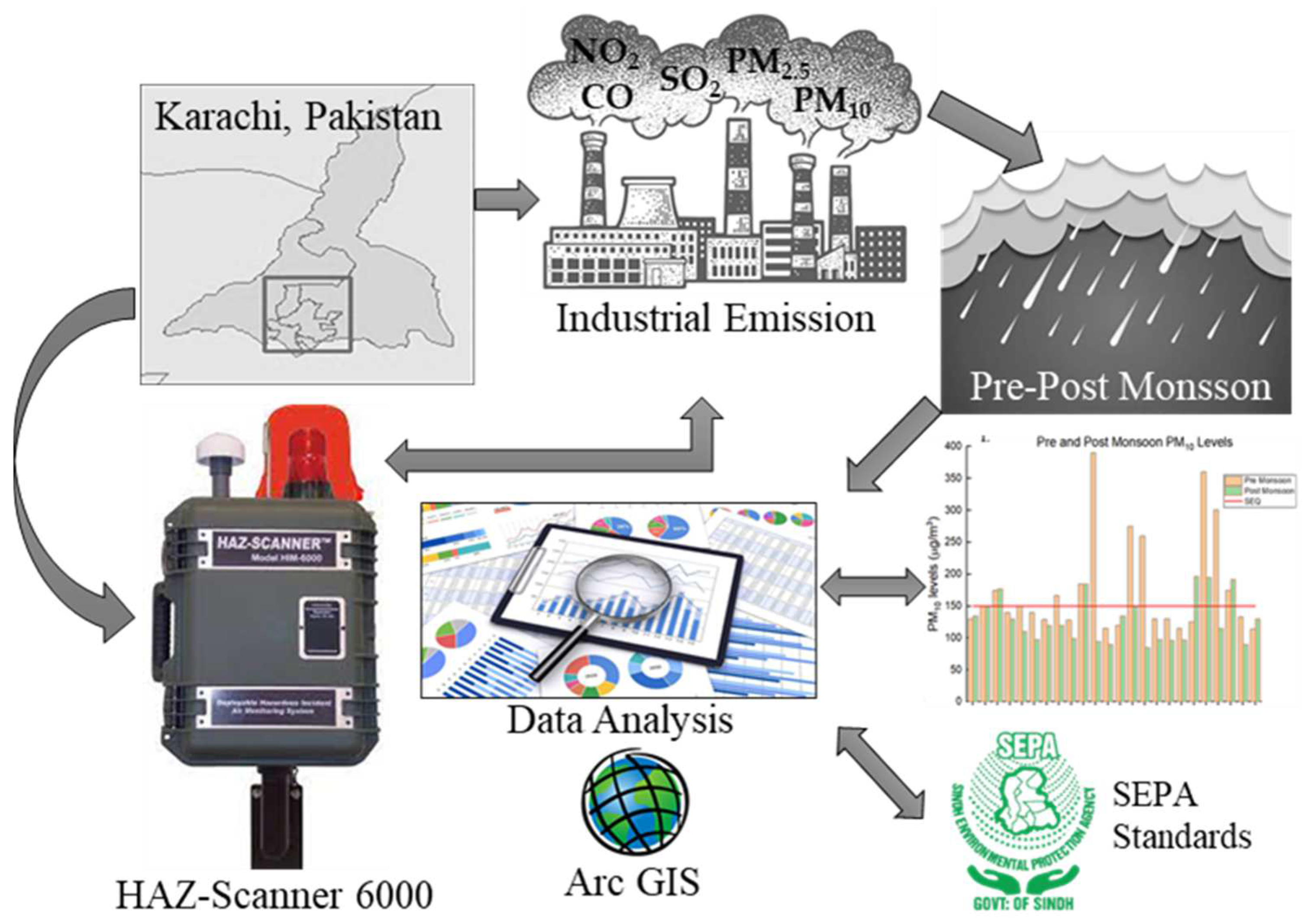
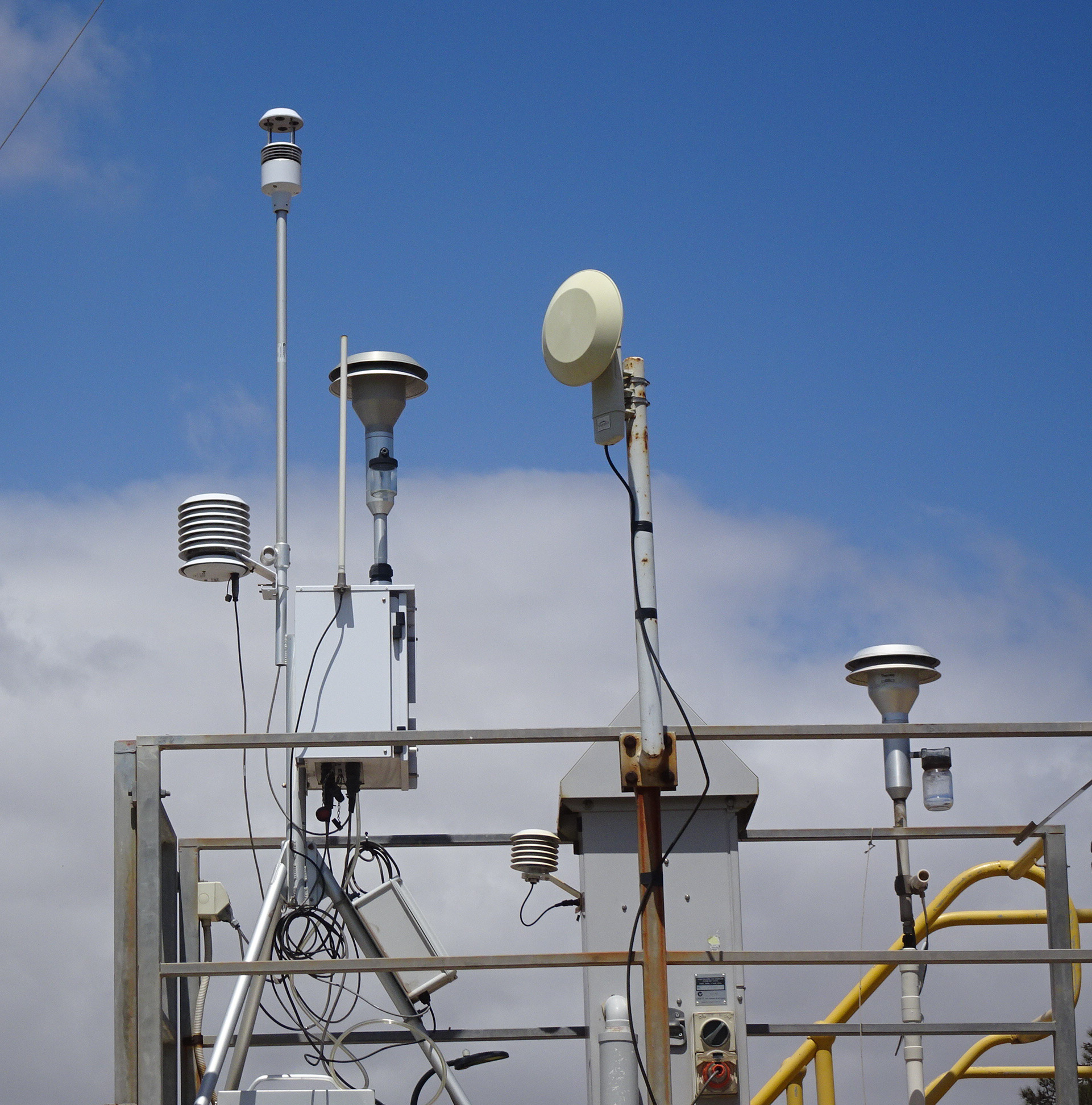
- Emissions from industries
💧 2. Water Pollution


- Effluent discharge
🌱 3. Soil Pollution

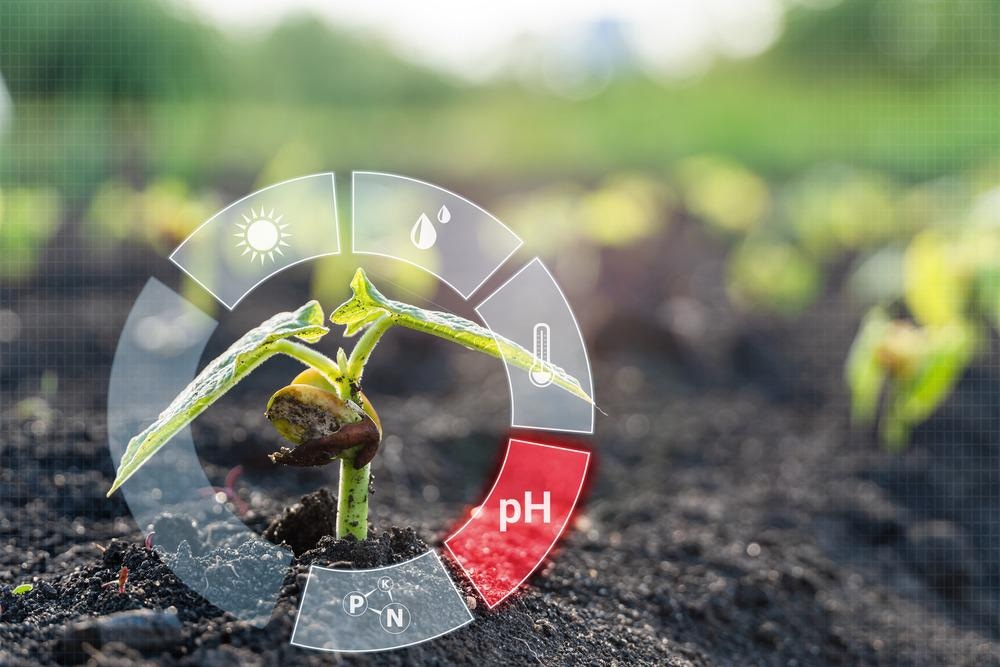
- Land degradation
🔊 4. Noise Pollution
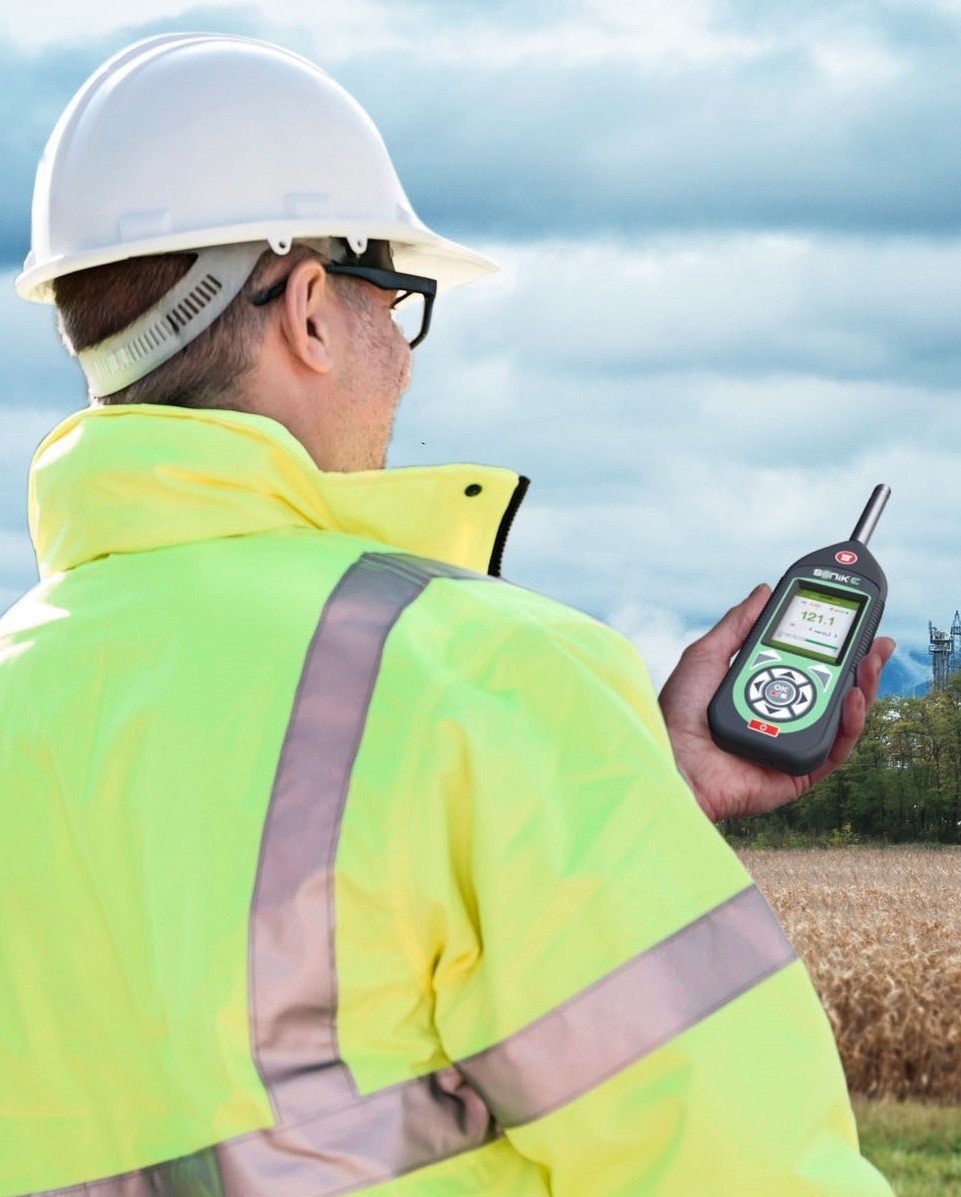

- Noise from activities
🌿 5. Biodiversity Impact
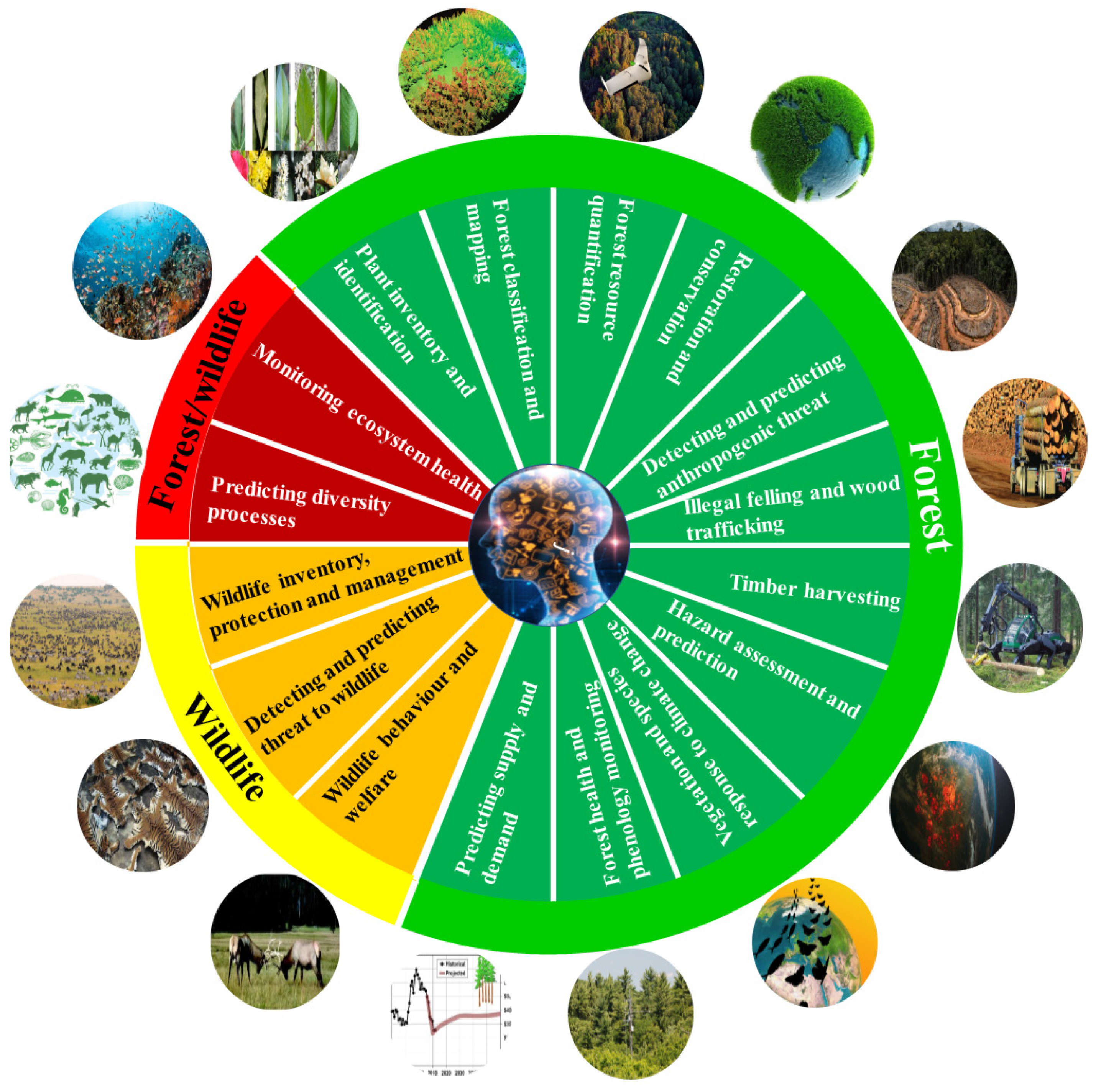

- Impact on flora and fauna
🇮🇳 EIA in India
📜 Legal Framework:
- Environment Protection Act, 1986
- EIA Notification (1994, updated 2006)
🔑 Key Features:
- Mandatory for major projects
- Public hearing required
- Clearance from authorities
🏢 Authorities:
- Ministry of Environment, Forest and Climate Change (MoEFCC)
- State Environmental Impact Assessment Authorities
🌏 Global Perspective
- Widely adopted worldwide
- Supported by organizations like UNEP
⚖️ Advantages of EIA
- Prevents environmental damage
- Promotes sustainable development
- Improves project planning
- Encourages public participation
❌ Limitations of EIA
- Time-consuming
- Expensive
- Data limitations
- Implementation challenges
⚠️ Challenges in EIA
- Lack of transparency
- Political pressure
- Poor monitoring
🔄 Role of Public Participation
- Ensures transparency
- Protects community interests
- Improves decision-making
🔮 Future of EIA
- Use of AI and GIS
- Better monitoring systems
- Stronger regulations
🔄 Relationship with Sustainable Development
EIA ensures:
- Balance between development and environment
- Long-term sustainability
🧾 Conclusion
Environmental Impact Assessment is a vital tool for sustainable development, helping to identify and mitigate environmental impacts before projects are implemented. It promotes responsible decision-making, protects ecosystems, and ensures compliance with environmental laws.
As development continues, strengthening EIA processes will be crucial for maintaining ecological balance and securing a sustainable future.