
🌐 Introduction to Python Programming
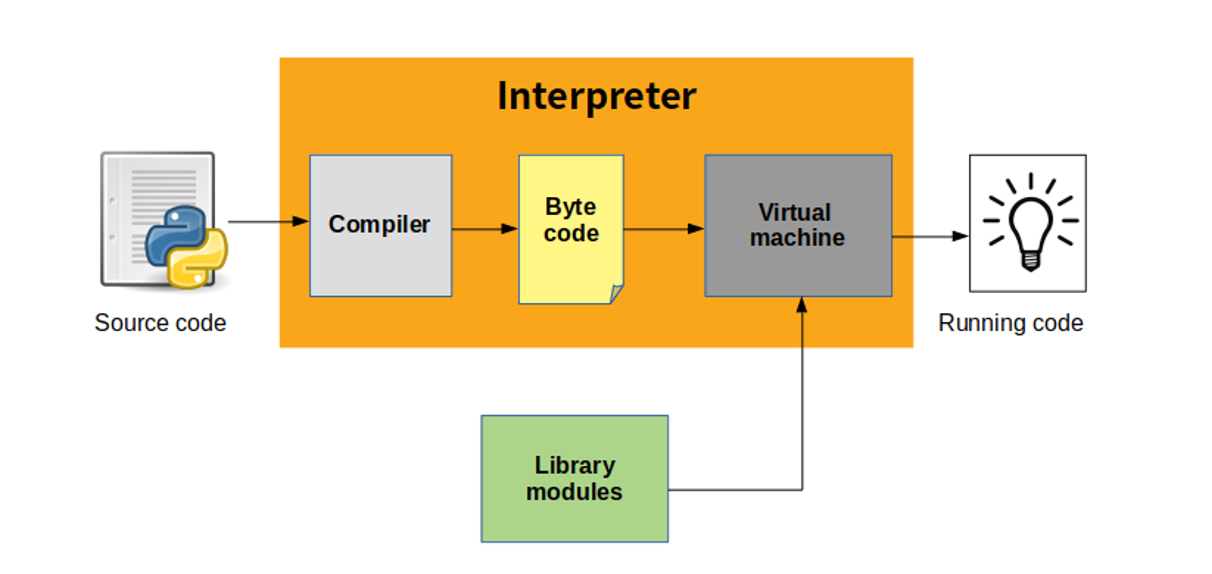


Python is a high-level, interpreted, general-purpose programming language known for its simplicity, readability, and versatility. It is one of the most popular languages in the world and widely used across industries.
In simple terms:
Python = easy-to-learn, powerful language for almost everything
Python supports multiple programming paradigms:
- Procedural
- Object-Oriented
- Functional
🧠 Importance of Python
- Beginner-friendly syntax
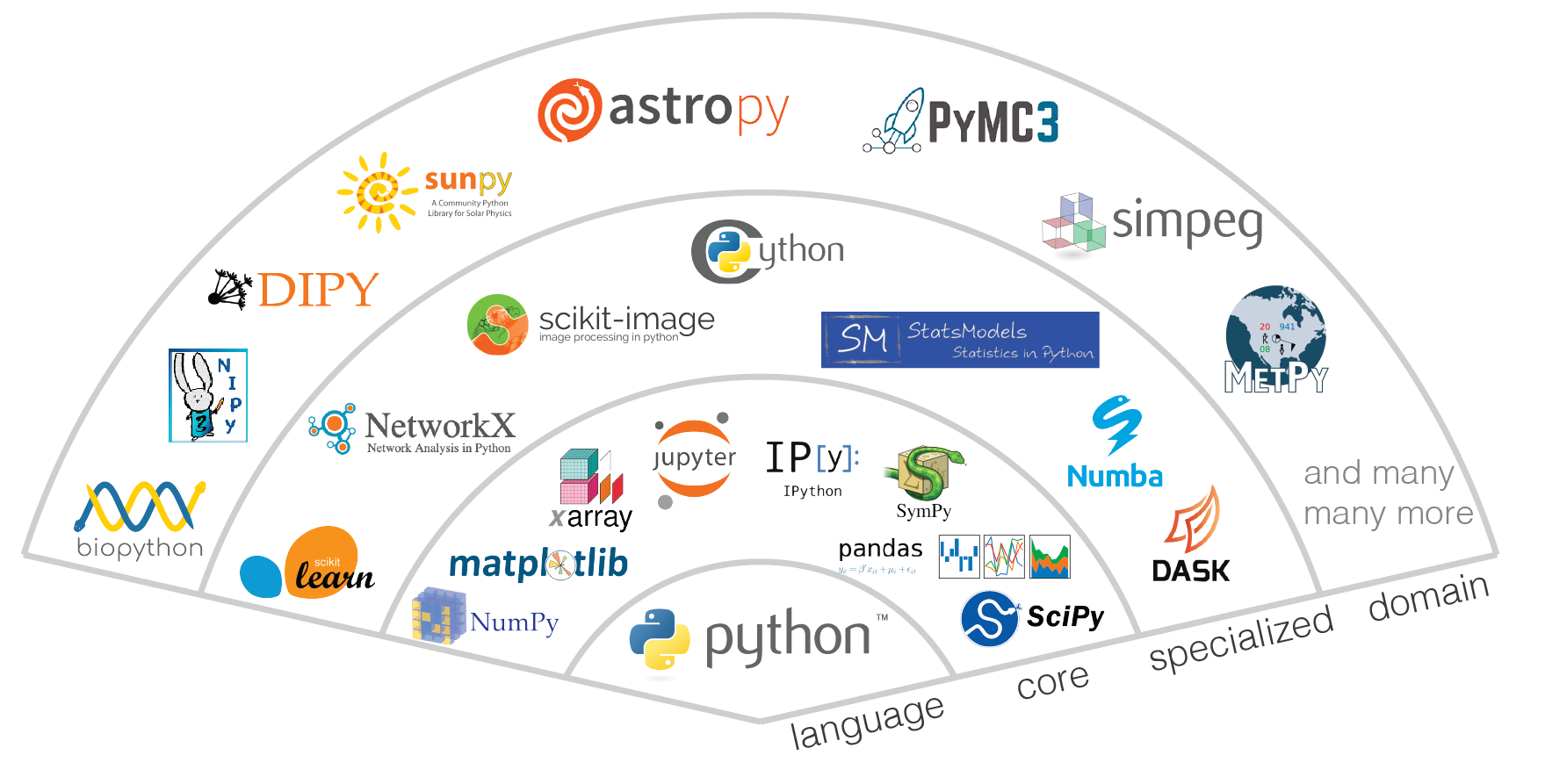
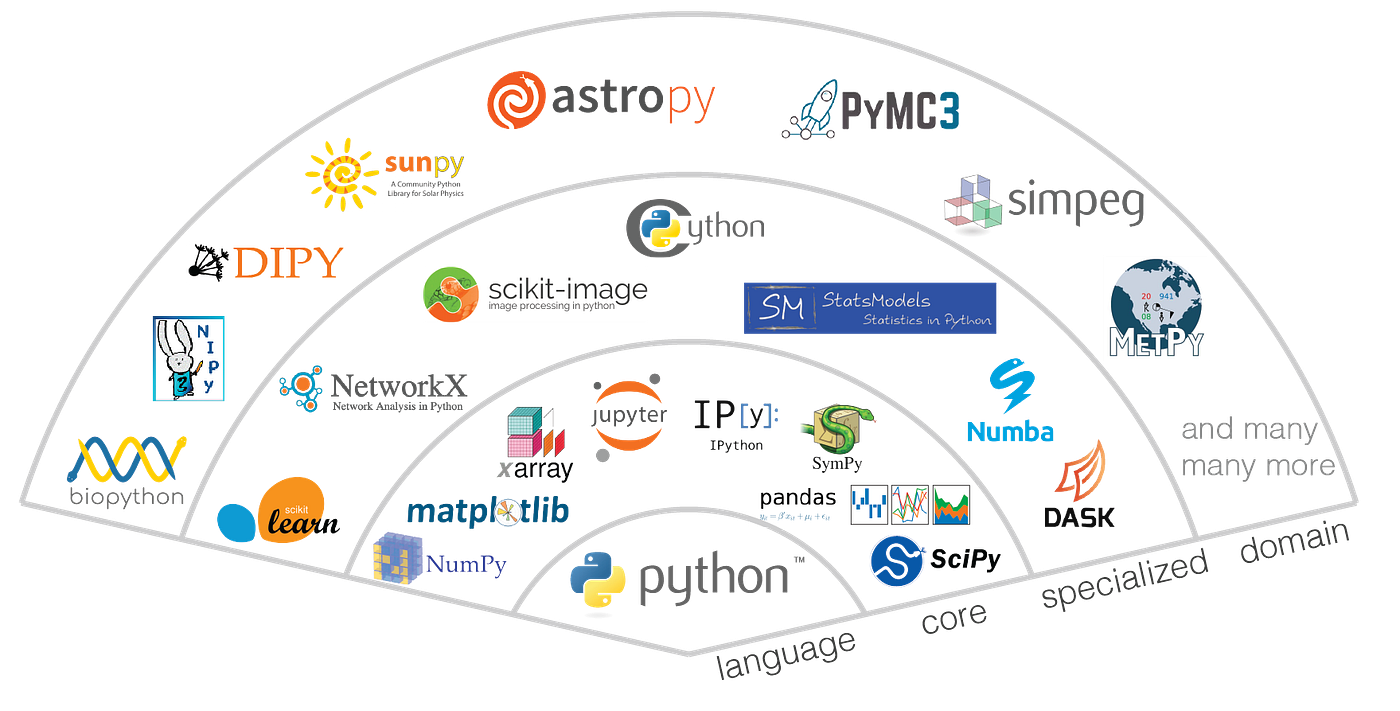
- Massive ecosystem of libraries
- Used in AI, Data Science, Web Development
- Cross-platform compatibility
- Rapid development and prototyping
🧩 Basic Structure of a Python Program
📄 Example Program
print("Hello, World!")
🧠 Key Features:


- No need for semicolons
- Indentation-based syntax
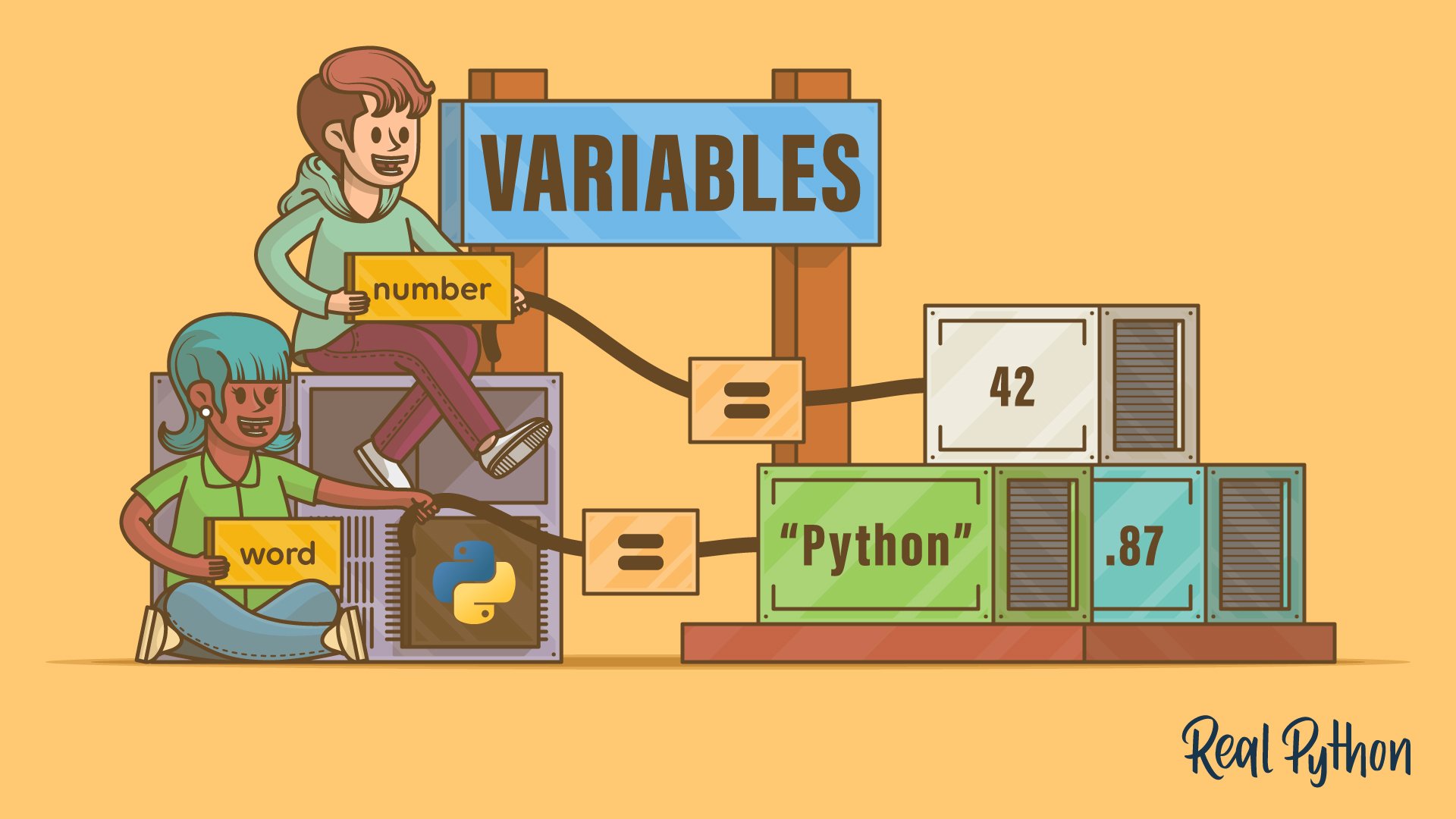
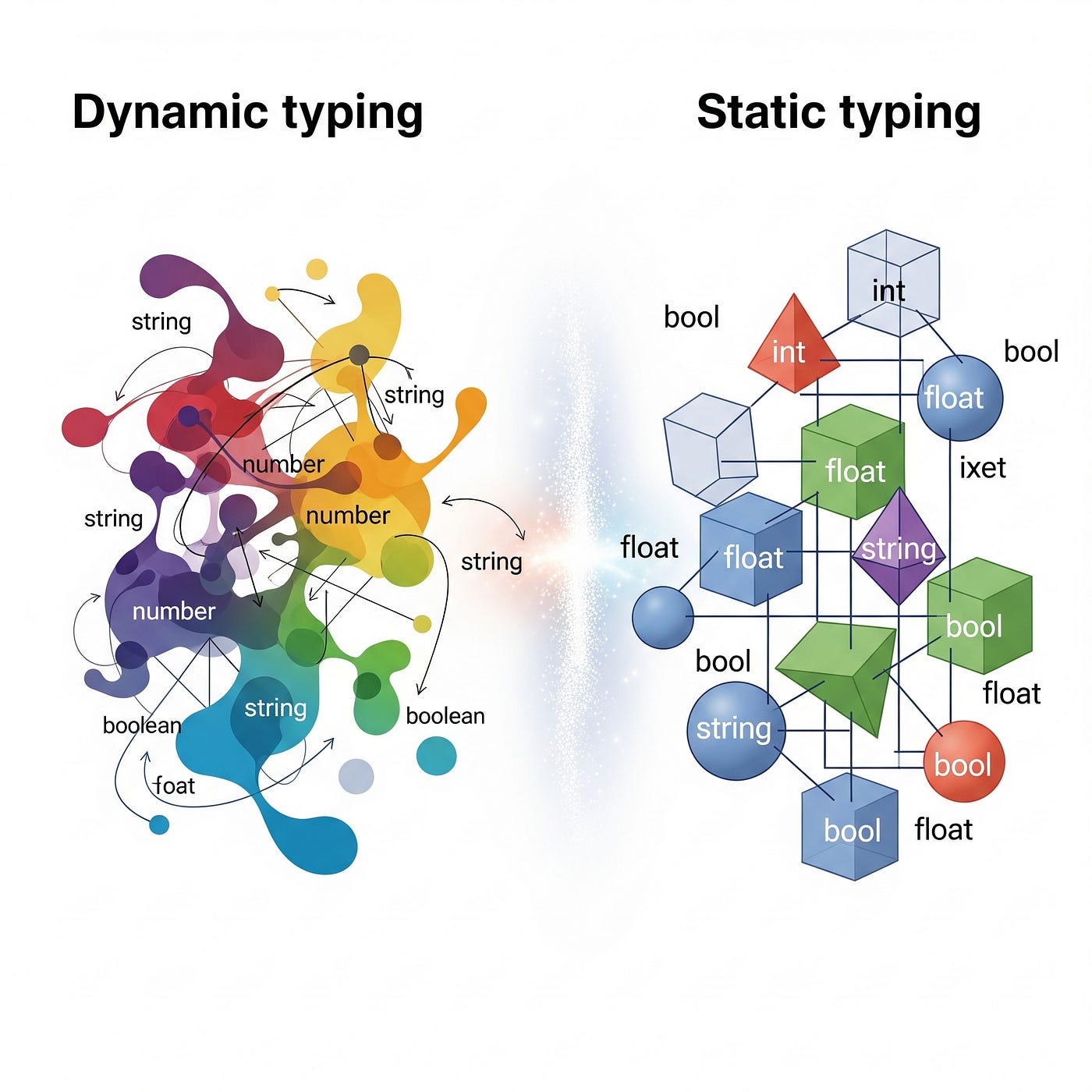
- Dynamic typing
- Interpreted execution
⚙️ Data Types in Python
🔢 Basic Data Types
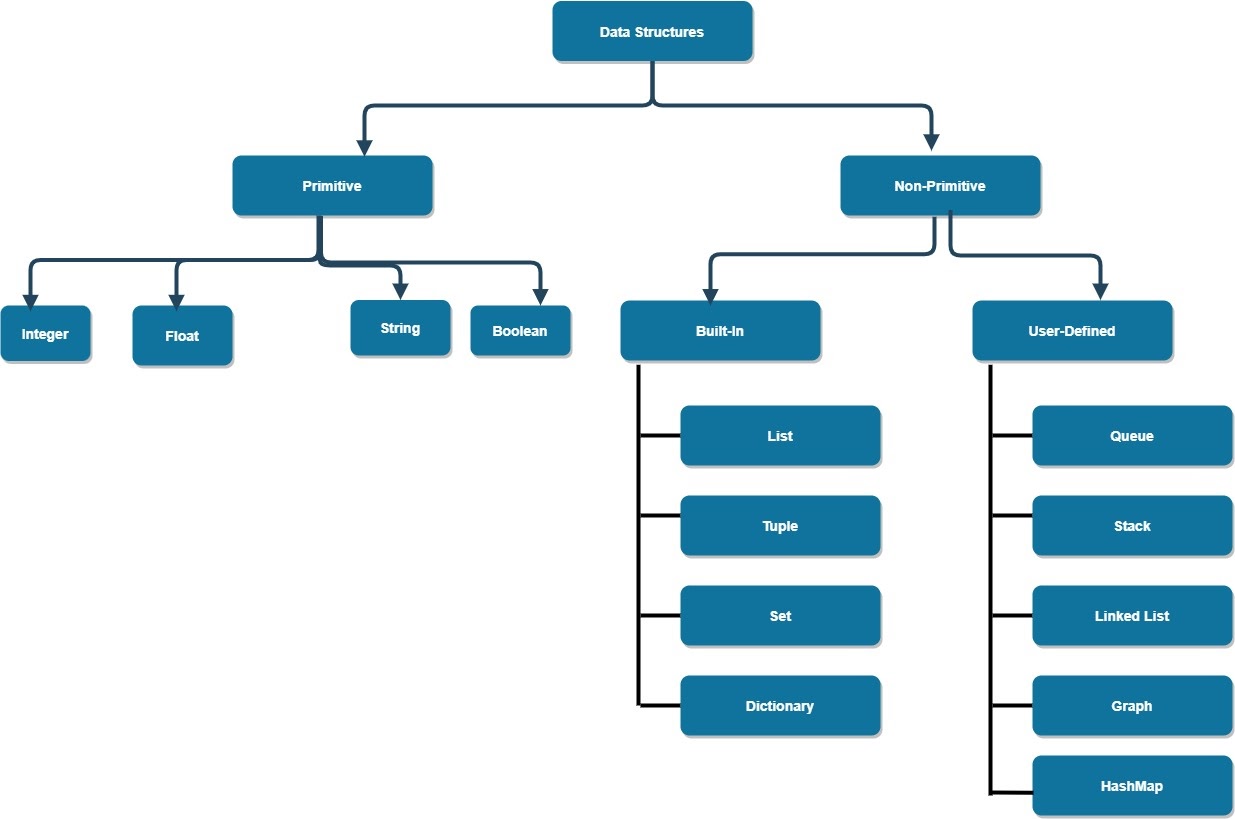
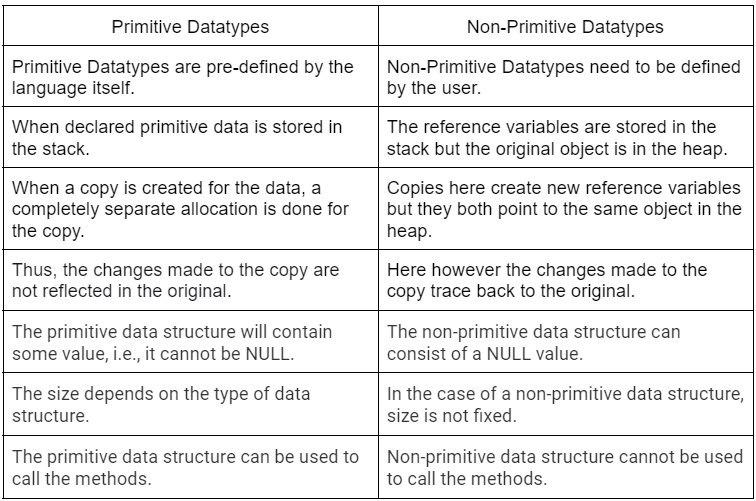
| Type | Example |
|---|---|
| int | 10 |
| float | 3.14 |
| str | “Hello” |
| bool | True |
🧩 Complex Data Types
- List
- Tuple
- Dictionary
- Set
🔤 Variables and Constants
📌 Variables
x = 10
name = "Python"
🔒 Constants
Python uses naming conventions:
PI = 3.14
⚙️ Operators in Python
🔢 Types:
- Arithmetic (+, -, *, /)
- Relational (==, >, <)
- Logical (and, or, not)
- Assignment (=, +=)
🔄 Control Structures
🔀 Conditional Statements
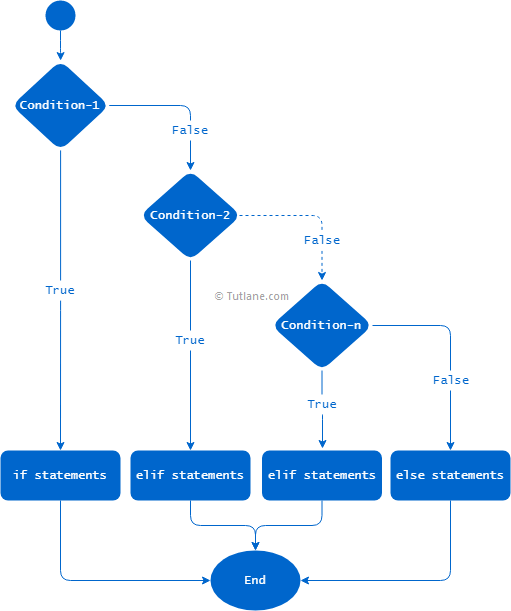
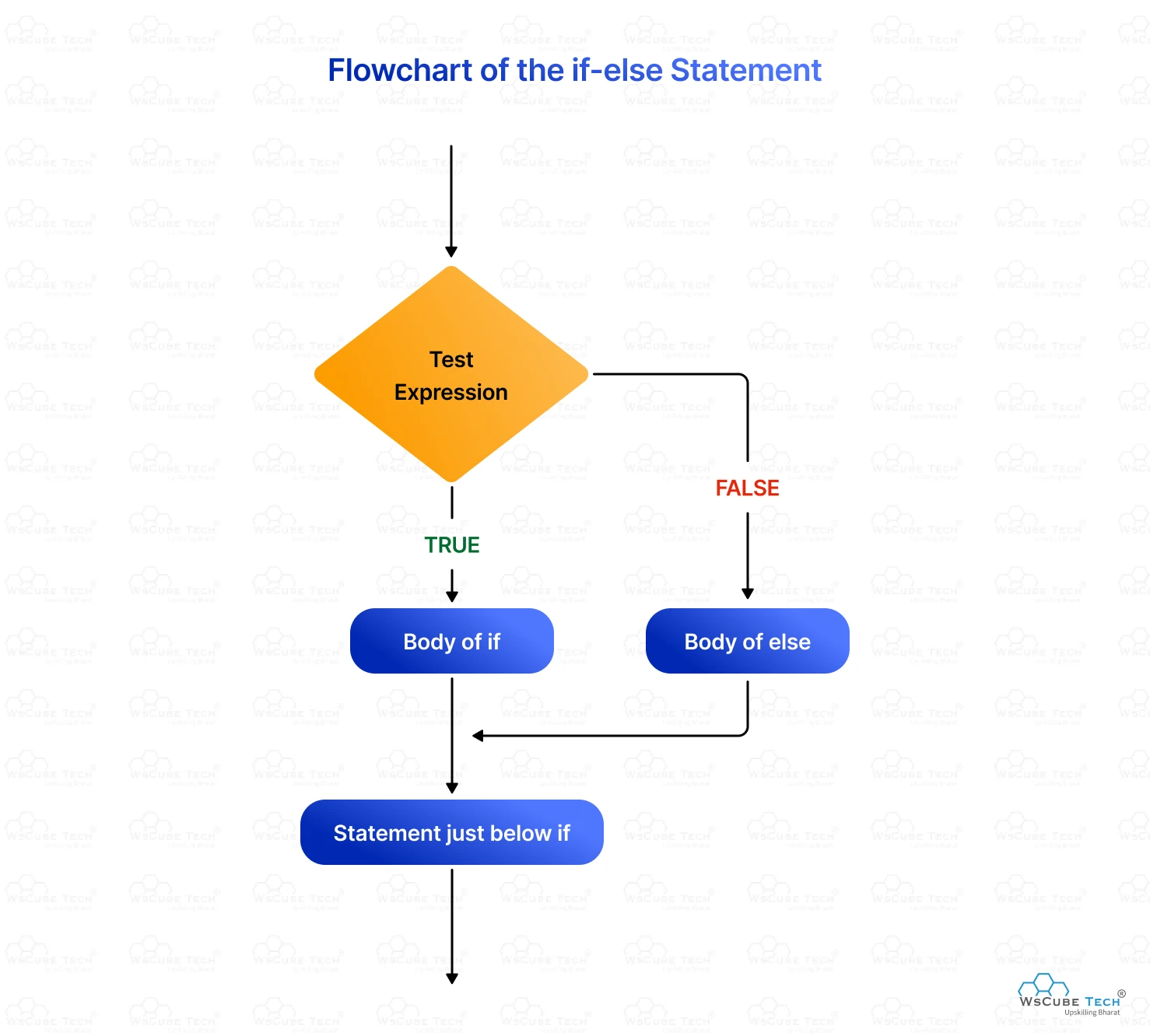


if x > 0:
    print("Positive")
🔁 Loops
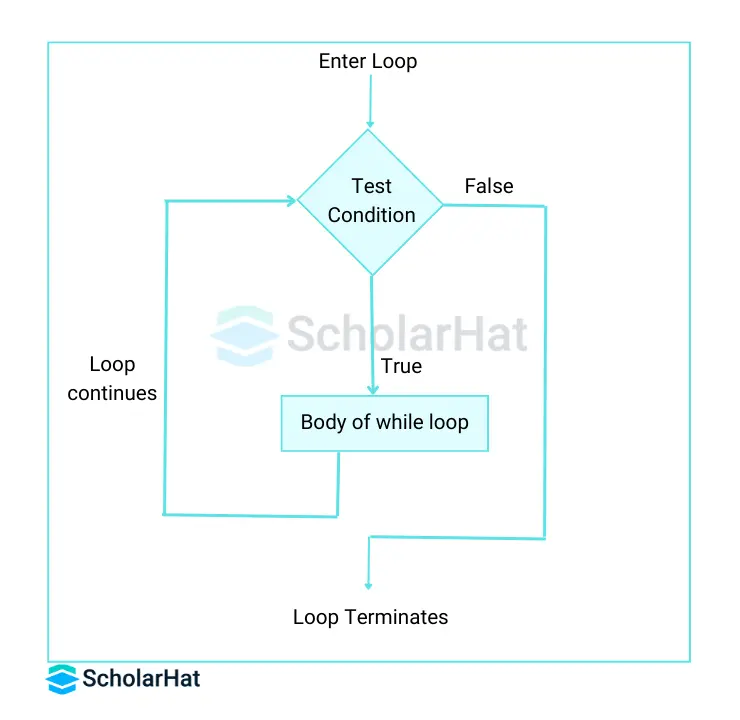


- for loop
- while loop
🧠 Functions in Python
📌 Definition
def add(a, b):
    return a + b
⚙️ Features:
- Default arguments
- Keyword arguments
- Lambda functions
🧩 Data Structures in Python
📦 Lists
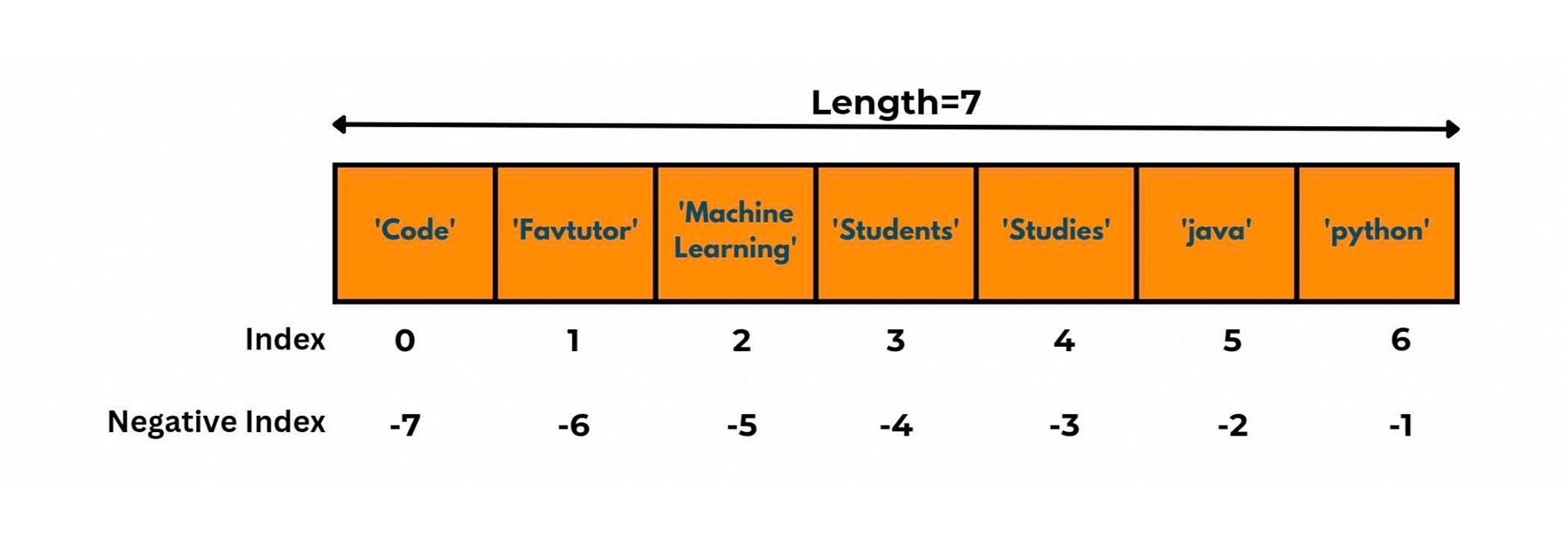

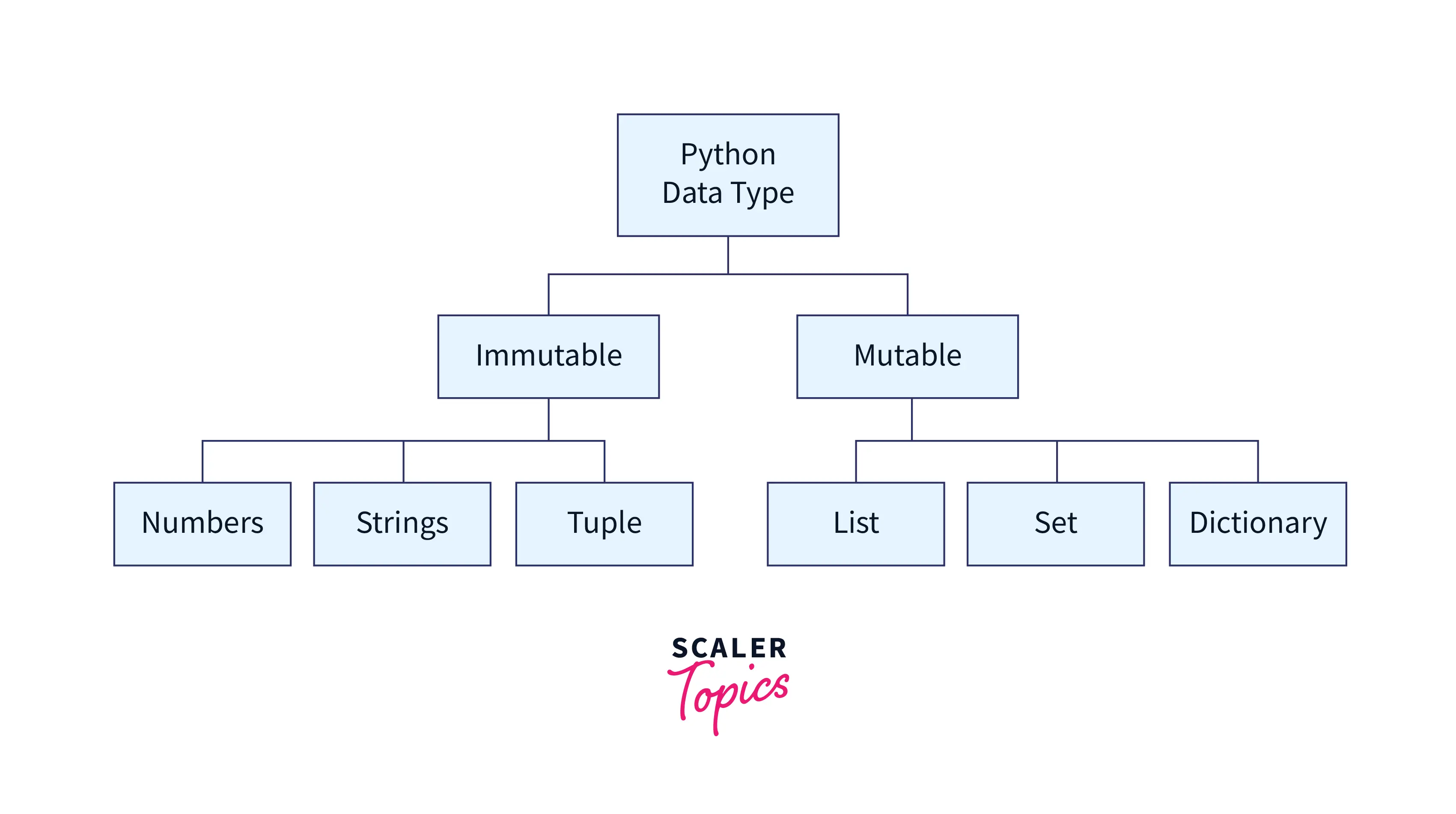
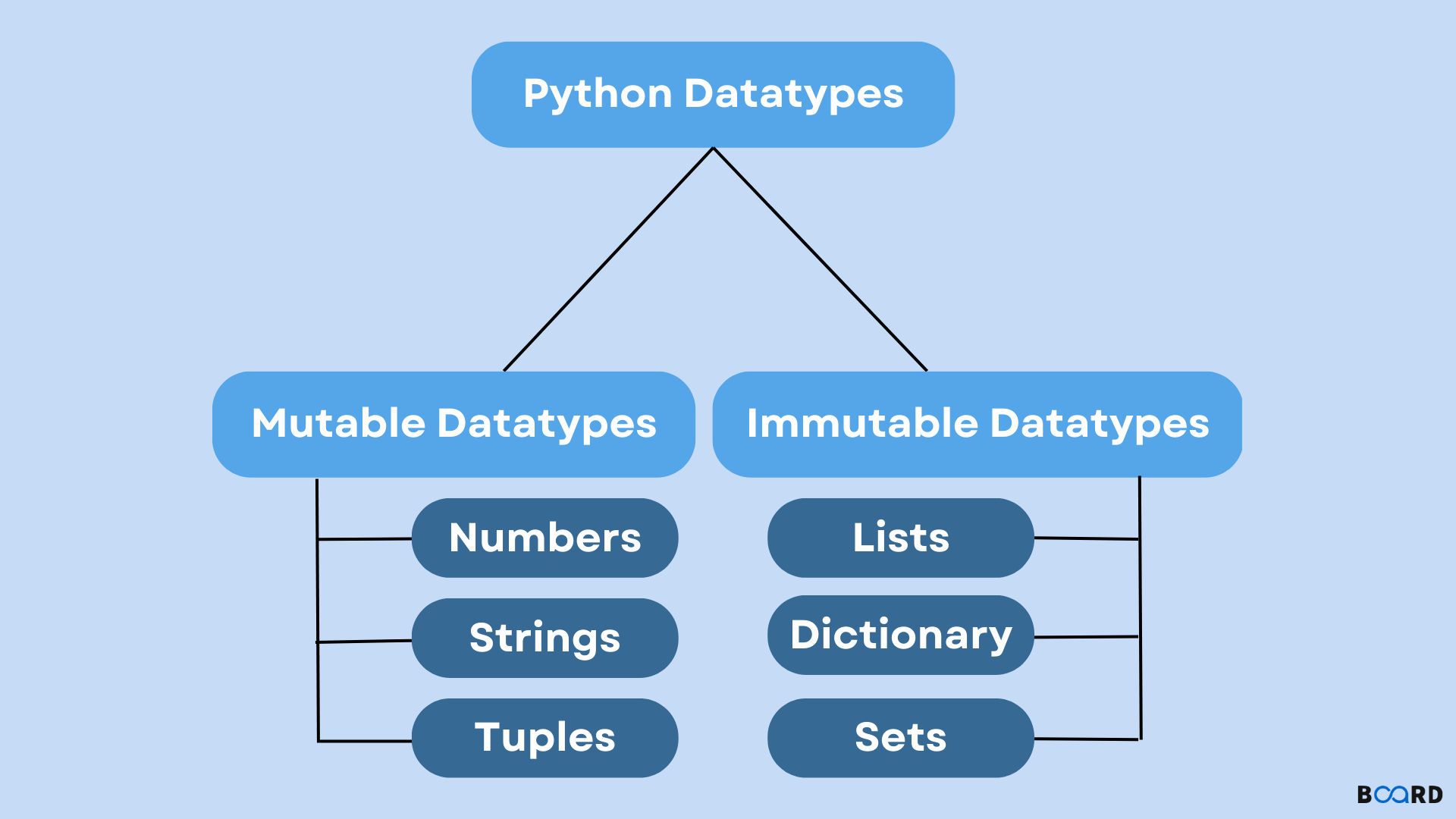
- Ordered, mutable
🔒 Tuples
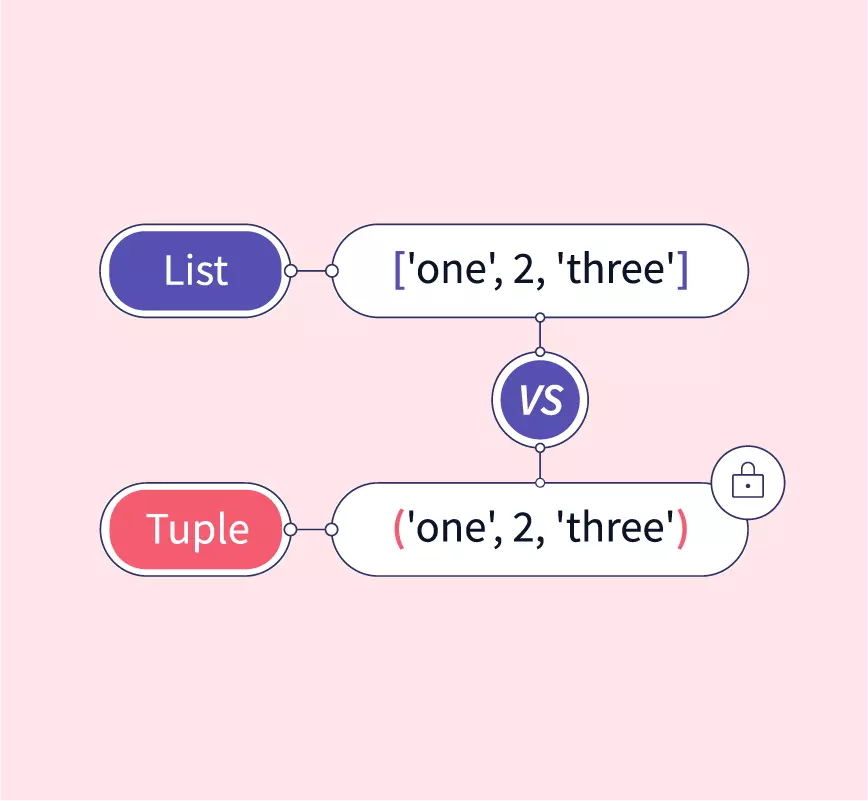



- Ordered, immutable
📚 Dictionaries
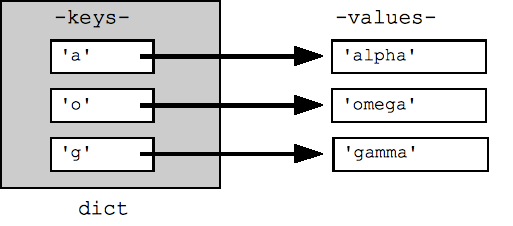
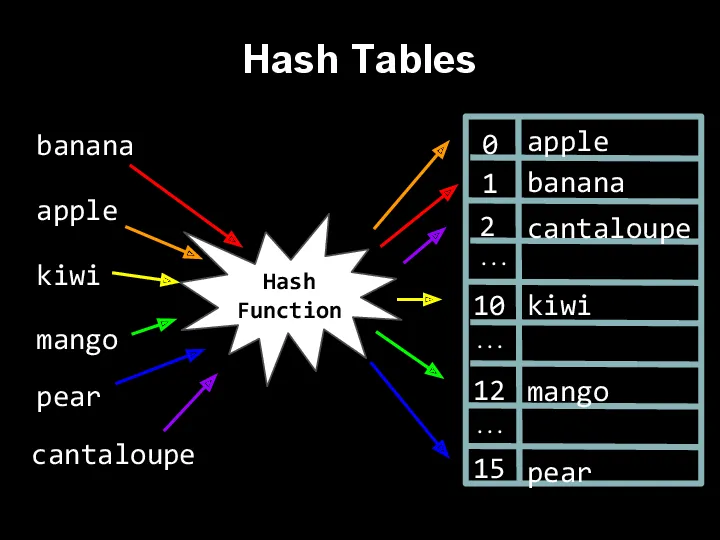

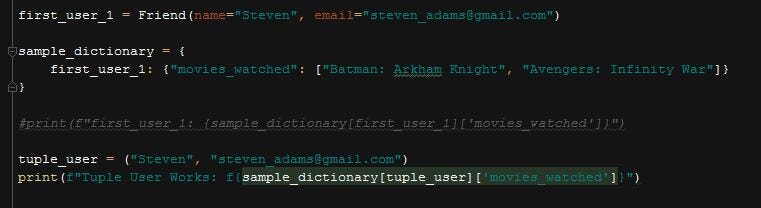
- Key-value pairs
🔗 Sets


- Unique elements
🔤 Strings in Python
📌 Features


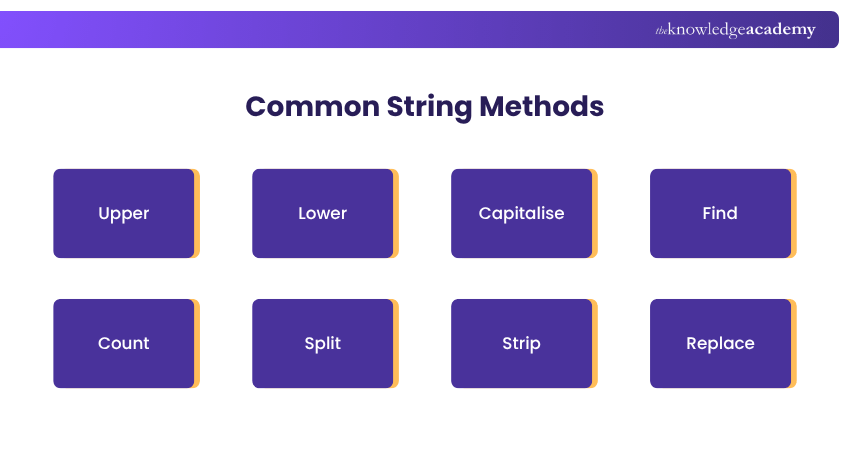
- Immutable
- Supports slicing
🔹 Example:
text = "Hello"
print(text[0])
🧠 Object-Oriented Programming in Python
🧩 Concepts
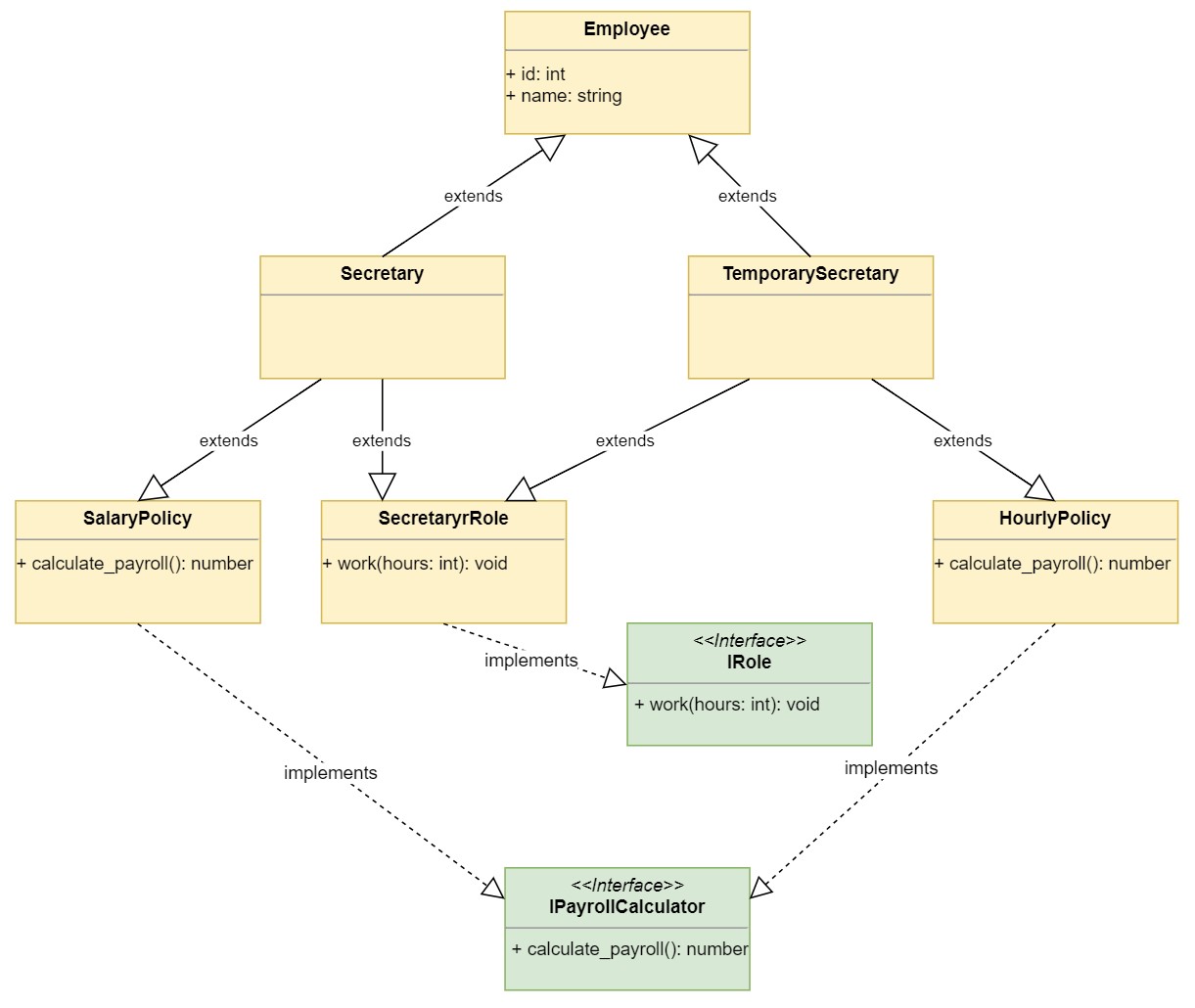


🔹 Class Example
class Car:
    def __init__(self, speed):
        self.speed = speed
💾 File Handling
📄 Operations
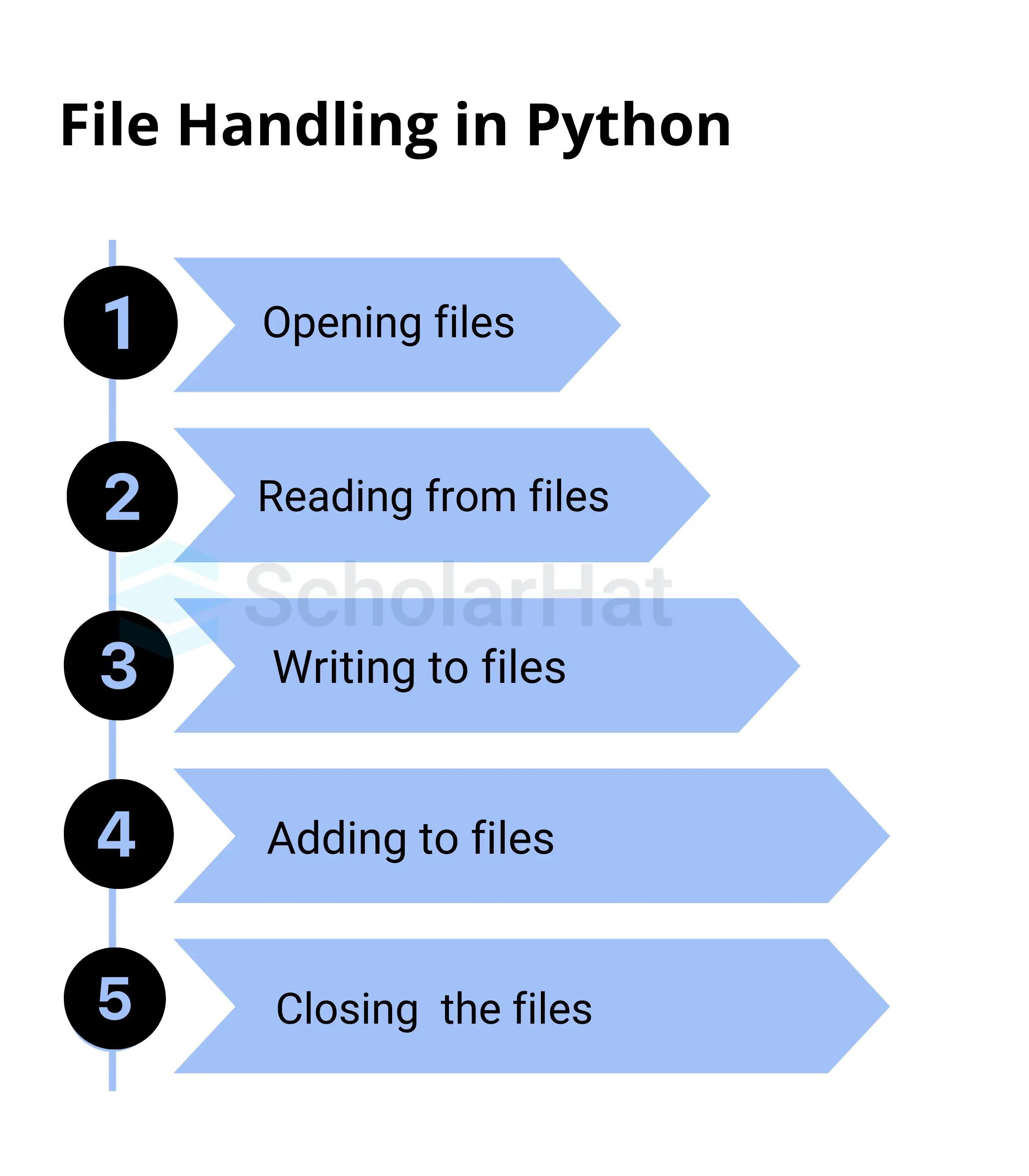

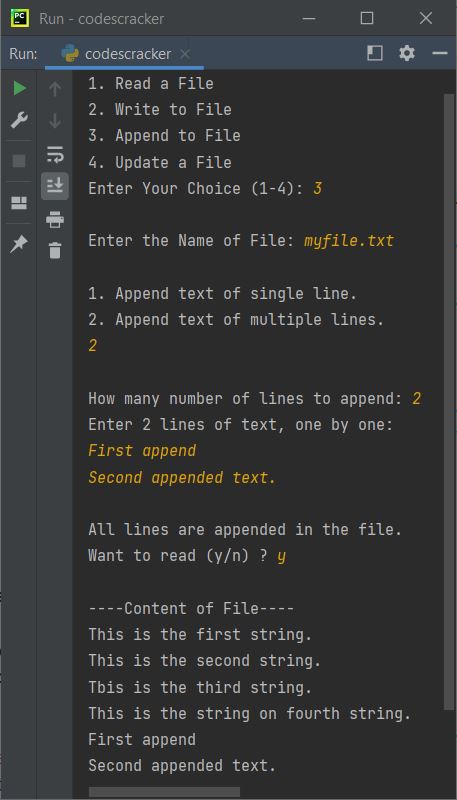
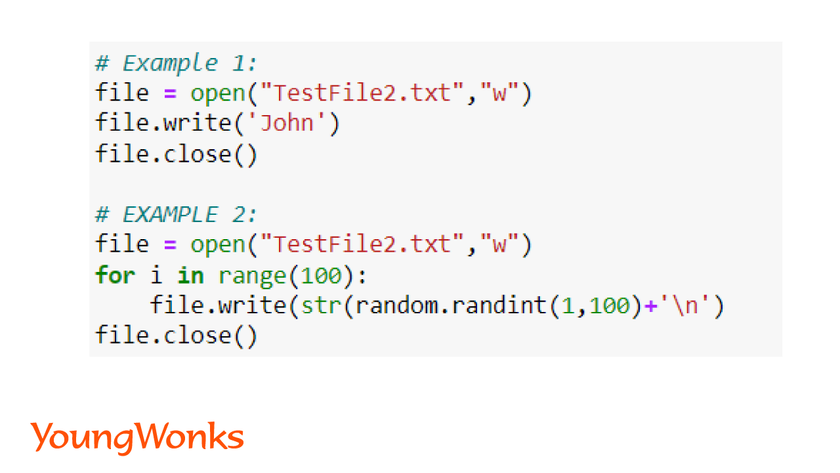
file = open("data.txt", "r")
🧠 Exception Handling
⚠️ Example:
try:
    x = 10 / 0
except:
    print("Error")
📦 Modules and Packages
🧩 Concept
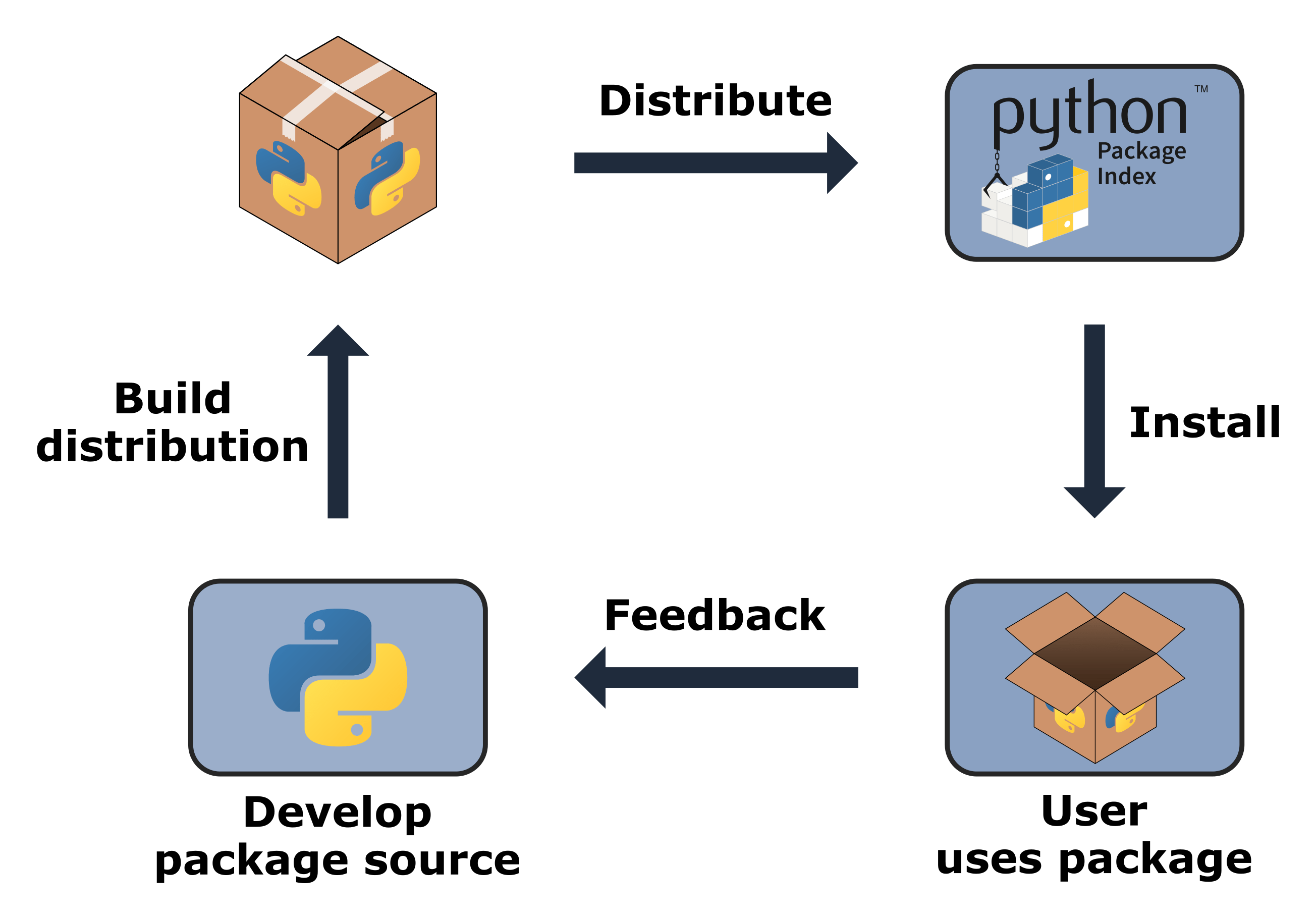
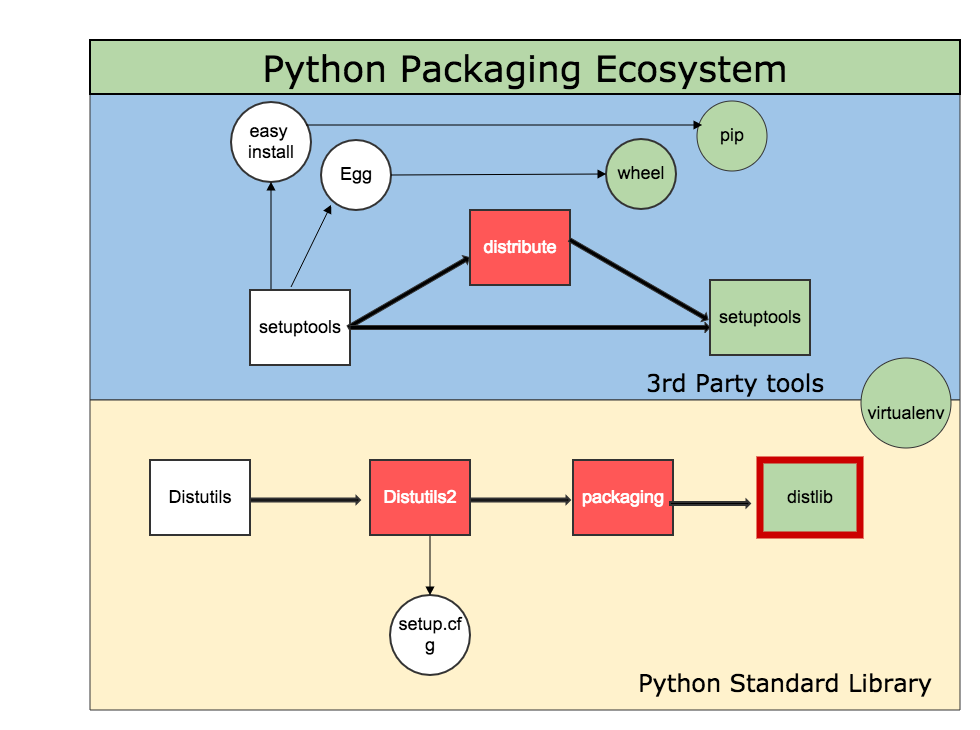


- Modules = single file
- Packages = collection of modules
🌐 Python in Software Development Context
🧠 Role Among Languages
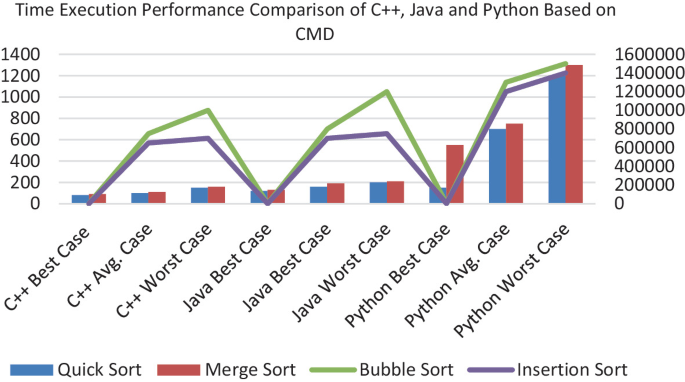

🔹 Compared to Other Languages:
| Language | Strength |
|---|---|
| Python | Easy, versatile |
| C++ | Performance |
| Java | Enterprise |
🚀 Applications of Python
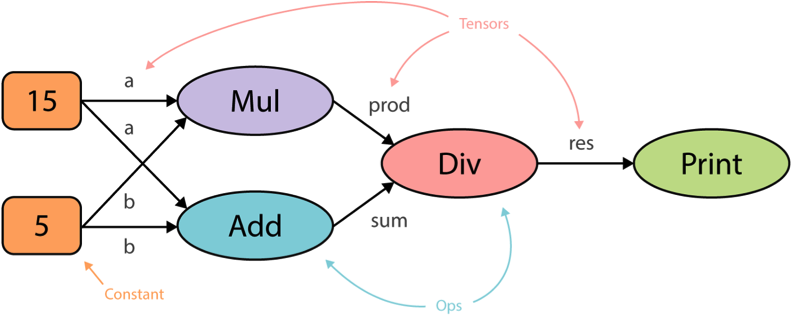
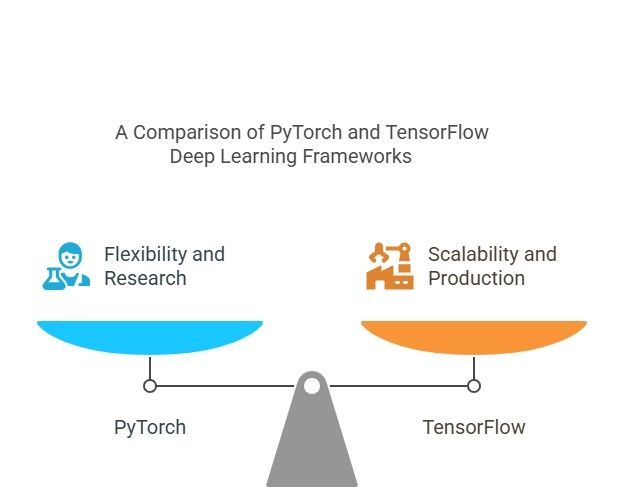
🤖 Artificial Intelligence

🌐 Web Development
- Django
- Flask
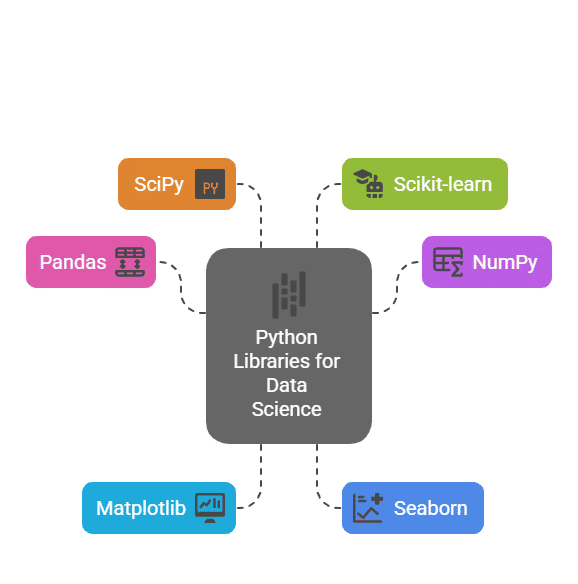
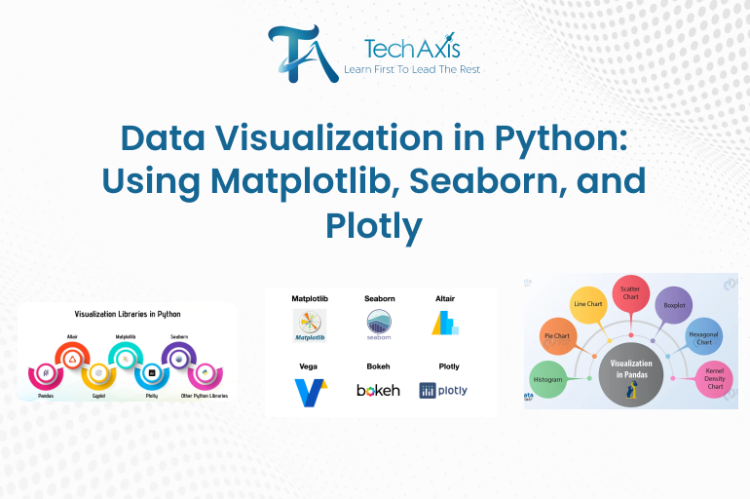
📊 Data Science
- Pandas
- NumPy
🎮 Game Development
- Pygame
🔐 Cybersecurity
- Automation tools
⚡ Advantages of Python
- Easy to learn
- Large community
- Cross-platform
- Rich libraries
⚠️ Limitations
- Slower than C/C++
- High memory usage
- Not ideal for low-level tasks
🚀 Modern Python Trends

- AI & Machine Learning
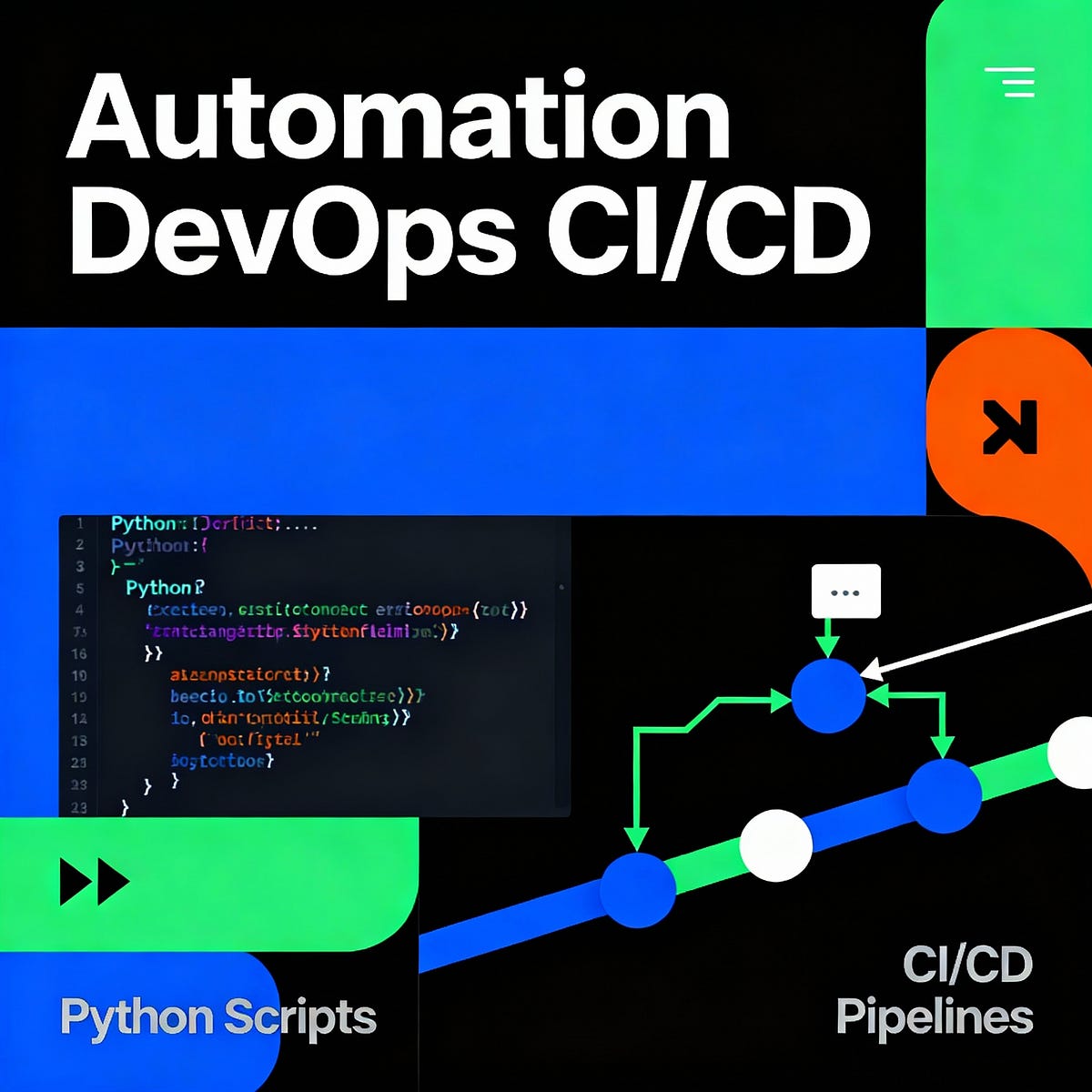
- Automation
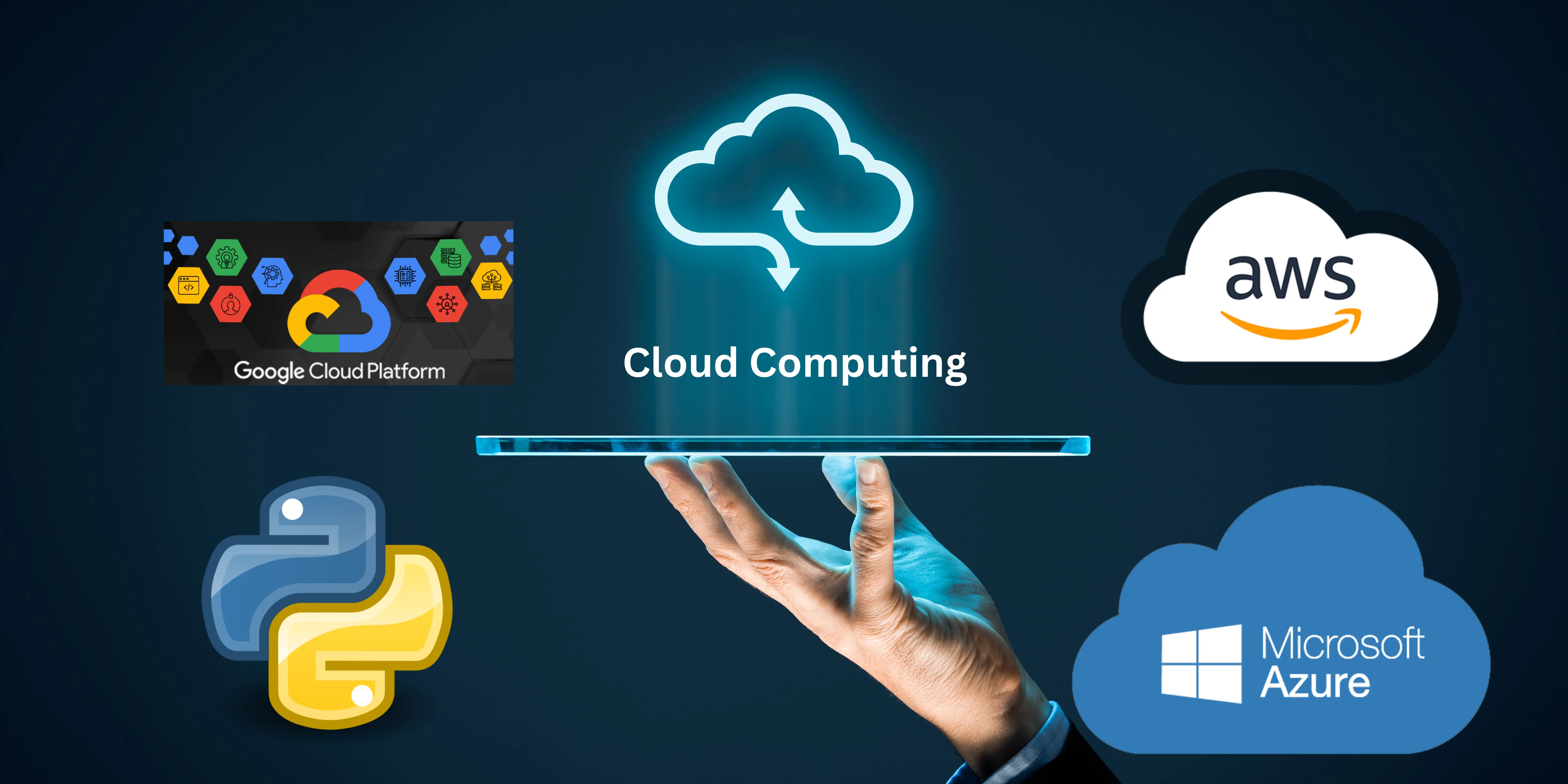
- Cloud computing
- IoT
🧾 Conclusion
Python is one of the most powerful and versatile programming languages today. It:
- Simplifies coding
- Supports multiple domains
- Enables rapid development
Learning Python helps in:
- Software development
- Data science
- AI and automation