Tag Archives: area under curve integration

Applications of Definite Integrals

Image
Image
Image
Image

Introduction to Definite Integrals

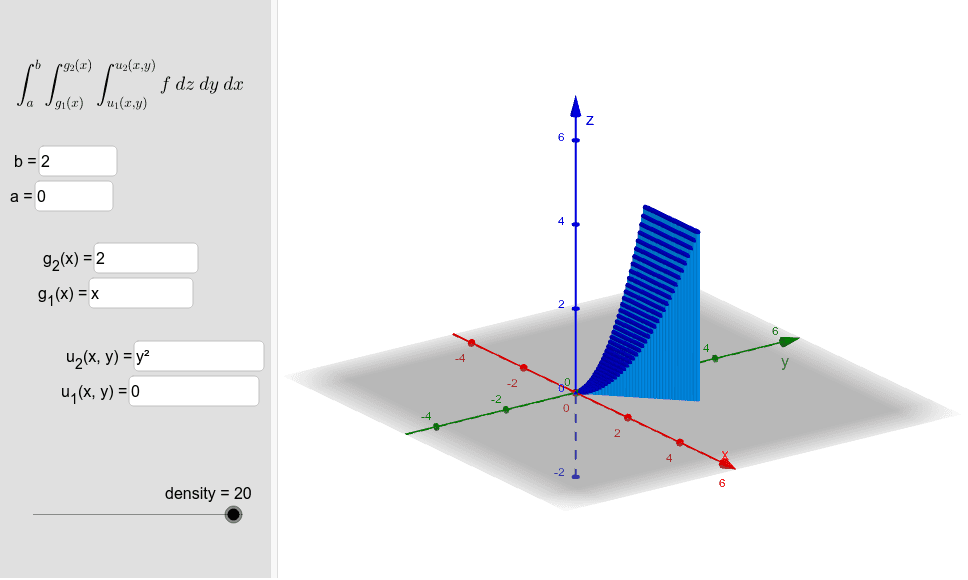
Definite integrals are one of the most important concepts in calculus. They represent the accumulation of quantities over a specified interval and provide a powerful method for calculating areas, volumes, work, and many other measurable quantities. The definite integral connects algebraic expressions with geometric interpretations and physical phenomena.

In mathematics, a definite integral is written as:

∫ₐᵇ f(x) dx

Here:

  • f(x) is the function being integrated
  • a is the lower limit of integration
  • b is the upper limit of integration
  • dx represents an infinitesimally small change in x

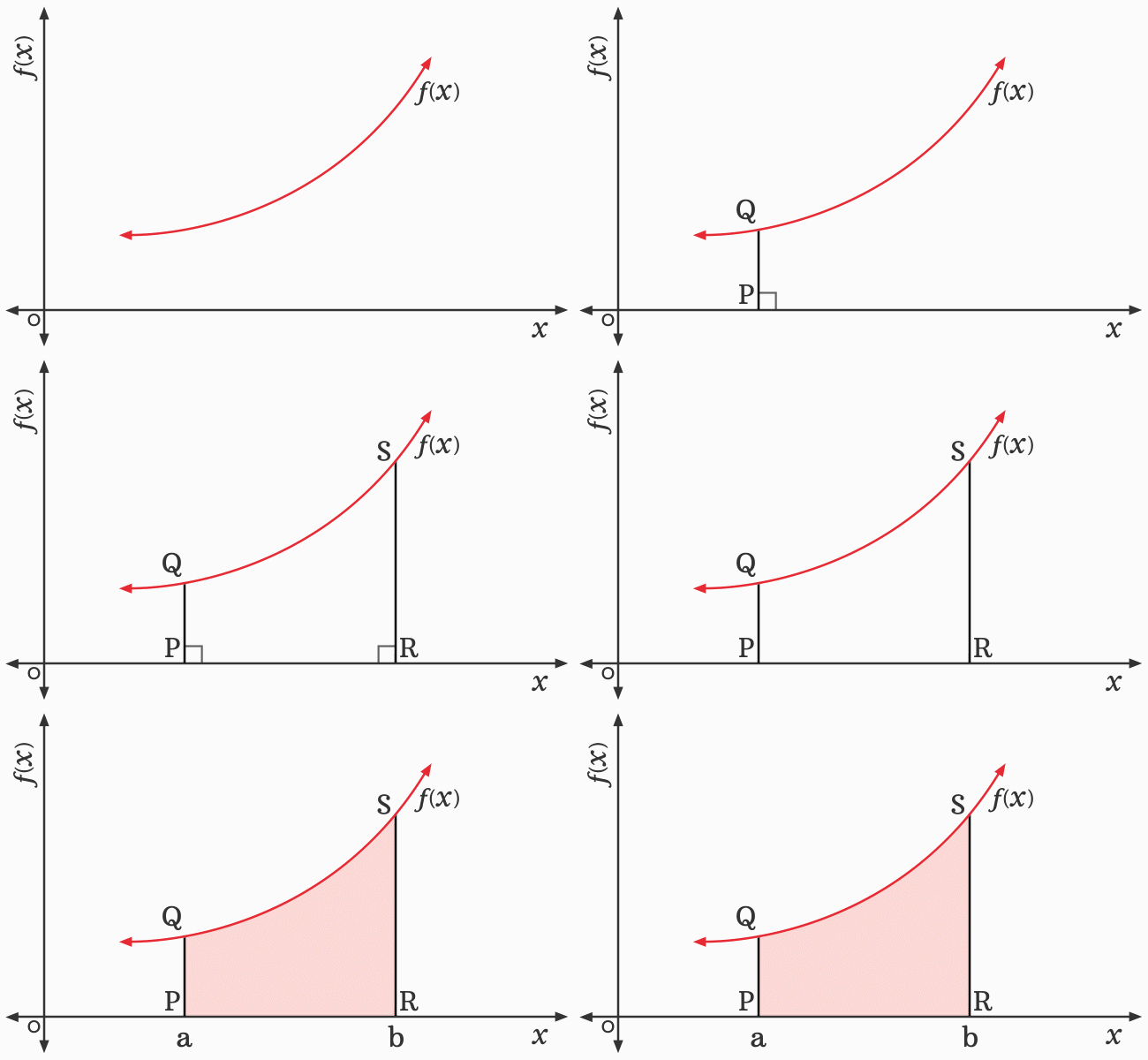
The definite integral calculates the net area under the curve of the function f(x) between x = a and x = b.

The concept of definite integrals originated from the need to determine areas bounded by curves, which could not be solved using classical geometry alone. Mathematicians developed integral calculus to compute these areas precisely.

Definite integrals have many practical applications in science, engineering, economics, physics, and statistics. They help measure quantities that accumulate continuously, such as distance, mass, energy, and probability.


Geometric Interpretation of Definite Integrals
Image
Image
Image
Image

One of the most important interpretations of definite integrals is geometric.

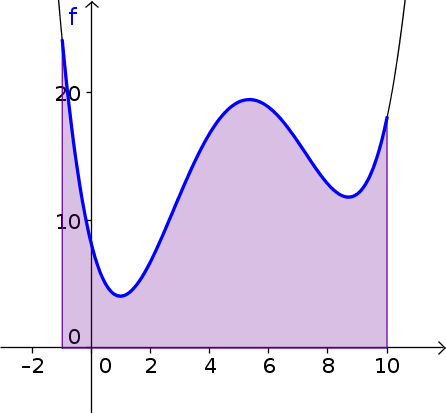
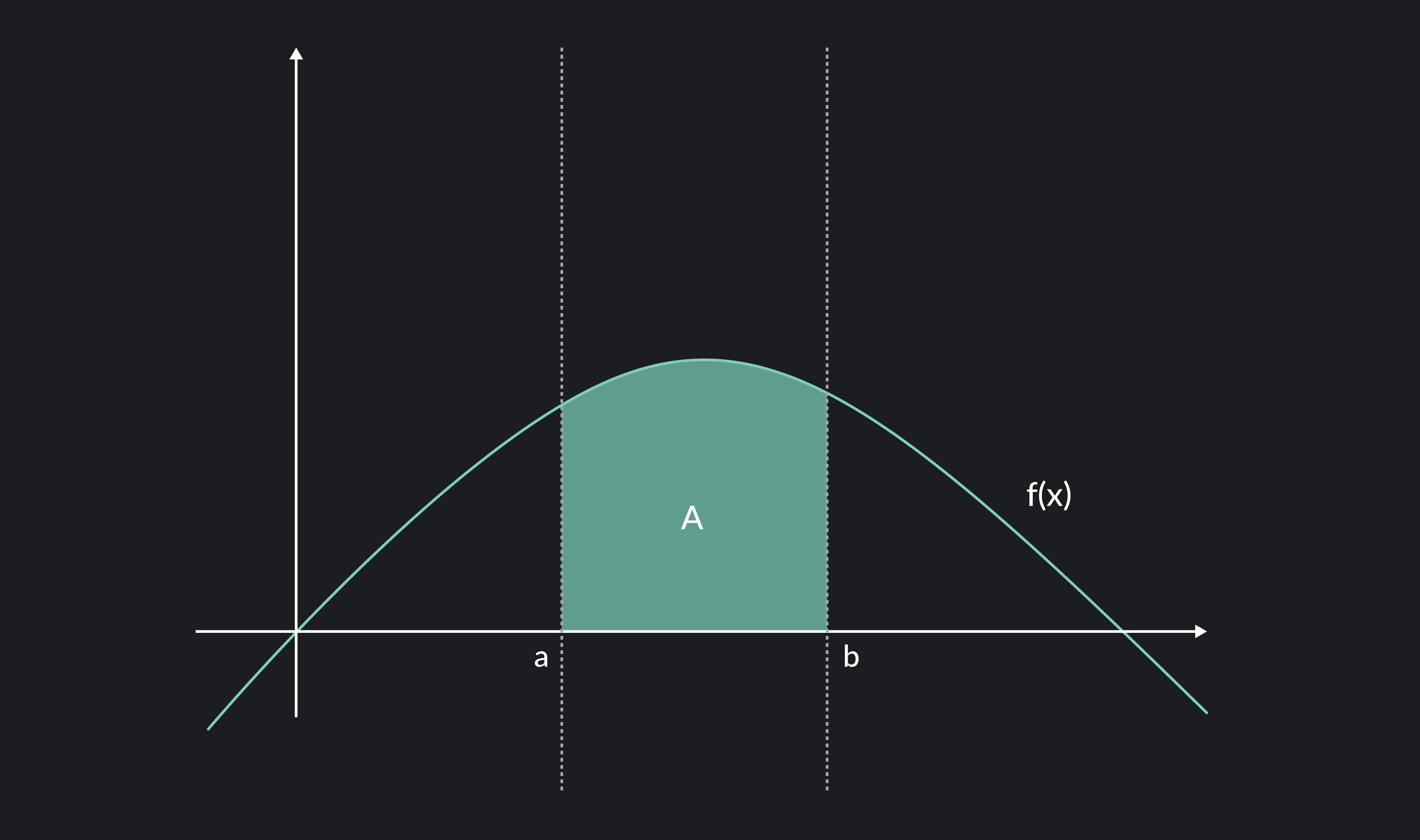
If a function f(x) is positive over the interval [a, b], then the definite integral represents the area under the curve and above the x-axis.

Area = ∫ₐᵇ f(x) dx

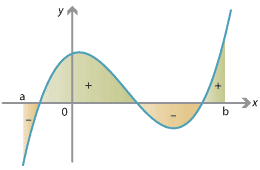
If the function is below the x-axis, the definite integral gives a negative value. In such cases, the absolute value is taken to determine the actual area.

Thus, definite integrals represent the signed area between a curve and the x-axis.

Example:

If f(x) = x² and the interval is [0,2], then:

∫₀² x² dx = 8/3

This represents the exact area under the curve y = x² between x = 0 and x = 2.


Area Between Two Curves
Image
Image
Image
Image

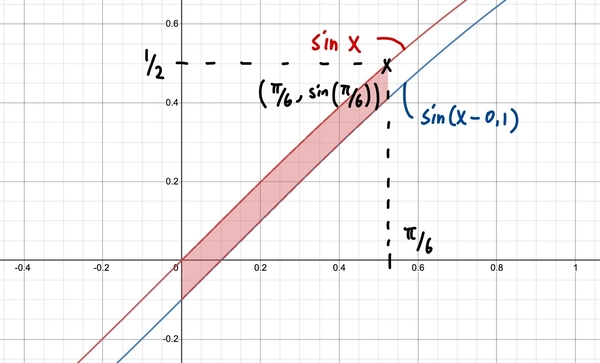
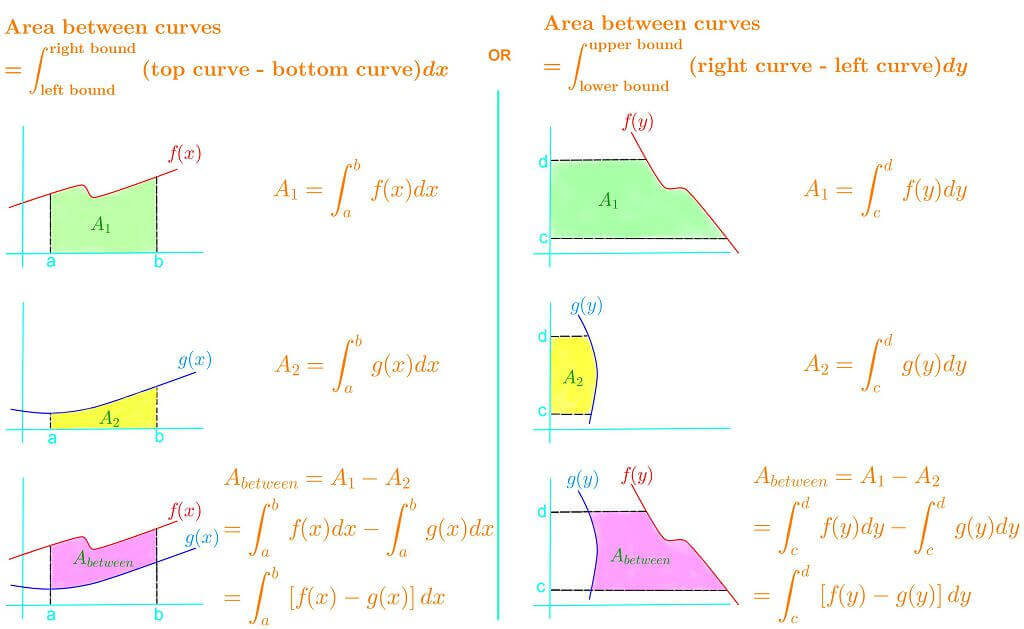
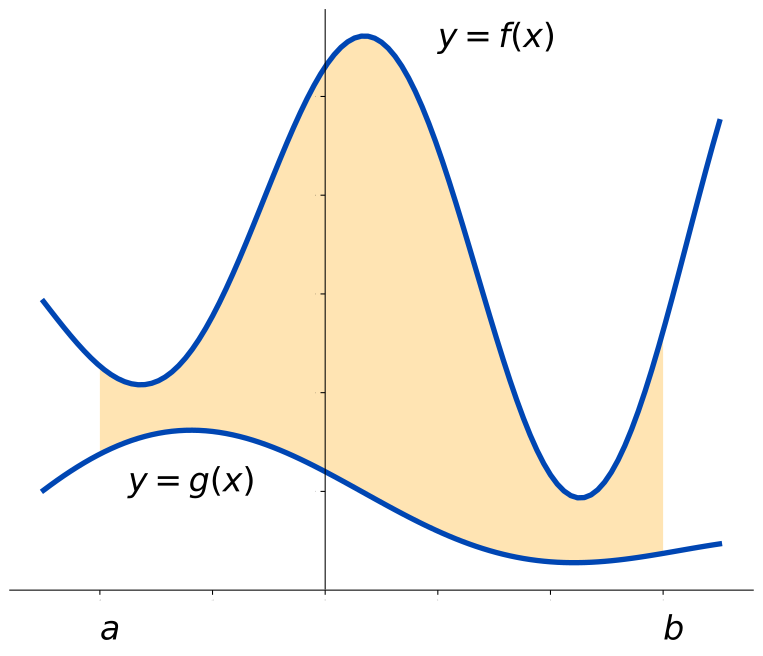
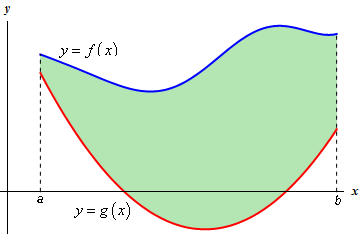
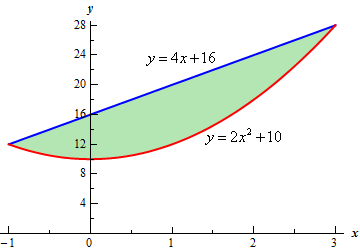
Definite integrals can be used to calculate the area between two curves.

If two functions are given:

y = f(x)
y = g(x)

and f(x) ≥ g(x) over the interval [a,b], then the area between the curves is:

Area = ∫ₐᵇ [f(x) − g(x)] dx

This formula subtracts the lower curve from the upper curve and integrates the difference over the interval.

Example:

Find the area between the curves:

y = x
y = x²

The curves intersect at x = 0 and x = 1.

Area:

∫₀¹ (x − x²) dx

= [x²/2 − x³/3]₀¹

= 1/2 − 1/3

= 1/6

Thus, the area between the curves equals 1/6 square units.

This method is widely used in geometry and engineering.


Area with Respect to the y-axis
Image
Image
Image
Image

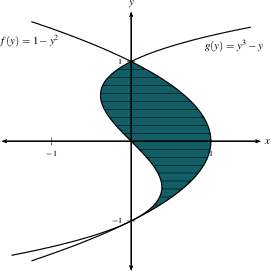
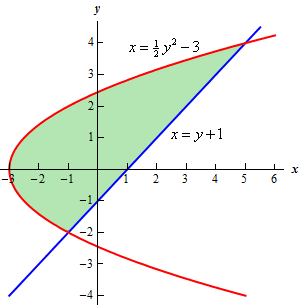
Sometimes it is easier to integrate with respect to y instead of x.

If curves are expressed as:

x = f(y)
x = g(y)

Then the area between them is:

Area = ∫ₐᵇ [f(y) − g(y)] dy

This method uses horizontal strips rather than vertical strips.

It is useful when curves are functions of y rather than x.


Volume of Solids Using Definite Integrals

Image
Image
Image
Image

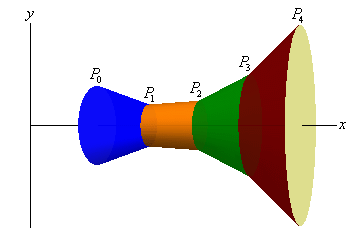
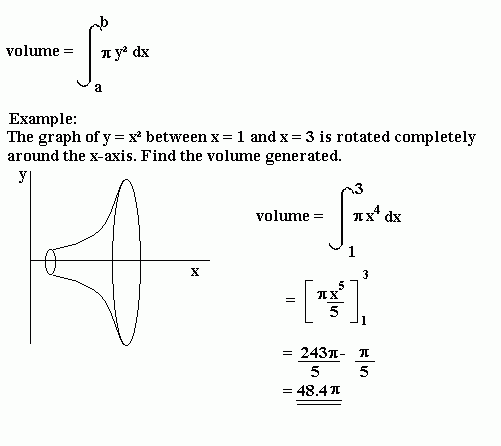
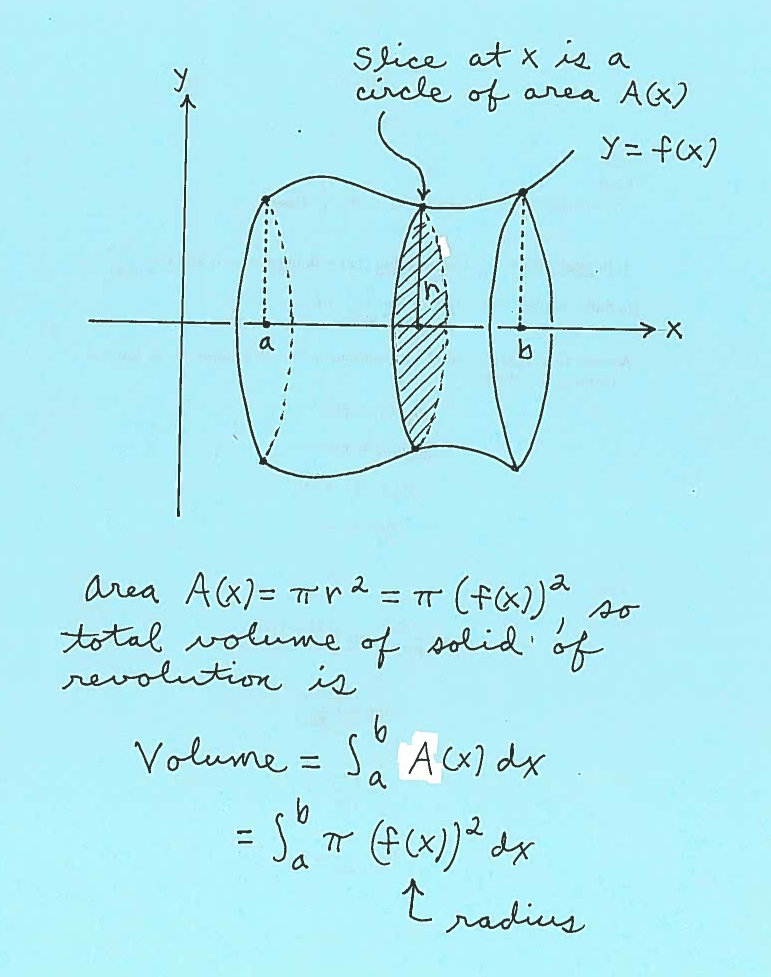
Definite integrals can be used to calculate volumes of three-dimensional solids.

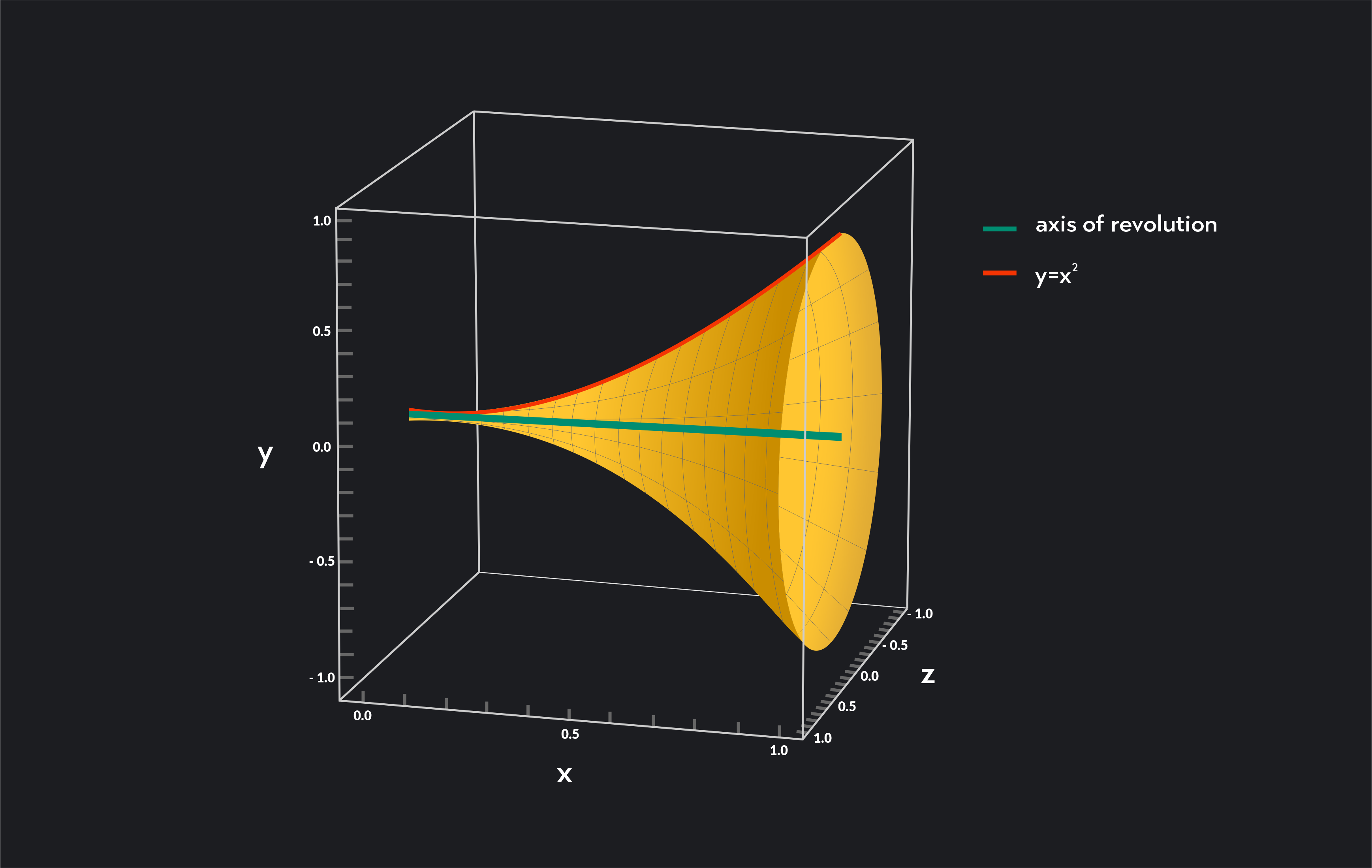
When a region in the plane is rotated about an axis, it forms a solid of revolution.

Disk Method

Volume formula:

V = π ∫ₐᵇ [f(x)]² dx

This method is used when the solid has no hollow region.

Example:

Rotate the curve y = x around the x-axis from 0 to 2.

Volume:

π ∫₀² x² dx

= π (8/3)

Washer Method

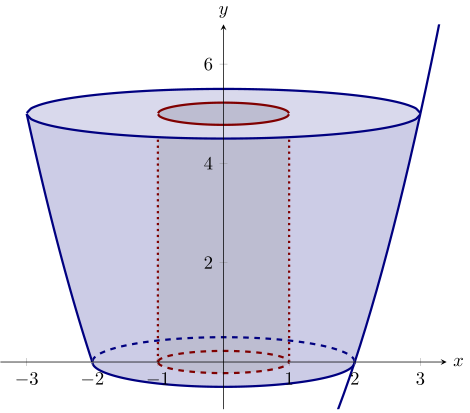
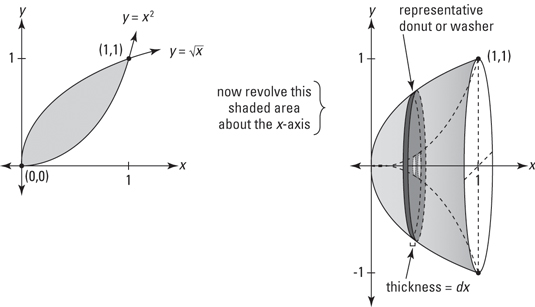
If the solid has a hole in the center, the washer method is used.

Volume formula:

V = π ∫ₐᵇ [R² − r²] dx

Where:

R = outer radius
r = inner radius

These techniques help calculate volumes of complex shapes.


Length of Curves Using Definite Integrals
Image
Image
Image
Image

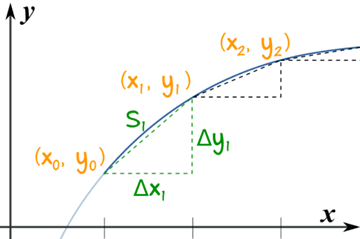
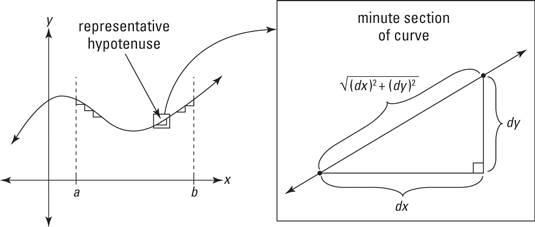
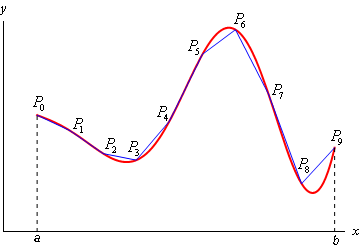
Definite integrals are used to calculate the length of curved lines, also known as arc length.

If y = f(x), the arc length from x = a to x = b is:

L = ∫ₐᵇ √(1 + (dy/dx)²) dx

This formula measures the length of the curve by summing infinitely small line segments.

Arc length calculations are used in engineering, architecture, and computer graphics.


Surface Area of Solids of Revolution
Image
Image
Image
Image

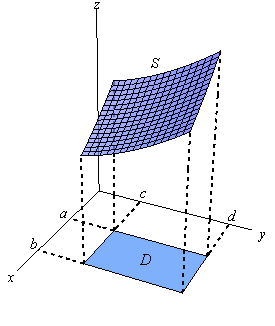
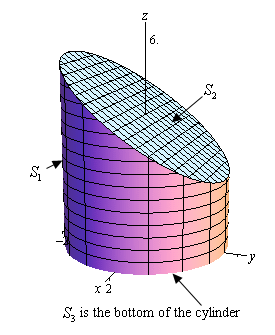
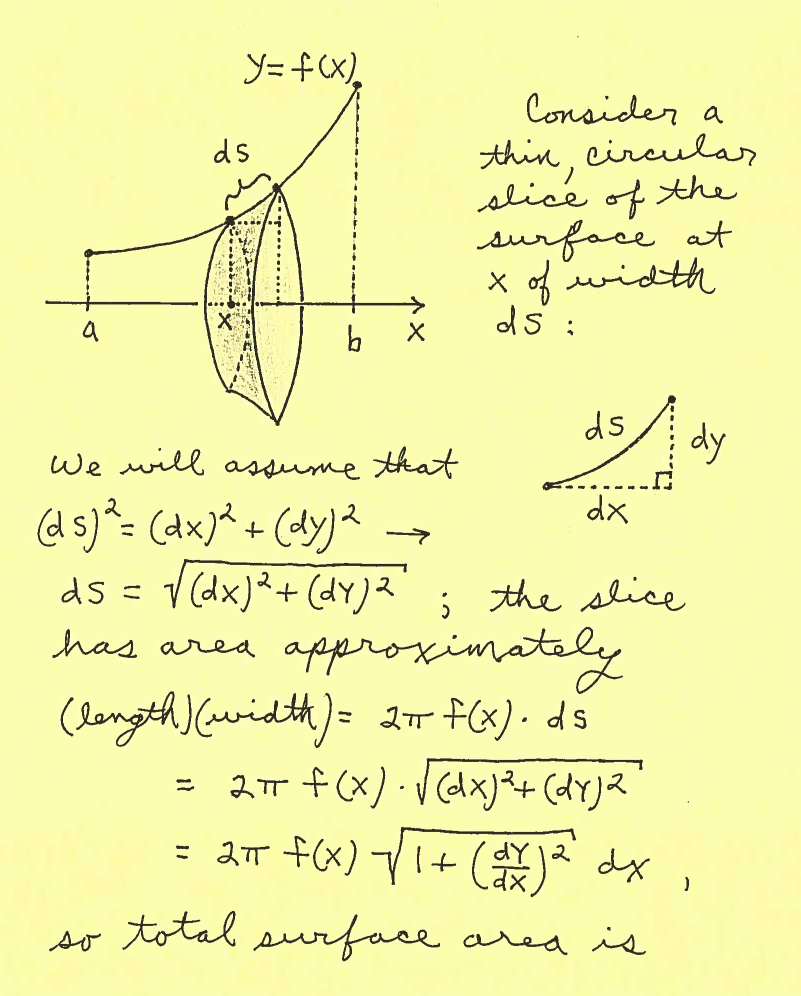
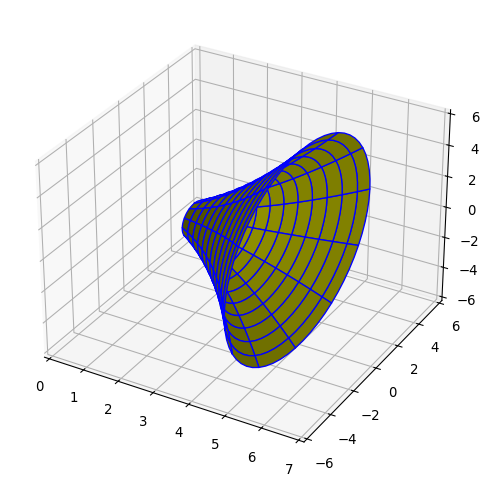
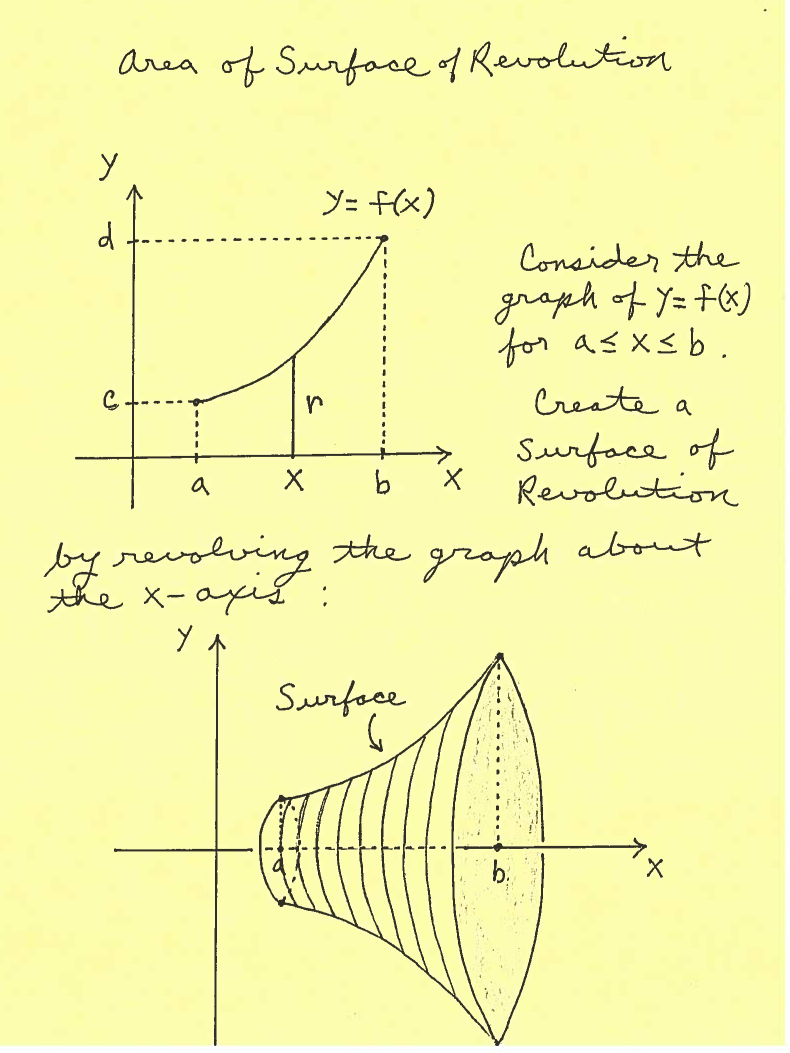
Definite integrals can calculate the surface area of solids formed by rotating curves.

Formula:

Surface Area = 2π ∫ₐᵇ f(x) √(1 + (f′(x))²) dx

This formula measures the surface created when a curve rotates around an axis.

Applications include:

  • designing containers
  • manufacturing machine parts
  • modeling curved surfaces

Work Done by Variable Forces
Image
Image
Image
Image

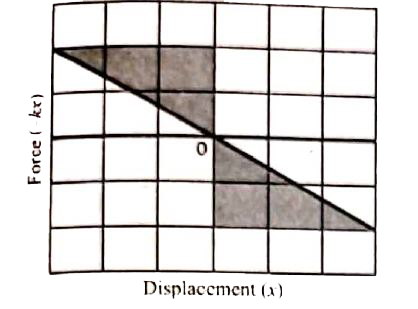
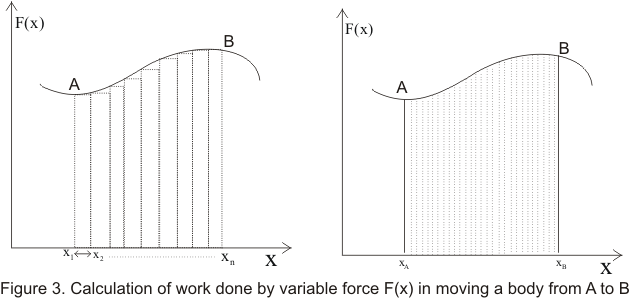
In physics, work done by a variable force is calculated using definite integrals.

Work formula:

W = ∫ F(x) dx

Example:

Hooke’s Law for springs:

F = kx

Work required to stretch the spring:

W = ∫ kx dx

= (kx²)/2

This formula helps determine the energy required to stretch or compress springs.


Average Value of a Function
Image
Image
Image

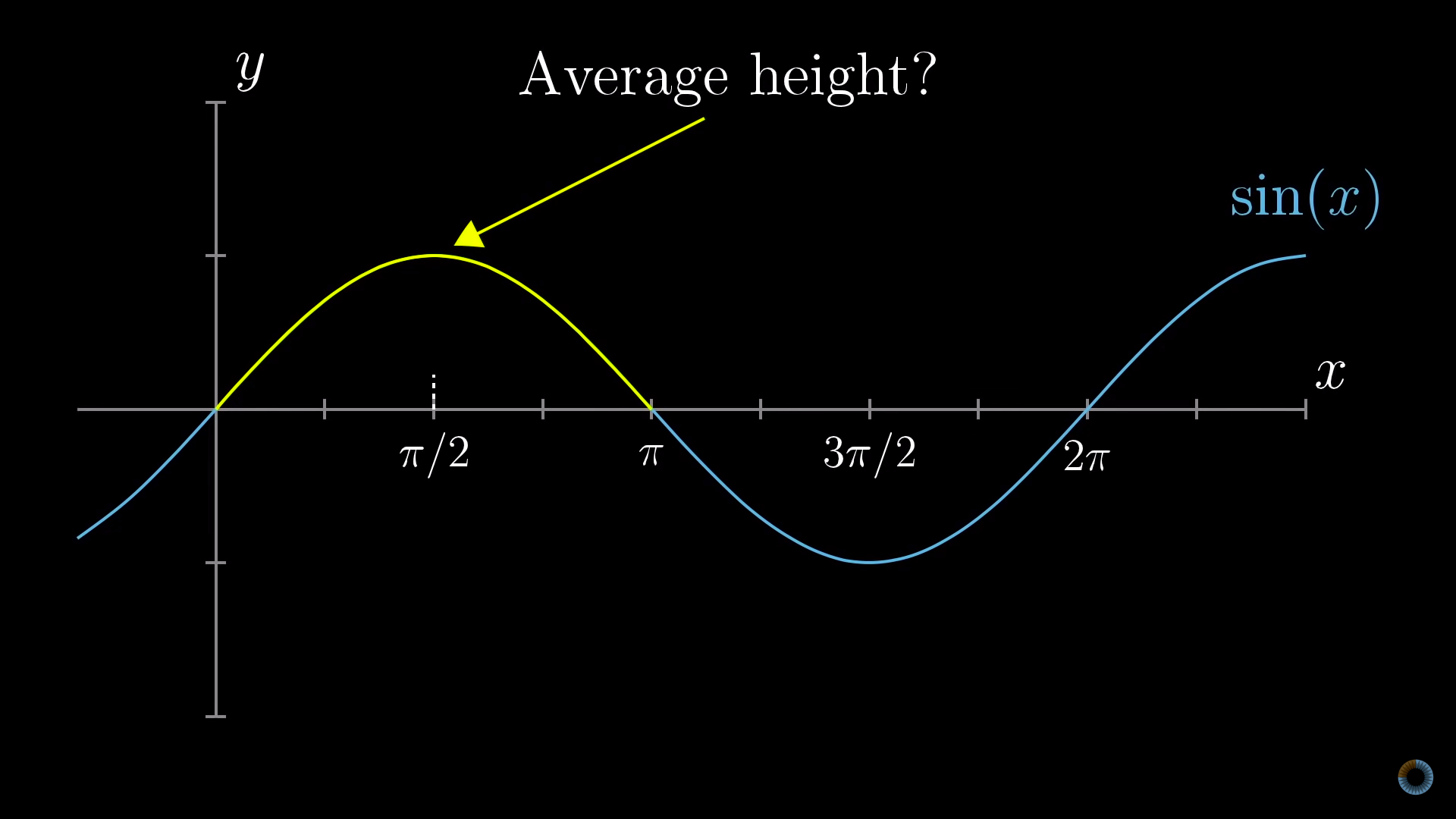
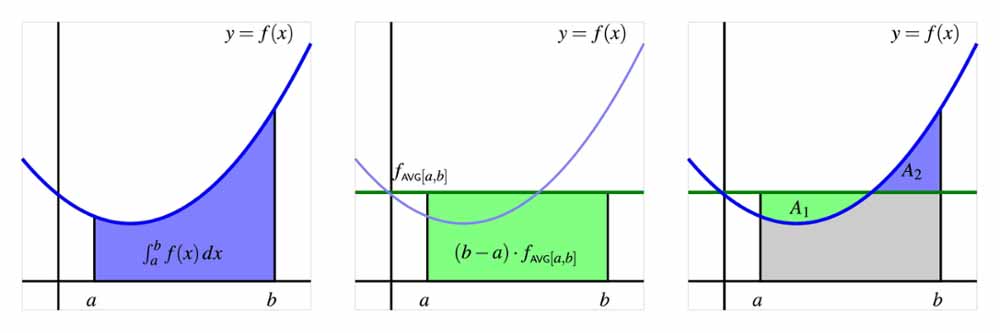
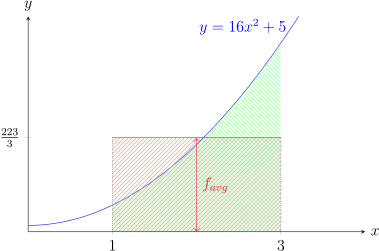
Definite integrals can determine the average value of a function over an interval.

Formula:

Average value = (1/(b − a)) ∫ₐᵇ f(x) dx

Example:

For f(x) = x² over [0,2]:

Average value:

(1/2) ∫₀² x² dx

= 4/3

This concept is widely used in physics, statistics, and economics.


Applications in Physics

Image
Image
Image
Image

Definite integrals are widely used in physics.

Applications include:

  • calculating displacement from velocity
  • determining electric charge
  • measuring fluid pressure
  • calculating energy and work

Example:

If velocity is known as a function of time:

v(t)

Then displacement is:

∫ v(t) dt

This helps analyze motion in mechanics.


Applications in Economics

Image
Image
Image
Image

Economists use definite integrals to analyze markets.

Examples include:

Consumer Surplus

Area between demand curve and price line.

Producer Surplus

Area between price line and supply curve.

Total Revenue

Calculated by integrating marginal revenue.

These applications help economists understand market behavior and pricing strategies.


Importance of Applications of Definite Integrals

Applications of definite integrals demonstrate how calculus can measure quantities that accumulate continuously.

They allow mathematicians and scientists to calculate areas, volumes, work, energy, and other quantities that cannot be computed using simple formulas.

Definite integrals also provide tools for modeling real-world phenomena in science, engineering, economics, and technology.

Because of their wide range of applications, definite integrals are an essential part of advanced mathematics.


Conclusion

Definite integrals are a fundamental concept in calculus used to measure accumulated quantities over an interval. They provide powerful methods for calculating areas under curves, areas between curves, volumes of solids, arc lengths, surface areas, and many other quantities.

Applications of definite integrals appear in many fields including physics, engineering, economics, and mathematics. By understanding these applications, students and researchers can use calculus to solve real-world problems and model complex systems.

Mastering definite integrals allows mathematicians to analyze continuous processes and understand how quantities accumulate over time and space.


Tags

Applications of Integration in Mathematics

Image
Image
Image
Image

Introduction to Applications of Integration

Integration is one of the two fundamental operations in calculus, the other being differentiation. While differentiation measures the rate of change of a function, integration focuses on accumulation and total quantities. Integration is used to determine areas, volumes, lengths, and many other quantities that accumulate continuously.

The concept of integration originated from the problem of finding the area under a curve. Early mathematicians such as Isaac Newton and Gottfried Wilhelm Leibniz developed calculus to solve such problems. Integration provides a powerful mathematical tool for calculating quantities that cannot be easily measured using simple formulas.

Applications of integration appear in many fields including mathematics, physics, engineering, economics, biology, and statistics. For example, integration can be used to determine the distance traveled by an object when its velocity is known, calculate the work done by a variable force, determine the area between curves, and find the volume of complex shapes.

In mathematical notation, integration is represented by the symbol:

This symbol represents the summation of infinitely small quantities.

There are two main types of integration:

  1. Indefinite Integration
  2. Definite Integration

The definite integral has many important practical applications because it allows the calculation of exact numerical values for accumulated quantities.


Definite Integrals and Their Meaning

Image
Image
Image
Image

A definite integral represents the accumulation of quantities over a specific interval.

Mathematically, the definite integral of a function f(x) from a to b is written as:

∫ₐᵇ f(x) dx

This expression calculates the net area between the curve and the x-axis from x = a to x = b.

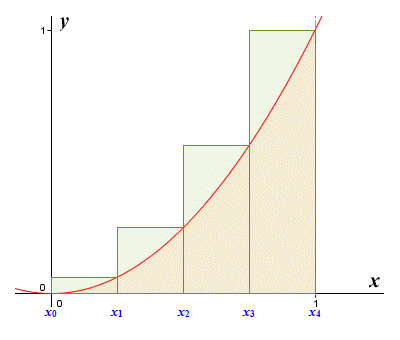
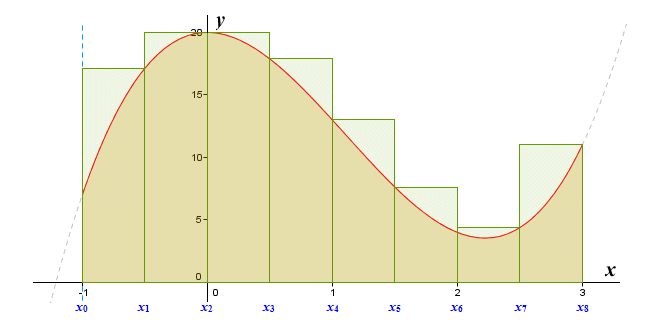
The concept behind definite integrals comes from Riemann sums, where the area under a curve is approximated using rectangles. As the number of rectangles increases and their width approaches zero, the approximation becomes exact.

This limit process leads to the definite integral.

Example:

If

f(x) = x²

Then the area under the curve from 0 to 2 is:

∫₀² x² dx

This evaluates to:

8/3

Thus, the area under the curve equals 8/3 square units.


Area Under a Curve

Image
Image
Image
Image

One of the most fundamental applications of integration is finding the area under a curve.

If a function f(x) is positive over the interval [a, b], the area under the curve is given by:

Area = ∫ₐᵇ f(x) dx

Example:

Find the area under the curve:

y = x

from x = 0 to x = 2.

Area:

∫₀² x dx

= [x²/2]₀²

= 2

Thus, the area is 2 square units.

Integration allows us to calculate areas even when the boundaries are curved rather than straight.


Area Between Two Curves

Image
Image
Image
Image

Integration can also determine the area between two curves.

If two functions are:

y = f(x)
y = g(x)

The area between them from x = a to x = b is:

Area = ∫ₐᵇ [f(x) − g(x)] dx

Example:

Find the area between:

y = x
y = x²

The curves intersect at x = 0 and x = 1.

Area:

∫₀¹ (x − x²) dx

= [x²/2 − x³/3]₀¹

= 1/2 − 1/3

= 1/6

Thus, the area between the curves is 1/6 square units.

This application is widely used in geometry and engineering.


Volume of Solids of Revolution

Image
Image
Image
Image

Integration is used to calculate the volume of three-dimensional solids.

When a curve is rotated around an axis, it forms a solid of revolution.

Disk Method

Volume formula:

V = π ∫ₐᵇ [f(x)]² dx

Example:

Rotate y = x around the x-axis from 0 to 2.

Volume:

π ∫₀² x² dx

= π(8/3)

Washer Method

Used when there is a hollow region between curves.

These techniques help calculate volumes of complex shapes.


Length of a Curve

Image
Image
Image
Image

Integration can determine the length of curved lines.

The arc length formula for a function y = f(x) is:

L = ∫ₐᵇ √(1 + (dy/dx)²) dx

Example:

If

y = x²

Then:

dy/dx = 2x

Substitute into the formula to calculate the length.

Arc length calculations are important in engineering, physics, and computer graphics.


Surface Area of Solids

Image
Image
Image
Image

Integration is also used to find the surface area of solids of revolution.

Formula:

Surface Area = 2π ∫ₐᵇ f(x) √(1 + (f′(x))²) dx

This formula calculates the surface formed when a curve is rotated around an axis.

Such calculations are useful in designing containers, pipes, and mechanical components.


Work Done by a Variable Force

Image
Image
Image
Image

Integration is used in physics to calculate work done by variable forces.

Work is defined as:

W = ∫ F(x) dx

Example:

For a spring:

F = kx

Work required to stretch the spring:

W = ∫ kx dx

= (kx²)/2

Integration helps analyze mechanical systems and energy transfer.


Average Value of a Function

Image
Image
Image
Image

Integration can determine the average value of a function over an interval.

Formula:

Average value = (1/(b − a)) ∫ₐᵇ f(x) dx

Example:

For

f(x) = x²

on [0,2]:

Average value:

(1/2) ∫₀² x² dx

= 4/3

This concept is useful in statistics, physics, and economics.


Applications in Physics

Image
Image
Image
Image

Integration plays a major role in physics.

Examples include:

  • calculating displacement from velocity
  • determining electric charge
  • finding fluid pressure
  • analyzing energy systems

For example:

If velocity is known as a function of time:

v(t)

Then displacement is:

∫ v(t) dt


Applications in Economics

Image
Image
Image
Image

Integration is widely used in economics.

Examples include:

  • consumer surplus
  • producer surplus
  • total revenue
  • accumulated cost

Consumer surplus is calculated as the area between the demand curve and market price.

These calculations help economists analyze market behavior.


Importance of Applications of Integration

Applications of integration demonstrate the power of calculus in solving real-world problems.

They allow mathematicians and scientists to calculate quantities that accumulate continuously, such as area, volume, work, and energy.

Integration provides essential tools for modeling physical systems, designing engineering structures, and analyzing economic data.

Because of its broad applicability, integration remains a key concept in mathematics and science.


Conclusion

Integration is a fundamental operation in calculus that focuses on accumulation and total quantities. The applications of integration include finding areas under curves, areas between curves, volumes of solids, arc lengths, surface areas, work done by variable forces, and many other quantities.

These applications play a crucial role in mathematics, physics, engineering, economics, and other scientific fields. Integration helps describe continuous processes and provides precise solutions to complex problems.

Understanding the applications of integration allows students and researchers to connect mathematical theory with real-world situations. Mastering these concepts provides a deeper understanding of calculus and its importance in modern science and technology.


Tags