
Tag Archives: biodiversity hotspots

๐ŸŒ Biodiversity Hotspots

Image
Image
Image
Image

๐Ÿ“˜ Introduction to Biodiversity Hotspots

Biodiversity hotspots are biogeographic regions that contain exceptionally high levels of biodiversity but are also under severe threat from human activities. The concept was first introduced by ecologist Norman Myers in 1988, and later refined into a globally recognized conservation framework.

These regions are considered priority areas for conservation because protecting them yields maximum benefits for biodiversity preservation.

A biodiversity hotspot is defined by two essential features:

  • High species richness (especially endemic species)
  • Significant habitat loss and threat

Globally, there are 36 recognized biodiversity hotspots, which collectively support a major portion of Earth’s biodiversity. (Wikipedia)


๐ŸŒฑ Definition and Key Criteria

๐Ÿ“– Definition

A biodiversity hotspot is a region that:

  • Contains a large number of species (especially endemic species)
  • Is under significant threat due to habitat destruction

๐Ÿ”‘ Criteria for Identification

Image
Image
Image
Image

To qualify as a biodiversity hotspot, a region must meet two strict scientific criteria:

1. High Endemism

  • Must contain at least 1,500 endemic vascular plant species
  • Endemic species are those found nowhere else on Earth

2. High Degree of Threat

  • Must have lost at least 70% of its original natural vegetation

These criteria ensure that hotspots are both:

  • Irreplaceable (due to unique species)
  • Highly threatened (due to habitat loss) (cepf.net)

๐ŸŒ Global Distribution of Biodiversity Hotspots

Biodiversity hotspots are unevenly distributed across the globe and are mostly concentrated in tropical and subtropical regions.

๐ŸŒŽ Key Facts:

  • Cover only about 2.4โ€“2.5% of Earthโ€™s land surface
  • Support nearly 60% of global biodiversity
  • Majority are located in forests and island ecosystems (Wikipedia)

๐ŸŒ Major Biodiversity Hotspots of the World

Some of the most significant hotspots include:

๐ŸŒ„ 1. Tropical Andes (South America)

  • Most biodiverse hotspot in the world
  • Thousands of endemic plant and animal species

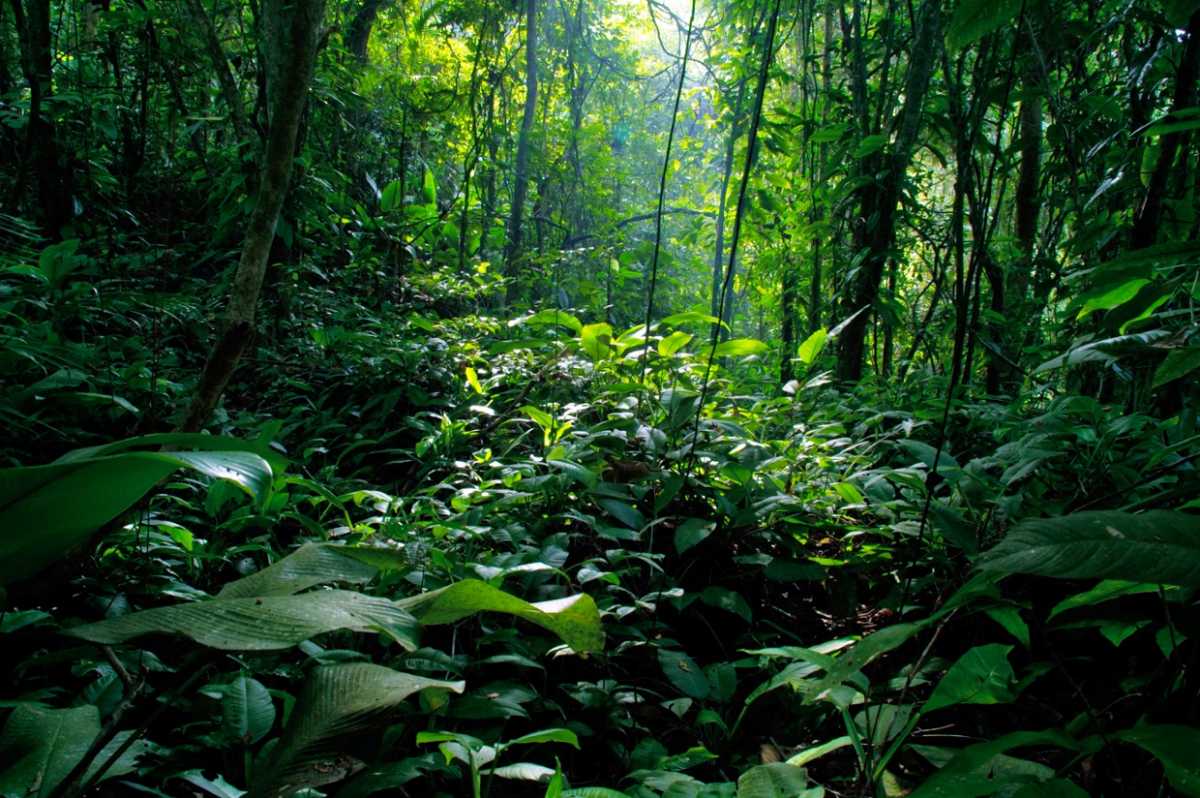
๐ŸŒณ 2. Amazon Basin (partly overlapping regions)

  • Dense rainforest ecosystem
  • High species richness

๐Ÿ๏ธ 3. Madagascar & Indian Ocean Islands

  • Extremely high endemism
  • Unique species like lemurs

๐ŸŒฒ 4. Sundaland (Southeast Asia)

  • Includes Indonesia, Malaysia
  • Rich tropical forests

๐Ÿ”๏ธ 5. Himalayas

  • Diverse altitudinal ecosystems
  • Rich flora and fauna

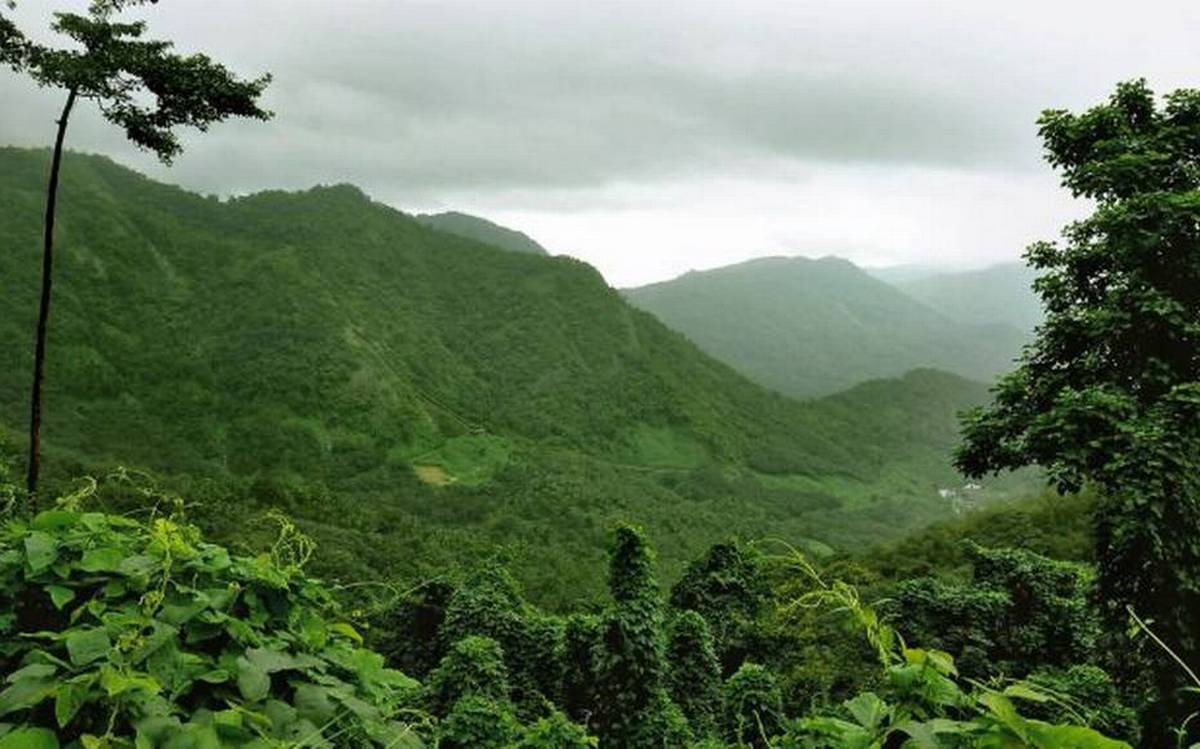
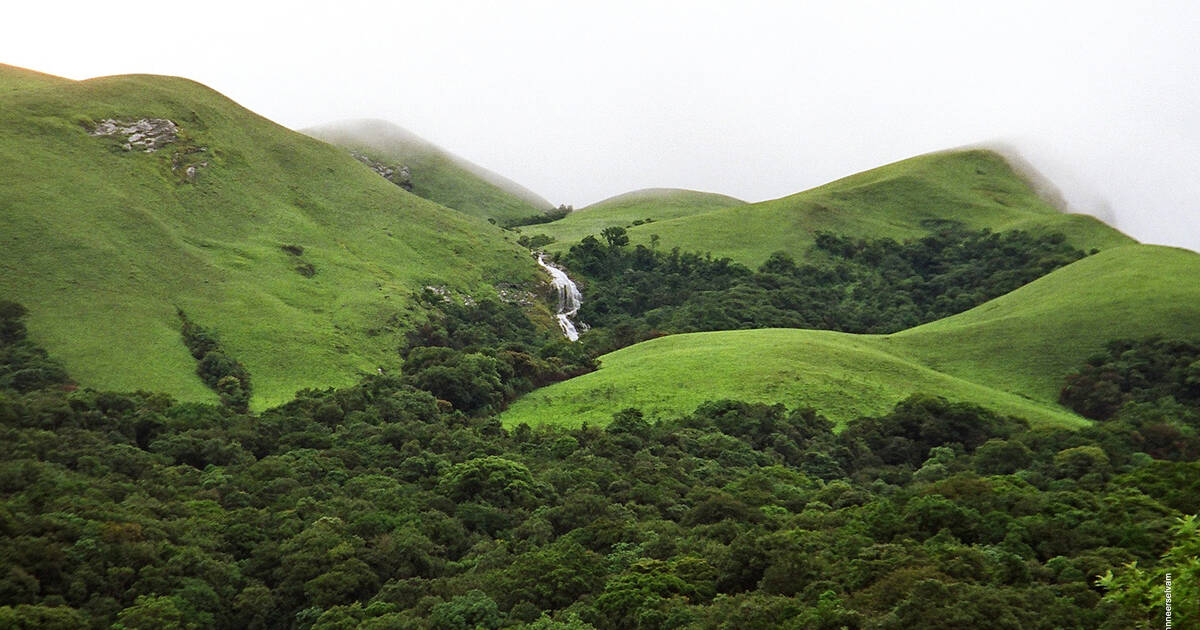
๐ŸŒฟ 6. Western Ghats & Sri Lanka

  • One of the richest biodiversity regions in India

๐ŸŒ 7. Mediterranean Basin

  • Unique plant diversity
  • Long history of human impact

There are 36 such hotspots worldwide, each with unique ecological characteristics. (Gaia)


๐Ÿ‡ฎ๐Ÿ‡ณ Biodiversity Hotspots in India

Image
Image
Image
Image

India is one of the 17 mega-biodiverse countries and hosts four biodiversity hotspots:

1. Himalayas

  • Includes Eastern Himalayas
  • Rich in plant and animal diversity
  • High altitude ecosystems

2. Indo-Burma Region

  • Covers Northeast India
  • Rich in endemic species

3. Western Ghats & Sri Lanka

  • Dense forests
  • High endemism

4. Sundaland (includes Andaman & Nicobar Islands)

  • Tropical rainforests
  • Marine biodiversity

These hotspots play a crucial role in maintaining Indiaโ€™s ecological balance. (Nature Safari India)


๐ŸŒฟ Characteristics of Biodiversity Hotspots

1. High Species Richness

  • Large number of species per unit area

2. Endemism

  • Species unique to a particular region

3. Habitat Loss

  • Extensive deforestation and degradation

4. Ecological Fragility

  • Sensitive to environmental changes

5. High Conservation Priority

  • Require urgent protection

๐ŸŒ Importance of Biodiversity Hotspots

Image
Image
Image
Image

1. Conservation Priority Areas

Hotspots help identify regions where conservation efforts can have the greatest impact.

2. Protection of Endemic Species

They safeguard species found nowhere else, preventing global extinction.

3. Ecosystem Services

Hotspots provide:

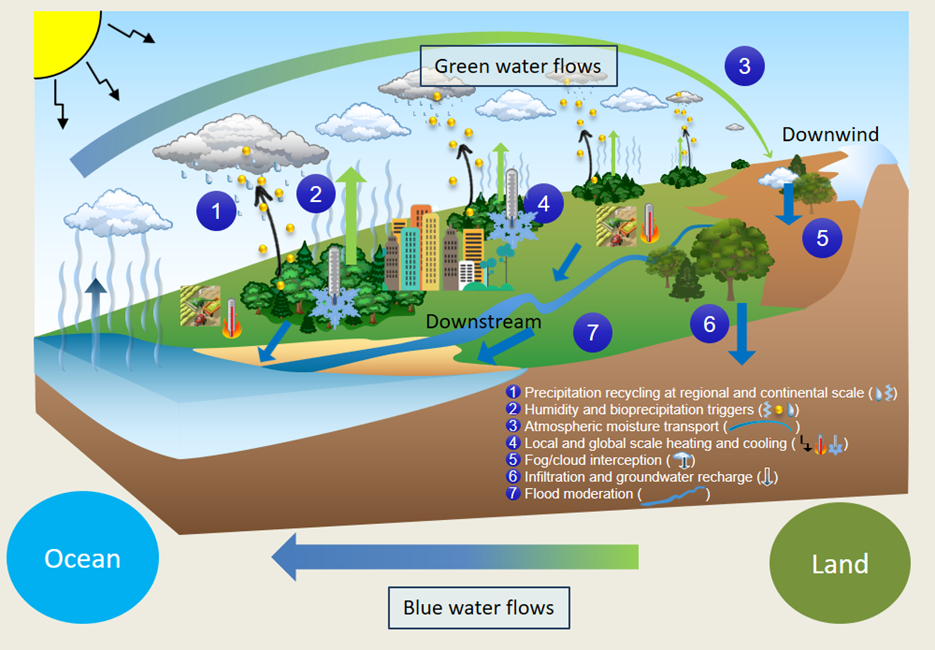
  • Climate regulation
  • Water purification
  • Pollination
  • Soil fertility

4. Climate Change Mitigation

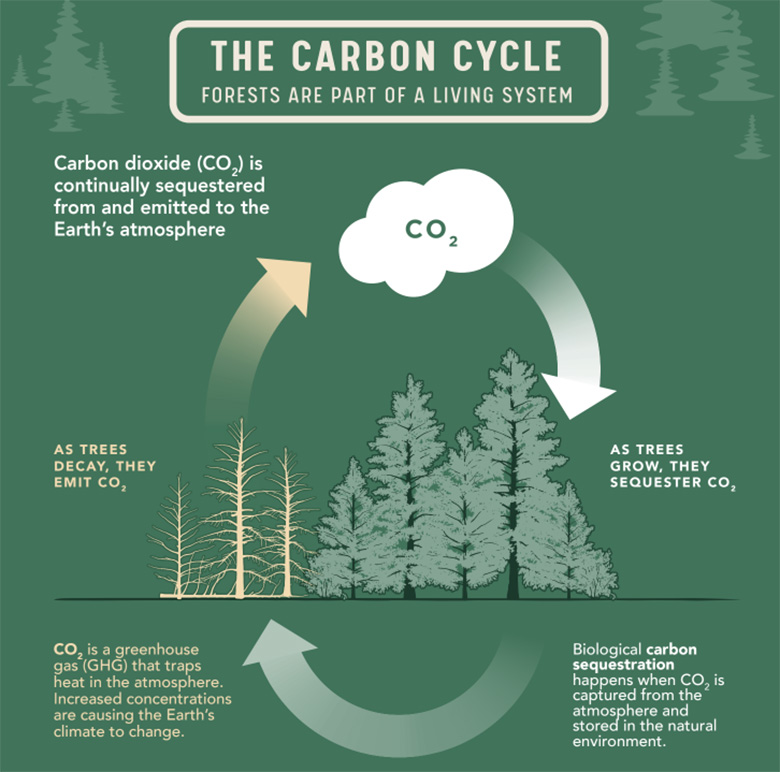
Forests in hotspots act as carbon sinks, reducing global warming.

5. Economic Importance

  • Tourism (eco-tourism)
  • Medicinal resources
  • Agriculture

โš ๏ธ Threats to Biodiversity Hotspots

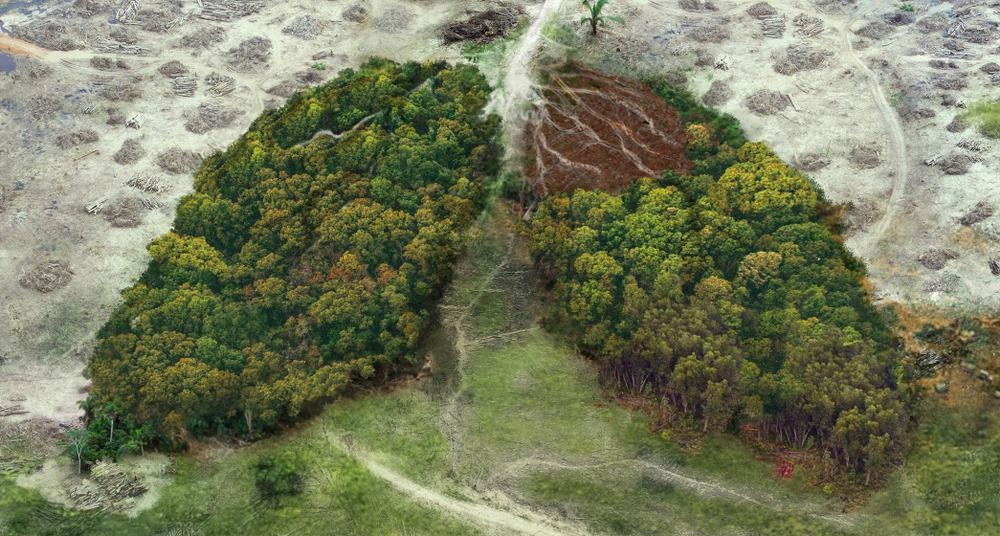
1. Deforestation

  • Logging
  • Agriculture expansion

2. Urbanization

  • Infrastructure development

3. Climate Change

  • Alters habitats
  • Affects species survival

4. Poaching and Illegal Trade

  • Wildlife exploitation

5. Invasive Species

  • Disrupt ecosystems

6. Pollution

  • Air, water, and soil contamination

These threats have already caused massive habitat loss (over 70% in hotspots). (cepf.net)


๐Ÿ”ฌ Conservation Strategies for Hotspots
Image
Image
Image
Image

1. Protected Areas

  • National Parks
  • Wildlife Sanctuaries

2. Habitat Restoration

  • Reforestation
  • Ecosystem rehabilitation

3. Sustainable Development

  • Balancing human needs and conservation

4. Community Participation

  • Involving local communities

5. International Cooperation

  • Global conservation programs

โš–๏ธ Advantages of Hotspot Approach

  • Focused conservation efforts
  • Efficient use of resources
  • Protects maximum biodiversity

โŒ Limitations of Hotspot Concept

1. Ignores Some Regions

  • Less biodiverse areas may still be important

2. Focus on Plants

  • Criteria based mainly on plant species

3. Cost Consideration Missing

  • Economic feasibility not always considered

4. Dynamic Nature

  • Hotspots change over time

๐Ÿ”„ Relationship with Conservation Methods

Biodiversity hotspots are protected through:

  • In-situ conservation (protected areas)
  • Ex-situ conservation (zoos, seed banks)

Together, they ensure comprehensive biodiversity protection.


๐ŸŒ Future of Biodiversity Hotspots

The future depends on:

  • Climate-resilient conservation strategies
  • Advanced technologies (GIS, AI monitoring)
  • Global environmental policies
  • Sustainable lifestyles

Emerging trends:

  • Landscape-level conservation
  • Nature-based solutions

๐Ÿงพ Conclusion

Biodiversity hotspots represent the most valuable and vulnerable ecosystems on Earth. Despite covering a small portion of the planet, they support a disproportionately large share of global biodiversity.

Protecting these regions is essential for:

  • Preventing species extinction
  • Maintaining ecological balance
  • Ensuring sustainable development

Conservation of biodiversity hotspots is not just an environmental necessityโ€”it is crucial for the survival of life on Earth.

๐ŸŒฟ In-situ Conservation (National Parks & Wildlife Sanctuaries)

Image
Image
Image
Image

๐Ÿ“˜ Introduction to In-situ Conservation

In-situ conservation refers to the protection and preservation of species within their natural habitats. The term โ€œin-situโ€ is derived from Latin, meaning โ€œon siteโ€ or โ€œin place.โ€ Unlike ex-situ conservation (such as zoos, botanical gardens, or gene banks), in-situ conservation focuses on maintaining biodiversity in the ecosystems where species naturally occur.

This approach is widely recognized as the most effective and sustainable method of conserving biodiversity because it allows organisms to continue their evolutionary processes, ecological interactions, and adaptations within their natural environments.

In-situ conservation includes protected areas such as:

  • National Parks
  • Wildlife Sanctuaries
  • Biosphere Reserves
  • Conservation Reserves
  • Community Reserves

Among these, National Parks and Wildlife Sanctuaries are the most prominent and widely implemented.


๐ŸŒฑ Concept and Principles of In-situ Conservation

The core idea behind in-situ conservation is to preserve entire ecosystems, rather than focusing on individual species. This ensures that:

  • Natural evolutionary processes continue uninterrupted
  • Ecological relationships remain intact
  • Genetic diversity is preserved
  • Species adapt naturally to environmental changes

Key Principles:

  1. Habitat Protection โ€“ Safeguarding ecosystems like forests, wetlands, grasslands
  2. Species Preservation โ€“ Protecting endangered, endemic, and threatened species
  3. Sustainable Use โ€“ Allowing controlled use of resources without degrading ecosystems
  4. Community Participation โ€“ Involving local populations in conservation efforts
  5. Legal Framework โ€“ Enforcement through environmental laws and policies

๐ŸŒ Importance of In-situ Conservation

Image
Image
Image
Image

1. Preservation of Biodiversity

In-situ conservation protects entire ecosystems, ensuring that plants, animals, microorganisms, and genetic diversity are preserved together.

2. Maintenance of Ecological Balance

Natural ecosystems regulate:

  • Climate
  • Water cycles
  • Soil fertility
  • Food chains

Disturbing one component can affect the entire system; in-situ conservation prevents this imbalance.

3. Evolutionary Continuity

Species continue to evolve naturally through:

  • Mutation
  • Natural selection
  • Adaptation

This is critical for long-term survival.

4. Protection of Endemic Species

Many species exist only in specific regions (e.g., Western Ghats in India). In-situ conservation ensures their survival.

5. Ecosystem Services

Protected areas provide:

  • Oxygen production
  • Carbon sequestration
  • Pollination
  • Water purification

6. Cultural and Ethical Importance

Many indigenous communities depend on forests and wildlife. Conservation helps preserve:

  • Traditional knowledge
  • Cultural heritage

๐Ÿž๏ธ National Parks

Image
Image
Image
Image

๐Ÿ“– Definition

A National Park is a strictly protected area reserved for:

  • Wildlife conservation
  • Ecosystem preservation
  • Scientific research

Human activities such as grazing, hunting, and resource extraction are strictly prohibited.

๐Ÿ”‘ Characteristics

  • No human interference allowed
  • High level of protection
  • Managed by government authorities
  • Focus on conservation and research
  • Tourism allowed under strict regulations

๐ŸŒฟ Objectives

  • Protect natural habitats
  • Conserve endangered species
  • Maintain ecological integrity
  • Promote environmental education

๐Ÿพ Examples (India & World)

India:

  • Jim Corbett National Park (Uttarakhand)
  • Kaziranga National Park (Assam)
  • Sundarbans National Park (West Bengal)
  • Ranthambore National Park (Rajasthan)

Global:

  • Yellowstone National Park (USA)
  • Serengeti National Park (Tanzania)

๐Ÿง  Importance of National Parks

  • Serve as biodiversity hotspots
  • Provide safe breeding grounds
  • Support ecological research
  • Boost eco-tourism

๐ŸŒณ Wildlife Sanctuaries

Image
Image
Image
Image

๐Ÿ“– Definition

A Wildlife Sanctuary is a protected area where:

  • Wildlife is protected
  • Limited human activities may be allowed

Compared to national parks, sanctuaries have less strict regulations.

๐Ÿ”‘ Characteristics

  • Protection of specific species
  • Controlled human activities allowed
  • Conservation with coexistence
  • Often buffer zones for national parks

๐ŸŒฟ Objectives

  • Protect endangered species
  • Provide safe habitats
  • Promote coexistence of humans and wildlife

๐Ÿพ Examples (India)

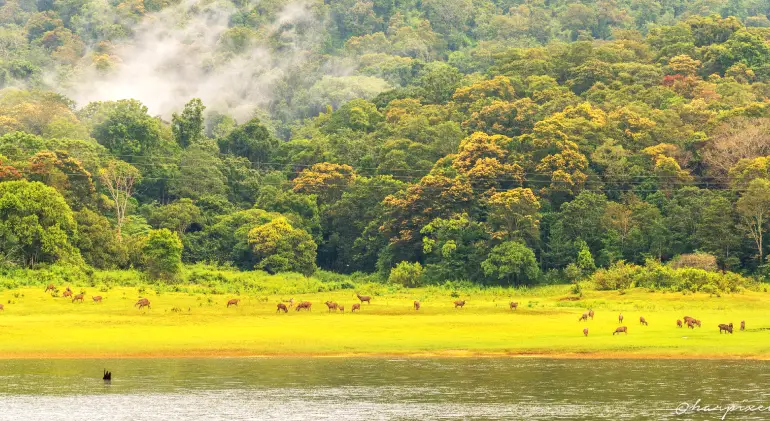
  • Periyar Wildlife Sanctuary (Kerala)
  • Gir Wildlife Sanctuary (Gujarat)
  • Vedanthangal Bird Sanctuary (Tamil Nadu)
  • Sariska Wildlife Sanctuary (Rajasthan)

๐Ÿง  Importance of Sanctuaries

  • Flexible conservation approach
  • Supports local communities
  • Helps in species-specific conservation

โš–๏ธ Difference Between National Parks and Sanctuaries

FeatureNational ParksWildlife Sanctuaries
Protection LevelVery HighModerate
Human ActivityNot allowedLimited allowed
Ownership RightsNo private rightsSome rights may exist
FocusEcosystemSpecific species
BoundariesStrictly definedLess rigid

๐ŸŒ Other In-situ Conservation Areas

1. Biosphere Reserves

  • Large areas with core, buffer, and transition zones
  • Promote conservation + sustainable development

2. Conservation Reserves

  • Protect landscapes and habitats
  • Often connect protected areas

3. Community Reserves

  • Managed by local communities
  • Encourage participation in conservation

๐Ÿ”ฌ Strategies for In-situ Conservation

Image
Image
Image
Image

1. Habitat Management

  • Restoration of degraded ecosystems
  • Afforestation and reforestation

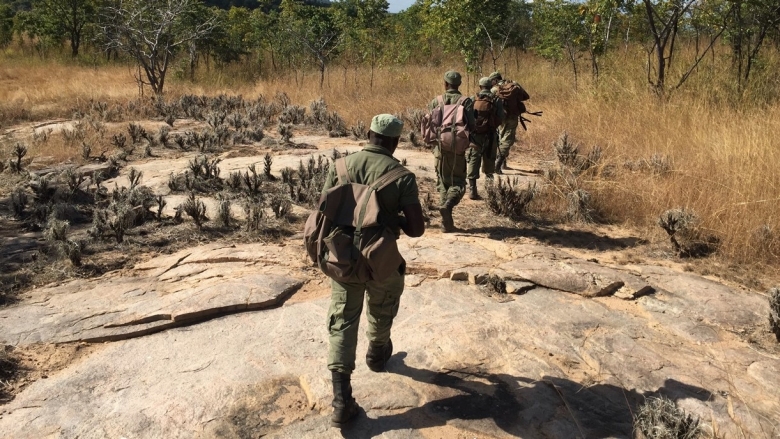
2. Anti-poaching Measures

  • Surveillance
  • Law enforcement
  • Patrolling

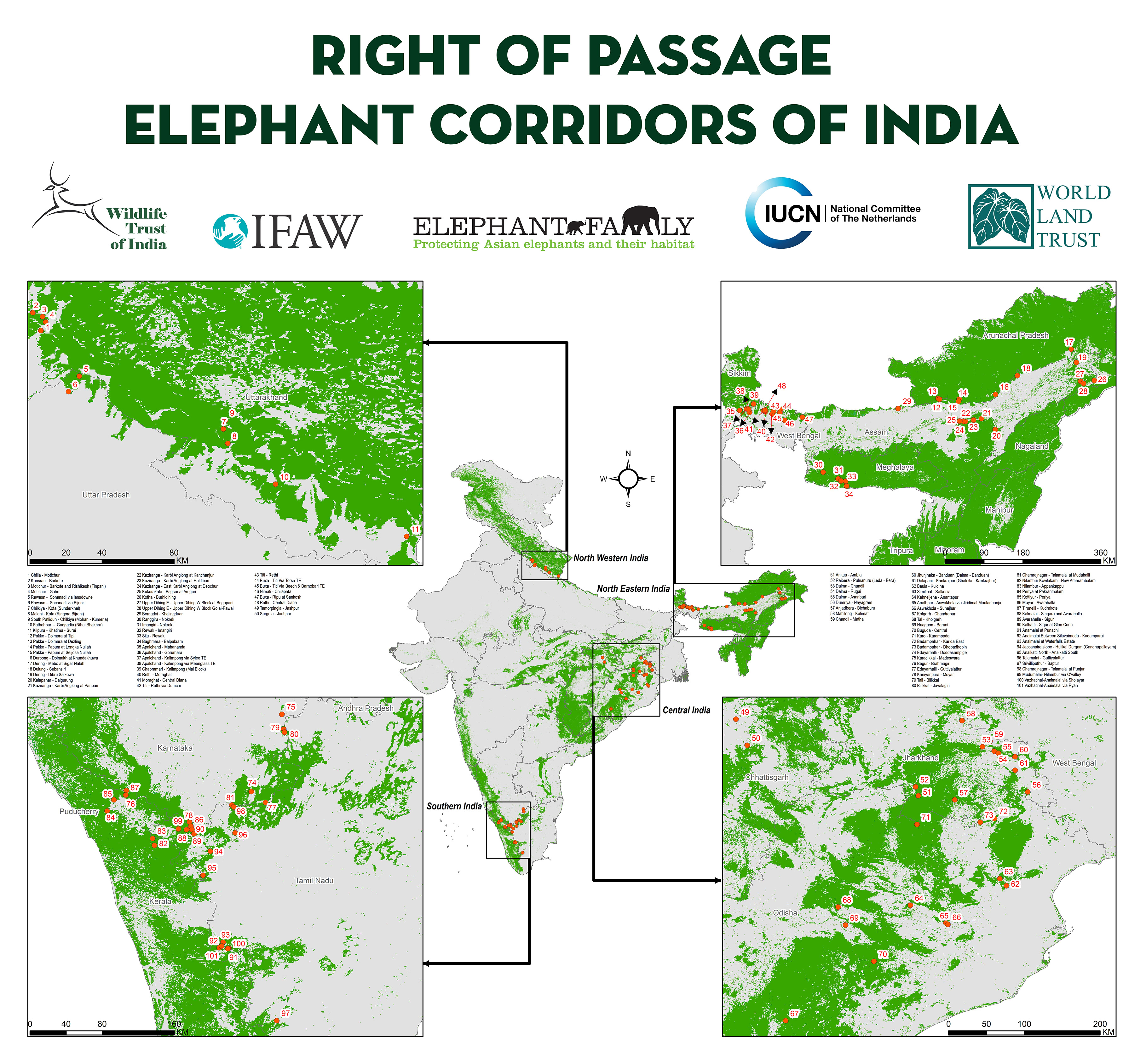
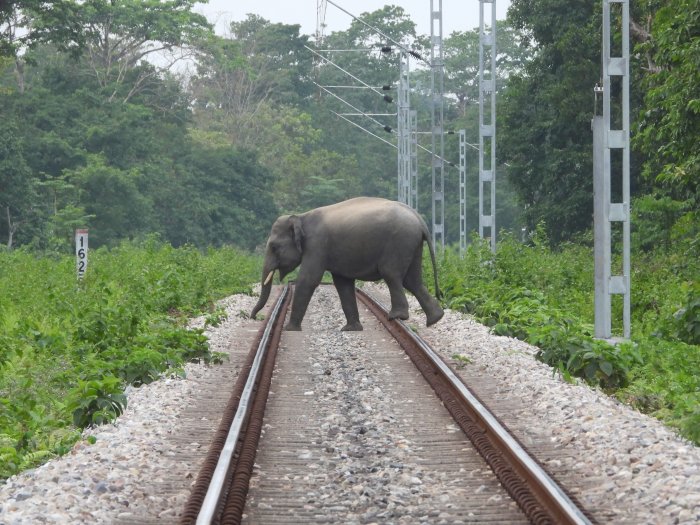
3. Wildlife Corridors

  • Connecting fragmented habitats
  • Allowing migration and gene flow

4. Legal Protection

  • Wildlife Protection Act (India, 1972)
  • International treaties

5. Community Participation

  • Joint forest management
  • Eco-development programs

โš ๏ธ Threats to In-situ Conservation

1. Habitat Destruction

  • Deforestation
  • Urbanization
  • Agriculture expansion

2. Poaching and Illegal Trade

  • Hunting for skins, bones, horns

3. Climate Change

  • Alters habitats
  • Affects species distribution

4. Human-Wildlife Conflict

  • Crop damage
  • Livestock predation

5. Invasive Species

  • Outcompete native species

๐Ÿ‡ฎ๐Ÿ‡ณ In-situ Conservation in India

India is one of the mega-biodiverse countries with:

  • 100+ National Parks
  • 500+ Wildlife Sanctuaries

Key Initiatives:

  • Project Tiger
  • Project Elephant
  • Biosphere Reserve Program

Biodiversity Hotspots:

  • Western Ghats
  • Eastern Himalayas
  • Indo-Burma region

๐ŸŒ Global Importance

In-situ conservation contributes to:

  • Sustainable development
  • Climate change mitigation
  • Global biodiversity targets (CBD goals)

It plays a critical role in achieving:

  • Ecological sustainability
  • Environmental security

๐Ÿ“š Advantages of In-situ Conservation

  • Natural environment preservation
  • Cost-effective in long term
  • Maintains ecological interactions
  • Supports large populations

โŒ Limitations of In-situ Conservation

  • Requires large land areas
  • Difficult to manage human interference
  • Climate change impacts
  • Political and administrative challenges

๐Ÿ”ฎ Future of In-situ Conservation

The future depends on:

  • Strong environmental policies
  • Technological integration (GIS, drones)
  • Community engagement
  • Global cooperation

Emerging approaches include:

  • Landscape-level conservation
  • Climate-resilient ecosystems
  • Nature-based solutions

๐Ÿงพ Conclusion

In-situ conservation is the cornerstone of biodiversity protection, ensuring that species thrive in their natural habitats while maintaining ecological balance. National Parks and Wildlife Sanctuaries serve as critical tools in this effort, offering varying levels of protection and management strategies.

As human pressures on the environment increase, strengthening in-situ conservation becomes essential for:

  • Protecting biodiversity
  • Sustaining ecosystems
  • Ensuring a healthy planet for future generations