



📘 Introduction to Ex-situ Conservation
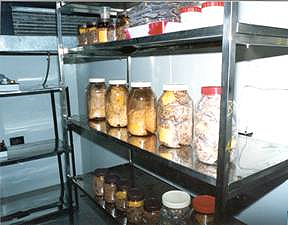
Ex-situ conservation refers to the protection, preservation, and management of biodiversity outside its natural habitat. The term “ex-situ” means “off-site,” indicating that species are conserved in controlled environments such as zoos, botanical gardens, seed banks, aquariums, and gene banks.
This method is particularly useful when:
- Natural habitats are destroyed or degraded
- Species are critically endangered
- Immediate intervention is required to prevent extinction
Ex-situ conservation acts as a complementary strategy to in-situ conservation, ensuring survival when natural ecosystems cannot fully support species.
🌱 Concept and Principles of Ex-situ Conservation
Ex-situ conservation is based on the principle of human-assisted survival and reproduction of species in controlled conditions.
Key Principles:
- Artificial Habitat Creation – Replicating natural conditions for species survival
- Genetic Preservation – Maintaining genetic diversity through breeding programs
- Controlled Breeding – Managing reproduction scientifically
- Species Recovery – Preparing organisms for reintroduction into the wild
- Education & Awareness – Informing the public about conservation
🌍 Importance of Ex-situ Conservation



1. Prevention of Extinction
Ex-situ conservation provides a safe refuge for species at risk of extinction due to habitat loss, poaching, or climate change.
2. Genetic Resource Preservation
Gene pools are preserved through:
- Seed banks
- Cryopreservation
- Controlled breeding
3. Research and Scientific Study
Controlled environments allow scientists to study:
- Reproduction
- Behavior
- Disease management
4. Education and Awareness
Zoos and botanical gardens serve as living classrooms, promoting conservation awareness.
5. Reintroduction Programs
Species bred in captivity can be reintroduced into their natural habitats.
🏞️ Types of Ex-situ Conservation
Ex-situ conservation includes several methods:
- Zoos
- Botanical Gardens
- Seed Banks
- Gene Banks
- Aquariums
- Tissue Culture
Among these, Zoos and Botanical Gardens are the most visible and widely used.
🐾 Zoos as Ex-situ Conservation Centers

📖 Definition
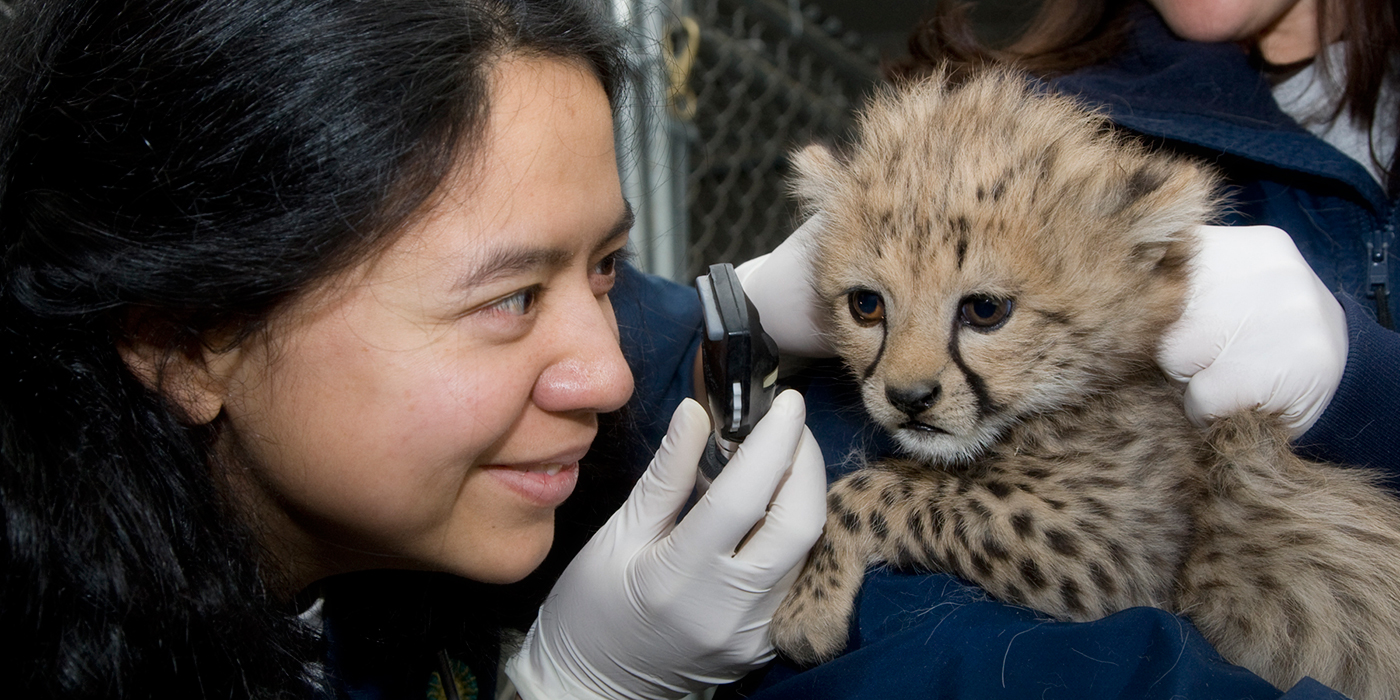
A zoo is a facility where wild animals are kept, cared for, and displayed in enclosures designed to simulate their natural habitats.
Modern zoos focus on:
- Conservation
- Education
- Research
- Animal welfare
🔑 Functions of Zoos
1. Conservation Breeding
Zoos run captive breeding programs for endangered species, such as:
- Tigers
- Lions
- Pandas
- Elephants
2. Species Survival Plans (SSPs)
These programs ensure:
- Genetic diversity
- Avoidance of inbreeding
3. Rescue and Rehabilitation
Zoos provide shelter for:
- Injured animals
- Confiscated wildlife
4. Research
Studies conducted include:
- Animal behavior
- Nutrition
- Reproductive biology
5. Education
Zoos educate millions of visitors about biodiversity and conservation.
🧠 Importance of Zoos
- Prevent extinction of endangered species
- Provide controlled breeding environments
- Raise awareness among the public
- Support wildlife research
🐾 Examples of Famous Zoos
India:
- National Zoological Park (Delhi)
- Mysore Zoo
- Arignar Anna Zoological Park (Chennai)
Global:
- San Diego Zoo (USA)
- London Zoo (UK)
- Singapore Zoo
⚠️ Challenges in Zoos
- Ethical concerns about animal captivity
- Limited space compared to natural habitats
- Behavioral changes in animals
- High maintenance costs
🌸 Botanical Gardens as Conservation Centers


📖 Definition
A botanical garden is a place where plants are cultivated, preserved, and displayed for conservation, research, and education.
🔑 Functions of Botanical Gardens
1. Plant Conservation
- Protect rare and endangered plant species
- Maintain living collections
2. Seed Banks
Seeds are stored under controlled conditions to preserve genetic diversity.
3. Research
Botanical gardens support studies in:
- Plant taxonomy
- Ecology
- Medicinal plants
4. Education
They promote awareness about:
- Plant diversity
- Environmental conservation
5. Habitat Restoration
Plants grown in gardens can be used for:
- Reforestation
- Ecological restoration
🧠 Importance of Botanical Gardens
- Preserve plant biodiversity
- Support scientific research
- Protect endangered plant species
- Promote environmental education
🌿 Examples of Botanical Gardens
India:
- Indian Botanical Garden (Kolkata)
- Lalbagh Botanical Garden (Bengaluru)
- Government Botanical Garden (Ooty)
Global:
- Royal Botanic Gardens, Kew (UK)
- New York Botanical Garden (USA)
⚖️ Zoos vs Botanical Gardens
| Feature | Zoos | Botanical Gardens |
|---|---|---|
| Focus | Animals | Plants |
| Conservation Type | Captive breeding | Plant preservation |
| Research | Animal science | Botany |
| Public Role | Wildlife education | Plant awareness |
| Methods | Enclosures, breeding | Seed banks, herbariums |
🔬 Techniques in Ex-situ Conservation


1. Captive Breeding
- Breeding animals in controlled environments
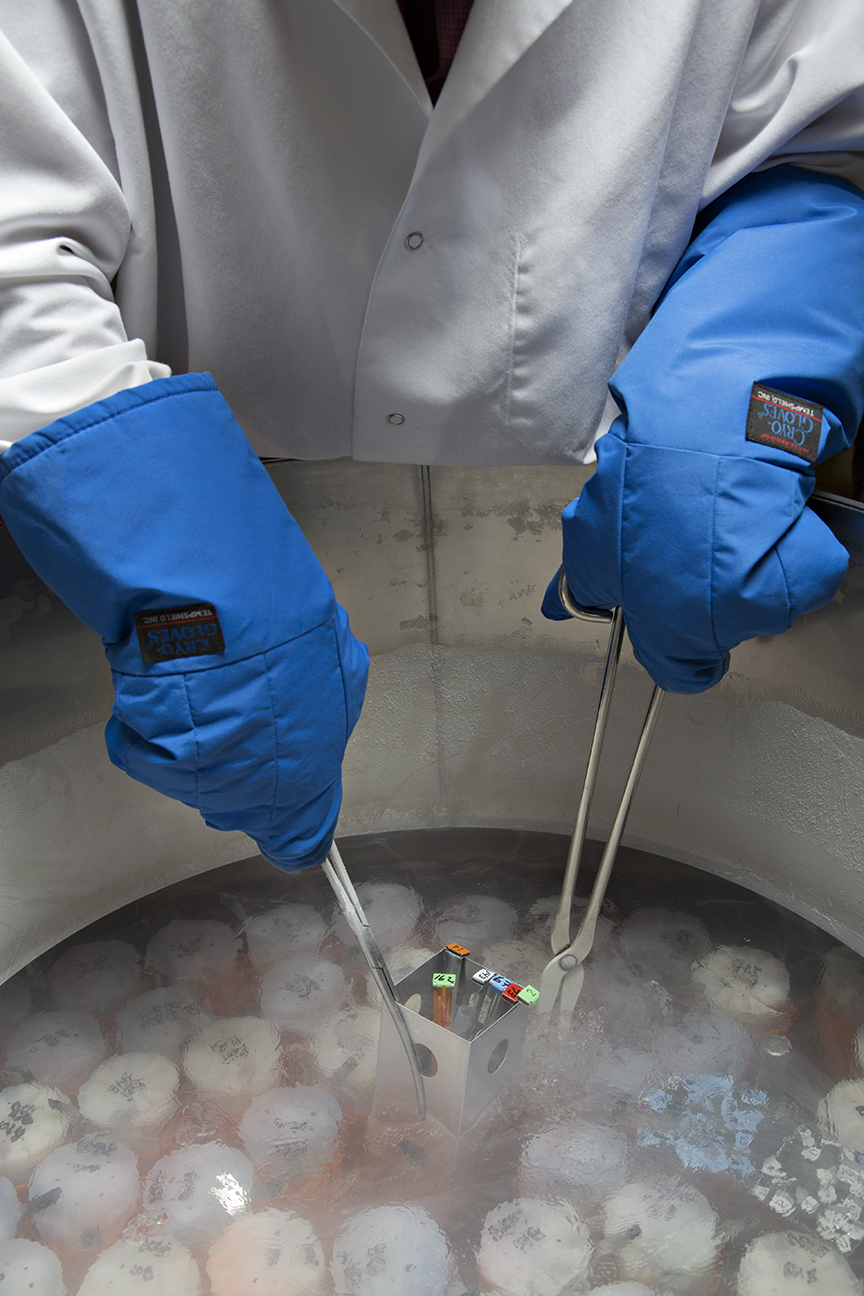
2. Cryopreservation
- Freezing biological material at very low temperatures
3. Seed Storage
- Long-term preservation of seeds
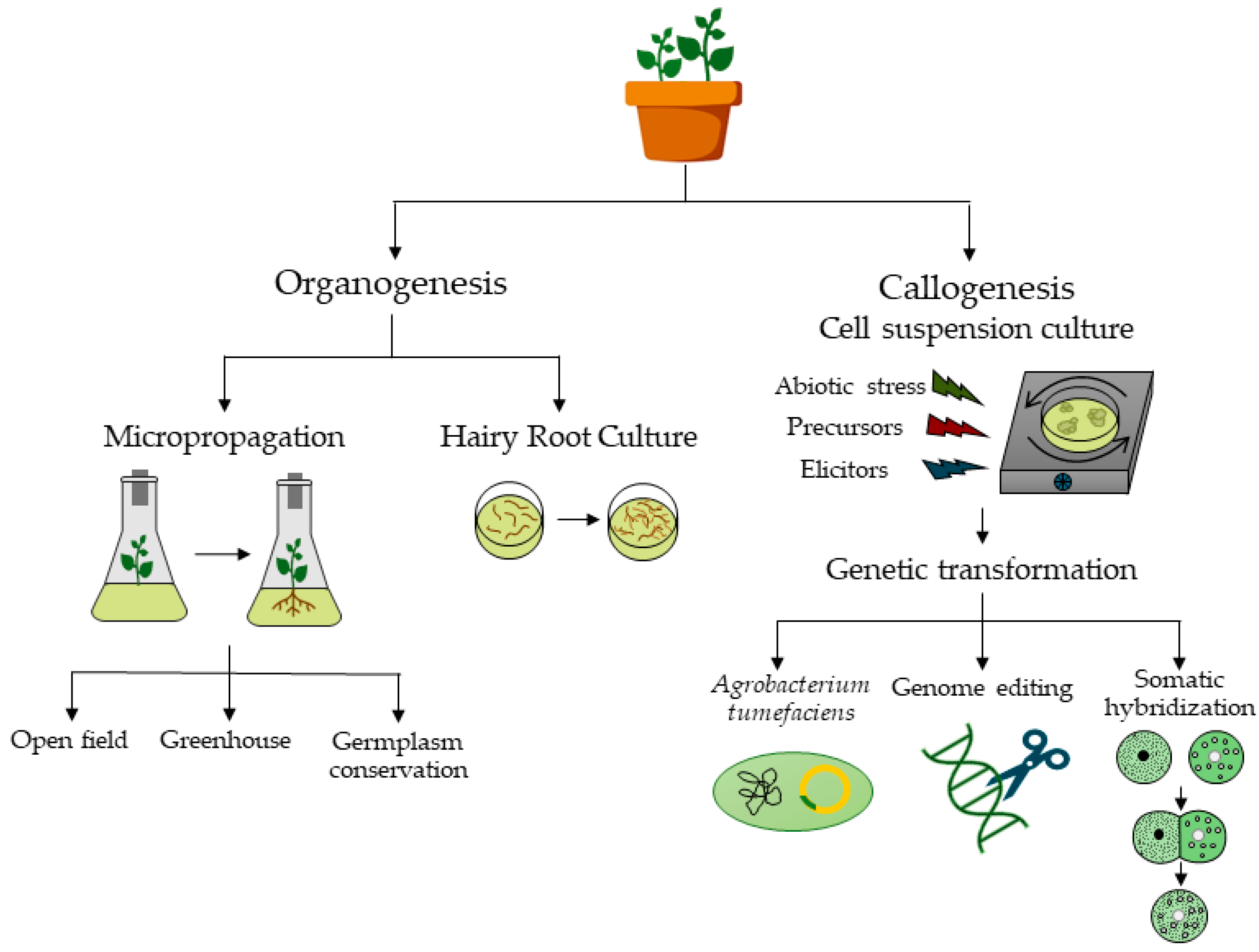
4. Tissue Culture
- Growing plants from small tissue samples
5. Artificial Reproduction
- Techniques like artificial insemination
⚠️ Threats and Limitations
1. Genetic Issues
- Inbreeding
- Loss of genetic diversity
2. Adaptation Problems
- Difficulty surviving in the wild after release
3. High Cost
- Infrastructure and maintenance expenses
4. Ethical Concerns
- Animal rights issues
5. Limited Capacity
- Cannot conserve all species
🔗 Integration with In-situ Conservation
Ex-situ conservation works best when integrated with in-situ methods:
- Zoos support reintroduction into national parks
- Botanical gardens aid habitat restoration
This combined approach ensures holistic biodiversity conservation.
🇮🇳 Ex-situ Conservation in India
India has made significant progress in ex-situ conservation through:
- Zoological parks
- Botanical gardens
- Seed banks
Key Initiatives:
- National Gene Bank
- Botanical Survey of India
- Zoological Survey of India
🌏 Global Role of Ex-situ Conservation
Ex-situ conservation contributes to:
- Global biodiversity goals
- Climate resilience
- Sustainable development
It supports international agreements like:
- Convention on Biological Diversity (CBD)
📚 Advantages of Ex-situ Conservation
- Protects species from immediate threats
- Enables scientific research
- Supports breeding programs
- Facilitates reintroduction
❌ Disadvantages of Ex-situ Conservation
- Expensive
- Artificial environment
- Limited ecological interactions
- Ethical concerns
🔮 Future of Ex-situ Conservation
The future includes:
- Advanced genetic technologies
- Improved habitat simulation
- Global collaboration
- Digital biodiversity databases
Emerging trends:
- Cryo-banking
- DNA preservation
- Assisted reproduction technologies
🧾 Conclusion
Ex-situ conservation plays a critical role in safeguarding biodiversity, especially for species that cannot survive in their natural habitats. Zoos and botanical gardens act as vital institutions for conservation, research, education, and species recovery.
While it cannot replace in-situ conservation, it serves as a powerful complementary approach, ensuring that biodiversity is preserved for future generations.