
🌿 Introduction



Courage and standing for what is right are among the most admirable and transformative human qualities. These values define individuals who choose integrity over convenience, justice over fear, and truth over silence. Courage is not merely the absence of fear—it is the ability to act despite fear. Standing for what is right involves making ethical decisions and taking action to uphold justice, even in difficult or risky situations.
In every era of history, progress has been driven by individuals who demonstrated courage—those who challenged injustice, defended the vulnerable, and upheld truth. Whether in personal life, society, or global movements, courage plays a vital role in shaping a just and ethical world.
🌱 Meaning and Definitions
🔹 Courage
Courage is:
- The ability to face fear, danger, or difficulty
- Acting with bravery and determination
- Standing firm in challenging situations
Examples:
- Speaking up against wrongdoing
- Facing personal fears
- Taking risks for a good cause
🔹 Standing for What is Right
This means:
- Upholding moral and ethical principles
- Defending truth and justice
- Acting with integrity even under pressure
Examples:
- Reporting unethical behavior
- Supporting fairness and equality
- Refusing to participate in wrongdoing
🔹 Key Differences
| Aspect | Courage | Standing for What is Right |
|---|---|---|
| Nature | Personal strength | Ethical action |
| Focus | Overcoming fear | Upholding values |
| Example | Facing danger | Defending justice |
🧠 Psychological Foundations



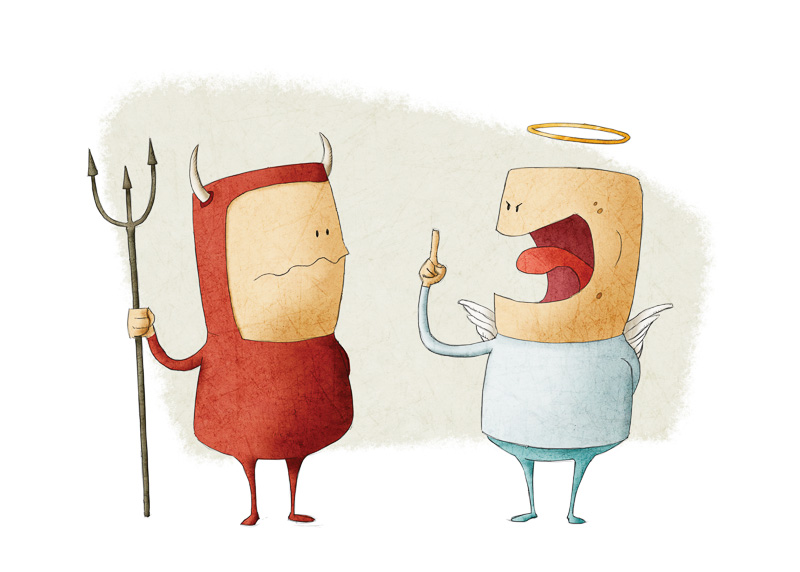
🔹 Fear and Courage
- Fear is a natural human response
- Courage involves managing and overcoming fear
🔹 Moral Decision-Making
- Requires evaluating right and wrong
- Influenced by values, beliefs, and experiences
🔹 Confidence and Self-Efficacy
- Belief in one’s ability to act
- Strengthens courageous behavior
🏛️ Philosophical Perspectives




🔸 Ancient Philosophy
- Aristotle considered courage a virtue between cowardice and recklessness
🔸 Stoicism
- Emphasizes resilience and inner strength
- Courage to accept and face reality
🔸 Eastern Philosophy
- Buddhism promotes courage through mindfulness
- Hinduism values bravery in fulfilling duty (Dharma)
🔸 Modern Thinkers
- Mahatma Gandhi demonstrated courage through non-violent resistance
🧘 Spiritual and Religious Significance



🔹 Moral Courage
- Standing for truth is a spiritual duty
🔹 Faith and Strength
- Many religions encourage courage in adversity
🔹 Justice and Righteousness
- Promoting fairness and truth
🏠 Role in Personal Life
🌟 Self-Confidence
- Courage builds inner strength
🌟 Decision-Making
- Helps make ethical choices
🌟 Personal Integrity
- Aligns actions with values
🌍 Social Importance



🔹 Social Justice
- Courage drives change and reform
🔹 Protecting Rights
- Defending the vulnerable
🔹 Inspiring Others
- Encourages collective action
🏫 Importance in Education
📘 Student Development
- Encourages honesty and integrity
📘 Classroom Environment
- Promotes fairness and respect
📘 Moral Education
- Teaching courage through stories and examples
💼 Workplace Relevance



🔹 Ethical Leadership
- Leaders must act with courage
🔹 Whistleblowing
- Reporting wrongdoing
🔹 Workplace Integrity
- Promoting honesty and fairness
⚖️ Ethical Dimensions
🔸 Moral Courage
- Acting ethically despite risks
🔸 Justice
- Upholding fairness and equality
🔸 Responsibility
- Taking action for the greater good
🧩 Challenges to Courage



🔹 Fear of Consequences
- Risk of punishment or rejection
🔹 Peer Pressure
- Influence of others discouraging action
🔹 Lack of Confidence
- Doubt in one’s abilities
🔹 Social Norms
- Fear of going against the majority
🌟 Benefits of Courage
✅ Personal Benefits
- Increased confidence
- Strong character
✅ Social Benefits
- Promotes justice
- Encourages positive change
✅ Professional Benefits
- Builds leadership qualities
- Enhances reputation
🛠️ Ways to Develop Courage



🔹 Face Small Fears
- Start with manageable challenges
🔹 Build Confidence
- Practice and preparation
🔹 Know Your Values
- Be clear about right and wrong
🔹 Seek Support
- Surround yourself with supportive people
🔹 Take Action
- Courage grows through action
📱 Courage in the Digital Age



🔹 Digital Activism
- Using platforms to raise awareness
🔹 Standing Against Cyberbullying
- Supporting victims
🔹 Ethical Online Behavior
- Promoting truth and fairness
🧭 Real-Life Examples
🔹 Personal Life
- Standing up for oneself
🔹 Social Context
- Fighting injustice
🔹 Global Context
- Movements for equality and rights
📊 Comparison with Related Values
| Value | Relation |
|---|---|
| Integrity | Foundation of courage |
| Honesty | Requires courage |
| Responsibility | Encourages action |
| Resilience | Supports courage |
🧾 Conclusion
Courage and standing for what is right are essential values that shape individuals and societies. They empower people to overcome fear, uphold justice, and act with integrity. In a world filled with challenges and ethical dilemmas, these values serve as guiding principles for making meaningful and impactful decisions.
By cultivating courage, individuals can build confidence, strengthen their character, and contribute to a more just and equitable society. Standing for what is right is not always easy, but it is always necessary for progress and positive change.
Ultimately, courage is not just about bold actions—it is about making the right choices, even when they are difficult.