


1. Introduction to Industrial Chemistry
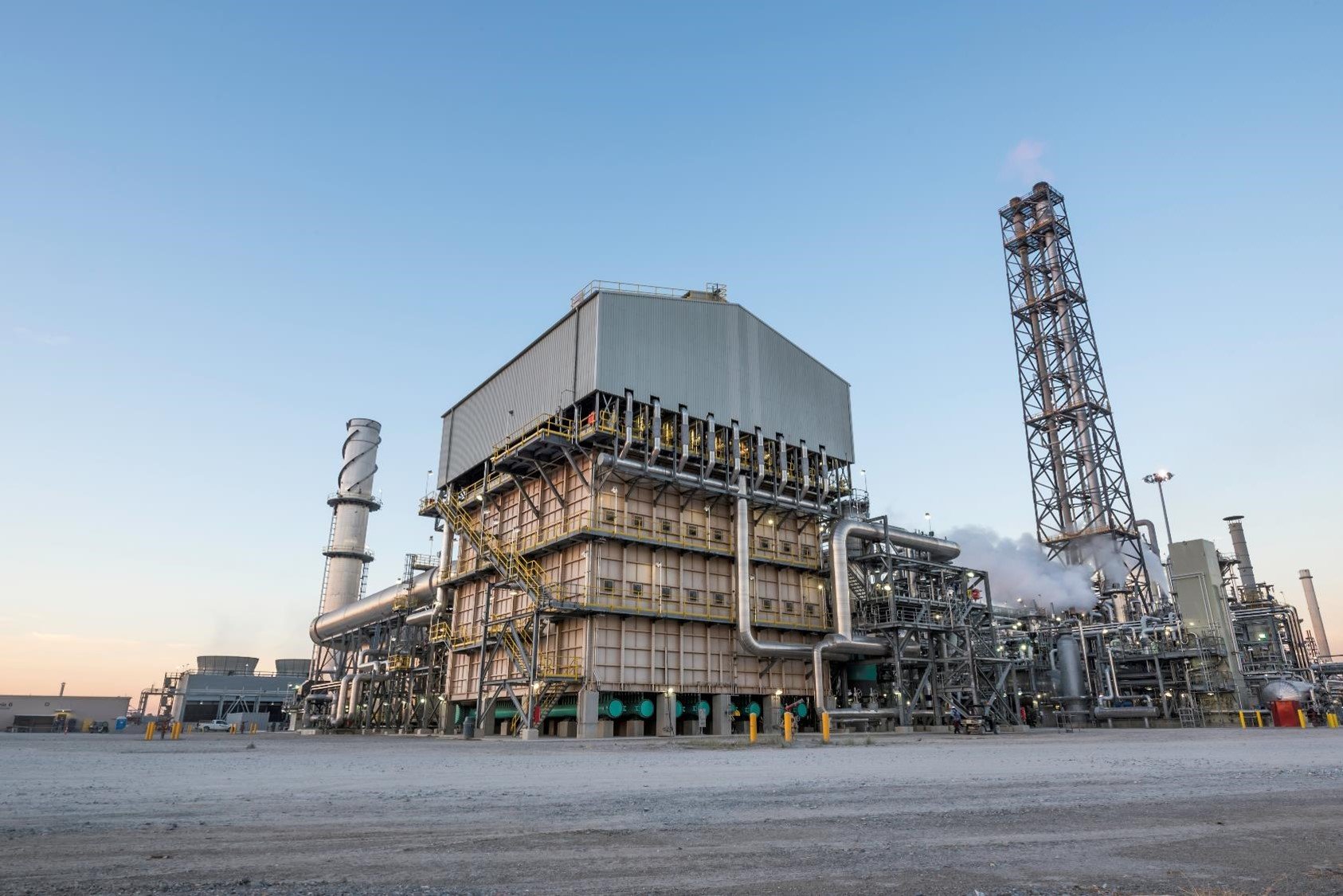
Industrial chemistry is the branch of chemistry that focuses on the large-scale production of chemicals, materials, and products used in industry and everyday life. It involves applying chemical principles to design, develop, and optimize processes that convert raw materials into useful products efficiently, economically, and safely.
Unlike laboratory chemistry, which is conducted on a small scale, industrial chemistry deals with mass production. Chemical reactions must be carefully controlled to ensure high yield, minimal waste, safety, and environmental sustainability.
Industrial chemistry combines knowledge from several scientific and engineering fields including:
- Chemical engineering
- Materials science
- Environmental science
- Thermodynamics
- Process engineering
Industries such as pharmaceuticals, plastics, petroleum refining, fertilizers, textiles, and food production rely heavily on industrial chemistry.
Modern industrial chemistry plays a vital role in global economic development by providing essential materials that support agriculture, medicine, transportation, construction, and technology.
2. Development of Industrial Chemistry
Industrial chemistry evolved alongside technological progress during the Industrial Revolution in the 18th and 19th centuries. Early industries focused on producing materials such as soap, glass, dyes, and acids.
Major historical developments include:
Sulfuric Acid Production
One of the earliest large-scale chemical processes.
Soda Ash Production
Used in glass manufacturing and soap production.
Fertilizer Production
Revolutionized agriculture by providing nitrogen-rich fertilizers.
Petrochemical Industry
Expanded rapidly in the 20th century with the discovery of petroleum resources.
These developments transformed society by enabling mass production of chemicals that improved living standards worldwide.
3. Raw Materials in Industrial Chemistry
Industrial chemical processes require various raw materials obtained from natural sources.
Fossil Fuels
Petroleum, natural gas, and coal serve as major feedstocks in chemical industries.
They provide hydrocarbons used in plastics, fuels, and synthetic chemicals.
Minerals
Minerals are essential for producing metals, ceramics, and fertilizers.
Examples include:
- Iron ore
- Bauxite
- Phosphate rock
Air and Water
Air provides nitrogen and oxygen used in industrial reactions.
Water serves as a solvent, coolant, and reactant in many processes.
Biomass
Renewable resources such as plant materials are increasingly used as feedstocks in sustainable chemical production.
4. Chemical Process Design
Industrial chemical processes involve several stages.
Reaction Stage
Chemical reactions convert raw materials into desired products.
Separation Stage
Products are separated from reaction mixtures using techniques such as:
- Distillation
- Filtration
- Crystallization
Purification Stage
Products are purified to meet quality standards.
Waste Treatment
Waste products are treated to reduce environmental impact.
Efficient process design is essential for maximizing productivity and minimizing costs.
5. Catalysis in Industrial Chemistry


Catalysts are substances that increase reaction rates without being consumed.
Industrial processes often rely on catalysts to improve efficiency and reduce energy consumption.
Examples include:
Haber Process Catalyst
Iron catalyst used in ammonia production.
Catalytic Cracking
Catalysts break down large hydrocarbons into smaller fuel molecules.
Automotive Catalytic Converters
Catalysts reduce harmful exhaust emissions.
Catalysis is essential for many large-scale chemical reactions.
6. Petrochemical Industry


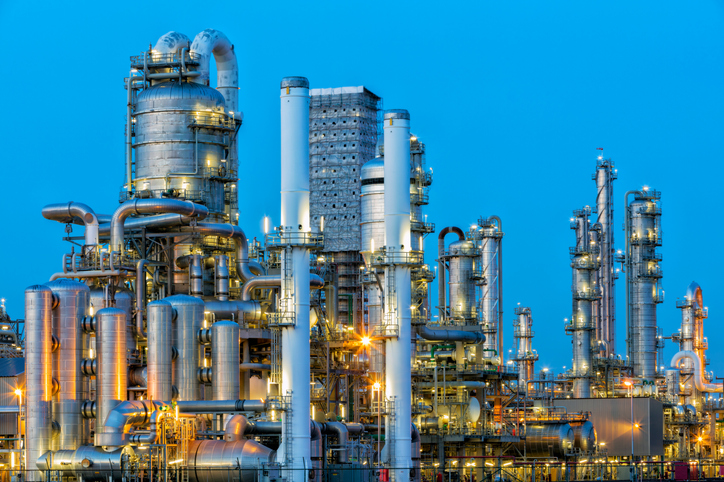
The petrochemical industry converts petroleum and natural gas into chemical products.
Key processes include:
Fractional Distillation
Crude oil is separated into fractions such as gasoline, diesel, and kerosene.
Cracking
Large hydrocarbon molecules are broken into smaller molecules.
Reforming
Hydrocarbons are rearranged to improve fuel quality.
Petrochemical products include plastics, synthetic fibers, detergents, and solvents.
7. Fertilizer Industry


Fertilizers are chemicals that provide nutrients for plant growth.
Major fertilizers contain:
- Nitrogen
- Phosphorus
- Potassium
Haber Process
One of the most important industrial chemical processes.
Nitrogen from air reacts with hydrogen to produce ammonia.
N₂ + 3H₂ → 2NH₃
Ammonia is used to produce fertilizers such as urea and ammonium nitrate.
This process supports global food production.
8. Polymer and Plastics Industry

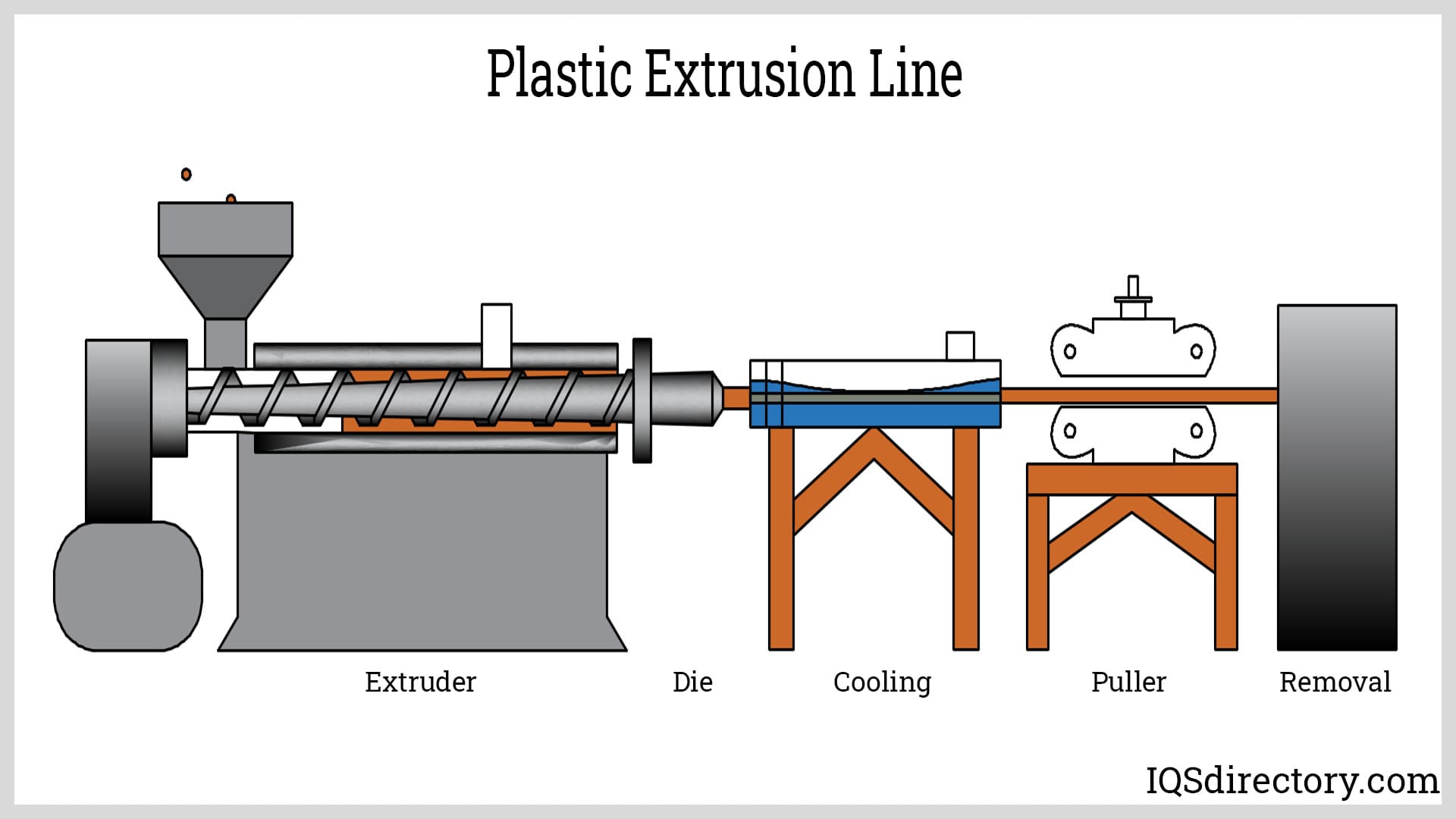


Polymers are among the most important industrial materials.
Common plastics include:
- Polyethylene
- Polypropylene
- PVC
- Polystyrene
These materials are used in packaging, electronics, construction, and automotive industries.
Polymer manufacturing involves polymerization reactions where small molecules join to form large macromolecules.
9. Pharmaceutical Industry
Industrial chemistry is essential for producing medicines.
Pharmaceutical manufacturing involves:
- Chemical synthesis
- Purification
- Quality control
Drugs produced through industrial chemical processes include:
- Antibiotics
- Painkillers
- Vaccines
- Antiviral medications
Pharmaceutical industries require strict quality standards to ensure safety and effectiveness.
10. Food and Beverage Industry
Industrial chemistry plays a major role in food production.
Applications include:
- Food preservation
- Flavor and color additives
- Fermentation processes
Fermentation is used to produce products such as:
- Bread
- Beer
- Yogurt
Food chemistry ensures safety, nutrition, and quality of food products.
11. Environmental Aspects of Industrial Chemistry
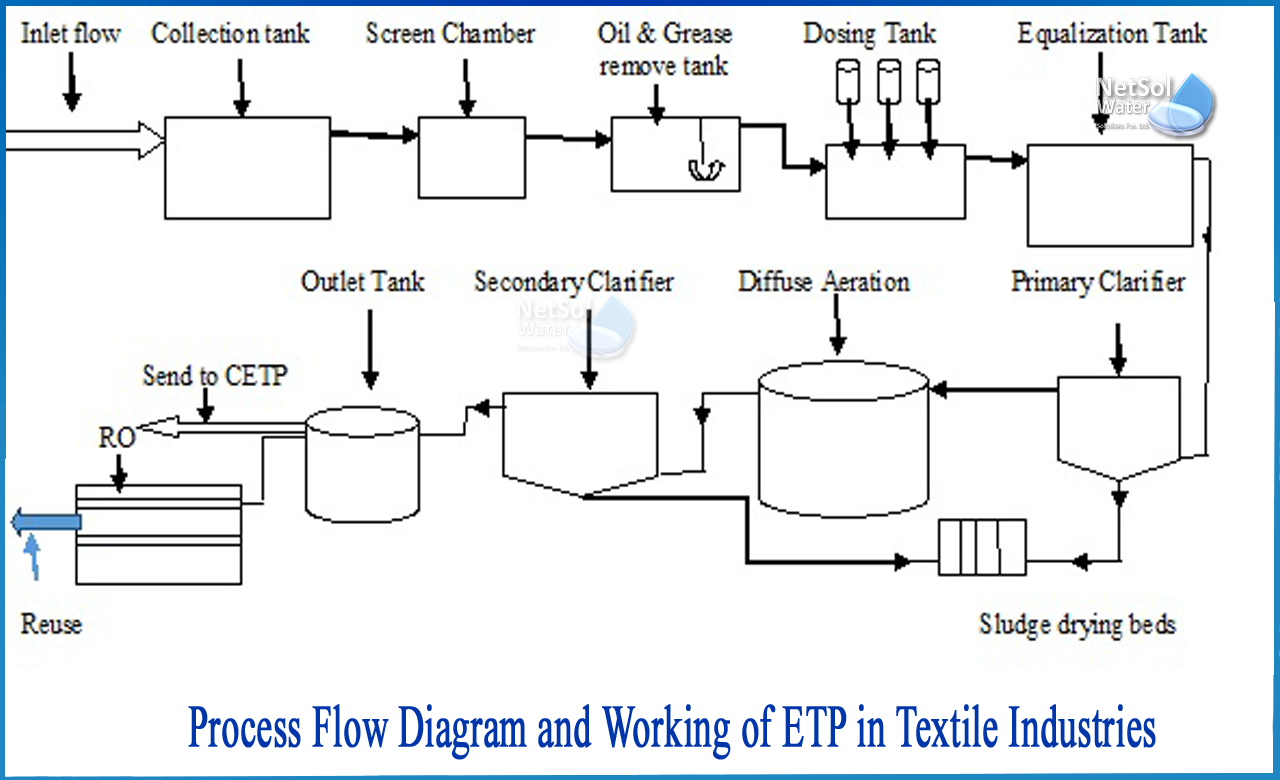

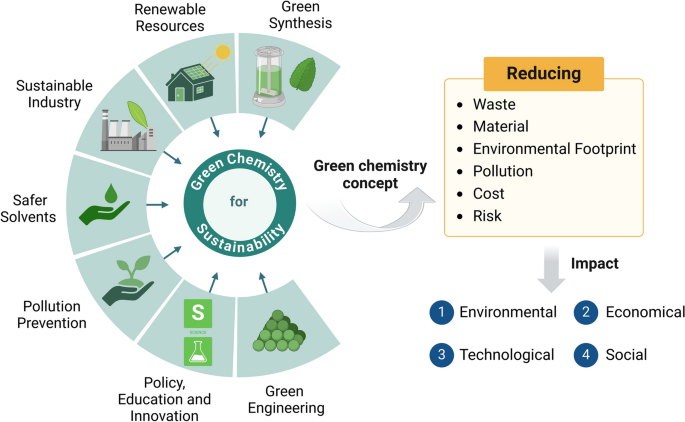
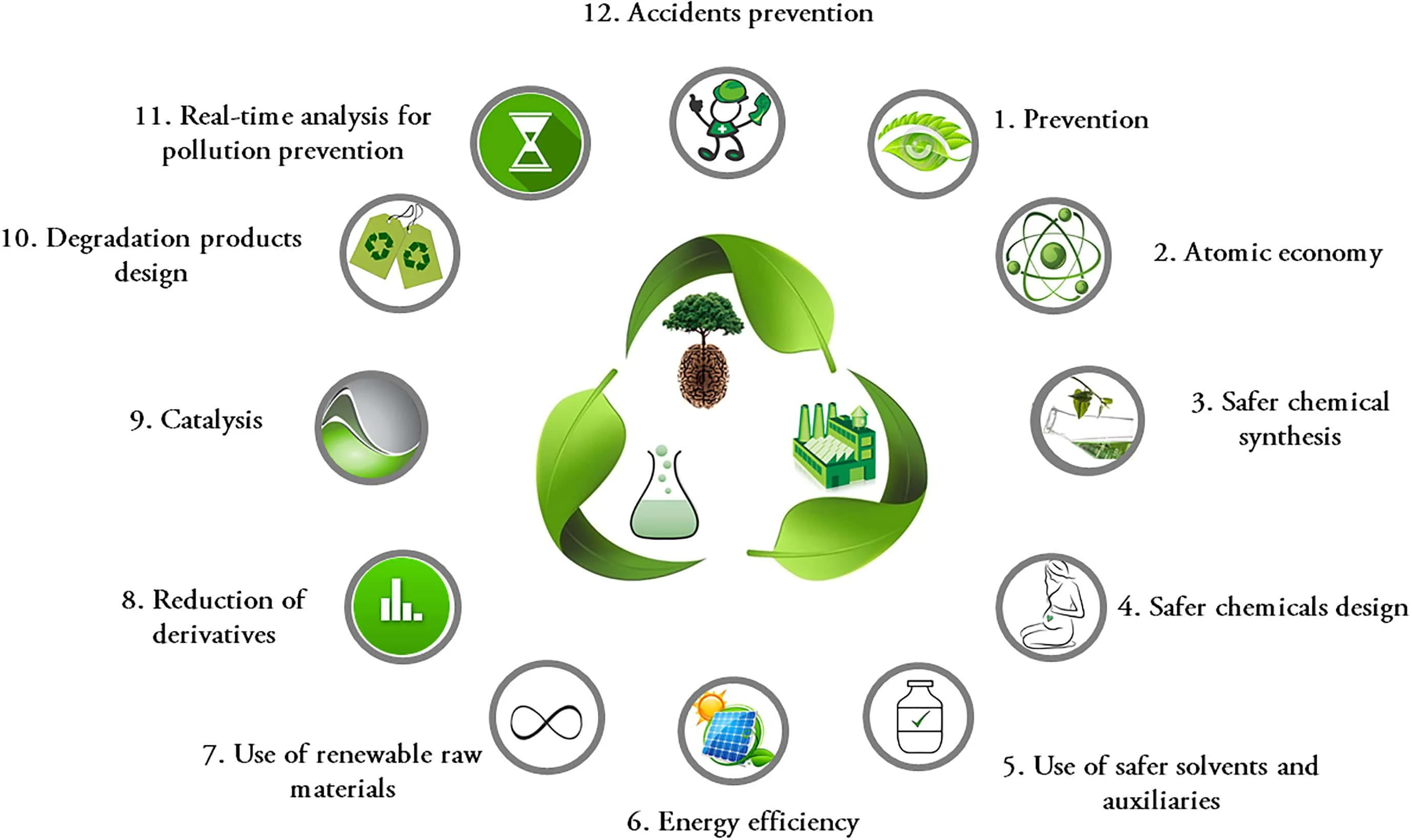
Industrial chemical processes can generate pollutants.
Major environmental concerns include:
- Air pollution
- Water contamination
- Hazardous waste
To address these problems, industries implement:
- Waste treatment systems
- Pollution control technologies
- Green chemistry principles
Environmental regulations help reduce the impact of industrial activities.
12. Safety in Industrial Chemistry
Industrial chemical plants involve potentially hazardous materials and reactions.
Safety measures include:
- Proper chemical storage
- Monitoring of pressure and temperature
- Protective equipment for workers
- Emergency response systems
Process safety management is critical to prevent industrial accidents.
13. Sustainable Industrial Chemistry
Sustainable industrial chemistry aims to reduce environmental impact while maintaining productivity.
Strategies include:
- Energy-efficient processes
- Renewable raw materials
- Recycling of chemical waste
- Development of biodegradable materials
These practices support environmentally responsible industrial development.
14. Role of Automation and Technology
Modern chemical industries rely on advanced technologies.
Examples include:
- Computer-controlled reactors
- Process monitoring systems
- Artificial intelligence optimization
Automation improves efficiency, safety, and product quality.
15. Importance of Industrial Chemistry
Industrial chemistry is fundamental to modern civilization.
It provides essential products such as:
- Fuels
- Plastics
- Medicines
- Fertilizers
- Construction materials
These products support agriculture, transportation, healthcare, and technology.
Industrial chemistry therefore plays a crucial role in economic development and technological progress.
Conclusion
Industrial chemistry focuses on the large-scale production of chemical products that support modern society. By applying chemical principles to industrial processes, scientists and engineers convert raw materials such as petroleum, minerals, air, and biomass into useful materials including fuels, fertilizers, plastics, pharmaceuticals, and consumer goods. Key processes such as catalytic reactions, petrochemical refining, polymer production, and ammonia synthesis form the foundation of industrial chemical manufacturing. While industrial chemistry has significantly improved quality of life, it also presents environmental challenges that must be addressed through sustainable practices and green chemistry principles. As technology advances, industrial chemistry will continue to evolve, providing innovative solutions for energy production, environmental protection, and global development.