
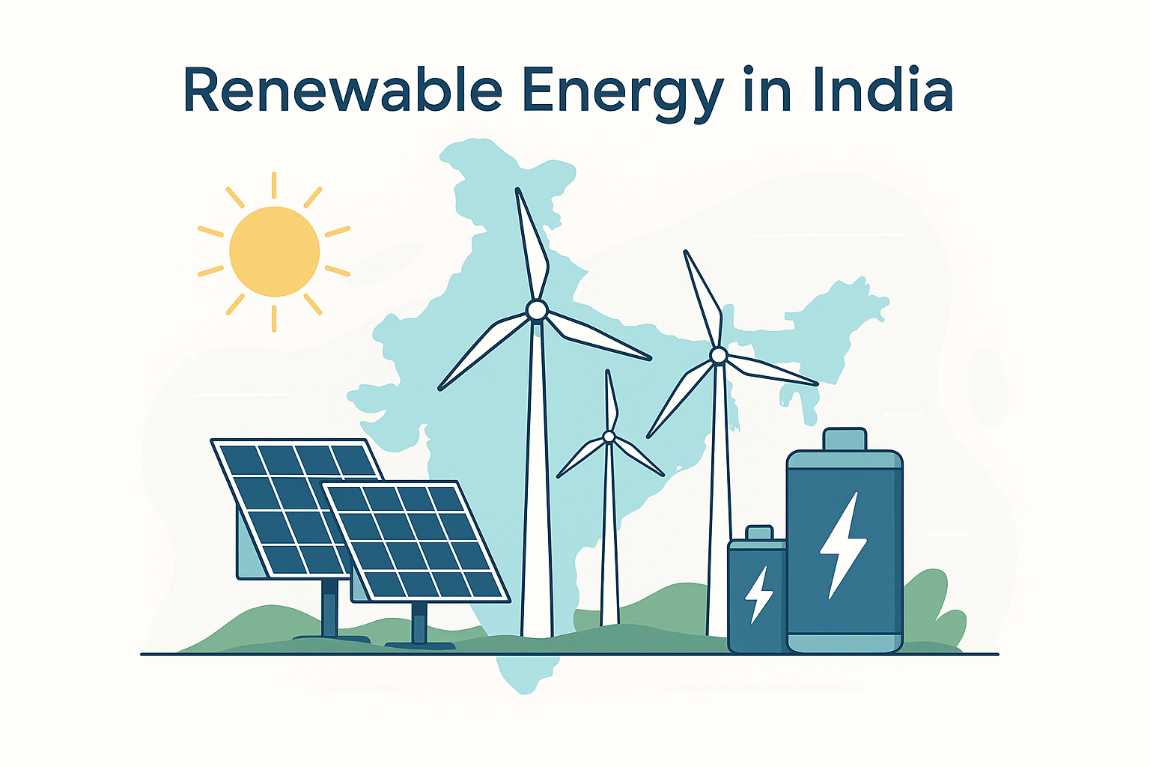
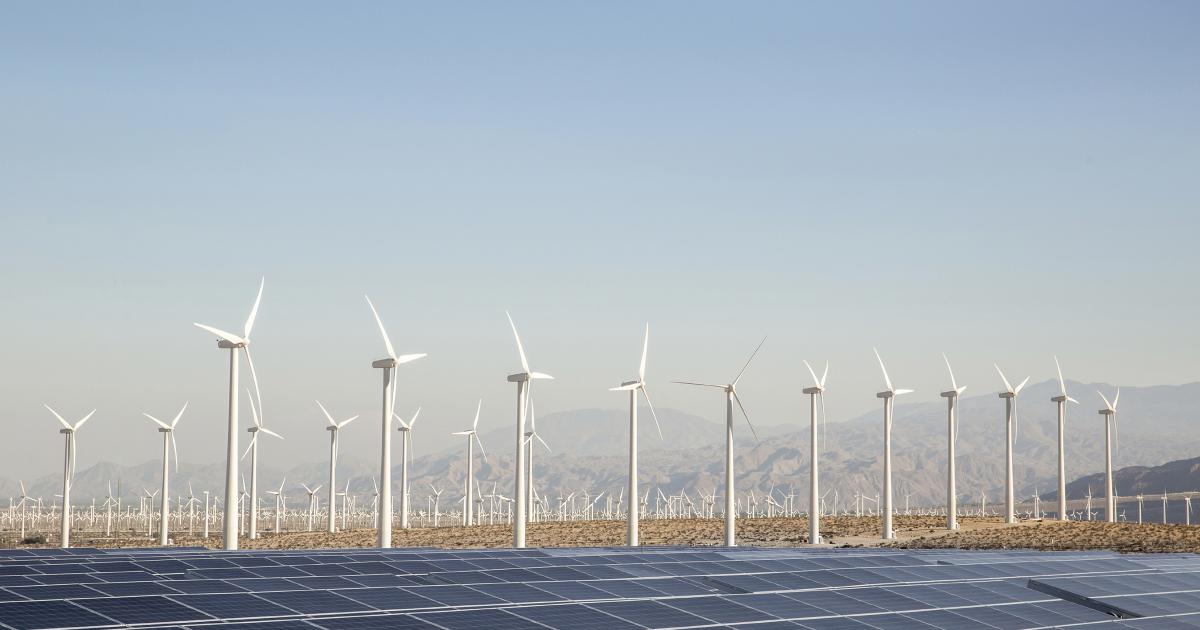
Renewable energy sources are the cornerstone of a sustainable future. Unlike conventional fossil fuels, renewable energy is derived from natural processes that are continuously replenished. Among the most important renewable sources are solar energy, wind energy, and hydropower, which together play a vital role in reducing environmental pollution, combating climate change, and ensuring long-term energy security.
🌍 Introduction to Renewable Energy


🌱 Definition
Renewable energy refers to energy derived from natural sources that are replenished continuously, such as sunlight, wind, and water.
🌿 Importance of Renewable Energy
- Reduces greenhouse gas emissions
- Sustainable and inexhaustible
- Promotes energy independence
- Supports environmental conservation
🌞 1. Solar Energy

🌱 Introduction
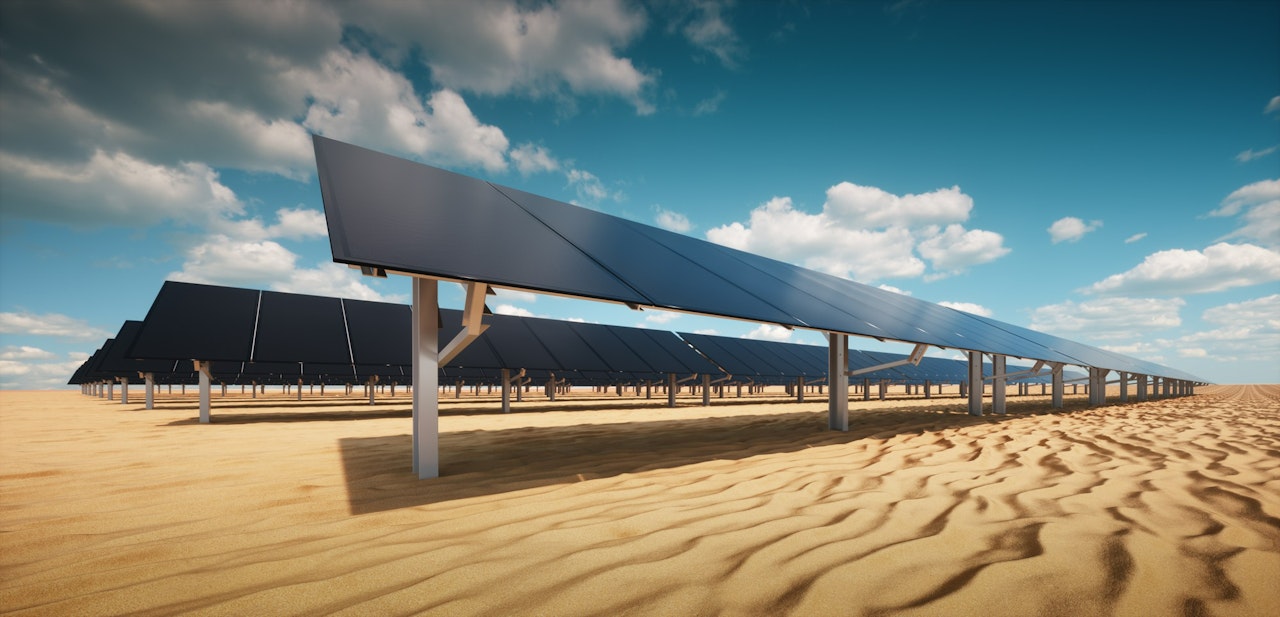
Solar energy is energy obtained from the sun’s radiation. It is the most abundant and widely available renewable energy source.
⚙️ Working Principle
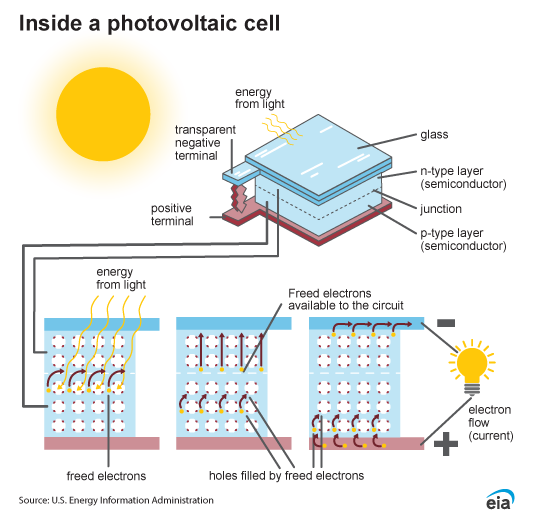
Solar panels use photovoltaic (PV) cells to convert sunlight into electricity.
🌞 Process:
- Sunlight hits solar panels
- PV cells generate electricity
- Electricity is converted for use
🌿 Types of Solar Energy
1. Photovoltaic (PV) Systems
- Convert sunlight directly into electricity
2. Solar Thermal Systems
- Use heat from the sun
🌍 Applications
- Electricity generation
- Water heating
- Solar cooking
- Lighting
🌱 Advantages
- Unlimited energy source
- Environmentally friendly
- Low maintenance
⚠️ Limitations
- Weather dependent
- High initial cost
- Requires space
💨 2. Wind Energy

🌱 Introduction
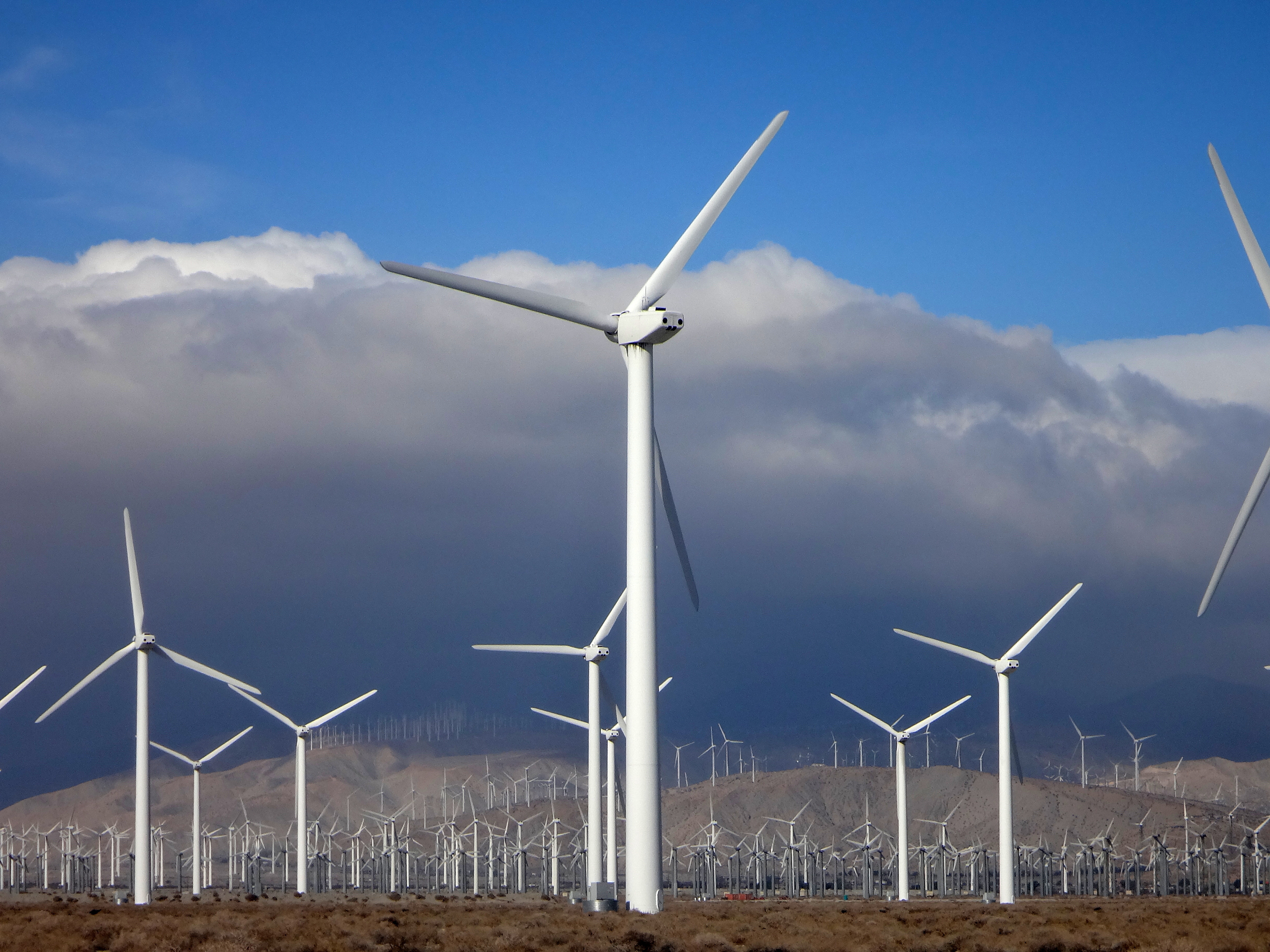
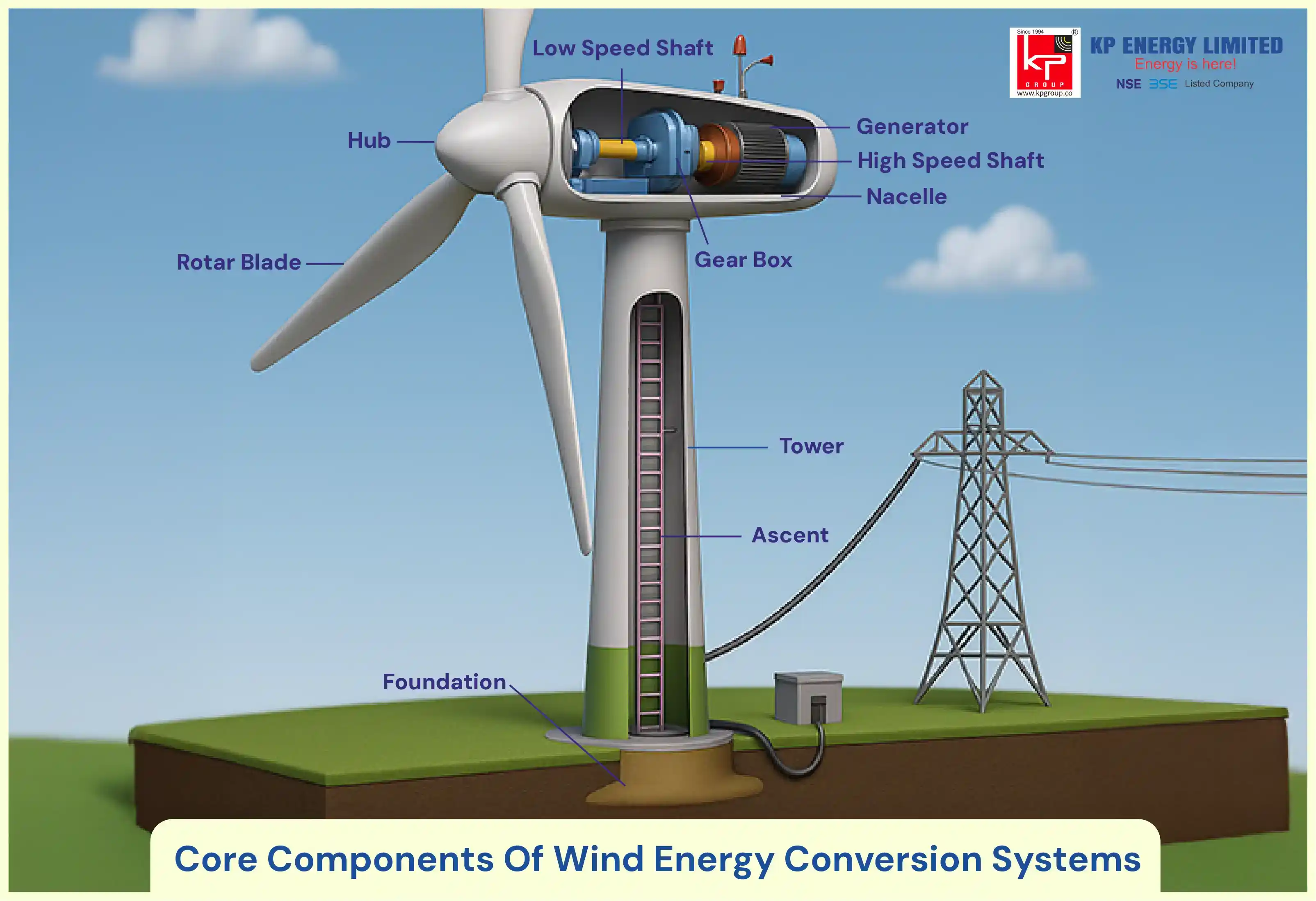
Wind energy is generated by harnessing the kinetic energy of moving air using wind turbines.
⚙️ Working Principle
- Wind turns turbine blades
- Blades rotate a shaft
- Generator produces electricity
🌿 Types of Wind Energy
1. Onshore Wind Energy
- Installed on land
2. Offshore Wind Energy
- Installed in oceans
🌍 Applications
- Electricity generation
- Water pumping
- Industrial use
🌱 Advantages
- Clean and renewable
- Low operating cost
- Reduces fossil fuel use
⚠️ Limitations
- Intermittent energy source
- Noise and visual impact
- Requires large areas
🌊 3. Hydropower Energy


🌱 Introduction
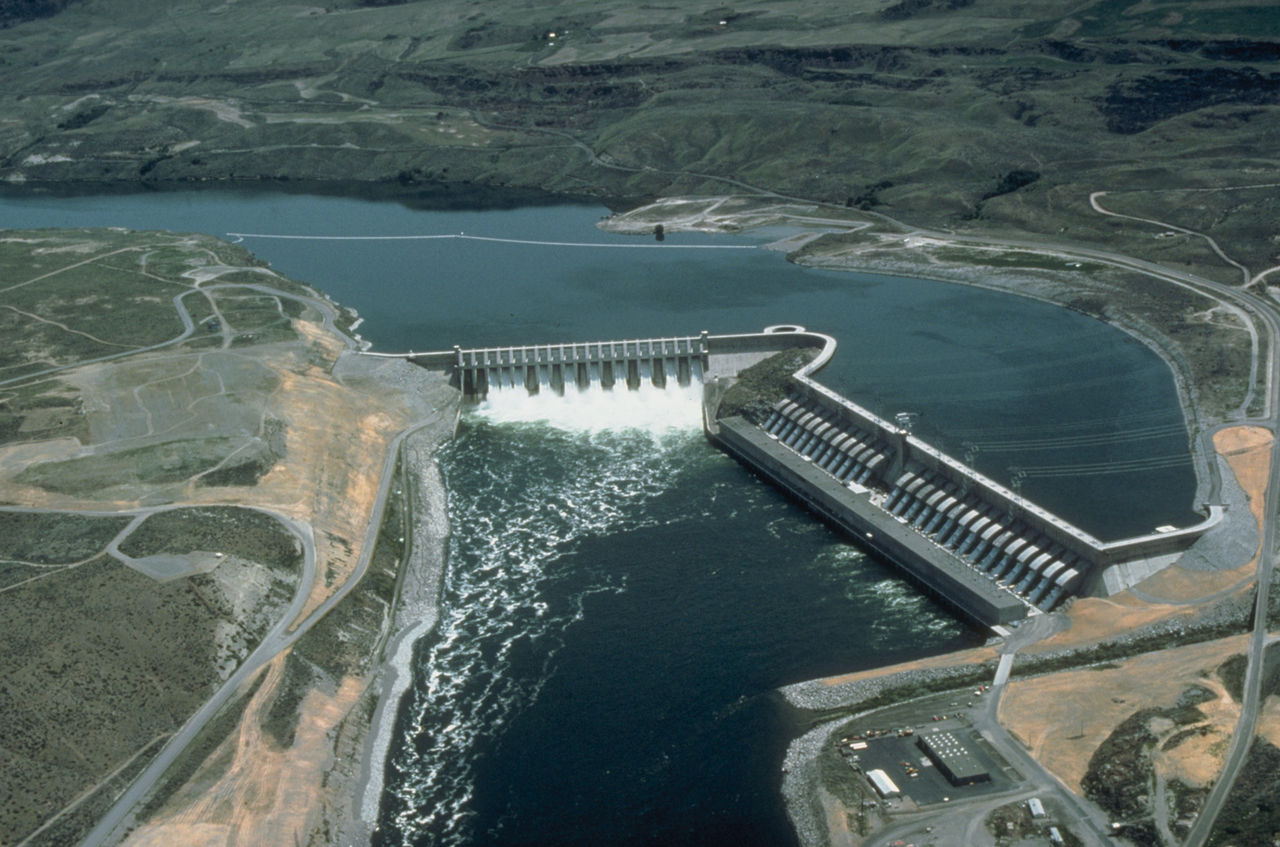
Hydropower is energy generated from flowing or falling water. It is one of the oldest and most widely used renewable energy sources.
⚙️ Working Principle
- Water stored in dam
- Released to flow through turbines
- Turbines spin generators
- Electricity is produced
🌿 Types of Hydropower
1. Storage Hydropower
- Uses dams and reservoirs
2. Run-of-River
- Uses natural water flow
3. Pumped Storage
- Stores energy for later use
🌍 Applications
- Electricity generation
- Irrigation support
- Flood control
🌱 Advantages
- Reliable energy source
- High efficiency
- Long lifespan
⚠️ Limitations
- High construction cost
- Environmental impact on aquatic life
- Displacement of people
🔄 Comparison of Solar, Wind, and Hydro Energy
| Feature | Solar Energy | Wind Energy | Hydropower |
|---|---|---|---|
| Source | Sunlight | Air | Water |
| Availability | Daytime | Windy areas | Rivers |
| Reliability | Moderate | Variable | High |
| Cost | High initial | Moderate | High setup |
🌎 Environmental Impact
🌱 Positive Impacts
- Reduces pollution
- Low carbon emissions
- Sustainable
⚠️ Negative Impacts
- Land use changes
- Wildlife impact
- Resource use for manufacturing
🌱 Role in Sustainable Development
- Supports clean energy transition
- Reduces dependence on fossil fuels
- Promotes economic growth
🌍 Challenges in Renewable Energy
- Intermittency
- Storage issues
- High initial investment
- Infrastructure requirements
🌱 Technological Advancements
- Energy storage systems (batteries)
- Smart grids
- Hybrid energy systems
🌎 Global Trends
- Increasing adoption of renewable energy
- Government policies promoting clean energy
- Investment in green technologies
🧬 Advanced Concepts
🌍 Energy Storage
- Batteries store excess energy
🔄 Hybrid Systems
- Combination of solar, wind, and hydro
🌱 Future of Renewable Energy
- Expansion of solar and wind farms
- Improved efficiency
- Reduced costs
🧠 Conclusion
Renewable energy sources like solar, wind, and hydropower are essential for a sustainable future. They provide clean, abundant, and environmentally friendly energy, reducing dependence on fossil fuels and mitigating climate change. Although challenges exist, technological advancements and global efforts are paving the way for a transition to renewable energy systems.
The widespread adoption of these energy sources is crucial for ensuring energy security, environmental protection, and sustainable development.