🌍 Introduction


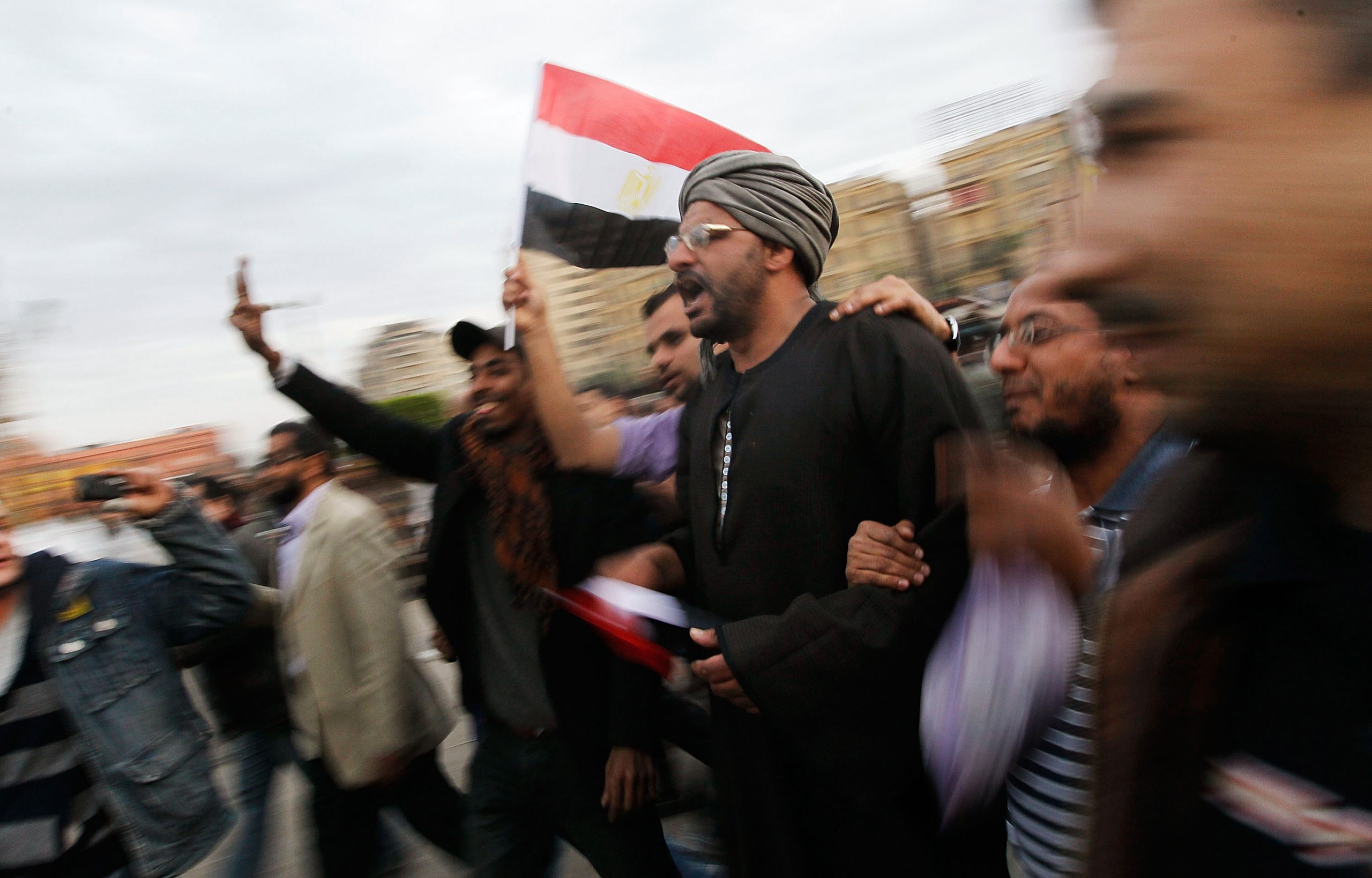
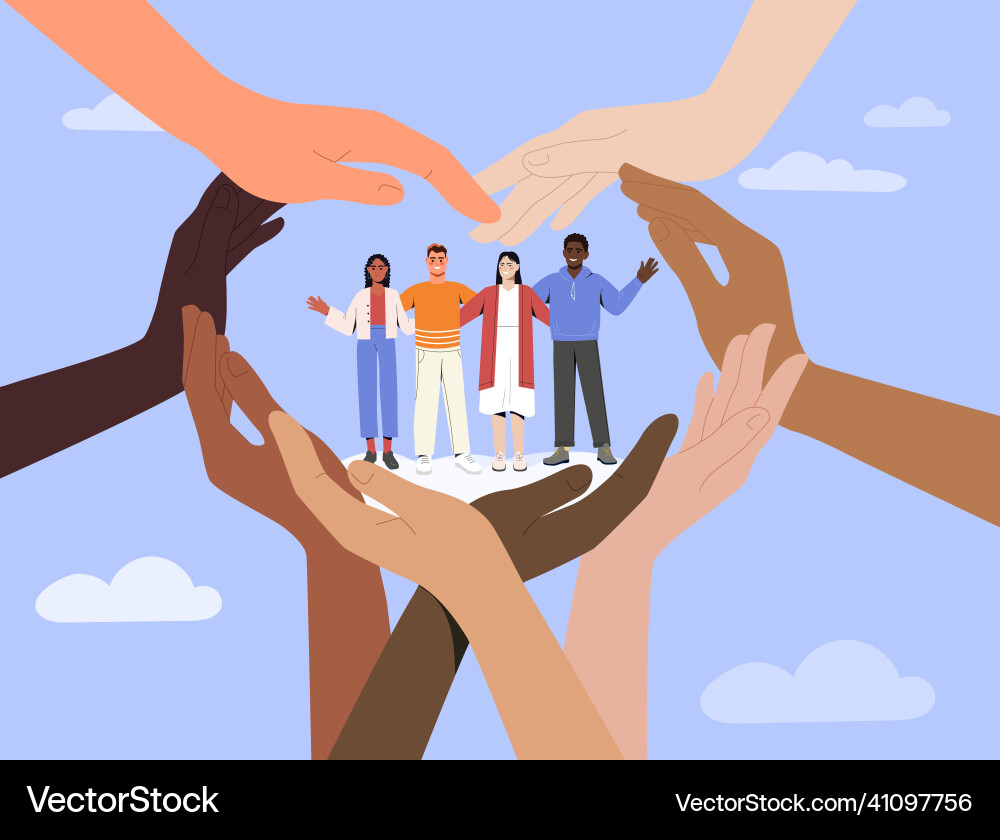
Peace and non-violence are among the most profound human values that guide individuals and societies toward harmony, justice, and sustainable coexistence. Peace is not merely the absence of conflict or war; it is a positive state of well-being, mutual respect, and cooperation. Non-violence, on the other hand, is the practice of avoiding harm in thought, word, and action, even in the face of conflict or injustice.
These values have shaped civilizations, inspired social movements, and continue to play a crucial role in addressing global challenges such as conflict, inequality, and environmental crises. In an increasingly interconnected yet divided world, the principles of peace and non-violence are essential for building a just and compassionate society.
🧭 Meaning of Peace
🔹 Definition
Peace is a state of harmony, absence of conflict, and presence of justice, security, and well-being at individual, social, and global levels.
🔹 Types of Peace
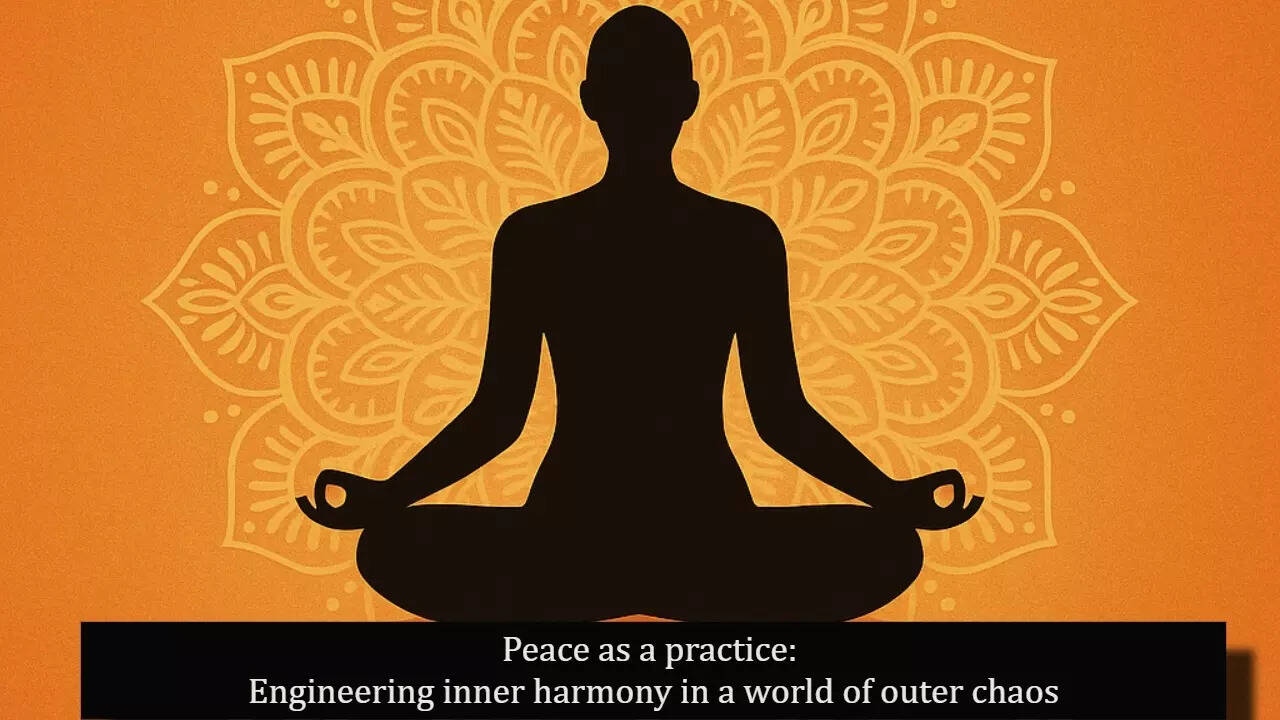
🌱 1. Inner Peace




- Peace within oneself
- Emotional balance and mental calmness
🤝 2. Social Peace

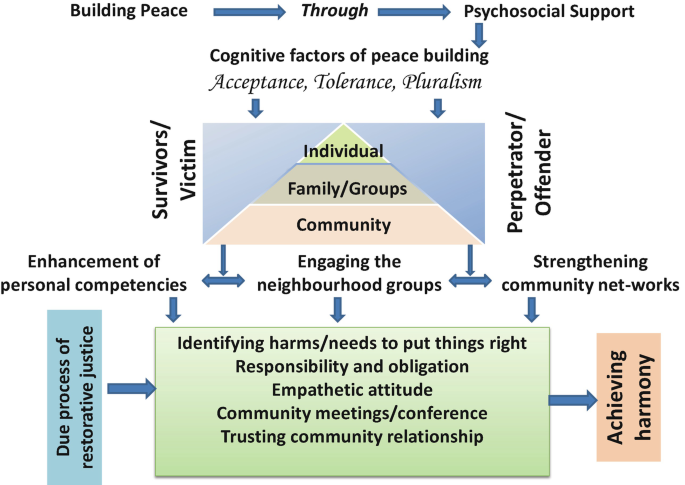
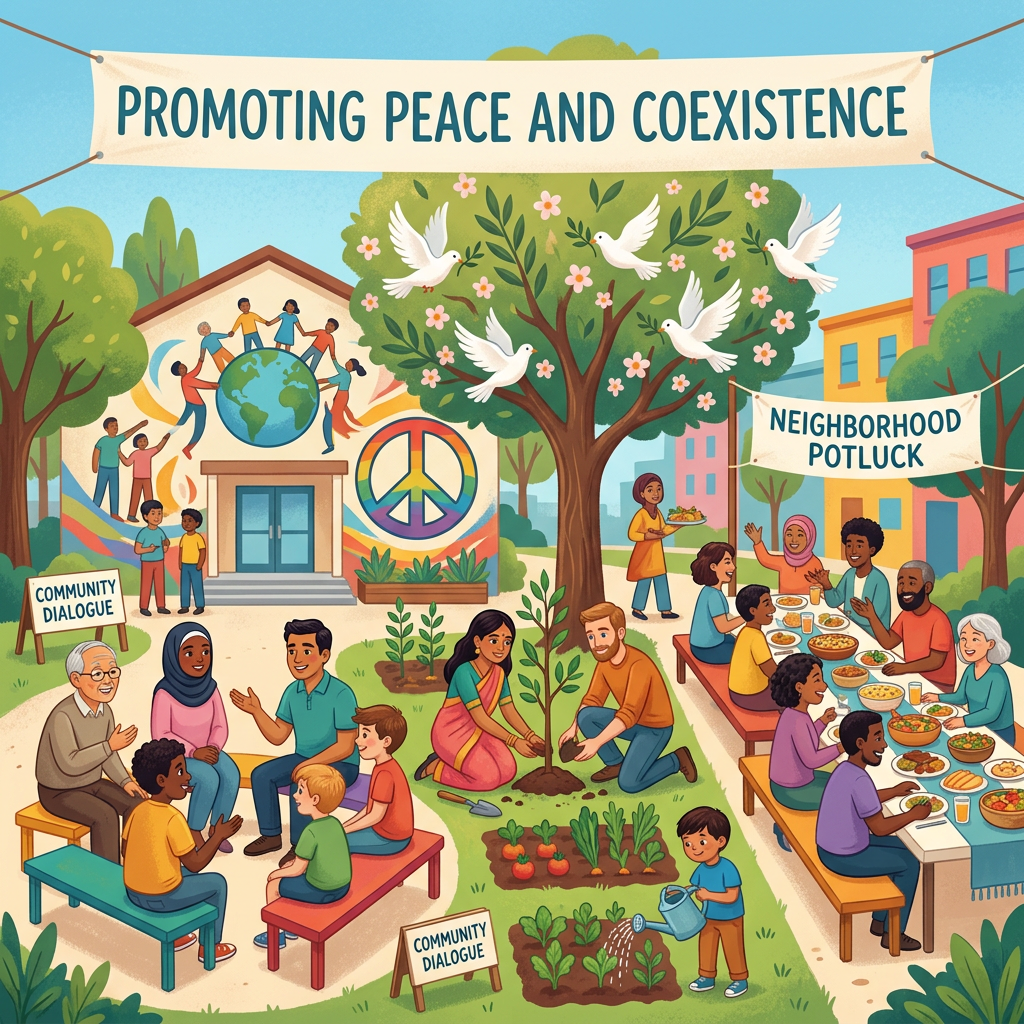
- Harmony within society
- Absence of conflict between groups
🌍 3. International Peace


- Peace between nations
- Cooperation and diplomacy
🌿 Meaning of Non-Violence
🔹 Definition
Non-violence is the principle of avoiding physical, verbal, and psychological harm to others and resolving conflicts through peaceful means.
🔹 Key Aspects
- Respect for life
- Compassion
- Conflict resolution without force
- Moral courage
🌟 Principles of Non-Violence
🔹 1. Respect for Life




- Every life is valuable
🔹 2. Truth and Justice


- Non-violence supports truth
🔹 3. Love and Compassion

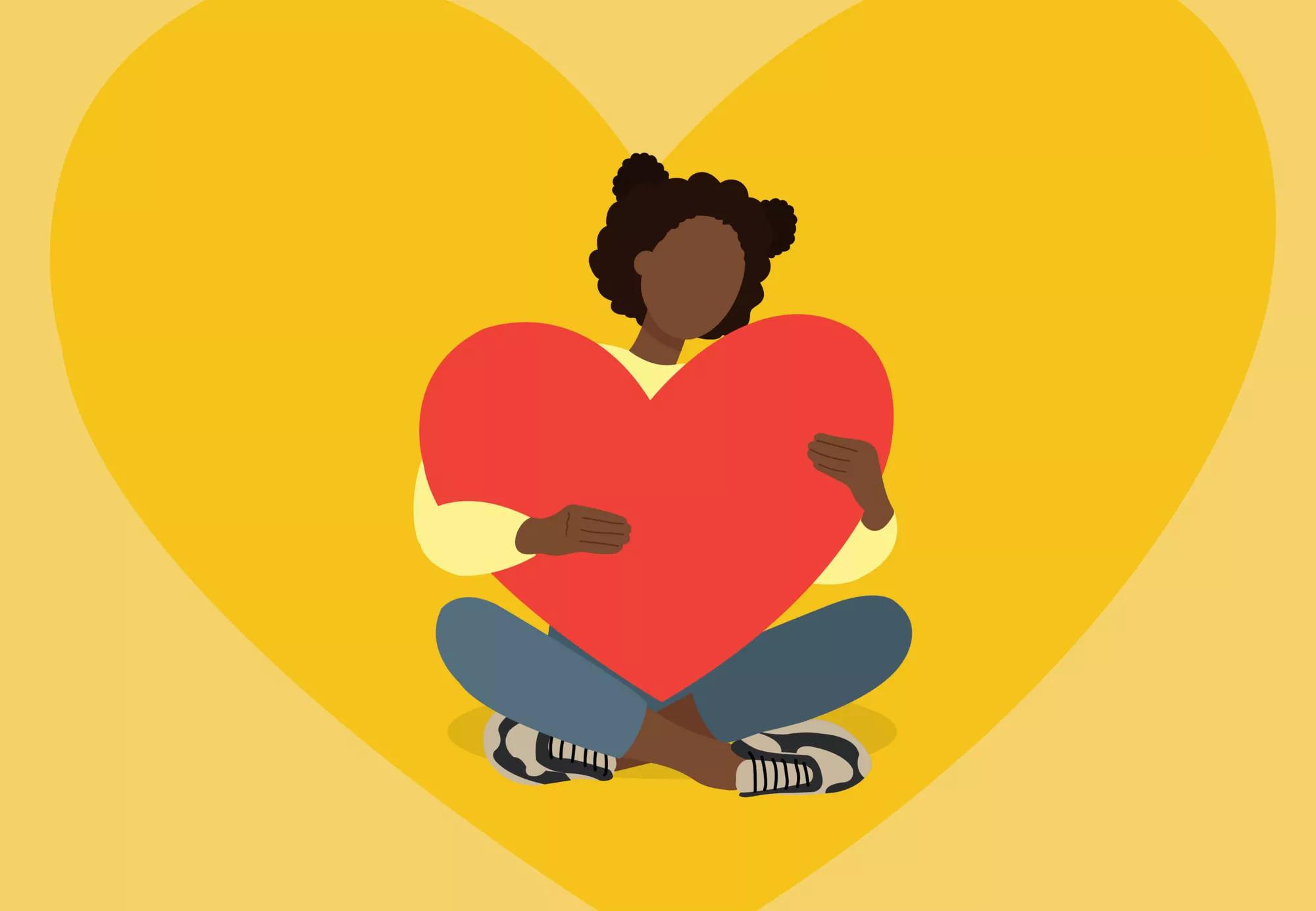


- Responding with kindness
🔹 4. Self-Control



- Managing anger and emotions
🌍 Nature of Peace
🔹 1. Positive and Constructive
- Involves justice and equality
🔹 2. Dynamic
- Requires continuous effort
🔹 3. Universal
- Desired by all societies
🌿 Nature of Non-Violence
🔹 1. Ethical
- Based on moral values
🔹 2. Active
- Requires conscious action
🔹 3. Transformative
- Changes individuals and society
🌍 Importance of Peace
🔹 1. Social Stability
- Prevents conflicts
🔹 2. Economic Development
- Encourages growth
🔹 3. Human Well-being
- Improves quality of life
🔹 4. Global Cooperation
- Promotes unity
🌍 Importance of Non-Violence
🔹 1. Reduces Conflict
🔹 2. Promotes Justice
🔹 3. Encourages Dialogue
🔹 4. Builds Trust
🌱 Peace and Non-Violence in Daily Life
🔹 Personal Level
- Managing emotions
🔹 Family Level
- Resolving conflicts peacefully
🔹 Social Level
- Promoting harmony
🌍 Role in Conflict Resolution
- Encourages dialogue
- Promotes empathy
- Avoids escalation
🌱 Peace Education
🔹 Objectives
- Teach tolerance
- Promote empathy
- Develop conflict resolution skills
🌍 Challenges to Peace and Non-Violence
🔹 Violence and Conflict
🔹 Inequality
🔹 Intolerance
🔹 Miscommunication
🌱 Promoting Peace and Non-Violence
🔹 Education
- Value-based learning
🔹 Awareness
- Peace campaigns
🔹 Dialogue
- Open communication
🔹 Cooperation
- Working together
🌍 Peace and Non-Violence in Modern World
🔹 Digital Peace
- Responsible online behavior
🔹 Global Peace Movements
- Advocacy for justice
🌱 Role in Sustainable Development
- Promotes equality
- Reduces conflict
- Supports environmental protection
🌍 Practical Applications
🔹 Students
- Avoid bullying
🔹 Professionals
- Ethical behavior
🔹 Citizens
- Promote harmony
🌟 Conclusion
Peace and non-violence are essential values for creating a just, harmonious, and sustainable world. They encourage individuals to resolve conflicts peacefully, respect others, and promote cooperation.
In a world facing increasing challenges, embracing these values is crucial for building a future based on understanding, compassion, and unity.