Introduction
Radiation is the process by which energy is emitted and transmitted through space or a material medium in the form of waves or particles. Radiation is one of the primary ways energy moves in nature and plays a crucial role in many physical processes occurring in the universe.
Radiation occurs in many forms, including:
- Electromagnetic radiation (light, radio waves, X-rays)
- Particle radiation (alpha particles, beta particles, neutrons)
- Thermal radiation emitted by objects due to temperature
Radiation does not always require a medium for propagation. For example, electromagnetic radiation can travel through a vacuum, which allows energy from the Sun to reach Earth.
Radiation plays an important role in many scientific fields, including:
- Physics
- Astronomy
- Medicine
- Nuclear science
- Environmental science
Understanding radiation is essential for developing technologies such as medical imaging devices, communication systems, nuclear reactors, and space exploration instruments.
Nature of Radiation


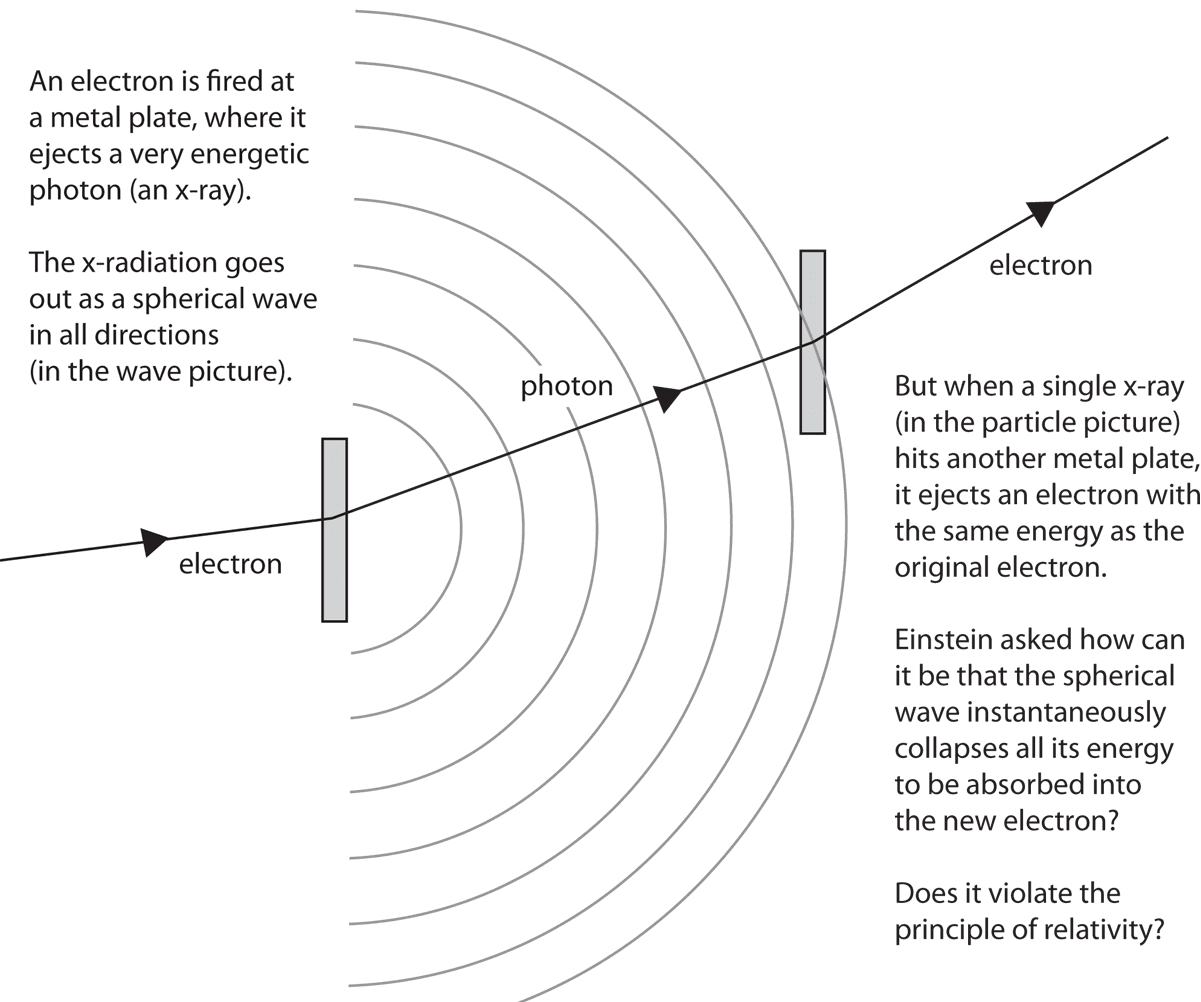
Radiation can be understood as the transmission of energy through space or matter.
Radiation has two primary forms:
Wave Radiation
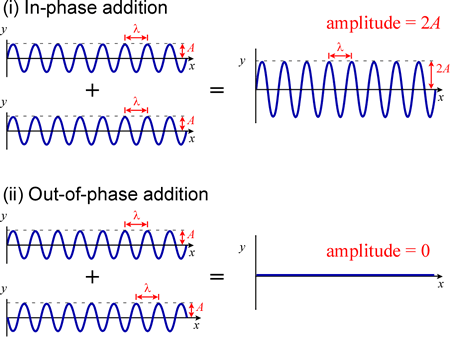
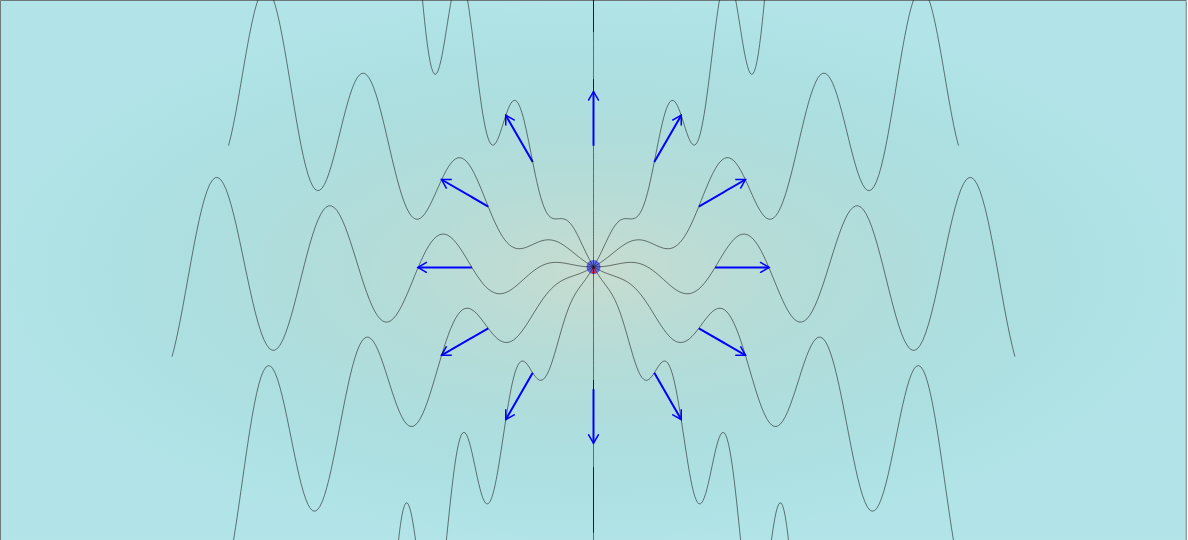
Energy is carried by waves, such as electromagnetic waves.
Examples include:
- Visible light
- Radio waves
- Infrared radiation
Particle Radiation
Energy is carried by particles emitted from atomic nuclei.
Examples include:
- Alpha particles
- Beta particles
- Neutrons
In modern physics, radiation often exhibits wave–particle duality, meaning it can behave both as waves and as particles.
Types of Radiation
Radiation is generally divided into two main categories:
- Electromagnetic radiation
- Particle radiation
Electromagnetic Radiation


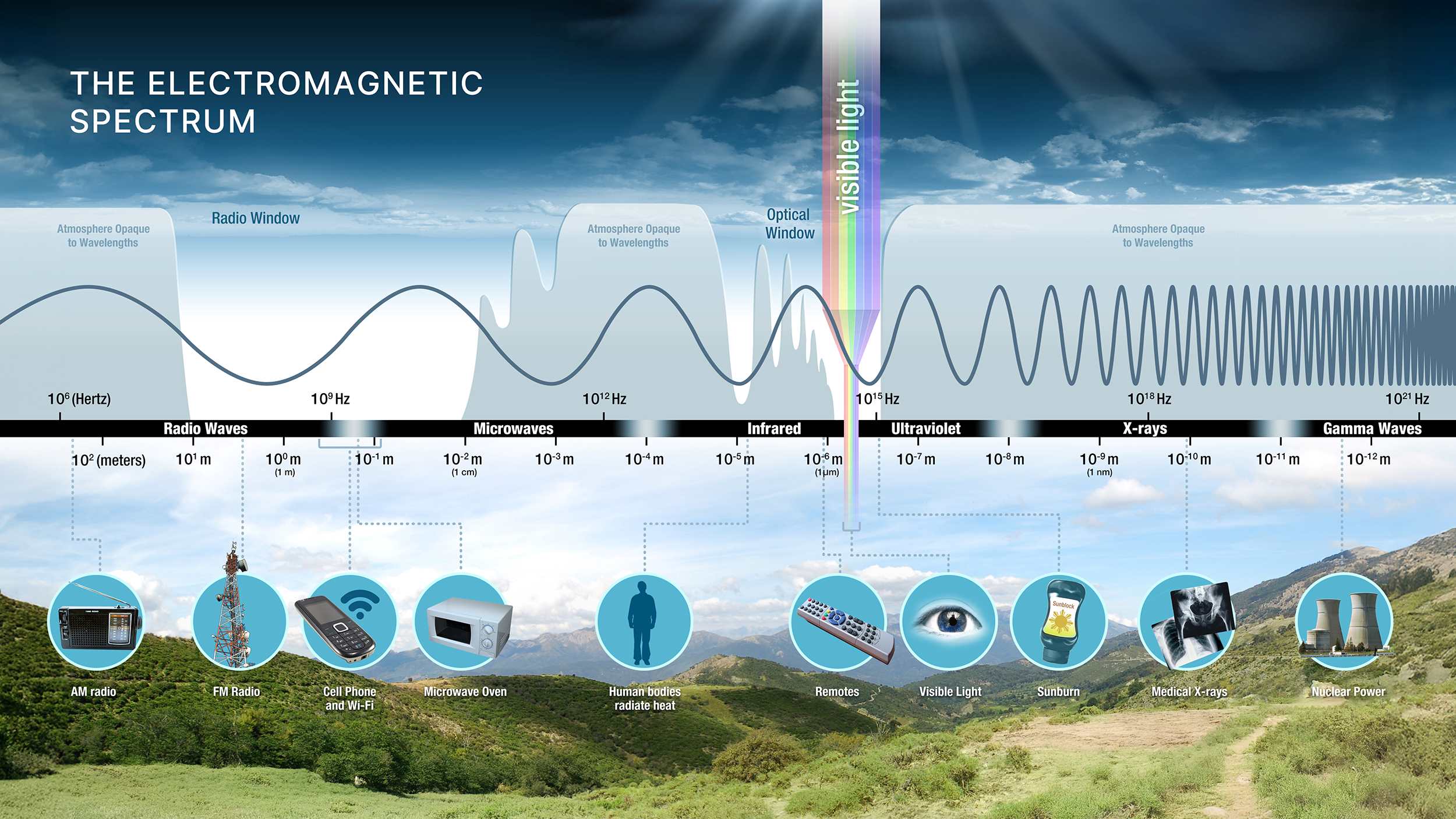
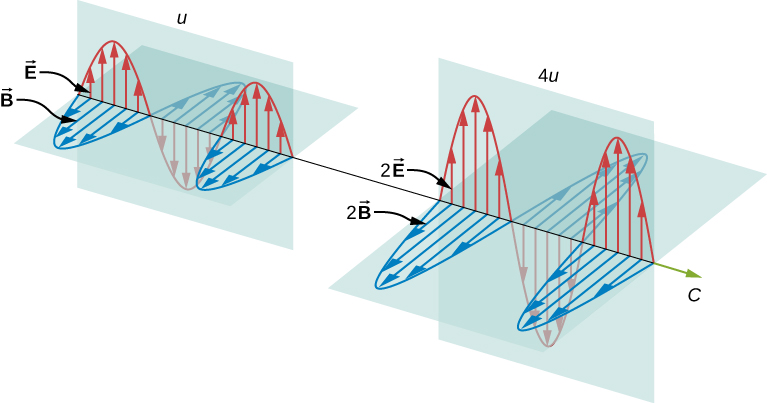
Electromagnetic radiation consists of oscillating electric and magnetic fields that propagate through space.
Examples include:
- Radio waves
- Microwaves
- Infrared radiation
- Visible light
- Ultraviolet radiation
- X-rays
- Gamma rays
These forms of radiation differ in wavelength and frequency.
Electromagnetic radiation travels at the speed of light:
[
c = 3 \times 10^8 , \text{m/s}
]
Electromagnetic radiation is widely used in communication, medical imaging, and remote sensing technologies.
Particle Radiation

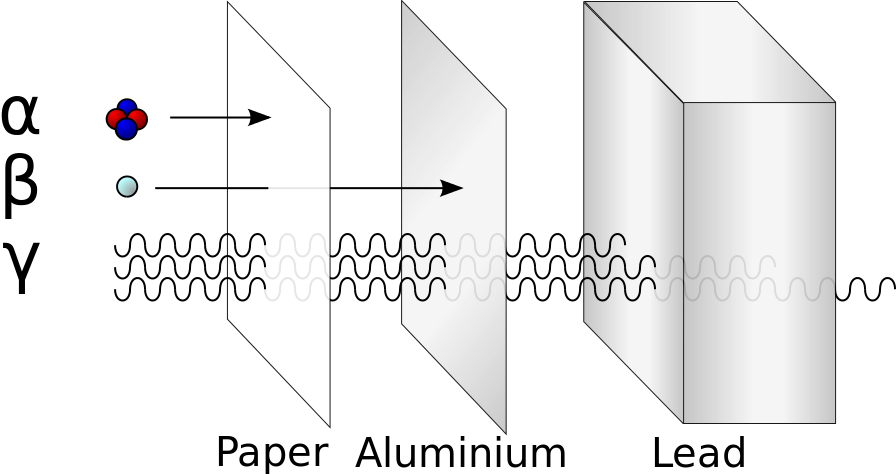

Particle radiation consists of high-energy particles emitted by unstable atomic nuclei.
Common types include:
Alpha Radiation
Alpha particles are helium nuclei consisting of two protons and two neutrons.
Beta Radiation
Beta particles are high-energy electrons or positrons emitted during nuclear decay.
Gamma Radiation
Gamma rays are high-energy electromagnetic radiation produced during nuclear reactions.
Particle radiation is commonly associated with radioactive materials and nuclear reactions.
Thermal Radiation


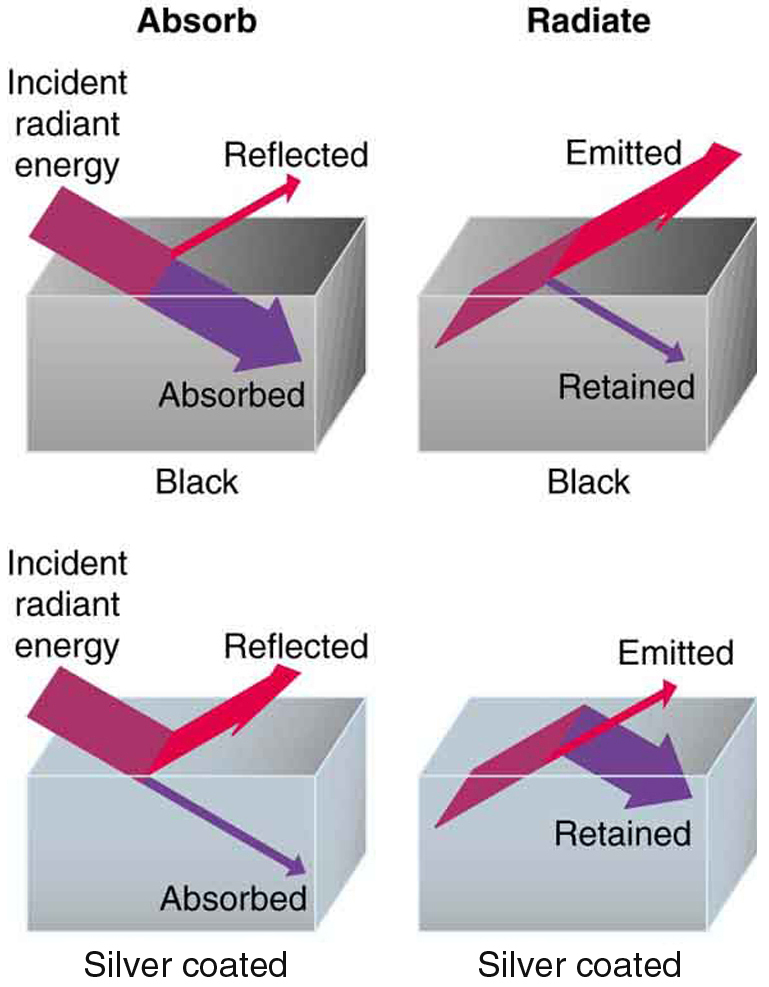
Thermal radiation is radiation emitted by objects due to their temperature.
All objects above absolute zero emit thermal radiation.
Examples include:
- Heat emitted from the Sun
- Infrared radiation from warm objects
- Radiation emitted by hot metal
Thermal radiation is described by blackbody radiation theory.
Blackbody Radiation
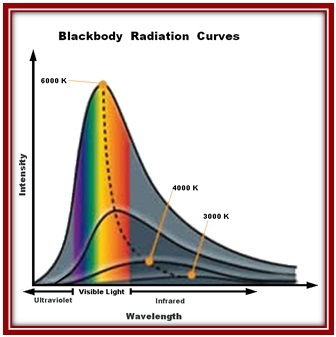


A blackbody is an ideal object that absorbs all incoming radiation and emits radiation depending only on its temperature.
The intensity of radiation emitted by a blackbody follows Planck’s law.
Key laws describing blackbody radiation include:
Wien’s Displacement Law
[
\lambda_{max} T = constant
]
Stefan–Boltzmann Law
[
P = \sigma T^4
]
These laws describe how radiation depends on temperature.
Interaction of Radiation with Matter


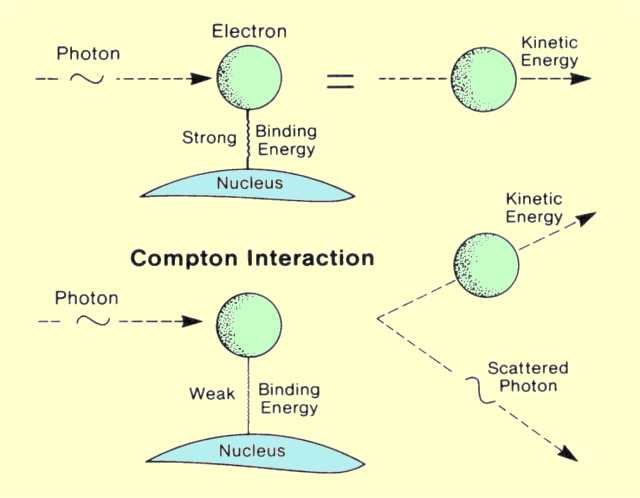

Radiation interacts with matter in several ways.
Absorption
Radiation energy is absorbed by matter.
Reflection
Radiation bounces off surfaces.
Transmission
Radiation passes through materials.
Scattering
Radiation changes direction due to particles.
These processes determine how radiation behaves in different environments.
Radiation in Nuclear Physics


In nuclear physics, radiation is produced by unstable atomic nuclei.
Radioactive decay processes include:
- Alpha decay
- Beta decay
- Gamma emission
These processes release energy in the form of radiation.
Nuclear radiation is used in many applications such as nuclear power generation and medical treatments.
Applications of Radiation


Radiation has many practical applications.
Medicine
Radiation is used in diagnostic imaging and cancer therapy.
Communication
Radio waves enable wireless communication systems.
Industry
Radiation is used in material inspection and sterilization.
Space Science
Astronomers study radiation from stars and galaxies.
Environmental Science
Radiation measurements help monitor pollution and climate.
Radiation Safety


High levels of radiation can be harmful to living organisms.
Radiation safety measures include:
- Shielding using lead or concrete
- Limiting exposure time
- Increasing distance from radiation sources
Radiation protection is important in medical, nuclear, and industrial environments.
Importance of Radiation in Science
Radiation plays a fundamental role in many scientific fields.
Examples include:
- Studying cosmic radiation in astrophysics
- Understanding atomic structure in quantum physics
- Analyzing environmental radiation levels
Radiation also provides insight into the structure of matter and the behavior of energy in the universe.
Conclusion
Radiation is the emission and transmission of energy through space or matter in the form of waves or particles. It occurs in many forms, including electromagnetic radiation, particle radiation, and thermal radiation.
Radiation plays a vital role in natural processes such as energy transfer from the Sun to Earth and in technological applications such as medical imaging, communication systems, and nuclear energy.
Understanding radiation helps scientists study the structure of matter, the behavior of energy, and the processes occurring in the universe.