Tag Archives: electromagnetic waves physics

Electromagnetic Waves

Image
Image
Image
Image

Introduction

Electromagnetic waves are waves composed of oscillating electric and magnetic fields that propagate through space. These waves do not require a material medium to travel and can move through a vacuum at the speed of light, approximately (3 \times 10^8) meters per second.

Electromagnetic waves are fundamental to understanding many natural phenomena and technological systems. They include a wide range of radiation types, such as:

  • Radio waves
  • Microwaves
  • Infrared radiation
  • Visible light
  • Ultraviolet radiation
  • X-rays
  • Gamma rays

All these forms of radiation differ only in their wavelengths and frequencies.

Electromagnetic waves are described by Maxwell’s equations, which demonstrate that changing electric fields produce magnetic fields and changing magnetic fields produce electric fields. These interacting fields propagate through space as electromagnetic waves.

Electromagnetic waves play a critical role in many fields of science and technology, including:

  • Wireless communication
  • Medical imaging
  • Astronomy
  • Optical technologies
  • Radar systems

Understanding electromagnetic waves is essential for modern physics and engineering.


Historical Development of Electromagnetic Wave Theory

Image
Image
Image
Image

The development of electromagnetic wave theory involved contributions from several scientists.

James Clerk Maxwell

Maxwell developed mathematical equations that unified electricity and magnetism. His equations predicted the existence of electromagnetic waves traveling at the speed of light.

Heinrich Hertz

Hertz experimentally confirmed Maxwell’s prediction by generating and detecting radio waves in the laboratory.

Later Developments

Further research expanded the understanding of electromagnetic radiation and led to the discovery of other parts of the electromagnetic spectrum.

This work established the foundation of modern electromagnetic theory.


Nature of Electromagnetic Waves

Image
Image
Image
Image

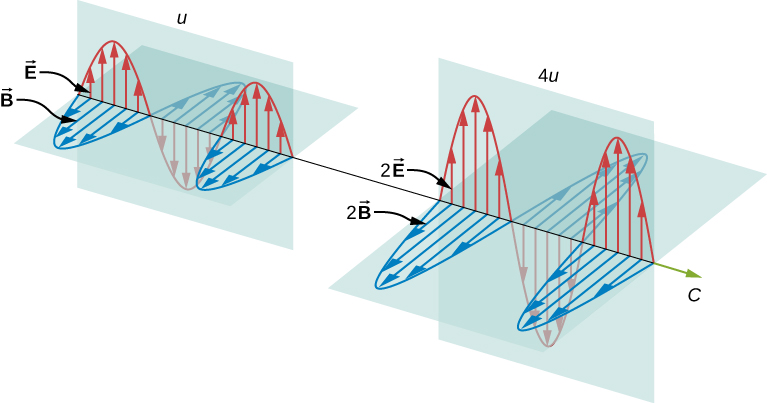
Electromagnetic waves consist of two oscillating fields:

  • Electric field ((E))
  • Magnetic field ((B))

These fields oscillate perpendicular to each other and also perpendicular to the direction of wave propagation.

This type of wave is called a transverse wave.

Key characteristics include:

  • Electric and magnetic fields vary sinusoidally.
  • The wave can travel through empty space.
  • The energy of the wave is carried by the electromagnetic fields.

Speed of Electromagnetic Waves

Image
Image
Image

The speed of electromagnetic waves in a vacuum is determined by the constants of free space.

[
c = \frac{1}{\sqrt{\mu_0 \epsilon_0}}
]

Where:

  • (c) = speed of light
  • (\mu_0) = permeability of free space
  • (\epsilon_0) = permittivity of free space

The speed of light is approximately:

[
3 \times 10^8 \text{ m/s}
]

In materials, electromagnetic waves travel more slowly depending on the medium.


Wavelength and Frequency

Image
Image
Image
Image

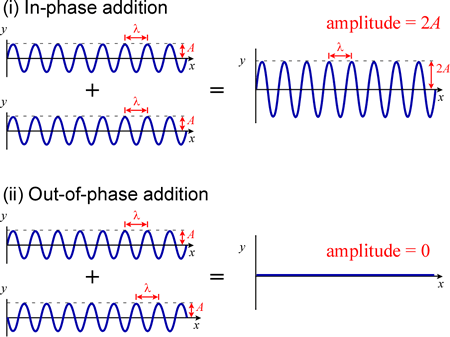
Electromagnetic waves are characterized by two important quantities.

Wavelength

The distance between successive wave crests.

Frequency

The number of oscillations per second.

The relationship between wavelength and frequency is:

[
c = \lambda f
]

Where:

  • (c) = speed of light
  • ( \lambda ) = wavelength
  • (f) = frequency

Shorter wavelengths correspond to higher frequencies.


Electromagnetic Spectrum

Image
Image
Image
Image

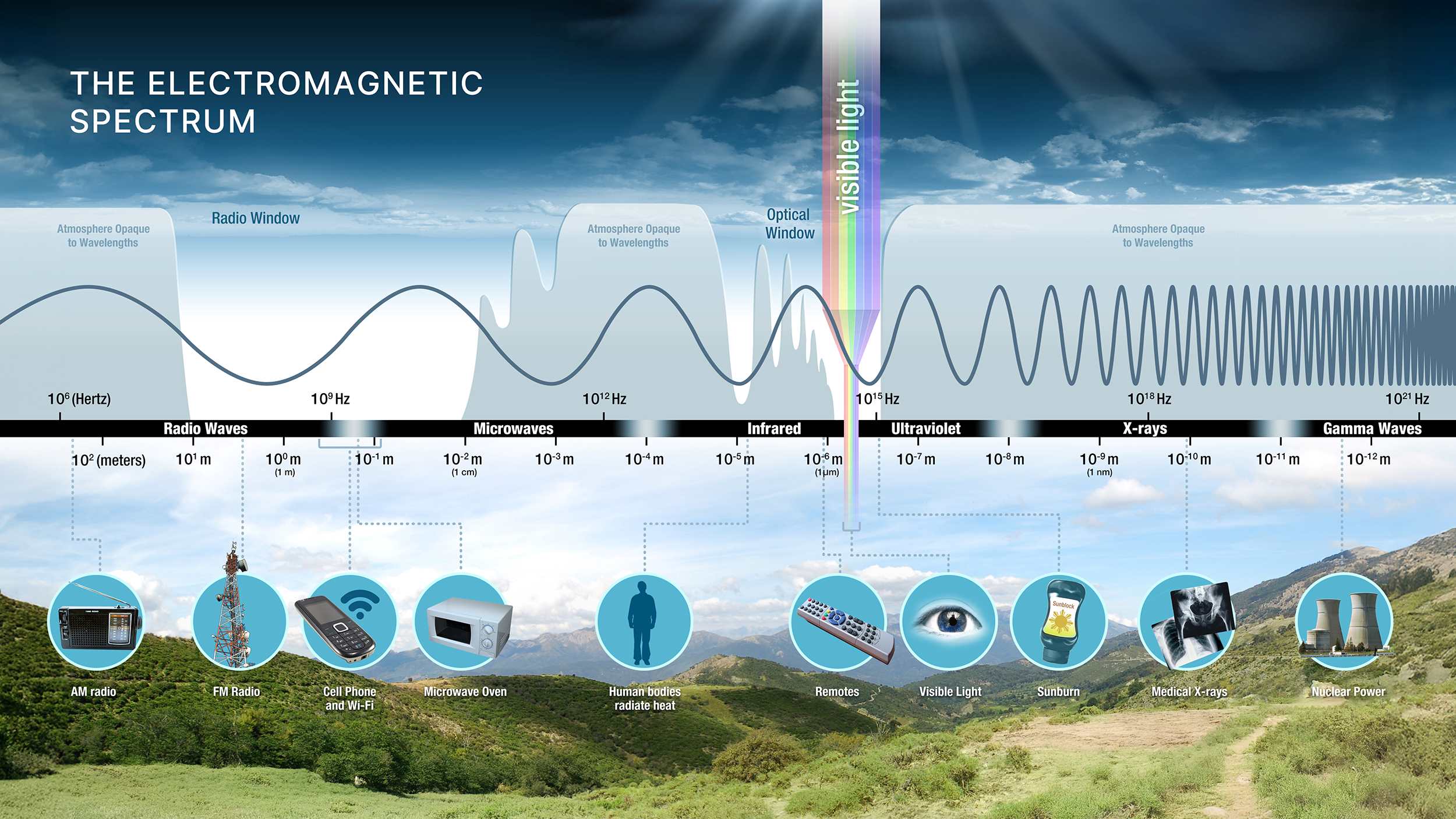
The electromagnetic spectrum includes all types of electromagnetic radiation.

Radio Waves

Longest wavelengths; used in communication.

Microwaves

Used in radar and microwave ovens.

Infrared Radiation

Associated with heat radiation.

Visible Light

The portion detectable by human eyes.

Ultraviolet Radiation

Higher energy radiation from the Sun.

X-rays

Used in medical imaging.

Gamma Rays

Highest energy radiation produced by nuclear processes.


Energy and Momentum of Electromagnetic Waves
Image
Image
Image
Image

Electromagnetic waves carry both energy and momentum.

The energy flow is described by the Poynting vector:

[
S = E \times B
]

This vector represents the direction and magnitude of energy transfer.

Electromagnetic waves can exert radiation pressure when they interact with matter.

This principle is used in technologies such as solar sails for spacecraft propulsion.


Production of Electromagnetic Waves

Image
Image
Image
Image

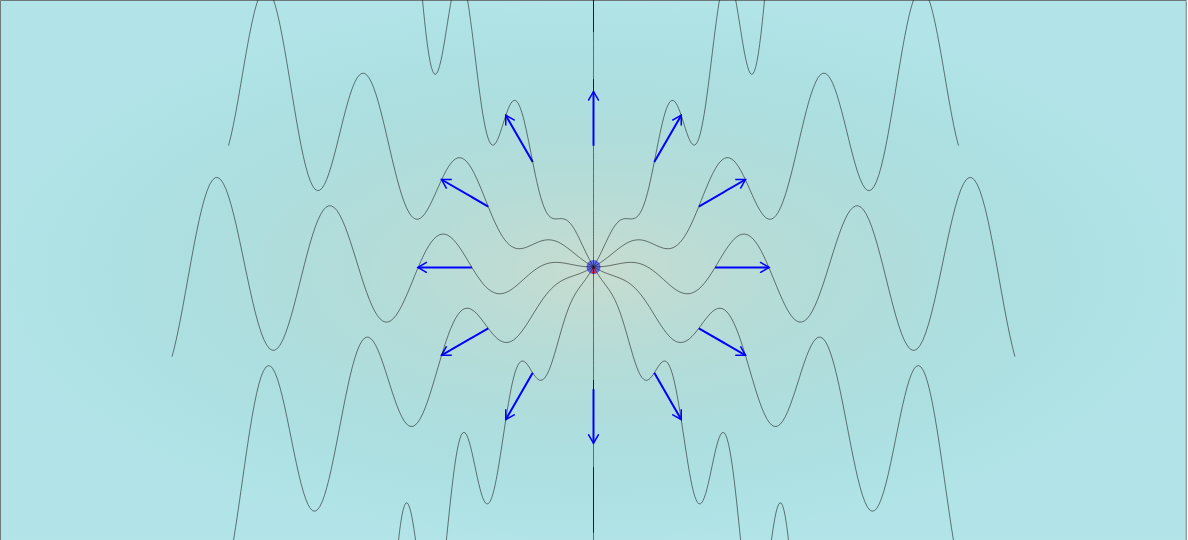
Electromagnetic waves are produced by accelerating electric charges.

Examples include:

  • Oscillating electrons in antennas producing radio waves
  • Electrons changing energy levels in atoms producing light
  • High-energy particle interactions producing gamma rays

The intensity and frequency of radiation depend on the motion of the charges.


Interaction with Matter

Image
Image
Image
Image

Electromagnetic waves interact with matter in several ways.

Reflection

Waves bounce off surfaces.

Refraction

Waves change direction when entering a different medium.

Absorption

Energy from waves is absorbed by materials.

Scattering

Waves change direction due to particles in the medium.

These interactions explain many optical and electromagnetic phenomena.


Applications of Electromagnetic Waves

Image
Image
Image
Image

Electromagnetic waves are used in many technologies.

Communication

Radio, television, and wireless networks use electromagnetic waves.

Medicine

X-rays and MRI systems help diagnose diseases.

Radar Systems

Radar detects objects using reflected electromagnetic waves.

Astronomy

Telescopes observe electromagnetic radiation from distant galaxies.

Remote Sensing

Satellites use electromagnetic waves to study Earth’s environment.


Importance in Physics

Electromagnetic waves are essential for understanding many physical processes.

They connect several branches of physics:

  • Electromagnetism
  • Optics
  • Quantum mechanics
  • Astrophysics

Electromagnetic radiation carries information across vast distances in space and allows scientists to study the universe.


Conclusion

Electromagnetic waves are oscillations of electric and magnetic fields that propagate through space at the speed of light. These waves are produced by accelerating charges and include a wide range of radiation types across the electromagnetic spectrum.

The theory of electromagnetic waves, based on Maxwell’s equations, explains the nature of light and many other forms of radiation. These waves carry energy and momentum and interact with matter through reflection, refraction, absorption, and scattering.

Electromagnetic waves play a fundamental role in modern technology, scientific research, and our understanding of the universe.


Tags

Maxwell’s Equations

Image
Image
Image
Image

Introduction

Maxwell’s equations are a set of four fundamental equations that describe how electric and magnetic fields behave and interact with each other and with electric charges. These equations form the foundation of classical electromagnetism, one of the most important branches of physics.

The equations were formulated by the Scottish physicist James Clerk Maxwell in the 19th century. Maxwell combined several earlier discoveries about electricity and magnetism into a unified mathematical framework. His work revealed that electric and magnetic fields are interconnected and that changing electric fields can produce magnetic fields, and vice versa.

Maxwell’s equations explain many electromagnetic phenomena, including:

  • Electric fields produced by charges
  • Magnetic fields produced by currents
  • Electromagnetic waves such as light
  • Radio waves and microwaves
  • Electromagnetic radiation

One of the most remarkable predictions of Maxwell’s theory was the existence of electromagnetic waves, which travel at the speed of light. This discovery led to the understanding that light itself is an electromagnetic wave.

Maxwell’s equations are fundamental to many modern technologies, including:

  • Radio communication
  • Wireless networks
  • Electrical power systems
  • Optical technologies
  • Radar systems

These equations also laid the groundwork for later developments in physics, including relativity and quantum electrodynamics.


Historical Development of Electromagnetism

Image
Image
Image
Image

Before Maxwell developed his equations, several scientists contributed to the understanding of electricity and magnetism.

Charles-Augustin de Coulomb

Coulomb studied the forces between electric charges and formulated Coulomb’s law.

Hans Christian Ørsted

Ørsted discovered that an electric current produces a magnetic field.

André-Marie Ampère

Ampère developed mathematical laws describing magnetic fields produced by electric currents.

Michael Faraday

Faraday discovered electromagnetic induction and introduced the concept of electric and magnetic field lines.

Maxwell unified these discoveries into a complete mathematical theory.


Electric and Magnetic Fields

Image
Image
Image
Image

Maxwell’s equations describe two fundamental fields.

Electric Field

An electric field is produced by electric charges and acts on other charges.

Magnetic Field

A magnetic field is produced by moving charges or electric currents.

The electric field is represented by the vector (E), and the magnetic field by the vector (B).

These fields interact and influence each other according to Maxwell’s equations.


Maxwell’s Four Equations

Maxwell’s equations consist of four fundamental relationships:

  1. Gauss’s law for electricity
  2. Gauss’s law for magnetism
  3. Faraday’s law of induction
  4. Ampère–Maxwell law

Each equation describes a different aspect of electromagnetic behavior.


Gauss’s Law for Electricity

Image
Image
Image
Image

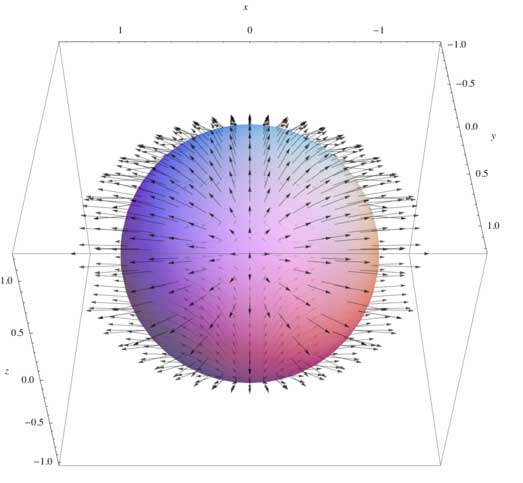
Gauss’s law describes how electric charges produce electric fields.

Mathematical form:

[
\oint \vec{E} \cdot d\vec{A} = \frac{Q}{\epsilon_0}
]

Where:

  • (E) = electric field
  • (Q) = enclosed charge
  • (\epsilon_0) = permittivity of free space

This equation states that the electric flux through a closed surface depends on the charge inside the surface.


Gauss’s Law for Magnetism

Image
Image
Image
Image

Gauss’s law for magnetism states that magnetic monopoles do not exist.

Mathematical form:

[
\oint \vec{B} \cdot d\vec{A} = 0
]

This means:

  • Magnetic field lines always form closed loops.
  • There are no isolated magnetic charges.

Unlike electric charges, magnetic poles always occur in pairs.


Faraday’s Law of Electromagnetic Induction

Image
Image
Image
Image

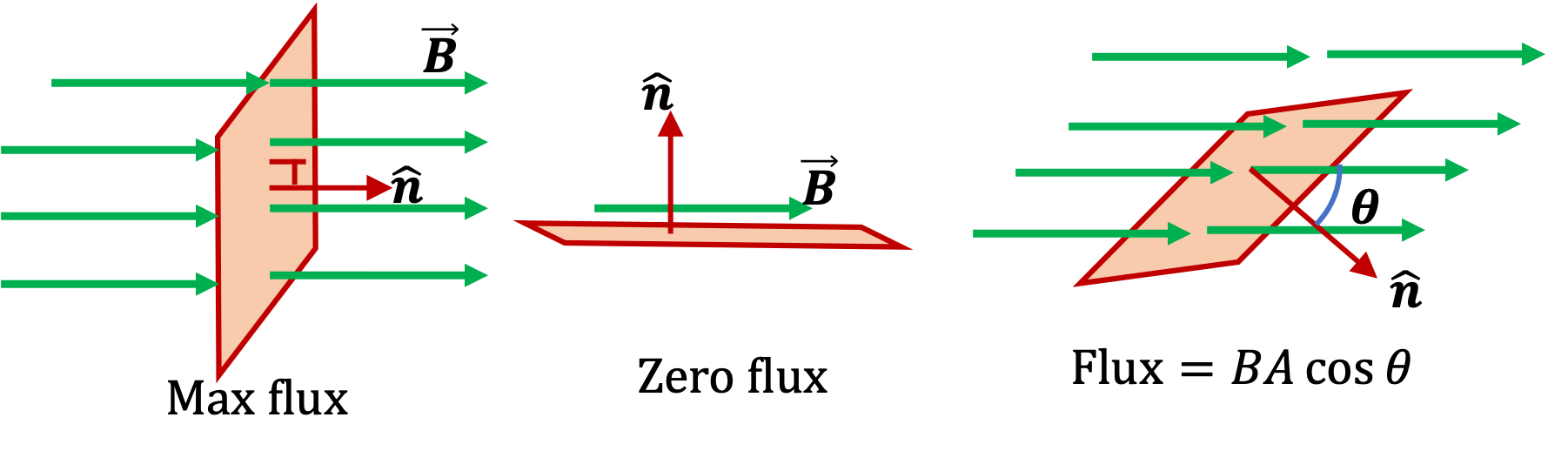
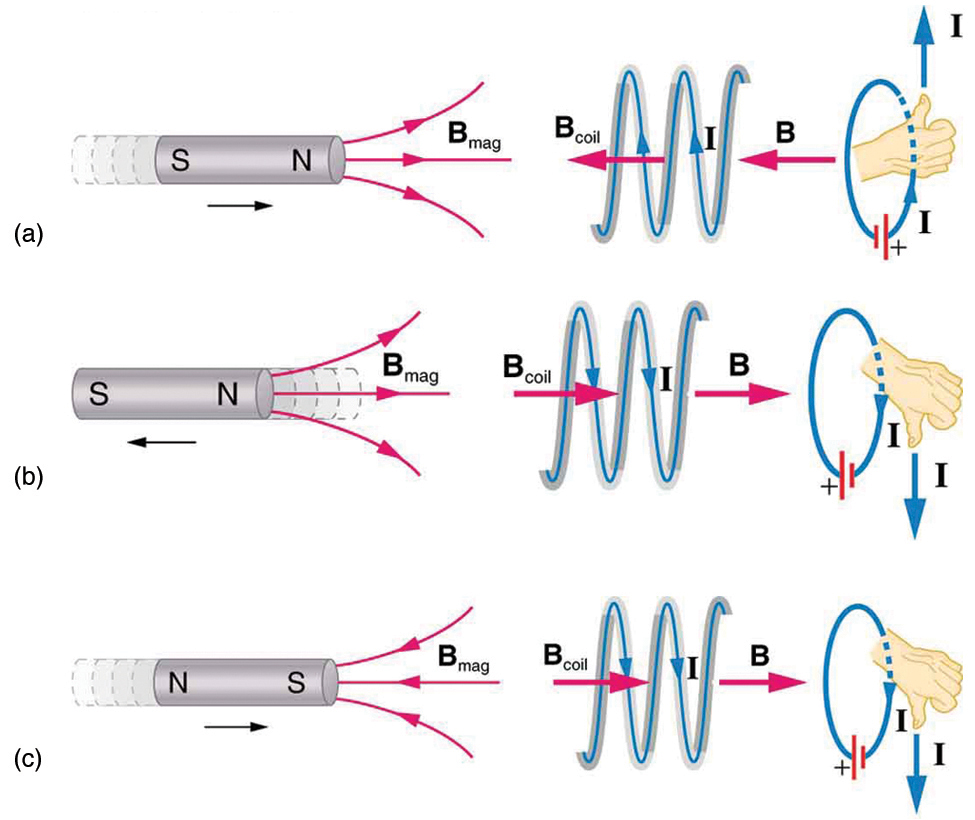
Faraday’s law describes how changing magnetic fields produce electric fields.

Mathematical form:

[
\oint \vec{E} \cdot d\vec{l} = -\frac{d\Phi_B}{dt}
]

Where:

  • ( \Phi_B ) = magnetic flux

This principle explains:

  • Electric generators
  • Transformers
  • Induction motors

Ampère–Maxwell Law

Image
Image
Image
Image

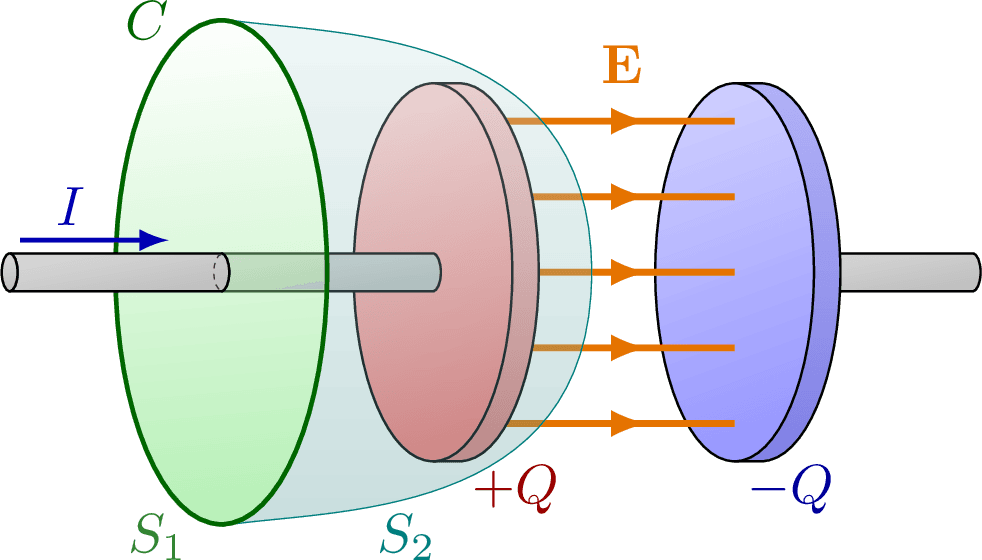
Ampère’s law originally described magnetic fields produced by electric currents.

Maxwell modified the law by introducing displacement current.

Mathematical form:

[
\oint \vec{B} \cdot d\vec{l} =
\mu_0 I + \mu_0 \epsilon_0 \frac{d\Phi_E}{dt}
]

This equation shows that:

  • Electric currents produce magnetic fields.
  • Changing electric fields also produce magnetic fields.

This insight allowed Maxwell to predict electromagnetic waves.


Electromagnetic Waves

Image
Image
Image
Image

By combining his equations, Maxwell discovered that electric and magnetic fields can propagate through space as waves.

These waves travel at the speed:

[
c = \frac{1}{\sqrt{\mu_0 \epsilon_0}}
]

This speed equals the speed of light, proving that light is an electromagnetic wave.

Electromagnetic waves include:

  • Radio waves
  • Microwaves
  • Infrared radiation
  • Visible light
  • Ultraviolet radiation
  • X-rays
  • Gamma rays

Maxwell’s Equations in Differential Form

Image
Image
Image
Image

Maxwell’s equations can also be written in differential form.

Gauss’s Law

[
\nabla \cdot E = \frac{\rho}{\epsilon_0}
]

Gauss’s Law for Magnetism

[
\nabla \cdot B = 0
]

Faraday’s Law

[
\nabla \times E = -\frac{\partial B}{\partial t}
]

Ampère–Maxwell Law

[
\nabla \times B =
\mu_0 J + \mu_0 \epsilon_0 \frac{\partial E}{\partial t}
]

These equations describe how electromagnetic fields vary in space and time.


Applications of Maxwell’s Equations

Image
Image
Image
Image

Maxwell’s equations explain many technologies.

Wireless Communication

Radio and television signals use electromagnetic waves.

Radar

Radar systems detect objects using reflected electromagnetic waves.

Power Transmission

Electric power systems rely on electromagnetic fields.

Medical Imaging

Technologies such as MRI involve electromagnetic fields.


Importance in Modern Physics

Maxwell’s equations are among the most important equations in physics.

They:

  • Unified electricity and magnetism
  • Predicted electromagnetic waves
  • Explained the nature of light

They also influenced:

  • Einstein’s theory of relativity
  • Quantum electrodynamics
  • Modern electromagnetic technology

Conclusion

Maxwell’s equations provide a complete mathematical description of electromagnetism. These four equations explain how electric charges and currents produce electric and magnetic fields and how these fields interact and propagate through space.

The equations reveal that light is an electromagnetic wave and unify electricity, magnetism, and optics into a single theoretical framework. Maxwell’s theory has had a profound impact on science and technology, forming the basis for modern communication systems, electrical engineering, and many areas of physics.

Even today, Maxwell’s equations remain one of the cornerstones of theoretical physics and continue to guide research and technological innovation.


Tags