Tag Archives: emotional intelligence

🗣️ Communication Skills and Active Listening — A Comprehensive Detailed Study


🌍 Introduction

Image
Image
Image
Image

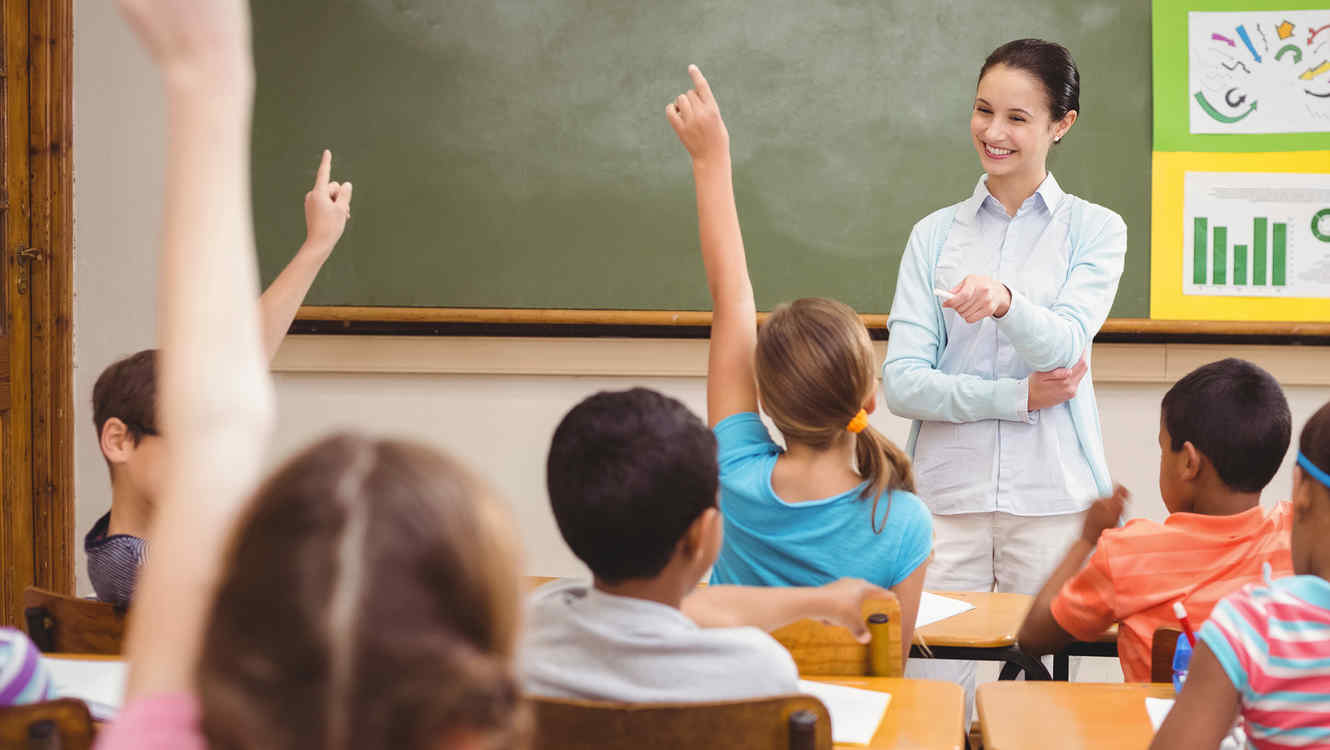
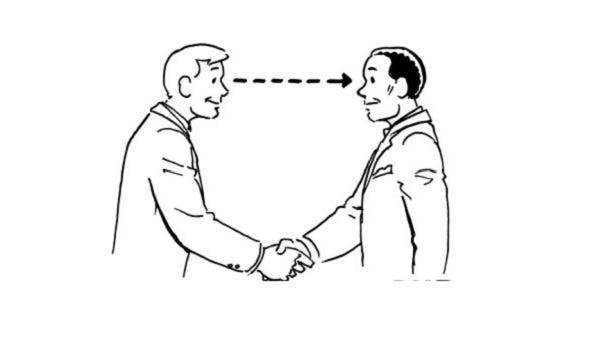
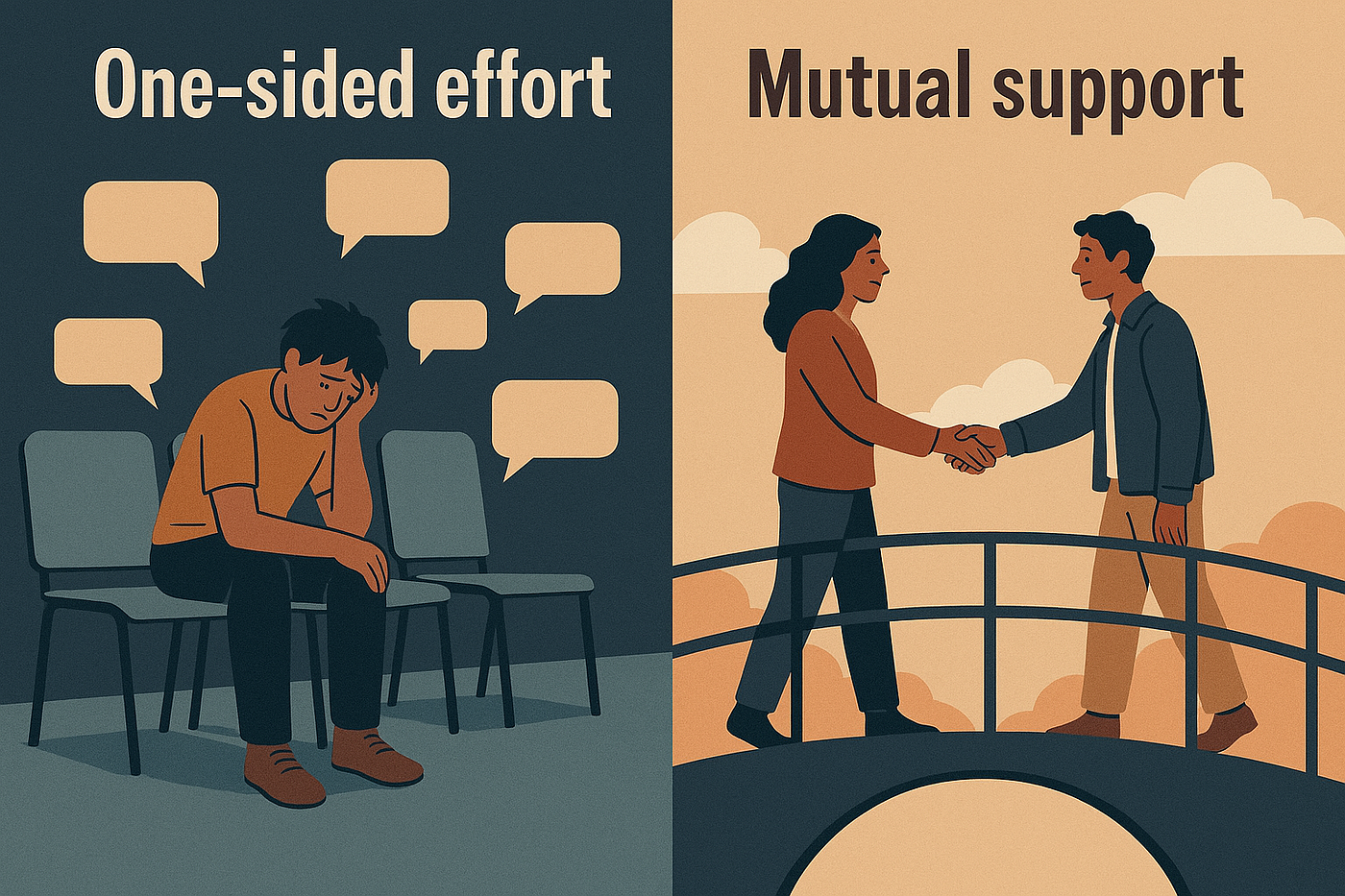
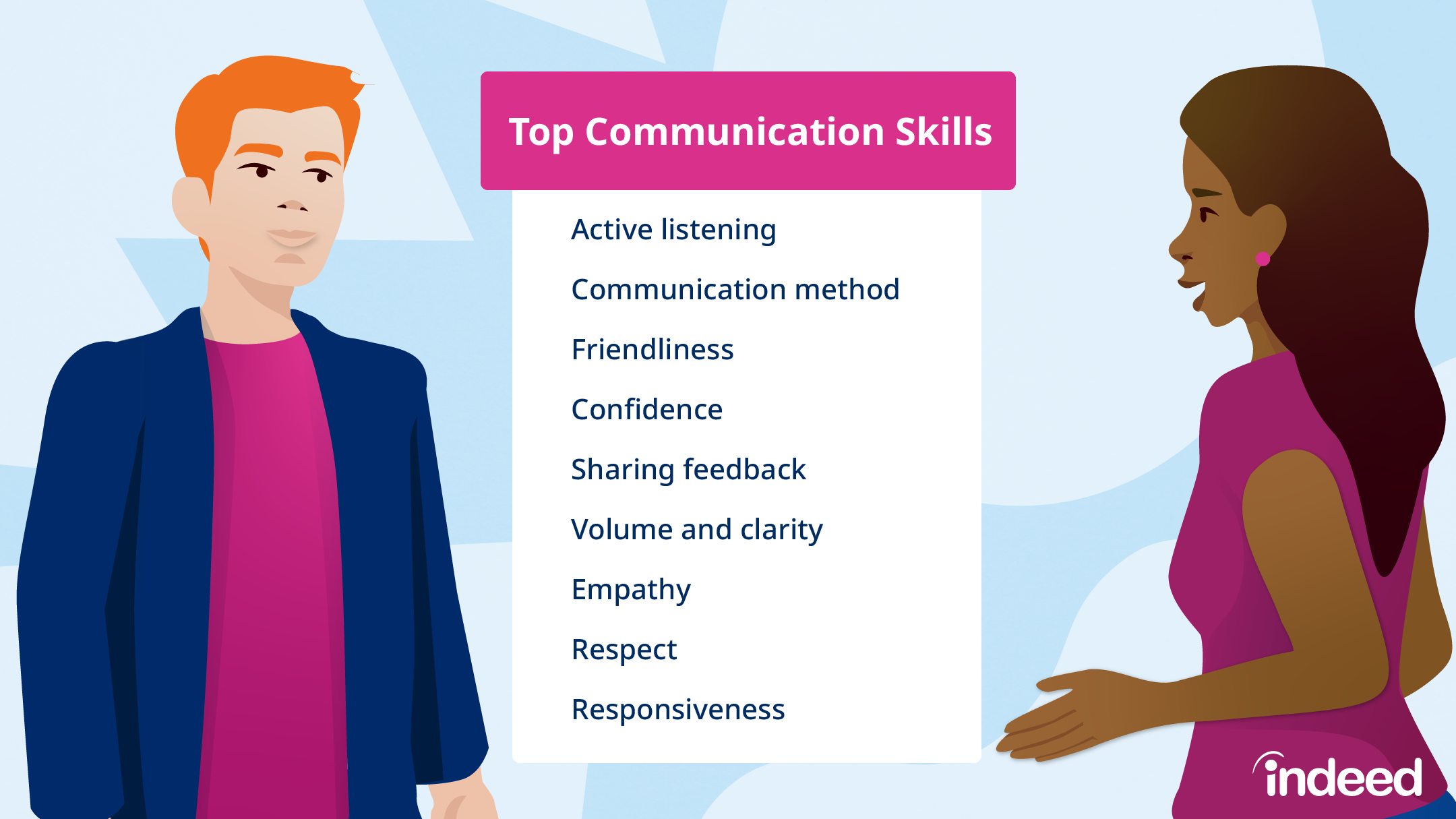
Communication is the foundation of all human interaction. Whether in personal life, education, or professional settings, effective communication determines how well ideas, emotions, and information are shared and understood. Alongside communication, active listening is equally important—it ensures that communication is not just about speaking, but also about understanding others deeply and accurately.

Communication skills and active listening together form the backbone of successful relationships, leadership, teamwork, and conflict resolution. In today’s fast-paced and digital world, mastering these skills is essential for achieving clarity, connection, and effectiveness.


🧭 Meaning of Communication Skills


🔹 Definition

Communication skills refer to the ability to convey information, ideas, and emotions clearly and effectively to others.


🔹 Key Elements of Communication

  • Sender
  • Message
  • Medium (channel)
  • Receiver
  • Feedback

🌱 Types of Communication


🗣️ 1. Verbal Communication

Image
Image
Image
Image
  • Spoken words
  • Conversations, speeches

✍️ 2. Written Communication

Image
Image
Image
Image
  • Emails, messages, reports

👀 3. Non-Verbal Communication

Image
Image
Image
Image
  • Body language
  • Facial expressions
  • Eye contact

🌐 4. Digital Communication

Image
Image
Image
Image
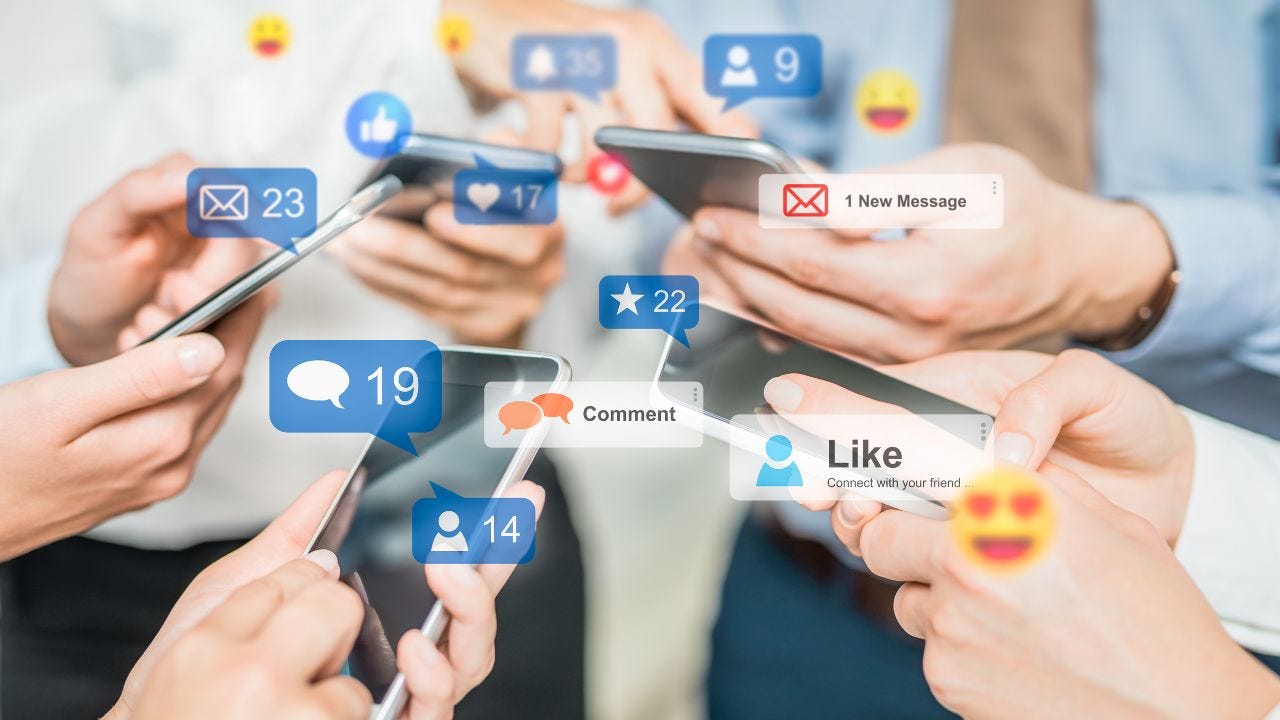
  • Social media, video calls

🌿 Meaning of Active Listening


🔹 Definition

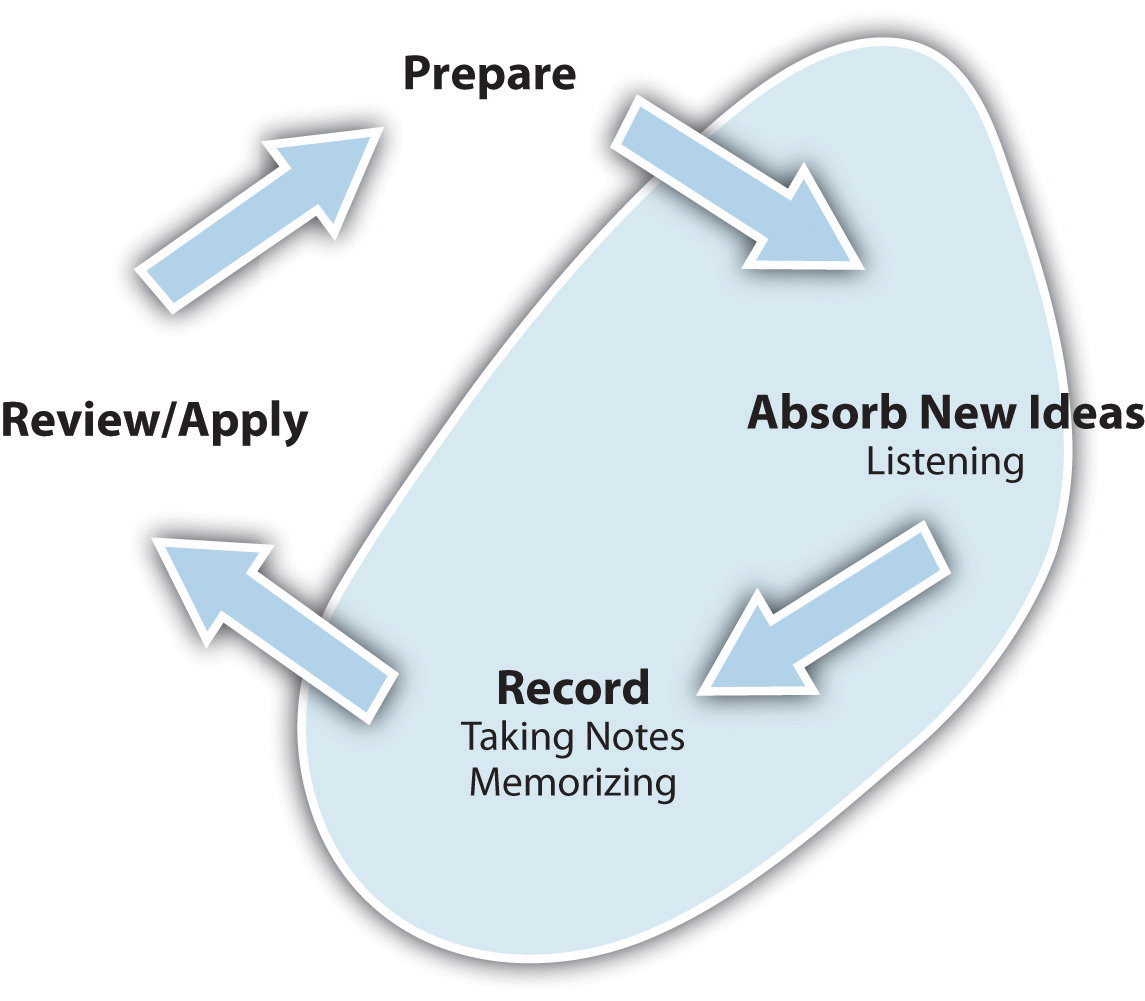
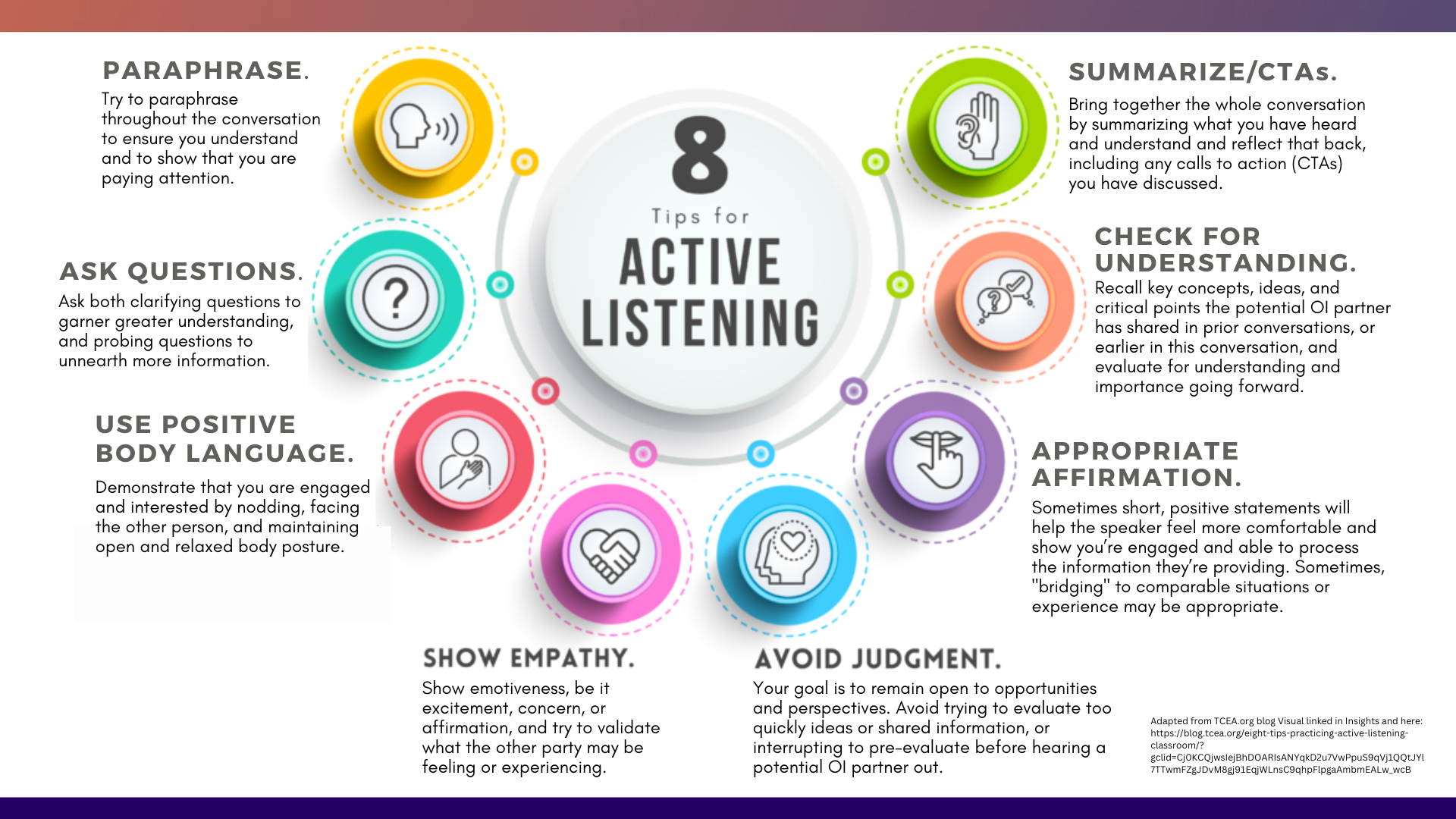
Active listening is the process of fully concentrating, understanding, responding, and remembering what is being said.


🔹 Key Features

  • Full attention
  • Understanding
  • Feedback
  • Empathy

🌟 Components of Active Listening


👂 1. Paying Attention

Image
Image
Image
Image
  • Avoid distractions
  • Maintain eye contact

🧠 2. Understanding
Image
Image
Image
Image
  • Interpret message correctly

🔄 3. Responding

Image
Image
Image
  • Give feedback
  • Ask questions

🧾 4. Remembering

Image
Image
Image
Image
  • Retain information

🌍 Importance of Communication Skills


🔹 1. Enhances Relationships

  • Builds trust

🔹 2. Improves Understanding

  • Reduces confusion

🔹 3. Supports Professional Success

  • Essential for teamwork

🔹 4. Builds Confidence

  • Improves self-expression

🌍 Importance of Active Listening


🔹 1. Builds Trust

🔹 2. Prevents Misunderstandings

🔹 3. Improves Learning

🔹 4. Strengthens Relationships


🌱 Communication Process


  1. Sender creates message
  2. Message is transmitted
  3. Receiver interprets
  4. Feedback is given

🌍 Barriers to Effective Communication


🔹 Physical Barriers

  • Noise

🔹 Psychological Barriers

  • Stress

🔹 Language Barriers

  • Misinterpretation

🔹 Cultural Barriers

  • Differences in norms

🌱 Barriers to Active Listening


🔹 Distractions

🔹 Prejudgment

🔹 Lack of Interest

🔹 Emotional Reactions


🌍 Techniques to Improve Communication Skills


🔹 Clarity and Simplicity

🔹 Confidence

🔹 Proper Tone

🔹 Non-Verbal Awareness

🔹 Practice


🌱 Techniques to Improve Active Listening


🔹 Maintain Eye Contact

🔹 Avoid Interrupting

🔹 Ask Questions

🔹 Show Empathy

🔹 Give Feedback


🌍 Role in Interpersonal Relationships


  • Builds trust
  • Enhances understanding
  • Reduces conflict

🌱 Role in Education


  • Improves learning
  • Encourages participation

🌍 Role in Workplace


  • Team collaboration
  • Leadership
  • Conflict resolution

🌱 Communication Skills in Leadership


  • Inspires teams
  • Motivates employees
  • Builds trust

🌍 Active Listening in Conflict Resolution


  • Understand perspectives
  • Find solutions
  • Reduce misunderstandings

🌱 Communication in Digital Age


  • Online etiquette
  • Clear messaging
  • Avoid misinterpretation

🌍 Practical Applications


🔹 Students

  • Classroom communication

🔹 Professionals

  • Meetings and presentations

🔹 Individuals

  • Daily conversations

🌟 Conclusion

Communication skills and active listening are essential for effective interaction in all areas of life. While communication ensures that messages are conveyed clearly, active listening ensures that they are understood correctly.

Together, they form the foundation of strong relationships, successful careers, and personal growth. By developing these skills, individuals can improve understanding, reduce conflicts, and build meaningful connections in an increasingly interconnected world.



🏷️ Tags

🤝 Interpersonal Relationships — A Comprehensive Detailed Study


🌍 Introduction

Image
Image
Image
Image

Interpersonal relationships are the connections and interactions between individuals. They form the foundation of human society and influence emotional well-being, social development, communication, and overall life satisfaction.

From family bonds and friendships to professional relationships and social networks, interpersonal relationships play a crucial role in shaping identity, behavior, and success. These relationships are built on trust, communication, empathy, and mutual respect.

In today’s interconnected world, the ability to build and maintain healthy interpersonal relationships is essential for both personal growth and professional success.


🧭 Meaning of Interpersonal Relationships


🔹 Definition

Interpersonal relationships refer to the dynamic interactions between two or more individuals, involving emotional, social, and sometimes professional connections.


🔹 Key Characteristics

  • Mutual interaction
  • Emotional connection
  • Communication
  • Influence on behavior

🌱 Types of Interpersonal Relationships


👨‍👩‍👧‍👦 1. Family Relationships

Image
Image
Image
Image
  • Parent-child
  • Sibling relationships
  • Extended family

🤝 2. Friendships

Image
Image
Image
Image
  • Based on trust and mutual interests
  • Provide emotional support

💼 3. Professional Relationships

Image
Image
Image
Image
  • Between colleagues, managers, employees
  • Focus on goals and productivity

❤️ 4. Romantic Relationships

Image
Image
Image
Image
  • Emotional and intimate connections
  • Based on trust and commitment

🌐 5. Social Relationships

Image
Image
Image
Image
  • Interaction with society
  • Includes acquaintances and community members

🌿 Nature of Interpersonal Relationships


🔹 1. Dynamic

Image
Image
Image
Image
  • Change over time
  • Influenced by experiences

🔹 2. Reciprocal

Image
Image
Image
Image
  • Involves mutual exchange
  • Both parties contribute

🔹 3. Emotional

Image
Image
Image
Image
  • Based on feelings and emotions

🔹 4. Socially Influenced

Image
Image
Image
Image
  • Influenced by culture and society

🌟 Components of Healthy Relationships


🔹 1. Communication

Image
Image
Image
Image
  • Clear and open exchange of ideas

🔹 2. Trust

Image
Image
Image
Image
  • Foundation of relationships

🔹 3. Respect

Image
Image
Image
Image
  • Valuing others

🔹 4. Empathy

Image
Image
Image
Image
  • Understanding feelings

🔹 5. Cooperation

Image
Image
Image
Image
  • Working together

🌍 Importance of Interpersonal Relationships


🔹 1. Emotional Well-being

  • Reduces loneliness
  • Provides support

🔹 2. Social Development

  • Builds social skills

🔹 3. Personal Growth

  • Enhances self-awareness

🔹 4. Professional Success

  • Improves teamwork

🌱 Communication in Relationships


🔹 Verbal Communication

🔹 Non-verbal Communication

🔹 Active Listening


🌍 Barriers to Effective Relationships


🔹 Poor Communication

🔹 Lack of Trust

🔹 Misunderstanding

🔹 Ego and Conflict


🌱 Conflict Resolution


🔹 Techniques

  • Open communication
  • Empathy
  • Compromise
  • Problem-solving

🌍 Role of Emotional Intelligence


  • Enhances empathy
  • Improves communication
  • Manages conflicts

🌱 Building Strong Relationships


🔹 Spend Time Together

🔹 Show Appreciation

🔹 Be Honest

🔹 Support Each Other


🌍 Interpersonal Relationships in Modern Society


🔹 Digital Communication

  • Social media interactions

🔹 Globalization

  • Cross-cultural relationships

🌱 Impact on Mental Health


  • Strong relationships improve happiness
  • Weak relationships cause stress

🌍 Practical Applications


🔹 Students

  • Friendships and teamwork

🔹 Professionals

  • Workplace relationships

🔹 Families

  • Emotional bonding

🌟 Conclusion

Interpersonal relationships are essential for human existence, influencing emotional well-being, social harmony, and personal success. Healthy relationships are built on communication, trust, respect, and empathy.

In a rapidly changing world, developing strong interpersonal skills is crucial for maintaining meaningful connections and achieving a balanced and fulfilling life.


🏷️ Tags

❤️ Empathy and Compassion — A Comprehensive Detailed Study


🌍 Introduction

Image
Image
Image
Image

Empathy and compassion are among the most essential human values that enable individuals to connect deeply with others, understand their feelings, and respond with kindness and care. These values form the foundation of healthy relationships, social harmony, and ethical behavior.

In a world increasingly marked by diversity, competition, and rapid change, empathy and compassion help bridge differences, reduce conflicts, and foster a sense of shared humanity. They are not only emotional responses but also skills and values that can be developed and practiced.


🧭 Meaning of Empathy


🔹 Definition

Empathy is the ability to understand and share the feelings of another person.

It involves:

  • Recognizing emotions in others
  • Understanding their perspective
  • Responding appropriately

🔹 Types of Empathy


🧠 1. Cognitive Empathy

Image
Image
Image
Image
  • Understanding another person’s thoughts
  • Seeing situations from their perspective

❤️ 2. Emotional Empathy

Image
Image
Image
  • Feeling what others feel
  • Emotional connection

🤝 3. Compassionate Empathy

Image
Image
Image
Image
  • Understanding + action
  • Motivates helping behavior

🌱 Meaning of Compassion


🔹 Definition

Compassion is the deep feeling of sympathy and concern for others’ suffering, combined with a desire to help alleviate it.


🔹 Key Elements of Compassion

  • Awareness of suffering
  • Emotional connection
  • Desire to help
  • Taking action

🌿 Difference Between Empathy and Compassion


AspectEmpathyCompassion
MeaningUnderstanding feelingsActing to relieve suffering
NatureEmotional connectionAction-oriented
FocusFeeling with othersHelping others

🌟 Nature of Empathy


🔹 1. Emotional and Cognitive

Image
Image
Image
Image
  • Involves both thinking and feeling

🔹 2. Universal

Image
Image
Image
Image
  • Found across cultures

🔹 3. Learnable

Image
Image
Image
Image
  • Can be developed through practice

🌿 Nature of Compassion


🔹 1. Action-Oriented

Image
Image
Image
Image
  • Leads to helping behavior

🔹 2. Selfless

Image
Image
Image
Image
  • Focus on others’ well-being

🔹 3. Transformative

Image
Image
Image
Image
  • Creates positive change

🌍 Importance of Empathy


🔹 1. Improves Relationships

  • Builds trust and understanding

🔹 2. Enhances Communication

  • Encourages active listening

🔹 3. Reduces Conflict

  • Promotes understanding

🔹 4. Supports Emotional Intelligence

  • Key component of EI

🌍 Importance of Compassion


🔹 1. Promotes Kindness

  • Encourages helping others

🔹 2. Builds Social Harmony

  • Reduces inequality

🔹 3. Improves Mental Health

  • Creates positive emotions

🔹 4. Encourages Altruism

  • Selfless actions

🌱 Empathy and Compassion in Daily Life


🔹 Family

  • Understanding emotions

🔹 School

  • Supporting peers

🔹 Workplace

  • Team collaboration

🌍 Role in Emotional Intelligence


  • Empathy → Understanding others
  • Compassion → Acting on understanding

🌱 Development of Empathy and Compassion


🔹 Methods

1. Active Listening

  • Paying attention

2. Perspective-Taking

  • Seeing others’ viewpoints

3. Practicing Kindness

  • Helping others

4. Mindfulness

  • Being present

⚖️ Challenges


🔹 Lack of Awareness

🔹 Prejudice

🔹 Stress

🔹 Self-centeredness


🌍 Empathy vs Sympathy


AspectEmpathySympathy
MeaningFeeling with othersFeeling for others
DepthDeep understandingSurface concern

🌱 Role in Society


  • Promotes peace
  • Encourages cooperation
  • Reduces discrimination

🌍 Empathy and Compassion in Leadership


  • Builds trust
  • Enhances teamwork
  • Improves decision-making

🌱 Impact on Mental Health


  • Reduces loneliness
  • Increases happiness
  • Builds emotional resilience

🌍 Modern Relevance


🔹 Digital Age

  • Need for online empathy

🔹 Globalization

  • Understanding diversity

🌟 Practical Applications


🔹 Students

  • Helping classmates

🔹 Professionals

  • Workplace empathy

🔹 Society

  • Community service

🌟 Conclusion

Empathy and compassion are essential human values that enable individuals to connect, understand, and support others. While empathy allows us to feel and understand, compassion motivates us to act and help.

Together, they create a more caring, inclusive, and harmonious society. In today’s world, cultivating these values is not just important—it is necessary for building meaningful relationships and promoting global well-being.


🏷️ Tags

🌟 Positive Thinking and Attitude — A Comprehensive Detailed Study


🌍 Introduction

Image
Image
Image
Image

Positive thinking and attitude are powerful components of human values that influence how individuals perceive challenges, respond to situations, and shape their lives. A positive mindset is not about ignoring difficulties but about approaching life with optimism, resilience, and confidence.

In today’s fast-paced and often stressful world, cultivating a positive attitude is essential for mental well-being, personal success, strong relationships, and effective decision-making. It enables individuals to overcome obstacles, adapt to change, and maintain emotional balance.


🧭 Meaning of Positive Thinking


🔹 Definition

Positive thinking refers to the mental attitude of focusing on favorable outcomes and maintaining optimism even in difficult situations.

It involves:

  • Expecting good results
  • Focusing on solutions rather than problems
  • Maintaining hope and confidence

🔹 Key Features

  • Optimism
  • Confidence
  • Resilience
  • Hopefulness
  • Constructive thinking

🌱 Meaning of Attitude


🔹 Definition

Attitude is a person’s mental and emotional outlook toward people, situations, and experiences.


🔹 Components of Attitude

1. Cognitive Component

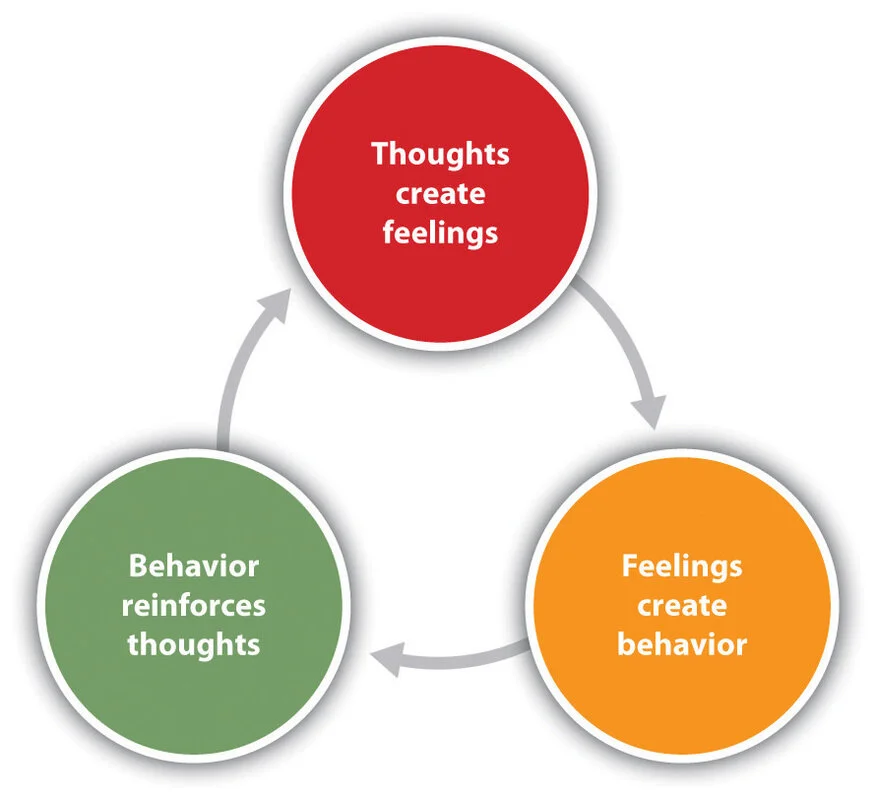
  • Thoughts and beliefs

2. Affective Component

  • Feelings and emotions

3. Behavioral Component

  • Actions and responses

🌿 Nature of Positive Thinking and Attitude


🔹 1. Learned and Developable

Image
Image
Image
Image
  • Not innate
  • Can be developed through practice

🔹 2. Dynamic

Image
Image
Image
Image
  • Changes with experiences
  • Influenced by environment

🔹 3. Influential

Image
Image
Image
Image
  • Affects behavior
  • Shapes outcomes

🔹 4. Contagious

Image
Image
Image
Image
  • Spreads to others
  • Creates positive environments

🧠 Types of Thinking


🔹 Positive Thinking

  • Focus on opportunities

🔹 Negative Thinking

  • Focus on problems

🔹 Realistic Thinking

  • Balanced approach

🌍 Importance of Positive Thinking


🔹 1. Mental Health

  • Reduces stress and anxiety
  • Promotes emotional well-being

🔹 2. Physical Health

  • Improves immunity
  • Reduces risk of illness

🔹 3. Personal Growth

  • Encourages learning
  • Builds confidence

🔹 4. Success and Achievement

  • Enhances motivation
  • Improves performance

🔹 5. Relationships

  • Improves communication
  • Builds trust

🌱 Benefits of Positive Attitude


🔹 Increased Resilience

  • Ability to handle failures

🔹 Better Decision-Making

  • Clear and rational thinking

🔹 Improved Productivity

  • Focus and efficiency

🔹 Leadership Skills

  • Inspires others

🌍 Positive Thinking in Daily Life


🔹 Students

  • Confidence in exams
  • Better learning

🔹 Professionals

  • Workplace success
  • Career growth

🔹 Families

  • Harmonious relationships

🌱 Role in Emotional Intelligence


  • Enhances self-awareness
  • Improves emotional control
  • Promotes empathy

🌍 Positive Thinking and Stress Management


  • Reduces negative emotions
  • Encourages coping strategies

🌱 Techniques to Develop Positive Thinking


🔹 1. Self-Affirmations

  • Positive statements

🔹 2. Gratitude Practice

  • Appreciating what you have

🔹 3. Mindfulness and Meditation

  • Staying present

🔹 4. Goal Setting

  • Clear direction

🔹 5. Surrounding with Positive People

  • Healthy environment

⚖️ Challenges to Positive Thinking


🔹 Negative Environment

  • Toxic surroundings

🔹 Stress and Pressure

  • Overwhelming situations

🔹 Self-Doubt

  • Lack of confidence

🔹 Fear of Failure

  • Avoiding risks

🌍 Positive Thinking vs Toxic Positivity


Positive ThinkingToxic Positivity
Realistic optimismIgnoring reality
Accepts challengesDenies problems
Encourages growthSuppresses emotions

🌱 Role in Success


  • Builds determination
  • Encourages persistence
  • Enhances creativity

🌍 Social Impact


  • Promotes cooperation
  • Reduces conflicts
  • Builds positive communities

🌱 Positive Thinking in Leadership


  • Inspires teams
  • Builds trust
  • Encourages innovation

🌍 Long-Term Impact


  • Better life satisfaction
  • Stronger relationships
  • Sustainable success

🌟 Conclusion

Positive thinking and attitude are essential for leading a successful and fulfilling life. They influence how individuals perceive challenges, interact with others, and achieve their goals. By cultivating optimism, resilience, and a constructive mindset, individuals can overcome obstacles and create meaningful experiences.

In a world filled with uncertainties, maintaining a positive attitude is not just beneficial—it is necessary for personal growth, emotional well-being, and social harmony.


🏷️ Tags

🧠 Emotional Intelligence (EI) — A Comprehensive Detailed Study


🌍 Introduction to Emotional Intelligence

Image
Image
Image
Image

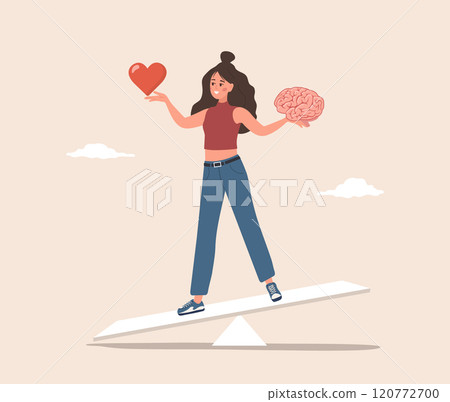
Emotional Intelligence (EI), often referred to as Emotional Quotient (EQ), is the ability to recognize, understand, manage, and influence emotions—both one’s own and those of others. While traditional intelligence (IQ) focuses on cognitive abilities like reasoning and problem-solving, emotional intelligence emphasizes emotional awareness, empathy, and interpersonal skills.

In today’s world, emotional intelligence is considered equally—if not more—important than IQ for achieving personal success, effective leadership, strong relationships, and mental well-being. It plays a crucial role in how individuals handle stress, communicate, make decisions, and navigate social complexities.


🧭 Meaning and Definition of Emotional Intelligence


🔹 Definition

Emotional Intelligence can be defined as:

“The capacity to be aware of, control, and express emotions, and to handle interpersonal relationships judiciously and empathetically.”


🔹 Core Idea

  • Understanding emotions
  • Managing emotional responses
  • Using emotions constructively
  • Building meaningful relationships

🧠 Components of Emotional Intelligence


🌟 1. Self-Awareness

Image
Image
Image
Image

🔹 Meaning

Self-awareness is the ability to recognize and understand your own emotions.

🔹 Key Aspects

  • Emotional awareness
  • Accurate self-assessment
  • Self-confidence

🔹 Importance

  • Foundation of emotional intelligence
  • Helps in decision-making

🌟 2. Self-Regulation

Image
Image
Image
Image

🔹 Meaning

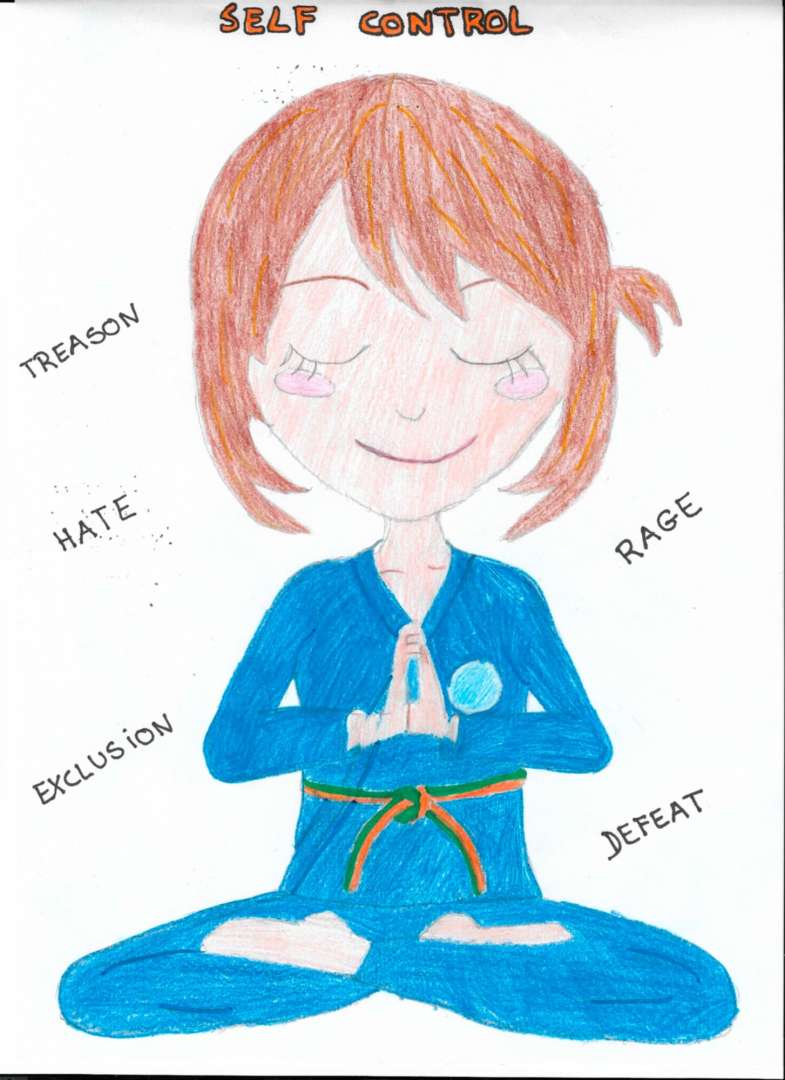
The ability to control or redirect disruptive emotions and impulses.

🔹 Key Aspects

  • Emotional control
  • Adaptability
  • Trustworthiness

🔹 Importance

  • Prevents impulsive behavior
  • Promotes stability

🌟 3. Motivation

Image
Image
Image
Image

🔹 Meaning

The drive to achieve goals with energy and persistence.

🔹 Key Aspects

  • Commitment
  • Initiative
  • Optimism

🔹 Importance

  • Encourages productivity
  • Helps overcome challenges

🌟 4. Empathy

Image
Image
Image
Image

🔹 Meaning

The ability to understand and share the feelings of others.

🔹 Key Aspects

  • Perspective-taking
  • Compassion
  • Sensitivity

🔹 Importance

  • Builds strong relationships
  • Enhances communication

🌟 5. Social Skills

Image
Image
Image
Image

🔹 Meaning

The ability to manage relationships and build networks.

🔹 Key Aspects

  • Communication
  • Conflict resolution
  • Leadership

🔹 Importance

  • Essential for teamwork
  • Improves interpersonal relations

🌿 Nature of Emotional Intelligence


🔹 1. Learnable and Developable

  • EI can be improved through practice

🔹 2. Dynamic

  • Changes with experience and environment

🔹 3. Universal

  • Relevant across cultures and professions

🔹 4. Interpersonal and Intrapersonal

  • Involves both self and others

🧠 Emotional Intelligence vs Intelligence Quotient (IQ)


AspectEmotional Intelligence (EI)Intelligence Quotient (IQ)
FocusEmotionsLogic & reasoning
NatureLearnableLargely fixed
ImportanceRelationships & leadershipAcademic success

🌍 Importance of Emotional Intelligence


🔹 1. Personal Development

  • Enhances self-awareness
  • Improves emotional control

🔹 2. Mental Health

  • Reduces stress and anxiety
  • Promotes well-being

🔹 3. Relationships

  • Builds trust and empathy
  • Improves communication

🔹 4. Academic Success

  • Better focus and motivation

🔹 5. Workplace Success

  • Leadership and teamwork

🌱 Emotional Intelligence in Daily Life


🔹 At Home

  • Understanding family emotions
  • Managing conflicts

🔹 In School

  • Handling peer pressure
  • Improving focus

🔹 In Workplace

  • Leadership
  • Team collaboration

🌍 Emotional Intelligence in Leadership


  • Inspires and motivates others
  • Builds trust
  • Handles conflicts effectively

🌱 Development of Emotional Intelligence


🔹 Methods

1. Self-Reflection

  • Understanding emotions

2. Mindfulness

  • Staying present

3. Feedback

  • Learning from others

4. Practice Empathy

  • Understanding others

5. Emotional Control Techniques

  • Breathing exercises
  • Stress management

⚖️ Challenges to Emotional Intelligence


🔹 Emotional Instability

  • Mood swings

🔹 Lack of Awareness

  • Ignoring emotions

🔹 Stress

  • Overwhelming situations

🔹 Social Barriers

  • Poor communication

🌍 Emotional Intelligence and Human Values


  • Promotes empathy and compassion
  • Encourages ethical behavior
  • Strengthens relationships

🌱 Emotional Intelligence and Decision-Making


  • Reduces impulsive decisions
  • Improves judgment

🌍 Role in Conflict Resolution


  • Understanding perspectives
  • Managing emotions
  • Finding solutions

🌱 Emotional Intelligence in the Digital Age


  • Managing online behavior
  • Avoiding cyber conflicts
  • Digital empathy

🌟 Benefits of High Emotional Intelligence


  • Better relationships
  • Strong leadership
  • Improved mental health
  • Greater success

⚠️ Consequences of Low Emotional Intelligence


  • Poor relationships
  • Stress and anxiety
  • Conflict

🌍 Emotional Intelligence and Success


  • More important than IQ in many cases
  • Key to leadership and teamwork

🌟 Conclusion

Emotional intelligence is a vital skill that influences every aspect of human life—from personal growth to professional success. It enables individuals to understand themselves, connect with others, and navigate complex social situations effectively.

In a world that is increasingly interconnected and emotionally demanding, developing emotional intelligence is essential for achieving balance, harmony, and success. By cultivating self-awareness, empathy, and emotional regulation, individuals can lead more fulfilling and meaningful lives.


🏷️ Tags

🧠 Self-Awareness and Personal Identity — A Comprehensive Detailed Study


🌱 Introduction

Image
Image
Image
Image

Self-awareness and personal identity are foundational concepts in human values, psychology, and personal development. They help individuals understand who they are, what they believe, and how they relate to the world around them. These concepts influence behavior, decision-making, relationships, and overall life satisfaction.

Self-awareness is the ability to recognize one’s thoughts, emotions, strengths, weaknesses, and motivations. Personal identity, on the other hand, is the sense of self that develops over time, shaped by experiences, culture, values, and social interactions.

Together, they form the basis of authentic living, emotional intelligence, and ethical behavior.


🧭 Meaning of Self-Awareness


🔹 Definition

Self-awareness is the conscious knowledge of one’s own character, feelings, motives, and desires.

It involves:

  • Understanding internal states (thoughts, emotions)
  • Recognizing how others perceive you
  • Being mindful of your actions and their consequences

🔹 Types of Self-Awareness

1. Internal Self-Awareness

  • Understanding your own values, passions, and aspirations
  • Knowing your strengths and weaknesses

2. External Self-Awareness

  • Understanding how others view you
  • Awareness of social impact and behavior

🔹 Key Elements of Self-Awareness

  • Self-concept – beliefs about oneself
  • Self-esteem – evaluation of self-worth
  • Self-image – perception of one’s appearance and personality

🌿 Meaning of Personal Identity


🔹 Definition

Personal identity refers to the distinctive characteristics, beliefs, values, and experiences that define an individual.

It answers the question:
👉 “Who am I?”


🔹 Components of Personal Identity

  • Personality traits
  • Beliefs and values
  • Culture and background
  • Roles (student, friend, citizen)
  • Life experiences

🔹 Types of Identity

  • Individual Identity – unique traits
  • Social Identity – group affiliations
  • Cultural Identity – traditions and customs
  • Digital Identity – online presence

🌟 Nature of Self-Awareness


🔹 1. Conscious and Reflective

Image
Image
Image
Image

Self-awareness requires conscious effort:

  • Reflection
  • Introspection
  • Mindfulness

🔹 2. Dynamic and Evolving

Image
Image
Image
Image
  • Changes with experiences
  • Develops over time
  • Influenced by learning

🔹 3. Subjective yet Objective

Image
Image
Image
Image
  • Internal perception (subjective)
  • External feedback (objective)

🔹 4. Foundational to Behavior

Image
Image
Image
Image
  • Influences decisions
  • Shapes actions
  • Affects relationships

🌍 Nature of Personal Identity


🔹 1. Unique and Individual

Image
Image
Image
Image
  • Each person is different
  • No two identities are identical

🔹 2. Socially Constructed

Image
Image
Image
Image
  • Influenced by society
  • Shaped by relationships

🔹 3. Multi-Dimensional

Image
Image
Image
Image
  • Includes multiple roles
  • Combines various aspects of life

🔹 4. Dynamic and Evolving

Image
Image
Image
Image
  • Changes over time
  • Influenced by experiences

🧠 Importance of Self-Awareness


🔹 1. Better Decision-Making

  • Helps align actions with values

🔹 2. Emotional Regulation

  • Improves control over emotions

🔹 3. Improved Relationships

  • Enhances empathy and communication

🔹 4. Personal Growth

  • Identifies strengths and weaknesses

🔹 5. Leadership Development

  • Essential for effective leadership

🌟 Importance of Personal Identity


🔹 1. Sense of Belonging

  • Connects individuals to groups

🔹 2. Self-Confidence

  • Builds self-esteem

🔹 3. Life Direction

  • Provides purpose

🔹 4. Stability and Consistency

  • Maintains continuity in life

🔄 Relationship Between Self-Awareness and Identity

  • Self-awareness helps understand identity
  • Identity influences self-awareness
  • Both are interconnected and interdependent

🌱 Development of Self-Awareness


🔹 Methods:

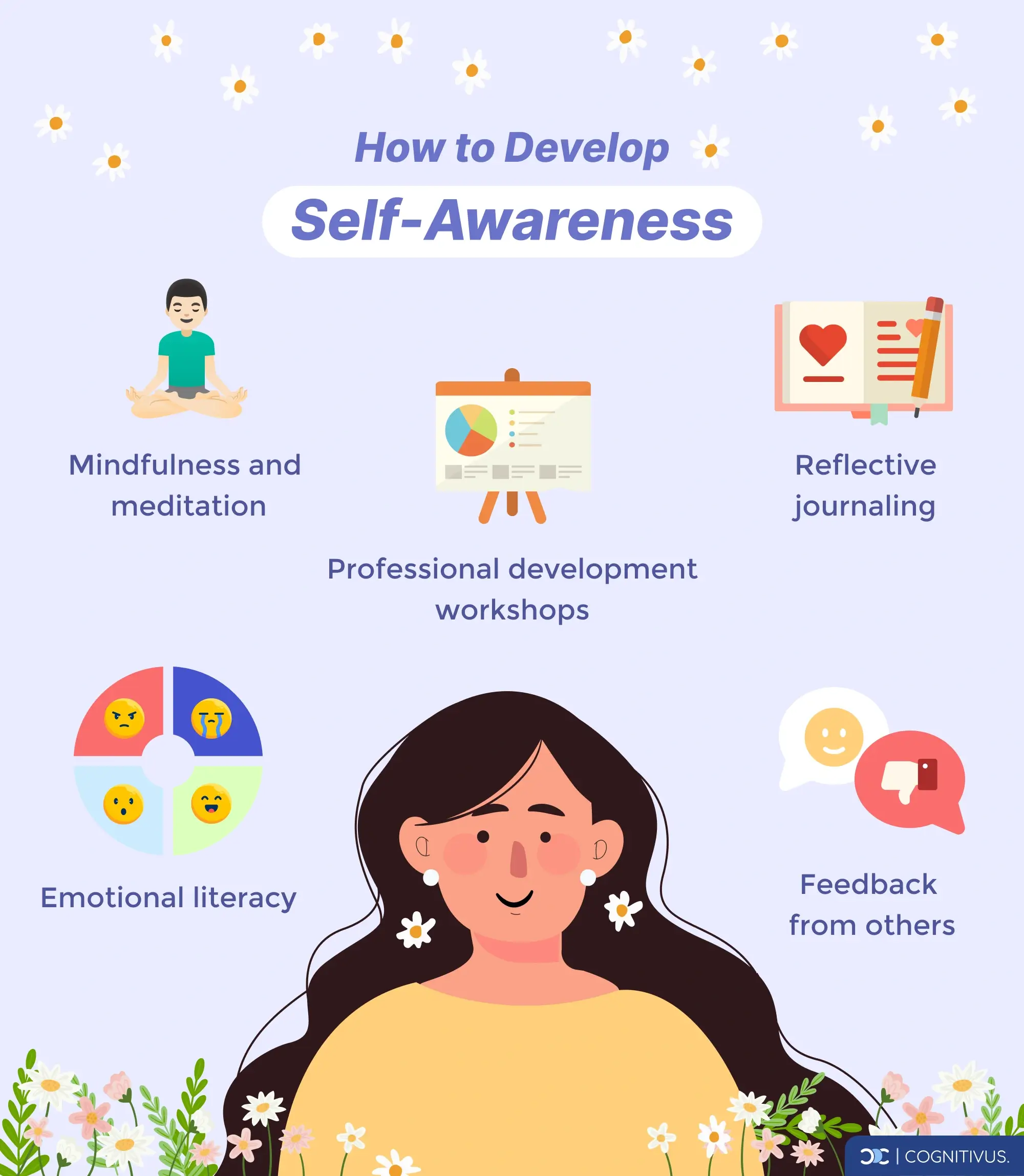
1. Reflection and Journaling

  • Writing thoughts and feelings

2. Mindfulness and Meditation

  • Being present in the moment

3. Feedback from Others

  • Constructive criticism

4. Self-Assessment Tools

  • Personality tests

🌍 Development of Personal Identity


🔹 Influencing Factors:

  • Family
  • Culture
  • Education
  • Experiences
  • Media

⚖️ Challenges in Self-Awareness and Identity


🔹 Internal Conflicts

  • Confusion about goals

🔹 Social Pressure

  • Conformity vs individuality

🔹 Identity Crisis

  • Common during adolescence

🔹 Digital Influence

  • Online vs real identity

🌐 Role in Modern Society


🔹 Digital Age Impact

  • Social media shapes identity

🔹 Globalization

  • Exposure to diverse cultures

🔹 Career and Personal Growth

  • Identity linked to profession

🌱 Self-Awareness and Emotional Intelligence

  • Self-awareness is a key component
  • Enhances empathy and social skills

🌍 Ethical Implications

  • Promotes responsible behavior
  • Encourages authenticity
  • Supports moral decision-making

🧩 Practical Applications


🔹 Education

  • Helps students understand themselves

🔹 Workplace

  • Improves teamwork and leadership

🔹 Relationships

  • Enhances communication

🌟 Conclusion

Self-awareness and personal identity are essential for understanding oneself and navigating life effectively. They influence behavior, relationships, and decision-making, forming the foundation of personal growth and social interaction.

In a rapidly changing world, developing self-awareness and a strong personal identity helps individuals remain grounded, make ethical choices, and lead meaningful lives. By cultivating these qualities, people can achieve greater clarity, confidence, and purpose.


🌱 Meaning and Nature of Human Values — A Comprehensive Detailed Study


🌍 Introduction to Human Values

Image
Image
Image
Image

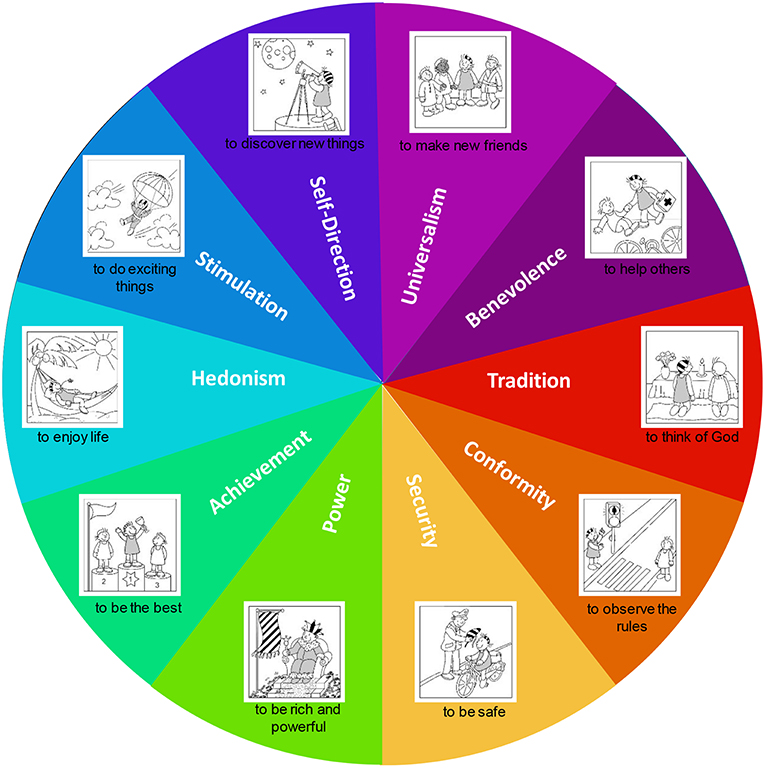
Human values are the fundamental beliefs, principles, and standards that guide human behavior, decisions, and interactions. They represent what individuals and societies consider important, desirable, and worthwhile in life. These values influence how people think, act, and relate to others, forming the foundation of ethical conduct and social harmony.

At their core, human values define what is right and wrong, good and bad, acceptable and unacceptable. They shape personality, character, and identity, and play a crucial role in creating a peaceful and sustainable society.

Human values are not just abstract ideas; they are lived experiences reflected in everyday actions such as honesty, kindness, respect, and responsibility. They help individuals make meaningful choices and lead a purposeful life.


🧭 Meaning of Human Values


🔹 Definition of Human Values

Human values can be defined as:

“Enduring beliefs or principles that guide behavior, influence decision-making, and help individuals distinguish between right and wrong.”

These values act as internal guides or moral compasses that direct human actions toward desirable goals.


🔹 Key Aspects of Meaning

1. Guiding Principles

Human values serve as standards for behavior, helping individuals decide how to act in different situations.

2. Basis of Judgment

They enable individuals to evaluate actions, ideas, and situations as good or bad.

3. Social Relevance

Values are shared within societies and contribute to social order and harmony.

4. Personal Significance

They are deeply rooted in individual beliefs and experiences.


🔹 Examples of Human Values

  • Honesty
  • Integrity
  • Respect
  • Love
  • Compassion
  • Justice
  • Responsibility
  • Cooperation
  • Tolerance
  • Kindness

🌿 Nature of Human Values

The nature of human values refers to their characteristics, features, and inherent qualities that define how they function in human life and society.


🔹 1. Universal Nature

Image
Image
Image
Image

Human values are universal in the sense that they are recognized across cultures and societies.

  • Values like truth, love, and peace are accepted worldwide
  • Promote global harmony

🔹 2. Dynamic and Evolving

Image
Image
Image
Image

Values are not static; they change over time due to:

  • Cultural shifts
  • Technological advancements
  • Social transformations

Example: Changing attitudes toward gender roles.


🔹 3. Learned and Acquired

Image
Image
Image
Image

Human values are not innate but learned through:

  • Family upbringing
  • Education
  • Society
  • Personal experiences

🔹 4. Abstract and Intangible

Image
Image
Image
Image

Values cannot be seen or touched but are reflected in behavior.

  • Exist as ideas and beliefs
  • Manifest through actions

🔹 5. Hierarchical

Image
Image
Image
Image

Values are arranged in order of importance:

  • Some values are prioritized over others
  • Example: A person may value honesty over convenience

🔹 6. Relative yet Absolute

Image
Image
Image
Image
  • Some values are relative (vary across cultures)
  • Some are absolute (universal, e.g., truth, justice)

🔹 7. Goal-Oriented

Image
Image
Image
Image

Values guide individuals toward desired goals:

  • Provide direction in life
  • Help achieve personal and social well-being

🔹 8. Integral to Personality

Image
Image
Image
Image

Values shape:

  • Character
  • Attitudes
  • Behavior

They form the core of an individual’s personality.


🌍 Classification of Human Values


🔹 1. Personal Values

  • Individual beliefs and principles
  • Example: Self-discipline, honesty

🔹 2. Social Values

  • Promote social harmony
  • Example: Cooperation, equality

🔹 3. Moral Values

  • Concern right and wrong
  • Example: Justice, integrity

🔹 4. Cultural Values

  • Derived from traditions
  • Example: Respect for customs

🔹 5. Spiritual Values

  • Related to inner peace and purpose
  • Example: Faith, compassion

🔹 6. Ethical Values

  • Guide professional and social conduct
  • Example: Accountability, fairness

🧠 Importance of Human Values


🔹 1. Personal Development

  • Builds strong character
  • Enhances self-awareness

🔹 2. Social Harmony

  • Promotes peaceful coexistence
  • Reduces conflicts

🔹 3. Ethical Decision-Making

  • Helps in making right choices

🔹 4. Cultural Stability

  • Preserves traditions and identity

🔹 5. Global Peace

  • Encourages understanding and cooperation

⚖️ Human Values vs Moral Values vs Ethics

AspectHuman ValuesMoral ValuesEthics
ScopeBroadSpecificSystematic
NaturePersonal & socialRight & wrongRules & standards
ExampleRespectHonestyProfessional conduct

🌱 Sources of Human Values


🔹 Family

  • First source of value learning

🔹 Education

  • Formal teaching of ethics

🔹 Society

  • Cultural norms and traditions

🔹 Religion & Philosophy

  • Moral teachings

🔹 Media & Technology

  • Influence modern values

🌍 Human Values in Modern Society


🔹 Challenges

  • Materialism
  • Individualism
  • Digital distractions

🔹 Need for Value Education

  • Essential for balanced development
  • Promotes responsible citizenship

🌱 Development of Human Values


🔹 Methods:

  • Value-based education
  • Role models
  • Life experiences
  • Reflection and self-awareness

🌍 Role of Human Values in Sustainable Development

  • Promote environmental responsibility
  • Encourage ethical resource use
  • Support social justice

🧩 Human Values and Emotional Intelligence

  • Empathy
  • Self-regulation
  • Social skills

Values enhance emotional intelligence and vice versa.


🌟 Conclusion

Human values are the foundation of a meaningful and harmonious life. They guide human behavior, shape personality, and ensure social stability. The nature of human values—being universal, dynamic, learned, and goal-oriented—makes them essential for both individual growth and societal progress.

In today’s rapidly changing world, strengthening human values is more important than ever. They help individuals navigate complexities, make ethical decisions, and contribute positively to society. By understanding and practicing human values, we can build a more compassionate, just, and sustainable world.


Empathy (Understanding Others’ Feelings)

🌿 Introduction

Image
Image
Image
Image

Empathy is one of the most powerful and essential human qualities that enables individuals to understand and share the feelings of others. It is the ability to step into another person’s shoes, to perceive their emotions, thoughts, and experiences, and to respond with care and sensitivity. In a world marked by diversity, complexity, and rapid change, empathy serves as a bridge that connects individuals, promotes understanding, and fosters harmonious relationships.

Empathy is not merely about feeling sorry for someone—it goes beyond sympathy. It involves actively understanding another person’s emotional state and responding in a supportive and meaningful way. Whether in personal relationships, education, healthcare, or global interactions, empathy plays a crucial role in building trust, reducing conflicts, and promoting cooperation.


🌱 Meaning and Definitions

🔹 Empathy

Empathy is:

  • The ability to understand and share the feelings of others
  • Experiencing another person’s emotions from their perspective
  • Responding with care and compassion

🔹 Types of Empathy

TypeDescription
Cognitive EmpathyUnderstanding another person’s thoughts and perspective
Emotional EmpathyFeeling what another person feels
Compassionate EmpathyUnderstanding and taking action to help

🔹 Empathy vs Sympathy

AspectEmpathySympathy
ConnectionDeep emotional understandingAcknowledgment of feelings
ResponseShared experienceFeeling sorry
ActionOften leads to helpingMay not involve action

🧠 Psychological Foundations

Image
Image
Image
Image

🔹 Brain Mechanisms

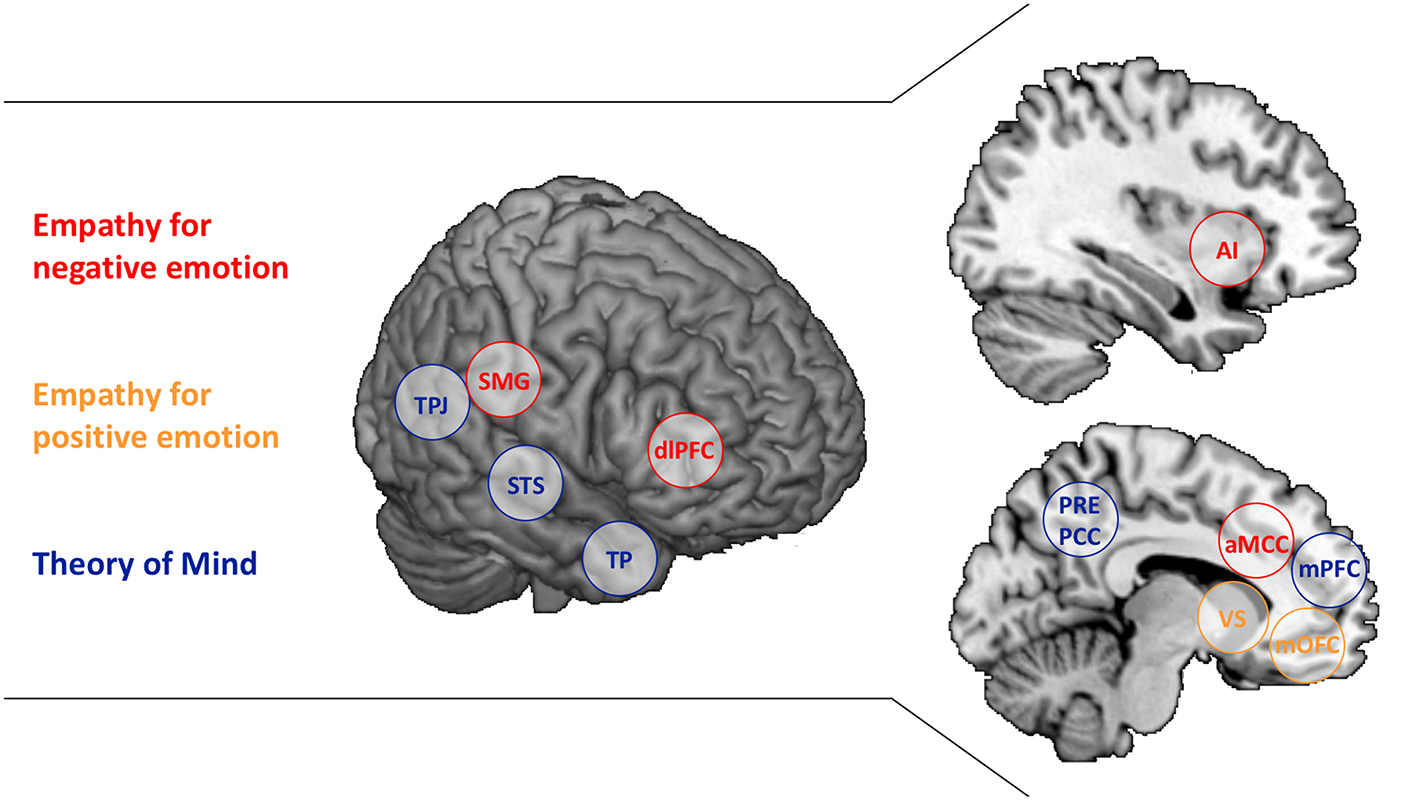
  • Mirror neurons play a role in understanding others’ emotions
  • The brain simulates others’ experiences

🔹 Emotional Intelligence

  • Empathy is a key component of emotional intelligence
  • Helps in recognizing and managing emotions

🔹 Development in Childhood

  • Begins early in life through observation and interaction
  • Influenced by parenting and environment

🏛️ Philosophical Perspectives

Image
Image
Image
Image

🔸 Ancient Philosophy

  • Aristotle emphasized understanding others for moral behavior

🔸 Eastern Philosophy

  • Buddhism promotes compassion (Karuna) and empathy
  • Confucianism emphasizes understanding and respect

🔸 Modern Thinkers

  • Mahatma Gandhi practiced empathy through non-violence and understanding

🧘 Spiritual and Religious Significance

Image
Image
Image
Image

🔹 Hinduism

  • Encourages compassion and understanding

🔹 Buddhism

  • Empathy is central to achieving enlightenment

🔹 Christianity

  • Teaches love and empathy for others

🔹 Islam

  • Emphasizes kindness and understanding

🏠 Role in Personal Life

🌟 Relationships

  • Strengthens emotional bonds
  • Builds trust and understanding

🌟 Conflict Resolution

  • Helps in resolving misunderstandings
  • Encourages peaceful communication

🌟 Emotional Support

  • Enables individuals to support others effectively

🌍 Social Importance

Image
Image
Image
Image

🔹 Social Harmony

  • Reduces conflicts and misunderstandings

🔹 Inclusivity

  • Promotes acceptance of diversity

🔹 Justice and Equality

  • Drives efforts to support marginalized groups

🏫 Importance in Education

📘 Classroom Environment

  • Encourages respect and cooperation

📘 Teacher Role

  • Teachers model empathetic behavior

📘 Student Development

  • Enhances social and emotional skills

💼 Workplace Relevance

Image
Image
Image
Image

🔹 Leadership

  • Empathetic leaders build trust

🔹 Teamwork

  • Improves communication and collaboration

🔹 Employee Well-being

  • Supports mental health

⚖️ Ethical Dimensions

🔸 Moral Responsibility

  • Understanding others is an ethical duty

🔸 Compassionate Action

  • Empathy leads to helping behavior

🔸 Fairness

  • Promotes just and ethical decisions

🧩 Challenges to Empathy

Image
Image
Image
Image

🔹 Bias and Prejudice

  • Limits understanding of others

🔹 Stress and Distraction

  • Reduces emotional awareness

🔹 Digital Disconnect

  • Less face-to-face interaction

🔹 Emotional Burnout

  • Excessive empathy can lead to fatigue

🌟 Benefits of Empathy

✅ Personal Benefits

  • Better relationships
  • Emotional growth
  • Increased happiness

✅ Social Benefits

  • Stronger communities
  • Reduced conflicts

✅ Professional Benefits

  • Effective leadership
  • Improved teamwork

🛠️ Ways to Develop Empathy

Image
Image
Image
Image

🔹 Active Listening

  • Pay attention without interrupting

🔹 Perspective-Taking

  • Try to see situations from others’ viewpoint

🔹 Emotional Awareness

  • Recognize your own emotions

🔹 Practice Kindness

  • Engage in helping behaviors

🔹 Exposure to Diversity

  • Interact with different cultures and people

📱 Empathy in the Digital Age

Image
Image
Image
Image

🔹 Online Communication

  • Use respectful and understanding language

🔹 Digital Communities

  • Support others through online platforms

🔹 Challenges

  • Misinterpretation of messages
  • Lack of emotional cues

🧭 Real-Life Examples

🔹 Everyday Situations

  • Comforting a friend
  • Helping someone in distress

🔹 Professional Settings

  • Doctors understanding patients
  • Teachers supporting students

🔹 Global Context

  • Humanitarian efforts
  • Social justice movements

📊 Comparison with Related Values

ValueRelation
CompassionEmpathy leads to compassionate action
KindnessExpression of empathy
SympathyLess deep than empathy
Emotional IntelligenceIncludes empathy

🧾 Conclusion

Empathy is a cornerstone of human connection and social harmony. It enables individuals to understand, support, and care for one another, creating a more compassionate and inclusive world. In an era marked by diversity and complexity, empathy is more important than ever.
By developing empathy, individuals can improve their relationships, enhance their emotional intelligence, and contribute positively to society. It is not just a feeling—it is a skill that can be cultivated through practice, awareness, and intention.

Ultimately, empathy reminds us of our shared humanity and the importance of understanding one another. It is a powerful force that can transform individuals, communities, and the world.


🏷️ Tags

Kindness and Compassion

🌿 Introduction

Image
Image
Image
Image

Kindness and compassion are among the most profound and transformative human values. They represent the capacity to care for others, to empathize with their suffering, and to act in ways that promote well-being and alleviate pain. These values are not limited to grand gestures; they are reflected in everyday actions—smiling at a stranger, helping someone in need, listening with empathy, or offering support during difficult times.

Kindness is the act of being friendly, generous, and considerate, while compassion goes deeper—it involves recognizing the suffering of others and having a genuine desire to relieve it. Together, they form the foundation of ethical behavior, emotional intelligence, and social harmony.

In a world often marked by competition, stress, and division, kindness and compassion serve as powerful forces that unite individuals and communities, fostering peace, understanding, and resilience.


🌱 Meaning and Definitions

🔹 Kindness

Kindness is:

  • The quality of being caring, generous, and considerate
  • Demonstrated through actions that benefit others
  • Often spontaneous and simple

Examples include:

  • Helping someone carry heavy items
  • Offering a kind word or encouragement
  • Sharing resources with those in need

🔹 Compassion

Compassion is:

  • Deep awareness of another’s suffering
  • Emotional connection combined with a desire to help
  • More intense and intentional than kindness

Examples include:

  • Supporting someone through grief
  • Volunteering for humanitarian causes
  • Standing up for those facing injustice

🔹 Key Differences

AspectKindnessCompassion
NatureAction-orientedEmotion + action
IntensityGentle and simpleDeep and empathetic
FocusGeneral goodwillAddressing suffering

🧠 Psychological Foundations

Image
Image
Image
Image

🔹 Empathy and Emotional Intelligence

  • Compassion is rooted in empathy—the ability to understand and share others’ feelings
  • Emotional intelligence enhances compassionate responses

🔹 Brain and Behavior

  • Acts of kindness activate reward centers in the brain
  • Release of “feel-good” hormones like oxytocin and dopamine

🔹 Development in Children

  • Children learn kindness through observation and guidance
  • Early experiences shape lifelong behavior

🏛️ Philosophical Perspectives

Image
Image
Image
Image

🔸 Ancient Philosophy

  • Aristotle considered kindness a virtue essential for human flourishing
  • Emphasized balance between selfishness and selflessness

🔸 Eastern Philosophy

  • Buddhism promotes compassion (Karuna) as a path to enlightenment
  • Hinduism teaches Ahimsa (non-violence) and kindness to all beings

🔸 Modern Thinkers

  • Mahatma Gandhi emphasized compassion through non-violence
  • The Dalai Lama advocates universal compassion as key to happiness

🧘 Spiritual and Religious Significance

Image
Image
Image
Image

🔹 Hinduism

  • Promotes kindness through Ahimsa and Seva (service)

🔹 Buddhism

  • Compassion is central to spiritual practice

🔹 Christianity

  • Teaches love and compassion for all

🔹 Islam

  • Encourages mercy (Rahmah) and charity (Zakat)

🏠 Role in Personal Life

🌟 Emotional Well-being

  • Reduces stress and anxiety
  • Enhances happiness and satisfaction

🌟 Relationships

  • Strengthens bonds
  • Builds trust and mutual respect

🌟 Self-Compassion

  • Being kind to oneself
  • Accepting imperfections and failures

🌍 Social Importance

Image
Image
Image
Image

🔹 Building Communities

  • Encourages cooperation and unity
  • Reduces conflicts and violence

🔹 Social Justice

  • Compassion drives efforts to address inequality
  • Inspires activism and humanitarian work

🔹 Global Impact

  • Promotes peace and understanding across cultures

🏫 Importance in Education

📘 Classroom Environment

  • Kindness creates a positive learning atmosphere
  • Encourages collaboration

📘 Teacher Role

  • Teachers model compassionate behavior
  • Promote empathy through activities

📘 Student Development

  • Enhances social skills
  • Reduces bullying

💼 Workplace Relevance

Image
Image
Image
Image

🔹 Leadership

  • Compassionate leaders build trust
  • Improve employee morale

🔹 Teamwork

  • Encourages cooperation
  • Reduces workplace conflicts

🔹 Productivity

  • Positive environment boosts performance

⚖️ Ethical Dimensions

🔸 Moral Responsibility

  • Helping others is a fundamental ethical principle

🔸 Altruism vs Self-Interest

  • Balancing personal needs with helping others

🔸 Boundaries

  • Avoiding burnout from excessive giving

🧩 Challenges to Kindness and Compassion

Image
Image
Image
Image

🔹 Stress and Busy Lifestyles

  • People may neglect kindness due to time pressure

🔹 Social Barriers

  • Prejudices and stereotypes reduce compassion

🔹 Digital Negativity

  • Online trolling and cyberbullying

🔹 Self-Centeredness

  • Focus on personal success over others’ well-being

🌟 Benefits of Kindness and Compassion

✅ Personal Benefits

  • Improved mental health
  • Greater happiness
  • Stronger self-esteem

✅ Social Benefits

  • Stronger relationships
  • Harmonious communities
  • Reduced conflicts

✅ Health Benefits

  • Lower blood pressure
  • Reduced stress hormones

🛠️ Ways to Cultivate Kindness and Compassion

Image
Image
Image
Image

🔹 Practice Empathy

  • Listen actively
  • Try to understand others’ feelings

🔹 Small Acts of Kindness

  • Smile, help, share
  • Offer compliments

🔹 Volunteering

  • Participate in community service

🔹 Mindfulness and Reflection

  • Develop awareness of emotions
  • Practice gratitude

🔹 Self-Care

  • Be kind to yourself
  • Maintain emotional balance

📱 Kindness in the Digital Age

Image
Image
Image
Image

🔹 Online Behavior

  • Use respectful language
  • Avoid harmful comments

🔹 Digital Activism

  • Support causes online
  • Spread awareness

🔹 Combating Negativity

  • Promote positivity
  • Report harmful content

🧭 Real-Life Examples

🔹 Everyday Kindness

  • Helping strangers
  • Supporting friends

🔹 Humanitarian Efforts

  • Disaster relief
  • Charity organizations

🔹 Inspirational Figures

  • Leaders known for compassion and service

📊 Comparison with Related Values

ValueRelation
EmpathyFoundation of compassion
AltruismSelfless concern for others
LoveDeep emotional connection
GenerosityGiving resources

🧾 Conclusion

Kindness and compassion are powerful forces that have the ability to transform individuals, relationships, and societies. They foster understanding, reduce suffering, and create a sense of connection among people. In a rapidly changing and often challenging world, these values serve as guiding principles for ethical living and emotional well-being.

Practicing kindness does not require wealth or power—it requires intention and awareness. Compassion goes a step further, urging individuals to actively alleviate suffering and promote justice. Together, they form the essence of humanity.

By cultivating kindness and compassion in daily life, individuals contribute to a more peaceful, inclusive, and harmonious world. These values are not just moral ideals—they are practical tools for building a better future.


🏷️ Tags