
🌿 Visual Overview of Environmental Studies


📘 1. Introduction to Environmental Studies
Environmental Studies is an interdisciplinary academic field that examines the interactions between humans and the natural environment. It integrates knowledge from science, social sciences, and humanities to understand environmental problems and develop sustainable solutions.
The increasing environmental challenges—such as climate change, pollution, biodiversity loss, and resource depletion—have made Environmental Studies one of the most critical fields in modern education and policy-making.
📖 2. Definition of Environmental Studies
Environmental Studies can be defined as:
“A multidisciplinary field that focuses on understanding the relationship between humans and their environment, aiming to solve environmental problems and promote sustainable development.”
It encompasses the study of:
- Natural processes (ecosystems, climate, biodiversity)
- Human activities (industrialization, urbanization)
- Environmental impacts (pollution, resource depletion)
- Solutions (conservation, sustainability, policies)
🌱 3. Key Components of Environmental Studies
Environmental Studies is built on three major pillars:
3.1 Natural Environment
Includes all physical, chemical, and biological components:
- Air (atmosphere)
- Water (hydrosphere)
- Land (lithosphere)
- Living organisms (biosphere)
3.2 Human Environment
- Social systems
- Economic activities
- Cultural practices
- Urban and rural development
3.3 Interaction Between Humans and Nature
- Resource utilization
- Environmental degradation
- Conservation efforts
- Sustainable practices
🌍 4. Nature and Characteristics of Environmental Studies
4.1 Interdisciplinary Nature
Environmental Studies integrates multiple disciplines:
- Biology
- Chemistry
- Physics
- Geography
- Economics
- Sociology
- Political Science
4.2 Problem-Oriented Approach
Focuses on real-world environmental issues such as:
- Climate change
- Pollution
- Deforestation
- Waste management
4.3 Holistic Perspective
Considers environmental problems as interconnected systems rather than isolated issues.
4.4 Value-Based Education
Promotes environmental ethics, awareness, and responsible behavior.
🌳 5. Scope of Environmental Studies
🌏 Visual Representation of Scope


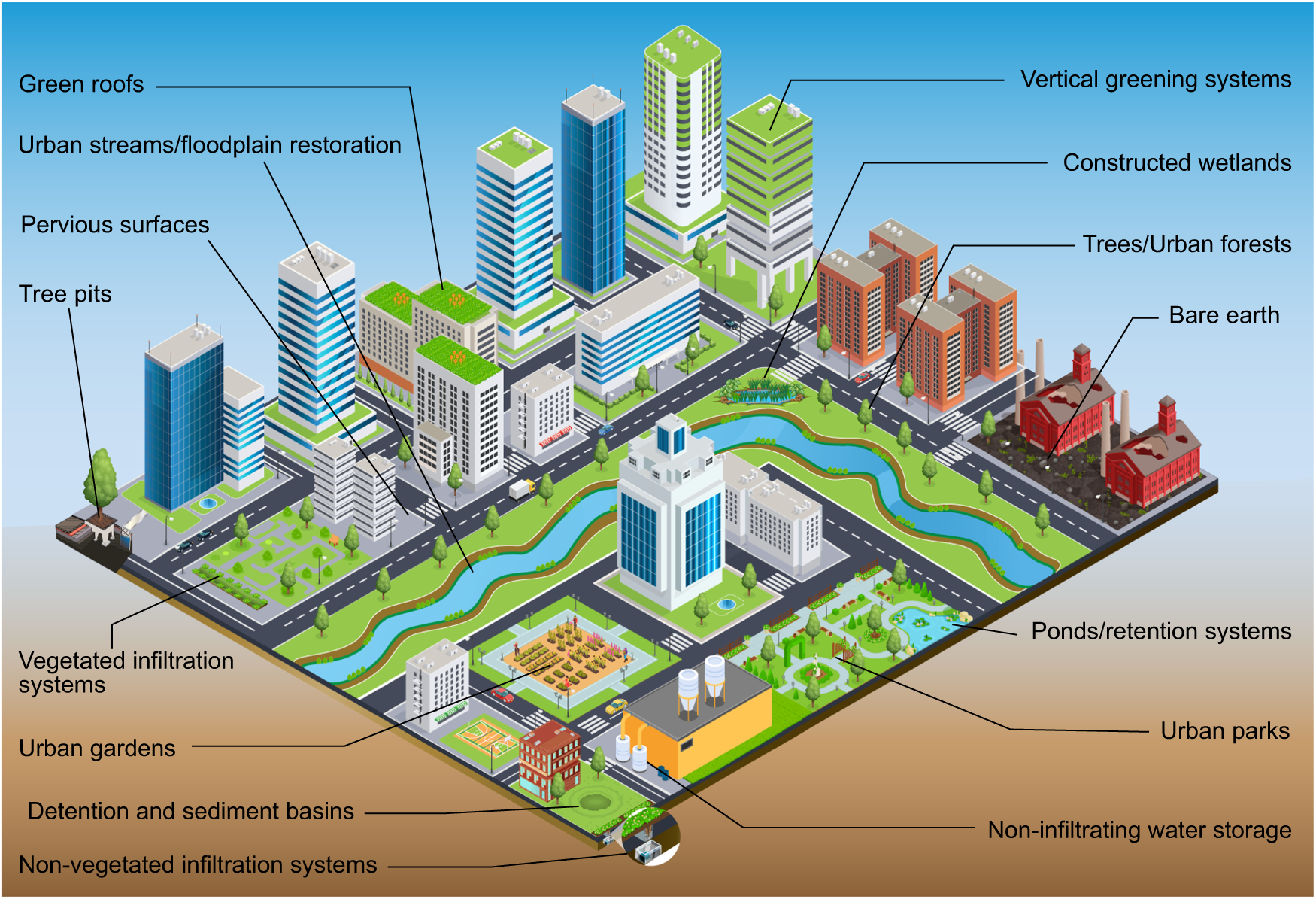

The scope of Environmental Studies is vast and continuously expanding due to growing environmental concerns. It includes the following major areas:
5.1 Natural Resources Management
Types of Resources:
- Renewable resources (solar, wind, water)
- Non-renewable resources (coal, petroleum, minerals)
Key Topics:
- Resource conservation
- Sustainable use
- Resource depletion
5.2 Ecology and Ecosystems
- Structure and function of ecosystems
- Food chains and food webs
- Energy flow and nutrient cycles
- Ecological balance
5.3 Biodiversity Conservation
- Types of biodiversity (genetic, species, ecosystem)
- Importance of biodiversity
- Threats (habitat loss, poaching)
- Conservation strategies
5.4 Environmental Pollution
Types of Pollution:
- Air pollution
- Water pollution
- Soil pollution
- Noise pollution
- Thermal pollution
Focus Areas:
- Causes and effects
- Prevention and control measures
5.5 Environmental Management
- Environmental Impact Assessment (EIA)
- Waste management
- Sustainable development planning
- Environmental laws and policies
5.6 Climate Change and Global Warming
- Causes (greenhouse gases)
- Effects (temperature rise, sea-level rise)
- Mitigation and adaptation strategies
5.7 Sustainable Development
- Balancing economic growth and environmental protection
- Use of renewable energy
- Green technologies
5.8 Environmental Ethics and Awareness
- Moral responsibility towards nature
- Environmental education
- Public awareness campaigns
5.9 Human Population and Environment
- Population growth
- Urbanization
- Resource pressure
- Environmental degradation
5.10 Environmental Policies and Legislation
- National environmental laws
- International agreements
- Environmental governance
🌿 6. Importance of Environmental Studies
Environmental Studies plays a crucial role in:
6.1 Creating Awareness
Educates people about environmental issues and their impacts.
6.2 Promoting Sustainable Living
Encourages responsible use of resources.
6.3 Protecting Ecosystems
Supports conservation of biodiversity and natural habitats.
6.4 Improving Quality of Life
Ensures clean air, water, and a healthy environment.
6.5 Supporting Policy Making
Provides scientific data for environmental decision-making.
🌎 7. Relationship with Other Disciplines
Environmental Studies connects with:
- Science: Understanding natural processes
- Economics: Resource allocation
- Sociology: Human behavior and society
- Political Science: Policy and governance
- Technology: Environmental solutions
🌱 8. Environmental Issues Addressed
Major global and local issues include:
- Climate change
- Deforestation
- Desertification
- Pollution
- Loss of biodiversity
- Water scarcity
- Waste management problems
🌍 9. Career Scope in Environmental Studies
Environmental Studies offers diverse career opportunities:
9.1 Career Fields:
- Environmental scientist
- Ecologist
- Environmental engineer
- Conservationist
- Climate analyst
- Policy advisor
9.2 Work Sectors:
- Government agencies
- NGOs
- Research institutions
- Industries
- International organizations
🌿 10. Environmental Studies in India
Environmental Studies is an important subject in India:
- Mandatory subject in schools and colleges
- Governed by environmental laws and policies
- Focus on issues like pollution, water scarcity, and biodiversity conservation
🌳 11. Challenges in Environmental Studies
- Lack of awareness
- Poor implementation of policies
- Industrialization pressure
- Climate change complexity
- Resource overexploitation
🌎 12. Future Scope of Environmental Studies
The future of Environmental Studies is promising due to:
- Increasing global environmental concerns
- Growth of green technologies
- Expansion of renewable energy
- Rising demand for sustainability experts
🌱 13. Conclusion
Environmental Studies is a vital field that helps us understand the complex relationship between humans and the environment. It plays a key role in addressing environmental challenges and promoting sustainable development.
As environmental problems continue to grow, the importance and scope of Environmental Studies will expand further, making it essential for individuals, societies, and governments to adopt environmentally responsible practices.