
🌍 Introduction


Family values are the core principles, beliefs, and moral standards that guide behavior within a family unit. They shape how family members interact, make decisions, and support one another. These values are fundamental to personal development, social stability, and cultural continuity.
The family is often the first institution of learning, where individuals acquire habits, attitudes, and values that influence their entire lives. Concepts such as love, respect, responsibility, cooperation, and discipline are first experienced within the family setting.
In a rapidly changing world, family values remain essential for building strong individuals and harmonious societies.
🧭 Meaning of Family Values
🔹 Definition
Family values are the shared beliefs and principles that define what is important within a family and guide the behavior of its members.
🔹 Key Elements
- Love and affection
- Respect and understanding
- Responsibility and discipline
- Cooperation and support
- Honesty and trust
🌱 Nature of Family Values
🔹 1. Learned and Cultivated




- Acquired through family interactions
- Passed from generation to generation
🔹 2. Dynamic and Evolving

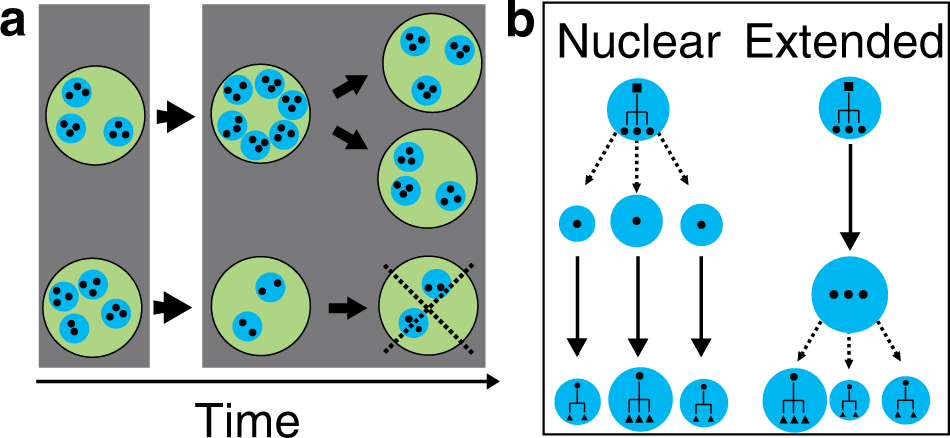


- Change with time and society
- Adapt to new lifestyles
🔹 3. Cultural and Social

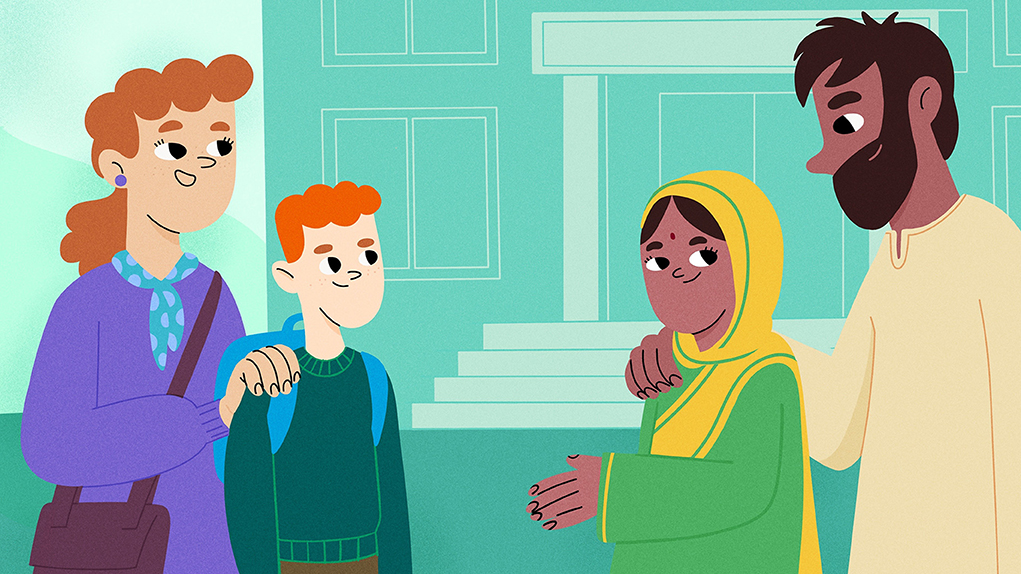


- Influenced by culture
- Reflect traditions
🔹 4. Foundational to Personality


- Shape character and behavior
- Influence identity
🌟 Types of Family Values
❤️ 1. Moral Values
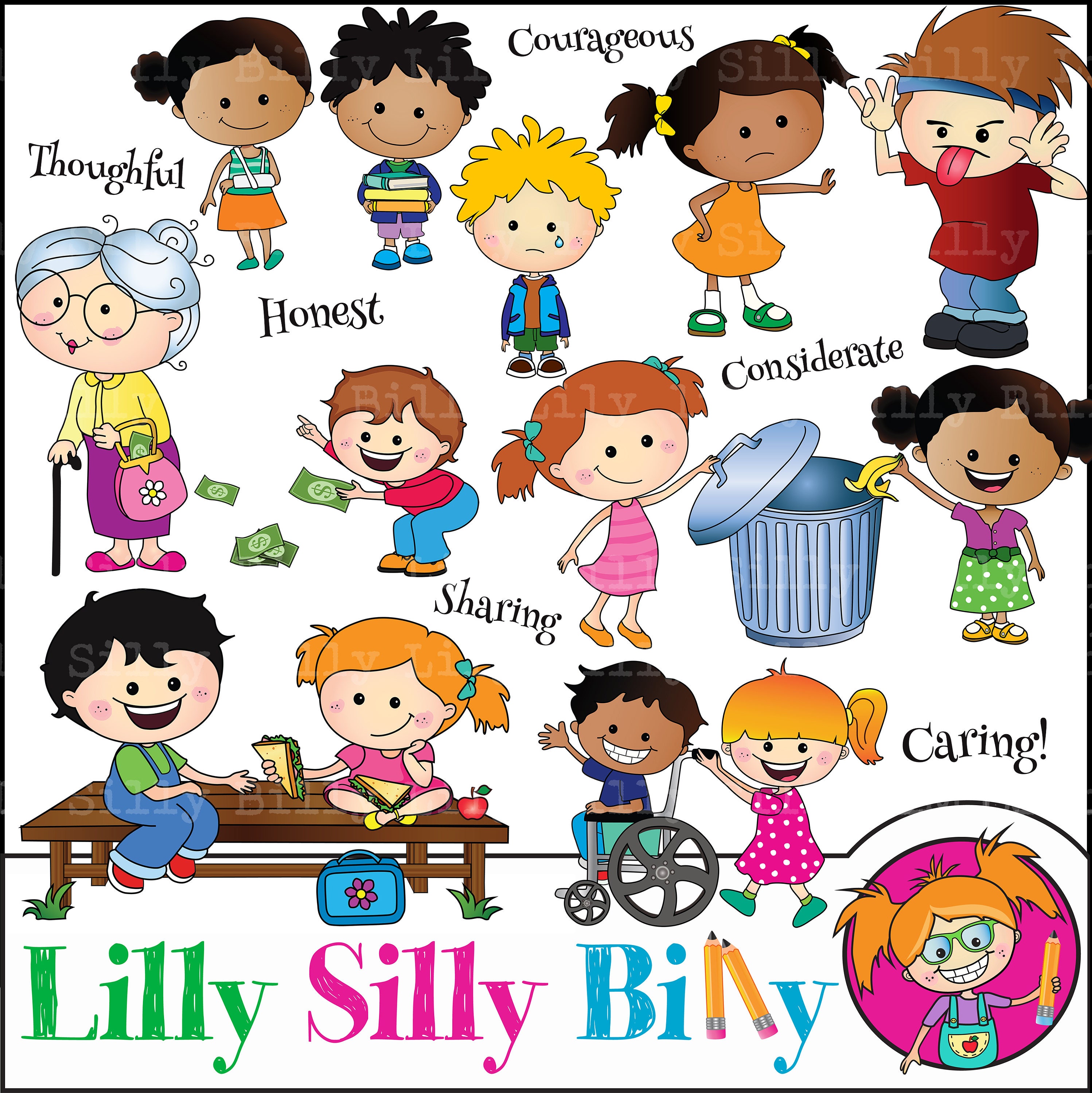



- Honesty
- Integrity
- Kindness
🤝 2. Social Values




- Cooperation
- Sharing
- Respect
🏠 3. Cultural Values



- Traditions
- Customs
- Respect for heritage
💰 4. Economic Values




- Saving
- Financial responsibility
🌿 5. Emotional Values




- Love
- Empathy
- Emotional support
🌍 Importance of Family Values
🔹 1. Personal Development
- Builds character
- Develops discipline
🔹 2. Emotional Security
- Provides love and support
🔹 3. Social Stability
- Promotes harmony
🔹 4. Cultural Continuity
- Preserves traditions
🔹 5. Moral Guidance
- Teaches right and wrong
🌱 Role of Family in Value Formation
🔹 Early Childhood Learning
- First exposure to values
🔹 Role Modeling
- Parents act as examples
🔹 Reinforcement
- Encouraging good behavior
🌍 Family Structures and Values
🔹 Nuclear Family
- Independent lifestyle
🔹 Joint Family
- Shared responsibilities
🔹 Single-Parent Family
- Strong emotional bonds
🌱 Family Values in Daily Life
🔹 Respect for Elders
🔹 Sharing Responsibilities
🔹 Supporting Each Other
🔹 Maintaining Discipline
🌍 Challenges to Family Values
🔹 Modernization
- Changing lifestyles
🔹 Technology
- Reduced interaction
🔹 Individualism
- Focus on self
🔹 Work Pressure
- Less family time
🌱 Strengthening Family Values
🔹 Communication
- Open discussions
🔹 Quality Time
- Spending time together
🔹 Role Modeling
- Setting examples
🔹 Value Education
- Teaching ethics
🌍 Family Values and Society
- Strong families create strong societies
- Promote peace and cooperation
🌱 Family Values and Emotional Intelligence
- Develop empathy
- Improve communication
🌍 Family Values in Modern World
- Need for balance between tradition and modernity
- Importance of maintaining core values
🌟 Practical Applications
🔹 Children
- Learning discipline
🔹 Youth
- Building identity
🔹 Adults
- Maintaining relationships
🌍 Long-Term Impact
- Strong relationships
- Better mental health
- Social harmony
🌟 Conclusion
Family values are the foundation of human life, shaping individuals and societies alike. They provide guidance, support, and stability, helping individuals develop into responsible and ethical members of society.
In a rapidly changing world, preserving and strengthening family values is essential for maintaining harmony, promoting well-being, and ensuring a better future for generations to come.