Tag Archives: Government

⚖️ Power, Authority, and Legitimacy in Political Science (Comprehensive Explanation)


🌍 Visual Overview: Power, Authority & Legitimacy in Action


Image
Image
Image
Image

📘 1. Introduction

In Political Science, Power, Authority, and Legitimacy are three foundational and interconnected concepts that explain how political systems function, how decisions are enforced, and why people obey rules.

  • Power → The ability to influence or control behavior
  • Authority → Legitimate or accepted use of power
  • Legitimacy → The belief that authority is rightful and justified

These concepts form the backbone of governance, political institutions, leadership, and public obedience.


🧠 2. Understanding Power

📌 Meaning of Power

Power is the capacity of an individual or group to influence the actions, beliefs, or behavior of others, even against resistance.

🔍 Definitions:

  • Max Weber:
    Power is the probability that one actor within a social relationship will be in a position to carry out his own will despite resistance.
  • Robert Dahl:
    A has power over B to the extent that A can get B to do something B would not otherwise do.

⚙️ Types of Power

🟢 1. Political Power

  • Exercised by governments
  • Includes law-making and enforcement

🔵 2. Economic Power

  • Control over resources and wealth
  • Influence of corporations and elites

🟣 3. Social Power

  • Influence through culture, norms, traditions

🔴 4. Military Power

  • Use of force or coercion
  • Defense and war capability

🟡 5. Ideological Power

  • Control over beliefs and values
  • Media, education, religion

🧩 Forms of Power

Image
Image
Image
Image

1. Hard Power

  • Use of force or coercion
  • Example: military action

2. Soft Power

  • Persuasion and attraction
  • Example: culture, diplomacy

3. Smart Power

  • Combination of hard and soft power

🔄 Characteristics of Power

  • Relational (involves at least two actors)
  • Dynamic (changes over time)
  • Situational (depends on context)
  • Invisible or visible

⚠️ Limitations of Power

  • Resistance from people
  • Ethical constraints
  • Legal restrictions
  • International pressures

🏛️ 3. Understanding Authority

📌 Meaning of Authority

Authority is power that is considered legitimate and rightful by those who are subject to it.

👉 In simple terms:
All authority is power, but not all power is authority.


🧠 Definitions of Authority

  • Max Weber:
    Authority is legitimate power accepted by people.
  • Hannah Arendt:
    Authority is based on recognition and respect, not coercion.

🧩 Types of Authority (Max Weber’s Classification)

Image
Image
Image
Image

👑 1. Traditional Authority

  • Based on customs and traditions
  • Example: monarchies

🌟 2. Charismatic Authority

  • Based on personal qualities of leaders
  • Example: Mahatma Gandhi

⚖️ 3. Legal-Rational Authority

  • Based on laws and rules
  • Found in modern democracies

📊 Features of Authority

  • Accepted by people
  • Based on legitimacy
  • Stable and enduring
  • Institutionalized

⚖️ Authority vs Power

BasisPowerAuthority
NatureCoerciveLegitimate
AcceptanceMay not be acceptedAccepted
StabilityTemporaryMore stable
SourceForce, influenceLaw, tradition

🌐 4. Understanding Legitimacy

📌 Meaning of Legitimacy

Legitimacy is the belief that authority is justified, proper, and should be obeyed.

👉 It is the psychological and moral foundation of authority.


🧠 Definitions

  • Max Weber:
    Legitimacy is the basis of authority’s acceptance.
  • David Easton:
    Legitimacy is the belief that political arrangements are appropriate.

🧩 Sources of Legitimacy
Image
Image
Image
Image

1. Tradition

  • Long-standing customs

2. Charisma

  • Leader’s personality

3. Legal Validity

  • Constitutional rules

4. Performance

  • Good governance and development

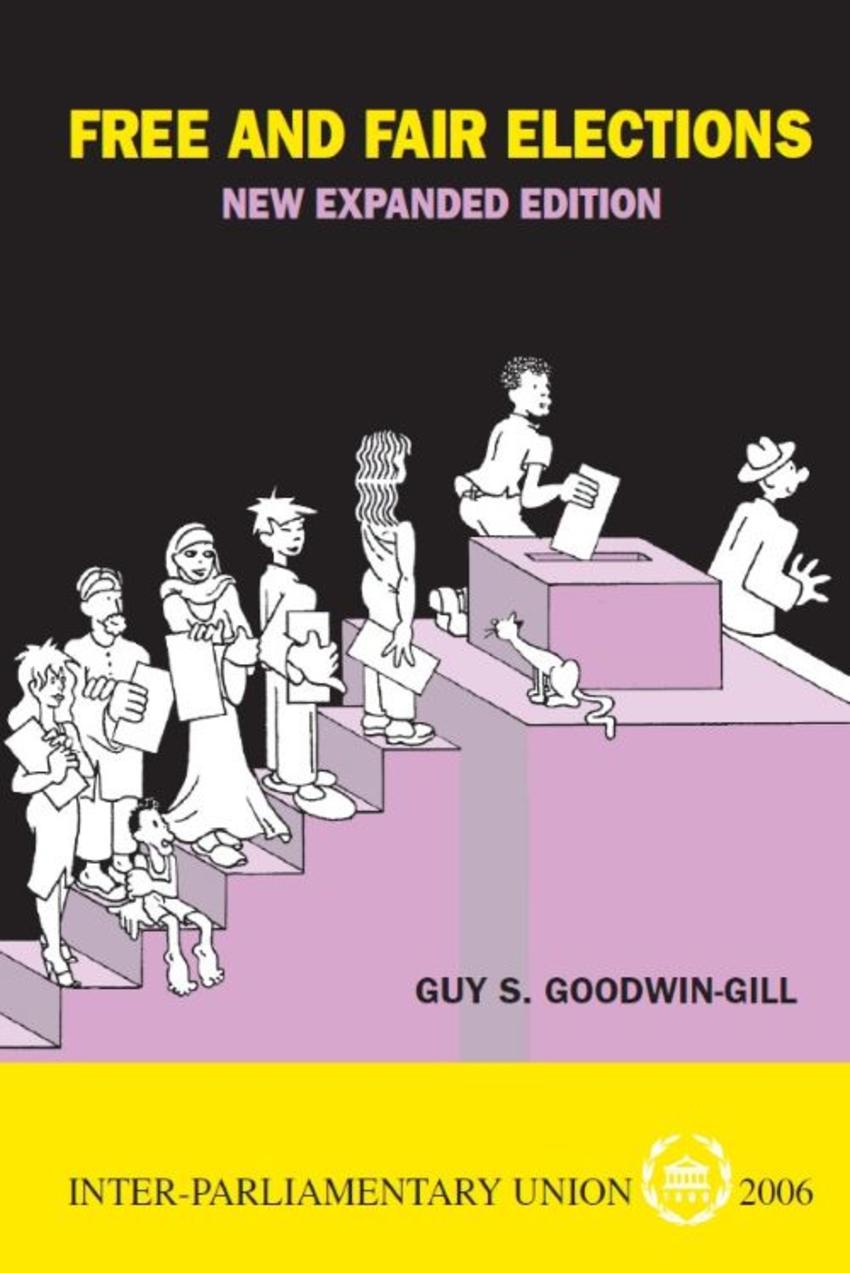
5. Consent of the People

  • Elections and participation

📊 Types of Legitimacy

🟢 Input Legitimacy

  • Based on participation (elections)

🔵 Output Legitimacy

  • Based on results (policies, development)

⚠️ Crisis of Legitimacy

Occurs when people lose faith in the system:

  • Corruption
  • Inefficiency
  • Lack of transparency
  • Authoritarianism

🔗 5. Relationship Between Power, Authority, and Legitimacy

Image
Image
Image
Image

🔄 Interconnection:

  • Power + Legitimacy = Authority
  • Authority ensures stable governance
  • Legitimacy ensures voluntary obedience

📌 Example:

  • A dictator may have power but lacks legitimacy
  • A democratic leader has authority because of legitimacy

🏛️ 6. Role in Political Systems

🟢 In Democracies:

  • Power is limited by law
  • Authority is derived from elections
  • Legitimacy is high

🔴 In Authoritarian Systems:

  • Power dominates
  • Authority is weak
  • Legitimacy is often questioned

🌍 7. Modern Perspectives

📱 1. Media and Power

  • Social media influences public opinion

🌐 2. Globalization

  • Limits state sovereignty

🧑‍🤝‍🧑 3. Civil Society

  • Challenges authority
  • Promotes accountability

⚖️ 8. Importance of These Concepts

  • Explain political obedience
  • Help analyze governments
  • Guide policy-making
  • Ensure stability and order

⚠️ 9. Challenges in Modern Politics

  • Declining trust in institutions
  • Rise of populism
  • Fake news and misinformation
  • Political polarization

🧠 10. Conclusion

Power, authority, and legitimacy are essential for understanding political life. While power ensures control, authority ensures acceptance, and legitimacy ensures stability. A strong political system balances all three effectively.

Without legitimacy, power becomes coercion. Without authority, governance becomes unstable. Together, they form the foundation of a functioning political system.
🏷️ Tags (Comma-Separated)

🏛️ State: Meaning, Elements, and Functions (Detailed Explanation)


🌍 Visual Overview of the State

Image
Image
Image
Image

📘 1. Introduction to the Concept of the State

The concept of the State is one of the most fundamental and central ideas in Political Science. It represents the organized political community that exercises authority over a defined territory and population. The state is not just a physical entity but a complex institution that embodies authority, governance, laws, and social order.

The state is often confused with terms like nation, government, or country, but each has a distinct meaning:

  • State → Political organization with sovereignty
  • Nation → Cultural or emotional unity of people
  • Government → Machinery through which the state operates
  • Country → Geographical expression

Understanding the state is essential because it shapes political life, legal systems, economic structures, and social relationships.


🧠 2. Meaning and Definitions of the State

Different political thinkers have defined the state in various ways:

  • Aristotle:
    “The state is a union of families and villages having for its end a perfect and self-sufficing life.”
  • Harold J. Laski:
    “The state is a territorial society divided into government and subjects claiming supreme authority.”
  • Max Weber:
    “The state is a human community that successfully claims the monopoly of the legitimate use of physical force within a given territory.”
  • Woodrow Wilson:
    “The state is a people organized for law within a definite territory.”

🔑 Key Features from Definitions

  • Organized political structure
  • Defined territory
  • Sovereignty (supreme authority)
  • Legal system
  • Monopoly over legitimate force

🧱 3. Essential Elements of the State

Every state must have four essential elements. Without any one of these, a state cannot exist.


👥 3.1 Population

Image
Image
Image
Image

📌 Meaning:

Population refers to the people who live within the state and are subject to its laws.

🔍 Key Points:

  • No fixed size (e.g., China vs Monaco)
  • Includes citizens and non-citizens
  • Can be homogeneous or heterogeneous

📊 Importance:

  • Provides human resources
  • Forms the basis of governance
  • Determines political participation

⚖️ Characteristics:

  • Size
  • Density
  • Diversity (ethnic, cultural, linguistic)

🗺️ 3.2 Territory

Image
Image
Image
Image

📌 Meaning:

Territory refers to the geographical area under the control of the state.

🔍 Includes:

  • Land
  • Water (rivers, lakes, territorial seas)
  • Airspace

📊 Importance:

  • Defines jurisdiction
  • Provides natural resources
  • Establishes political identity

⚠️ Notes:

  • Boundaries may be disputed
  • Territory is essential for sovereignty

🏛️ 3.3 Government

Image
Image
Image
Image

📌 Meaning:

Government is the organization through which the will of the state is expressed and implemented.

🔍 Types:

  • Democracy
  • Monarchy
  • Dictatorship

🧩 Organs of Government:

  • Legislature → Makes laws
  • Executive → Implements laws
  • Judiciary → Interprets laws

📊 Importance:

  • Maintains order
  • Provides administration
  • Executes policies

🌐 3.4 Sovereignty

Image
Image
Image
Image

📌 Meaning:

Sovereignty is the supreme power of the state to govern itself without external interference.

🔍 Types:

  • Internal sovereignty → Authority within the state
  • External sovereignty → Independence from other states

🧠 Thinkers:

  • Jean Bodin → Absolute sovereignty
  • John Austin → Legal sovereignty

📊 Importance:

  • Defines state authority
  • Ensures independence
  • Enables international recognition

⚙️ 4. Functions of the State

The functions of the state have evolved over time—from minimal roles to welfare and global responsibilities.


🛡️ 4.1 Essential (Primary) Functions

Image
Image
Image
Image

These are basic functions necessary for the existence of the state.

1. Maintenance of Law and Order

  • Prevents crime
  • Ensures peace and stability

2. Protection from External Threats

  • Defense through military
  • Safeguards sovereignty

3. Administration of Justice

  • Courts resolve disputes
  • Upholds rule of law

4. Revenue Collection (Taxation)

  • Funds government activities

🌱 4.2 Non-Essential (Welfare) Functions

Image
Image
Image
Image

These functions reflect the modern welfare state.

1. Education

  • Schools, universities
  • Literacy promotion

2. Healthcare

  • Hospitals, vaccination programs

3. Economic Development

  • Industrial growth
  • Employment generation

4. Social Welfare

  • Poverty alleviation
  • Social security

5. Infrastructure Development

  • Roads, transport, communication

🌐 4.3 Modern and Global Functions

Image
Image
Image
Image

1. Environmental Protection

  • Climate policies
  • Sustainable development

2. International Relations

  • Diplomacy
  • Trade agreements

3. Digital Governance

  • E-governance
  • Cybersecurity

4. Disaster Management

  • Relief and rehabilitation

🔄 5. Evolution of the State

The state has evolved through different stages:

🏺 Ancient State

  • City-states (e.g., Greek polis)
  • Limited participation

🏰 Medieval State

  • Feudal system
  • Church dominance

👑 Modern State

  • Emergence of sovereignty
  • Nation-state system

🌍 Contemporary State

  • Welfare state
  • Global cooperation

⚖️ 6. Distinction Between State and Other Concepts

ConceptMeaning
StatePolitical organization with sovereignty
NationCultural unity
GovernmentAdministrative machinery
SocietySocial relationships

🧩 7. Importance of the State

  • Maintains order and stability
  • Protects rights and freedoms
  • Promotes development
  • Ensures justice
  • Represents people internationally

⚠️ 8. Challenges to the State

  • Globalization reducing sovereignty
  • Terrorism and security threats
  • Internal conflicts
  • Environmental crises
  • Technological disruptions

🧠 9. Conclusion

The state remains the central institution of political life, despite challenges from globalization and non-state actors. It is indispensable for maintaining order, ensuring justice, and promoting welfare. Its functions have expanded from mere protection to active involvement in economic and social development.

Understanding the state—its meaning, elements, and functions—provides a strong foundation for studying political systems, governance, and international relations.