


1. What is Chemistry?
Chemistry is the scientific study of matter, its composition, structure, properties, and the changes it undergoes during chemical reactions. It is often referred to as the “central science” because it connects and overlaps with many other scientific disciplines such as physics, biology, geology, environmental science, medicine, and engineering.
Matter exists everywhere in the universe. Everything around us—including air, water, soil, plants, animals, metals, plastics, medicines, and even the human body—is made of chemical substances. Chemistry investigates how these substances are formed, how they interact, and how they transform into new substances.
Chemistry not only explains natural phenomena but also enables scientists to create new materials, medicines, fuels, and technologies that improve modern life.
For example:
- The digestion of food in the human body involves chemical reactions.
- The rusting of iron is a chemical process.
- The burning of fuel in vehicles is a chemical reaction producing energy.
- Photosynthesis in plants converts sunlight, water, and carbon dioxide into glucose and oxygen.
Because of its universal relevance, chemistry plays a fundamental role in understanding both natural and industrial processes.
2. Importance of Chemistry in Everyday Life

Chemistry is deeply embedded in our daily activities and modern civilization. Its applications extend across various fields.
Medicine and Healthcare
Chemistry is essential in the development of medicines and medical treatments. Pharmaceutical chemistry studies chemical compounds used to prevent, diagnose, and cure diseases.
Examples include:
- Antibiotics used to fight bacterial infections
- Pain relievers and anti-inflammatory drugs
- Vaccines that stimulate immunity
- Chemotherapy drugs for cancer treatment
Understanding biochemical reactions in the human body also helps scientists design targeted drugs with minimal side effects.
Food and Nutrition
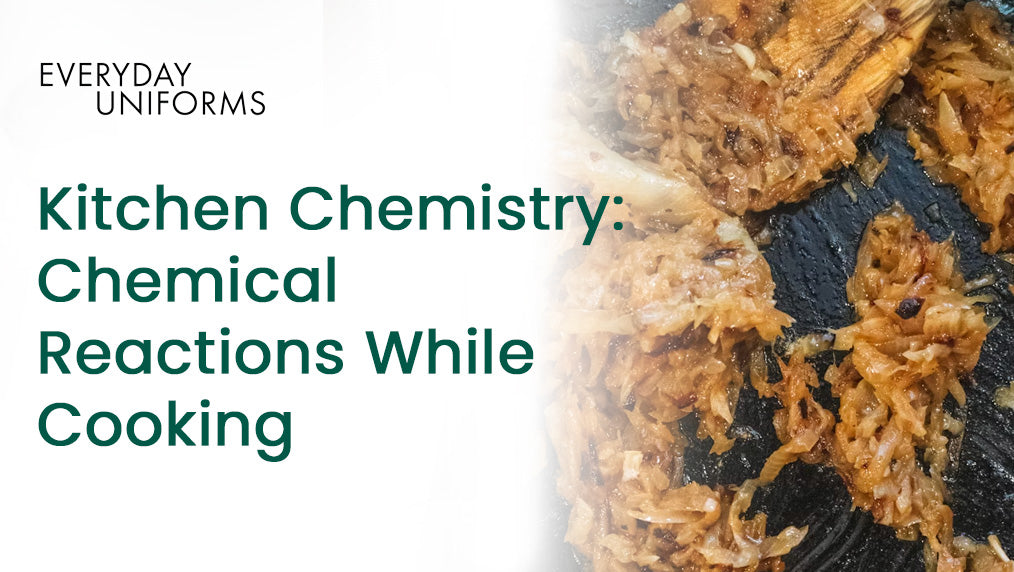
Food chemistry studies the chemical composition of food and the transformations that occur during cooking, preservation, and digestion.
Examples include:
- Fermentation processes in bread, yogurt, and cheese
- Caramelization and Maillard reactions during cooking
- Nutrient composition such as proteins, carbohydrates, fats, vitamins, and minerals
Food chemistry also helps improve shelf life and food safety.
Agriculture
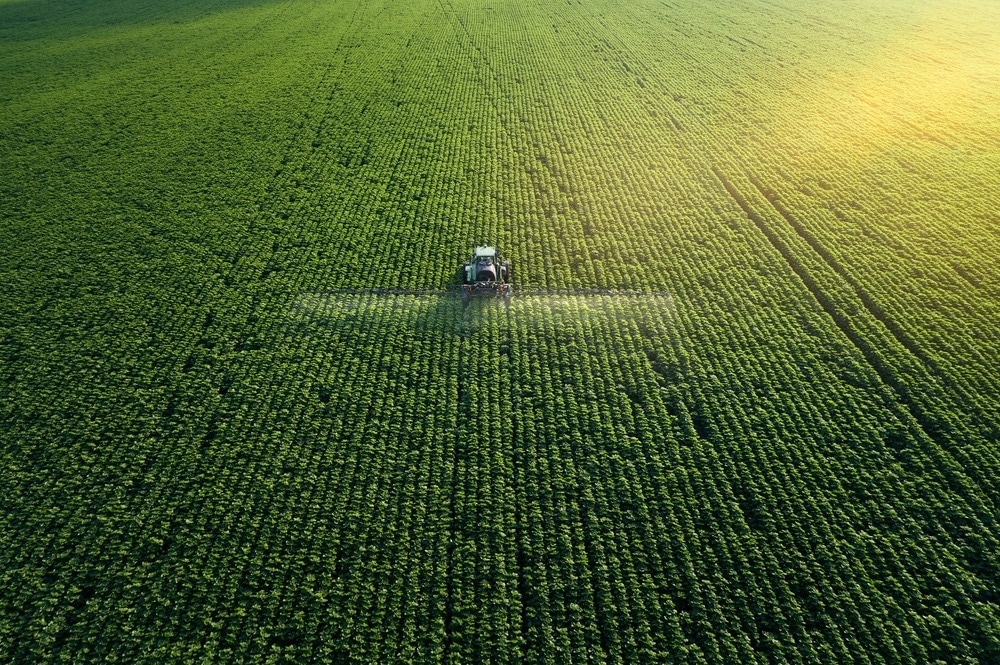
Chemistry contributes to increased agricultural productivity through:
- Fertilizers that supply nutrients to crops
- Pesticides and herbicides that control pests and weeds
- Soil chemistry analysis to optimize crop growth
Agricultural chemistry plays a vital role in feeding the growing global population.
Industry
Industrial chemistry is responsible for the large-scale production of chemicals and materials such as:
- Plastics
- Synthetic fibers
- Rubber
- Paints and dyes
- Detergents and cleaning agents
- Fuels and petrochemicals
Modern industries rely heavily on chemical processes.
Environment
Environmental chemistry studies the chemical processes occurring in air, water, and soil. It helps address environmental issues such as:
- Air pollution
- Water contamination
- Climate change
- Ozone layer depletion
Chemists develop technologies for pollution control, waste treatment, and sustainable energy.
3. Matter: The Fundamental Concept in Chemistry


Matter is defined as anything that has mass and occupies space.
Everything in the universe—from microscopic particles to massive stars—is composed of matter.
States of Matter
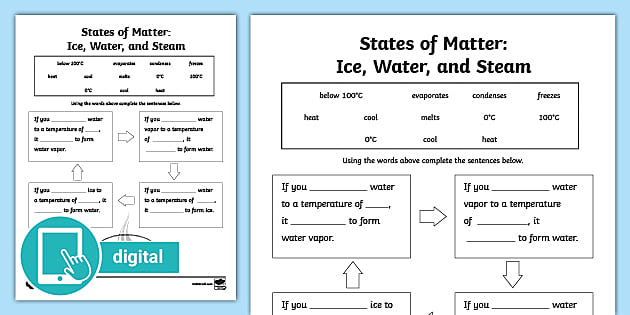
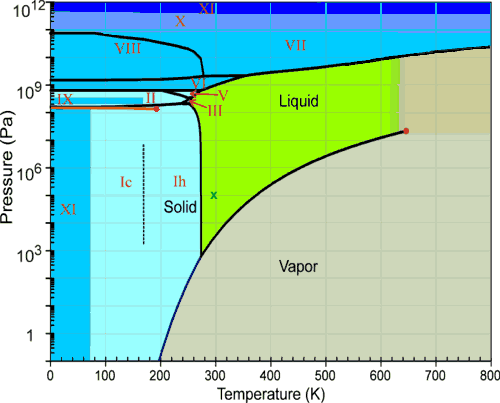
Matter exists in several physical states depending on temperature and pressure.
Solid
In solids, particles are tightly packed in a fixed structure. Solids have definite shape and volume.
Examples:
- Ice
- Wood
- Metals
- Rocks
Liquid
Liquids have a definite volume but no fixed shape. They take the shape of their container.
Examples:
- Water
- Oil
- Alcohol
Particles in liquids are close together but can move around each other.
Gas
Gases have neither fixed shape nor fixed volume. They expand to fill their container.
Examples:
- Oxygen
- Nitrogen
- Carbon dioxide
Gas particles move freely and are widely spaced.
Plasma
Plasma is an ionized state of matter where atoms lose electrons and become charged particles.
Examples:
- Lightning
- The Sun and stars
- Neon lights
4. Physical and Chemical Properties
Properties describe the characteristics of matter.
Physical Properties
Physical properties can be observed without changing the chemical identity of a substance.
Examples include:
- Color
- Density
- Melting point
- Boiling point
- Solubility
- Electrical conductivity
For instance, water boiling at 100°C is a physical property.
Chemical Properties
Chemical properties describe how a substance reacts to form new substances.
Examples include:
- Flammability
- Reactivity with oxygen
- Acidity or basicity
- Corrosion behavior
Rusting of iron is a chemical property.
5. Physical and Chemical Changes
Matter undergoes two main types of changes.
Physical Change
A physical change alters the form or appearance of a substance but not its chemical composition.
Examples:
- Melting ice
- Boiling water
- Breaking glass
- Dissolving sugar in water
The original substance remains chemically unchanged.
Chemical Change
A chemical change produces new substances with different properties.
Examples:
- Burning wood
- Rusting iron
- Cooking food
- Fermentation
Chemical reactions involve breaking and forming chemical bonds.
6. Atoms: The Building Blocks of Matter


Atoms are the smallest units of matter that retain the properties of an element.
The concept of atoms dates back to ancient Greek philosophers but was scientifically developed in the 19th and 20th centuries.
Structure of an Atom
Atoms consist of three primary subatomic particles.
Protons
Protons carry a positive charge and are located in the nucleus.
Neutrons
Neutrons have no electric charge and also reside in the nucleus.
Electrons
Electrons carry a negative charge and orbit the nucleus in energy levels or orbitals.
The nucleus contains most of the atom’s mass.
7. Elements, Compounds, and Mixtures
Matter can be classified into three categories.
Elements
An element is a pure substance made of only one type of atom.
Examples:
- Hydrogen
- Oxygen
- Carbon
- Iron
- Gold
There are more than 100 known elements.
Compounds
Compounds are substances formed when two or more elements combine chemically in fixed ratios.
Examples:
- Water (H₂O)
- Carbon dioxide (CO₂)
- Sodium chloride (NaCl)
Compounds have properties different from the elements that form them.
Mixtures
Mixtures are combinations of substances that are physically combined but not chemically bonded.
Examples:
- Air
- Saltwater
- Soil
- Alloys
Mixtures can be separated by physical methods such as filtration, distillation, or evaporation.
8. The Periodic Table


The periodic table is a systematic arrangement of chemical elements based on their atomic number and properties.
It was first organized by the Russian chemist Dmitri Mendeleev in 1869.
Structure of the Periodic Table
The periodic table consists of:
Periods
Horizontal rows in the periodic table.
Groups
Vertical columns where elements share similar chemical properties.
For example:
- Group 1: Alkali metals
- Group 17: Halogens
- Group 18: Noble gases
The periodic table allows scientists to predict properties and reactions of elements.
9. Chemical Bonds
Atoms combine with each other to form molecules through chemical bonds.
Ionic Bonds
Ionic bonds occur when electrons are transferred from one atom to another.
Example:
Sodium chloride (NaCl)
One atom loses an electron and becomes positive, while the other gains an electron and becomes negative.
Covalent Bonds
Covalent bonds form when atoms share electrons.
Examples:
- Water (H₂O)
- Oxygen (O₂)
- Methane (CH₄)
Metallic Bonds
Metallic bonding occurs in metals where electrons move freely among metal atoms, creating electrical conductivity.
Examples include iron, copper, and aluminum.
10. Chemical Reactions


A chemical reaction is a process in which substances transform into new substances.
The substances that start the reaction are called reactants, and the substances produced are called products.
Example reaction:
Hydrogen + Oxygen → Water
Chemical reactions involve:
- Breaking existing chemical bonds
- Forming new bonds
- Rearranging atoms
Types of chemical reactions include:
- Synthesis reactions
- Decomposition reactions
- Single replacement reactions
- Double replacement reactions
- Combustion reactions
11. Branches of Chemistry
Chemistry is divided into several major branches.
Organic Chemistry
Study of carbon-containing compounds such as hydrocarbons, alcohols, and polymers.
Inorganic Chemistry
Study of inorganic substances such as metals, minerals, and salts.
Physical Chemistry
Focuses on the physical principles governing chemical systems, including thermodynamics and quantum mechanics.
Analytical Chemistry
Concerned with determining the composition of substances using techniques like spectroscopy and chromatography.
Biochemistry
Study of chemical processes in living organisms, including proteins, enzymes, DNA, and metabolism.
12. The Scientific Method in Chemistry
Chemists use the scientific method to investigate phenomena.
Steps include:
- Observation
- Formulating a hypothesis
- Experimentation
- Data analysis
- Drawing conclusions
- Developing theories
This systematic approach ensures reliable and reproducible results.
13. Laboratory Safety
Safety is essential in chemistry laboratories.
Common safety practices include:
- Wearing protective goggles
- Using gloves and lab coats
- Proper chemical storage
- Labeling chemicals clearly
- Using fume hoods for toxic substances
- Proper waste disposal
Laboratory safety minimizes accidents and exposure to hazardous chemicals.
14. Chemistry and Future Technologies
Chemistry will continue to drive future scientific advancements.
Emerging areas include:
- Nanotechnology
- Green chemistry
- Renewable energy
- Drug discovery
- Advanced materials
- Artificial photosynthesis
- Sustainable chemical manufacturing
These innovations aim to solve global challenges such as climate change, energy shortages, and disease.
15. Conclusion
Chemistry provides a fundamental understanding of the material world. By studying atoms, molecules, and chemical reactions, chemists uncover the principles that govern matter and energy.
From everyday activities such as cooking and cleaning to advanced technologies like pharmaceuticals and renewable energy systems, chemistry plays a crucial role in shaping modern civilization.
Understanding the introduction to chemistry lays the foundation for exploring deeper topics such as atomic theory, thermodynamics, organic synthesis, quantum chemistry, and biochemical processes.
Through continuous research and discovery, chemistry remains one of the most dynamic and impactful scientific disciplines.