
🌍 Introduction to Human Values




Human values are the fundamental beliefs, principles, and standards that guide human behavior, decisions, and interactions. They represent what individuals and societies consider important, desirable, and worthwhile in life. These values influence how people think, act, and relate to others, forming the foundation of ethical conduct and social harmony.
At their core, human values define what is right and wrong, good and bad, acceptable and unacceptable. They shape personality, character, and identity, and play a crucial role in creating a peaceful and sustainable society.
Human values are not just abstract ideas; they are lived experiences reflected in everyday actions such as honesty, kindness, respect, and responsibility. They help individuals make meaningful choices and lead a purposeful life.
🧭 Meaning of Human Values
🔹 Definition of Human Values
Human values can be defined as:
“Enduring beliefs or principles that guide behavior, influence decision-making, and help individuals distinguish between right and wrong.”
These values act as internal guides or moral compasses that direct human actions toward desirable goals.
🔹 Key Aspects of Meaning
1. Guiding Principles
Human values serve as standards for behavior, helping individuals decide how to act in different situations.
2. Basis of Judgment
They enable individuals to evaluate actions, ideas, and situations as good or bad.
3. Social Relevance
Values are shared within societies and contribute to social order and harmony.
4. Personal Significance
They are deeply rooted in individual beliefs and experiences.
🔹 Examples of Human Values
- Honesty
- Integrity
- Respect
- Love
- Compassion
- Justice
- Responsibility
- Cooperation
- Tolerance
- Kindness
🌿 Nature of Human Values
The nature of human values refers to their characteristics, features, and inherent qualities that define how they function in human life and society.
🔹 1. Universal Nature


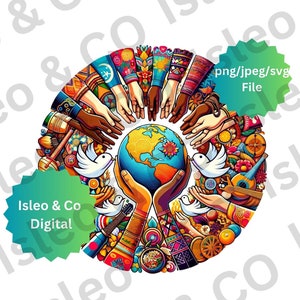

Human values are universal in the sense that they are recognized across cultures and societies.
- Values like truth, love, and peace are accepted worldwide
- Promote global harmony
🔹 2. Dynamic and Evolving


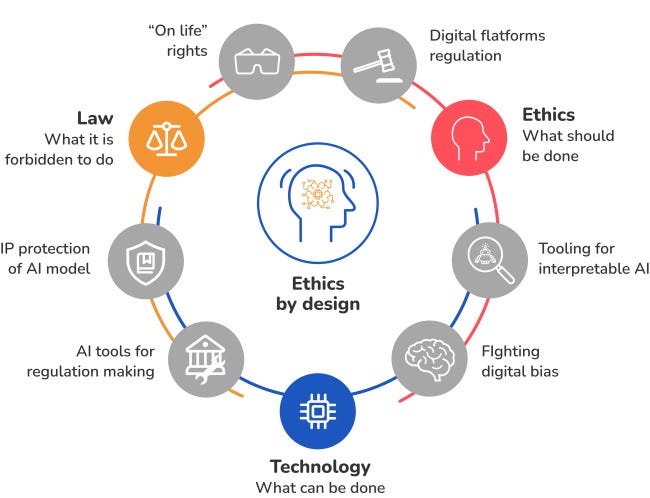
Values are not static; they change over time due to:
- Cultural shifts
- Technological advancements
- Social transformations
Example: Changing attitudes toward gender roles.
🔹 3. Learned and Acquired

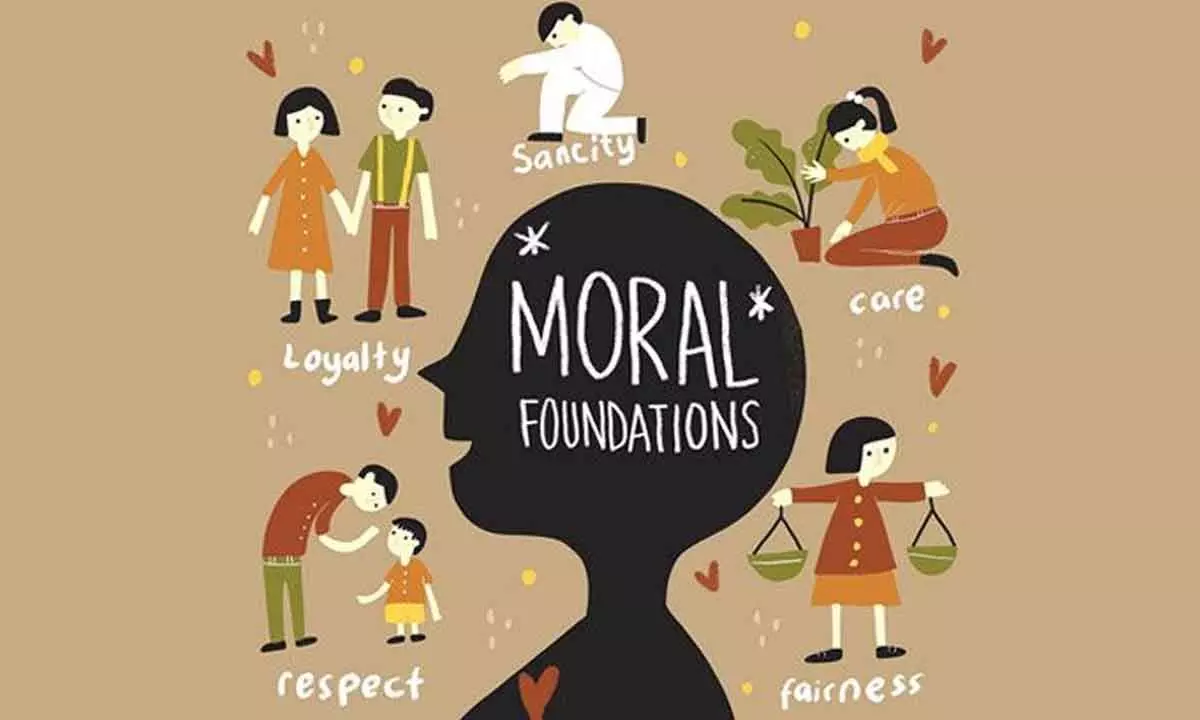

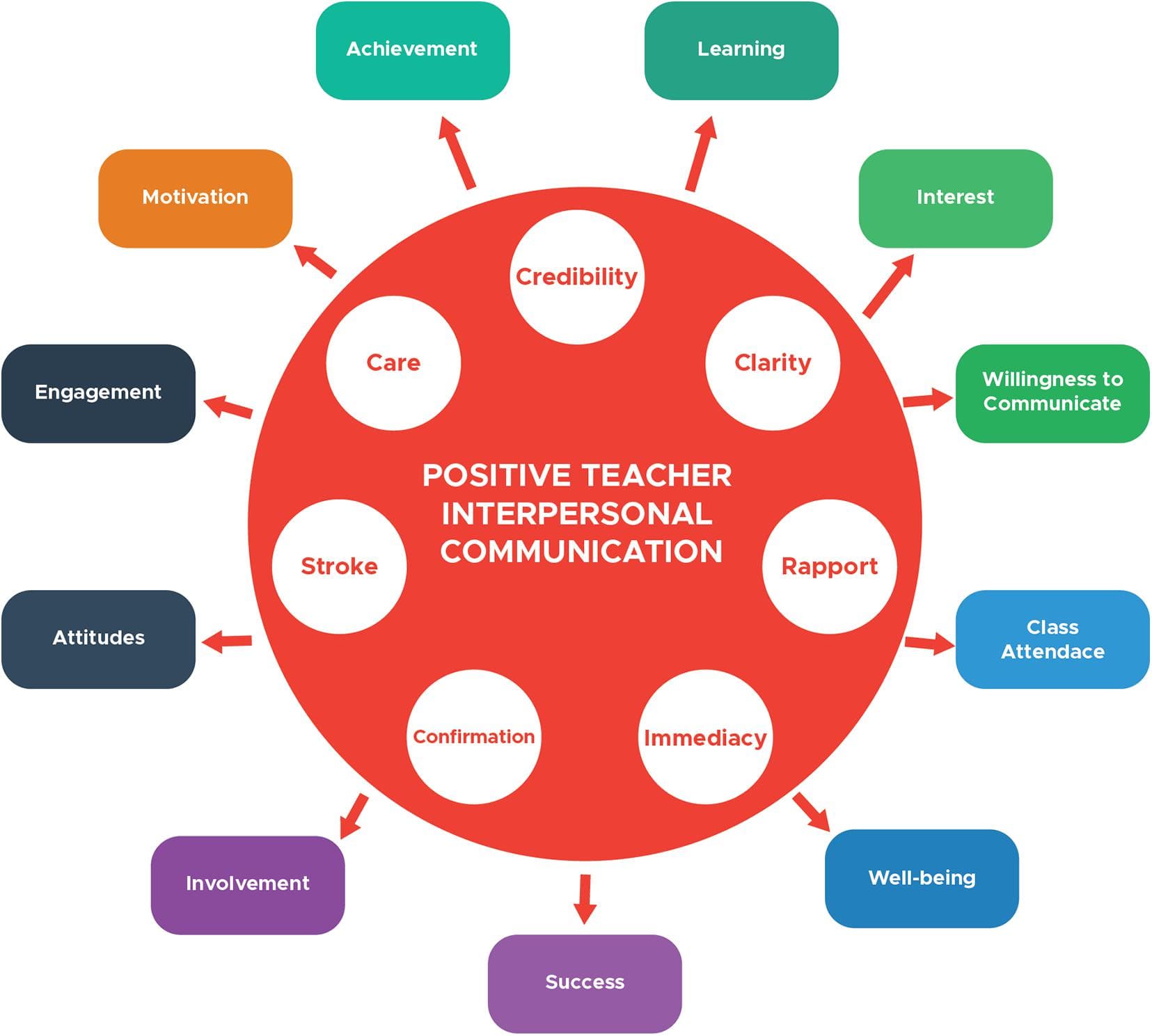
Human values are not innate but learned through:
- Family upbringing
- Education
- Society
- Personal experiences
🔹 4. Abstract and Intangible


Values cannot be seen or touched but are reflected in behavior.
- Exist as ideas and beliefs
- Manifest through actions
🔹 5. Hierarchical

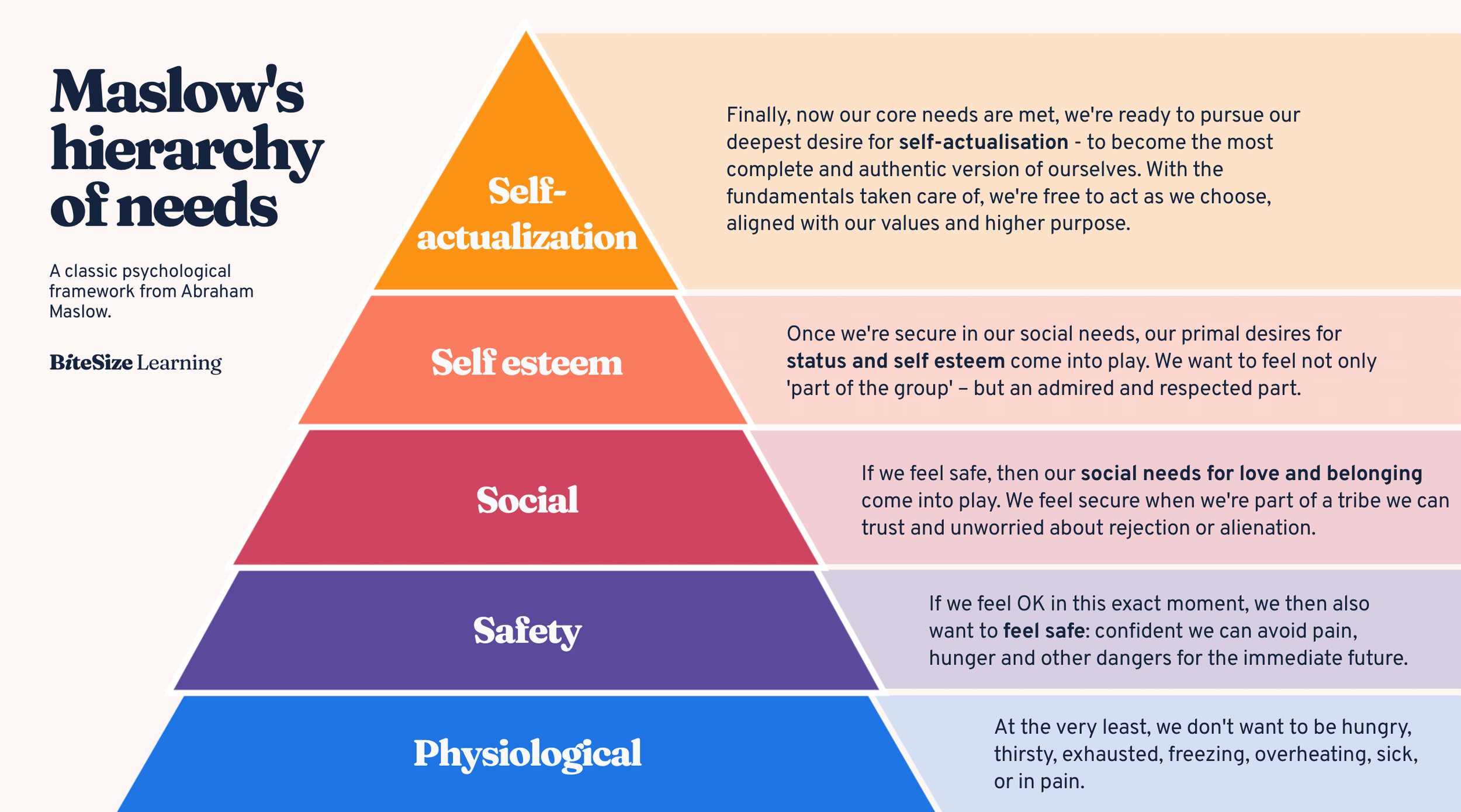
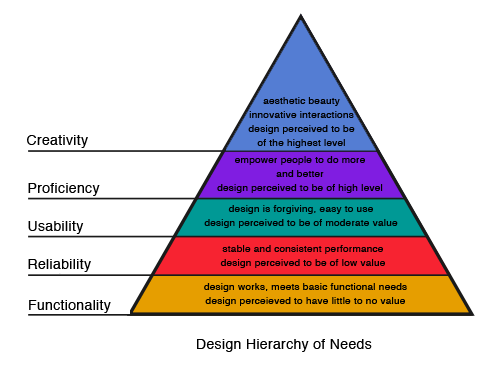

Values are arranged in order of importance:
- Some values are prioritized over others
- Example: A person may value honesty over convenience
🔹 6. Relative yet Absolute
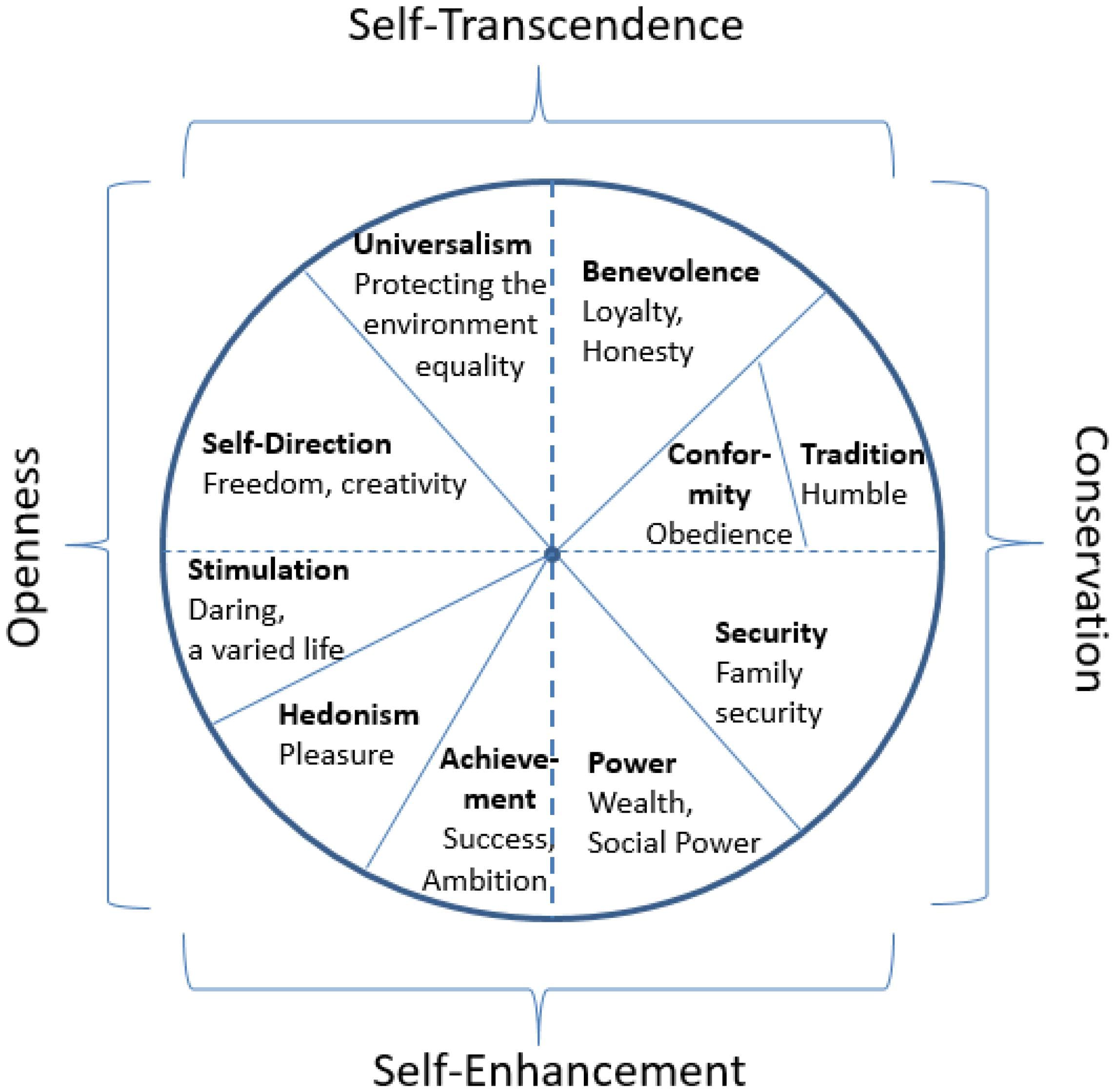


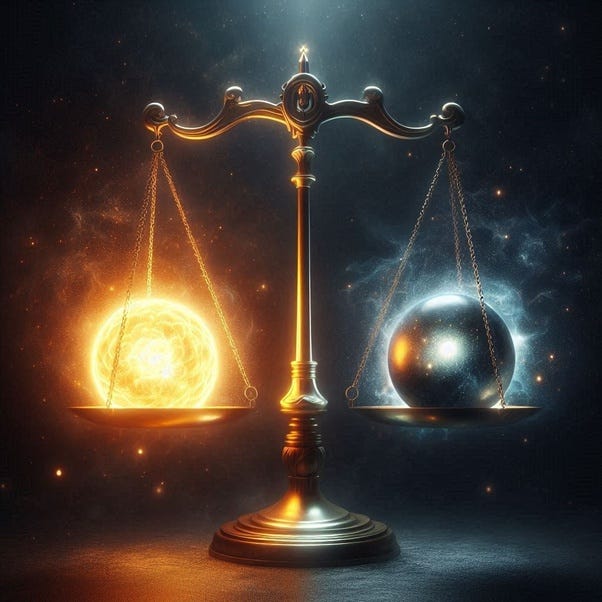
- Some values are relative (vary across cultures)
- Some are absolute (universal, e.g., truth, justice)
🔹 7. Goal-Oriented


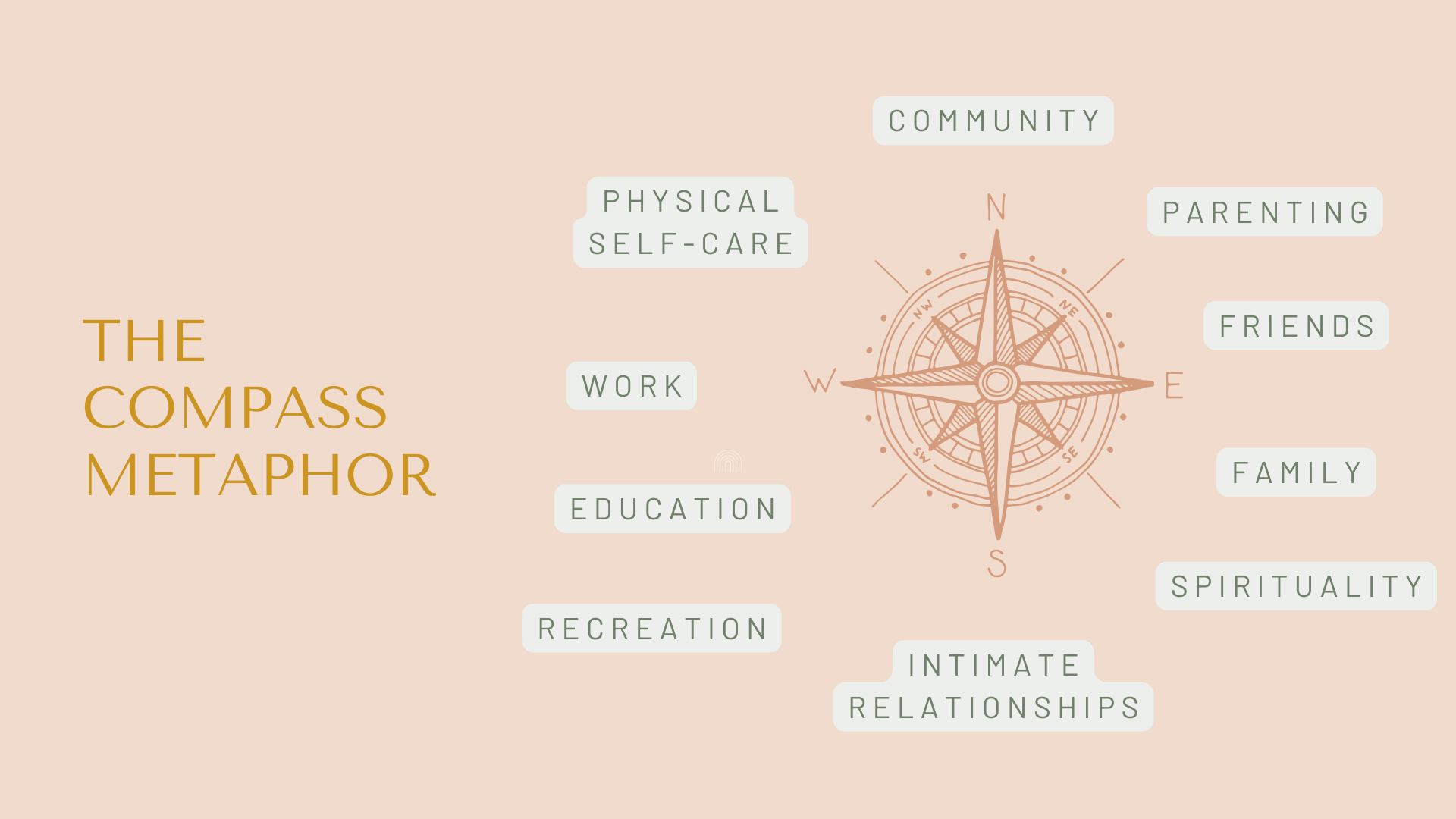

Values guide individuals toward desired goals:
- Provide direction in life
- Help achieve personal and social well-being
🔹 8. Integral to Personality


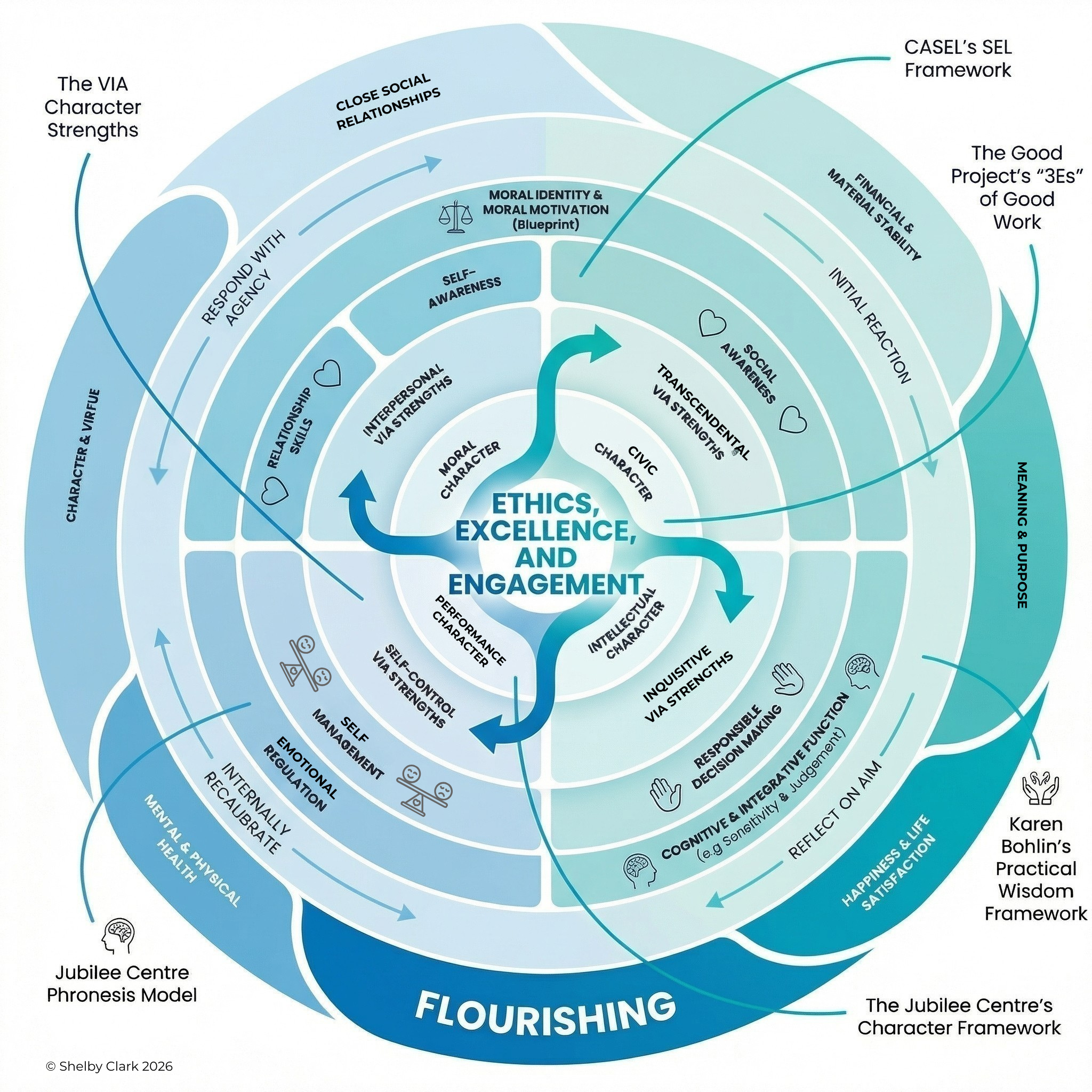
Values shape:
- Character
- Attitudes
- Behavior
They form the core of an individual’s personality.
🌍 Classification of Human Values
🔹 1. Personal Values
- Individual beliefs and principles
- Example: Self-discipline, honesty
🔹 2. Social Values
- Promote social harmony
- Example: Cooperation, equality
🔹 3. Moral Values
- Concern right and wrong
- Example: Justice, integrity
🔹 4. Cultural Values
- Derived from traditions
- Example: Respect for customs
🔹 5. Spiritual Values
- Related to inner peace and purpose
- Example: Faith, compassion
🔹 6. Ethical Values
- Guide professional and social conduct
- Example: Accountability, fairness
🧠 Importance of Human Values
🔹 1. Personal Development
- Builds strong character
- Enhances self-awareness
🔹 2. Social Harmony
- Promotes peaceful coexistence
- Reduces conflicts
🔹 3. Ethical Decision-Making
- Helps in making right choices
🔹 4. Cultural Stability
- Preserves traditions and identity
🔹 5. Global Peace
- Encourages understanding and cooperation
⚖️ Human Values vs Moral Values vs Ethics
| Aspect | Human Values | Moral Values | Ethics |
|---|---|---|---|
| Scope | Broad | Specific | Systematic |
| Nature | Personal & social | Right & wrong | Rules & standards |
| Example | Respect | Honesty | Professional conduct |
🌱 Sources of Human Values
🔹 Family
- First source of value learning
🔹 Education
- Formal teaching of ethics
🔹 Society
- Cultural norms and traditions
🔹 Religion & Philosophy
- Moral teachings
🔹 Media & Technology
- Influence modern values
🌍 Human Values in Modern Society
🔹 Challenges
- Materialism
- Individualism
- Digital distractions
🔹 Need for Value Education
- Essential for balanced development
- Promotes responsible citizenship
🌱 Development of Human Values
🔹 Methods:
- Value-based education
- Role models
- Life experiences
- Reflection and self-awareness
🌍 Role of Human Values in Sustainable Development
- Promote environmental responsibility
- Encourage ethical resource use
- Support social justice
🧩 Human Values and Emotional Intelligence
- Empathy
- Self-regulation
- Social skills
Values enhance emotional intelligence and vice versa.
🌟 Conclusion
Human values are the foundation of a meaningful and harmonious life. They guide human behavior, shape personality, and ensure social stability. The nature of human values—being universal, dynamic, learned, and goal-oriented—makes them essential for both individual growth and societal progress.
In today’s rapidly changing world, strengthening human values is more important than ever. They help individuals navigate complexities, make ethical decisions, and contribute positively to society. By understanding and practicing human values, we can build a more compassionate, just, and sustainable world.