


Introduction
Rotational dynamics is the branch of classical mechanics that studies the motion of rotating objects and the forces or torques that cause changes in rotational motion. It is the rotational counterpart of linear dynamics, which deals with motion along straight paths.
In rotational dynamics, physical quantities such as angular displacement, angular velocity, angular acceleration, torque, and moment of inertia describe the motion of rotating bodies. Just as Newton’s laws govern translational motion, similar laws apply to rotational motion.
Rotational dynamics plays a crucial role in many areas of physics and engineering, including:
- Mechanical engineering
- Aerospace engineering
- Robotics
- Astronomy
- Structural design
Many everyday objects undergo rotational motion, such as:
- Wheels of vehicles
- Rotating fans
- Earth spinning on its axis
- Rotating machinery
Understanding rotational dynamics helps explain how rotating systems behave under the influence of forces and how energy and momentum are conserved in such systems.
Rotational Motion



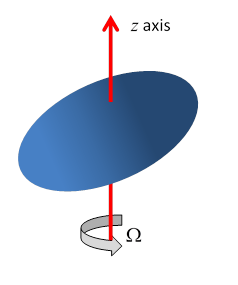
Rotational motion occurs when an object rotates around a fixed axis.
Examples include:
- A spinning wheel
- Rotating planets
- Rotating gears in machines
In rotational motion, every point of the object moves in a circular path around the axis of rotation.
Important quantities describing rotational motion include:
- Angular displacement
- Angular velocity
- Angular acceleration
These quantities are analogous to position, velocity, and acceleration in linear motion.
Angular Displacement


Angular displacement measures the change in angular position of a rotating object.
It is represented by the symbol:
[
\theta
]
Angular displacement is measured in radians.
[
1 \text{ radian} = \frac{180}{\pi} \text{ degrees}
]
Angular displacement indicates how far an object has rotated relative to its initial position.
Angular Velocity


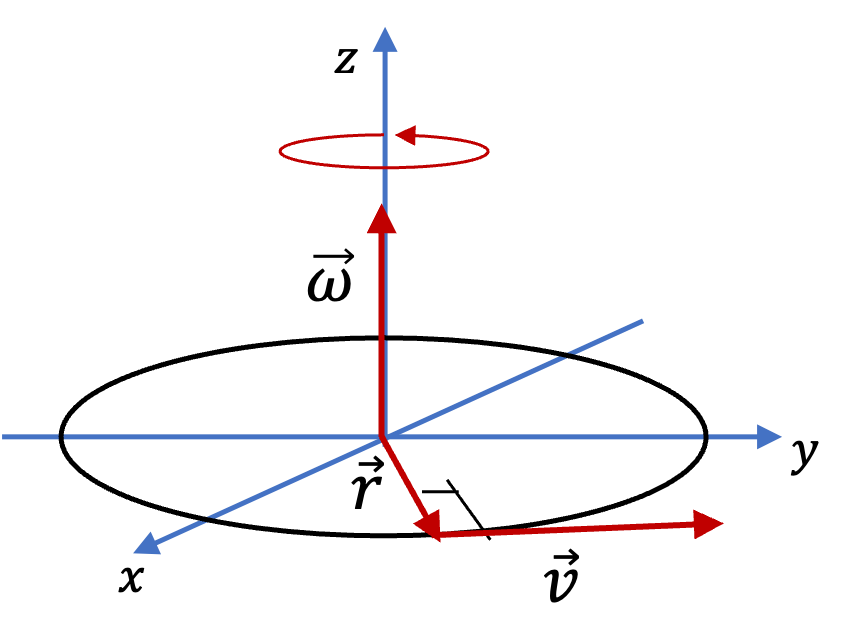
Angular velocity describes how fast an object rotates.
It is defined as:
[
\omega = \frac{d\theta}{dt}
]
Where:
- ( \omega ) = angular velocity
- ( \theta ) = angular displacement
Unit:
[
\text{radians per second}
]
Angular velocity is related to linear velocity by:
[
v = r\omega
]
Where (r) is the radius of the circular path.
Angular Acceleration
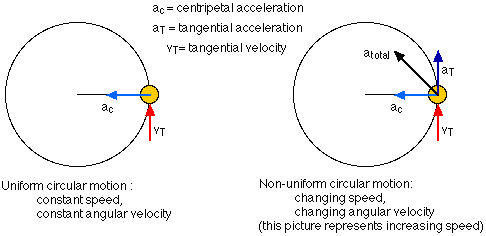
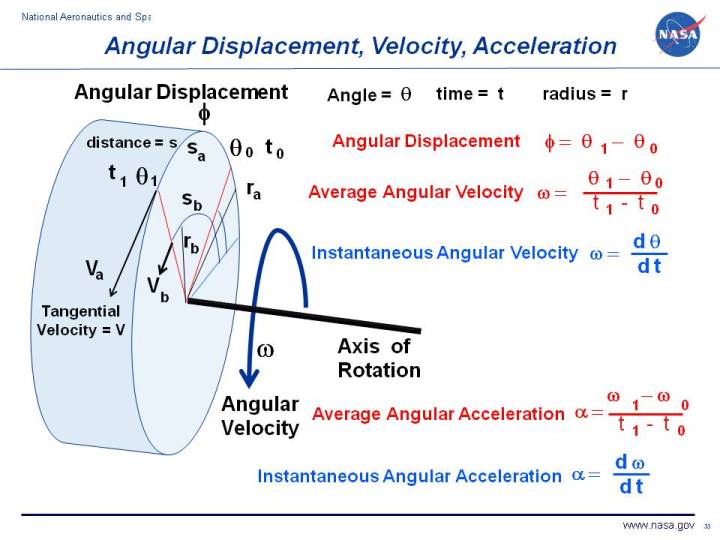

Angular acceleration measures the rate of change of angular velocity.
[
\alpha = \frac{d\omega}{dt}
]
Where:
- ( \alpha ) = angular acceleration
Unit:
[
\text{rad/s}^2
]
Angular acceleration determines how quickly the rotational speed changes.
Torque

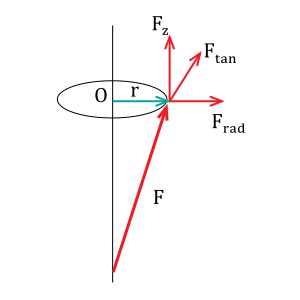

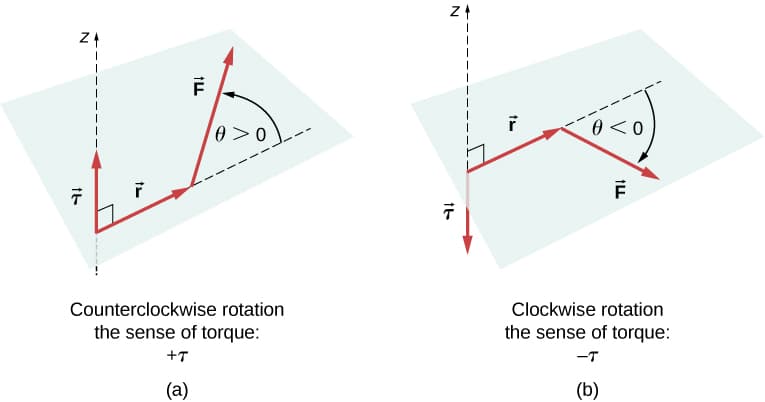
Torque is the rotational equivalent of force.
It measures the tendency of a force to cause rotation.
[
\tau = r \times F
]
Where:
- ( \tau ) = torque
- ( r ) = distance from axis
- ( F ) = applied force
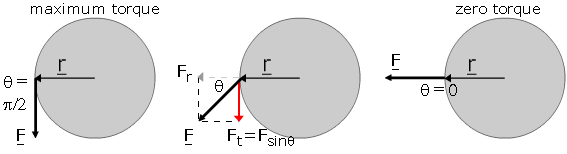
Torque depends on:
- Magnitude of the force
- Distance from the axis
- Angle of application
Torque determines how strongly a force can rotate an object.
Moment of Inertia
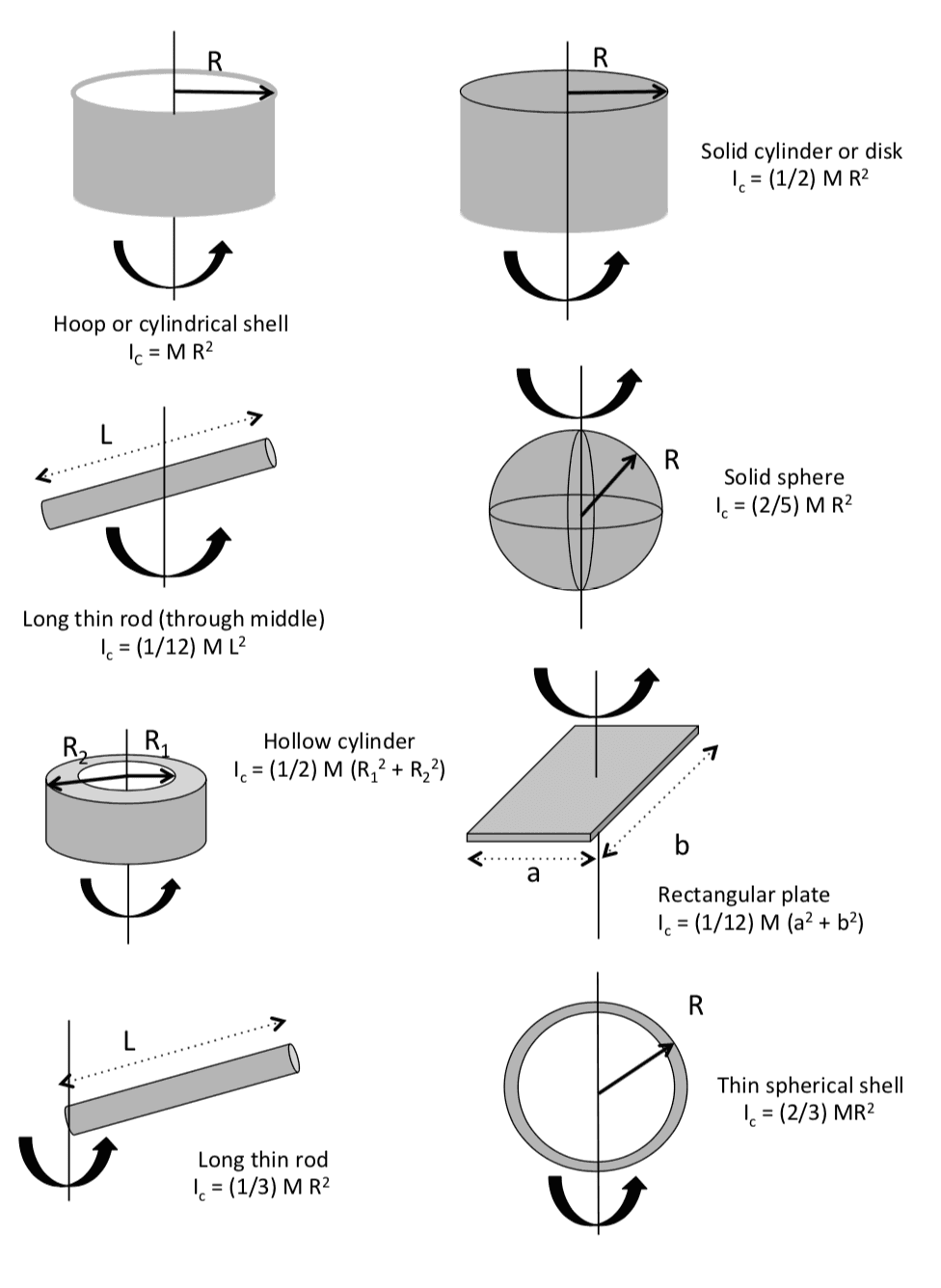

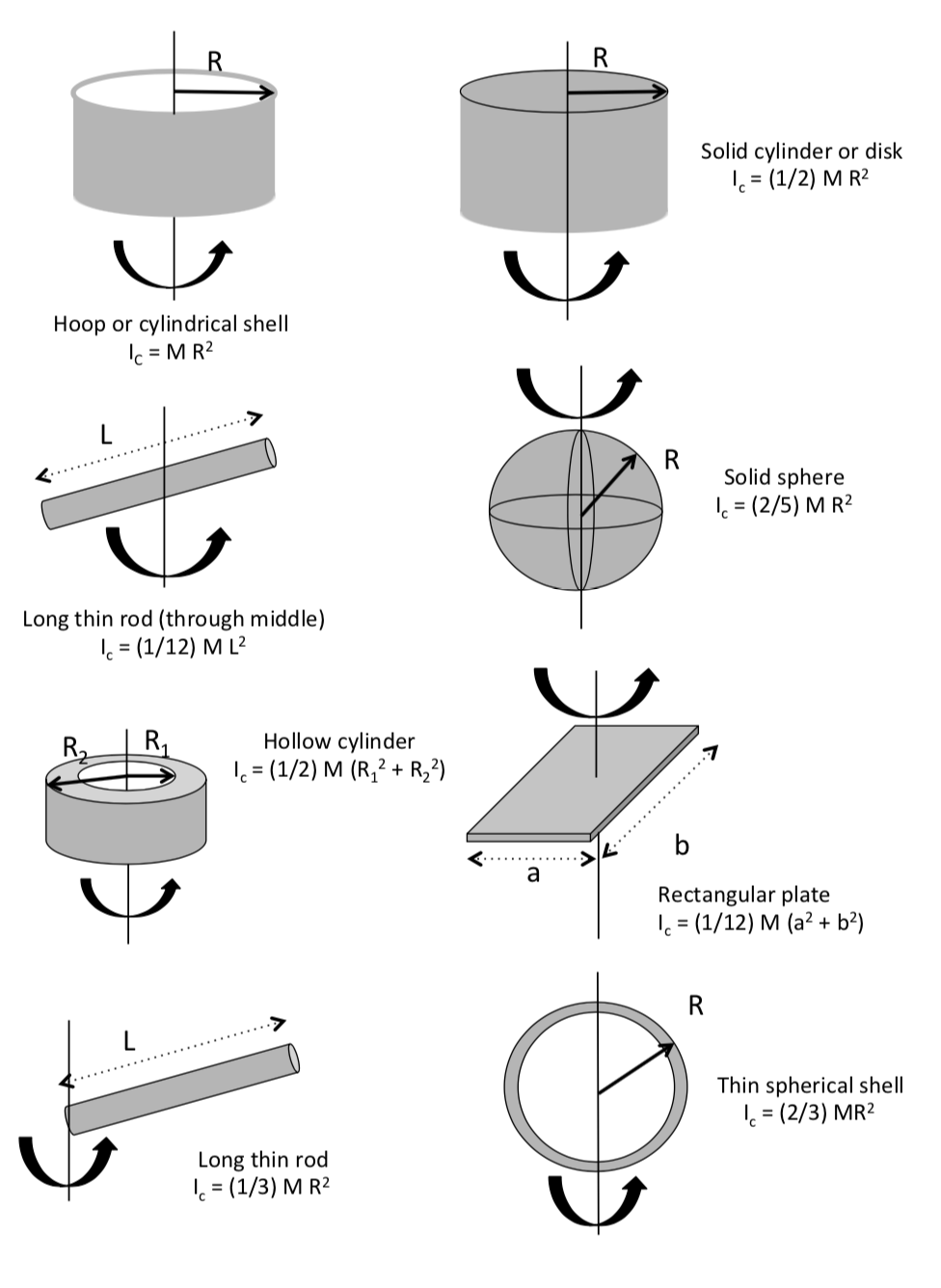

The moment of inertia describes how mass is distributed relative to the axis of rotation.
It is the rotational analogue of mass in linear motion.
[
I = \sum m r^2
]
Where:
- (I) = moment of inertia
- (m) = mass
- (r) = distance from axis
Objects with mass farther from the axis have larger moments of inertia.
Newton’s Second Law for Rotation
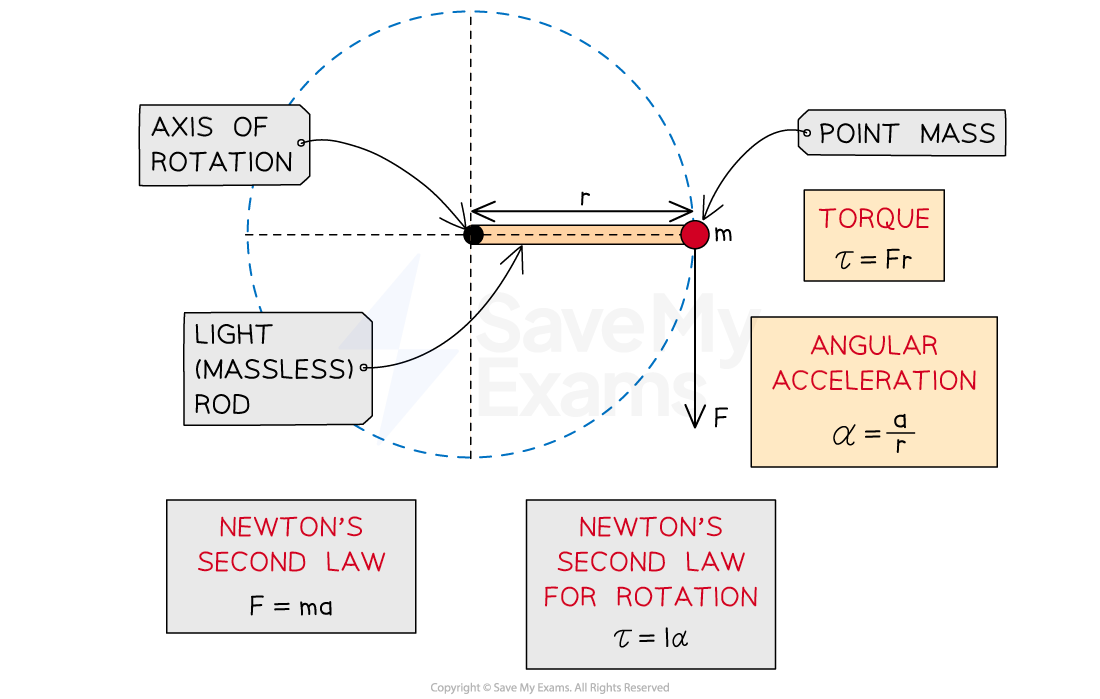

Newton’s second law for rotational motion is:
[
\tau = I\alpha
]
Where:
- ( \tau ) = torque
- (I) = moment of inertia
- ( \alpha ) = angular acceleration
This equation describes how torque causes rotational acceleration.
Rotational Kinetic Energy


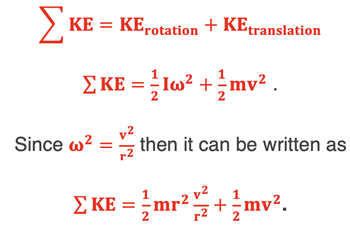
Rotating objects possess rotational kinetic energy.
[
K = \frac{1}{2} I \omega^2
]
Where:
- (K) = rotational kinetic energy
- (I) = moment of inertia
- ( \omega ) = angular velocity
This energy represents the energy of rotation.
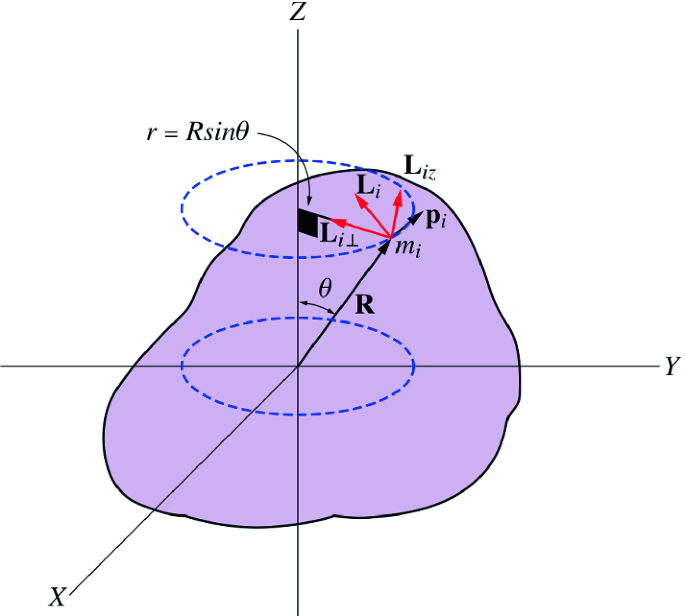
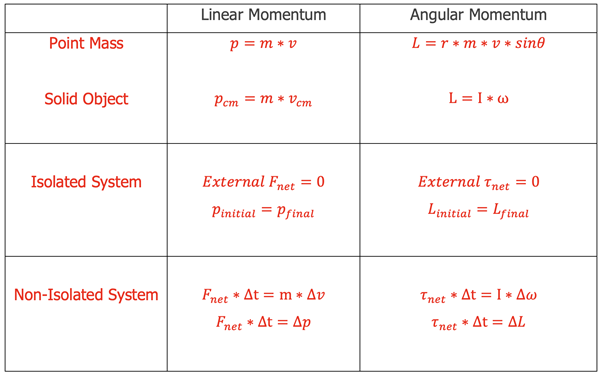
Angular Momentum


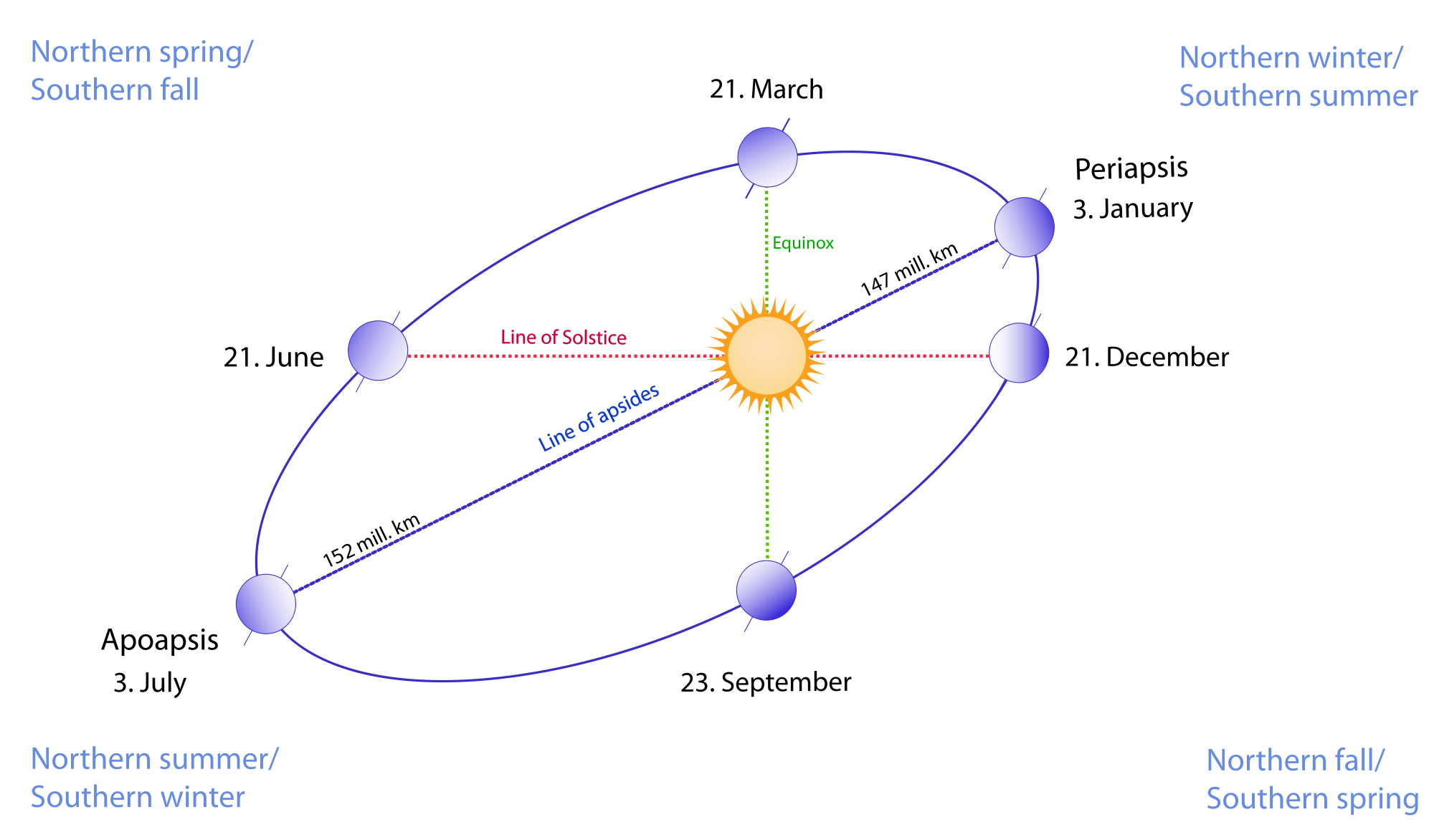
Angular momentum is a quantity that describes rotational motion.
[
L = I\omega
]
Where:
- (L) = angular momentum
Angular momentum is conserved when no external torque acts on the system.
Examples include:
- Spinning figure skaters
- Planetary orbits
- Rotating galaxies
Rolling Motion


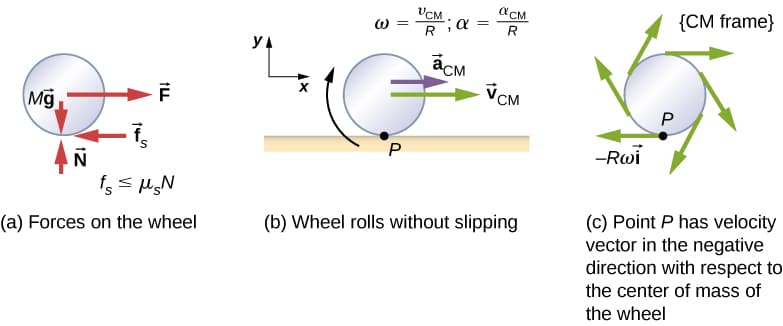
Rolling motion combines translation and rotation.
For rolling without slipping:
[
v = r\omega
]
The total kinetic energy includes both:
- Translational energy
- Rotational energy
This type of motion is common in vehicles and moving wheels.
Applications of Rotational Dynamics


Rotational dynamics is widely used in many technologies.
Gyroscopes
Used in navigation systems.
Wind Turbines
Convert rotational motion into electricity.
Machinery
Gears and rotating shafts operate using rotational principles.
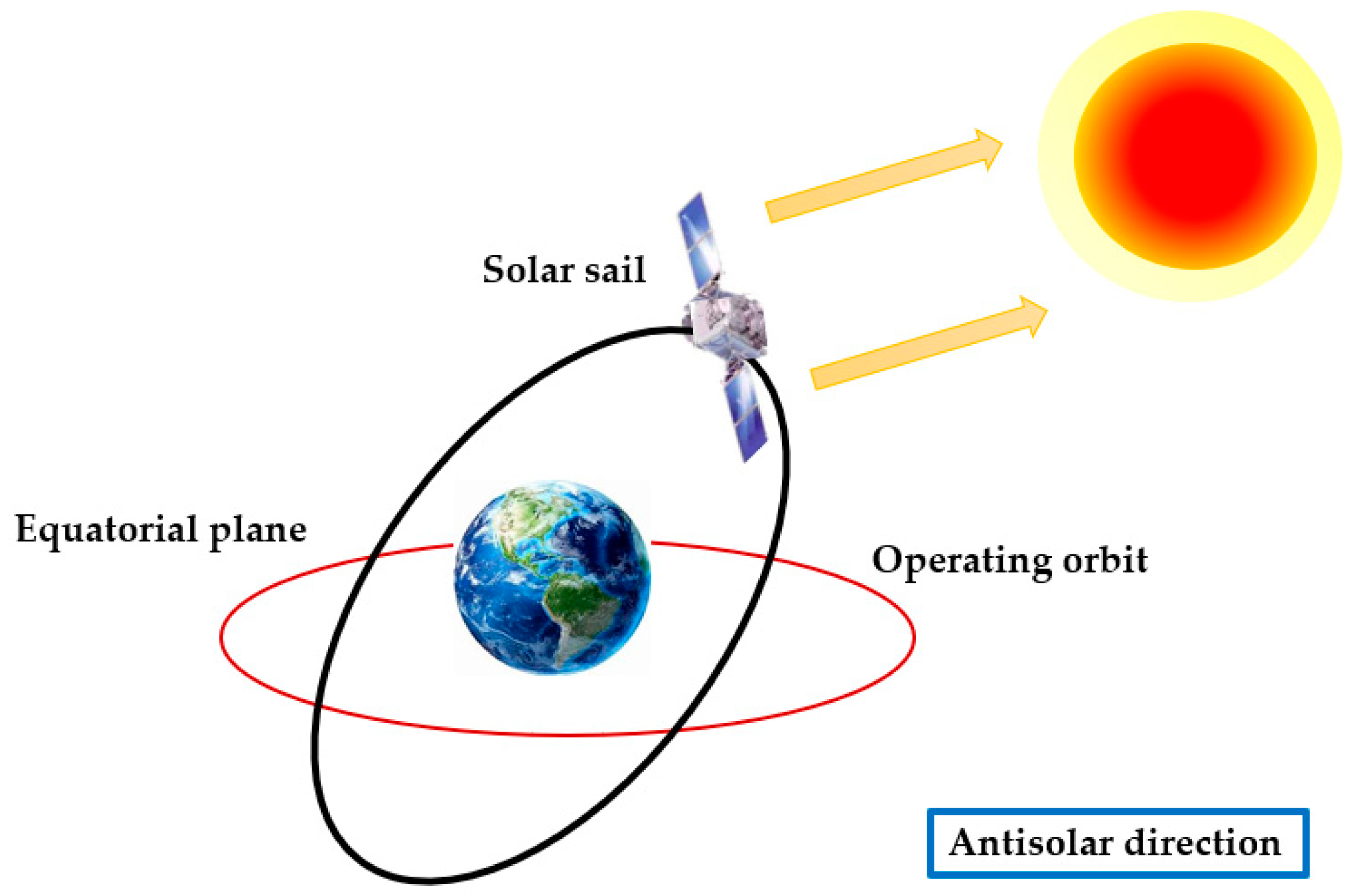
Aerospace Engineering
Satellite orientation relies on rotational dynamics.
Importance of Rotational Dynamics
Rotational dynamics is essential for understanding systems that involve rotation.
It explains phenomena such as:
- Stability of rotating objects
- Conservation of angular momentum
- Energy transfer in rotating systems
- Motion of planets and galaxies
It is fundamental in both theoretical physics and engineering.
Conclusion
Rotational dynamics studies the motion of rotating bodies and the torques that influence their motion. It introduces quantities such as angular displacement, angular velocity, angular acceleration, torque, moment of inertia, and angular momentum.
The laws governing rotational motion are analogous to those governing linear motion, with torque playing the role of force and moment of inertia acting as the rotational equivalent of mass.
Understanding rotational dynamics is essential for analyzing many physical systems, from rotating machinery and vehicles to celestial bodies and spacecraft.