


📘 Introduction to Noise Pollution
Noise pollution refers to unwanted, excessive, or disturbing sound that disrupts the normal functioning of living organisms and degrades environmental quality. Unlike other forms of pollution, noise is not visible or tangible, yet its effects are profound and far-reaching.
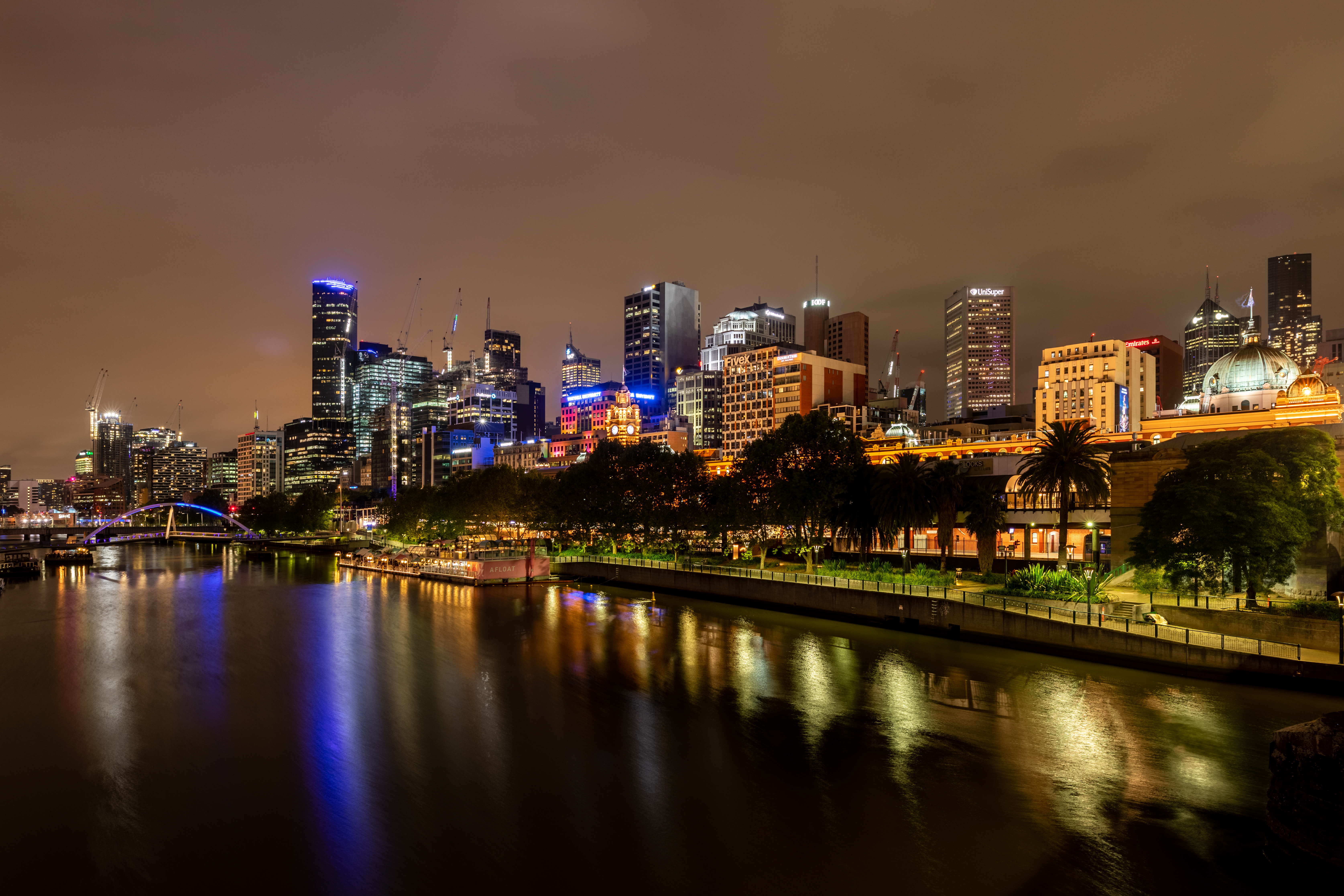
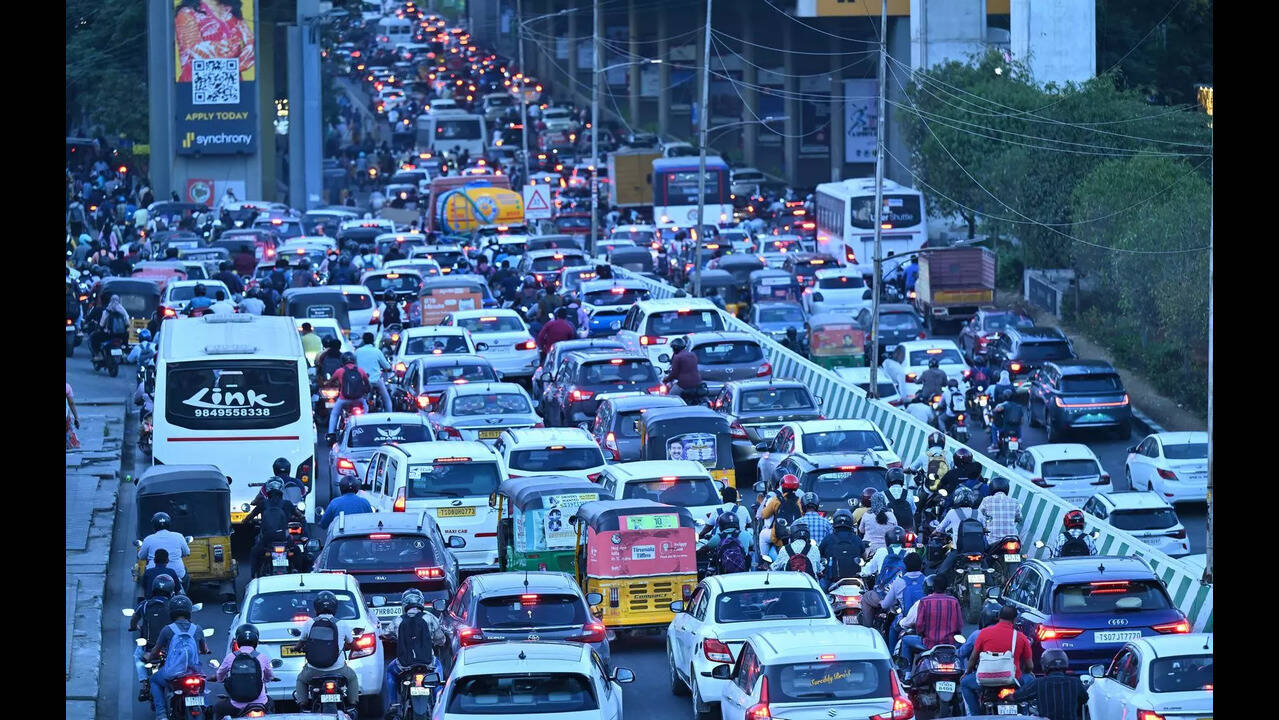
In modern society, rapid urbanization, industrialization, and technological development have significantly increased noise levels. From traffic congestion to construction activities, noise has become a constant part of daily life, especially in urban areas.
Noise pollution is often underestimated, but it has serious implications for:
- Human health
- Wildlife behavior
- Environmental quality
- Social well-being
🌱 Concept and Definition
📖 Definition
Noise pollution is defined as any unwanted or harmful sound that exceeds permissible limits and causes discomfort, stress, or health problems to living beings.
🔑 Key Components:
- Source of sound – Traffic, machinery, loudspeakers
- Transmission medium – Air, water, solids
- Receiver – Humans, animals
- Intensity – Measured in decibels (dB)
🔬 Nature of Sound and Measurement
🎵 What is Sound?
Sound is a form of energy produced by vibrations that travel through a medium such as air.
📏 Measurement of Noise
Noise intensity is measured in decibels (dB).
Typical Noise Levels:
- 30 dB → Quiet room
- 60 dB → Normal conversation
- 85 dB → Heavy traffic
- 120 dB → Jet engine (pain threshold)
⚠️ Permissible Limits (India Example):
- Residential areas: ~55 dB (day), ~45 dB (night)
- Industrial areas: ~75 dB
🌍 Sources of Noise Pollution
Noise pollution originates from natural and human-made sources, with human activities being the primary contributors.
🌿 1. Natural Sources


🔑 Examples:
- Thunderstorms
- Waterfalls
- Volcanic eruptions
These are usually temporary and less harmful.
🏭 2. Anthropogenic Sources


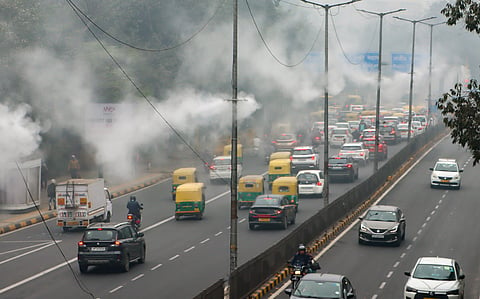
🚗 Traffic Noise
- Vehicles, horns, engines
- Major source in cities
🏗️ Construction Activities
- Drilling
- Hammering
- Heavy machinery
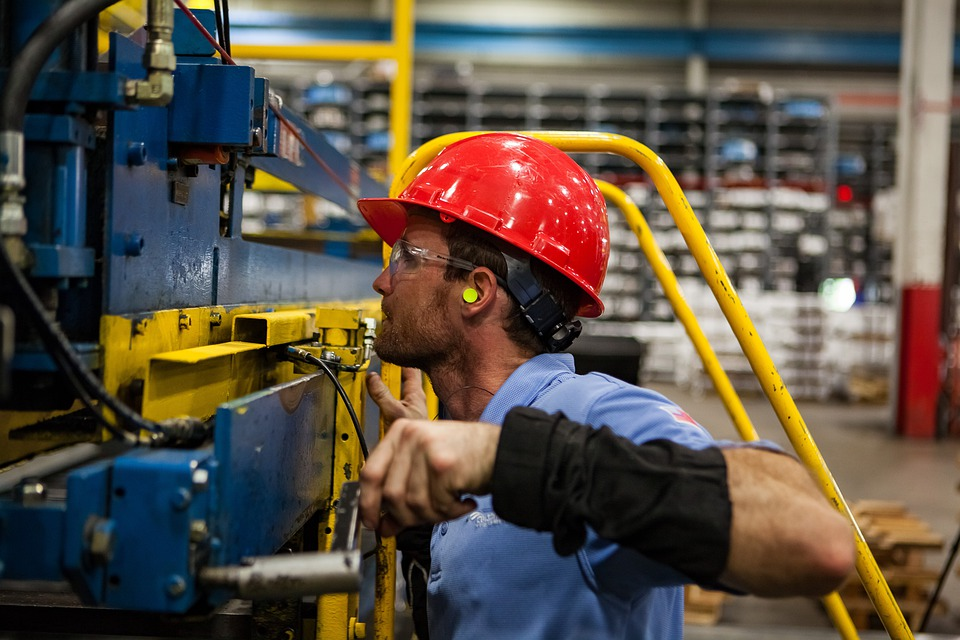
🏭 Industrial Noise
- Factory machines
- Equipment operations
🎉 Social and Cultural Activities
- Loudspeakers
- Festivals
- Public events
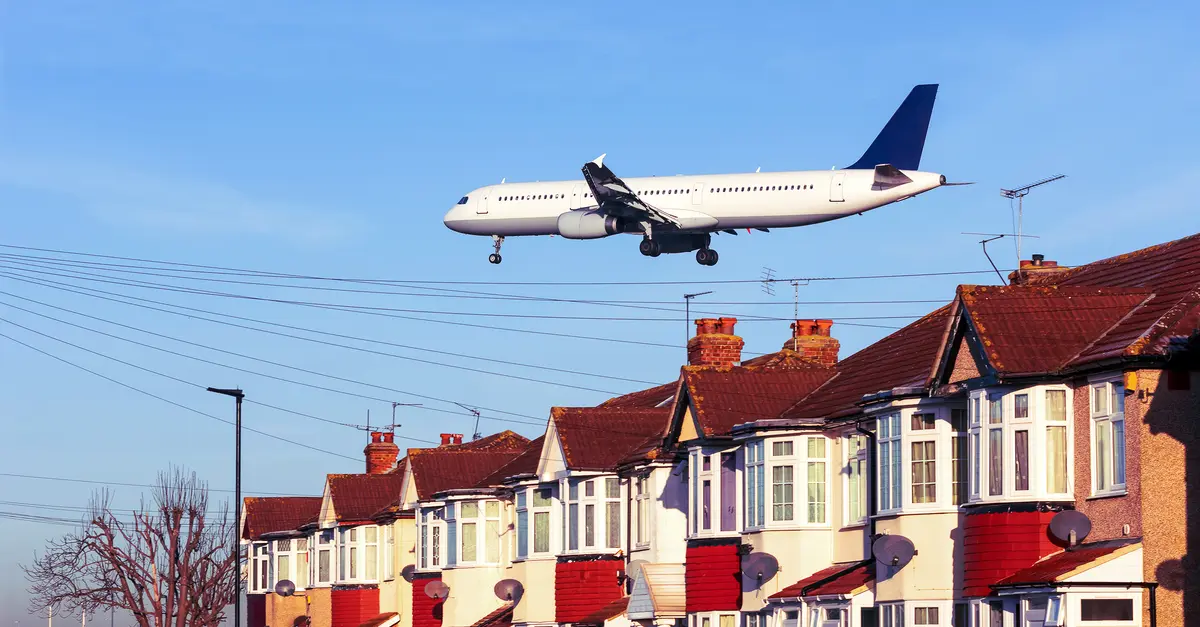
✈️ Aircraft Noise
- Airports
- Aircraft takeoff and landing
🏠 Household Noise
- Appliances
- Music systems
🔬 Types of Noise Pollution
🔁 1. Continuous Noise
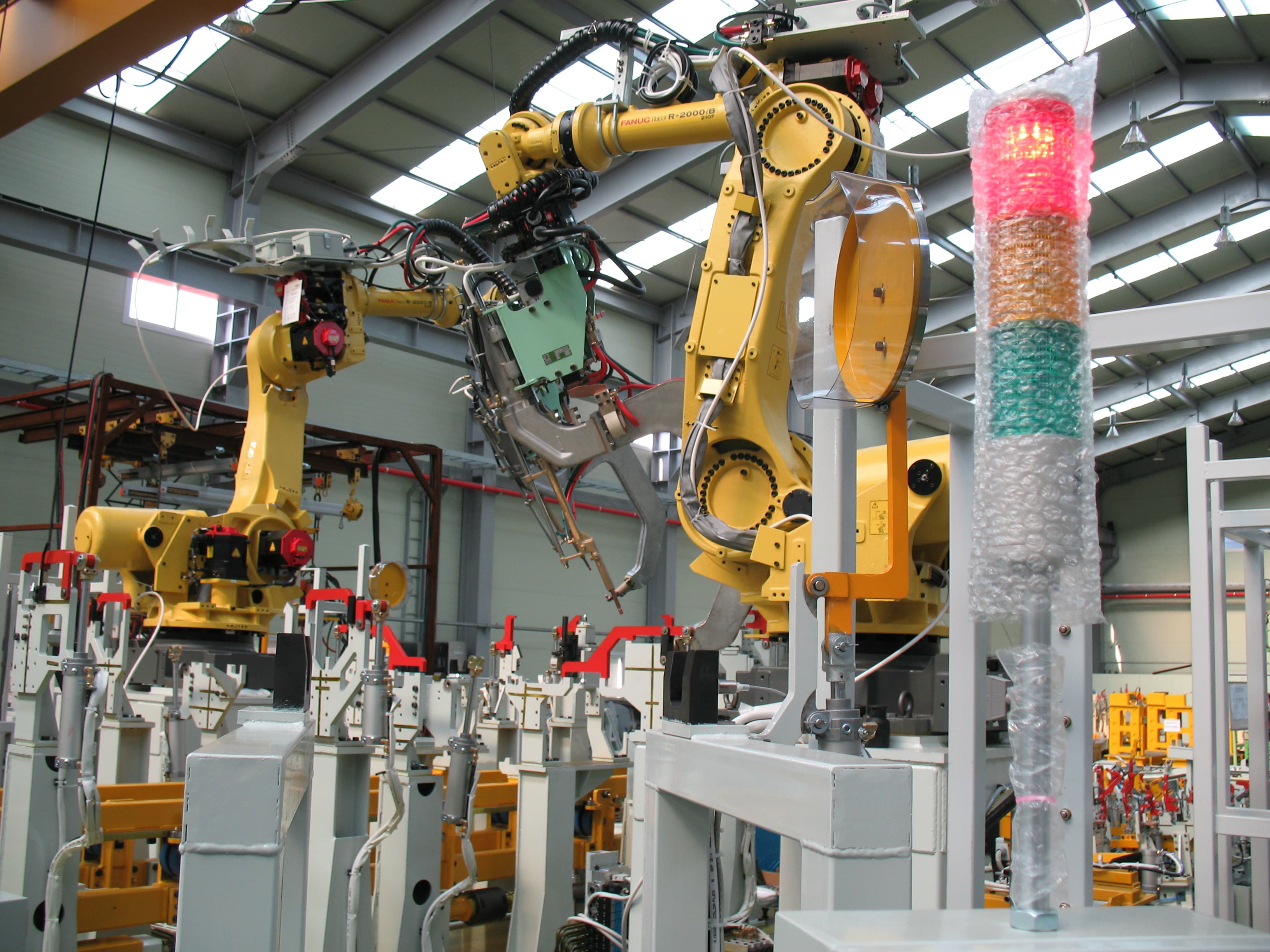

- Constant noise (e.g., machinery)
🔊 2. Intermittent Noise

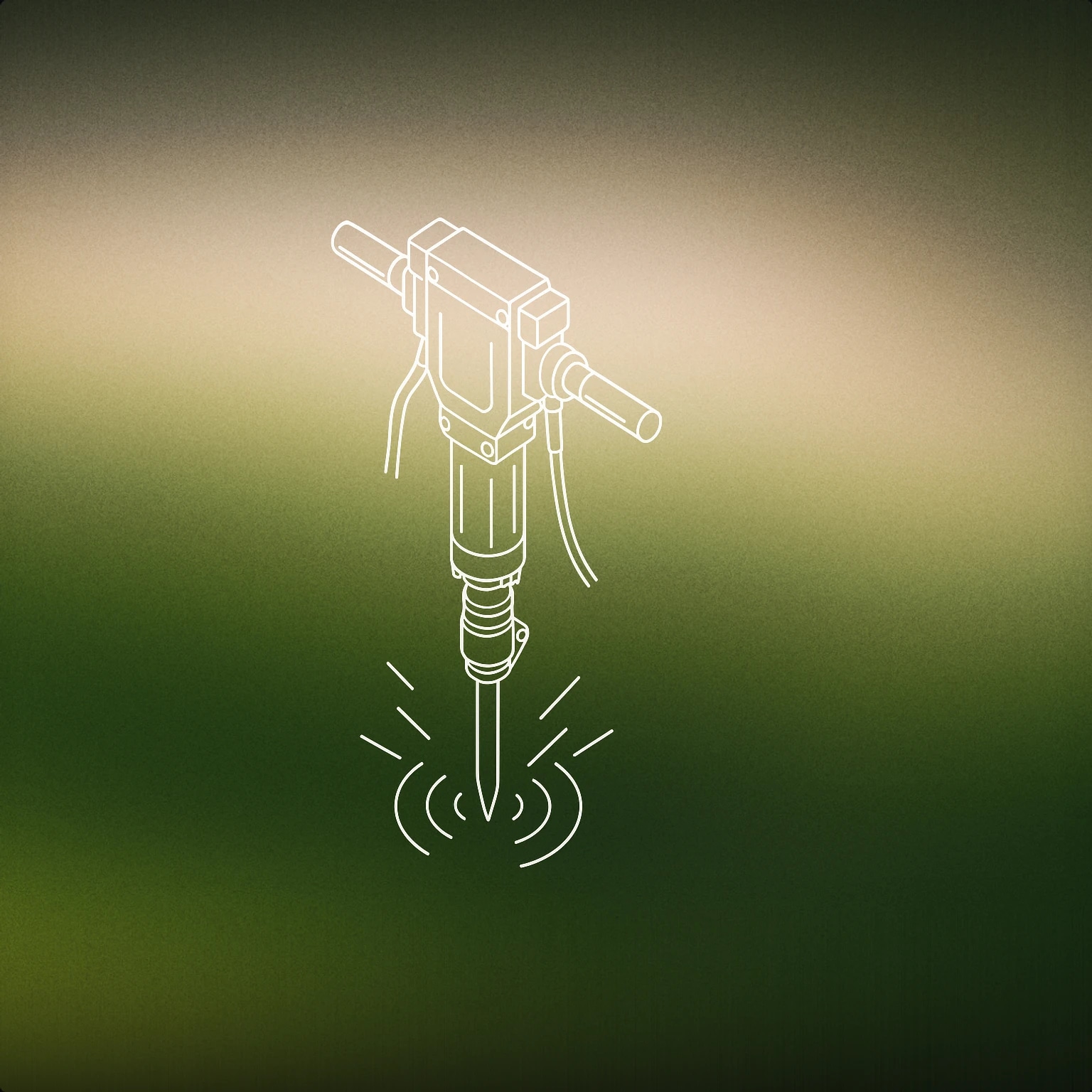
- Occurs at intervals
💥 3. Impulsive Noise
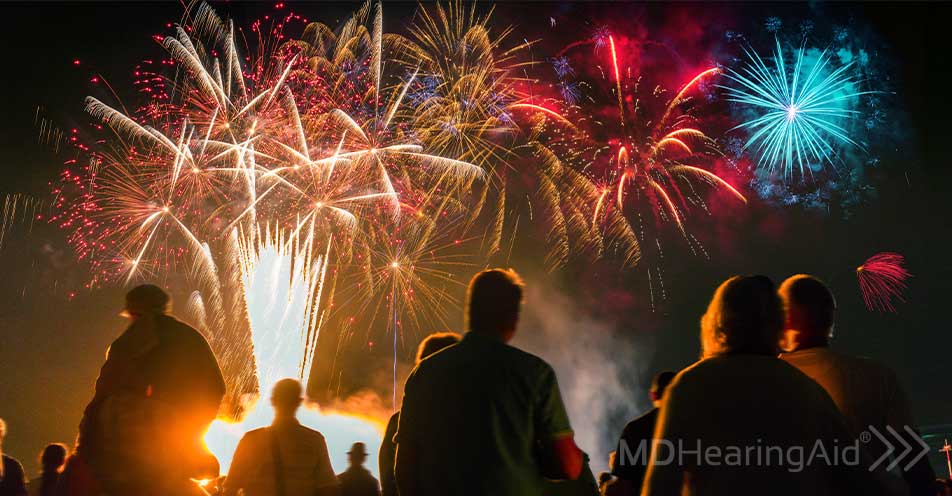
- Sudden, sharp sounds
🎧 4. Low-Frequency Noise

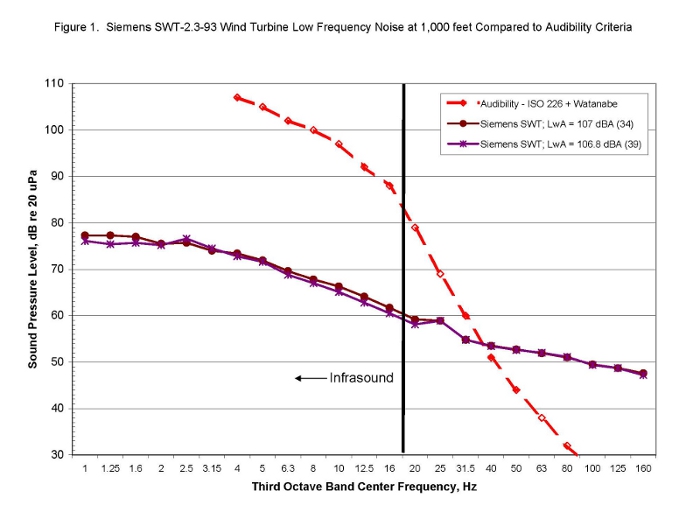
- Difficult to detect but harmful
⚠️ Effects of Noise Pollution
👨⚕️ 1. Effects on Human Health



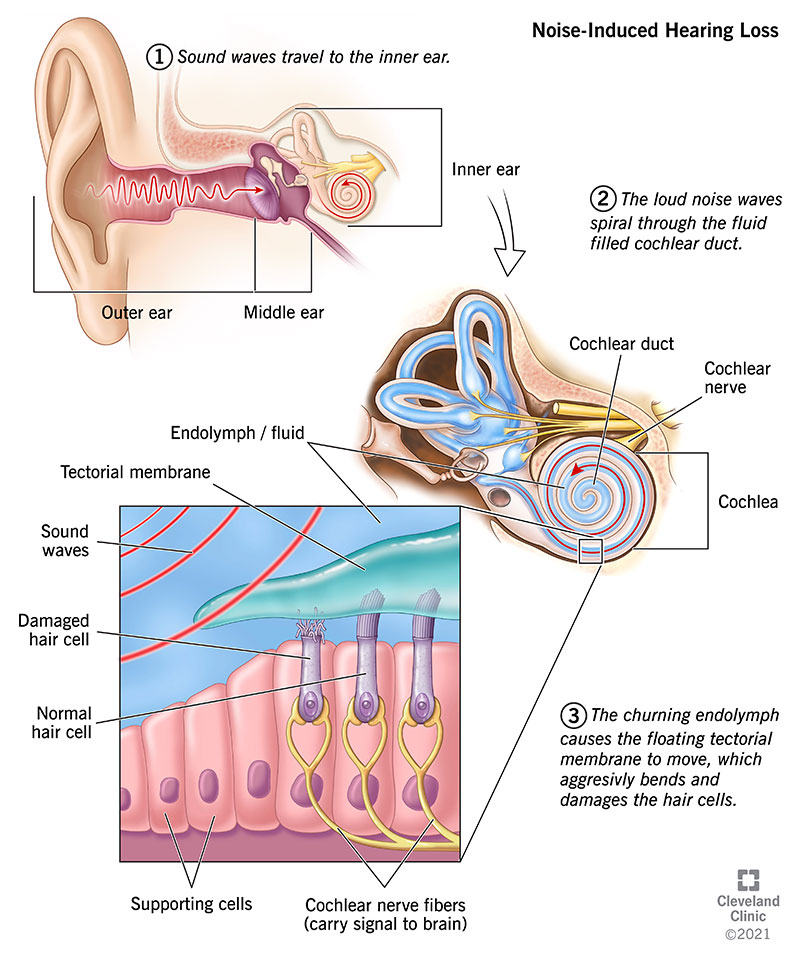
🔊 Hearing Loss
- Temporary or permanent damage
😣 Stress and Anxiety
- Increased cortisol levels
💤 Sleep Disturbances
- Insomnia
- Poor sleep quality
❤️ Cardiovascular Issues
- High blood pressure
- Heart diseases
🧠 Cognitive Effects
- Reduced concentration
- Memory problems
🌿 2. Effects on Environment



🐾 Impact on Wildlife
- Disruption of communication
- Migration changes
🐦 Bird Behavior Changes
- Nest abandonment
- Reduced reproduction
🌊 Marine Impact
- Noise affects whales and dolphins
🌍 3. Social Effects
- Reduced quality of life
- Communication difficulties
- Workplace inefficiency
💰 4. Economic Effects
- Healthcare costs
- Reduced productivity
🌍 Noise Pollution in India

Major Causes:
- Traffic congestion
- Festivals and loudspeakers
- Urban development
Challenges:
- High population density
- Lack of awareness
🔬 Measurement and Monitoring
Noise levels are monitored using:
- Sound level meters
- Noise mapping
🌱 Control and Prevention of Noise Pollution



🚗 Traffic Control
- Better road planning
- Reduced honking
🏭 Industrial Measures
- Soundproofing
- Maintenance of machinery
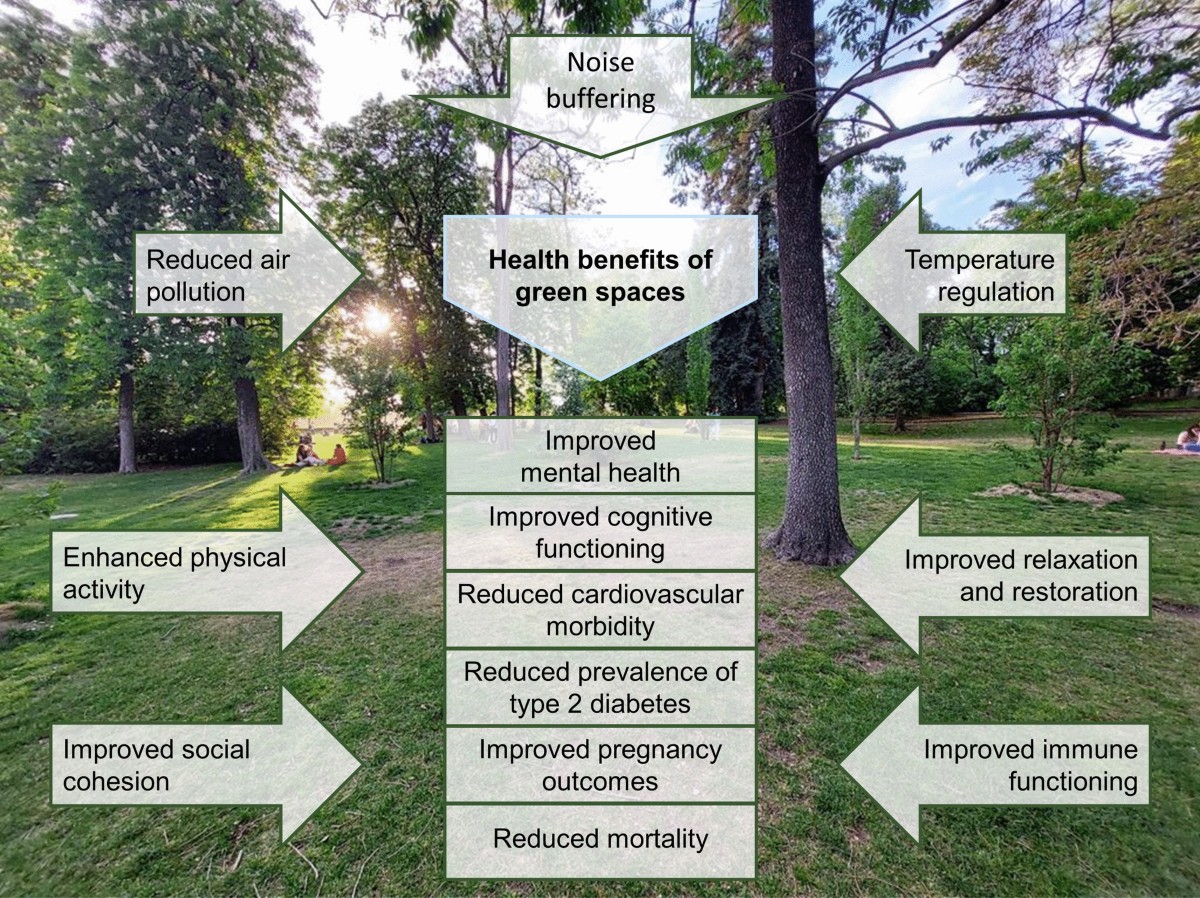
🌿 Green Belts
- Trees absorb sound
🏠 Building Design
- Soundproof materials
🎧 Personal Protection
- Earplugs
- Earmuffs
⚖️ Legal Measures
- Noise pollution regulations
- Time restrictions on loudspeakers
⚖️ Government Regulations (India)
- Noise Pollution (Regulation and Control) Rules, 2000
- CPCB guidelines
🌏 Global Efforts
- WHO noise guidelines
- Urban planning strategies
📚 Advantages of Noise Control
- Improved health
- Better living conditions
- Environmental protection
❌ Challenges
- Urbanization
- Lack of enforcement
- Cultural practices
🔮 Future Solutions
- Smart city planning
- Noise monitoring technology
- Public awareness campaigns
🧾 Conclusion
Noise pollution is a significant environmental issue that affects health, ecosystems, and quality of life. Although often overlooked, its impacts are serious and widespread.
Effective management requires:
- Strong regulations
- Technological solutions
- Public awareness
Reducing noise pollution is essential for creating a peaceful and sustainable environment.