
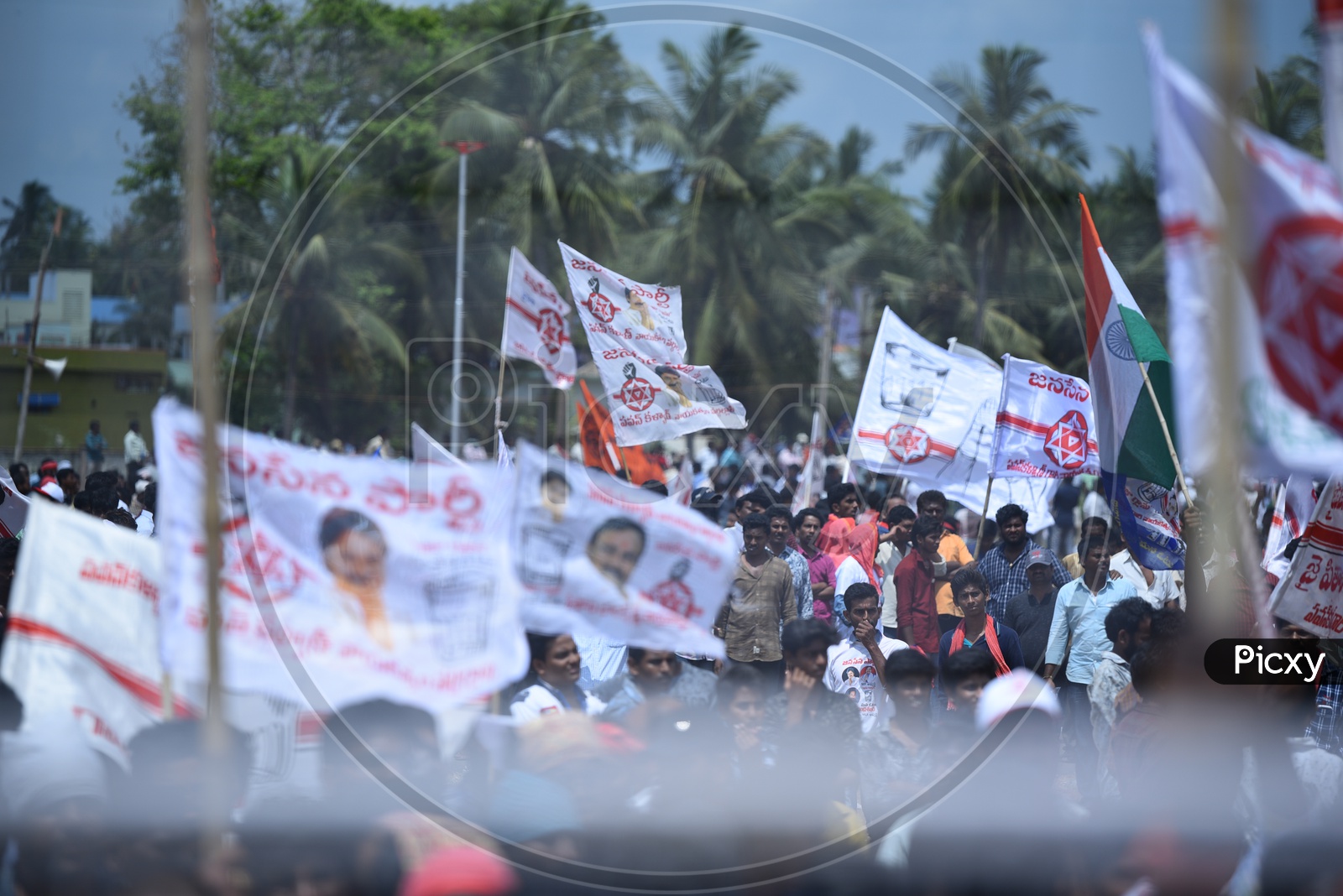
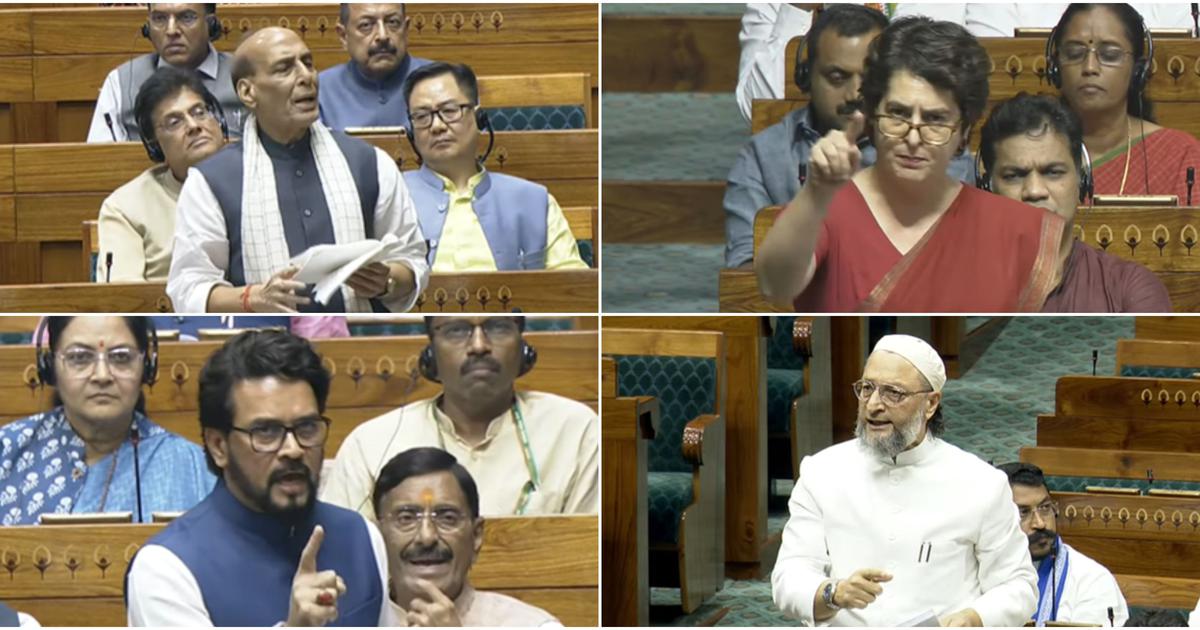
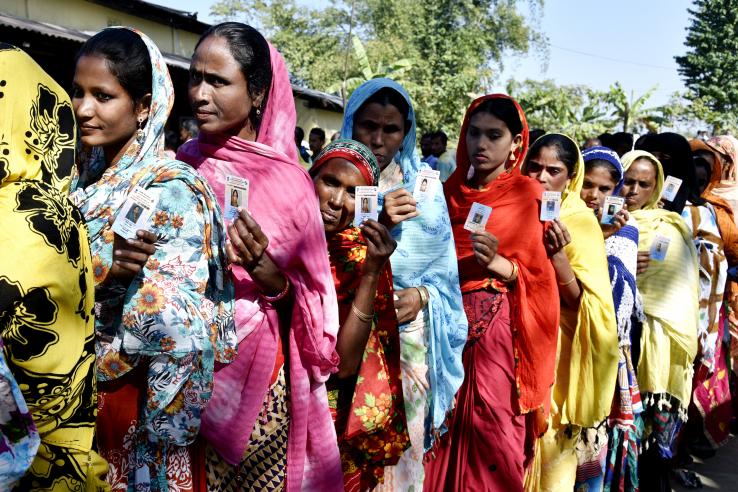
🌍 Visual Overview: Political Parties in Action

📘 1. Introduction to Political Parties
Political parties are a central feature of modern democratic systems. They act as the link between the government and the people, organizing public opinion, contesting elections, and forming governments.
Without political parties, democracy would struggle to function effectively, as they provide structure, representation, and policy direction. They play a crucial role in mobilizing citizens, articulating interests, and ensuring accountability.
🧠 2. Meaning and Definitions of Political Parties
📌 Basic Meaning
A political party is an organized group of people who share similar political ideas and aim to gain political power through elections.
🧾 Definitions
- Edmund Burke:
A political party is a body of men united for promoting the national interest based on particular principles. - Max Weber:
A political party is an organization that seeks to attain power within a government.
🔑 Key Features
- Organized structure
- Shared ideology
- Aim to gain power
- Participation in elections
- Public support
🧱 3. Characteristics of Political Parties
- Ideology and principles
- Leadership and organization
- Membership base
- Political agenda
- Electoral participation
🧩 4. Functions of Political Parties
🟢 4.1 Representation of People
📌 Meaning
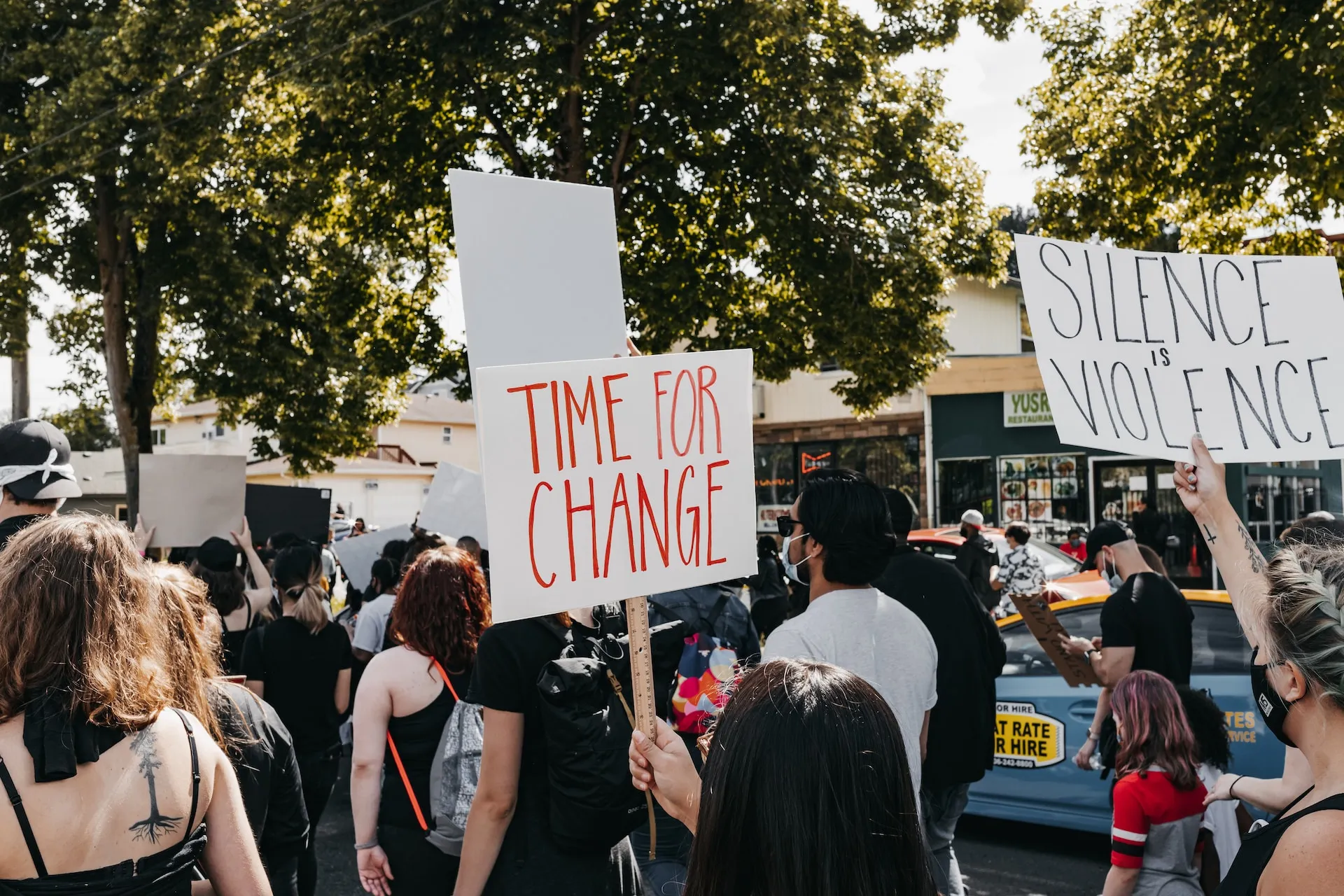
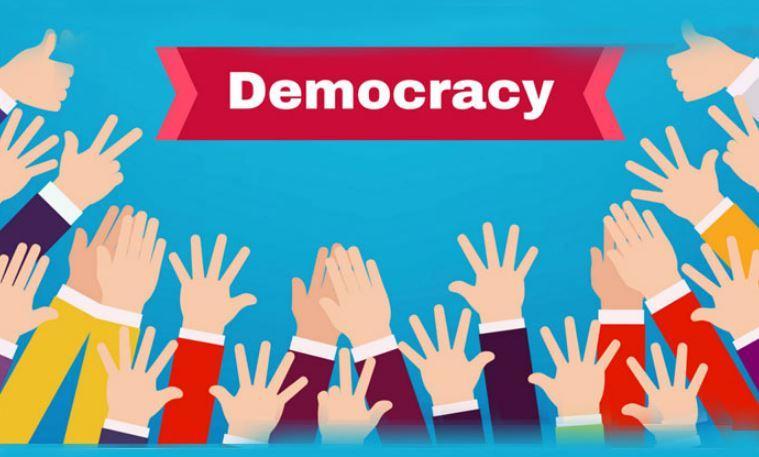
Parties represent the interests and views of citizens.
🌍 Visual


🔵 4.2 Formation of Government
- Winning party forms government
- Implements policies
🟣 4.3 Interest Articulation and Aggregation
- Express public demands
- Combine different interests
🔴 4.4 Political Socialization
- Educate citizens about politics
- Promote political awareness
🟡 4.5 Recruitment of Leaders
- Identify and train leaders
⚫ 4.6 Policy Formulation
- Develop political programs
⚪ 4.7 Opposition Role
- Criticize government
- Ensure accountability
⚖️ 5. Types of Political Parties
🟢 5.1 Cadre Parties
- Small, disciplined membership
🔵 5.2 Mass Parties
- Large membership
- Broad support
🟣 5.3 Catch-all Parties
- Appeal to diverse groups
🔴 5.4 Ideological Parties
- Based on strong ideology
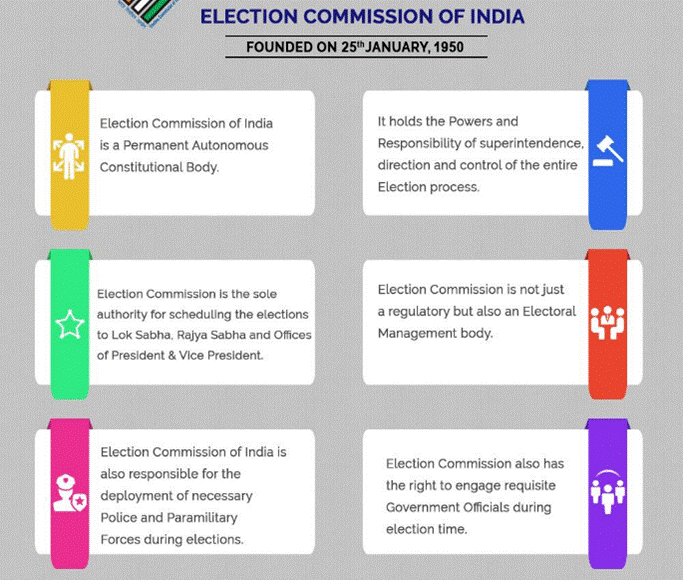
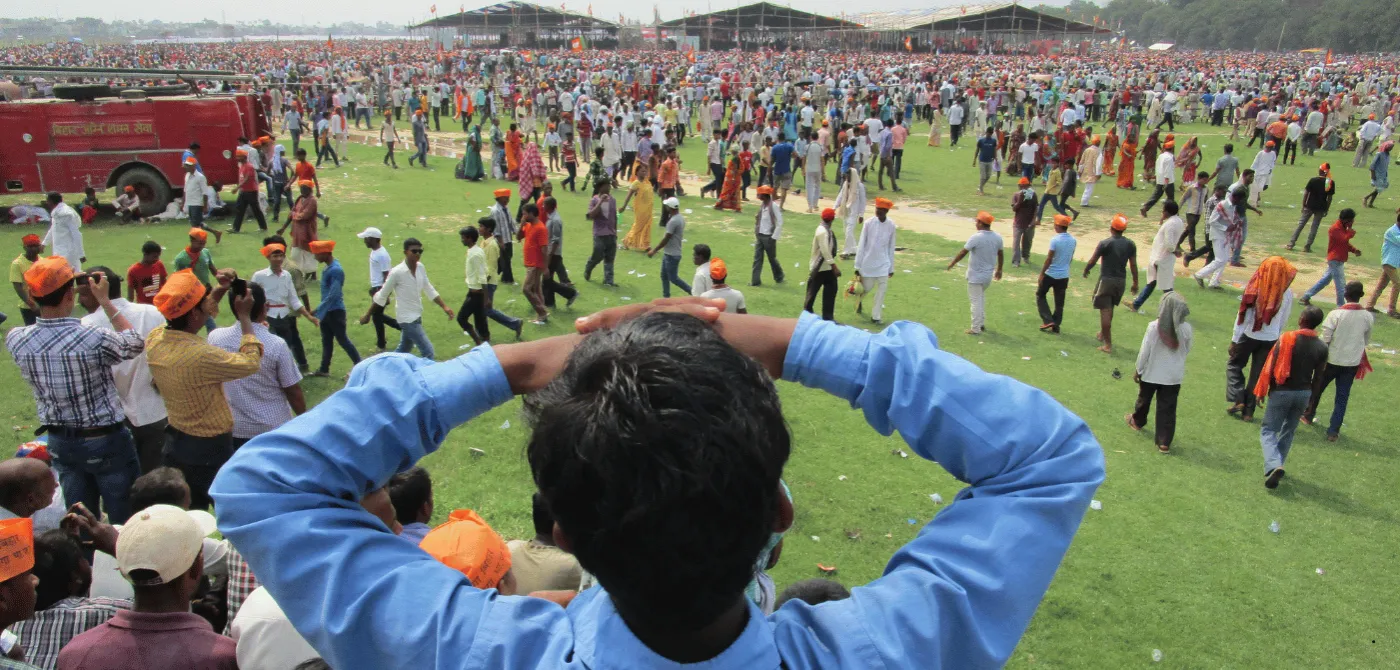
🟡 5.5 Regional Parties
- Focus on regional issues
🌍 Visual Representation

🧠 6. Party Systems
A party system refers to the number and interaction of political parties in a political system.
🟢 6.1 One-Party System
📌 Meaning
Only one political party exists or dominates.
📊 Examples
- China
✅ Features
- Centralized control
- No competition
⚠️ Limitations
- Lack of democracy
- Limited freedom
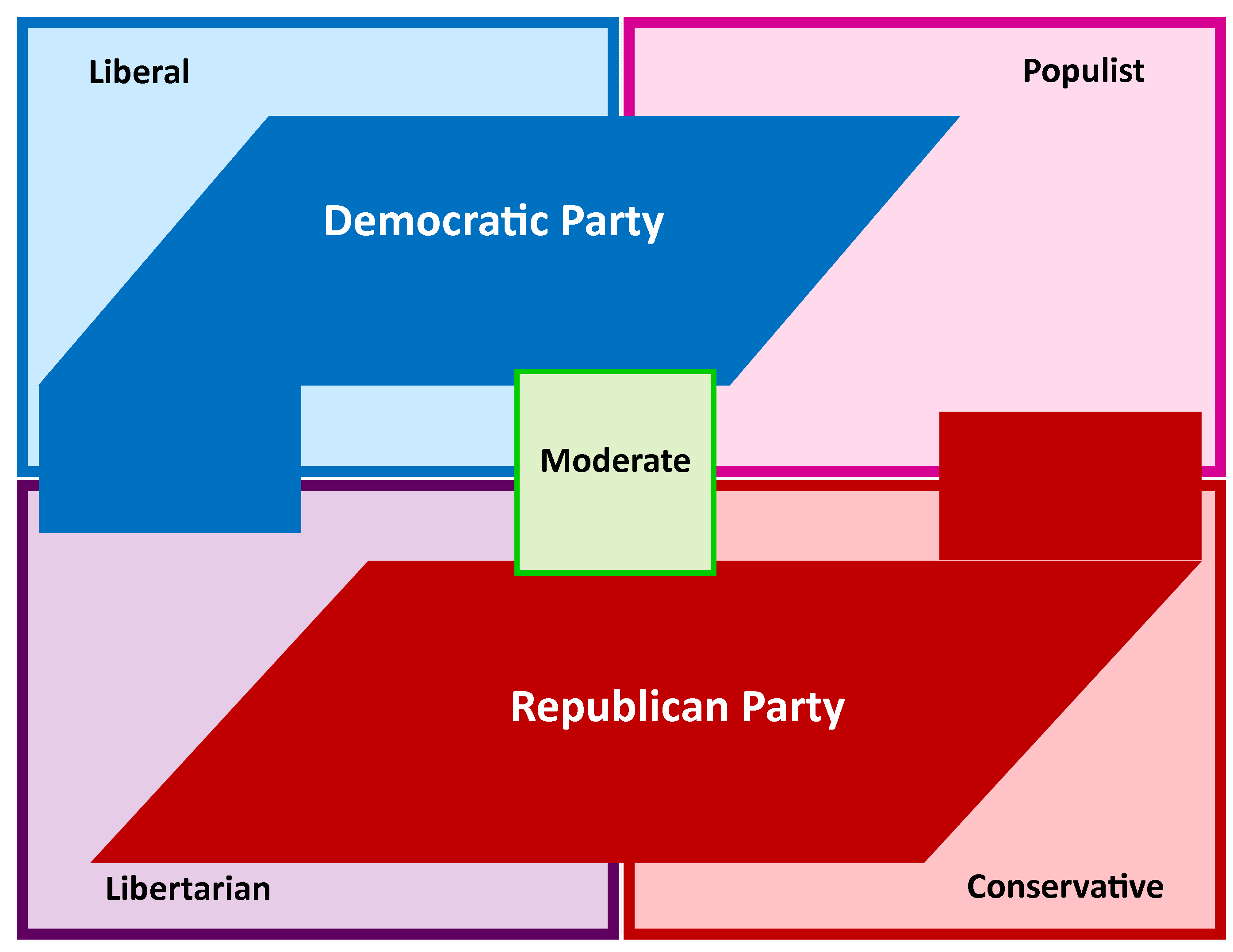
🔵 6.2 Two-Party System
📌 Meaning
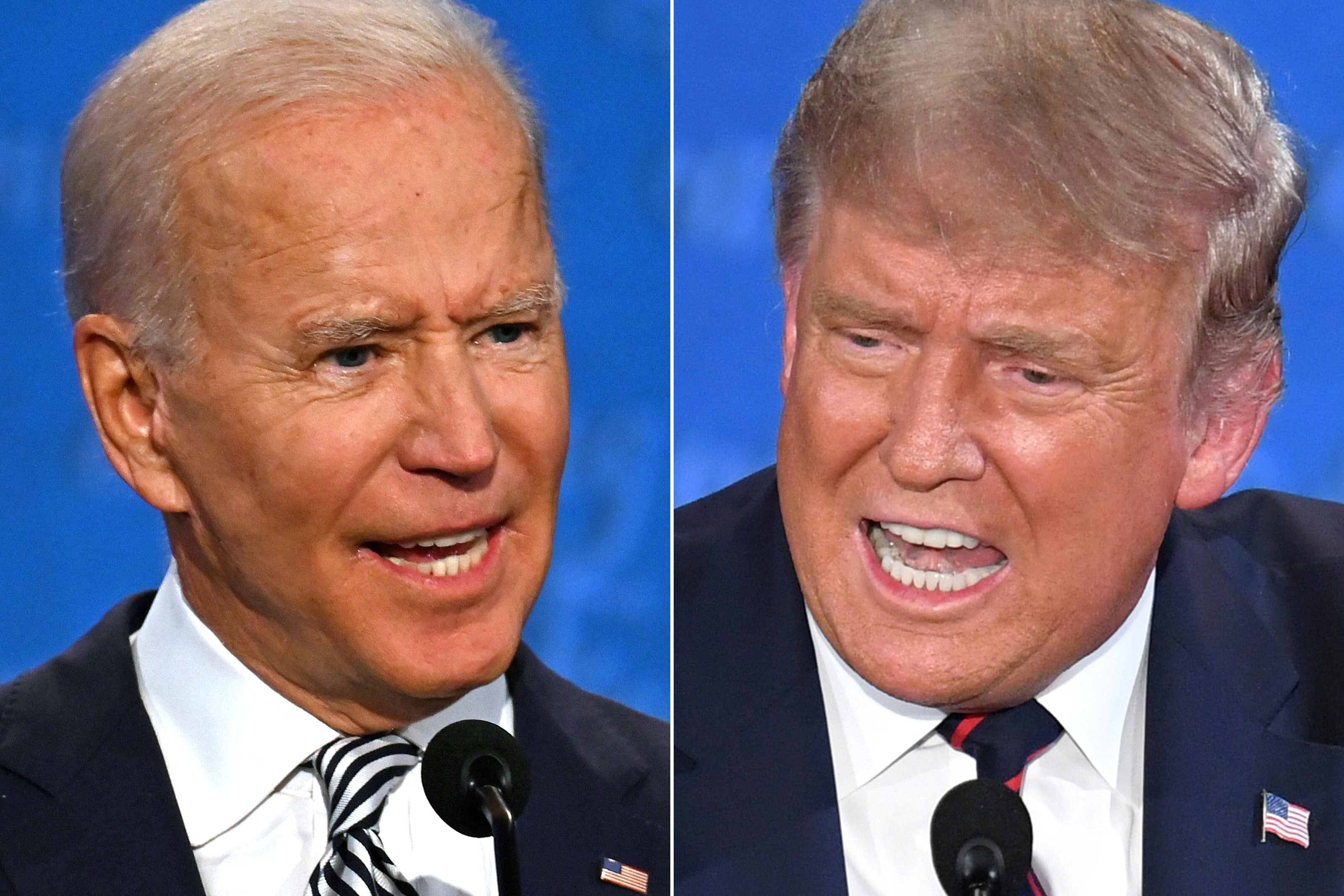
Two major parties dominate politics.
🌍 Visual


📊 Examples
- USA
- UK
✅ Advantages
- Stability
- Clear choices
⚠️ Disadvantages
- Limited options
- Excludes smaller parties
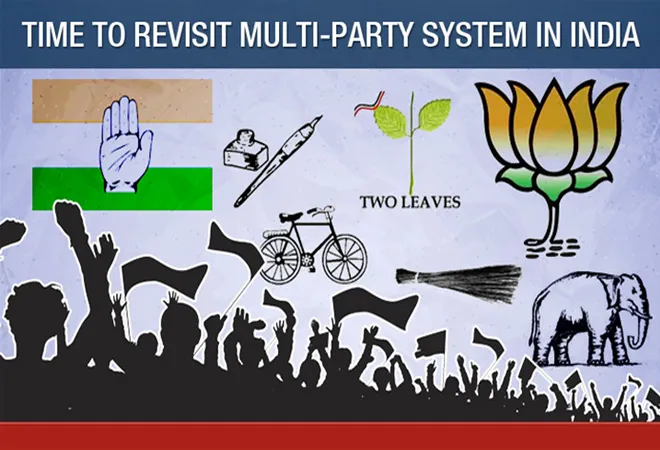
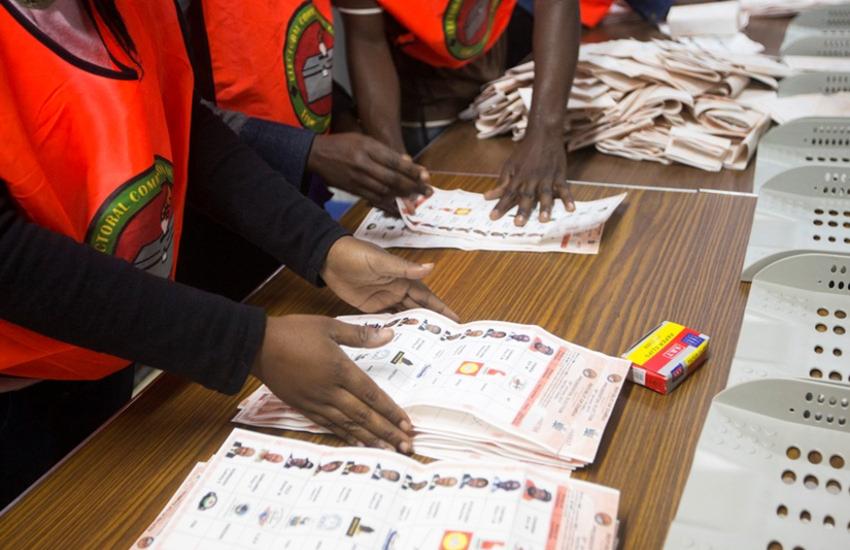
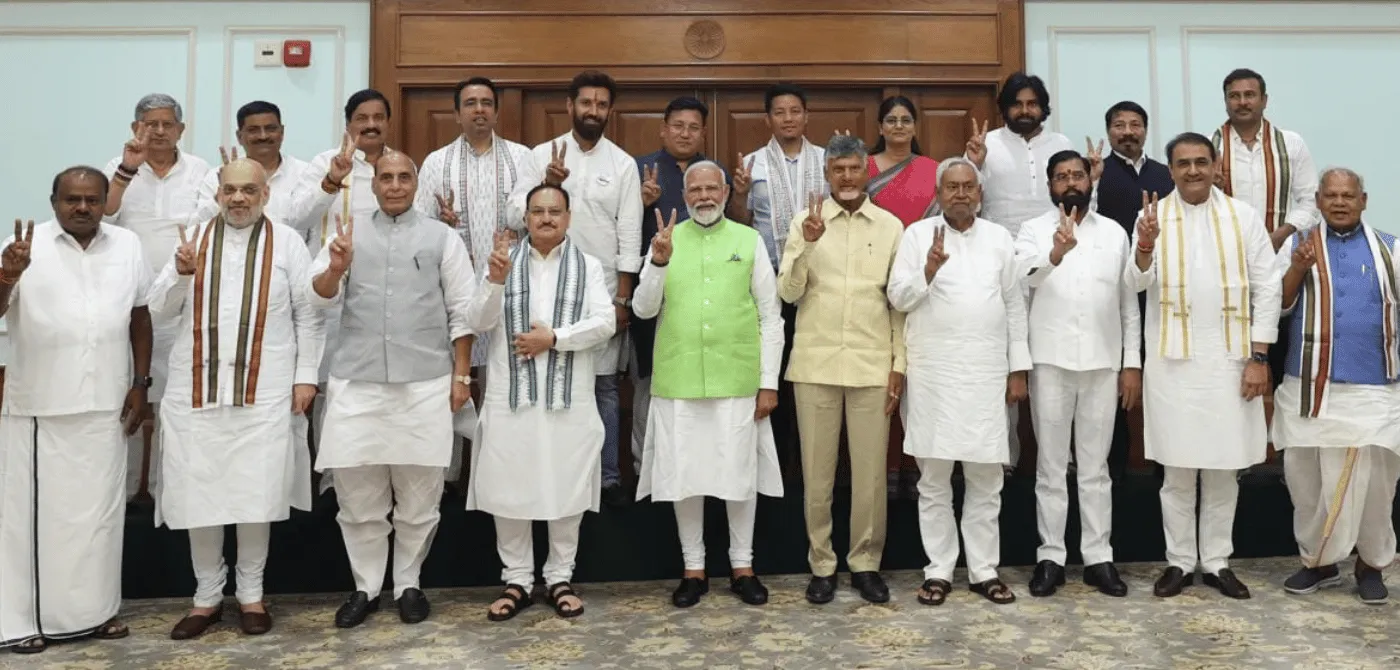
🟣 6.3 Multi-Party System
📌 Meaning
Multiple parties compete for power.
🌍 Visual

📊 Examples
- India
- Germany
✅ Advantages
- Representation of diversity
- More choices
⚠️ Disadvantages
- Political instability
- Coalition issues
⚖️ 7. Comparison of Party Systems
| Feature | One-Party | Two-Party | Multi-Party |
|---|---|---|---|
| Competition | None | Limited | High |
| Stability | High | High | Variable |
| Representation | Low | Moderate | High |
🔗 8. Importance of Political Parties
- Essential for democracy
- Promote participation
- Ensure accountability
- Provide policy direction
🌍 9. Political Parties in Modern Context
📱 Digital Politics
- Social media campaigns
🌐 Global Influence
- International ideologies
⚠️ 10. Challenges Faced by Political Parties
🔴 Corruption
🔵 Lack of internal democracy
🟣 Money power
🟡 Criminalization of politics
🧠 11. Reforms in Party System
- Transparency
- Internal democracy
- Regulation of funding
- Ethical standards
⚖️ 12. Political Parties and Democracy
- Strengthen democratic institutions
- Ensure representation
- Facilitate governance
🧠 13. Conclusion
Political parties are indispensable for modern governance. They organize political life, represent public interests, and ensure accountability. Different party systems reflect the diversity of political structures across the world.
A healthy party system is essential for a vibrant, inclusive, and stable democracy.