
🌿 Introduction



Self-discipline and time management are two of the most powerful life skills that determine personal success, productivity, and overall well-being. In an increasingly fast-paced and distraction-filled world, the ability to control one’s actions and effectively manage time is essential for achieving goals and maintaining balance in life.
Self-discipline refers to the ability to regulate one’s behavior, emotions, and habits in order to stay focused on long-term objectives. Time management, on the other hand, involves planning, organizing, and prioritizing tasks to make the best use of available time. Together, these skills enable individuals to maximize efficiency, reduce stress, and accomplish both personal and professional goals.
Without self-discipline, time management becomes ineffective, and without proper time management, self-discipline lacks direction. These two values are interconnected and mutually reinforcing, forming the foundation of success in education, career, and life.
🌱 Meaning and Definitions
🔹 Self-Discipline
Self-discipline is:
- The ability to control impulses and stay focused
- Maintaining consistency in actions and habits
- Prioritizing long-term benefits over short-term pleasures
Examples:
- Avoiding distractions while studying
- Following a fitness routine
- Maintaining consistency in work
🔹 Time Management
Time management is:
- Planning and organizing tasks efficiently
- Allocating time based on priorities
- Avoiding wastage of time
Examples:
- Creating a daily schedule
- Setting deadlines
- Prioritizing important tasks
🔹 Key Differences
| Aspect | Self-Discipline | Time Management |
|---|---|---|
| Focus | Internal control | External organization |
| Nature | Behavioral | Strategic |
| Example | Resisting distractions | Scheduling tasks |
🧠 Psychological Foundations

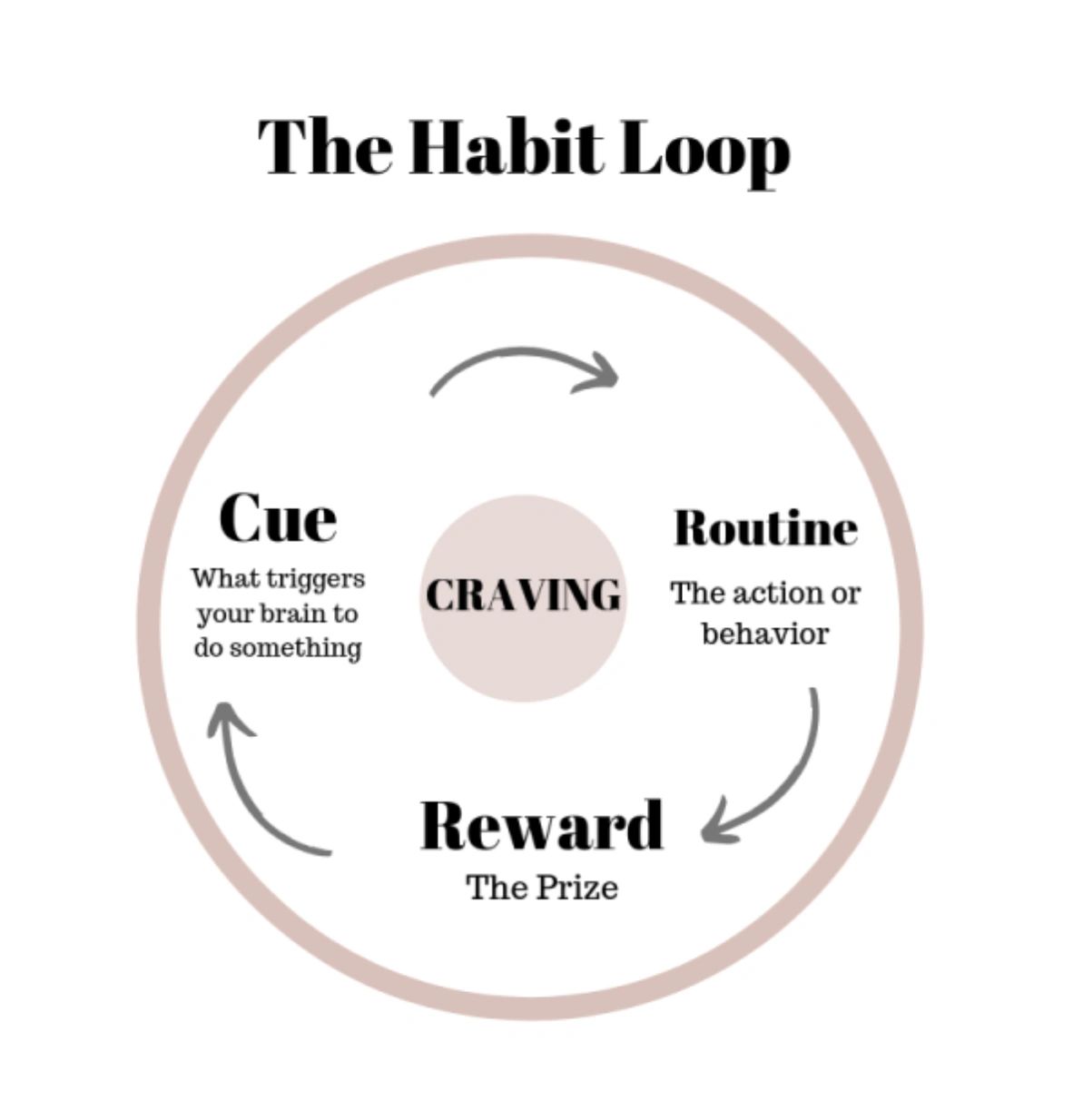


🔹 Habit Formation
- Repeated actions create habits
- Discipline strengthens positive routines
🔹 Delayed Gratification
- Ability to delay rewards improves success
- Linked to stronger self-control
🔹 Cognitive Control
- Involves attention, planning, and decision-making
- Essential for effective time management
🏛️ Philosophical Perspectives




🔸 Ancient Philosophy
- Aristotle emphasized moderation and disciplined living
- Balance between extremes
🔸 Stoicism
- Focus on self-control and rational thinking
- Avoiding distractions and emotional impulses
🔸 Eastern Philosophy
- Buddhism promotes mindfulness and discipline
- Hinduism emphasizes control over senses
🔸 Modern Thinkers
- Mahatma Gandhi practiced strict self-discipline
- Advocated simplicity and time-conscious living
🧘 Spiritual and Moral Significance

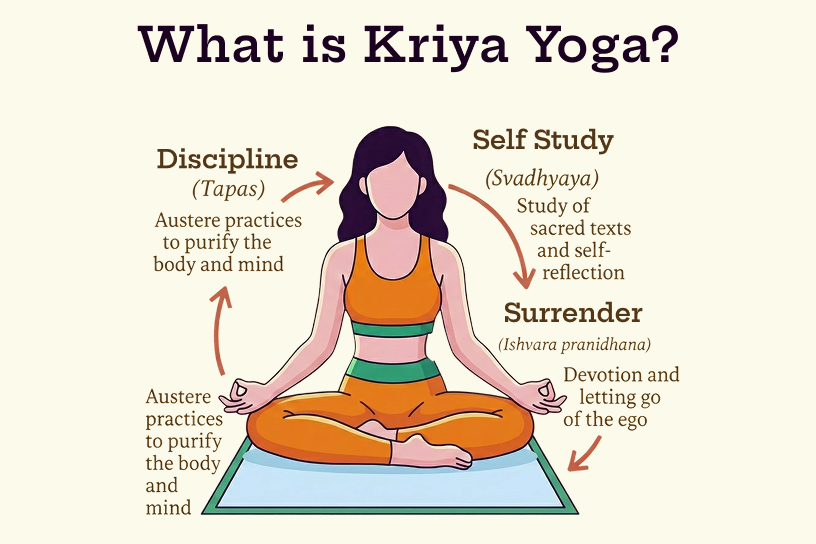


🔹 Discipline as a Virtue
- Reflects inner strength and control
- Essential for spiritual growth
🔹 Time as a Resource
- Seen as valuable and sacred
- Encourages purposeful living
🏠 Role in Personal Life
🌟 Goal Achievement
- Helps in setting and reaching goals
- Maintains consistency
🌟 Work-Life Balance
- Proper time allocation reduces stress
- Ensures time for family and rest
🌟 Emotional Stability
- Discipline helps control emotions
- Reduces anxiety and procrastination
🌍 Social Importance


🔹 Social Order
- Discipline ensures punctuality and reliability
🔹 Cooperation
- Time management improves coordination
🔹 Productivity
- Contributes to economic and social progress
🏫 Importance in Education
📘 Academic Success
- Regular study schedules improve performance
- Avoid last-minute stress
📘 Student Development
- Builds responsibility and independence
📘 Classroom Discipline
- Maintains order and focus
💼 Workplace Relevance




🔹 Productivity
- Efficient use of time increases output
🔹 Professional Growth
- Discipline leads to career advancement
🔹 Leadership
- Leaders must manage time effectively
- Inspire disciplined work culture
⚖️ Ethical Dimensions
🔸 Responsibility
- Managing time reflects accountability
🔸 Integrity
- Following commitments consistently
🔸 Self-Control
- Avoiding harmful habits and distractions
🧩 Challenges to Self-Discipline and Time Management


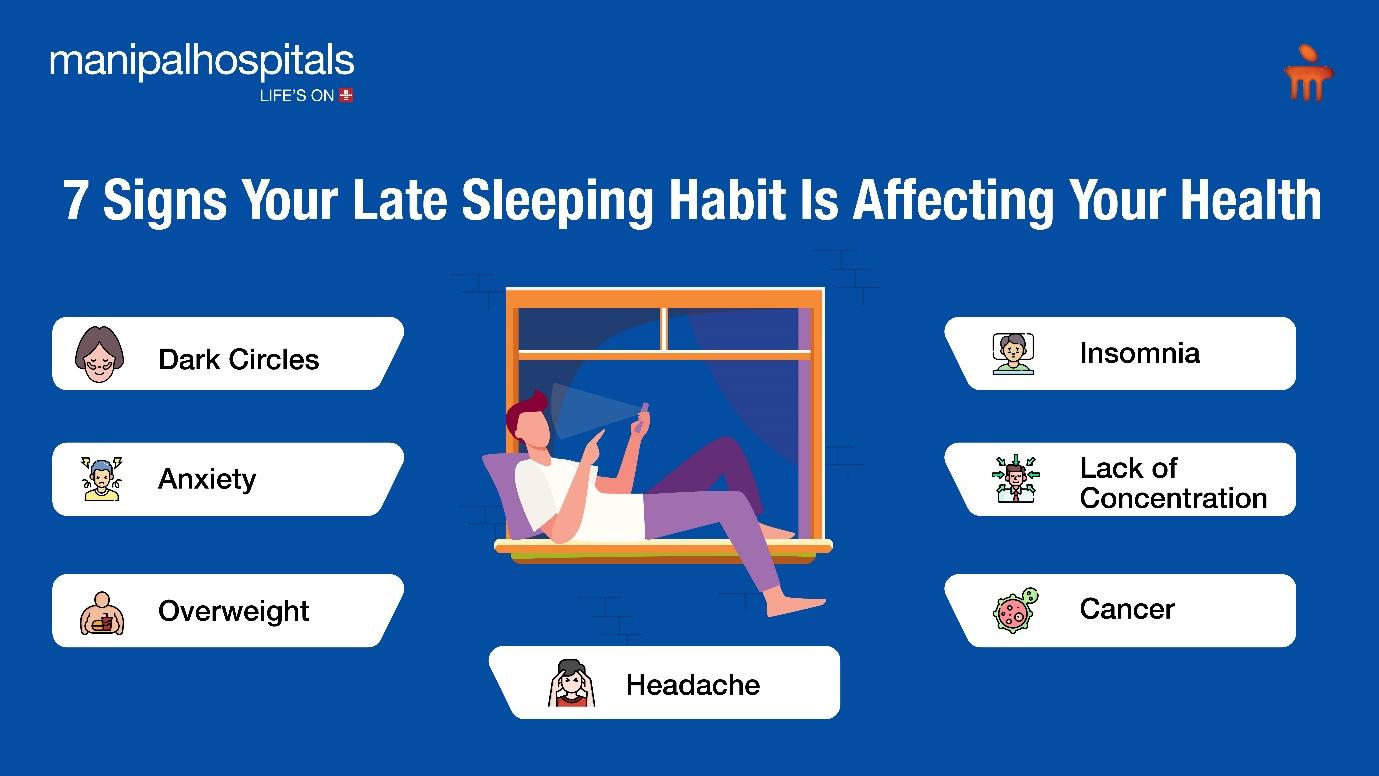

🔹 Procrastination
- Delaying tasks reduces productivity
🔹 Distractions
- Social media and technology
🔹 Lack of Planning
- Poor organization leads to inefficiency
🔹 Stress and Fatigue
- Reduces focus and discipline
🌟 Benefits of Self-Discipline and Time Management
✅ Personal Benefits
- Increased productivity
- Better mental health
- Stronger self-confidence
✅ Social Benefits
- Reliability and trust
- Improved relationships
✅ Professional Benefits
- Career growth
- Efficient performance
🛠️ Techniques for Developing Self-Discipline




🔹 Set Clear Goals
- Define objectives clearly
🔹 Build Habits
- Start with small consistent actions
🔹 Practice Mindfulness
- Stay aware of actions and thoughts
🔹 Avoid Temptations
- Reduce distractions
🔹 Stay Consistent
- Discipline grows with practice
🛠️ Techniques for Effective Time Management



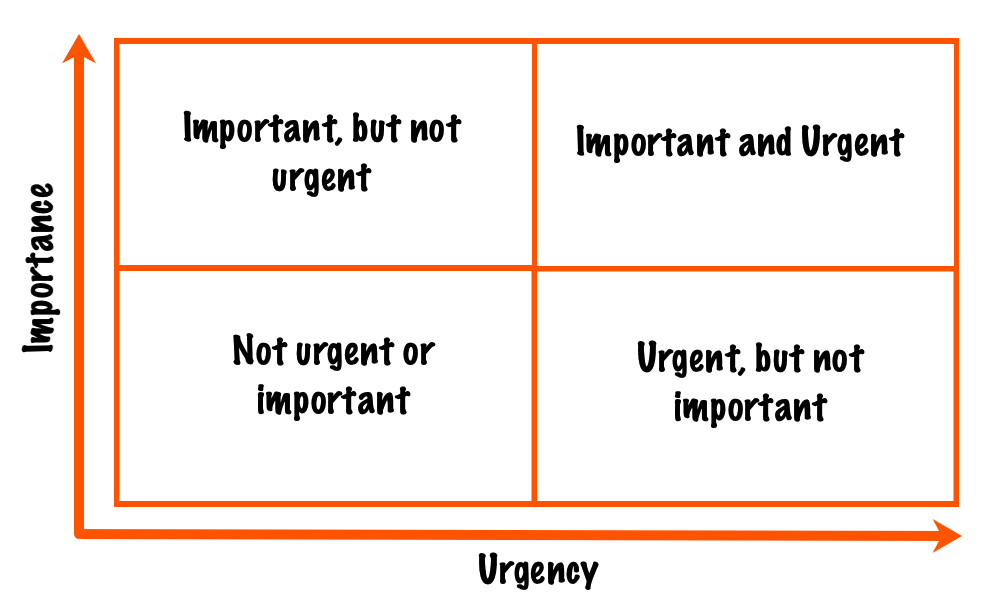
🔹 Prioritization
- Focus on important tasks
🔹 Scheduling
- Plan daily and weekly activities
🔹 Time Blocking
- Allocate specific time slots
🔹 Avoid Multitasking
- Focus on one task at a time
🔹 Use Tools
- Calendars, apps, and planners
📱 Self-Discipline in the Digital Age




🔹 Managing Screen Time
- Limit unnecessary usage
🔹 Digital Productivity Tools
- Use apps for scheduling and tracking
🔹 Online Learning Discipline
- Maintain focus in virtual environments
🧭 Real-Life Examples
🔹 Students
- Following study schedules
🔹 Athletes
- Maintaining strict training routines
🔹 Professionals
- Meeting deadlines and managing tasks
📊 Comparison with Related Values
| Value | Relation |
|---|---|
| Discipline | Core of self-discipline |
| Responsibility | Ensures time management |
| Focus | Essential for productivity |
| Perseverance | Sustains long-term efforts |
🧾 Conclusion
Self-discipline and time management are essential skills that empower individuals to lead productive, balanced, and successful lives. They enable individuals to control their actions, manage their time effectively, and achieve their goals with consistency and determination.
In a world full of distractions and challenges, these values act as guiding principles that help individuals stay focused, organized, and motivated. By cultivating self-discipline and mastering time management, individuals can unlock their full potential and contribute positively to society.
Ultimately, these skills are not just about productivity—they are about creating a purposeful and fulfilling life.