

1. Introduction to Medicinal Chemistry
Medicinal chemistry is a specialized branch of chemistry that focuses on the design, synthesis, development, and evaluation of pharmaceutical compounds used to treat diseases. It integrates knowledge from organic chemistry, biochemistry, pharmacology, molecular biology, and pharmacokinetics to develop drugs that interact with biological systems.
Medicinal chemists study how chemical compounds affect biological processes and aim to design molecules that can prevent, diagnose, or cure diseases. The discipline plays a crucial role in the pharmaceutical industry and medical research.
Medicinal chemistry is essential for developing medicines such as:
- Antibiotics
- Antiviral drugs
- Anticancer drugs
- Anti-inflammatory medications
- Cardiovascular drugs
The ultimate goal of medicinal chemistry is to create drugs that are effective, safe, selective, and stable, while minimizing side effects.
Modern medicinal chemistry has advanced significantly with the development of computational tools, molecular modeling, and biotechnology techniques that allow scientists to design drugs with greater precision.
2. History of Medicinal Chemistry
The history of medicinal chemistry dates back thousands of years when natural products from plants and minerals were used as medicines.
Ancient Medicine
Traditional medicines used herbs, roots, and plant extracts to treat diseases.
Examples include:
- Willow bark used as pain reliever
- Plant extracts used for infections
Development of Modern Pharmaceuticals
The development of modern medicinal chemistry began in the 19th century with the isolation of active compounds from natural sources.
Examples include:
- Morphine from opium
- Quinine from cinchona bark
Synthetic Drug Development
In the 20th century, chemists began synthesizing drugs in laboratories.
Important breakthroughs include:
- Aspirin
- Penicillin
- Sulfonamide antibiotics
These discoveries revolutionized medicine and laid the foundation for modern drug development.
3. Drug Discovery Process


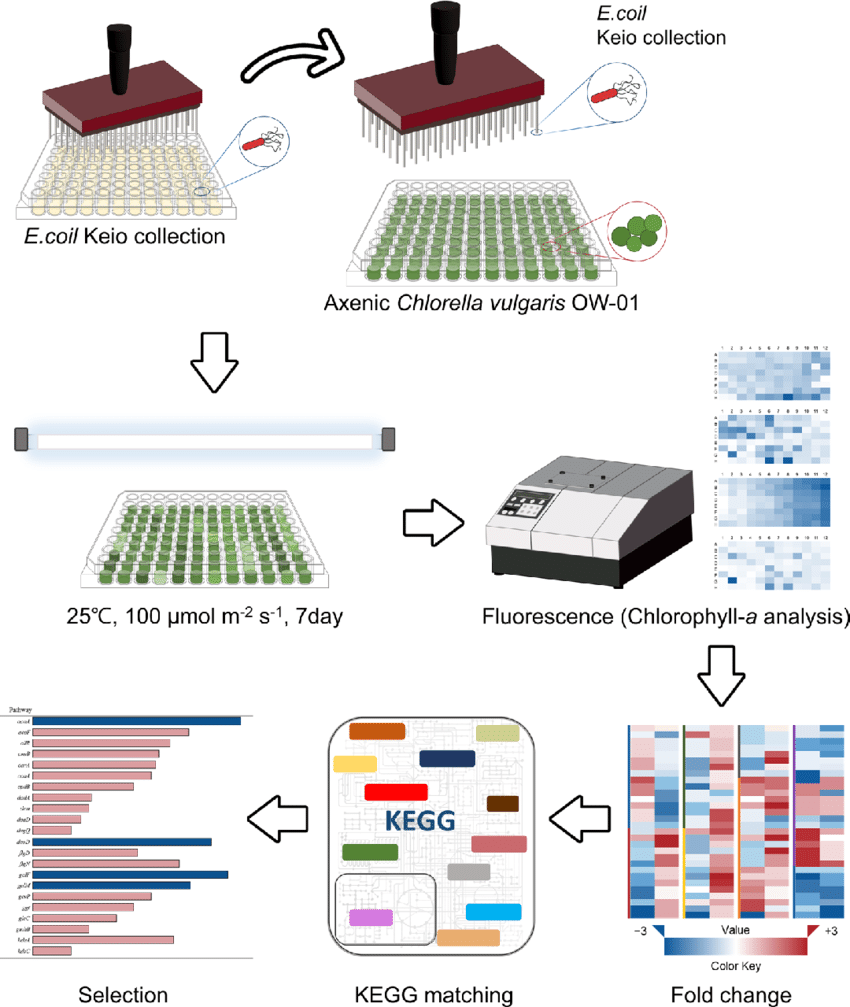
Drug discovery is a complex and multi-stage process that can take many years.
The main stages include:
Target Identification
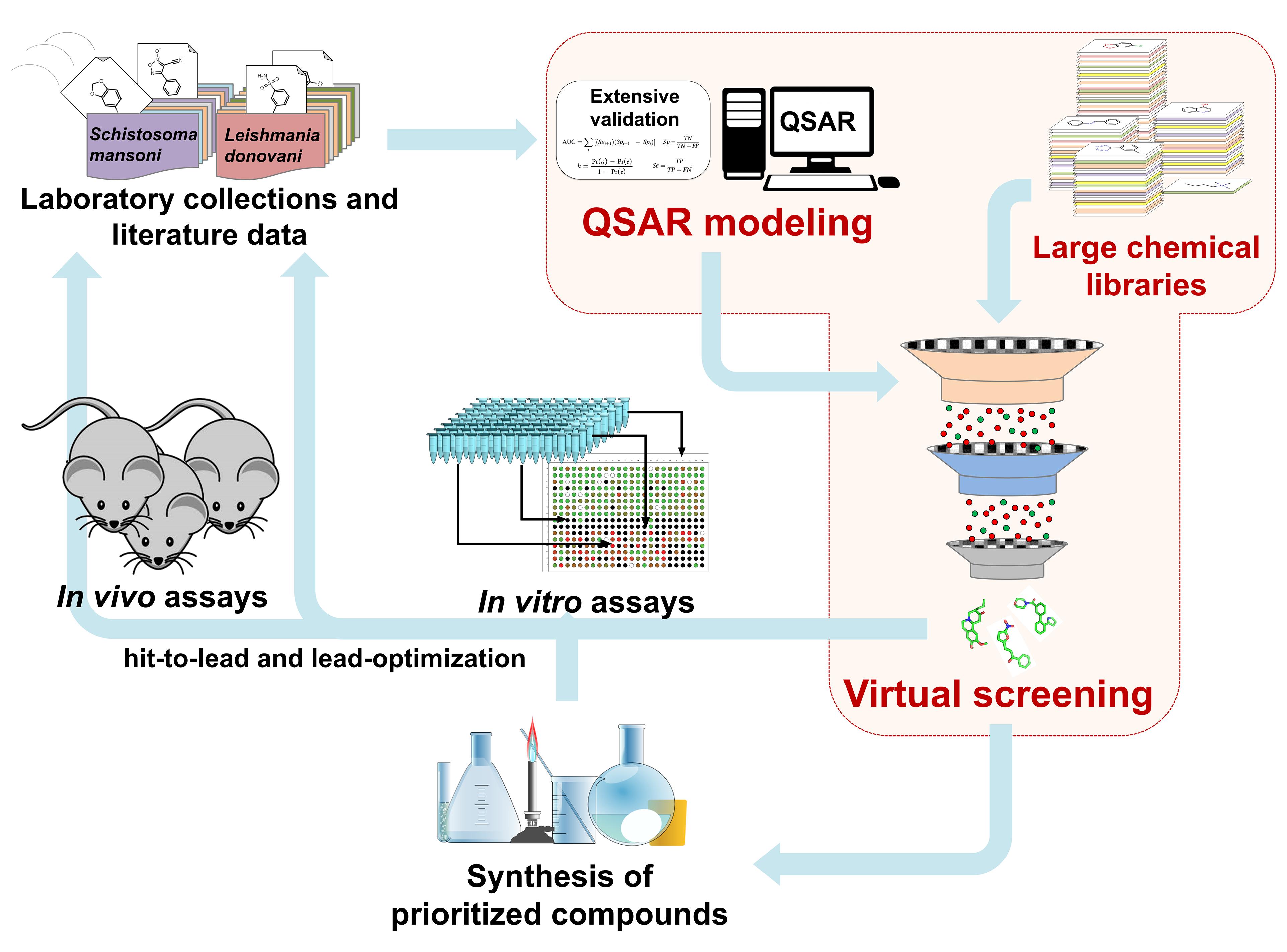
Scientists identify biological targets such as enzymes, receptors, or proteins involved in disease.
Lead Compound Discovery
Potential drug molecules (lead compounds) are identified through:
- Natural products
- Chemical libraries
- Computer modeling
Lead Optimization
Chemists modify lead compounds to improve properties such as:
- Potency
- Selectivity
- Stability
Preclinical Testing
Laboratory and animal studies evaluate safety and effectiveness.
Clinical Trials
Human trials occur in several phases to test safety and efficacy before regulatory approval.
4. Structure–Activity Relationship (SAR)
Structure–Activity Relationship (SAR) studies how changes in molecular structure affect biological activity.
Medicinal chemists modify chemical structures to improve drug performance.
Key aspects include:
- Functional groups
- Molecular size
- Polarity
- Stereochemistry
SAR analysis helps identify which molecular features are important for biological activity.
5. Drug Targets
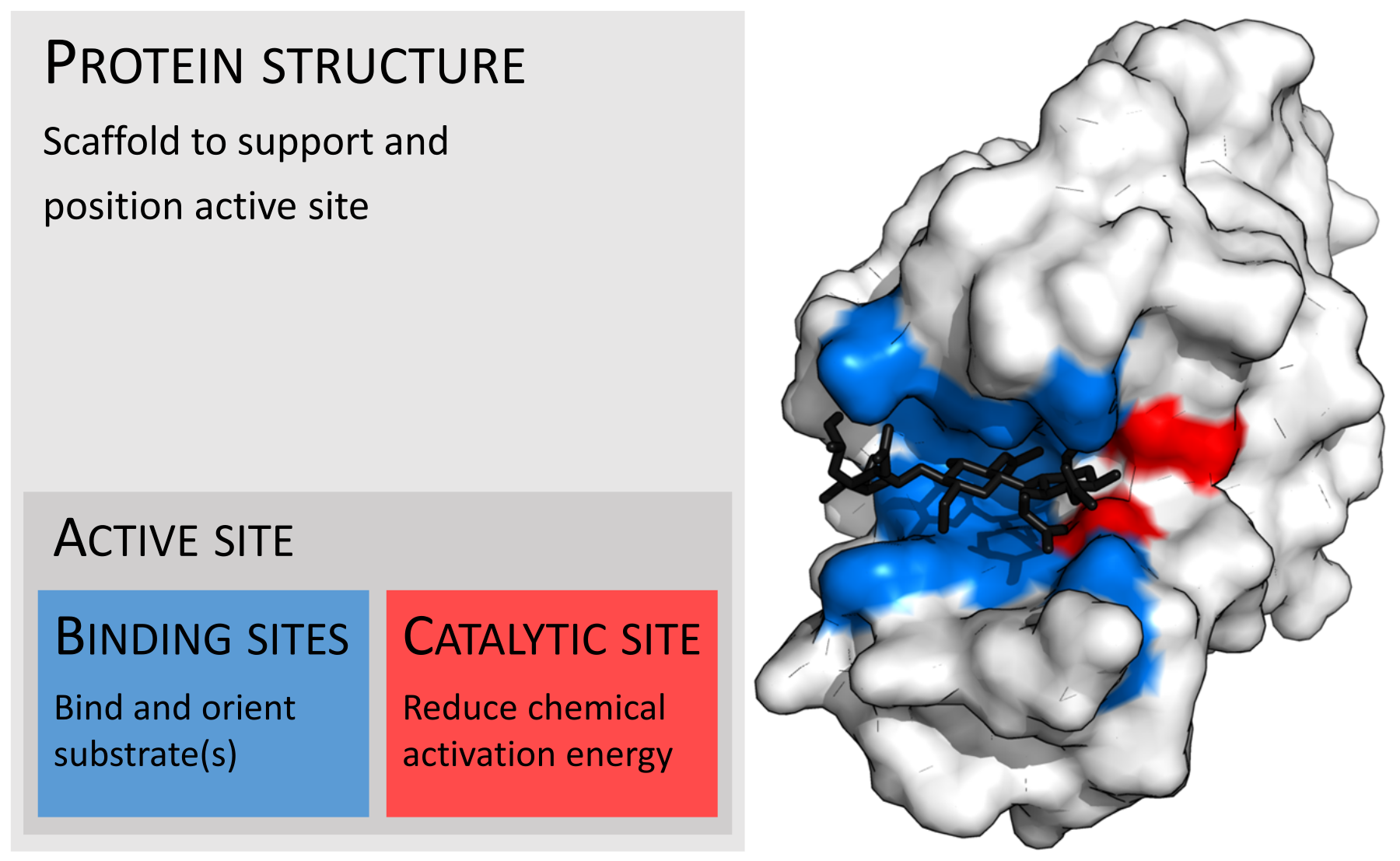


Drugs act by interacting with specific biological targets.
Common drug targets include:
Enzymes
Many drugs inhibit enzymes involved in disease processes.
Example:
Enzyme inhibitors used to treat infections.
Receptors
Receptors are proteins that transmit signals in cells.
Drugs can activate or block receptors.
Ion Channels
Ion channels regulate movement of ions across cell membranes.
Certain drugs affect these channels to treat neurological or cardiovascular diseases.
DNA and RNA
Some drugs interact with genetic material to treat cancer or infections.
6. Types of Drugs
Medicinal chemistry involves the development of different classes of drugs.
Antibiotics
Drugs that kill or inhibit bacteria.
Example:
Penicillin.
Antiviral Drugs
Used to treat viral infections.
Example:
Drugs used to treat HIV or influenza.
Anticancer Drugs
Target rapidly dividing cancer cells.
Examples include chemotherapy drugs.
Anti-inflammatory Drugs
Reduce inflammation and pain.
Example:
Nonsteroidal anti-inflammatory drugs (NSAIDs).
Cardiovascular Drugs
Treat heart and blood vessel diseases.
Examples include blood pressure medications.
7. Pharmacokinetics


Pharmacokinetics describes how drugs move through the body.
It includes four main processes:
Absorption
Drug enters bloodstream.
Distribution
Drug spreads to tissues and organs.
Metabolism
Drug is chemically modified in the body.
Usually occurs in the liver.
Excretion
Drug and metabolites are eliminated from the body.
Understanding pharmacokinetics helps determine proper dosage and drug effectiveness.
8. Pharmacodynamics
Pharmacodynamics studies how drugs affect biological systems.
It examines:
- Drug mechanism of action
- Dose-response relationships
- Therapeutic effects
- Side effects
The relationship between drug concentration and effect is critical for safe treatment.
9. Drug Design Strategies
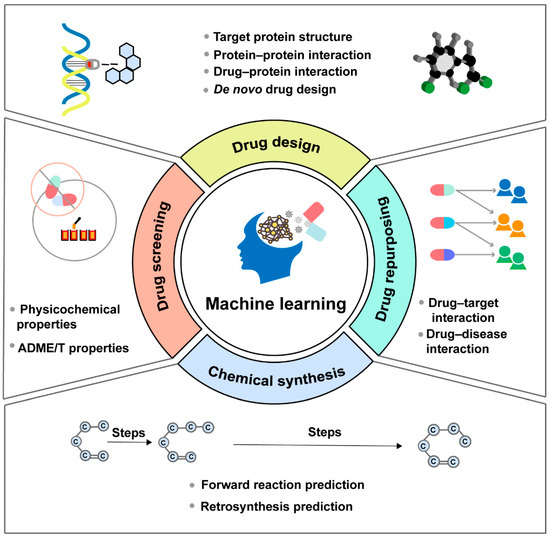
Medicinal chemists use several strategies for drug design.
Rational Drug Design
Uses knowledge of biological targets to design molecules that interact with them.
Computer-Aided Drug Design
Uses computational modeling and molecular simulations.
Combinatorial Chemistry
Generates large libraries of compounds for screening.
Natural Product-Based Drug Discovery
Many drugs are derived from natural compounds found in plants or microorganisms.
10. Drug Formulation and Delivery
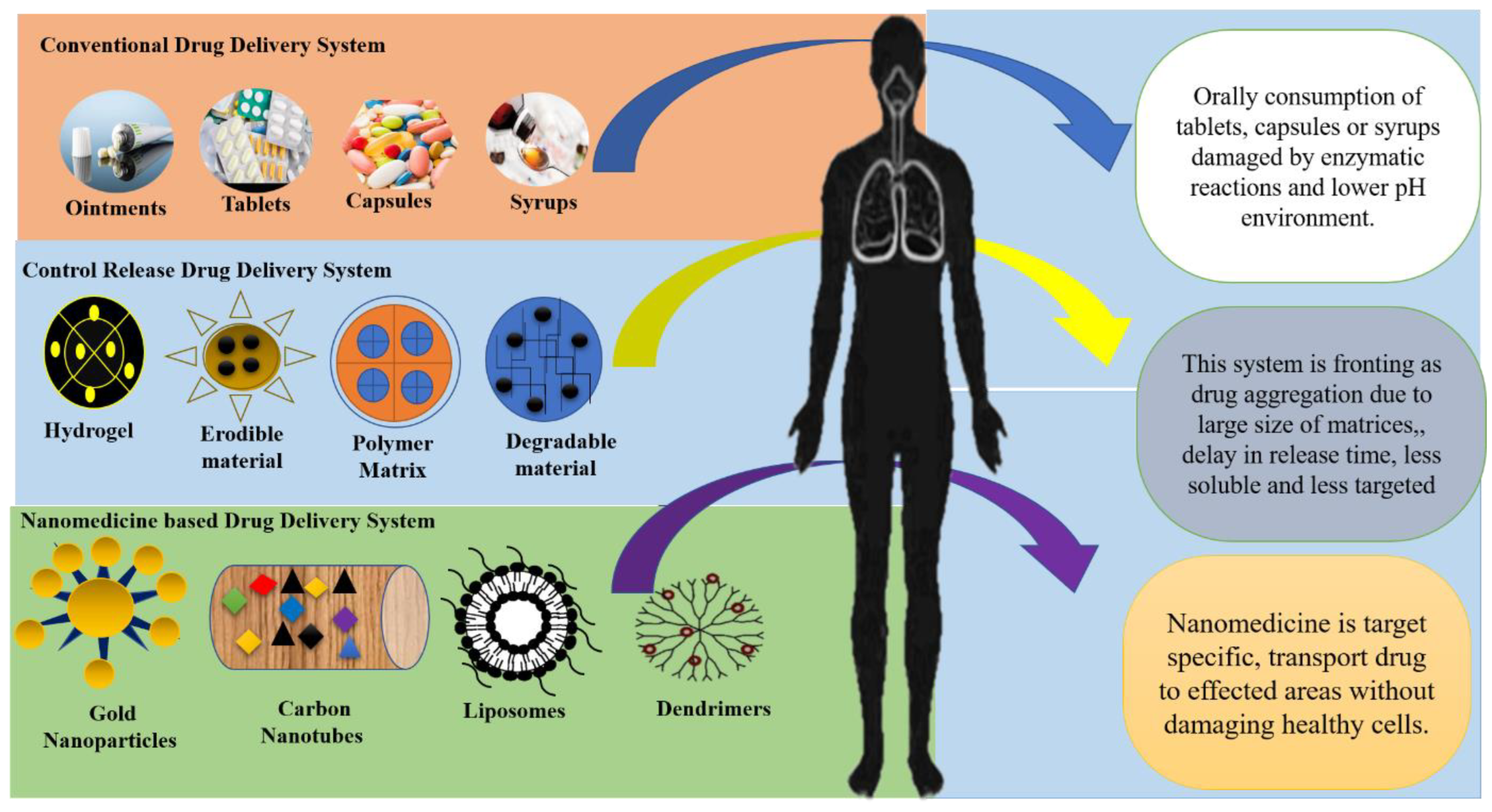


Drug delivery systems control how drugs enter the body.
Examples include:
- Tablets and capsules
- Injections
- Transdermal patches
- Nanoparticle delivery systems
Advanced drug delivery technologies improve therapeutic effectiveness.
11. Toxicology and Drug Safety
Medicinal chemistry must ensure drugs are safe.
Toxicology studies harmful effects of chemical substances.
Safety evaluation includes:
- Determining toxic doses
- Identifying side effects
- Monitoring long-term effects
Regulatory agencies review safety data before approving new drugs.
12. Modern Advances in Medicinal Chemistry
Recent advances include:
Biopharmaceuticals
Drugs based on proteins, antibodies, or nucleic acids.
Personalized Medicine
Tailoring treatments based on genetic information.
Nanomedicine
Using nanoparticles to deliver drugs precisely to target tissues.
Artificial Intelligence in Drug Discovery
AI helps identify potential drug candidates more efficiently.
13. Applications of Medicinal Chemistry
Medicinal chemistry has transformed healthcare.
Applications include:
- Treatment of infectious diseases
- Cancer therapy
- Management of chronic illnesses
- Development of vaccines
- Diagnostic imaging agents
Medicinal chemistry continues to improve quality of life worldwide.
14. Challenges in Drug Development
Drug development faces several challenges.
Examples include:
- High research costs
- Long development timelines
- Drug resistance in microorganisms
- Side effects and toxicity
Researchers continuously work to overcome these challenges.
15. Importance of Medicinal Chemistry
Medicinal chemistry is essential for developing safe and effective medicines.
It bridges chemistry and biology to understand how molecules interact with living systems.
The field plays a crucial role in modern healthcare by providing treatments for diseases that once had no cure.
Conclusion
Medicinal chemistry is the science of designing and developing pharmaceutical compounds that interact with biological systems to treat diseases. It combines principles from chemistry, biology, pharmacology, and medicine to create effective and safe drugs. The drug discovery process involves identifying biological targets, designing molecules, optimizing their properties, and testing them through clinical trials. Medicinal chemists study structure–activity relationships, pharmacokinetics, and pharmacodynamics to improve drug performance and minimize side effects. Advances in computational modeling, biotechnology, and nanotechnology continue to expand the possibilities of medicinal chemistry. As medical challenges evolve, medicinal chemistry remains one of the most important scientific fields for improving human health and developing new therapies.