Tag Archives: Public Administration

🏛️ Executive: Types and Role (Comprehensive Explanation in Political Science)


🌍 Visual Overview: Executive in Governance

Image
Image
Image
Image

📘 1. Introduction to the Executive

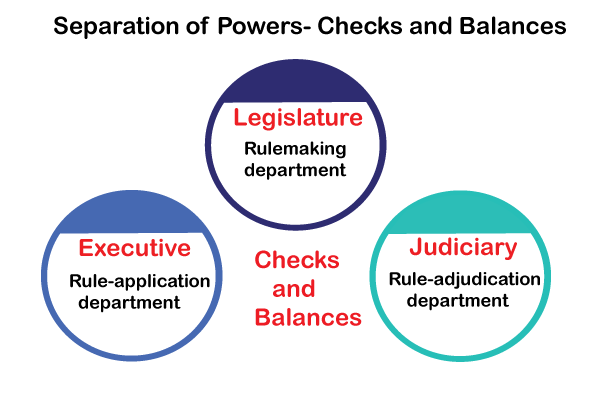
The Executive is one of the three primary organs of government (along with the legislature and judiciary). It is responsible for implementing laws, administering policies, and running the day-to-day affairs of the state.

While the legislature makes laws, it is the executive that translates these laws into action, ensuring governance, maintaining order, and managing public administration. In modern states, the executive has become the most powerful and dynamic organ, playing a crucial role in policy-making and administration.


🧠 2. Meaning and Definitions of Executive

📌 Basic Meaning

The executive refers to the branch of government responsible for executing laws and managing administration.


🧾 Definitions

  • Montesquieu:
    The executive power is concerned with the execution of laws.
  • Woodrow Wilson:
    The executive is the organ that administers the law.

🔑 Key Features

  • Implements laws
  • Administers government
  • Maintains law and order
  • Represents the state

🧱 3. Structure of the Executive

The executive includes:

  • Head of State (President/Monarch)
  • Head of Government (Prime Minister)
  • Council of Ministers/Cabinet
  • Civil services and administrative machinery

⚖️ 4. Types of Executive


🟢 4.1 Nominal vs Real Executive

📌 Nominal Executive

  • Ceremonial head
  • Exercises powers in name only

📌 Real Executive

  • Actual decision-maker

🌍 Visual Representation
Image
Image
Image
Image

📊 Example

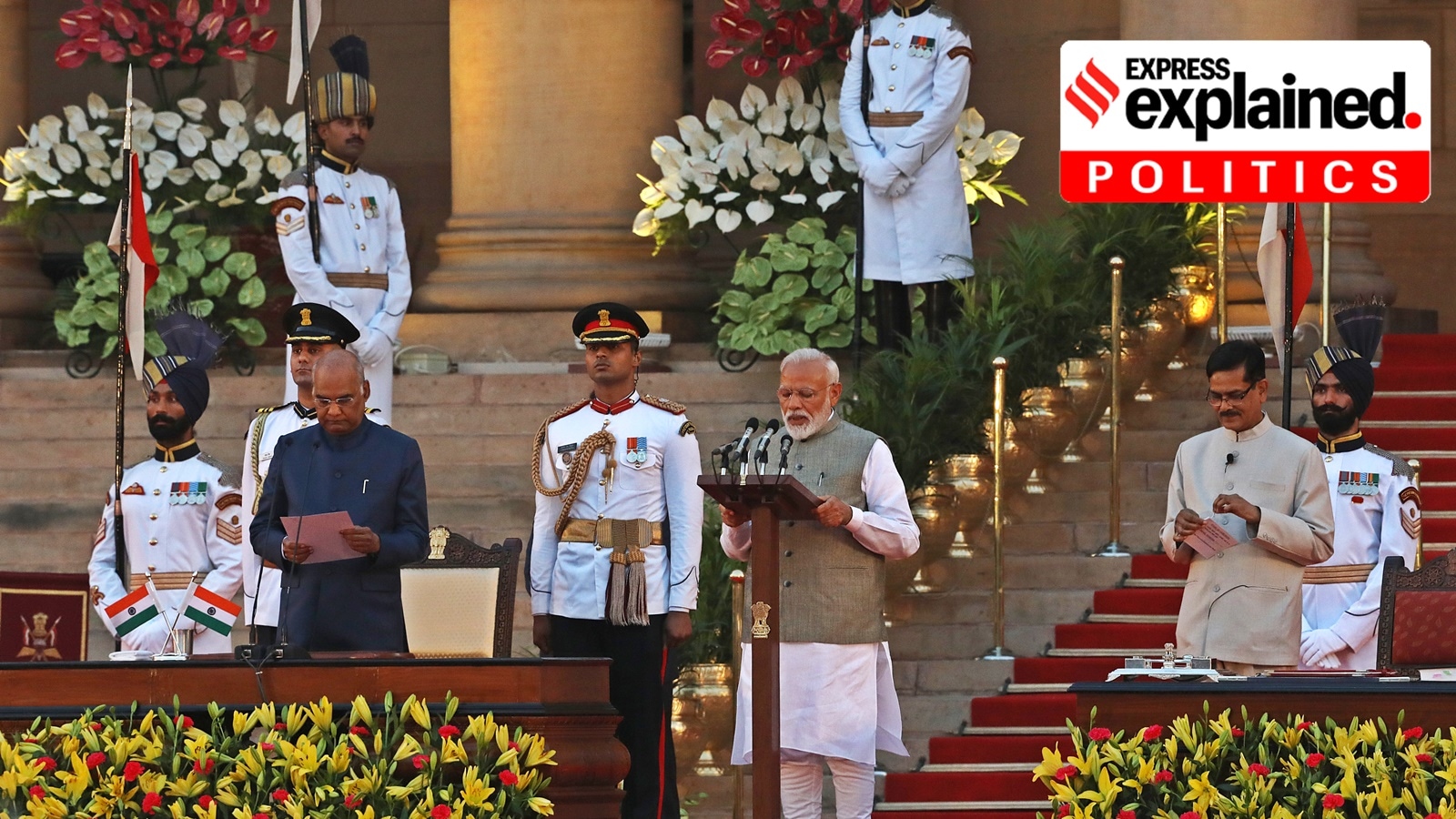
  • India:
    • President → Nominal
    • Prime Minister → Real

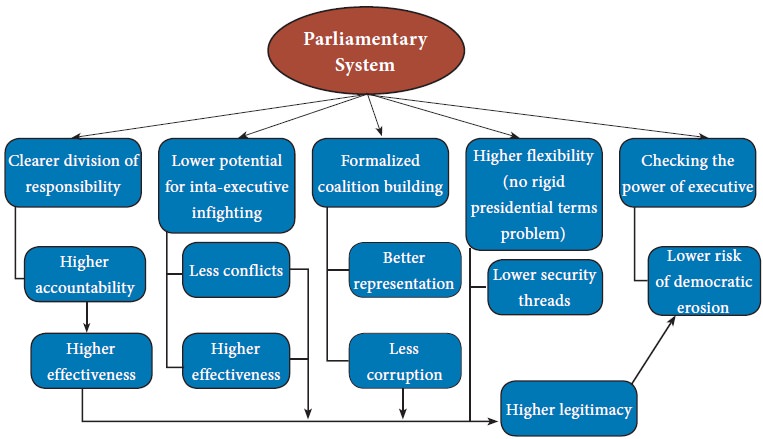
🔵 4.2 Parliamentary Executive

📌 Meaning

Executive is responsible to the legislature.


🌍 Visual Representation
Image
Image
Image
Image

🧩 Features

  • Fusion of powers
  • Collective responsibility
  • Prime Minister leadership

📊 Examples

  • India
  • United Kingdom

🟣 4.3 Presidential Executive

📌 Meaning

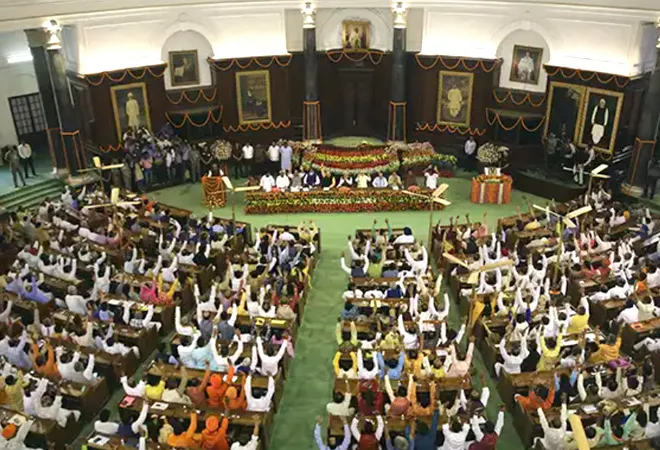
Executive is independent of legislature.


🌍 Visual Representation
Image
Image
Image
Image

🧩 Features

  • Separation of powers
  • Fixed tenure
  • President as real executive

📊 Examples

  • United States

🔴 4.4 Single vs Plural Executive

📌 Single Executive

  • Power concentrated in one person

📌 Plural Executive

  • Power shared among a group

📊 Examples

  • USA → Single
  • Switzerland → Plural

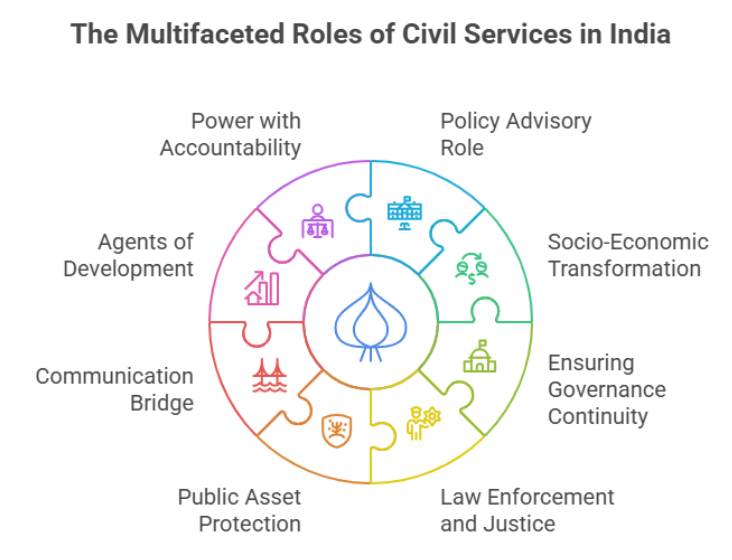
🟡 4.5 Political vs Permanent Executive

📌 Political Executive

  • Elected leaders

📌 Permanent Executive

  • Civil servants

🌍 Visual Representation
Image
Image
Image
Image

🧩 5. Functions and Role of Executive


🟢 5.1 Administrative Function

📌 Meaning

Implementation of laws and policies.


🧩 Activities

  • Running government departments
  • Managing public services

🔵 5.2 Legislative Function

📌 Meaning

Participation in law-making.


🧩 Activities

  • Proposing bills
  • Issuing ordinances

🟣 5.3 Financial Function

📌 Meaning

Managing public finances.


🧩 Activities

  • Preparing budget
  • Controlling expenditure

🔴 5.4 Judicial Function

📌 Meaning

Quasi-judicial roles.


🧩 Activities

  • Granting pardons
  • Appointments of judges

🟡 5.5 Diplomatic Function

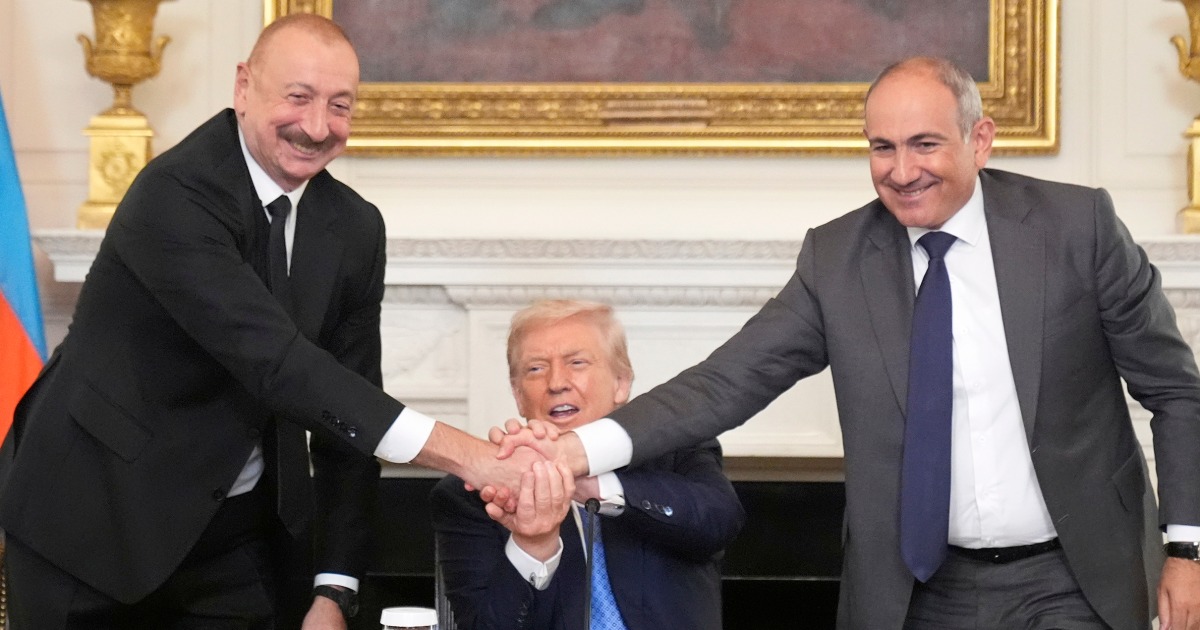
📌 Meaning

Managing foreign relations.


🌍 Visual Representation
Image
Image
Image
Image

🧩 Activities

  • Signing treaties
  • Representing country abroad

5.6 Military Function

📌 Meaning

Defense and security.


🧩 Activities

  • Command of armed forces
  • National security decisions

5.7 Welfare Function

📌 Meaning

Promoting social and economic development.


🧩 Activities

  • Welfare schemes
  • Public services

🔗 6. Importance of Executive

  • Ensures governance
  • Maintains order
  • Implements policies
  • Drives development

⚖️ 7. Executive and Legislature Relationship

  • Parliamentary system → Close relationship
  • Presidential system → Separation

🌍 8. Executive in Modern Governance


📱 Digital Governance

  • E-governance

🌐 Global Role

  • International cooperation

⚠️ 9. Challenges to Executive


🔴 1. Over-centralization

🔵 2. Corruption

🟣 3. Bureaucratic inefficiency

🟡 4. Political instability


🧠 10. Reforms and Improvements

  • Transparency
  • Accountability
  • Administrative efficiency
  • Citizen participation

🧠 11. Conclusion

The executive is the engine of governance, responsible for implementing laws and ensuring smooth administration. Its various forms—parliamentary, presidential, single, plural—reflect the diversity of political systems.

A strong, accountable, and efficient executive is essential for effective governance, development, and stability.
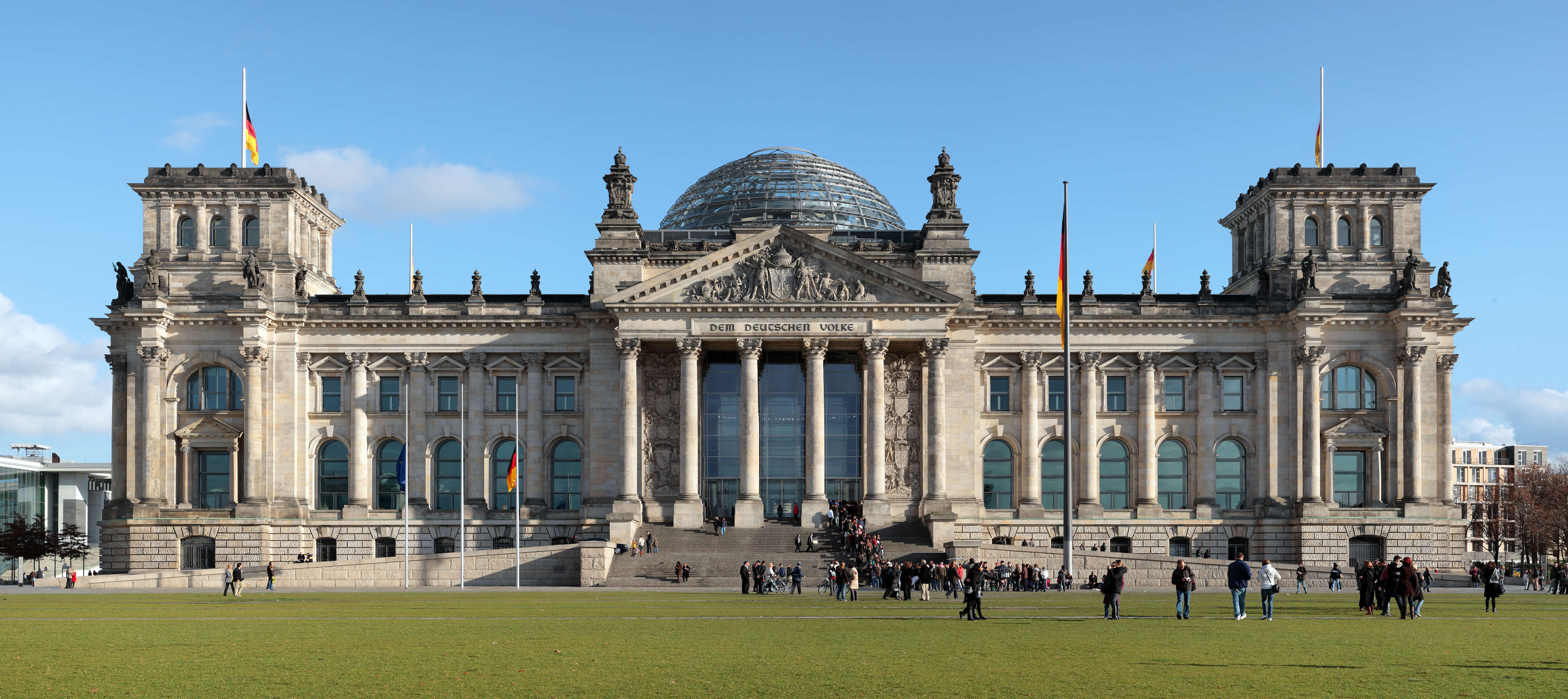
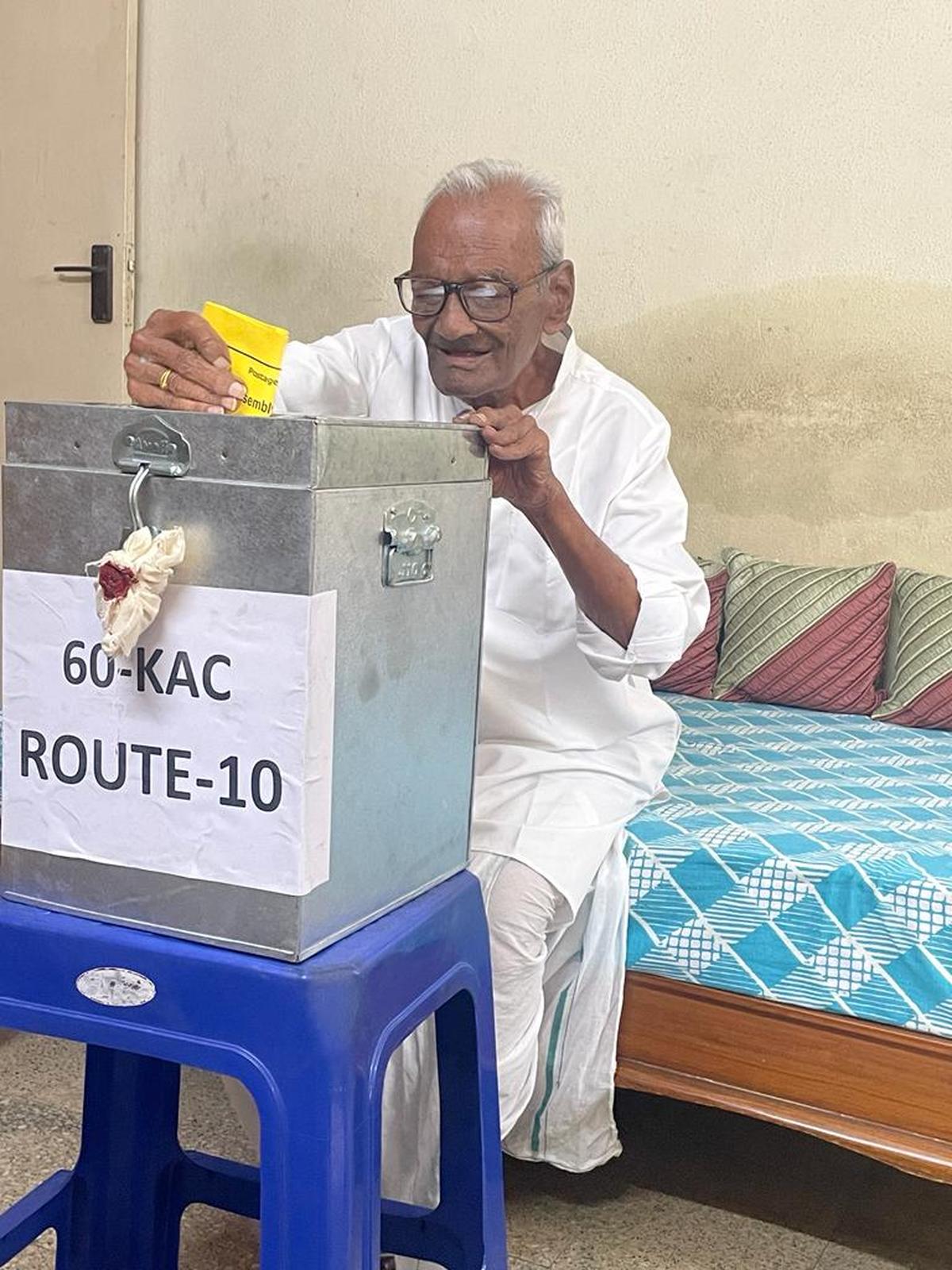
🏛️ State: Meaning, Elements, and Functions (Detailed Explanation)


🌍 Visual Overview of the State

Image
Image
Image
Image

📘 1. Introduction to the Concept of the State

The concept of the State is one of the most fundamental and central ideas in Political Science. It represents the organized political community that exercises authority over a defined territory and population. The state is not just a physical entity but a complex institution that embodies authority, governance, laws, and social order.

The state is often confused with terms like nation, government, or country, but each has a distinct meaning:

  • State → Political organization with sovereignty
  • Nation → Cultural or emotional unity of people
  • Government → Machinery through which the state operates
  • Country → Geographical expression

Understanding the state is essential because it shapes political life, legal systems, economic structures, and social relationships.


🧠 2. Meaning and Definitions of the State

Different political thinkers have defined the state in various ways:

  • Aristotle:
    “The state is a union of families and villages having for its end a perfect and self-sufficing life.”
  • Harold J. Laski:
    “The state is a territorial society divided into government and subjects claiming supreme authority.”
  • Max Weber:
    “The state is a human community that successfully claims the monopoly of the legitimate use of physical force within a given territory.”
  • Woodrow Wilson:
    “The state is a people organized for law within a definite territory.”

🔑 Key Features from Definitions

  • Organized political structure
  • Defined territory
  • Sovereignty (supreme authority)
  • Legal system
  • Monopoly over legitimate force

🧱 3. Essential Elements of the State

Every state must have four essential elements. Without any one of these, a state cannot exist.


👥 3.1 Population

Image
Image
Image
Image

📌 Meaning:

Population refers to the people who live within the state and are subject to its laws.

🔍 Key Points:

  • No fixed size (e.g., China vs Monaco)
  • Includes citizens and non-citizens
  • Can be homogeneous or heterogeneous

📊 Importance:

  • Provides human resources
  • Forms the basis of governance
  • Determines political participation

⚖️ Characteristics:

  • Size
  • Density
  • Diversity (ethnic, cultural, linguistic)

🗺️ 3.2 Territory

Image
Image
Image
Image

📌 Meaning:

Territory refers to the geographical area under the control of the state.

🔍 Includes:

  • Land
  • Water (rivers, lakes, territorial seas)
  • Airspace

📊 Importance:

  • Defines jurisdiction
  • Provides natural resources
  • Establishes political identity

⚠️ Notes:

  • Boundaries may be disputed
  • Territory is essential for sovereignty

🏛️ 3.3 Government

Image
Image
Image
Image

📌 Meaning:

Government is the organization through which the will of the state is expressed and implemented.

🔍 Types:

  • Democracy
  • Monarchy
  • Dictatorship

🧩 Organs of Government:

  • Legislature → Makes laws
  • Executive → Implements laws
  • Judiciary → Interprets laws

📊 Importance:

  • Maintains order
  • Provides administration
  • Executes policies

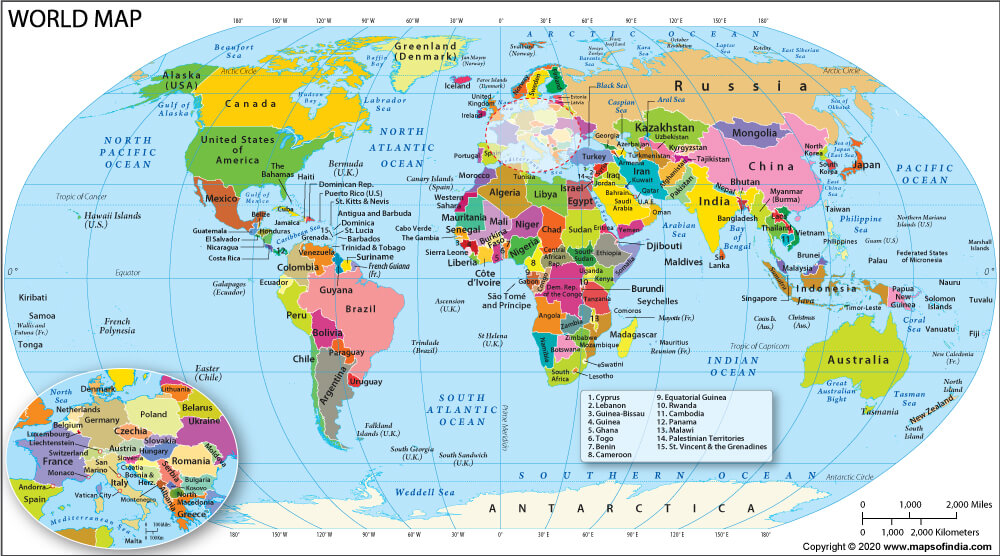
🌐 3.4 Sovereignty

Image
Image
Image
Image

📌 Meaning:

Sovereignty is the supreme power of the state to govern itself without external interference.

🔍 Types:

  • Internal sovereignty → Authority within the state
  • External sovereignty → Independence from other states

🧠 Thinkers:

  • Jean Bodin → Absolute sovereignty
  • John Austin → Legal sovereignty

📊 Importance:

  • Defines state authority
  • Ensures independence
  • Enables international recognition

⚙️ 4. Functions of the State

The functions of the state have evolved over time—from minimal roles to welfare and global responsibilities.


🛡️ 4.1 Essential (Primary) Functions

Image
Image
Image
Image

These are basic functions necessary for the existence of the state.

1. Maintenance of Law and Order

  • Prevents crime
  • Ensures peace and stability

2. Protection from External Threats

  • Defense through military
  • Safeguards sovereignty

3. Administration of Justice

  • Courts resolve disputes
  • Upholds rule of law

4. Revenue Collection (Taxation)

  • Funds government activities

🌱 4.2 Non-Essential (Welfare) Functions

Image
Image
Image
Image

These functions reflect the modern welfare state.

1. Education

  • Schools, universities
  • Literacy promotion

2. Healthcare

  • Hospitals, vaccination programs

3. Economic Development

  • Industrial growth
  • Employment generation

4. Social Welfare

  • Poverty alleviation
  • Social security

5. Infrastructure Development

  • Roads, transport, communication

🌐 4.3 Modern and Global Functions

Image
Image
Image
Image

1. Environmental Protection

  • Climate policies
  • Sustainable development

2. International Relations

  • Diplomacy
  • Trade agreements

3. Digital Governance

  • E-governance
  • Cybersecurity

4. Disaster Management

  • Relief and rehabilitation

🔄 5. Evolution of the State

The state has evolved through different stages:

🏺 Ancient State

  • City-states (e.g., Greek polis)
  • Limited participation

🏰 Medieval State

  • Feudal system
  • Church dominance

👑 Modern State

  • Emergence of sovereignty
  • Nation-state system

🌍 Contemporary State

  • Welfare state
  • Global cooperation

⚖️ 6. Distinction Between State and Other Concepts

ConceptMeaning
StatePolitical organization with sovereignty
NationCultural unity
GovernmentAdministrative machinery
SocietySocial relationships

🧩 7. Importance of the State

  • Maintains order and stability
  • Protects rights and freedoms
  • Promotes development
  • Ensures justice
  • Represents people internationally

⚠️ 8. Challenges to the State

  • Globalization reducing sovereignty
  • Terrorism and security threats
  • Internal conflicts
  • Environmental crises
  • Technological disruptions

🧠 9. Conclusion

The state remains the central institution of political life, despite challenges from globalization and non-state actors. It is indispensable for maintaining order, ensuring justice, and promoting welfare. Its functions have expanded from mere protection to active involvement in economic and social development.

Understanding the state—its meaning, elements, and functions—provides a strong foundation for studying political systems, governance, and international relations.