
Tag Archives: responsibility

🌍 Human Rights and Duties — A Comprehensive Detailed Study


🌟 Introduction

Image
Image
Image
Image

Human rights and duties are fundamental principles that ensure freedom, equality, dignity, and responsibility in society. While human rights guarantee individuals the freedom to live with dignity, duties emphasize the responsibilities individuals have toward society, the nation, and the environment.

A balanced understanding of both rights and duties is essential for maintaining social harmony, justice, and sustainable development. Rights without duties can lead to misuse of freedom, while duties without rights can result in oppression. Therefore, both are interconnected and complementary.


🧭 Meaning of Human Rights


🔹 Definition

Human rights are the basic rights and freedoms that belong to every individual simply because they are human.


🔹 Key Features

  • Universal
  • Inalienable (cannot be taken away)
  • Fundamental
  • Equal for all

🌱 Types of Human Rights


🧍 1. Civil Rights

Image
Image
Image
Image
  • Right to life
  • Freedom of speech
  • Right to equality

🏛️ 2. Political Rights

Image
Image
Image
Image
  • Right to vote
  • Right to participate in governance

💼 3. Economic Rights

Image
Image
Image
Image
  • Right to work
  • Fair wages

🎓 4. Social Rights

Image
Image
Image
Image
  • Right to education
  • Right to health

🌿 5. Cultural Rights

Image
Image
Image
Image
  • Right to culture
  • Freedom to practice traditions

🌟 Meaning of Duties


🔹 Definition

Duties are the responsibilities or obligations that individuals have toward society, the nation, and others.


🔹 Key Features

  • Moral and legal obligations
  • Promote social harmony
  • Ensure responsible behavior

🌿 Types of Duties


👨‍👩‍👧‍👦 1. Personal Duties

Image
Image
Image
Image
  • Self-discipline
  • Personal development

🤝 2. Social Duties

Image
Image
Image
Image
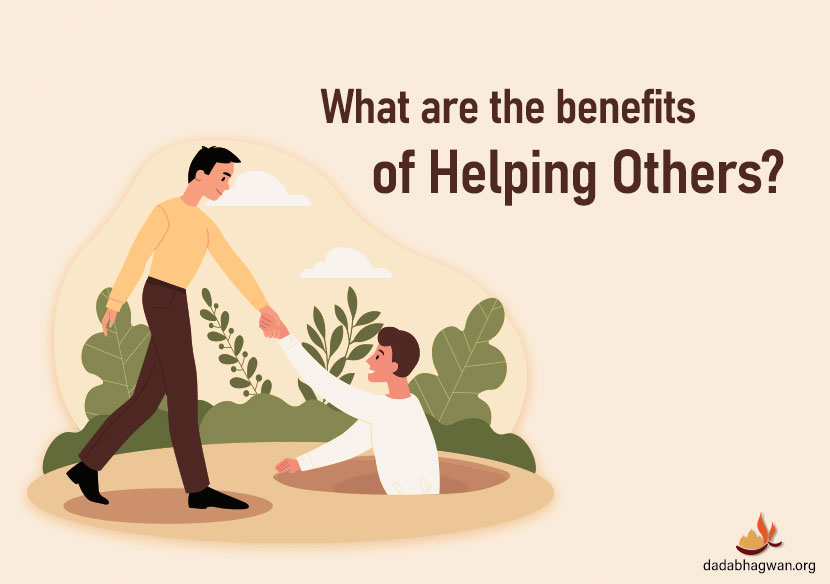
  • Helping others
  • Respecting society

🏛️ 3. National Duties

Image
Image
Image
Image
  • Respecting laws
  • Paying taxes

🌱 4. Environmental Duties

Image
Image
Image
Image
  • Protecting nature
  • Conserving resources

⚖️ Relationship Between Rights and Duties


🌟 Balance Concept

Image
Image
Image
Image
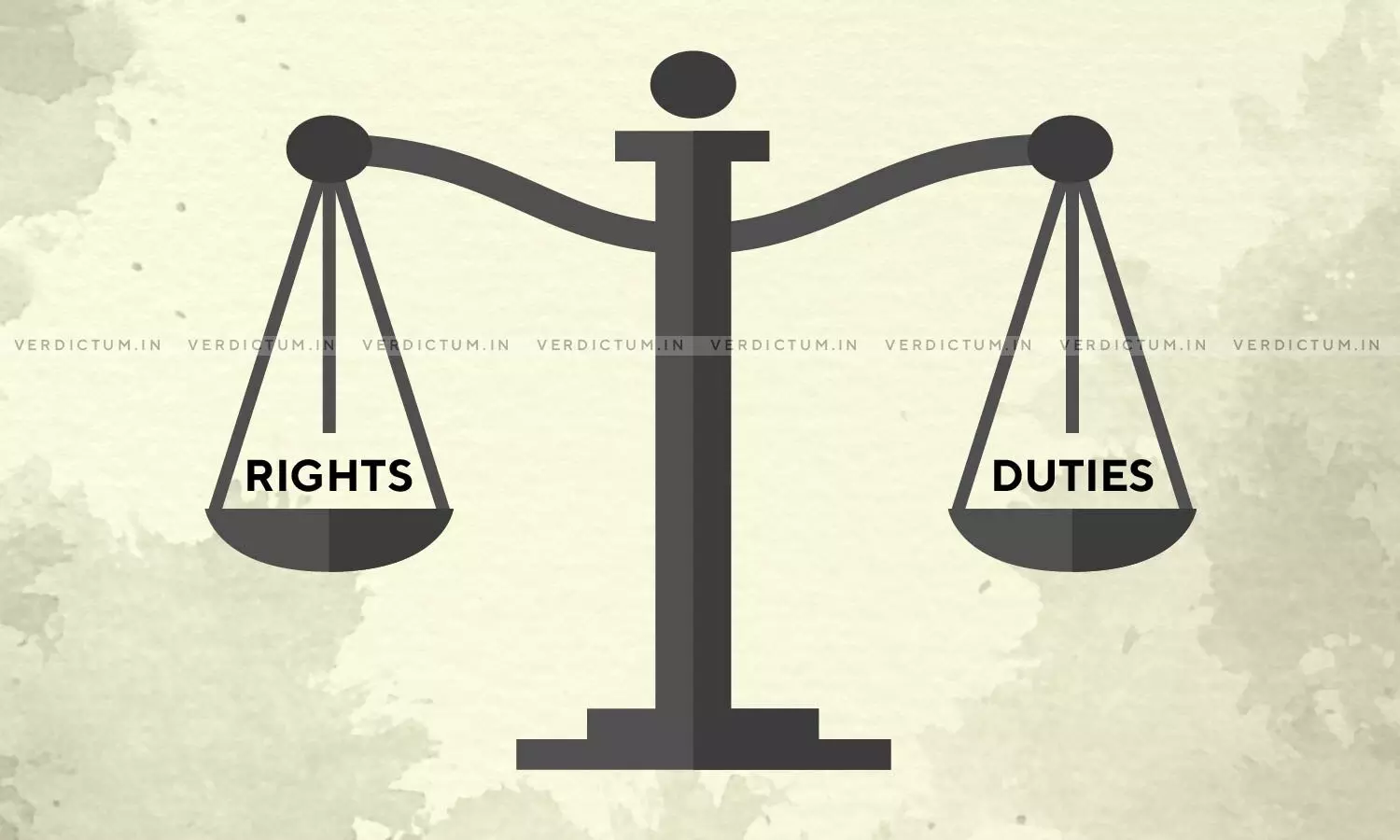
  • Rights and duties are interconnected
  • One cannot exist without the other

👉 Example:
Right to freedom → Duty to respect others’ freedom


🌍 Importance of Human Rights


🔹 1. Protect Human Dignity

🔹 2. Promote Equality

🔹 3. Ensure Freedom

🔹 4. Prevent Exploitation


🌍 Importance of Duties


🔹 1. Maintain Social Order

🔹 2. Promote Responsibility

🔹 3. Strengthen Society

🔹 4. Ensure Sustainable Development


🌱 Human Rights and Duties in Daily Life


🔹 Family

  • Respect and care

🔹 School

  • Follow rules

🔹 Workplace

  • Ethical behavior

🔹 Society

  • Civic participation

🌍 Human Rights and Duties in Constitution


  • Fundamental rights
  • Fundamental duties

🌱 Challenges


🔹 Violation of Rights

🔹 Lack of Awareness

🔹 Inequality

🔹 Neglect of Duties


🌍 Role of Education


  • Awareness of rights
  • Teaching responsibilities

🌱 Human Rights in Modern World


🔹 Digital Rights

🔹 Gender Equality

🔹 Environmental Rights


🌍 Duties in Modern World


  • Responsible digital behavior
  • Environmental protection

🌱 Practical Applications


🔹 Students

  • Respect rules

🔹 Citizens

  • Follow laws

🔹 Professionals

  • Ethical conduct

🌟 Conclusion

Human rights and duties are essential for maintaining balance, justice, and harmony in society. While rights ensure freedom and dignity, duties ensure responsibility and order. Together, they create a fair and sustainable society where individuals can thrive.

Understanding and practicing both rights and duties is crucial for building a better world based on respect, equality, and responsibility.


🏷️ Tags

🌟 Basic Moral Values — Honesty, Integrity & Responsibility

A Comprehensive Detailed Study


🌍 Introduction to Basic Moral Values

Image
Image
Image
Image

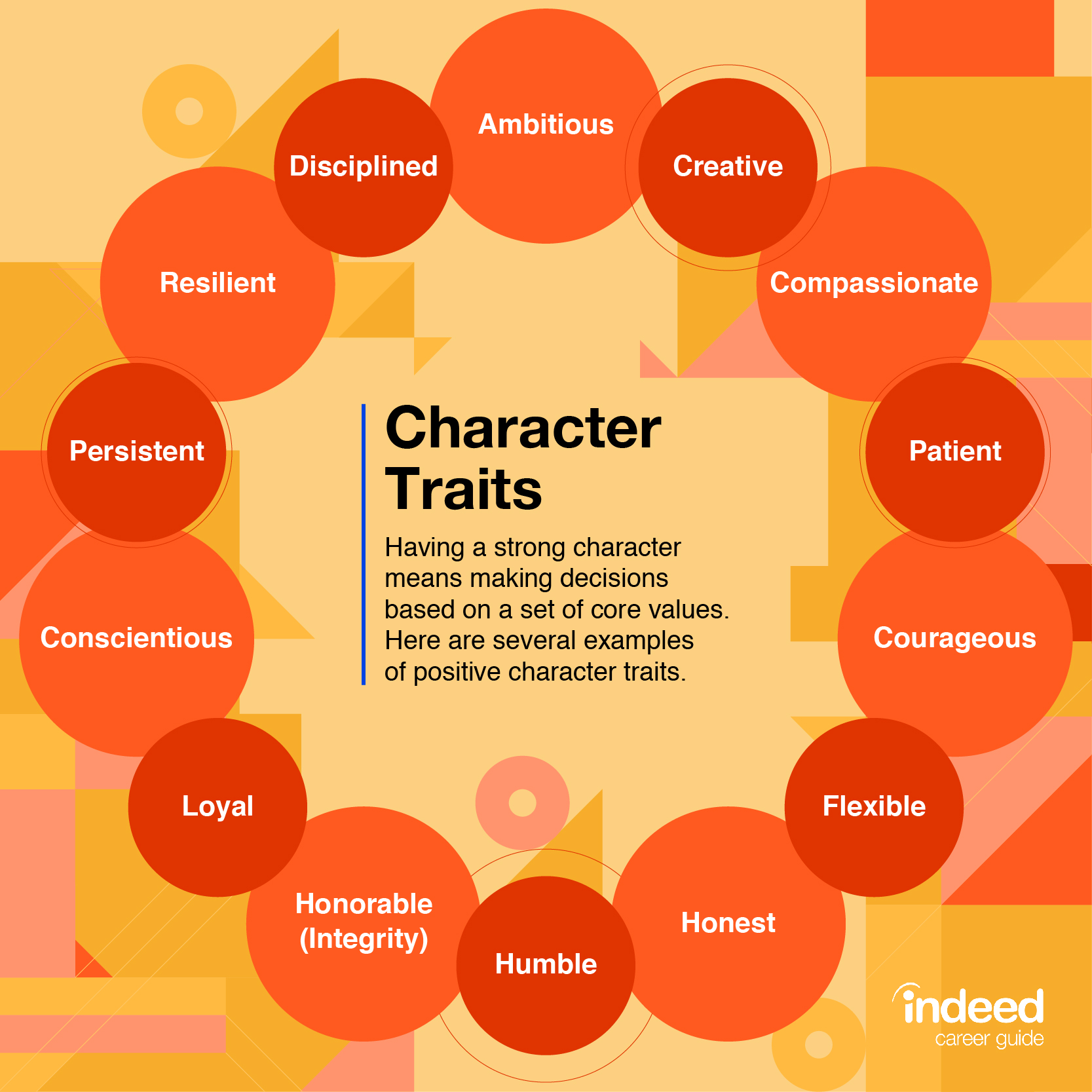
Basic moral values are the core principles that guide human behavior toward what is right, just, and ethical. Among these, honesty, integrity, and responsibility are considered foundational because they shape character, build trust, and sustain healthy relationships and societies.

These values are not just abstract ideas—they are practiced in everyday actions, from telling the truth to fulfilling commitments and standing by ethical principles. They form the backbone of moral development and are essential for personal growth, social harmony, and professional success.


🧭 Understanding Moral Values


🔹 Meaning of Moral Values

Moral values are standards of behavior that help individuals distinguish between right and wrong. They are influenced by culture, upbringing, education, and personal reflection.


🔹 Importance of Basic Moral Values

  • Build strong character
  • Promote trust and cooperation
  • Ensure social order
  • Guide ethical decision-making
  • Enhance personal and professional life

🧠 HONESTY


🌱 Meaning of Honesty

Honesty is the quality of being truthful, sincere, and transparent in words and actions. It involves:

  • Speaking the truth
  • Avoiding deception
  • Being genuine

🌟 Nature of Honesty

Image
Image
Image
Image

🔹 1. Truthfulness

  • Saying what is true
  • Avoiding lies

🔹 2. Transparency

  • Being open and clear

🔹 3. Sincerity

  • Being genuine in actions

🌍 Importance of Honesty

🔹 1. Builds Trust

  • Foundation of relationships

🔹 2. Promotes Integrity

  • Supports ethical behavior

🔹 3. Enhances Reputation

  • Earns respect

🔹 4. Reduces Conflict

  • Prevents misunderstandings

⚖️ Challenges to Honesty

  • Fear of consequences
  • Social pressure
  • Personal gain

🌱 Practical Examples of Honesty

  • Admitting mistakes
  • Not cheating in exams
  • Being truthful in communication

🧭 INTEGRITY


🌿 Meaning of Integrity

Integrity is the quality of being morally upright and consistent in actions, values, and principles.

It means:
👉 Doing the right thing even when no one is watching.


🌟 Nature of Integrity

Image
Image
Image
Image

🔹 1. Consistency

  • Aligning actions with values

🔹 2. Moral Courage

  • Standing for what is right

🔹 3. Accountability

  • Taking responsibility

🌍 Importance of Integrity

🔹 1. Builds Character

  • Core of personal identity

🔹 2. Enhances Leadership

  • Essential for trust

🔹 3. Promotes Ethical Behavior

  • Guides decisions

🔹 4. Strengthens Relationships

  • Encourages reliability

⚖️ Challenges to Integrity

  • Temptation
  • Peer pressure
  • Ethical dilemmas

🌱 Examples of Integrity

  • Refusing to cheat
  • Keeping promises
  • Standing against injustice

🧩 RESPONSIBILITY


🌿 Meaning of Responsibility

Responsibility is the ability and willingness to take ownership of one’s actions and fulfill duties and obligations.


🌟 Nature of Responsibility

Image
Image
Image
Image

🔹 1. Accountability

  • Accepting consequences

🔹 2. Reliability

  • Being dependable

🔹 3. Duty-Oriented

  • Fulfilling obligations

🌍 Importance of Responsibility

🔹 1. Personal Growth

  • Builds discipline

🔹 2. Social Stability

  • Ensures order

🔹 3. Professional Success

  • Enhances performance

🔹 4. Trust Building

  • Others rely on responsible individuals

⚖️ Challenges to Responsibility

  • Laziness
  • Lack of awareness
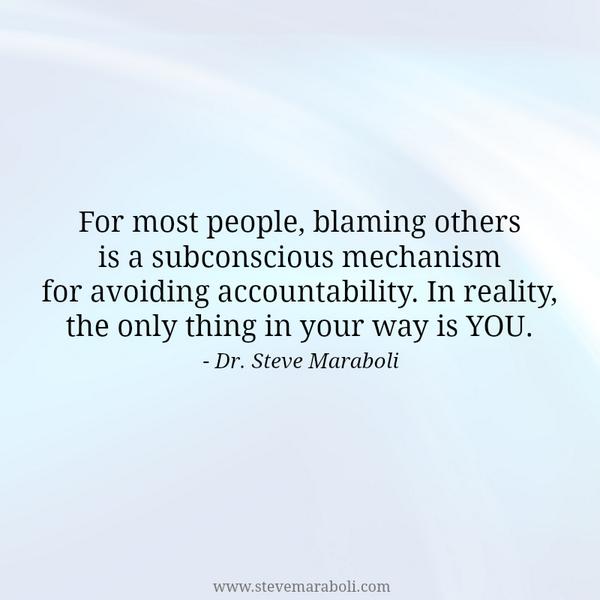
  • Avoidance of accountability

🌱 Examples of Responsibility

  • Completing tasks on time
  • Taking care of family
  • Following rules

🔄 Relationship Between Honesty, Integrity & Responsibility


🌟 Interconnection

Image
Image
Image
Image
  • Honesty → Telling the truth
  • Integrity → Living by truth
  • Responsibility → Acting on truth

Together, they form a complete moral framework.


🌍 Role in Personal Life


🔹 Character Development

  • Builds strong personality

🔹 Emotional Well-being

  • Reduces guilt and stress

🔹 Decision-Making

  • Guides ethical choices

🌐 Role in Society


🔹 Social Harmony

  • Promotes trust

🔹 Justice

  • Ensures fairness

🔹 Cooperation

  • Encourages teamwork

🏢 Role in Professional Life


🔹 Workplace Ethics

  • Honest communication

🔹 Leadership

  • Integrity-based decisions

🔹 Accountability

  • Responsible actions

🌱 Development of Moral Values


🔹 Methods

1. Family Influence

  • Early learning

2. Education

  • Value-based teaching

3. Role Models

  • Learning by example

4. Self-Reflection

  • Understanding actions

⚠️ Consequences of Lack of Moral Values


🔹 Individual Level

  • Loss of trust
  • Poor reputation

🔹 Social Level

  • Corruption
  • Conflict

🔹 Global Level

  • Ethical crises

🌍 Moral Values in Modern Society


🔹 Challenges

  • Materialism
  • Digital dishonesty
  • Competitive pressure

🔹 Need for Reinforcement

  • Ethical education
  • Awareness programs

🌱 Moral Values and Emotional Intelligence


  • Honesty → Self-awareness
  • Integrity → Self-regulation
  • Responsibility → Social skills

🌟 Practical Applications


🔹 Students

  • Academic honesty

🔹 Professionals

  • Ethical work behavior

🔹 Citizens

  • Civic responsibility

🌍 Moral Values and Sustainable Development


  • Promote ethical resource use
  • Encourage responsible consumption

🌟 Conclusion

Honesty, integrity, and responsibility are the pillars of moral values that shape individuals and societies. They guide behavior, build trust, and ensure ethical living. In a rapidly changing world, these values are essential for maintaining balance, promoting justice, and achieving sustainable development.

By practicing these values in everyday life, individuals can contribute to a more ethical, responsible, and harmonious society.


Responsibility in Daily Life

🌿 Introduction

Image
Image
Image
Image

Responsibility in daily life is one of the most essential values that defines a person’s character, reliability, and maturity. It is the ability to take ownership of one’s actions, fulfill duties, and accept the consequences of decisions. Responsibility is not limited to major tasks or roles—it is reflected in everyday behaviors, from completing homework on time to respecting others, managing time effectively, and contributing positively to society.
In a fast-paced and interconnected world, responsibility has become more important than ever. It ensures that individuals remain accountable, disciplined, and ethical in their actions. Whether at home, school, workplace, or in society, responsibility acts as a guiding principle that helps individuals navigate life with integrity and purpose.


🌱 Meaning and Definitions

🔹 Responsibility

Responsibility is:

  • The duty or obligation to perform tasks and roles
  • Being accountable for one’s actions and decisions
  • Acting with awareness of consequences

Examples:

  • Completing assignments on time
  • Taking care of personal belongings
  • Following rules and commitments

🔹 Accountability

  • Accepting the outcomes of actions
  • Owning mistakes and learning from them

🔹 Reliability

  • Being dependable and trustworthy
  • Fulfilling commitments consistently

🔹 Key Characteristics

  • Commitment
  • Discipline
  • Honesty
  • Awareness
  • Dependability

🧠 Psychological Foundations

Image
Image
Image
Image

🔹 Development of Responsibility

  • Begins in early childhood
  • Influenced by family, education, and environment

🔹 Cognitive Aspects

  • Involves decision-making and problem-solving
  • Requires understanding consequences

🔹 Emotional Growth

  • Builds self-confidence and independence
  • Encourages maturity and self-control

🏛️ Philosophical Perspectives

Image
Image
Image
Image

🔸 Ancient Philosophy

  • Aristotle viewed responsibility as part of virtuous living
  • Emphasized ethical behavior and accountability

🔸 Kantian Ethics

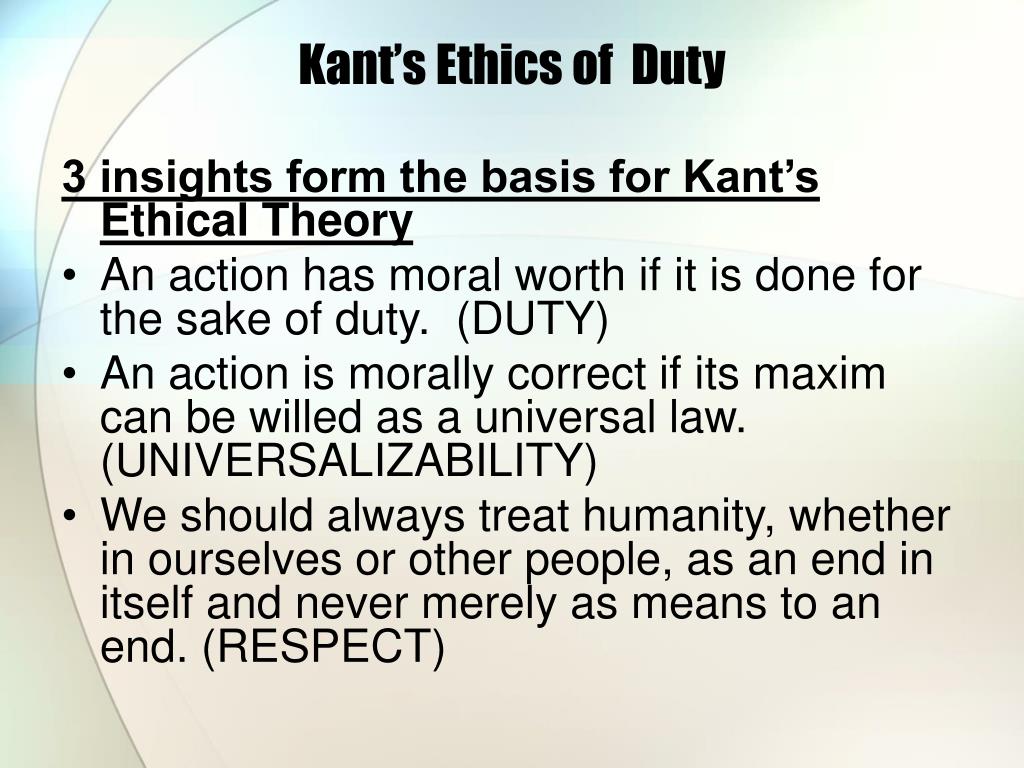
  • Immanuel Kant emphasized duty and moral responsibility
  • Actions should follow universal moral laws

🔸 Eastern Philosophy

  • Confucius highlighted duties toward family and society
  • Mahatma Gandhi emphasized responsibility toward truth and non-violence

🧘 Spiritual and Moral Significance

Image
Image
Image
Image

🔹 Moral Duty

  • Responsibility is a core ethical principle
  • Reflects integrity and character

🔹 Spiritual Teachings

  • Many religions emphasize duty and accountability
  • Actions have consequences (karma, moral judgment)

🏠 Responsibility at Home

🌟 Family Duties

  • Helping with household chores
  • Respecting family members
  • Taking care of younger or elderly members

🌟 Personal Responsibility

  • Maintaining cleanliness
  • Managing personal belongings
  • Following routines

🌟 Emotional Responsibility

  • Supporting family members
  • Communicating respectfully

🏫 Responsibility in Education

Image
Image
Image
Image

📘 Academic Responsibility

  • Completing assignments on time
  • Attending classes regularly
  • Preparing for exams

📘 Behavioral Responsibility

  • Following school rules
  • Respecting teachers and peers

📘 Social Responsibility

  • Helping classmates
  • Participating in group activities

💼 Responsibility in the Workplace

Image
Image
Image
Image

🔹 Professional Duties

  • Completing tasks efficiently
  • Meeting deadlines

🔹 Accountability

  • Taking responsibility for work outcomes

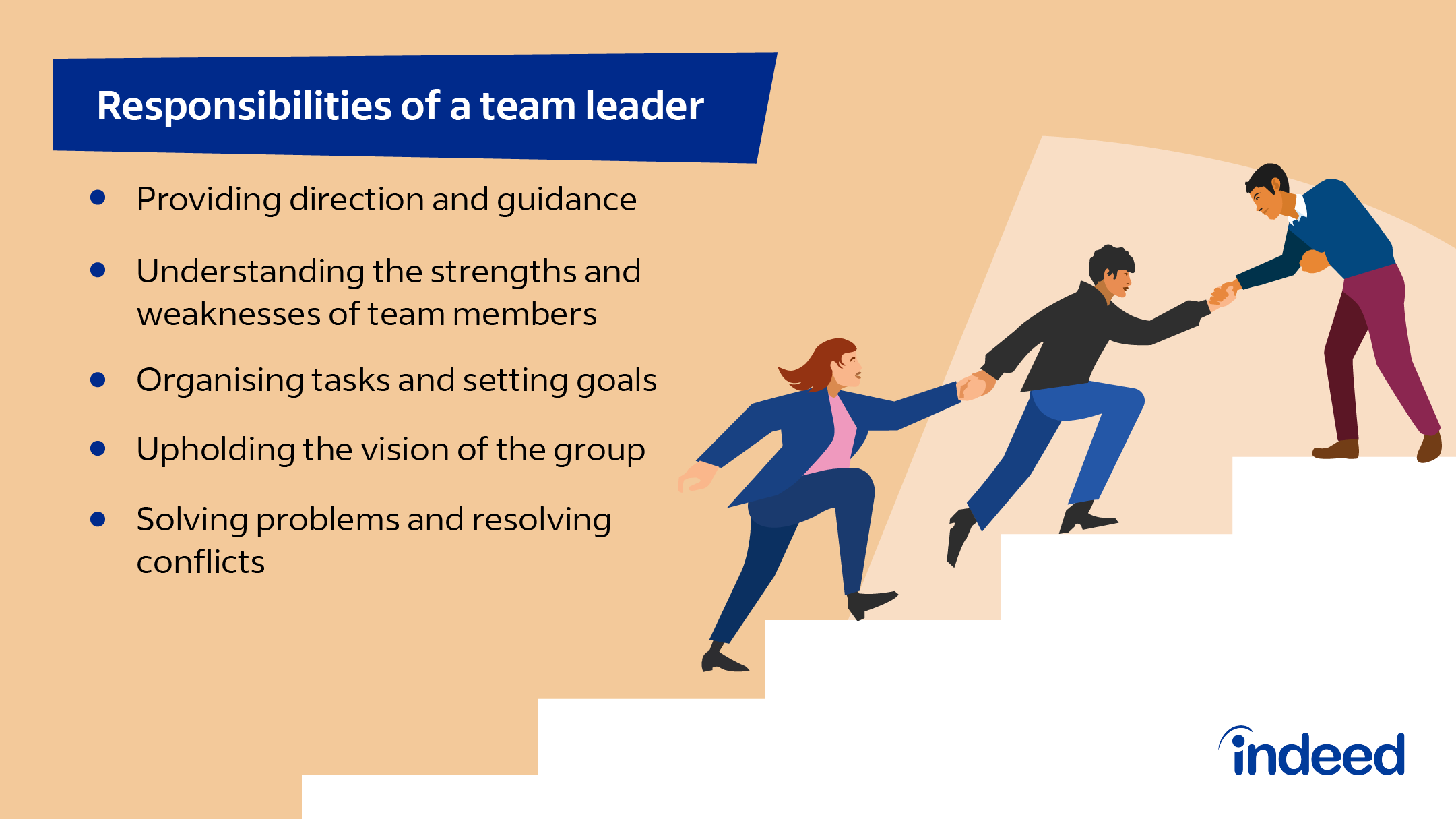
🔹 Team Responsibility

  • Collaborating with colleagues
  • Supporting team goals

🔹 Leadership

  • Responsible leaders inspire trust and respect

🌍 Social Responsibility

Image
Image
Image
Image

🔹 Civic Responsibility

  • Following laws and rules
  • Participating in community activities

🔹 Environmental Responsibility

  • Protecting nature
  • Reducing waste and pollution

🔹 Social Awareness

  • Helping disadvantaged groups
  • Promoting equality and justice

⚖️ Ethical Dimensions

🔸 Moral Responsibility

  • Acting ethically and fairly
  • Avoiding harm to others

🔸 Legal Responsibility

  • Following laws and regulations

🔸 Personal Responsibility

  • Taking ownership of actions

🧩 Challenges to Responsibility

Image
Image
Image
Image

🔹 Procrastination

  • Delaying tasks and responsibilities

🔹 Lack of Awareness

  • Not understanding importance

🔹 External Influences

  • Peer pressure and distractions

🔹 Avoiding Accountability

  • Blaming others for mistakes

🌟 Benefits of Responsibility

✅ Personal Benefits

  • Builds confidence and independence
  • Enhances decision-making skills

✅ Social Benefits

  • Strengthens relationships
  • Promotes trust and cooperation

✅ Professional Benefits

  • Career growth
  • Reputation for reliability

🛠️ Ways to Develop Responsibility

Image
Image
Image
Image

🔹 Set Clear Goals

  • Define responsibilities and priorities

🔹 Time Management

  • Plan and organize tasks

🔹 Self-Discipline

  • Stay consistent in actions

🔹 Learn from Mistakes

  • Accept and correct errors

🔹 Take Initiative

  • Act without waiting for instructions

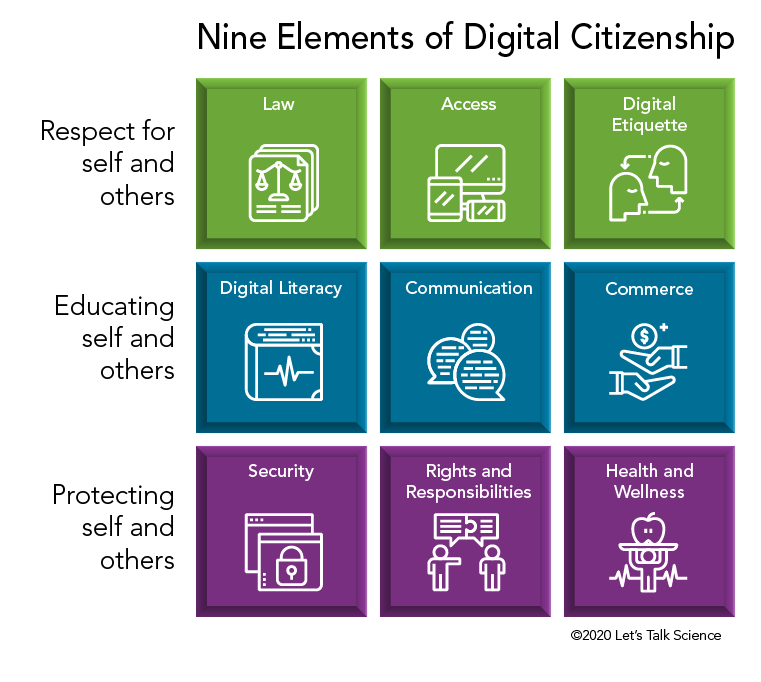
📱 Responsibility in the Digital Age

Image
Image
Image
Image

🔹 Online Behavior

  • Being respectful and ethical

🔹 Information Sharing

  • Avoid spreading misinformation

🔹 Cyber Responsibility

  • Protecting privacy and security

🧭 Real-Life Examples

🔹 Students

  • Managing studies and extracurricular activities

🔹 Families

  • Sharing responsibilities at home

🔹 Professionals

  • Meeting work commitments

📊 Comparison with Related Values

ValueRelation
DisciplineSupports responsibility
AccountabilityCore aspect of responsibility
IntegrityEnsures ethical responsibility
DependabilityResult of responsibility

🧾 Conclusion

Responsibility in daily life is a cornerstone of personal growth, social harmony, and professional success. It enables individuals to act with awareness, fulfill their duties, and contribute positively to society. From simple daily tasks to complex decisions, responsibility guides behavior and builds character.
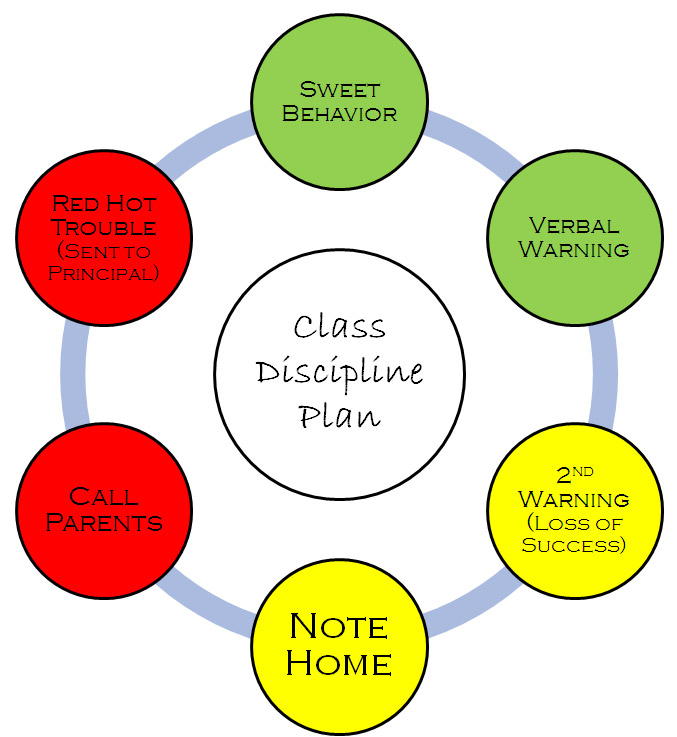
In a rapidly evolving world, where challenges and opportunities coexist, being responsible is more important than ever. It fosters trust, reliability, and ethical conduct, creating a foundation for a better future.

By cultivating responsibility in everyday life, individuals not only improve their own lives but also contribute to the well-being of their families, communities, and society as a whole.


🏷️ Tags

Discipline and Self-Control

🌿 Introduction

Image
Image
Image
Image

Discipline and self-control are foundational virtues that shape personal success, moral character, and overall well-being. These qualities enable individuals to regulate their thoughts, emotions, and actions in pursuit of long-term goals, even in the face of distractions, temptations, and challenges. In a world filled with instant gratification and constant stimulation, discipline and self-control have become more important than ever.

Discipline refers to the ability to follow rules, maintain consistency, and adhere to a structured approach in life. Self-control, on the other hand, is the capacity to regulate impulses, emotions, and desires. Together, they empower individuals to make rational decisions, stay focused on goals, and lead balanced, meaningful lives.

These qualities are not innate—they are developed through practice, awareness, and commitment. Whether in academics, career, relationships, or personal health, discipline and self-control are key determinants of success and fulfillment.


🌱 Meaning and Definitions

🔹 Discipline

Discipline is:

  • The practice of training oneself to follow rules or a code of behavior
  • Maintaining consistency and order in actions
  • Prioritizing long-term goals over short-term pleasures

Examples:

  • Following a daily study schedule
  • Maintaining punctuality
  • Adhering to rules and responsibilities

🔹 Self-Control

Self-control is:

  • The ability to regulate emotions and impulses
  • Resisting temptations and distractions
  • Acting thoughtfully rather than impulsively

Examples:

  • Avoiding procrastination
  • Managing anger or frustration
  • Controlling unhealthy habits

🔹 Key Differences

AspectDisciplineSelf-Control
NatureExternal structureInternal regulation
FocusHabits and routinesEmotions and impulses
ExampleFollowing a timetableResisting distractions

🧠 Psychological Foundations

Image
Image
Image
Image

🔹 Brain Function

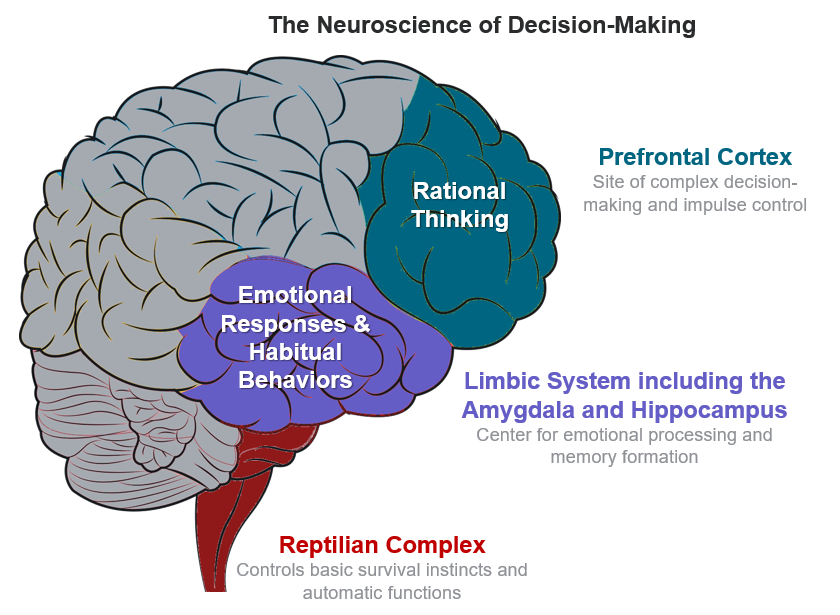
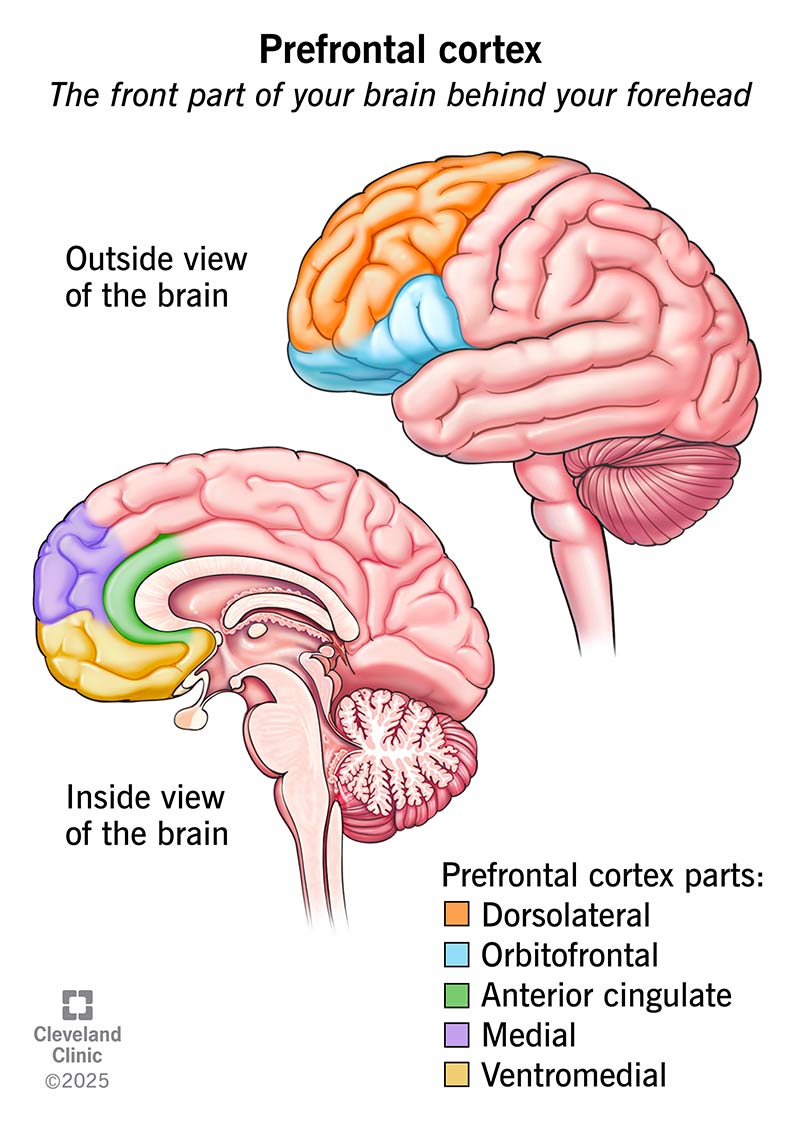
  • The prefrontal cortex is responsible for decision-making and impulse control
  • Strong self-control is linked to better cognitive functioning

🔹 Delayed Gratification

  • Ability to delay immediate rewards for future benefits
  • Famous “marshmallow test” demonstrates importance

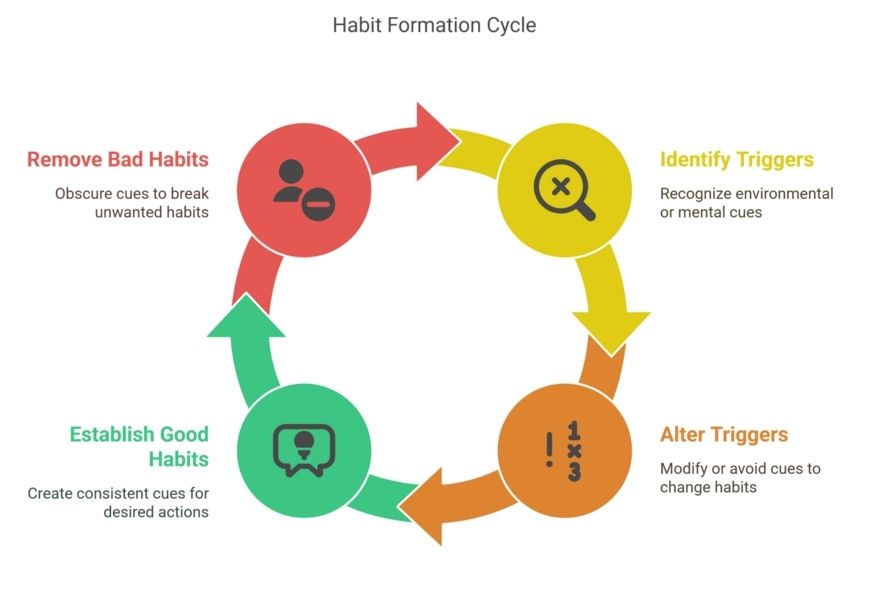
🔹 Habit Formation

  • Discipline is built through repeated actions
  • Habits reduce the need for constant decision-making

🏛️ Philosophical Perspectives

Image
Image
Image
Image

🔸 Ancient Philosophy

  • Aristotle emphasized moderation and self-control as virtues
  • Balance between excess and deficiency

🔸 Stoicism

  • Advocates control over emotions and desires
  • Focus on inner strength and resilience

🔸 Eastern Philosophy

  • Buddhism teaches mindfulness and self-discipline
  • Hinduism emphasizes control of senses (Indriya Nigraha)

🔸 Modern Thinkers

  • Mahatma Gandhi practiced strict self-discipline
  • Emphasized simplicity and control

🧘 Spiritual and Religious Significance

Image
Image
Image
Image

🔹 Hinduism

  • Practices like yoga and meditation develop discipline

🔹 Buddhism

  • Emphasizes mindfulness and control over desires

🔹 Christianity

  • Encourages self-control as a virtue

🔹 Islam

  • Fasting during Ramadan teaches discipline and restraint

🏠 Role in Personal Life

🌟 Goal Achievement

  • Helps in setting and achieving long-term goals
  • Maintains focus and consistency

🌟 Emotional Stability

  • Controls anger, stress, and anxiety
  • Promotes mental balance

🌟 Healthy Lifestyle

  • Encourages regular exercise and proper diet
  • Avoids harmful habits

🌍 Social Importance

Image
Image
Image
Image

🔹 Social Order

  • Discipline ensures law and order
  • Promotes responsible behavior

🔹 Relationships

  • Self-control prevents conflicts
  • Encourages respect and understanding

🔹 Community Development

  • Disciplined citizens contribute to progress

🏫 Importance in Education

📘 Academic Success

  • Regular study habits improve performance
  • Time management enhances productivity

📘 Classroom Discipline

  • Maintains order and effective learning
  • Encourages respect for teachers

📘 Student Development

  • Builds responsibility and independence

💼 Workplace Relevance

Image
Image
Image
Image

🔹 Productivity

  • Disciplined employees meet deadlines
  • Improve efficiency

🔹 Leadership

  • Self-control helps in decision-making
  • Builds trust and respect

🔹 Professional Growth

  • Consistency leads to career advancement

⚖️ Ethical Dimensions

🔸 Moral Responsibility

  • Discipline reflects integrity and responsibility

🔸 Freedom vs Control

  • True freedom comes from self-control

🔸 Accountability

  • Taking responsibility for actions

🧩 Challenges to Discipline and Self-Control

Image
Image
Image

🔹 Distractions

  • Social media and technology

🔹 Instant Gratification

  • Desire for immediate pleasure

🔹 Lack of Motivation

  • Difficulty in maintaining consistency

🔹 Stress and Fatigue

  • Reduces ability to self-regulate

🌟 Benefits of Discipline and Self-Control

✅ Personal Benefits

  • Increased productivity
  • Better mental health
  • Stronger willpower

✅ Social Benefits

  • Responsible behavior
  • Improved relationships

✅ Long-Term Success

  • Achievement of goals
  • Sustainable growth

🛠️ Ways to Develop Discipline and Self-Control

Image
Image
Image
Image

🔹 Set Clear Goals

  • Define short-term and long-term objectives

🔹 Create Routines

  • Establish daily habits

🔹 Practice Mindfulness

  • Increase awareness of thoughts and actions

🔹 Avoid Temptations

  • Limit distractions

🔹 Stay Consistent

  • Small efforts daily lead to big results

📱 Discipline in the Digital Age

Image
Image
Image
Image

🔹 Managing Screen Time

  • Avoid excessive use of devices

🔹 Digital Productivity

  • Use tools for organization

🔹 Online Learning Discipline

  • Stay focused in virtual environments

🧭 Real-Life Examples

🔹 Students

  • Maintaining study schedules

🔹 Athletes

  • Rigorous training routines

🔹 Professionals

  • Consistent work habits

📊 Comparison with Related Values

ValueRelation
WillpowerCore of self-control
ResponsibilityOutcome of discipline
PerseveranceSustained effort
FocusEssential for discipline

🧾 Conclusion

Discipline and self-control are essential qualities that enable individuals to lead successful and meaningful lives. They provide the foundation for achieving goals, maintaining emotional balance, and contributing positively to society. In an era of distractions and instant gratification, cultivating these values is more important than ever.

By developing discipline and self-control, individuals gain mastery over their actions and decisions, leading to personal growth and long-term success. These qualities are not restrictions—they are tools that empower individuals to live with purpose, clarity, and resilience.


🏷️ Tags