
🌍 Introduction




Civic responsibility and citizenship are fundamental concepts that define the relationship between individuals and the society or nation they belong to. They emphasize the rights, duties, participation, and ethical behavior expected from individuals as members of a community.
A responsible citizen contributes to the well-being of society by respecting laws, participating in democratic processes, and promoting social harmony. Civic responsibility ensures that individuals actively engage in activities that support the common good.
In modern societies, where democratic values and social cooperation are essential, civic responsibility and citizenship play a crucial role in maintaining peace, order, and development.
🧭 Meaning of Citizenship
🔹 Definition
Citizenship refers to the legal status and relationship between an individual and a state, granting rights and responsibilities.
🔹 Key Features
- Legal recognition
- Rights and duties
- Participation in governance
🌱 Meaning of Civic Responsibility
🔹 Definition
Civic responsibility is the duty of citizens to contribute positively to society and uphold its laws and values.
🔹 Key Aspects
- Respect for laws
- Participation in community
- Ethical behavior
🌿 Nature of Citizenship
🔹 1. Legal and Political

- Defined by law
🔹 2. Rights-Based




- Provides rights
🔹 3. Responsibility-Oriented



- Includes duties
🌿 Nature of Civic Responsibility
🔹 1. Ethical




- Based on values
🔹 2. Social




- Benefits society
🔹 3. Voluntary and Active




- Requires participation
🌍 Types of Citizenship
🔹 Political Citizenship
- Participation in governance
🔹 Social Citizenship
- Access to welfare
🔹 Cultural Citizenship
- Preservation of identity
🌍 Types of Civic Responsibilities
🔹 Legal Responsibilities
- Obey laws
🔹 Social Responsibilities
- Respect others
🔹 Environmental Responsibilities
- Protect nature
🌟 Rights and Duties of Citizens
🔹 Rights
- Freedom
- Equality
- Education
🔹 Duties
- Follow laws
- Pay taxes
- Respect others
⚖️ Relationship Between Citizenship and Civic Responsibility
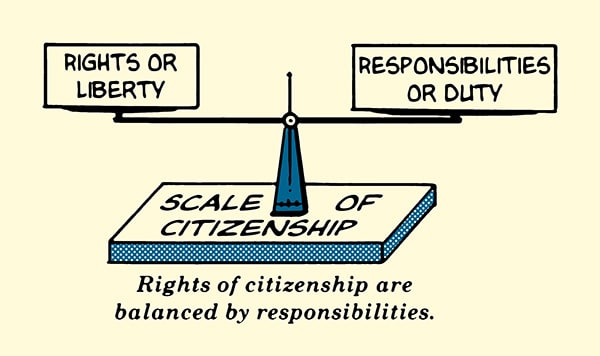
🌟 Balance Concept



- Citizenship provides rights
- Civic responsibility ensures duties
🌍 Importance of Civic Responsibility
🔹 1. Promotes Social Harmony
🔹 2. Strengthens Democracy
🔹 3. Encourages Participation
🔹 4. Ensures Development
🌍 Importance of Citizenship
🔹 1. Legal Protection
🔹 2. Identity and Belonging
🔹 3. Participation in Governance
🌱 Civic Responsibility in Daily Life
🔹 Respecting laws
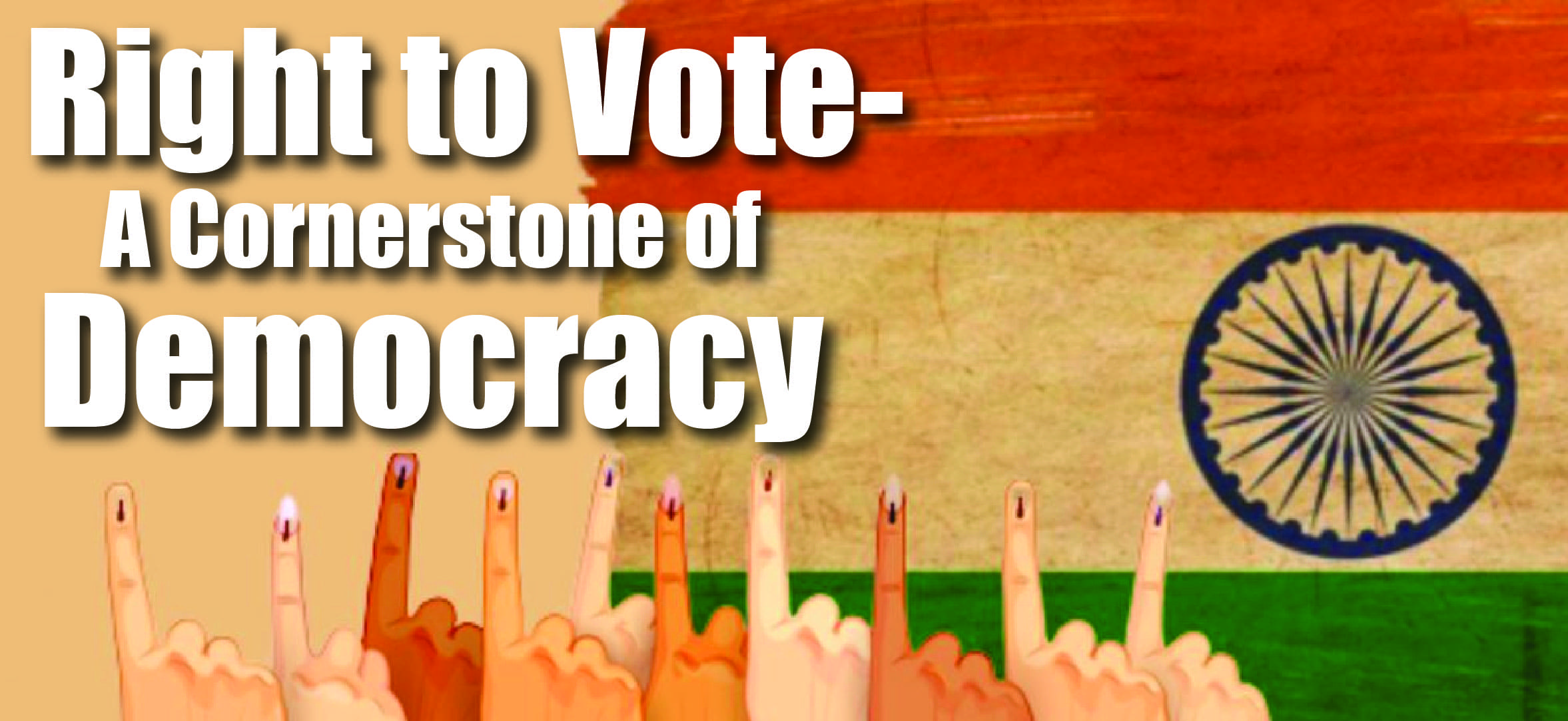
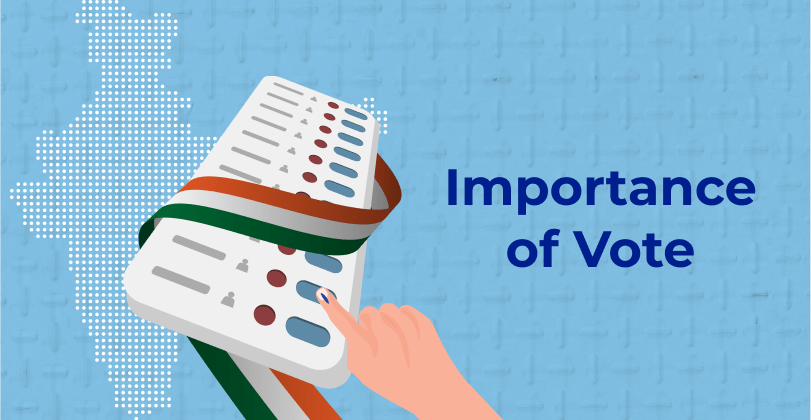
🔹 Voting
🔹 Helping community
🔹 Protecting environment
🌍 Citizenship in Modern Society
🔹 Digital Citizenship
🔹 Global Citizenship
🔹 Active Citizenship
🌱 Challenges
🔹 Lack of Awareness
🔹 Corruption
🔹 Low Participation
🔹 Inequality
🌍 Promoting Civic Responsibility
🔹 Education
🔹 Awareness campaigns
🔹 Community programs
🔹 Government policies
🌱 Role in Democracy
- Ensures participation
- Promotes accountability
🌍 Civic Responsibility and Sustainable Development
- Protect environment
- Promote equality
🌱 Practical Applications
🔹 Students
- Follow rules
🔹 Citizens
- Participate in elections
🔹 Professionals
- Ethical conduct
🌟 Conclusion
Civic responsibility and citizenship are essential for building a just, peaceful, and progressive society. While citizenship provides rights and identity, civic responsibility ensures that individuals contribute positively to society.
Together, they create a balance between freedom and responsibility, enabling individuals to participate actively in shaping their communities and nations.