
🌱 Introduction




Self-awareness and personal identity are foundational concepts in human values, psychology, and personal development. They help individuals understand who they are, what they believe, and how they relate to the world around them. These concepts influence behavior, decision-making, relationships, and overall life satisfaction.
Self-awareness is the ability to recognize one’s thoughts, emotions, strengths, weaknesses, and motivations. Personal identity, on the other hand, is the sense of self that develops over time, shaped by experiences, culture, values, and social interactions.
Together, they form the basis of authentic living, emotional intelligence, and ethical behavior.
🧭 Meaning of Self-Awareness
🔹 Definition
Self-awareness is the conscious knowledge of one’s own character, feelings, motives, and desires.
It involves:
- Understanding internal states (thoughts, emotions)
- Recognizing how others perceive you
- Being mindful of your actions and their consequences
🔹 Types of Self-Awareness
1. Internal Self-Awareness
- Understanding your own values, passions, and aspirations
- Knowing your strengths and weaknesses
2. External Self-Awareness
- Understanding how others view you
- Awareness of social impact and behavior
🔹 Key Elements of Self-Awareness
- Self-concept – beliefs about oneself
- Self-esteem – evaluation of self-worth
- Self-image – perception of one’s appearance and personality
🌿 Meaning of Personal Identity
🔹 Definition
Personal identity refers to the distinctive characteristics, beliefs, values, and experiences that define an individual.
It answers the question:
👉 “Who am I?”
🔹 Components of Personal Identity
- Personality traits
- Beliefs and values
- Culture and background
- Roles (student, friend, citizen)
- Life experiences
🔹 Types of Identity
- Individual Identity – unique traits
- Social Identity – group affiliations
- Cultural Identity – traditions and customs
- Digital Identity – online presence
🌟 Nature of Self-Awareness
🔹 1. Conscious and Reflective


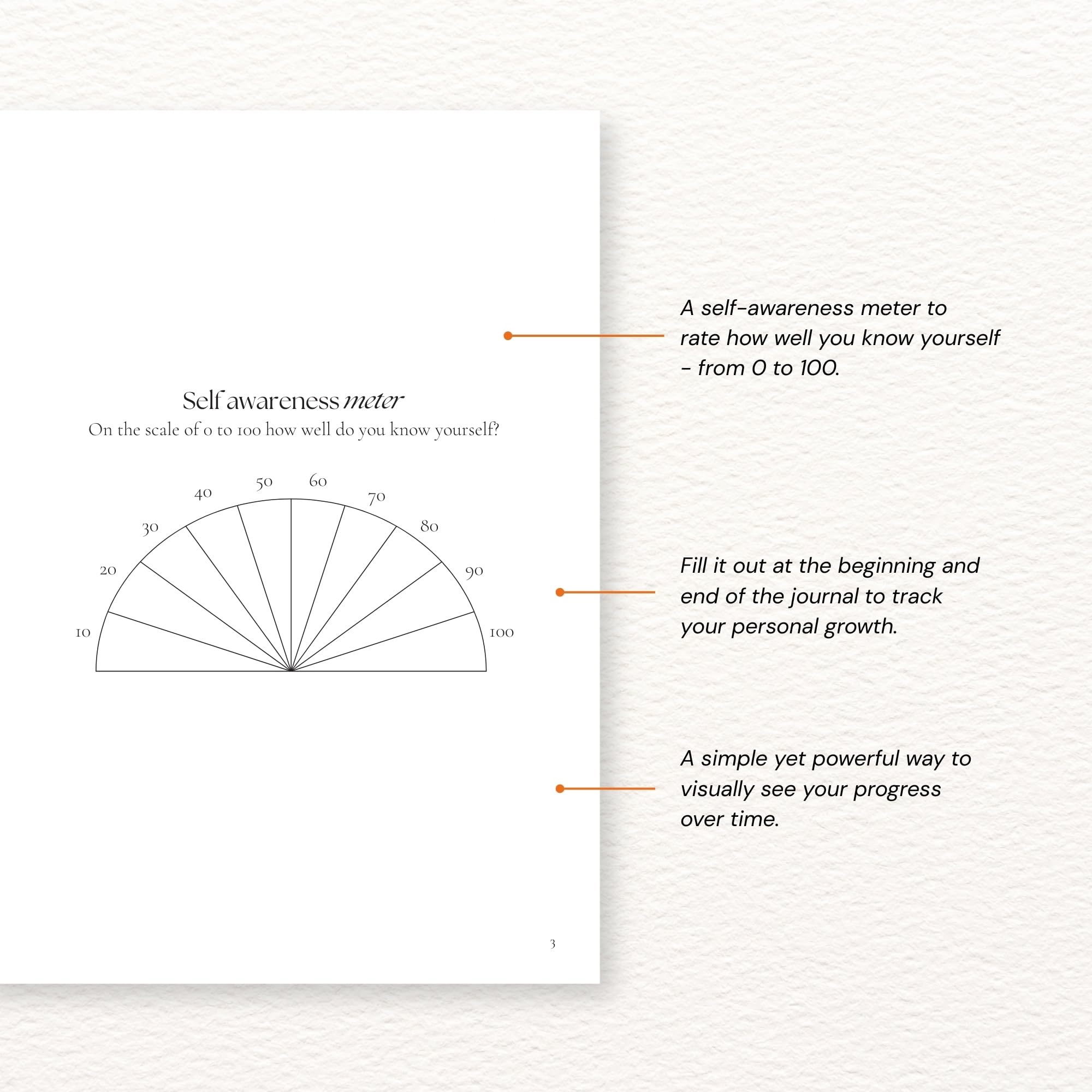
Self-awareness requires conscious effort:
- Reflection
- Introspection
- Mindfulness
🔹 2. Dynamic and Evolving

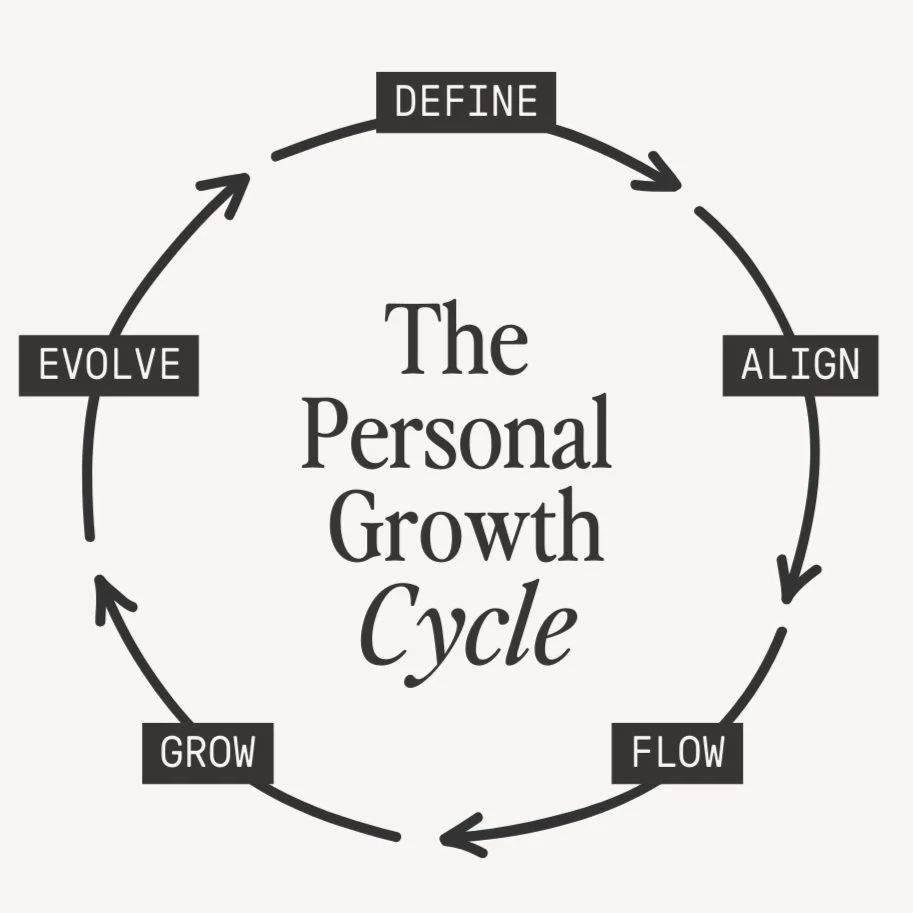

- Changes with experiences
- Develops over time
- Influenced by learning
🔹 3. Subjective yet Objective

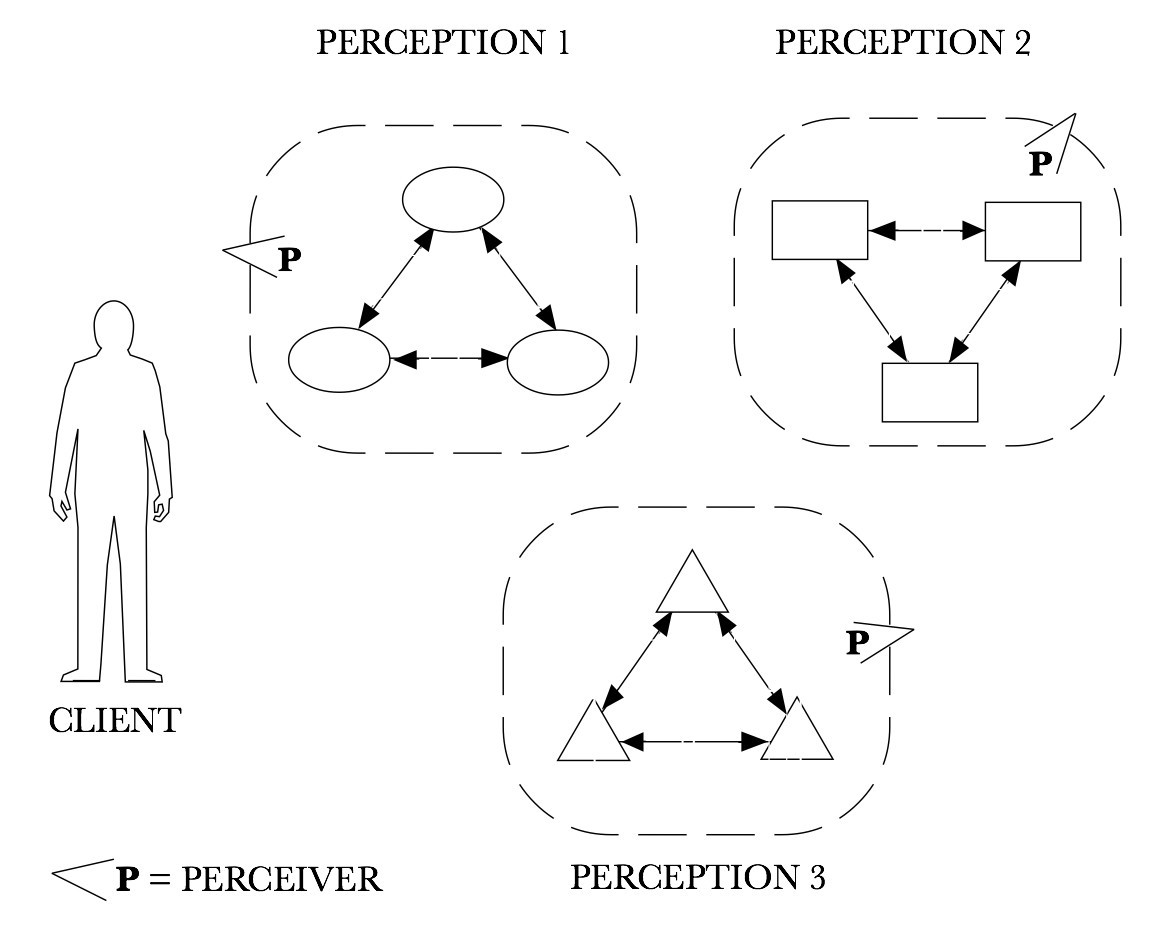


- Internal perception (subjective)
- External feedback (objective)
🔹 4. Foundational to Behavior
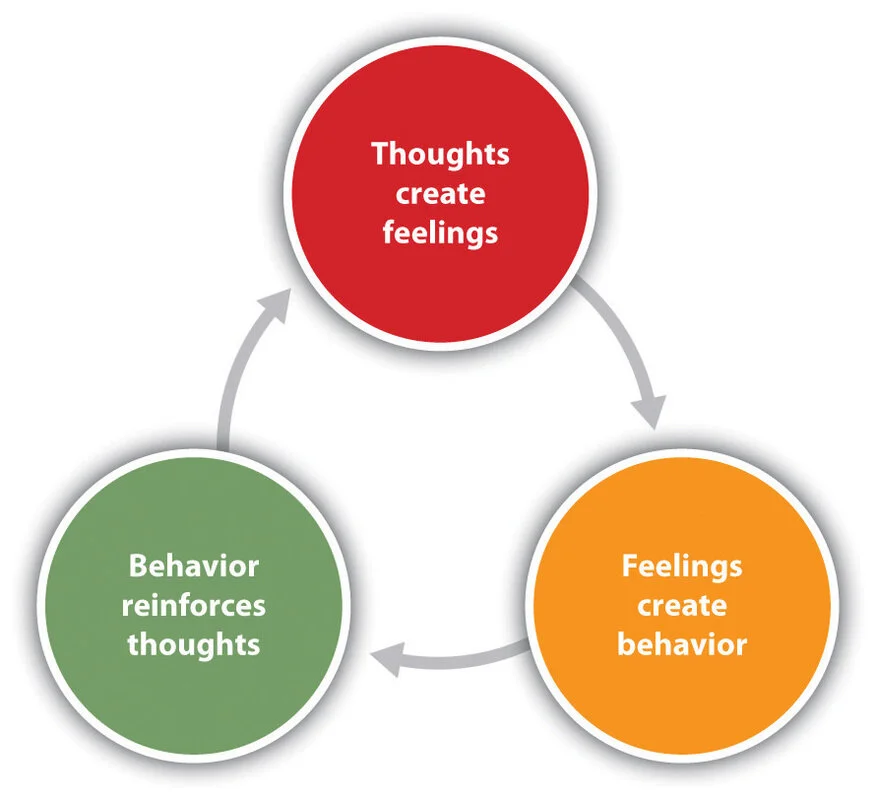

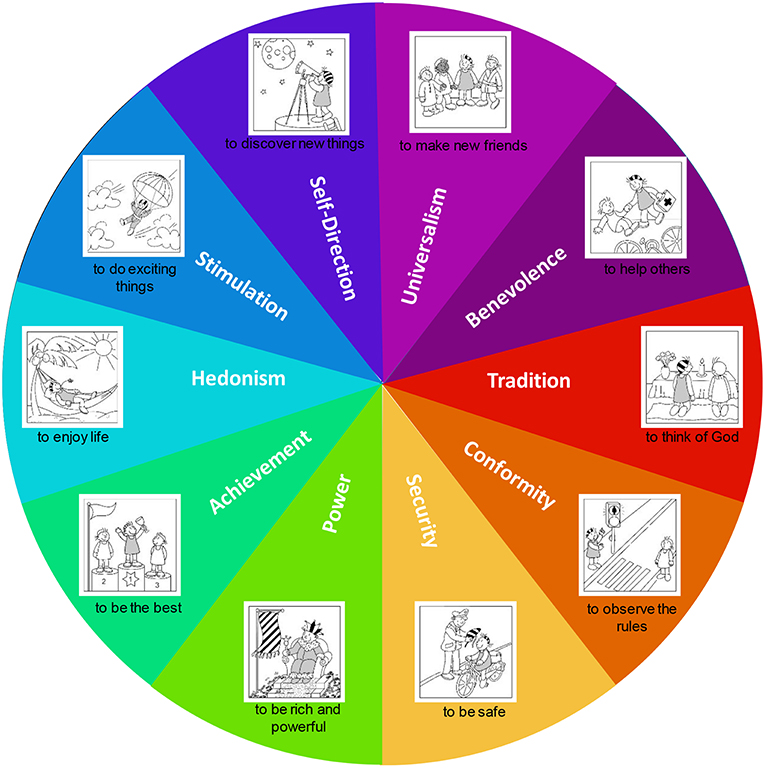

- Influences decisions
- Shapes actions
- Affects relationships
🌍 Nature of Personal Identity
🔹 1. Unique and Individual
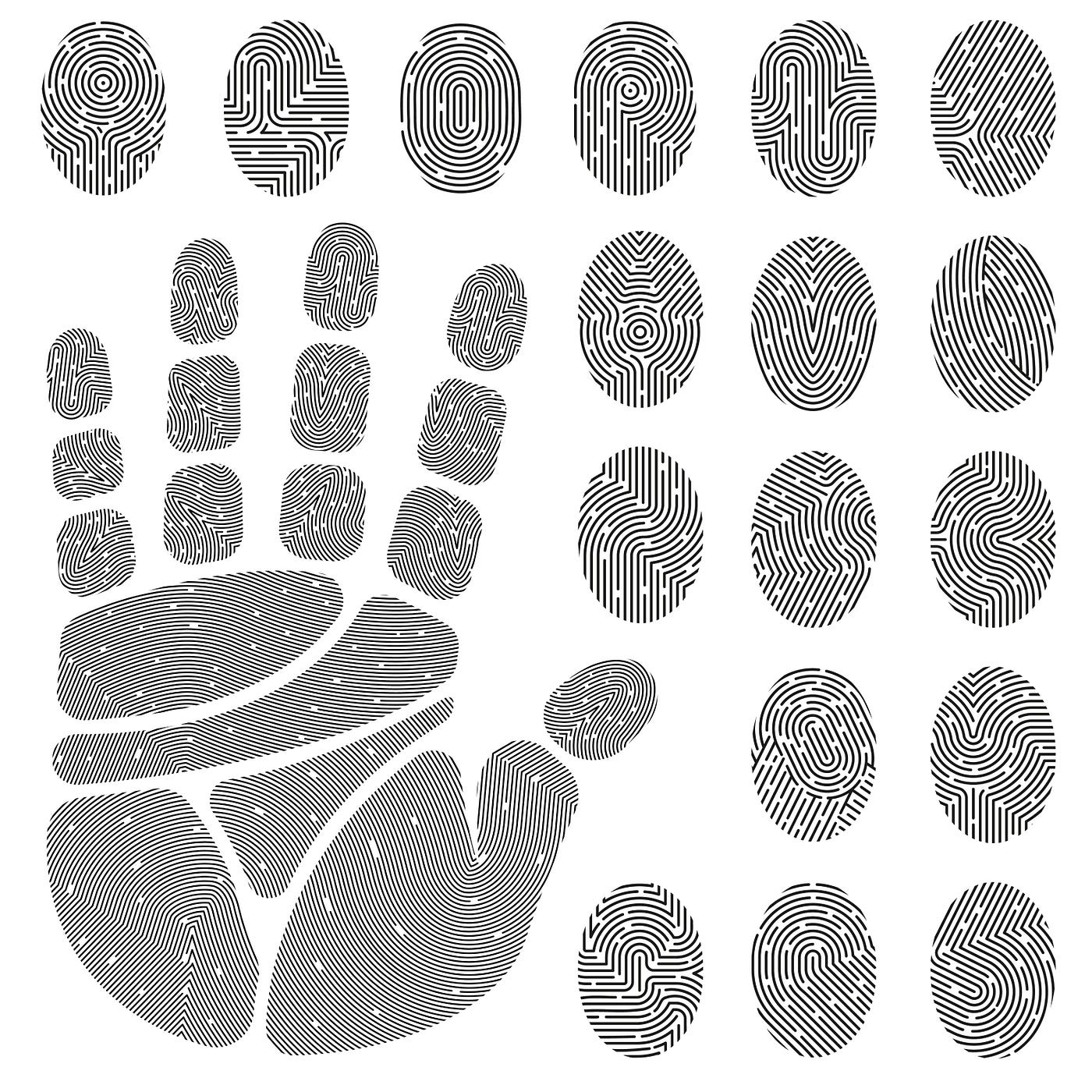


- Each person is different
- No two identities are identical
🔹 2. Socially Constructed


- Influenced by society
- Shaped by relationships
🔹 3. Multi-Dimensional


- Includes multiple roles
- Combines various aspects of life
🔹 4. Dynamic and Evolving
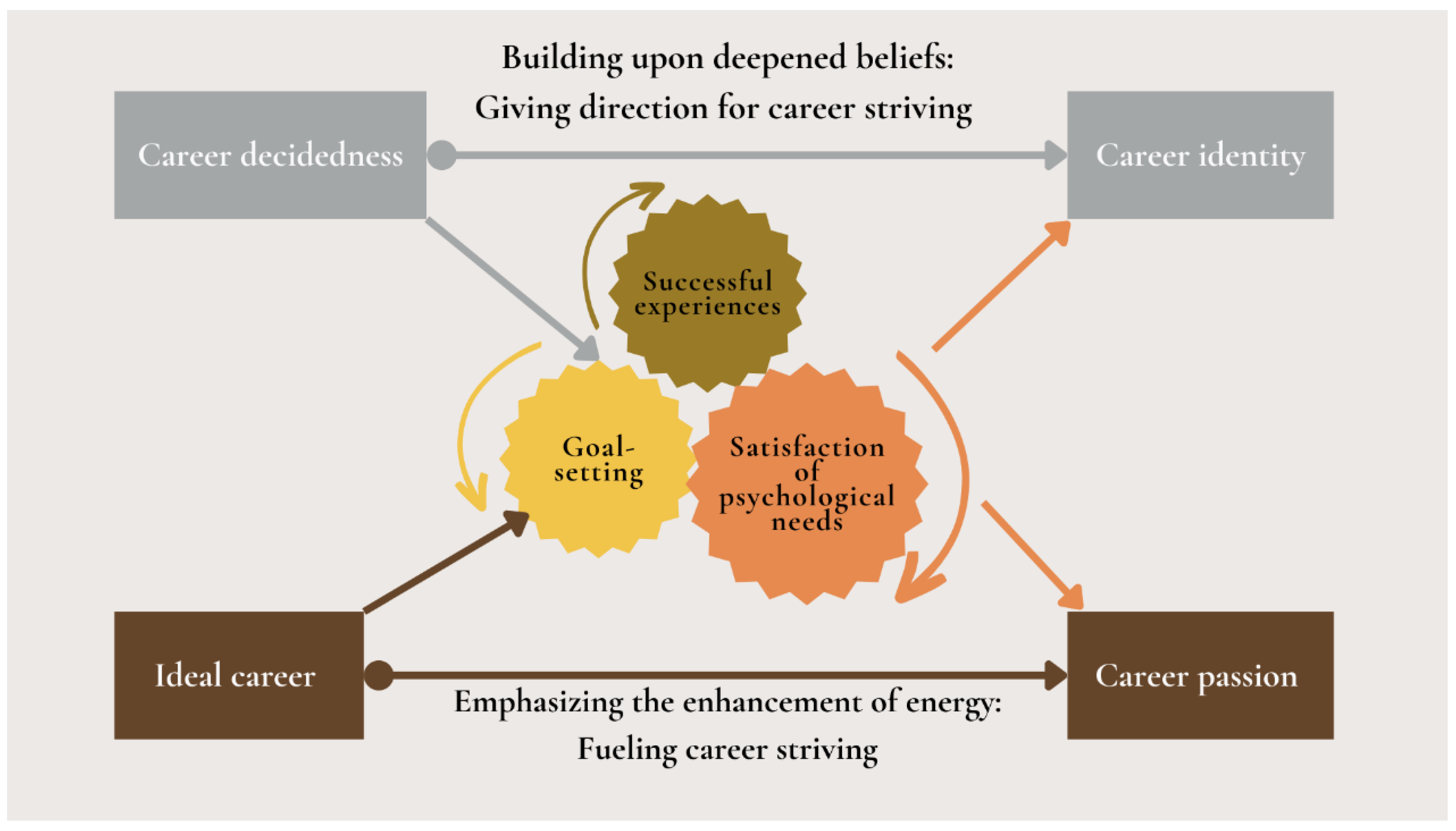

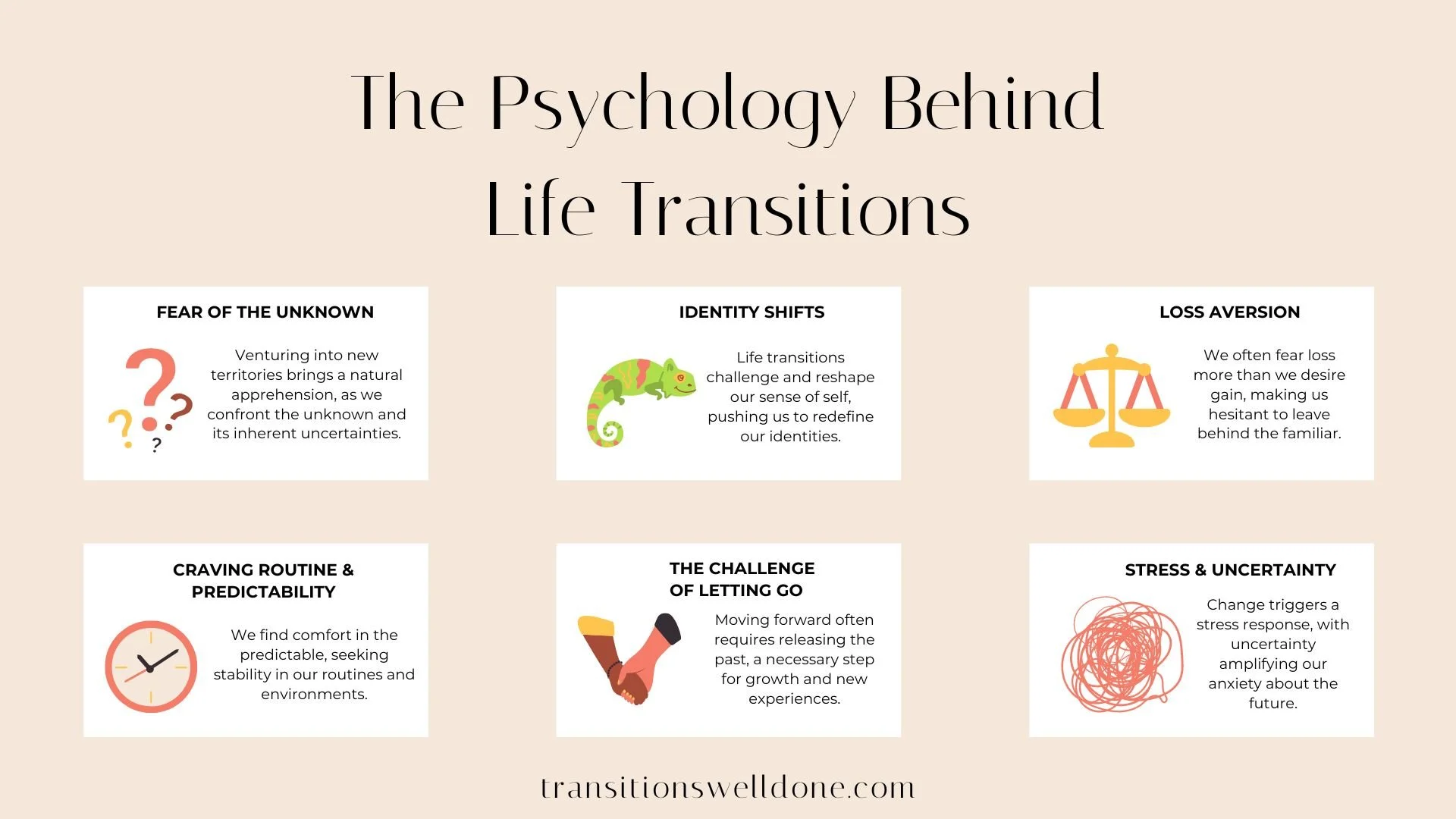
- Changes over time
- Influenced by experiences
🧠 Importance of Self-Awareness
🔹 1. Better Decision-Making
- Helps align actions with values
🔹 2. Emotional Regulation
- Improves control over emotions
🔹 3. Improved Relationships
- Enhances empathy and communication
🔹 4. Personal Growth
- Identifies strengths and weaknesses
🔹 5. Leadership Development
- Essential for effective leadership
🌟 Importance of Personal Identity
🔹 1. Sense of Belonging
- Connects individuals to groups
🔹 2. Self-Confidence
- Builds self-esteem
🔹 3. Life Direction
- Provides purpose
🔹 4. Stability and Consistency
- Maintains continuity in life
🔄 Relationship Between Self-Awareness and Identity
- Self-awareness helps understand identity
- Identity influences self-awareness
- Both are interconnected and interdependent
🌱 Development of Self-Awareness
🔹 Methods:
1. Reflection and Journaling
- Writing thoughts and feelings
2. Mindfulness and Meditation
- Being present in the moment
3. Feedback from Others
- Constructive criticism
4. Self-Assessment Tools
- Personality tests
🌍 Development of Personal Identity
🔹 Influencing Factors:
- Family
- Culture
- Education
- Experiences
- Media
⚖️ Challenges in Self-Awareness and Identity
🔹 Internal Conflicts
- Confusion about goals
🔹 Social Pressure
- Conformity vs individuality
🔹 Identity Crisis
- Common during adolescence
🔹 Digital Influence
- Online vs real identity
🌐 Role in Modern Society
🔹 Digital Age Impact
- Social media shapes identity
🔹 Globalization
- Exposure to diverse cultures
🔹 Career and Personal Growth
- Identity linked to profession
🌱 Self-Awareness and Emotional Intelligence
- Self-awareness is a key component
- Enhances empathy and social skills
🌍 Ethical Implications
- Promotes responsible behavior
- Encourages authenticity
- Supports moral decision-making
🧩 Practical Applications
🔹 Education
- Helps students understand themselves
🔹 Workplace
- Improves teamwork and leadership
🔹 Relationships
- Enhances communication
🌟 Conclusion
Self-awareness and personal identity are essential for understanding oneself and navigating life effectively. They influence behavior, relationships, and decision-making, forming the foundation of personal growth and social interaction.
In a rapidly changing world, developing self-awareness and a strong personal identity helps individuals remain grounded, make ethical choices, and lead meaningful lives. By cultivating these qualities, people can achieve greater clarity, confidence, and purpose.