
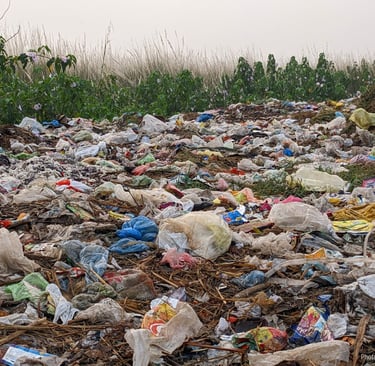


📘 Introduction to Soil Pollution
Soil pollution refers to the contamination of soil with harmful substances, leading to the degradation of its quality and fertility. Soil is a vital natural resource that supports plant growth, regulates water cycles, and sustains ecosystems. When polluted, it affects agriculture, biodiversity, human health, and environmental stability.
The increasing demand for food, industrial growth, and urban expansion have led to excessive use of chemicals and improper waste disposal, making soil pollution a major environmental concern.
Soil acts as a natural filter and buffer, but when its capacity is exceeded, pollutants accumulate, causing long-term damage.
🌱 Concept and Definition
📖 Definition
Soil pollution is the presence of toxic chemicals, salts, radioactive materials, or biological agents in soil at levels that pose risks to human health and ecosystems.
🔑 Key Components:
- Soil medium – Topsoil, subsoil
- Pollutants – Chemicals, waste, heavy metals
- Sources – Industrial, agricultural, domestic
- Impacts – Health hazards, reduced fertility
🌍 Types of Soil Pollution
🧪 1. Chemical Soil Pollution
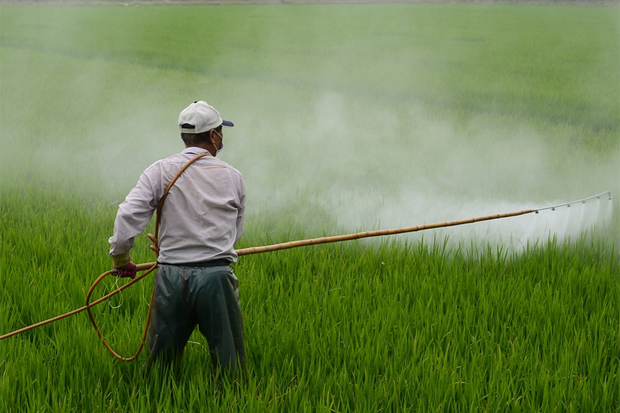

- Caused by pesticides, fertilizers, industrial chemicals
- Most common type
☢️ 2. Radioactive Soil Pollution

- Caused by nuclear waste
- Long-lasting effects
🦠 3. Biological Soil Pollution

- Caused by organic waste and pathogens
🏗️ 4. Physical Soil Pollution


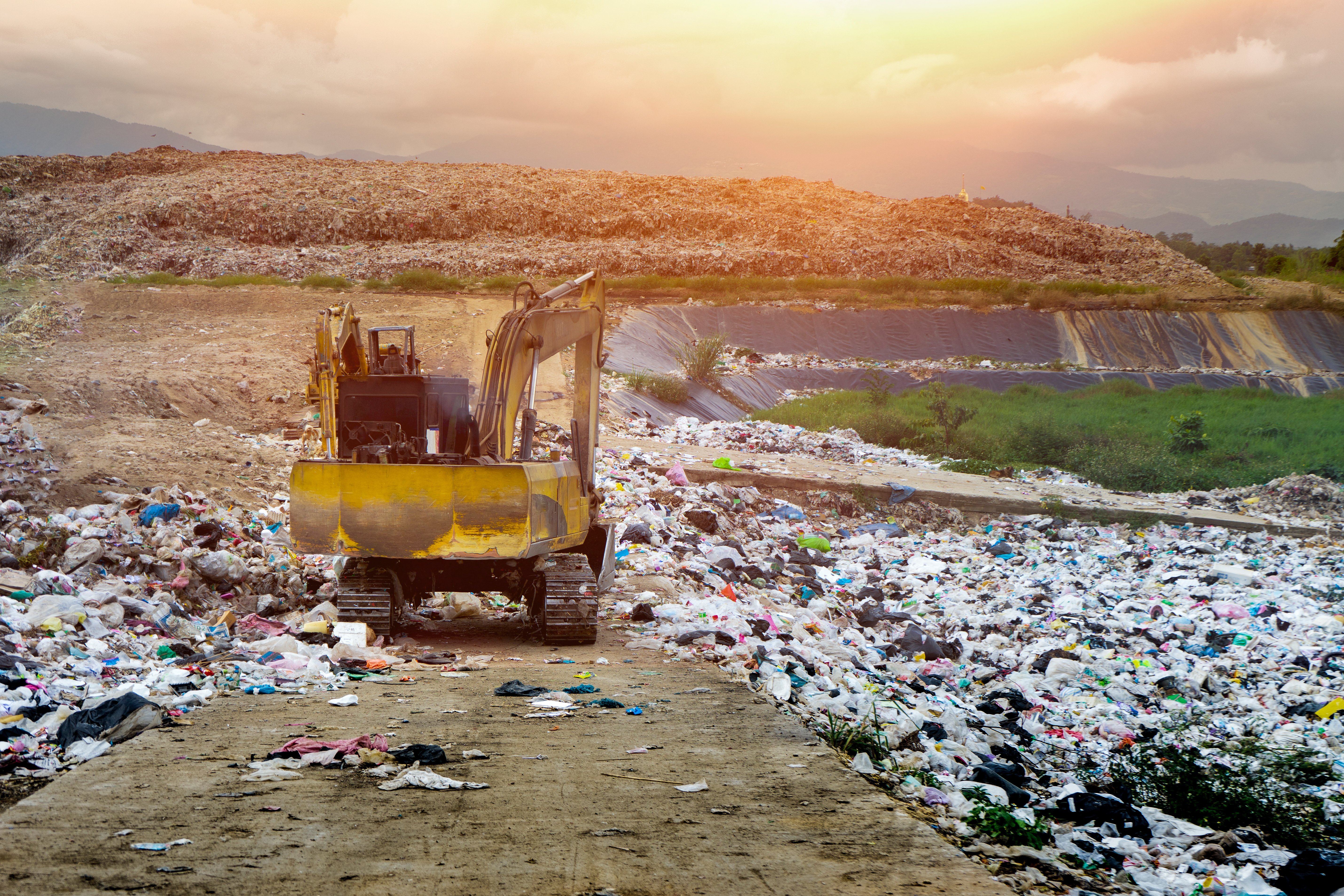
- Caused by plastic, solid waste, debris
🌍 Sources of Soil Pollution
🌿 1. Natural Sources


🔑 Examples:
- Volcanic eruptions
- Soil erosion
- Forest fires
These are generally less harmful compared to human activities.
🏭 2. Anthropogenic Sources
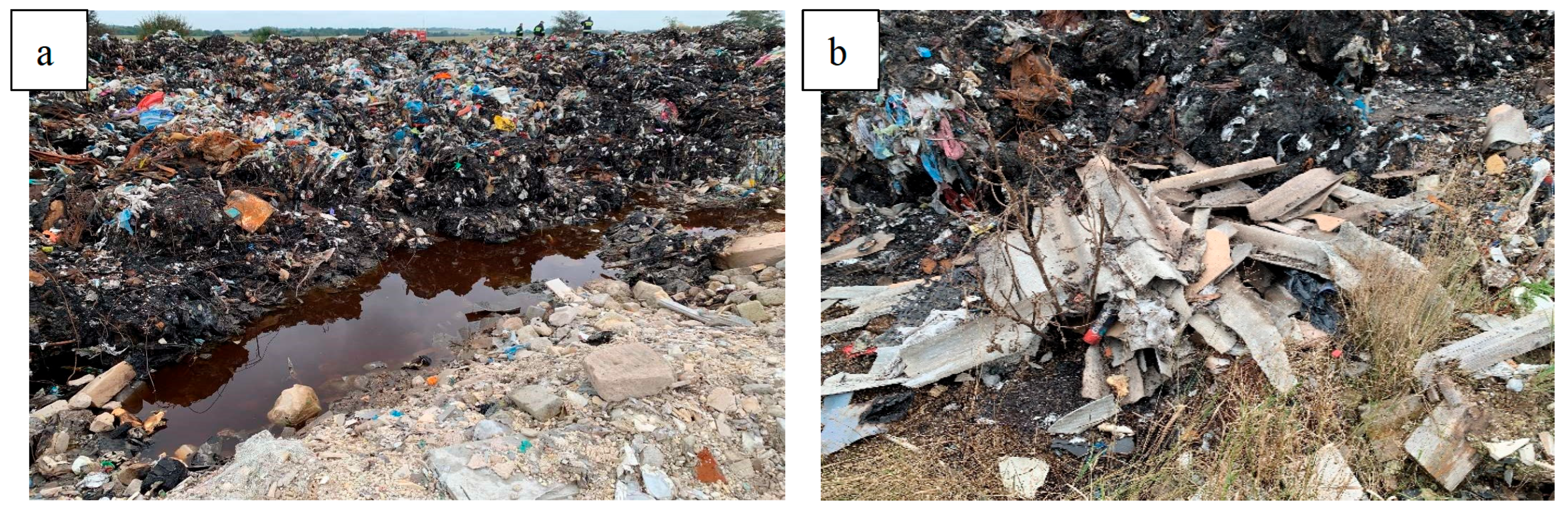

🏭 Industrial Activities
- Disposal of toxic waste
- Heavy metals like lead, mercury
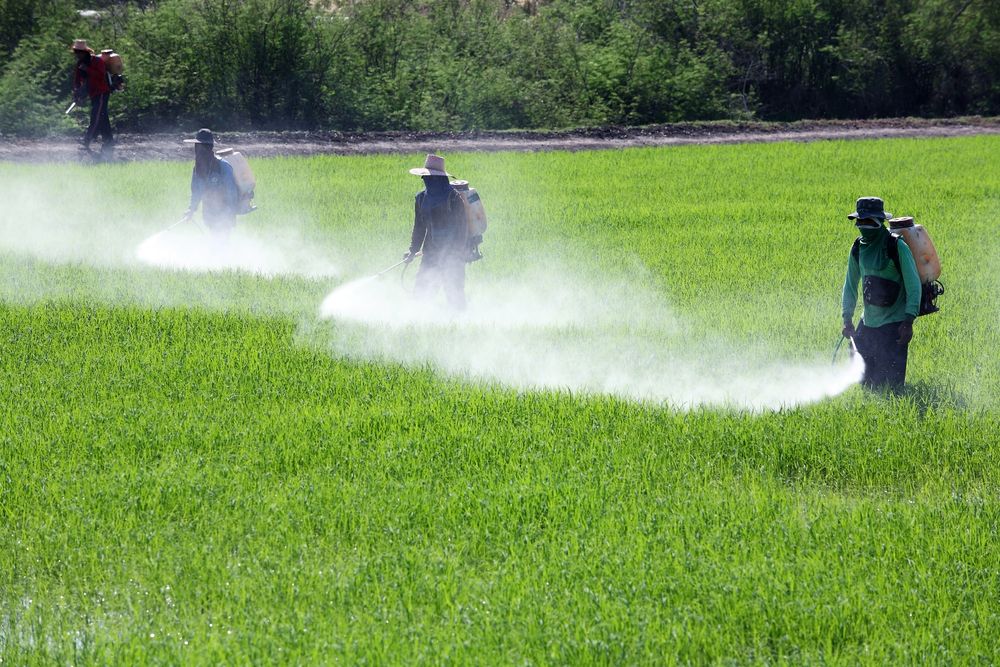
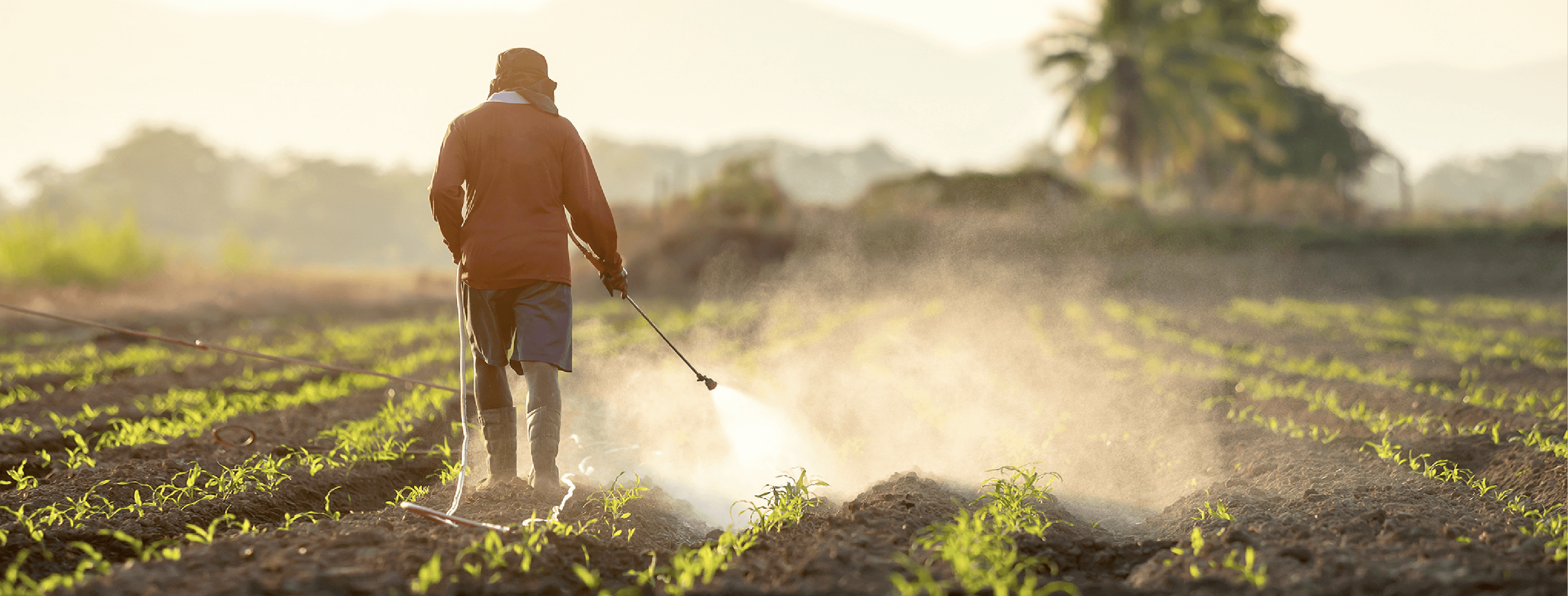
🌾 Agricultural Practices
- Excessive use of fertilizers
- Pesticides and herbicides
🗑️ Waste Disposal
- Landfills
- Plastic waste
⛏️ Mining Activities
- Soil erosion
- Contamination with minerals
🏗️ Urbanization
- Construction debris
- Sewage leakage
🔬 Major Soil Pollutants
1. Heavy Metals
- Lead
- Mercury
- Cadmium
2. Pesticides and Herbicides
- Toxic to soil organisms
3. Industrial Chemicals
- Acids, solvents
4. Plastics
- Non-biodegradable
5. Radioactive Substances
- Long-term contamination
⚠️ Effects of Soil Pollution
🌱 1. Effects on Soil Quality
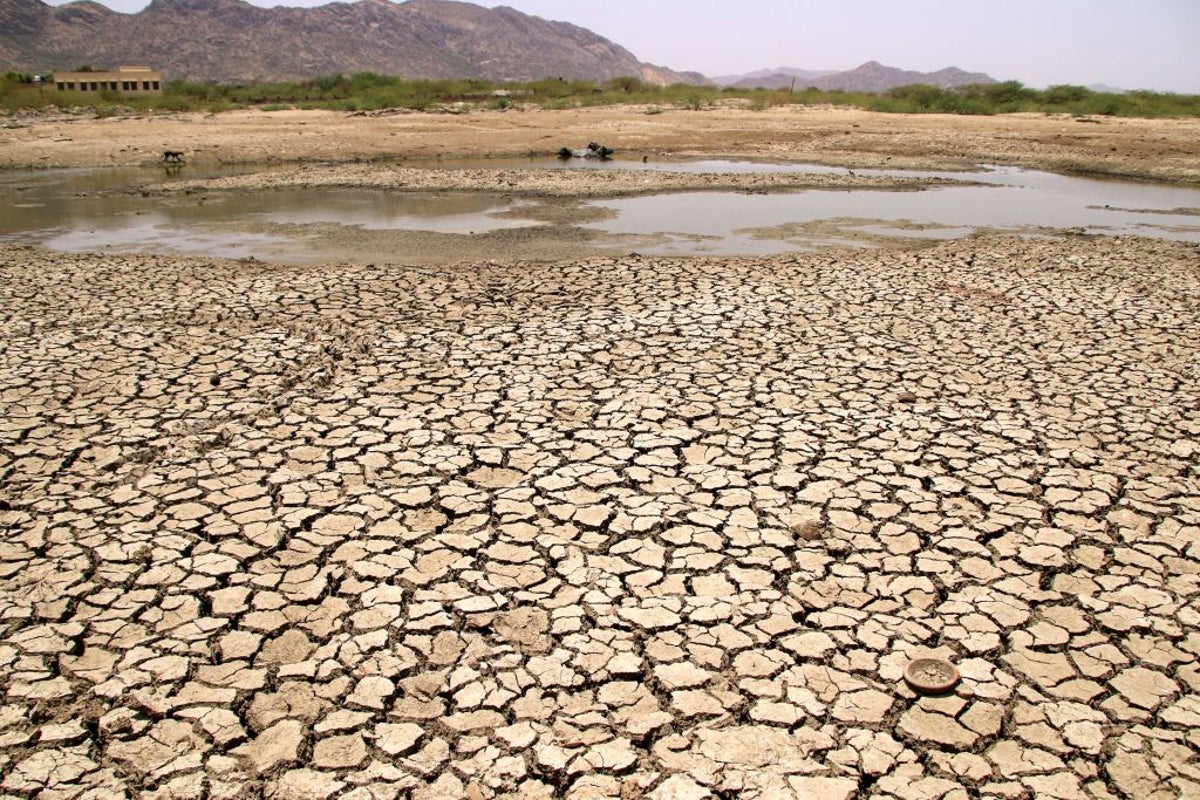
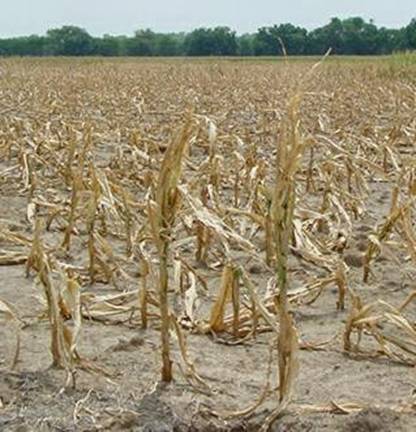
- Loss of fertility
- Reduced productivity
- Soil structure degradation
🌾 2. Effects on Agriculture

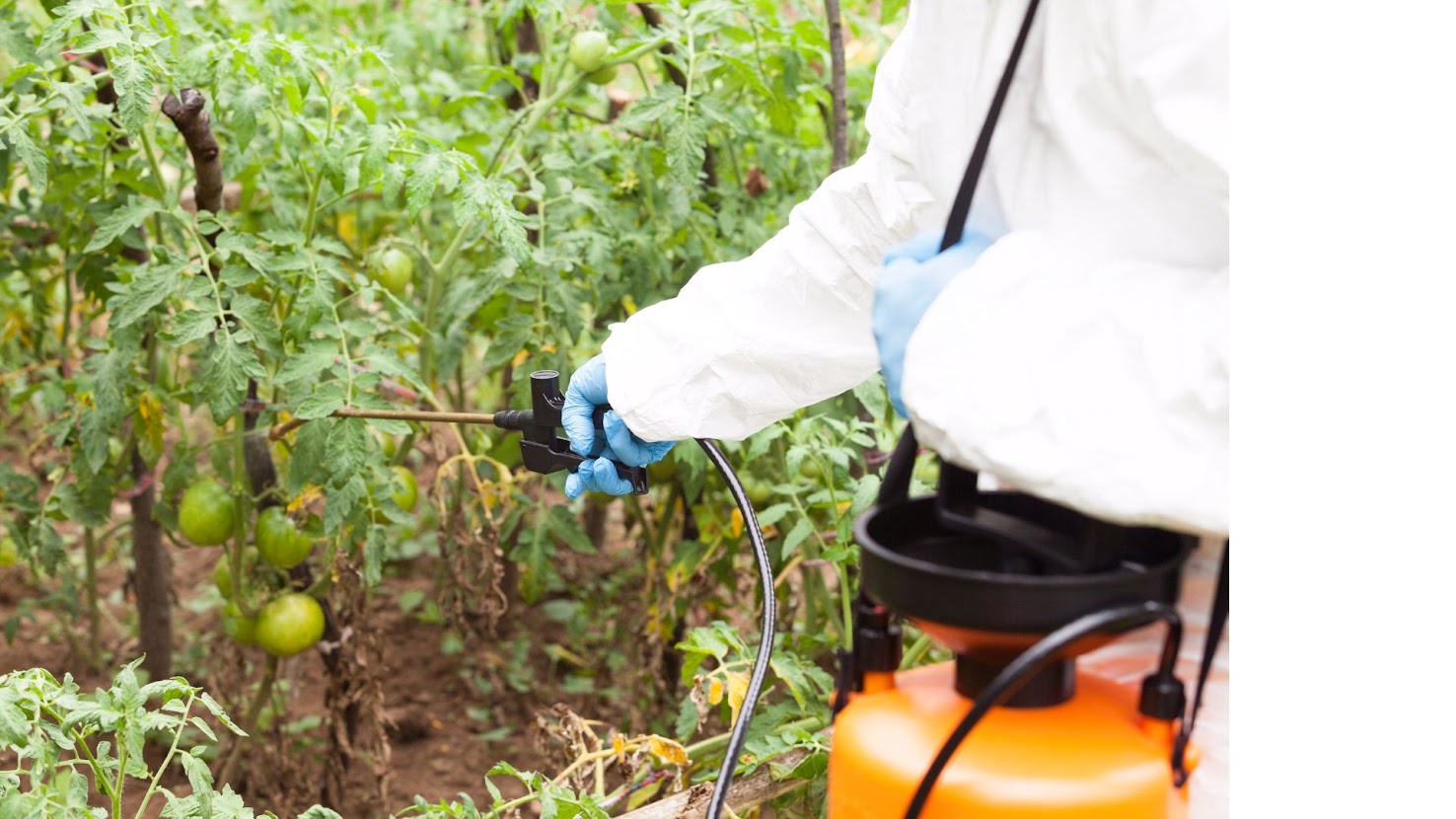
- Reduced crop yield
- Contaminated food
👨⚕️ 3. Effects on Human Health


- Food contamination
- Toxic exposure
- Cancer and neurological disorders
🌍 4. Effects on Environment


- Loss of biodiversity
- Ecosystem imbalance
💧 5. Effects on Water
- Soil pollutants seep into groundwater
- Causes water pollution
🌿 Soil Pollution and Food Chain
Pollutants enter the food chain through:
- Plants absorbing toxins
- Animals consuming contaminated plants
- Humans consuming plants and animals
This process is called bioaccumulation.
🌍 Soil Pollution in India

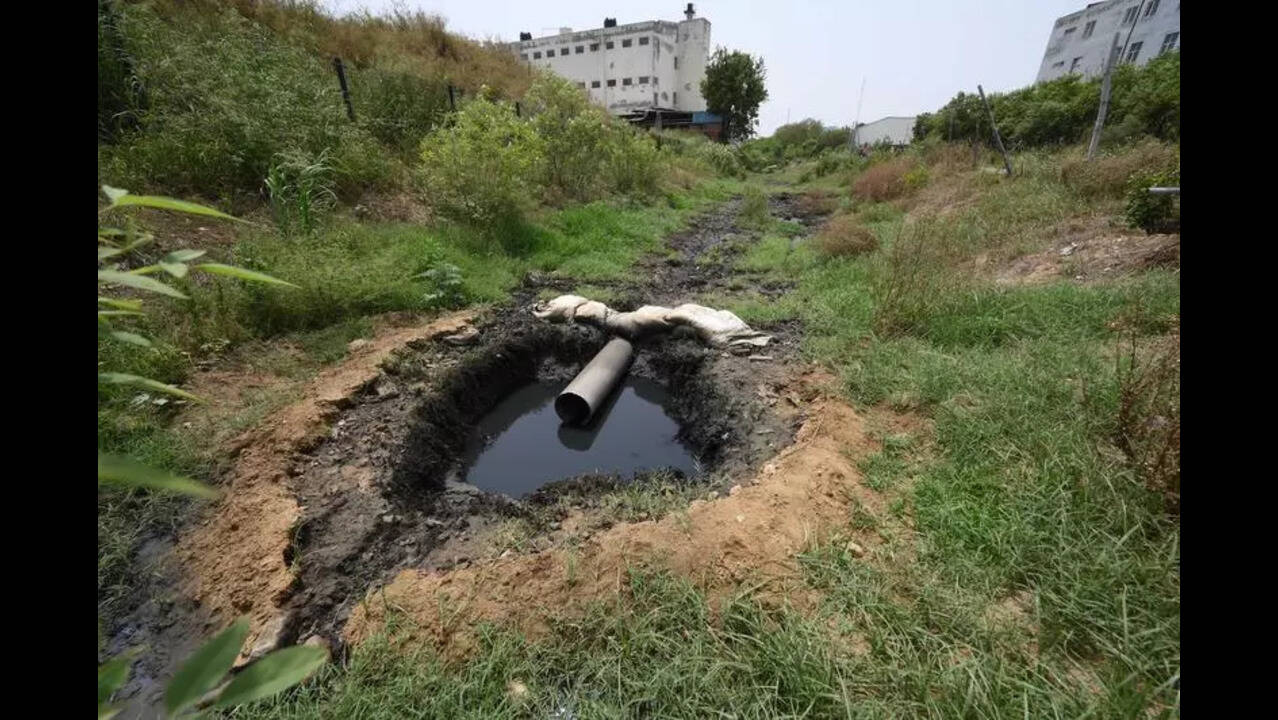
Major Issues:
- Excessive pesticide use
- Poor waste management
- Industrial contamination
🔬 Measurement of Soil Pollution
Key Indicators:
- pH levels
- Heavy metal concentration
- Organic matter content
🌱 Control and Prevention of Soil Pollution


🌾 Sustainable Agriculture
- Organic farming
- Reduced chemical use
🗑️ Waste Management
- Proper disposal
- Recycling
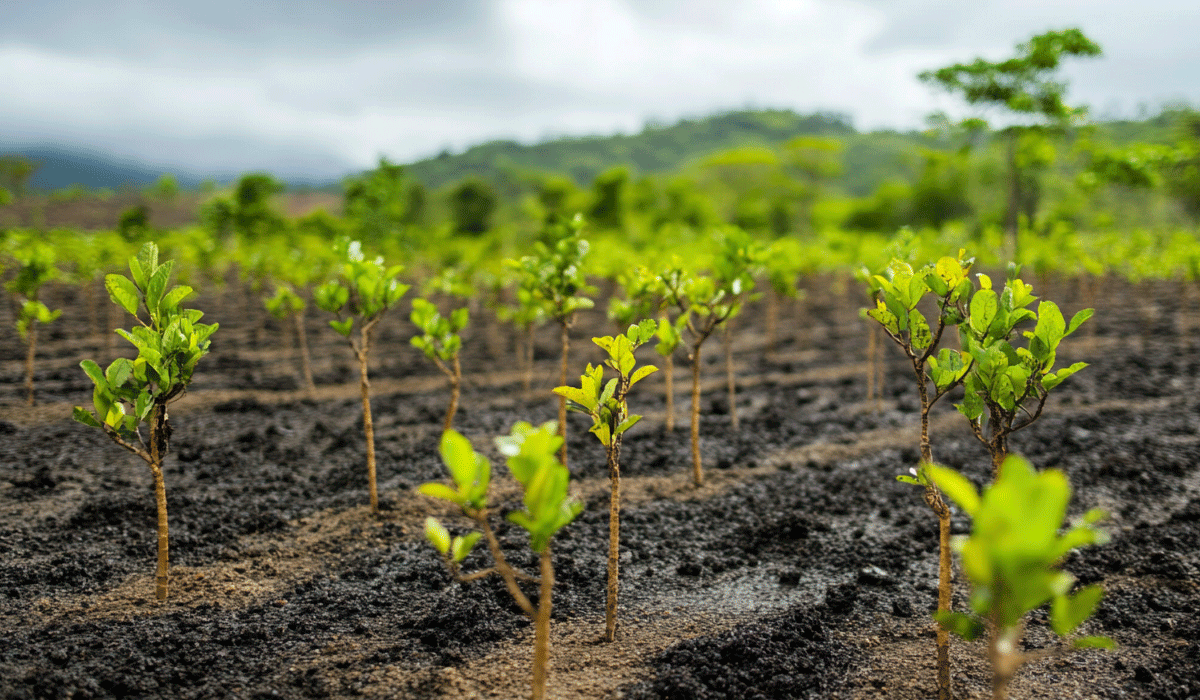
🌿 Afforestation
- Prevents erosion
🔬 Bioremediation
- Use of microorganisms to clean soil
⚖️ Government Regulations
- Environmental laws
- Pollution control measures
⚖️ Government Measures (India)
- Environment Protection Act, 1986
- Solid Waste Management Rules
🌏 Global Efforts
- Sustainable Development Goals
- Soil conservation programs
📚 Advantages of Pollution Control
- Healthy soil
- Sustainable agriculture
- Environmental protection
❌ Challenges
- Lack of awareness
- Industrial growth
- Population pressure
🔮 Future Solutions
- Green technology
- Sustainable practices
- Soil restoration techniques
🧾 Conclusion
Soil pollution is a critical environmental issue that affects agriculture, health, and ecosystems. It is primarily caused by human activities such as industrial waste disposal, excessive use of chemicals, and improper waste management.
Protecting soil is essential for:
- Food security
- Environmental sustainability
- Human health
Effective management requires a combination of:
- Government policies
- Technological innovation
- Public awareness