


1. Introduction to Nanochemistry
Nanochemistry is a branch of chemistry that focuses on the synthesis, characterization, and applications of materials at the nanoscale. The nanoscale typically refers to structures with dimensions between 1 and 100 nanometers. At this extremely small scale, materials exhibit unique physical, chemical, optical, and electronic properties that differ significantly from those of bulk materials.
The term “nano” originates from the Greek word meaning one billionth, and one nanometer (nm) equals 10⁻⁹ meters. To visualize this scale, a human hair is approximately 80,000–100,000 nanometers wide, while many nanomaterials are only a few nanometers in size.
Nanochemistry is closely related to nanotechnology, materials science, physics, and molecular biology. Scientists working in nanochemistry design and manipulate materials atom by atom or molecule by molecule to create structures with new properties and functionalities.
Nanochemistry has led to breakthroughs in several areas, including:
- Medicine and drug delivery
- Electronics and computing
- Energy storage and solar cells
- Environmental remediation
- Advanced materials and coatings
Because of its ability to engineer materials with extraordinary properties, nanochemistry is considered one of the most revolutionary fields of modern science.
2. Nanoscale Materials and Their Properties
Materials behave differently when their size approaches the nanoscale. These differences arise mainly due to two important factors:
Surface Area to Volume Ratio
As particles become smaller, the ratio of surface area to volume increases dramatically.
This means:
- More atoms are exposed on the surface
- Surface interactions become dominant
This property enhances catalytic activity and chemical reactivity.
Quantum Effects
At nanoscale dimensions, quantum mechanical effects influence the behavior of electrons.
These effects lead to unusual properties such as:
- Changes in optical color
- Enhanced electrical conductivity
- Unique magnetic behavior
Because of these phenomena, nanomaterials often show properties that are not observed in larger materials.
3. Types of Nanomaterials


Nanomaterials can be classified based on their dimensional structure.
Zero-Dimensional Nanomaterials
These materials have all three dimensions within the nanoscale.
Examples include:
- Nanoparticles
- Quantum dots
Quantum dots exhibit unique optical properties and are widely used in imaging technologies.
One-Dimensional Nanomaterials
These materials have one dimension outside the nanoscale.
Examples include:
- Nanotubes
- Nanowires
Carbon nanotubes are extremely strong and conductive.
Two-Dimensional Nanomaterials
These materials have nanoscale thickness but larger surface dimensions.
Example:
Graphene.
Graphene consists of a single layer of carbon atoms arranged in a hexagonal lattice.
Three-Dimensional Nanomaterials
These materials contain nanoscale structures within larger bulk materials.
Examples include:
- Nanocomposites
- Porous nanomaterials
4. Synthesis of Nanomaterials
Nanomaterials can be produced through several methods.
Two main approaches are used.
Top-Down Approach


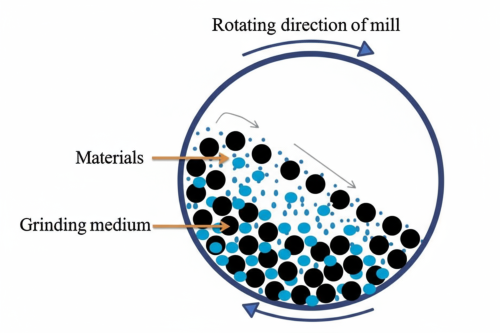
The top-down approach involves breaking down bulk materials into nanosized particles.
Common techniques include:
- Mechanical milling
- Lithography
- Etching
Although widely used, this method may introduce structural defects.
Bottom-Up Approach


The bottom-up approach builds nanostructures from atoms or molecules.
Examples include:
- Chemical vapor deposition
- Sol-gel process
- Self-assembly methods
This method allows better control of particle size and structure.
5. Characterization Techniques in Nanochemistry
To study nanomaterials, scientists use advanced analytical tools.
Common techniques include:
Electron Microscopy
Electron microscopes allow visualization of structures at atomic resolution.
Types include:
- Transmission electron microscopy (TEM)
- Scanning electron microscopy (SEM)
Atomic Force Microscopy
AFM measures surface properties at nanoscale resolution.
X-ray Diffraction
Used to determine crystal structure of nanomaterials.
Spectroscopy Techniques
Various spectroscopic methods help analyze chemical composition and electronic properties.
6. Properties of Nanomaterials

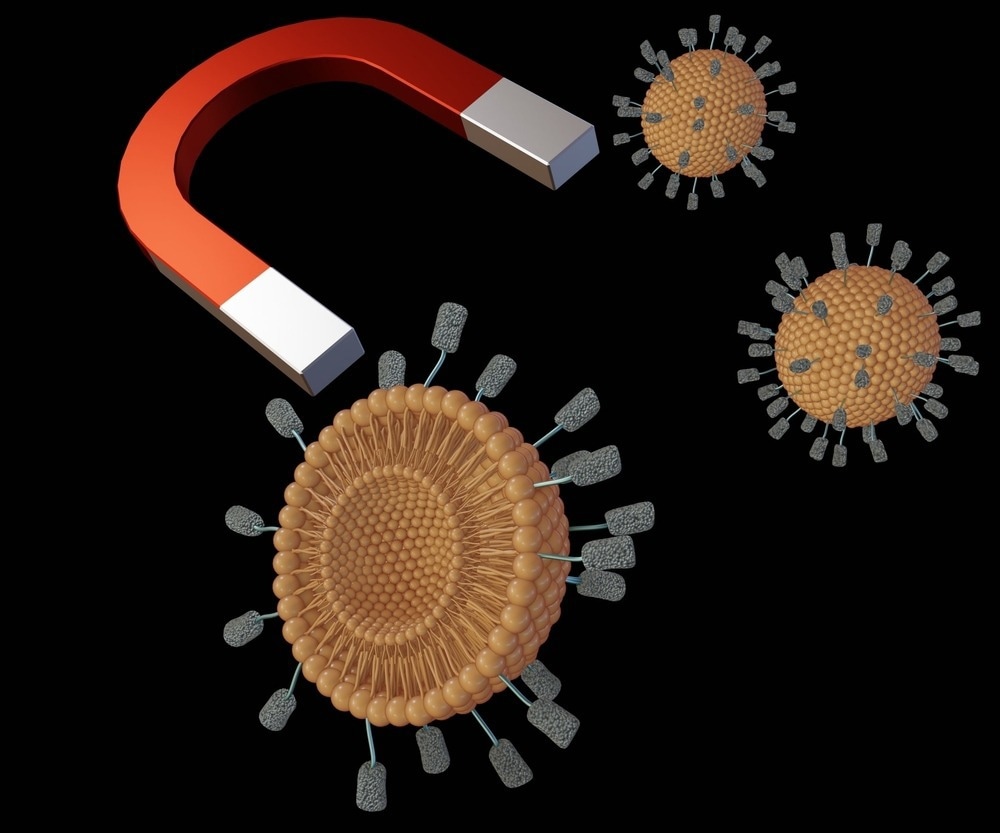


Nanomaterials exhibit unique properties.
Optical Properties
Nanoparticles interact strongly with light.
For example:
Gold nanoparticles appear red or purple depending on their size.
Electrical Properties
Nanomaterials can exhibit enhanced electrical conductivity.
Carbon nanotubes are excellent conductors.
Magnetic Properties
Certain nanoparticles show unusual magnetic behavior.
These materials are used in medical imaging and data storage.
Catalytic Properties
Nanoparticles often act as highly efficient catalysts due to large surface area.
7. Applications of Nanochemistry
Nanochemistry has numerous applications across many fields.
Medicine


Nanomaterials are widely used in medical research.
Applications include:
- Targeted drug delivery
- Cancer treatment
- Medical imaging
- Biosensors
Nanoparticles can deliver drugs directly to diseased cells.
Electronics
Nanotechnology enables development of smaller and faster electronic devices.
Examples include:
- Nano-transistors
- Flexible electronics
- Quantum dot displays
Energy
Nanochemistry contributes to sustainable energy technologies.
Applications include:
- Solar cells
- Hydrogen production
- Energy storage batteries
Nanomaterials improve efficiency of energy devices.
Environmental Protection
Nanotechnology is used to remove pollutants from air and water.
Examples include:
- Nanofilters
- Photocatalytic nanoparticles
These materials help clean contaminated environments.
8. Nanochemistry in Industry
Nanotechnology is used in many industrial products.
Examples include:
- Scratch-resistant coatings
- Self-cleaning surfaces
- Antibacterial materials
- High-strength composites
Nanomaterials improve durability and performance of products.
9. Environmental and Health Concerns
Despite many benefits, nanomaterials may pose environmental and health risks.
Potential concerns include:
- Toxicity of nanoparticles
- Environmental accumulation
- Unknown biological effects
Scientists are actively studying nanotoxicology to ensure safe use of nanotechnology.
10. Future of Nanochemistry
Nanochemistry continues to expand rapidly.
Future developments may include:
- Molecular machines
- Artificial organs
- Advanced quantum computers
- Smart materials
The ability to manipulate matter at atomic scales will revolutionize many industries.
Conclusion
Nanochemistry is the study of chemical processes and materials at the nanoscale. At this scale, materials exhibit unique physical and chemical properties due to increased surface area and quantum effects. Nanomaterials such as nanoparticles, nanotubes, graphene, and quantum dots have revolutionized fields ranging from medicine and electronics to energy and environmental science. Nanochemistry involves both top-down and bottom-up approaches for synthesizing nanomaterials and relies on advanced characterization techniques to study their structure and behavior. Although nanotechnology offers enormous potential, careful research is required to address environmental and health concerns associated with nanoscale materials. As research advances, nanochemistry is expected to play a crucial role in developing innovative technologies that transform science, industry, and medicine.