
📘 Introduction to Climate Change and Global Warming
Climate change and global warming are among the most significant environmental challenges facing humanity today. These phenomena refer to long-term changes in Earth’s climate system, primarily driven by human activities that increase greenhouse gas concentrations in the atmosphere.
While the terms are often used interchangeably, they have distinct meanings:
- Global Warming refers specifically to the increase in Earth’s average surface temperature due to rising greenhouse gas levels.
- Climate Change encompasses broader changes such as shifts in rainfall patterns, extreme weather events, sea-level rise, and ecosystem disruptions.
Together, they represent a global crisis affecting ecosystems, economies, and human survival.
🌱 Concept and Definitions
🌡️ Global Warming
Global warming is the gradual increase in Earth’s average temperature, primarily caused by the accumulation of greenhouse gases like carbon dioxide (CO₂), methane (CH₄), and nitrous oxide (N₂O).
🌍 Climate Change
Climate change refers to long-term alterations in temperature, precipitation, wind patterns, and other climate variables over decades or longer.
🔬 The Greenhouse Effect

📖 Explanation
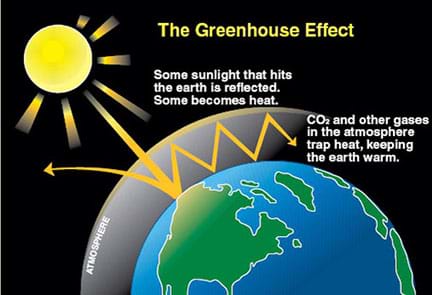
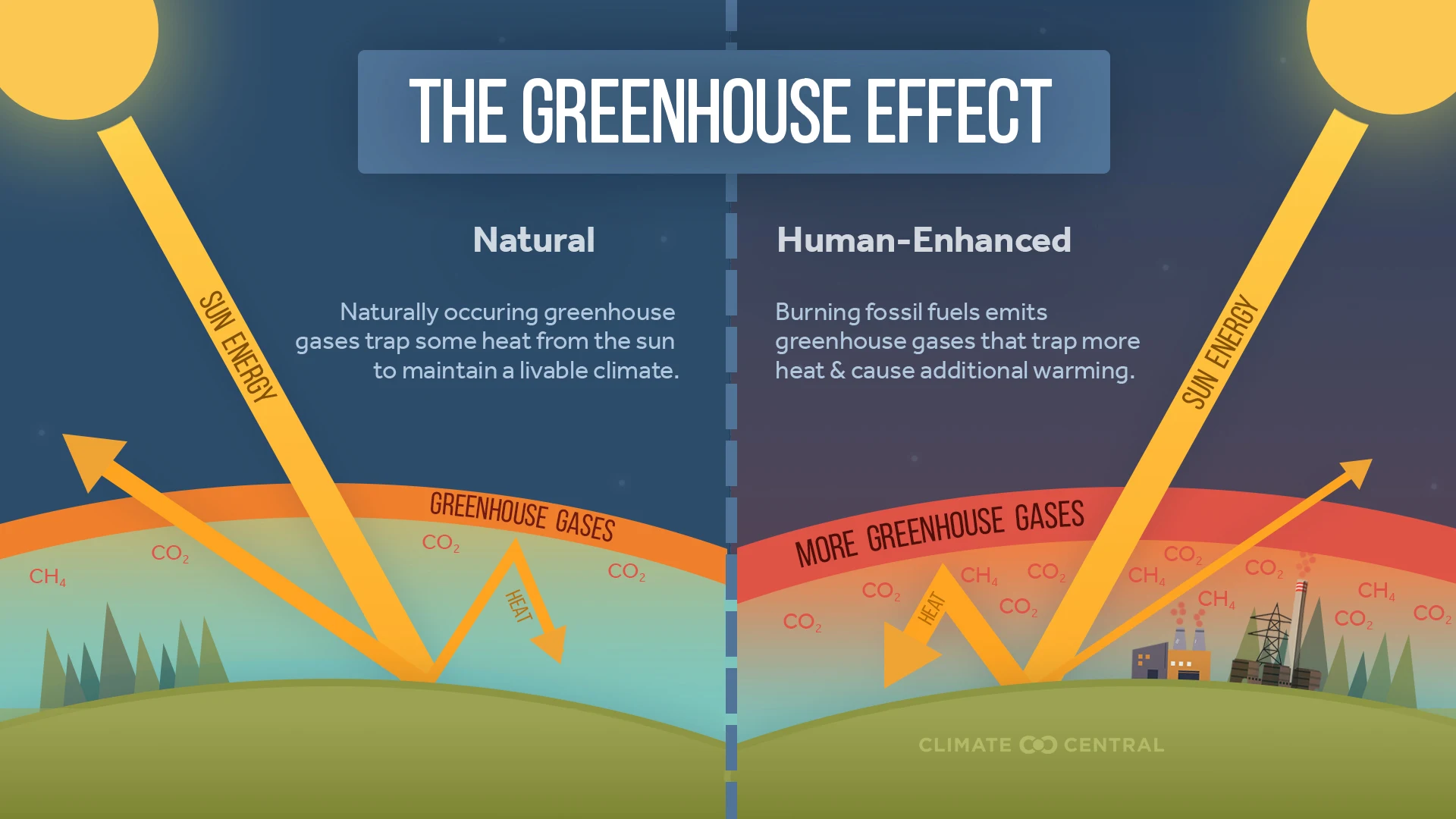
The greenhouse effect is a natural process that warms the Earth’s surface.
How it Works:
- Sunlight reaches Earth
- Earth absorbs energy and re-emits heat
- Greenhouse gases trap some of this heat
- The planet stays warm enough to support life
However, excess greenhouse gases intensify this effect, leading to global warming.
🌍 Major Greenhouse Gases
1. Carbon Dioxide (CO₂)
- Released from burning fossil fuels
- Major contributor
2. Methane (CH₄)
- Emitted from livestock and wetlands
- More potent than CO₂
3. Nitrous Oxide (N₂O)
- From fertilizers and industrial processes
4. Chlorofluorocarbons (CFCs)
- Synthetic gases
- Also cause ozone depletion
🌍 Causes of Climate Change
🏭 1. Anthropogenic Causes


🔥 Burning of Fossil Fuels
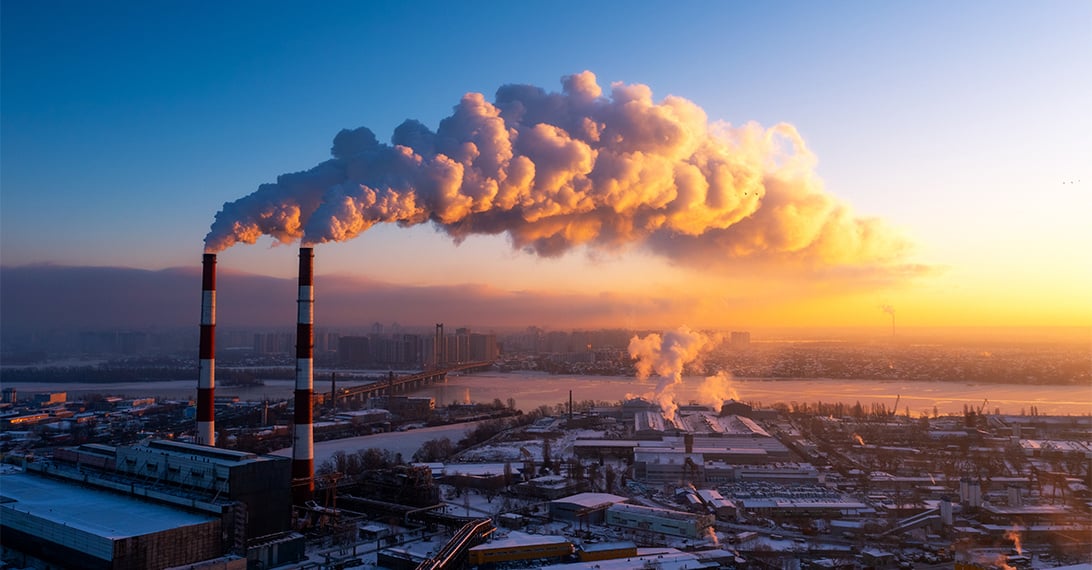
- Coal, oil, and gas
- Major source of CO₂
🌳 Deforestation
- Reduces carbon absorption
- Releases stored carbon
🚗 Transportation
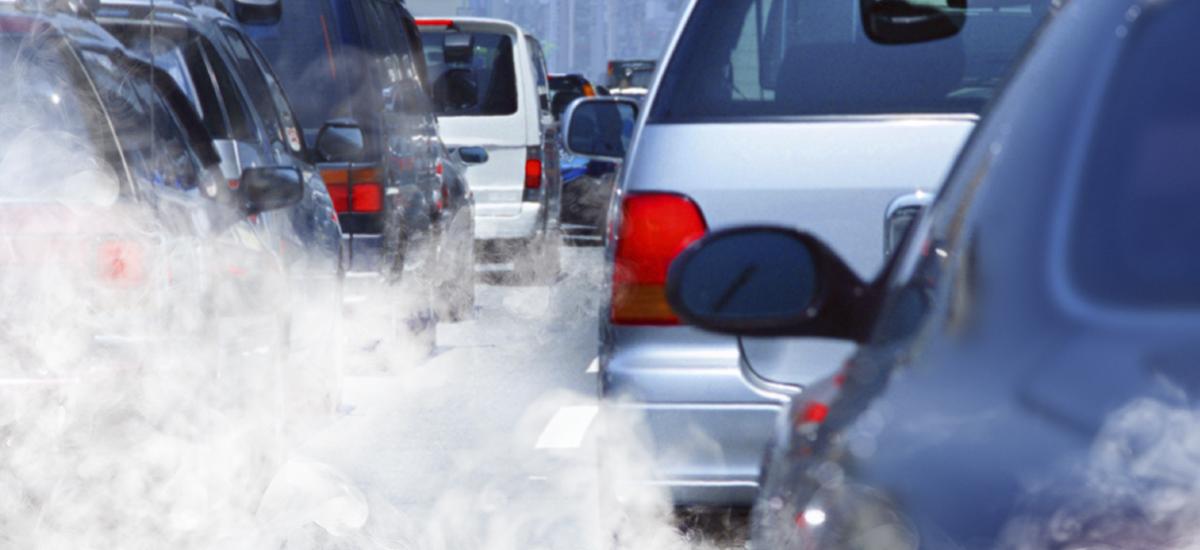
- Vehicle emissions
🌾 Agriculture
- Methane from livestock
- Nitrous oxide from fertilizers
🏗️ Industrialization
- High energy consumption
- Emissions
🌋 2. Natural Causes


🔑 Examples:
- Volcanic eruptions
- Solar variations
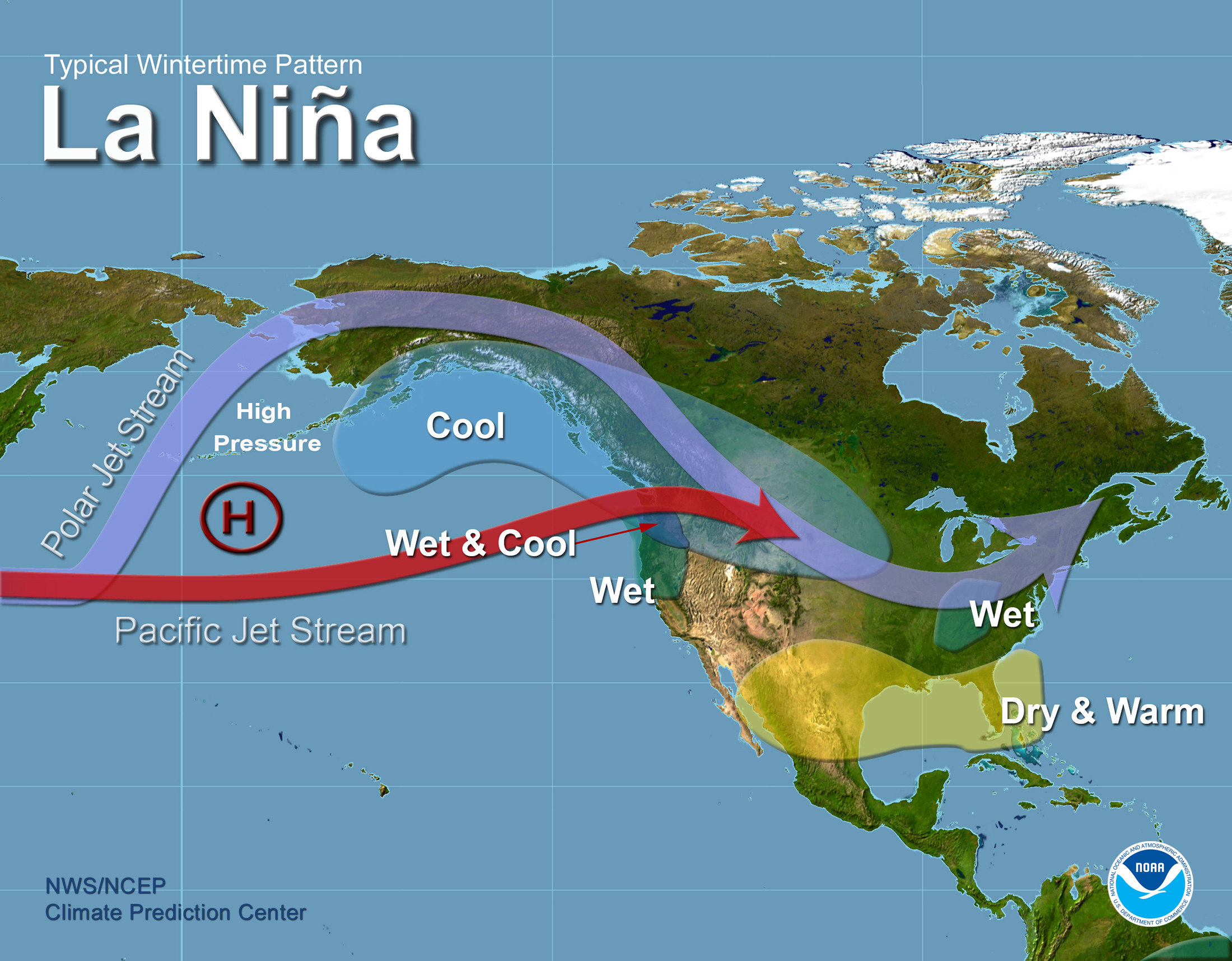
- Ocean currents
🌡️ Evidence of Global Warming
📊 Rising Temperatures
- Global average temperature increasing
🧊 Melting Ice Caps
- Glaciers shrinking
🌊 Sea-Level Rise
- Due to melting ice and thermal expansion
🌪️ Extreme Weather
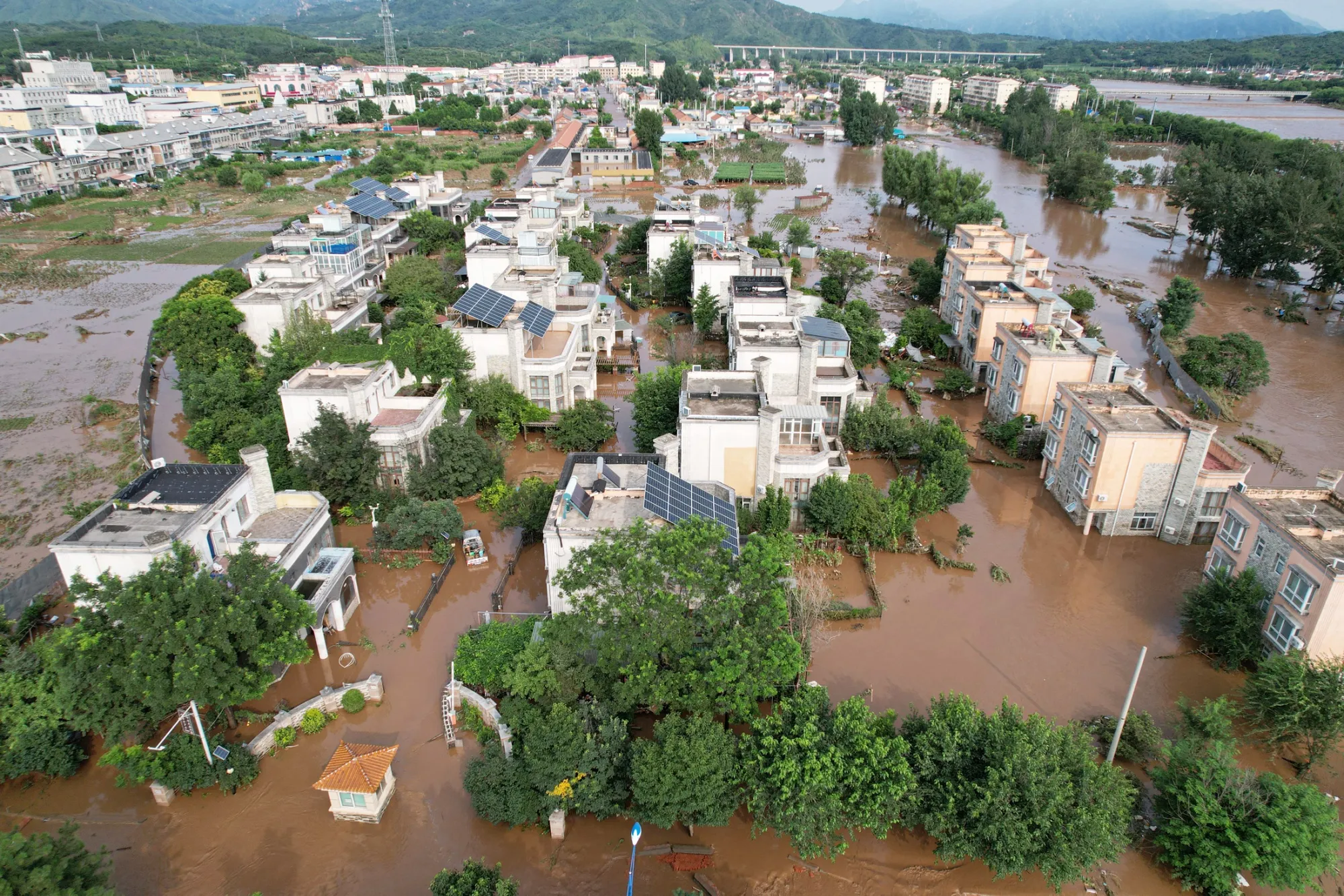
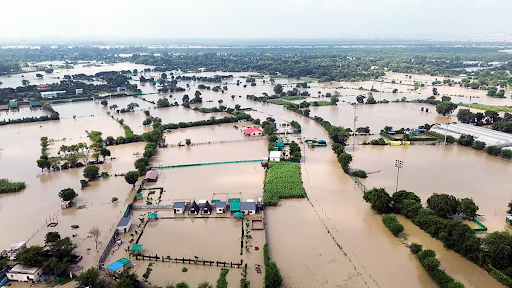
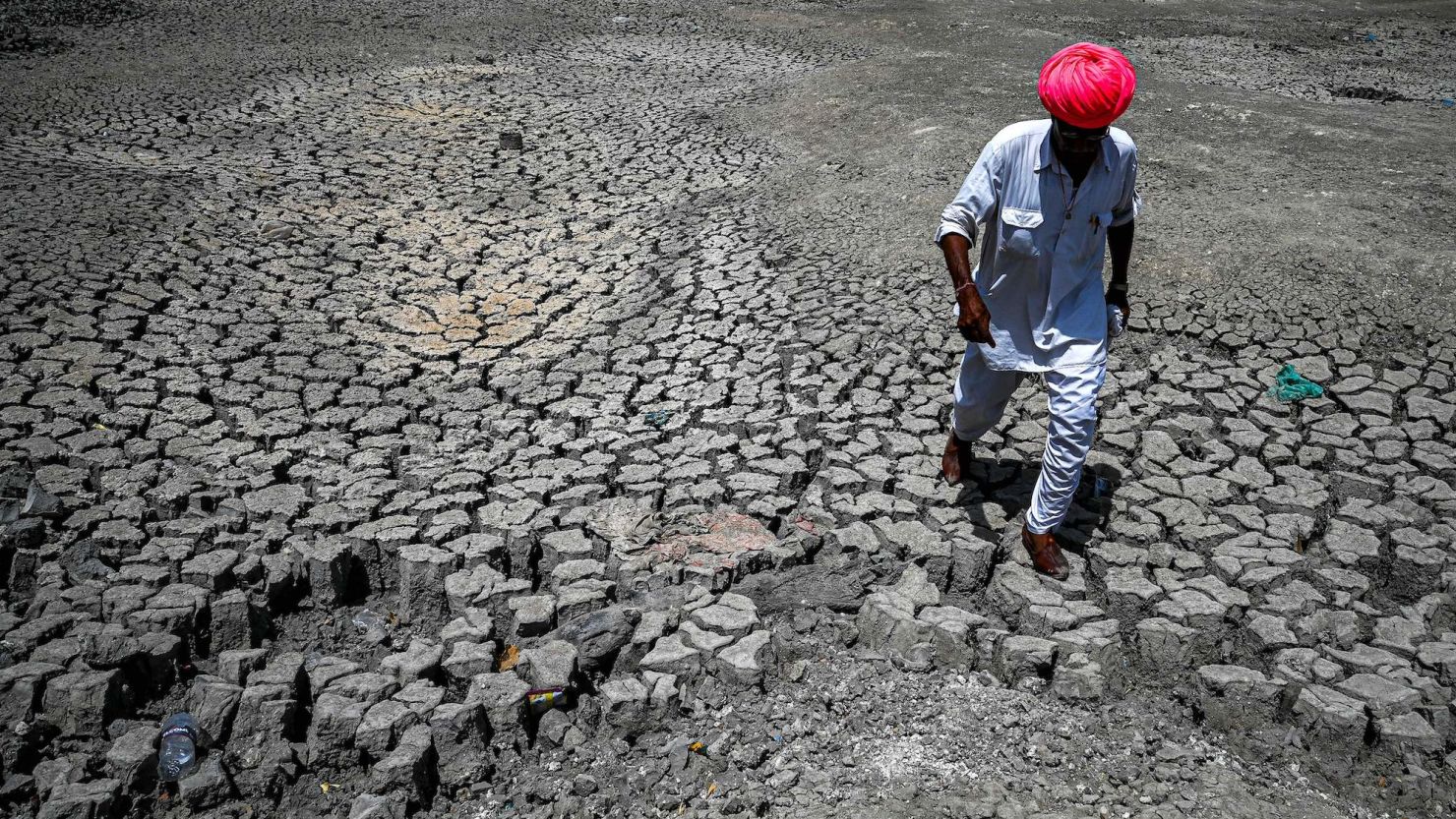
- Hurricanes, droughts, floods
⚠️ Effects of Climate Change
🌿 1. Environmental Effects


🌱 Ecosystem Disruption
- Habitat loss
- Species migration
🐾 Biodiversity Loss
- Extinction risks
🌊 Ocean Changes
- Acidification
- Coral bleaching
👨⚕️ 2. Effects on Human Health
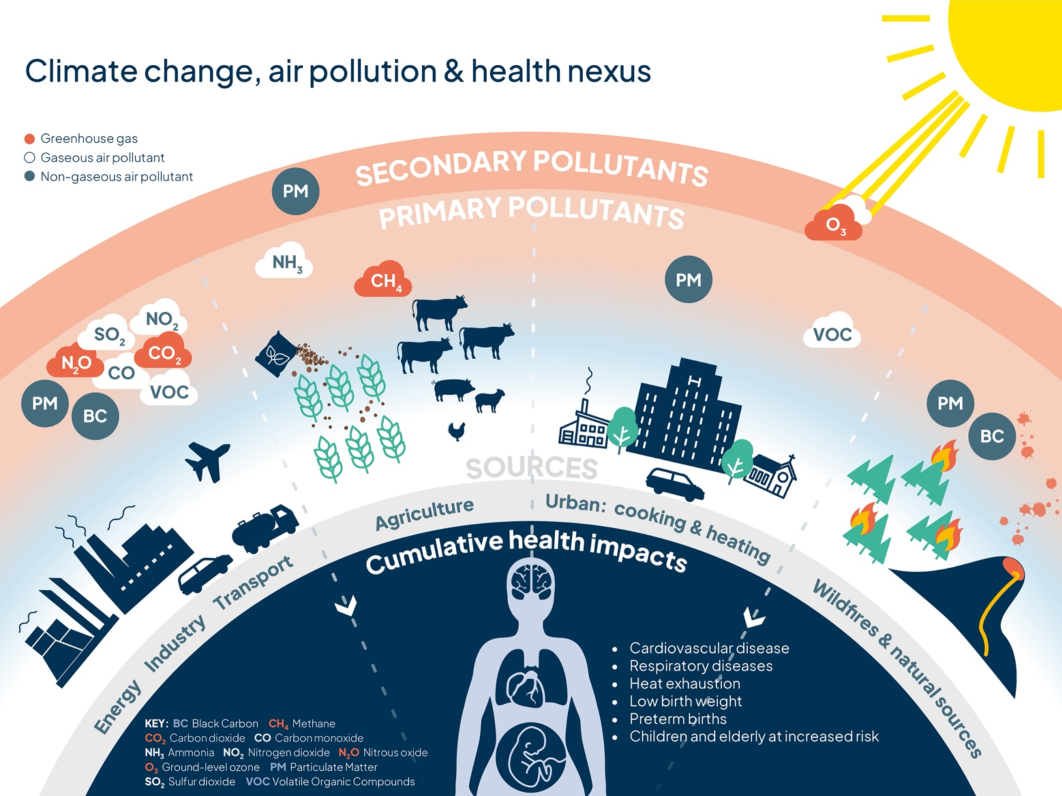
🌡️ Heat Stress
- Heatwaves
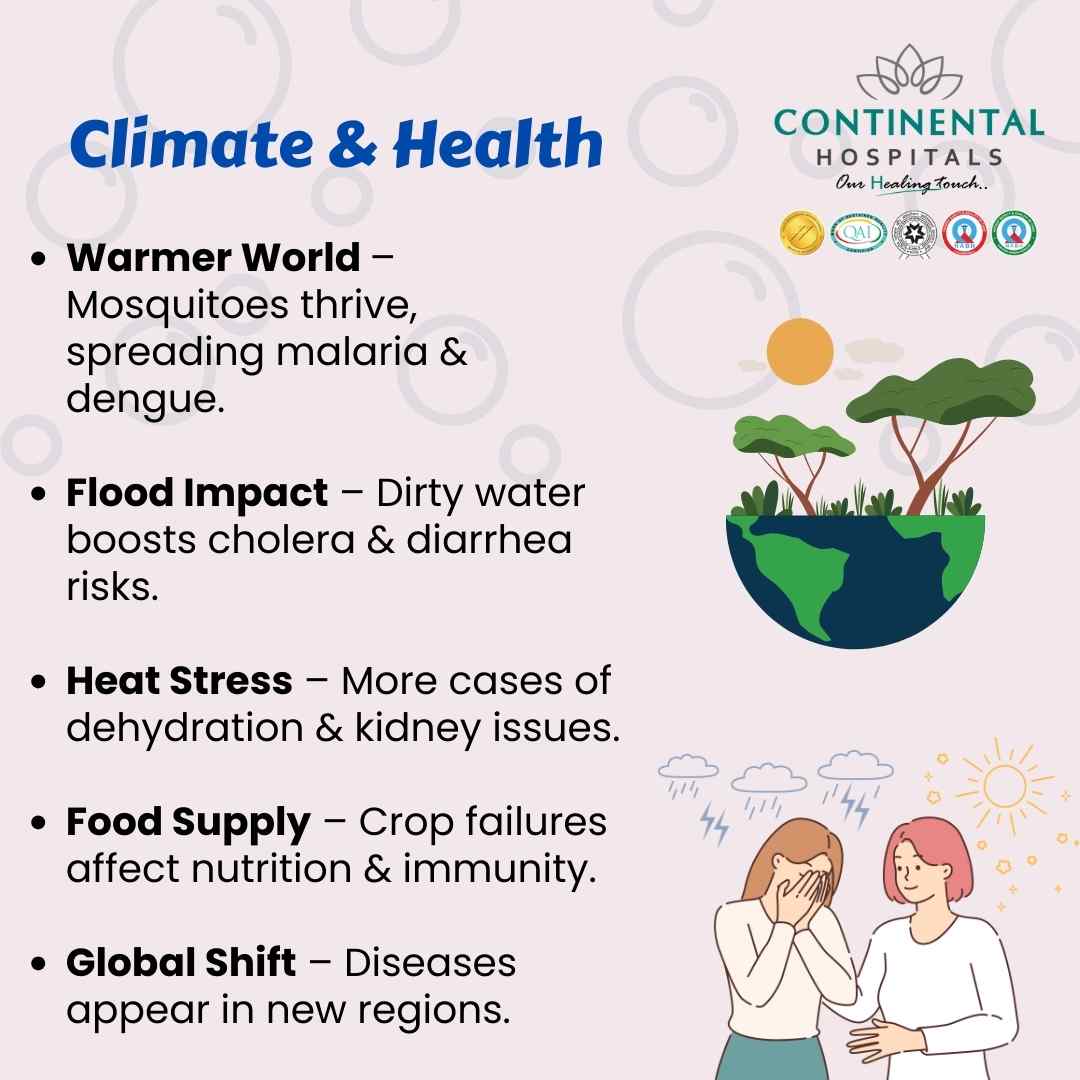
🦠 Disease Spread
- Vector-borne diseases
🫁 Respiratory Issues
- Linked with air pollution
🌾 3. Effects on Agriculture
- Reduced crop yields
- Changing growing seasons
💰 4. Economic Effects
- Damage to infrastructure
- Increased disaster costs
🌍 Climate Change in India
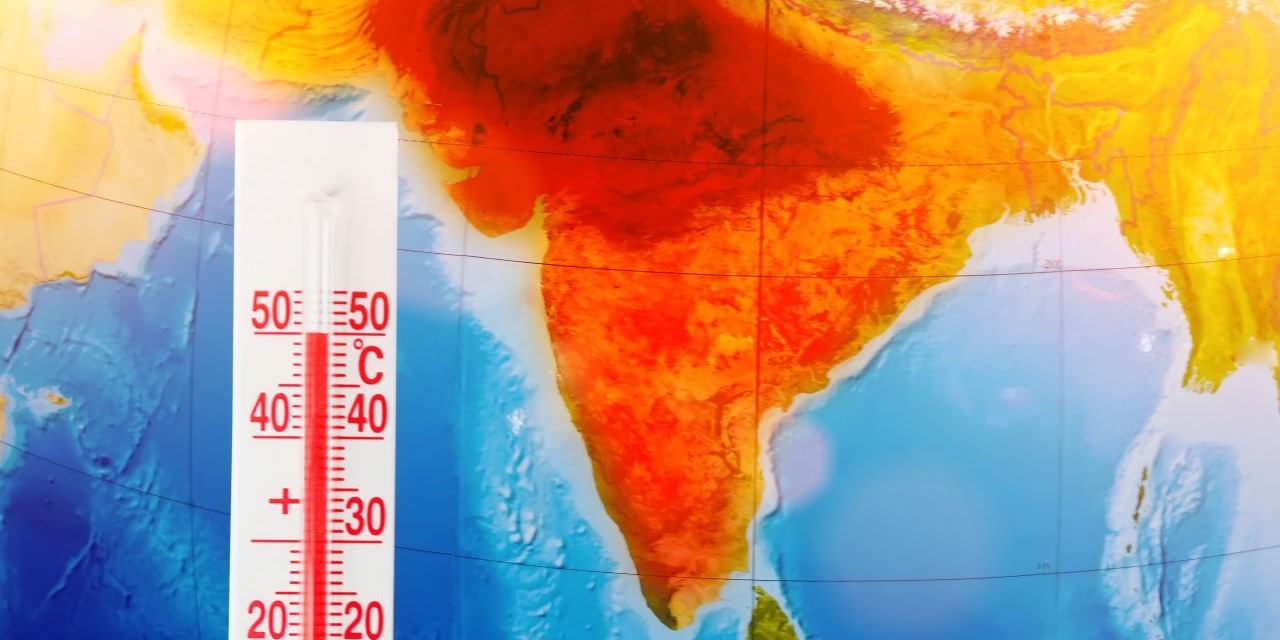


Major Issues:
- Heatwaves
- Floods
- Glacier retreat
🔬 Mitigation Strategies


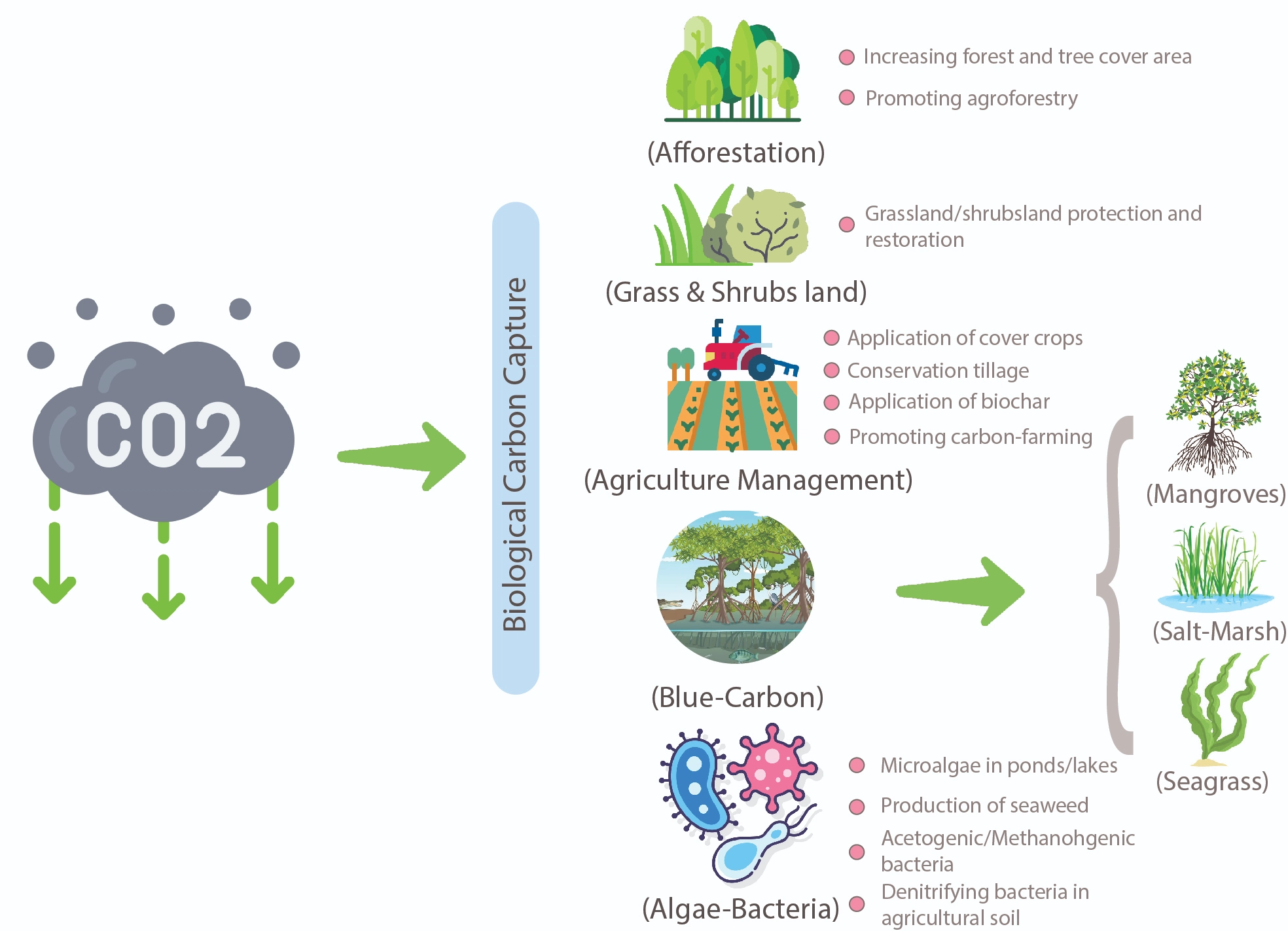

🌿 Renewable Energy
- Solar, wind
🌳 Afforestation
- Carbon sequestration
🚗 Sustainable Transport
- Electric vehicles
🏠 Energy Efficiency
- Green buildings
🔄 Adaptation Strategies
- Disaster management
- Climate-resilient agriculture
- Water conservation
⚖️ International Efforts
- Paris Agreement
- Kyoto Protocol
- IPCC reports
📚 Advantages of Climate Action
- Sustainable development
- Improved health
- Environmental protection
❌ Challenges
- Economic constraints
- Political issues
- Lack of awareness
🔮 Future Outlook
- Technological innovation
- Global cooperation
- Policy reforms
🔄 Difference Between Global Warming and Climate Change
| Aspect | Global Warming | Climate Change |
|---|---|---|
| Meaning | Temperature rise | Broad climate shifts |
| Scope | Narrow | Wide |
| Cause | Greenhouse gases | Multiple factors |
🧾 Conclusion
Climate change and global warming are interconnected global challenges with far-reaching impacts on ecosystems, economies, and human health. Immediate action is required to reduce emissions, adopt sustainable practices, and promote environmental awareness.
The future of the planet depends on collective efforts to mitigate and adapt to climate change, ensuring a sustainable world for generations to come.