

📘 Introduction to Environmental Pollution
Environmental pollution refers to the introduction of harmful substances or energy into the environment, resulting in adverse effects on living organisms, ecosystems, and natural resources. These harmful substances, known as pollutants, can be solid, liquid, or gaseous and may originate from natural or human-made (anthropogenic) sources.
Pollution is one of the most pressing global environmental issues, affecting:
- Air quality
- Water resources
- Soil health
- Biodiversity
- Human health
Rapid industrialization, urbanization, and population growth have significantly increased pollution levels, making it a major challenge for sustainable development.
🌱 Concept and Definition
📖 Definition
Environmental pollution is the undesirable change in the physical, chemical, or biological characteristics of air, water, or land, which can harm living organisms and the environment.
🔑 Key Components:
- Pollutants – Harmful substances (e.g., carbon monoxide, plastics)
- Sources – Origin of pollutants (industries, vehicles)
- Environment – Air, water, soil
- Receptors – Humans, animals, plants
🌍 Types of Environmental Pollution
Environmental pollution can be broadly classified into several major types:
🌫️ 1. Air Pollution


📖 Definition
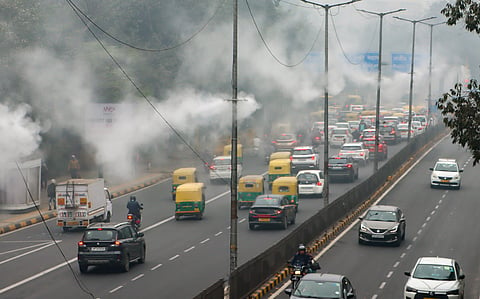
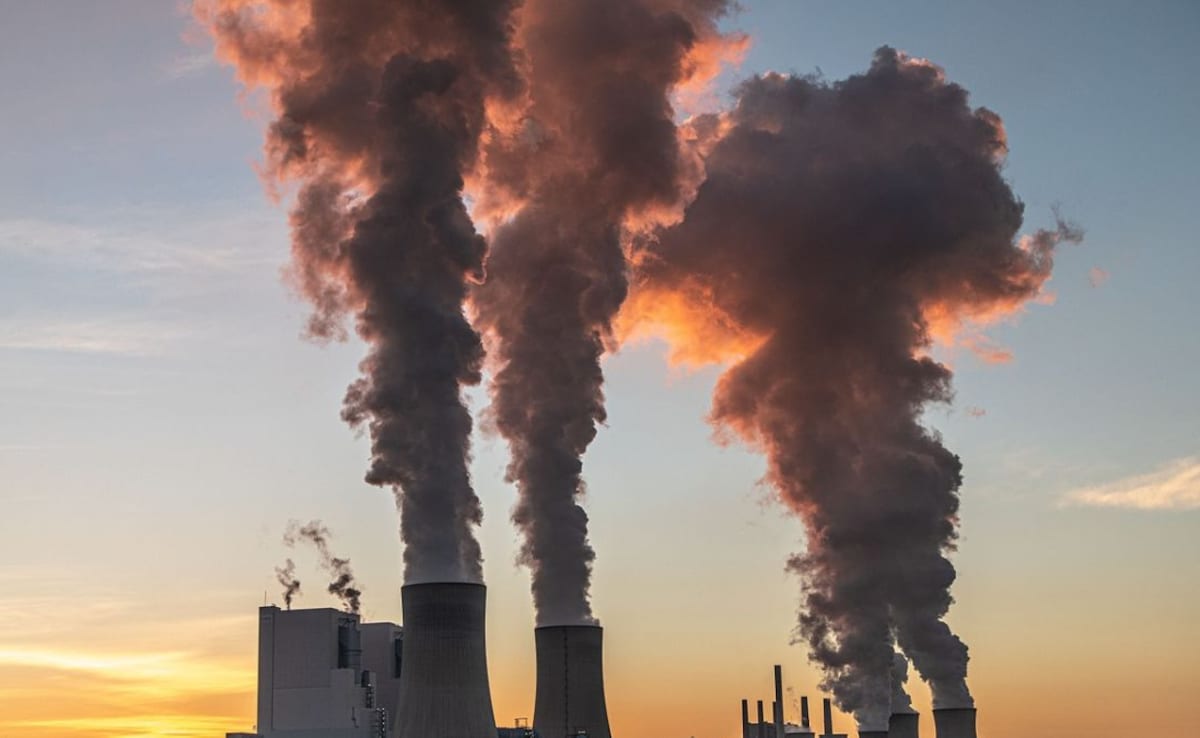
Air pollution is the contamination of the atmosphere by harmful gases, particulates, and biological molecules.
🔑 Major Pollutants:
- Carbon monoxide (CO)
- Sulfur dioxide (SO₂)
- Nitrogen oxides (NOx)
- Particulate matter (PM2.5, PM10)
- Ozone (O₃)
🌍 Sources:
- Vehicle emissions
- Industrial activities
- Burning of fossil fuels
- Agricultural burning
- Natural sources (volcanoes, dust storms)
⚠️ Effects:
On Human Health:
- Respiratory diseases (asthma, bronchitis)
- Lung cancer
- Cardiovascular problems
On Environment:
- Acid rain
- Global warming
- Ozone layer depletion
💧 2. Water Pollution


📖 Definition
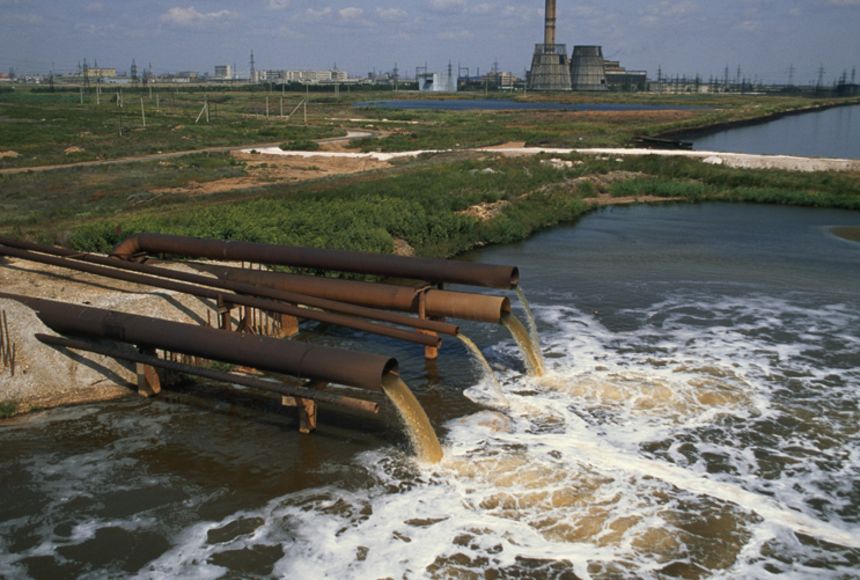
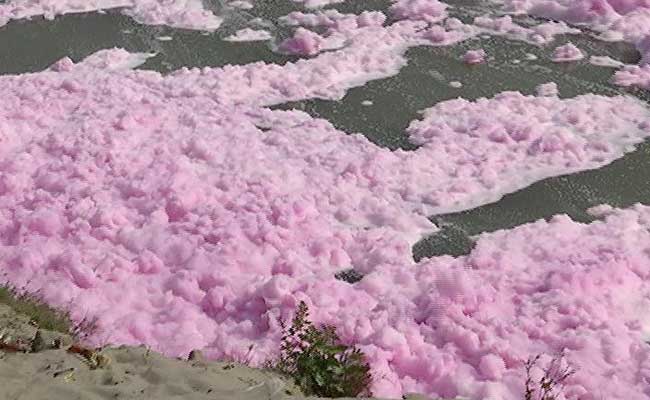
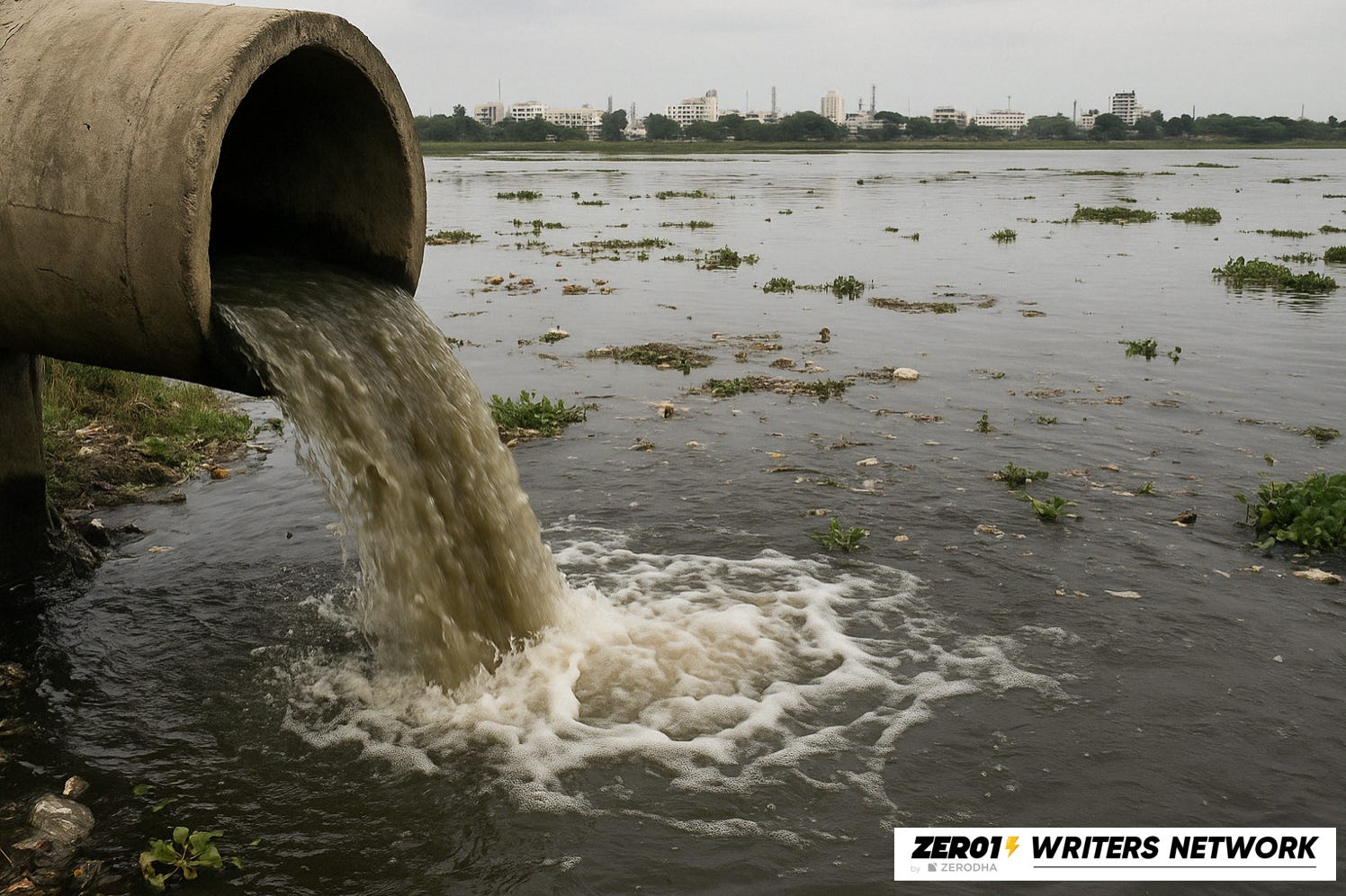
Water pollution occurs when harmful substances contaminate water bodies like rivers, lakes, oceans, and groundwater.
🔑 Pollutants:
- Industrial waste
- Sewage
- Plastics
- Chemicals and pesticides
- Heavy metals
🌍 Sources:
- Industrial discharge
- Domestic sewage
- Agricultural runoff
- Oil spills
⚠️ Effects:
On Humans:
- Waterborne diseases (cholera, typhoid)
- Toxic poisoning
On Ecosystems:
- Death of aquatic life
- Eutrophication
- Disruption of food chains
🌱 3. Soil Pollution
📖 Definition
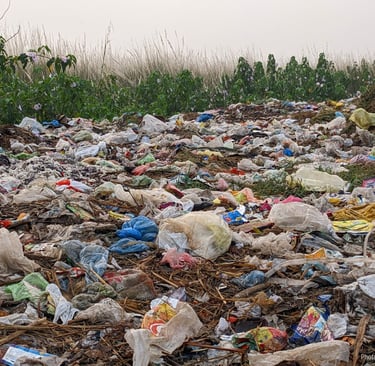
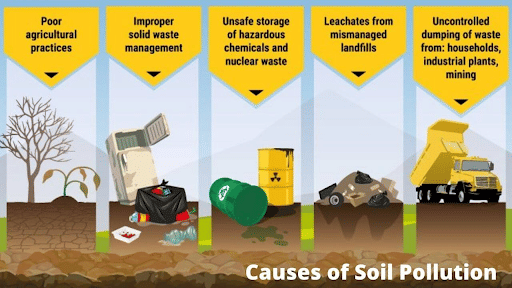
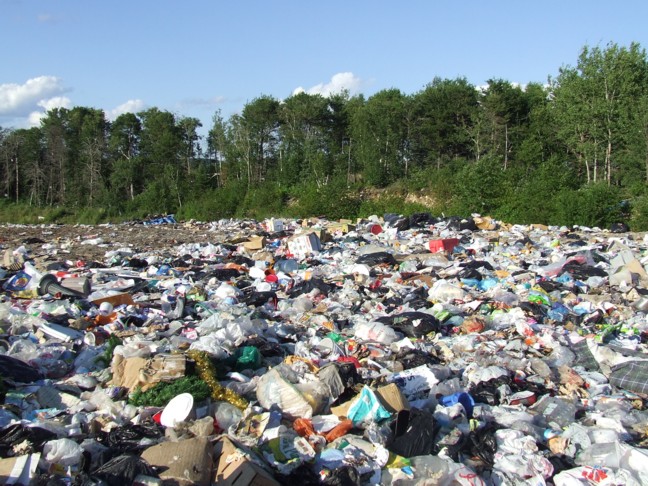
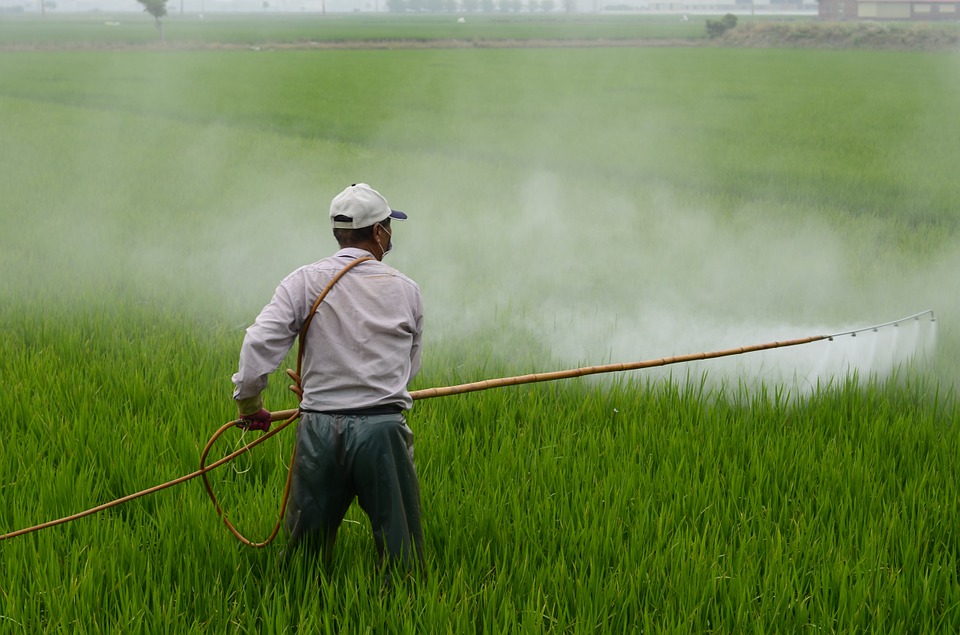
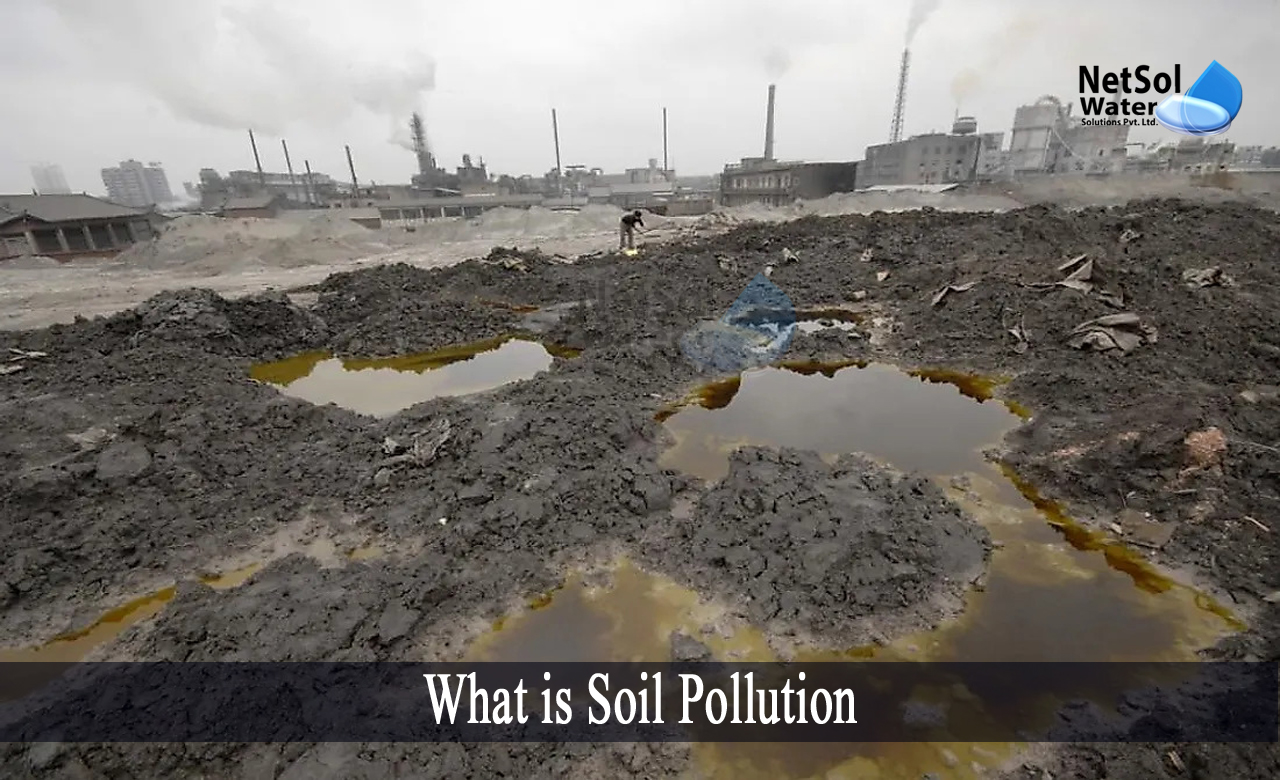
Soil pollution is the contamination of soil due to the presence of toxic chemicals and waste materials.
🔑 Causes:
- Industrial waste
- Pesticides and fertilizers
- Landfills
- Mining activities
⚠️ Effects:
- Reduced soil fertility
- Crop contamination
- Health risks through food chain
🔊 4. Noise Pollution


📖 Definition
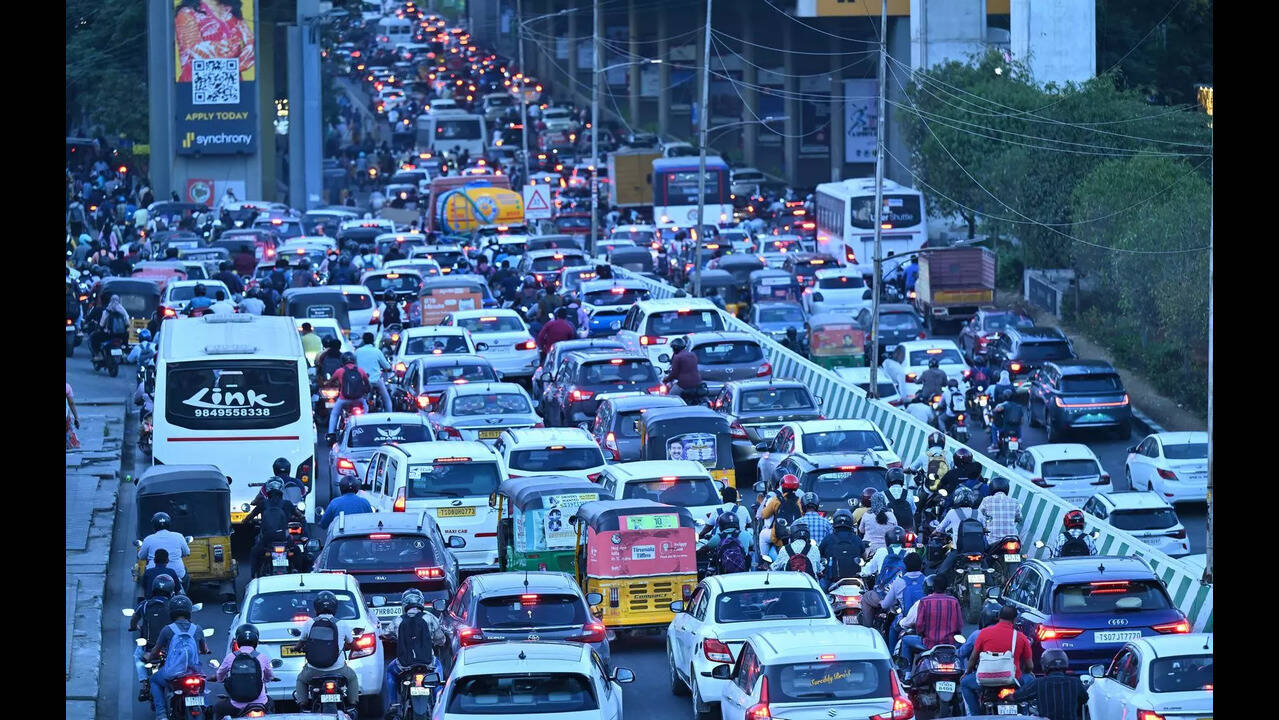
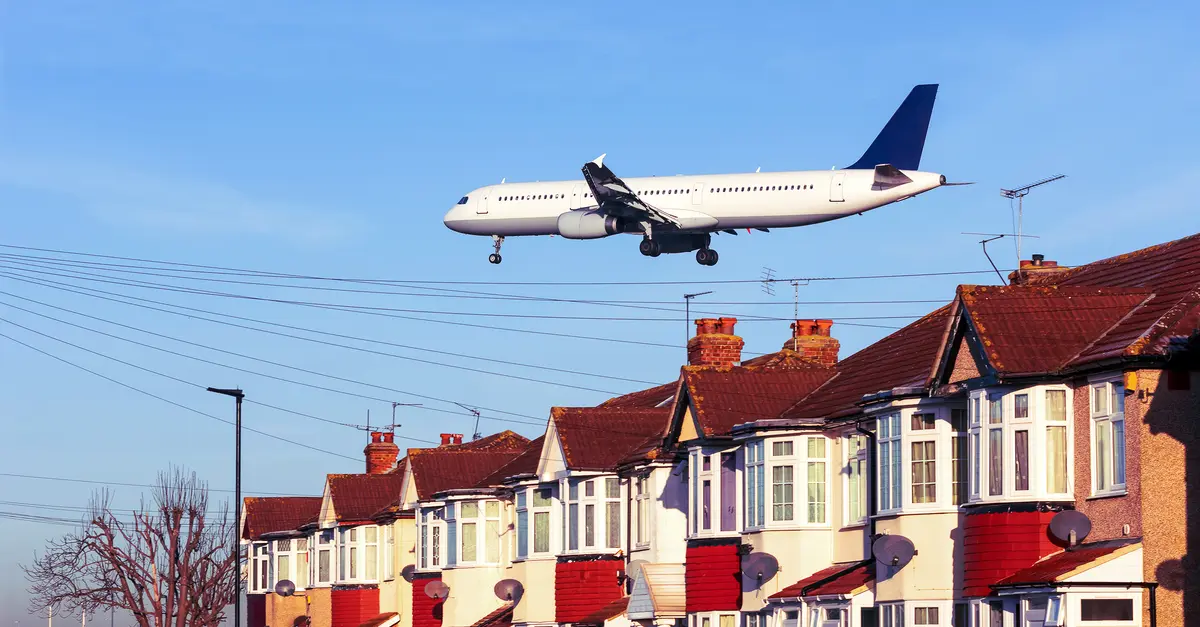
Noise pollution refers to excessive or harmful levels of noise that disturb human and animal life.
🔑 Sources:
- Traffic
- Industrial machinery
- Construction
- Loudspeakers
⚠️ Effects:
- Hearing loss
- Stress and anxiety
- Sleep disturbances
☢️ 5. Radioactive Pollution
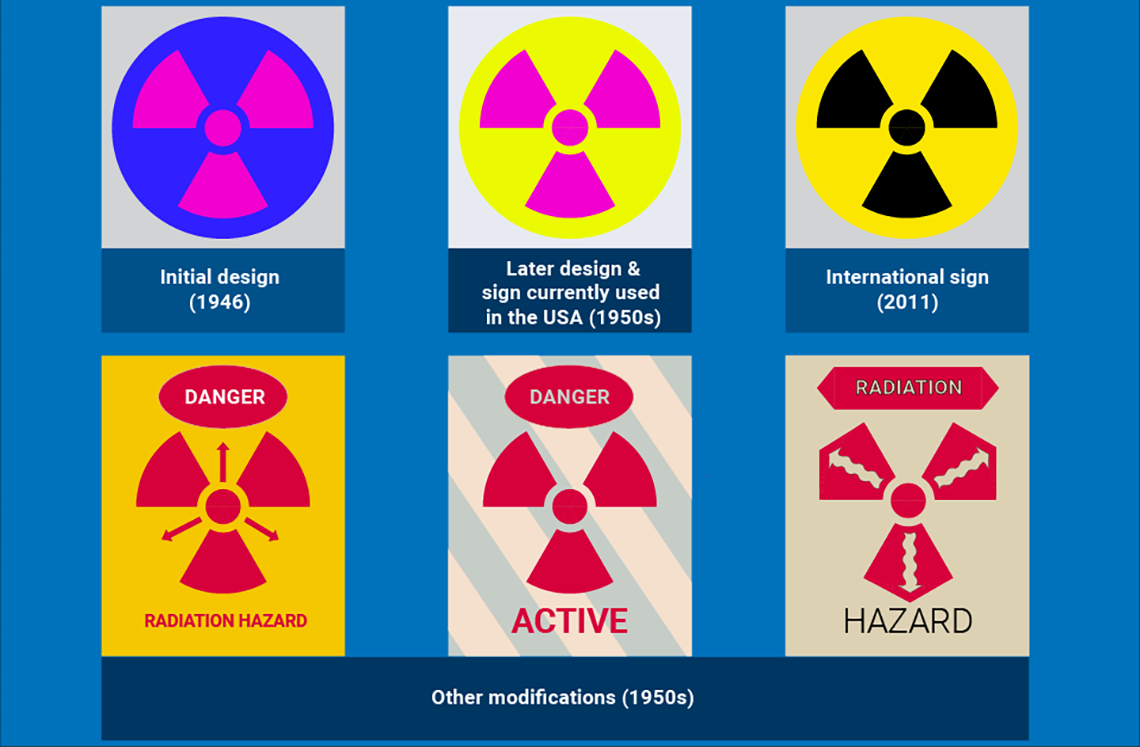

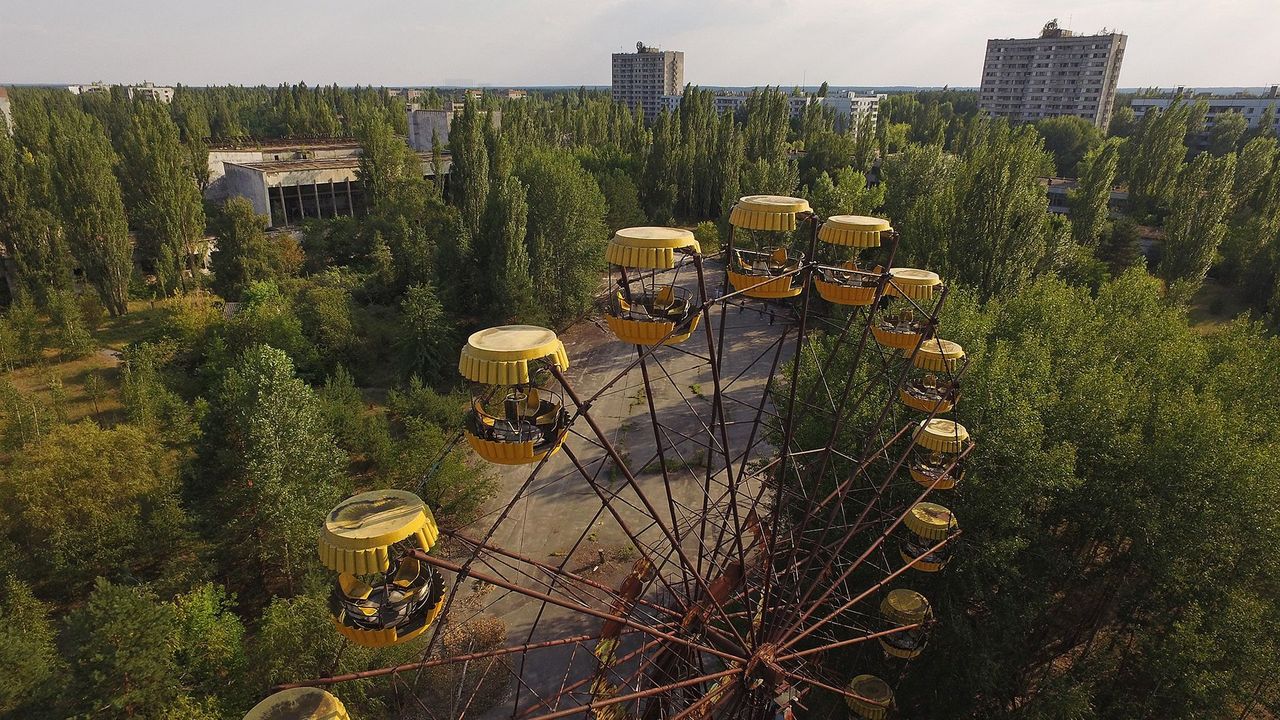
📖 Definition
Radioactive pollution involves the release of radioactive substances into the environment.
🔑 Sources:
- Nuclear power plants
- Atomic weapons testing
- Medical waste
⚠️ Effects:
- Genetic mutations
- Cancer
- Long-term environmental damage
💡 6. Light Pollution




📖 Definition
Light pollution is the excessive or misdirected artificial light that disrupts natural darkness.
⚠️ Effects:
- Disturbs ecosystems
- Affects human sleep cycles
- Hinders astronomical observations
🌍 Causes of Environmental Pollution
1. Industrialization
- Emissions
- Waste disposal
2. Urbanization
- Increased waste generation
- Traffic pollution
3. Population Growth
- Higher demand for resources
4. Deforestation
- Loss of natural filters
5. Agriculture
- Use of chemicals
⚠️ Effects of Environmental Pollution
🌿 Environmental Effects:
- Climate change
- Loss of biodiversity
- Ecosystem imbalance
👨⚕️ Health Effects:
- Respiratory diseases
- Cancer
- Neurological disorders
💰 Economic Effects:
- Healthcare costs
- Reduced productivity
- Environmental cleanup costs
🌱 Pollution and Climate Change
Pollution contributes significantly to climate change through:
- Greenhouse gas emissions
- Global warming
- Extreme weather events
🔬 Control and Prevention of Pollution


1. Reducing Emissions
- Use of clean energy
- Electric vehicles
2. Waste Management
- Recycling
- Proper disposal
3. Sustainable Agriculture
- Organic farming
- Reduced chemical use
4. Afforestation
- Tree planting
5. Public Awareness
- Education campaigns
🇮🇳 Pollution Control in India
Key Laws:
- Air (Prevention and Control of Pollution) Act, 1981
- Water (Prevention and Control of Pollution) Act, 1974
- Environment Protection Act, 1986
Institutions:
- Central Pollution Control Board (CPCB)
- State Pollution Control Boards
🌏 Global Efforts
- Paris Agreement
- Sustainable Development Goals (SDGs)
- International environmental treaties
📚 Advantages of Pollution Control
- Improved health
- Better environment
- Sustainable development
❌ Challenges
- Lack of awareness
- Weak enforcement
- Economic constraints
🔮 Future Solutions
- Green technology
- Smart cities
- Renewable energy expansion
🧾 Conclusion
Environmental pollution is a major global challenge that threatens human health, biodiversity, and ecosystems. Addressing pollution requires collective efforts from governments, industries, and individuals.
Sustainable practices, strong laws, and environmental awareness are essential to ensure a cleaner and healthier planet for future generations.