
🌿 Introduction
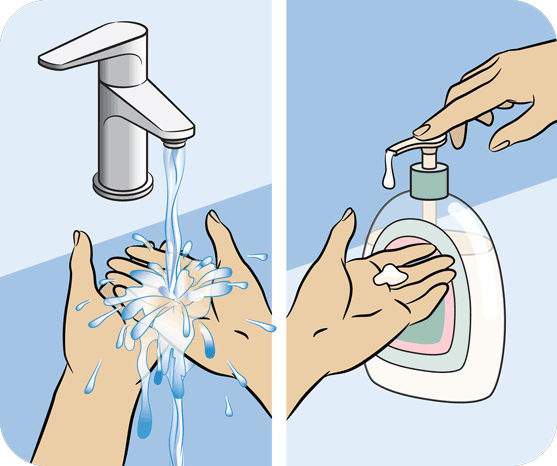

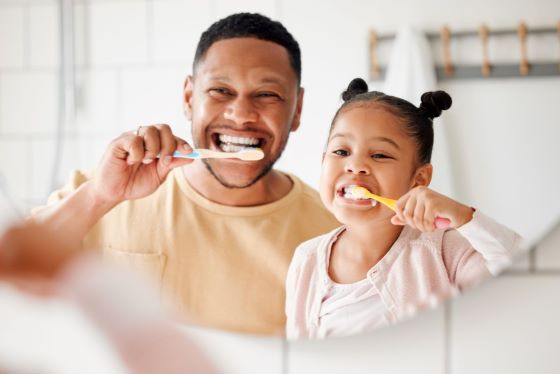

Cleanliness and personal hygiene are fundamental aspects of a healthy, dignified, and disciplined life. These practices are not merely about physical appearance—they play a vital role in preventing diseases, maintaining mental well-being, and promoting social acceptance. From ancient civilizations to modern societies, cleanliness has been regarded as a virtue closely associated with purity, discipline, and respect for oneself and others.
Personal hygiene refers to the practices individuals adopt to maintain bodily cleanliness and health, such as bathing, brushing teeth, washing hands, and wearing clean clothes. Cleanliness, in a broader sense, includes maintaining a clean environment—homes, schools, workplaces, and public spaces.
In today’s world, where infectious diseases, pollution, and lifestyle-related health issues are prevalent, cleanliness and hygiene have become more important than ever. They are essential for individual health, public safety, and overall quality of life.
🌱 Meaning and Definitions
🔹 Cleanliness
Cleanliness is:
- The state of being free from dirt, germs, and impurities
- Maintaining a neat and orderly environment
- A reflection of discipline and responsibility
Examples:
- Keeping surroundings clean
- Proper waste disposal
- Maintaining tidy living spaces
🔹 Personal Hygiene
Personal hygiene is:
- Practices that maintain bodily cleanliness and health
- Daily routines that prevent illness
- Care of skin, hair, teeth, and overall body
Examples:
- Bathing regularly
- Brushing teeth twice a day
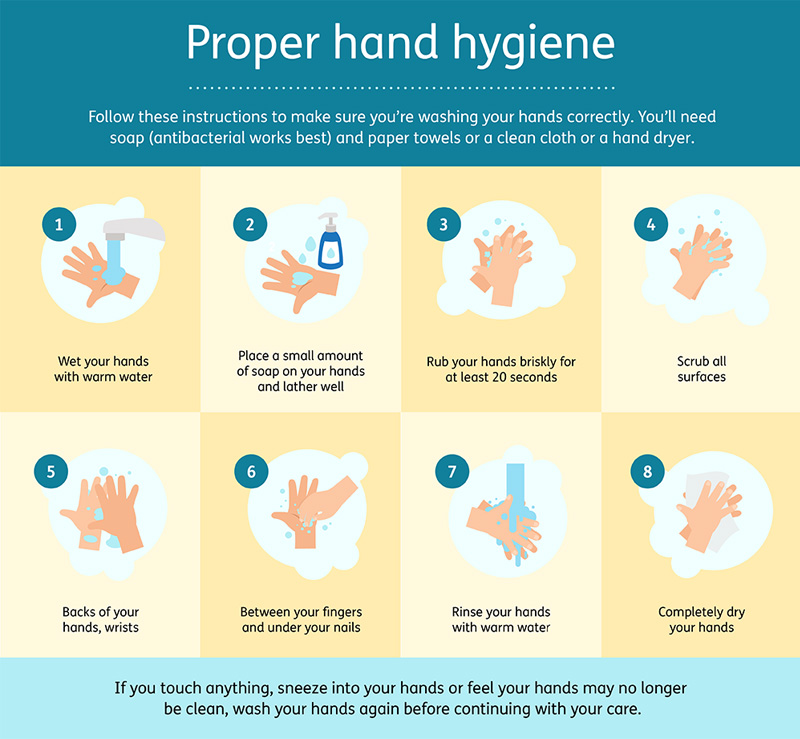
- Washing hands before meals
🔹 Key Differences
| Aspect | Cleanliness | Personal Hygiene |
|---|---|---|
| Scope | Environment | Individual body |
| Focus | Surroundings | Health and grooming |
| Example | Clean room | Clean hands |
🧠 Scientific and Health Foundations

🔹 Germ Theory
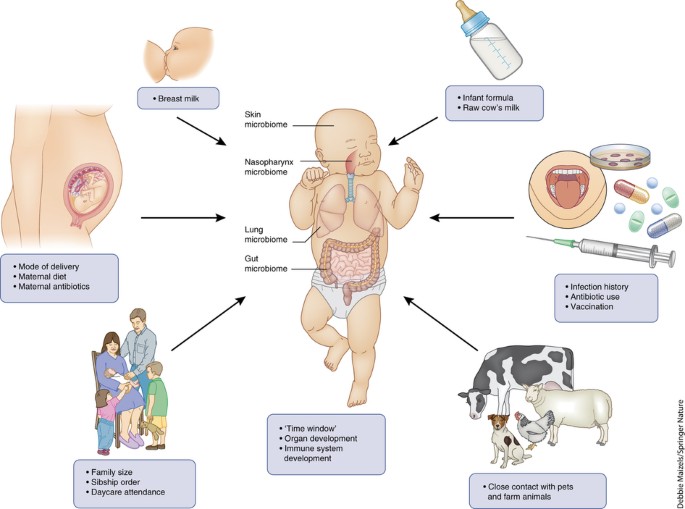
- Microorganisms like bacteria and viruses cause diseases
- Poor hygiene increases risk of infections
🔹 Disease Prevention
- Regular hygiene practices reduce spread of diseases
- Important in preventing illnesses like flu, infections, and food poisoning
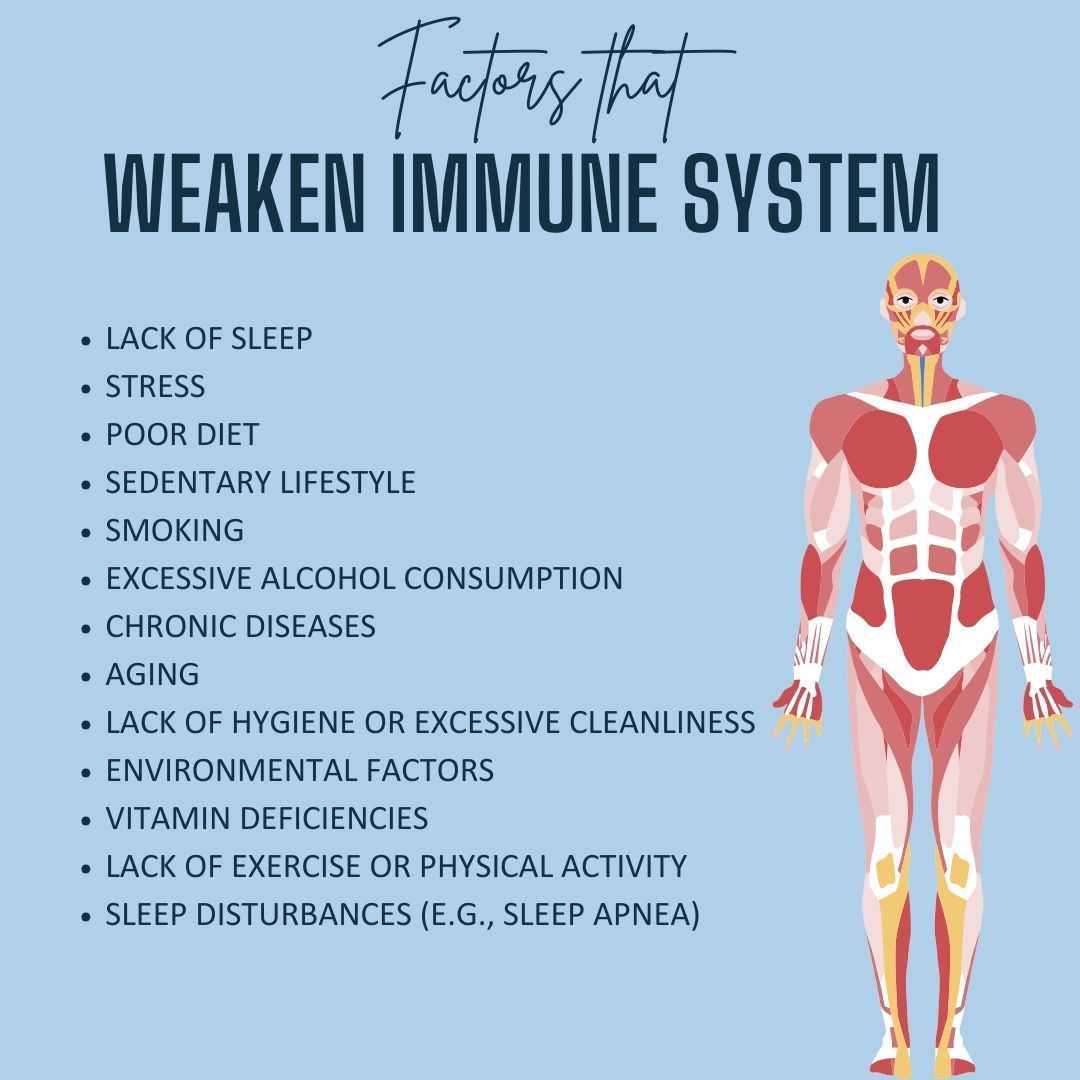
🔹 Immune System Support
- Clean habits strengthen body defenses
- Reduce exposure to harmful pathogens
🏛️ Historical and Cultural Perspectives



🔸 Ancient Civilizations
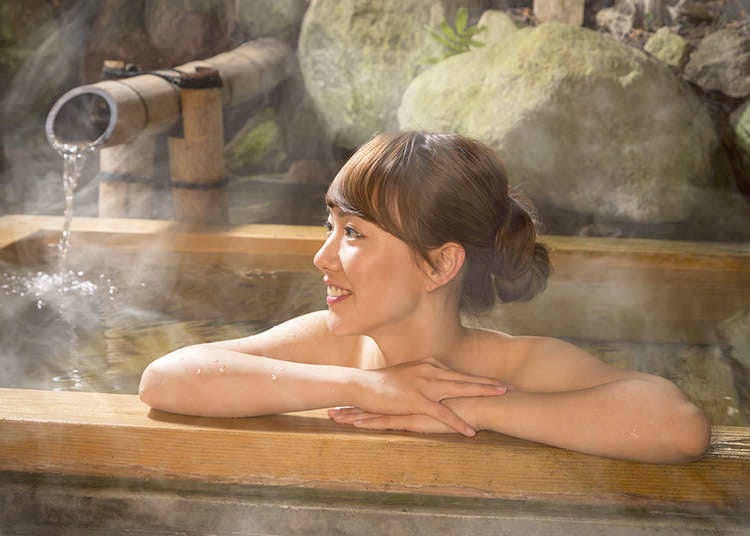
- Romans built public baths and sanitation systems
- Indus Valley Civilization had advanced drainage systems
🔸 Indian Culture
- Cleanliness linked with spirituality and purity
- Practices like daily bathing and clean surroundings
🔸 Modern Initiatives
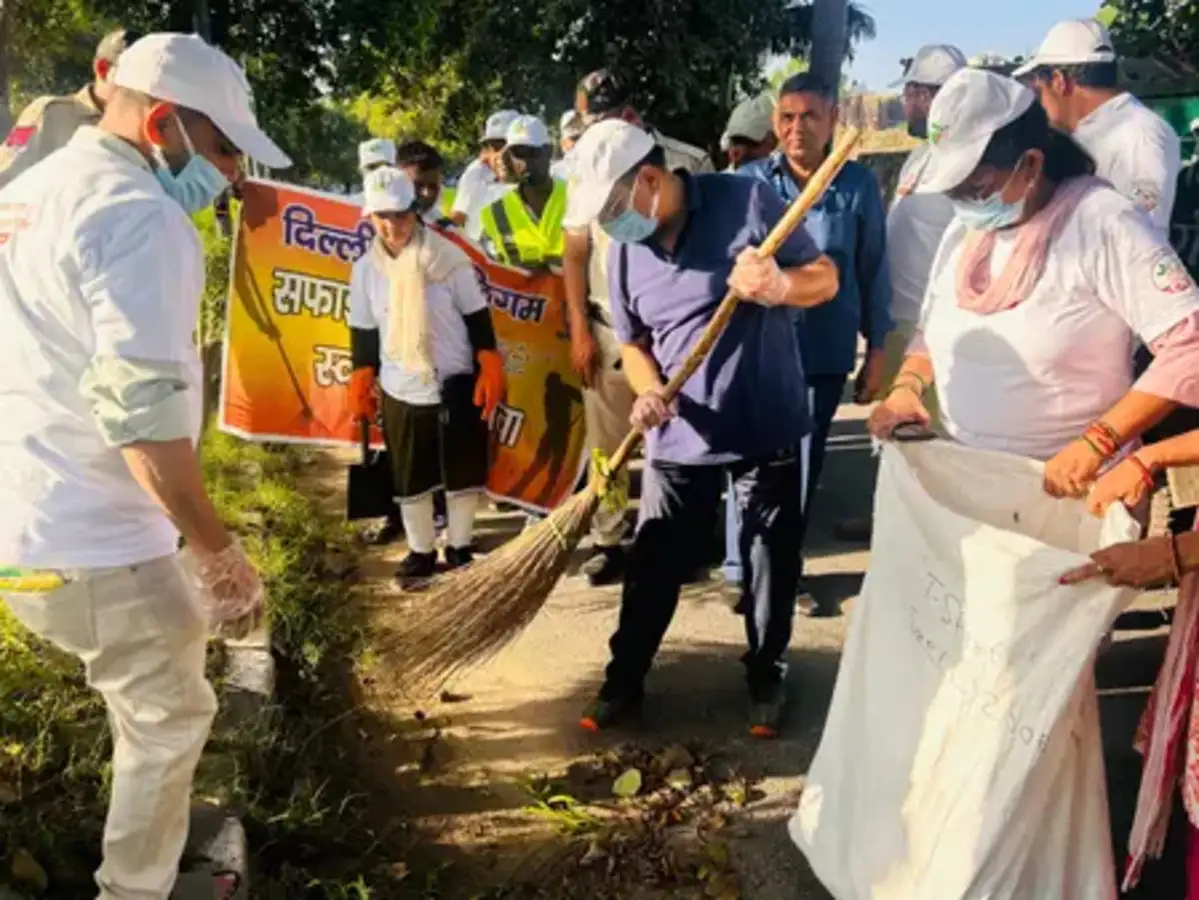
- Campaigns like cleanliness drives promote hygiene awareness
- Public health programs emphasize sanitation
🧘 Spiritual and Moral Significance


🔹 Cleanliness as a Virtue
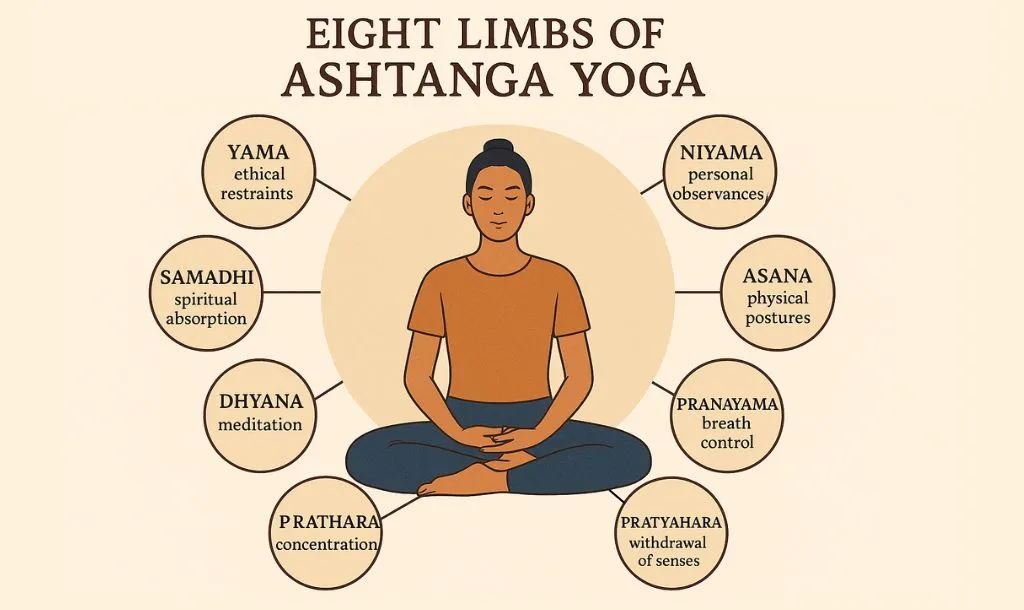
- Often associated with purity and discipline
- Reflects respect for oneself and environment
🔹 Religious Practices
- Many religions emphasize cleanliness before prayers
- Symbolizes inner and outer purity
🏠 Role in Personal Life
🌟 Physical Health
- Prevents infections and diseases
- Maintains body functions
🌟 Mental Well-being
- Clean environment reduces stress
- Promotes clarity and focus
🌟 Self-Confidence
- Good hygiene improves appearance
- Enhances social interactions
🌍 Social Importance

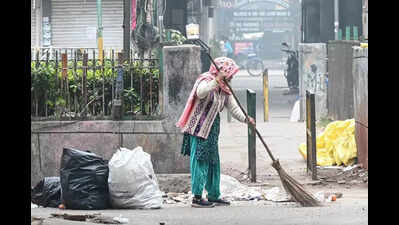


🔹 Public Health
- Reduces spread of epidemics
- Improves quality of life
🔹 Social Acceptance
- Clean individuals are more respected
- Promotes positive social interactions
🔹 Environmental Protection
- Proper waste management reduces pollution
- Supports sustainability
🏫 Importance in Education
📘 School Hygiene
- Clean classrooms improve learning environment
- Prevent spread of diseases among students
📘 Student Habits
- Teaching hygiene from early age
- Encouraging regular routines
📘 Awareness Programs
- Health education campaigns
- Activities promoting cleanliness
💼 Workplace Relevance


🔹 Productivity
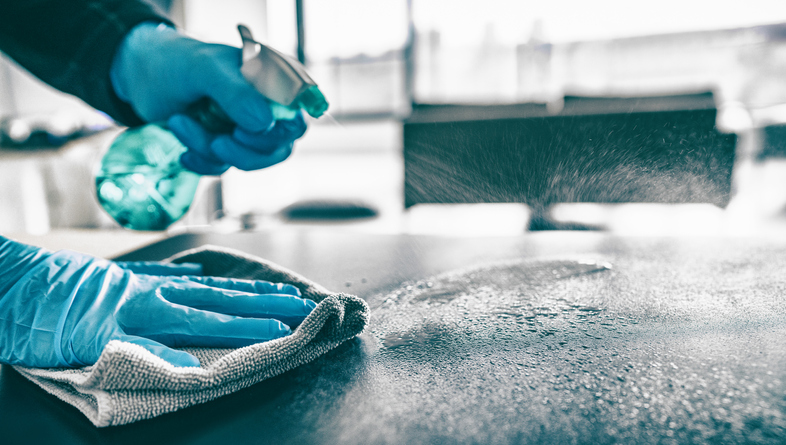
- Clean environment enhances efficiency
- Reduces absenteeism due to illness
🔹 Professional Image
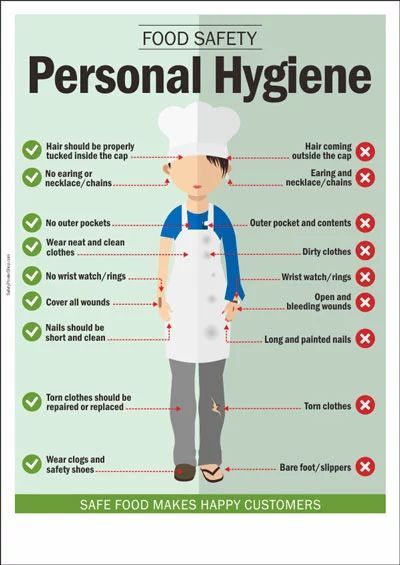
- Personal hygiene reflects professionalism
- Builds confidence and credibility
🔹 Workplace Safety
- Hygiene prevents workplace hazards
⚖️ Ethical and Civic Responsibility
🔸 Responsibility Toward Society
- Maintaining cleanliness is a civic duty
- Prevents harm to others
🔸 Environmental Ethics
- Reducing waste and pollution
- Promoting sustainable practices
🧩 Challenges to Cleanliness and Hygiene


🔹 Lack of Awareness
- People may not understand importance
🔹 Limited Resources
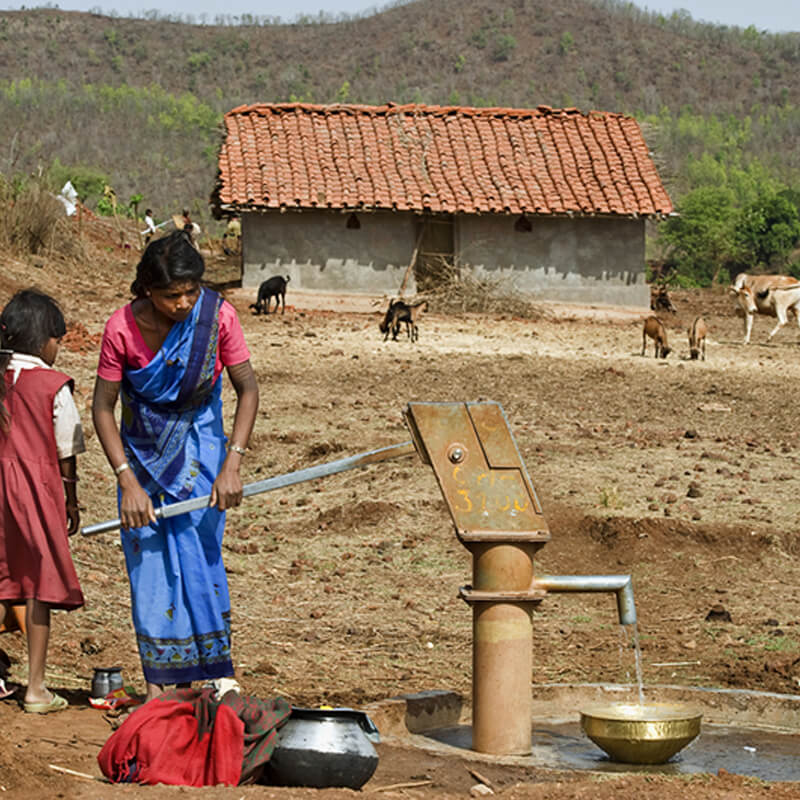
- Water scarcity and poor sanitation
🔹 Poor Habits
- Neglecting hygiene routines
🔹 Urbanization
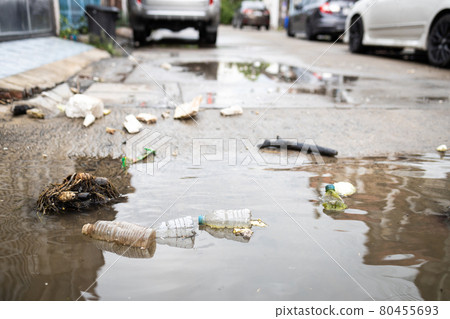
- Increased waste and pollution
🌟 Benefits of Cleanliness and Personal Hygiene
✅ Health Benefits
- Reduced risk of diseases
- Improved immunity
✅ Social Benefits
- Better relationships
- Increased respect
✅ Psychological Benefits
- Improved mood
- Reduced stress
🛠️ Daily Hygiene Practices

🔹 Personal Hygiene Routine
- Bathing regularly
- Brushing teeth twice daily
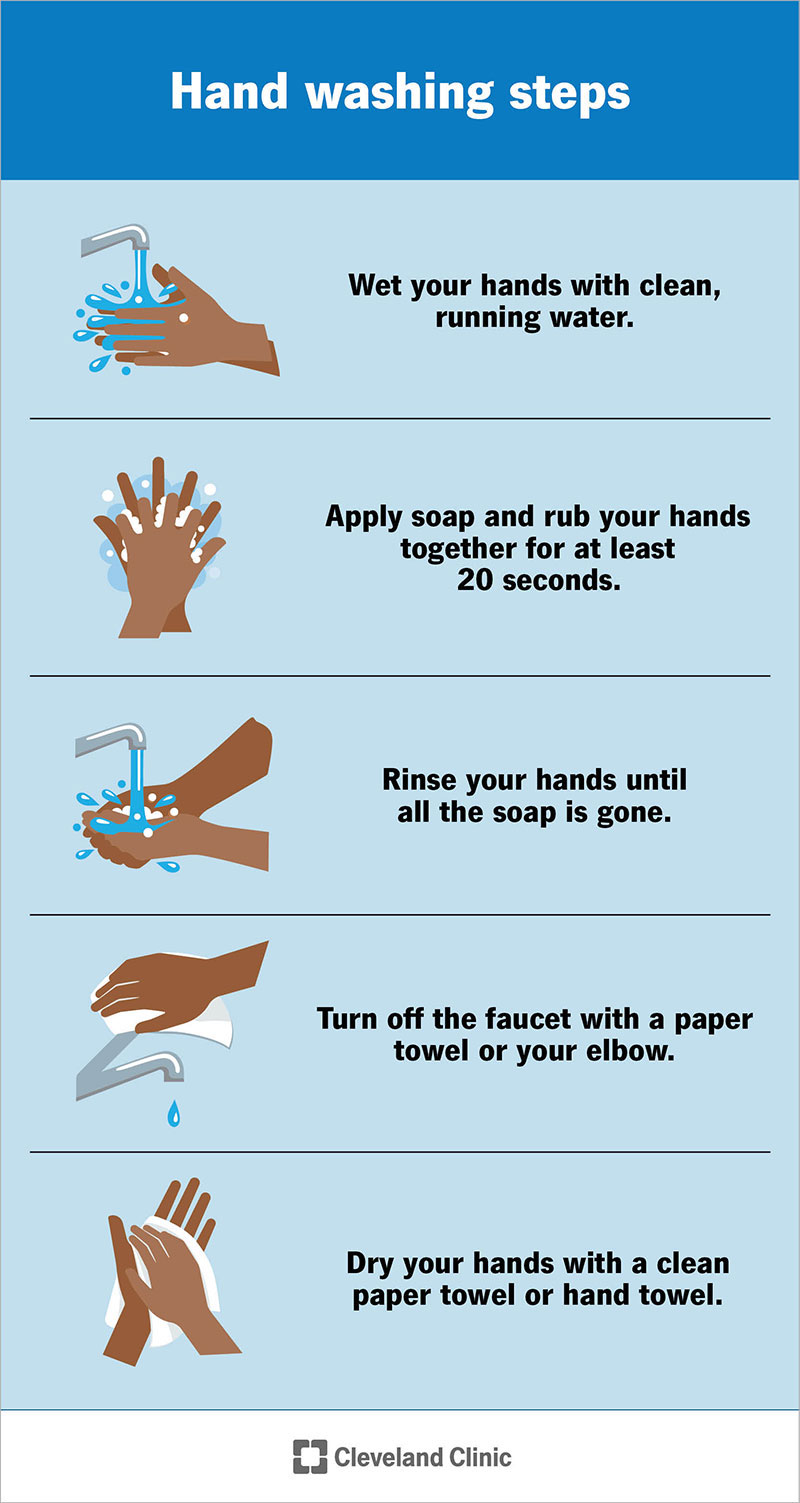
- Washing hands frequently
- Keeping nails trimmed
🔹 Environmental Cleanliness
- Cleaning living spaces
- Proper waste disposal
- Maintaining hygiene in public places
📱 Cleanliness in the Modern World
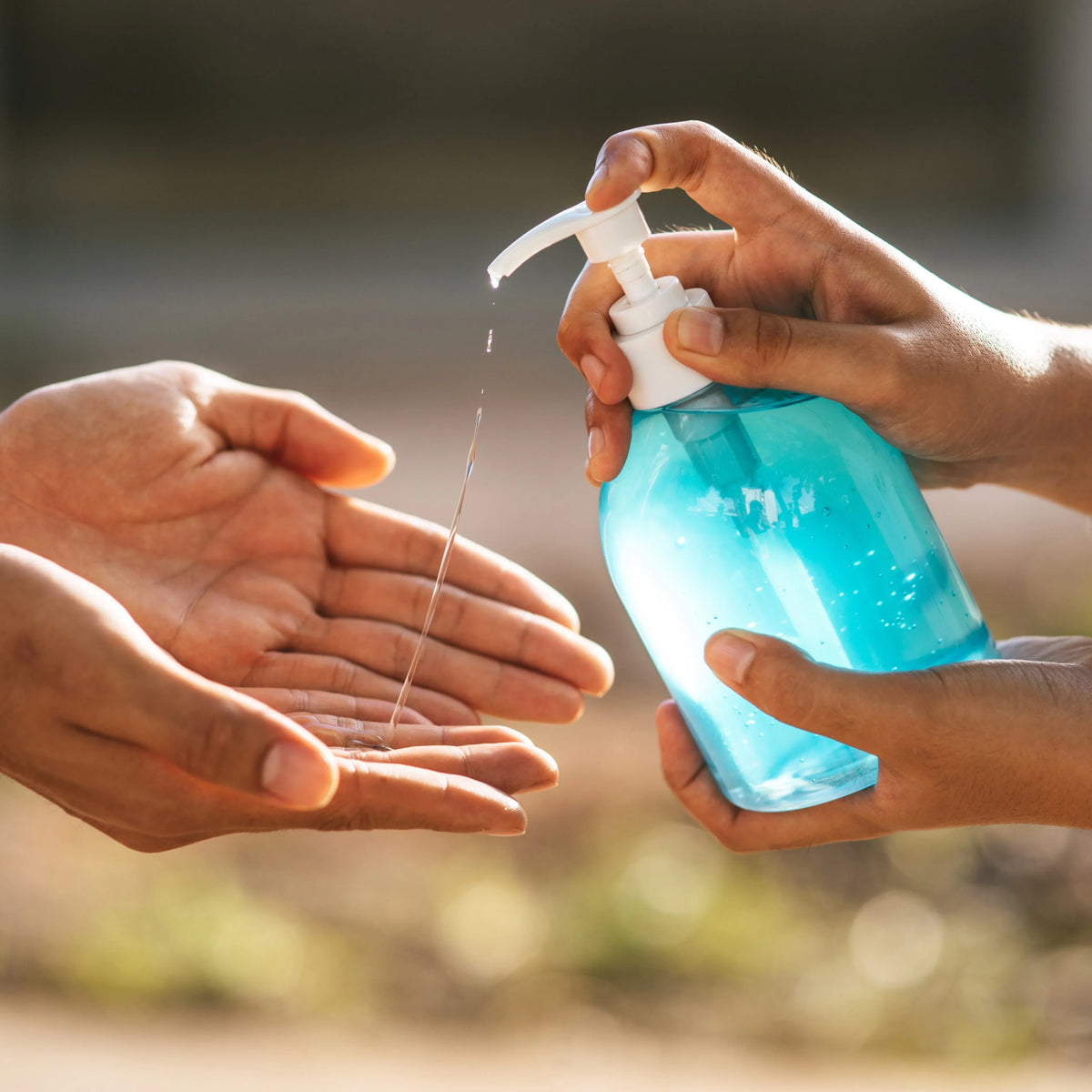


🔹 Technology and Hygiene
- Use of sanitizers and cleaning products
- Smart cleaning devices
🔹 Public Awareness
- Campaigns through media
- Health education
🧭 Real-Life Examples
🔹 Daily Life
- Maintaining personal hygiene routines
🔹 Community Efforts
- Cleanliness drives and campaigns
🔹 Global Health Initiatives
- Programs promoting sanitation and hygiene
📊 Comparison with Related Values
| Value | Relation |
|---|---|
| Discipline | Helps maintain hygiene routines |
| Responsibility | Ensures cleanliness |
| Health | Result of hygiene |
| Respect | Cleanliness shows respect for others |
🧾 Conclusion
Cleanliness and personal hygiene are essential for a healthy, productive, and respectful life. They play a crucial role in preventing diseases, improving mental well-being, and promoting social harmony. These practices are not just personal choices—they are responsibilities toward oneself, others, and the environment.
In a rapidly changing world, where health challenges and environmental issues are increasing, the importance of cleanliness and hygiene cannot be overstated. By adopting good hygiene practices and maintaining clean surroundings, individuals contribute to a safer and healthier society.
Ultimately, cleanliness and personal hygiene reflect discipline, awareness, and respect. They are simple yet powerful tools for improving quality of life and building a better future.