
🌿 Introduction



Forgiveness is a profound human virtue that involves letting go of resentment, anger, or the desire for revenge toward someone who has caused harm. It is not about forgetting the wrongdoing or excusing harmful behavior; rather, it is a conscious decision to release negative emotions and move toward healing, peace, and understanding.
In personal relationships, forgiveness acts as a bridge that repairs broken bonds. In society, it fosters reconciliation and harmony. Psychologically, it promotes emotional well-being and reduces stress. Spiritually, it is often regarded as a path to inner peace and moral growth.
Forgiveness is not always easy—it requires courage, empathy, and strength. However, its benefits extend far beyond the individual, influencing relationships, communities, and even global peace.
🌱 Meaning and Definitions
🔹 Forgiveness
Forgiveness is:
- The act of letting go of anger or resentment
- Choosing not to seek revenge
- Moving toward emotional healing
🔹 Key Elements of Forgiveness
- Acknowledgment: Recognizing the harm done
- Emotional Release: Letting go of negative feelings
- Empathy: Understanding the offender’s perspective
- Healing: Moving forward without bitterness
🔹 Forgiveness vs Forgetting
| Aspect | Forgiveness | Forgetting |
|---|---|---|
| Nature | Conscious choice | Passive loss of memory |
| Focus | Emotional release | Memory absence |
| Impact | Healing and growth | May not resolve emotions |
🧠 Psychological Foundations



🔹 Emotional Processing
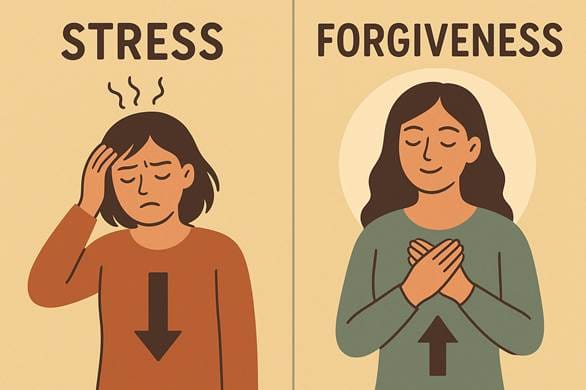
- Forgiveness helps process negative emotions
- Reduces anger, resentment, and stress
🔹 Mental Health Benefits
- Improves psychological well-being
- Reduces anxiety and depression
🔹 Cognitive Shift
- Involves reframing thoughts about the situation
- Encourages understanding and acceptance
🏛️ Philosophical Perspectives




🔸 Ancient Philosophy
- Philosophers emphasized forgiveness as a virtue
- Linked to moral strength and wisdom
🔸 Stoicism
- Encourages letting go of anger
- Focus on inner peace
🔸 Eastern Philosophy
- Buddhism teaches compassion and forgiveness
- Hinduism values forgiveness as a virtue (Kshama)
🔸 Modern Thinkers
- Mahatma Gandhi promoted forgiveness through non-violence
- Emphasized reconciliation and peace
🧘 Spiritual and Religious Significance




🔹 Hinduism
- Forgiveness (Kshama) is a divine quality
🔹 Buddhism
- Encourages letting go of anger
🔹 Christianity
- Emphasizes forgiveness as a central teaching
🔹 Islam
- Promotes mercy and forgiveness
🏠 Role in Personal Life
🌟 Emotional Healing
- Reduces emotional burden
- Promotes inner peace
🌟 Relationships
- Repairs broken bonds
- Builds trust and understanding
🌟 Self-Forgiveness
- Accepting one’s own mistakes
- Encourages growth and learning
🌍 Social Importance


🔹 Conflict Resolution
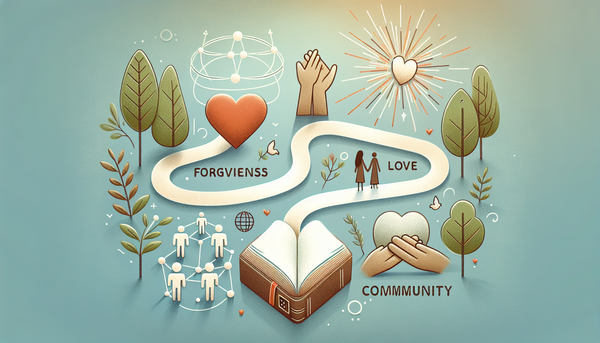
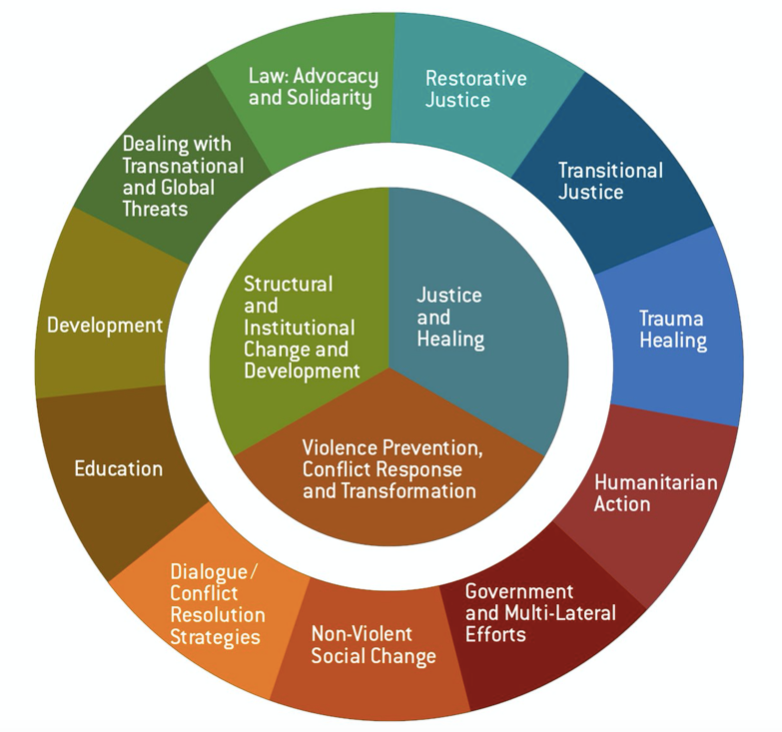
- Helps resolve disputes peacefully
🔹 Social Harmony
- Reduces hostility and violence
🔹 Reconciliation
- Essential in post-conflict societies
🏫 Importance in Education
📘 Student Development
- Encourages emotional maturity
📘 Classroom Environment
- Reduces conflicts among students
📘 Teacher Role
- Teaching values of forgiveness and understanding
💼 Workplace Relevance




🔹 Conflict Management
- Resolves workplace disputes
🔹 Teamwork
- Builds trust and cooperation
🔹 Leadership
- Encourages positive work culture
⚖️ Ethical Dimensions
🔸 Moral Responsibility
- Forgiveness reflects ethical maturity
🔸 Justice vs Mercy
- Balancing accountability with compassion
🔸 Personal Integrity
- Choosing forgiveness over revenge
🧩 Challenges to Forgiveness




🔹 Deep Emotional Hurt
- Severe pain makes forgiveness difficult
🔹 Ego and Pride
- Prevents letting go
🔹 Fear of Repetition
- Concern about being hurt again
🔹 Misunderstanding Forgiveness
- Belief that it means weakness
🌟 Benefits of Forgiveness
✅ Personal Benefits
- Improved mental health
- Reduced stress
- Emotional freedom
✅ Social Benefits
- Stronger relationships
- Peaceful communities
✅ Physical Health Benefits
- Lower blood pressure
- Improved immune function
🛠️ Steps to Practice Forgiveness


🔹 Acknowledge the Hurt
- Accept feelings and emotions
🔹 Decide to Forgive
- Make a conscious choice
🔹 Develop Empathy
- Understand the other person’s perspective
🔹 Let Go of Anger
- Release negative emotions
🔹 Move Forward
- Focus on healing and growth
📱 Forgiveness in the Digital Age
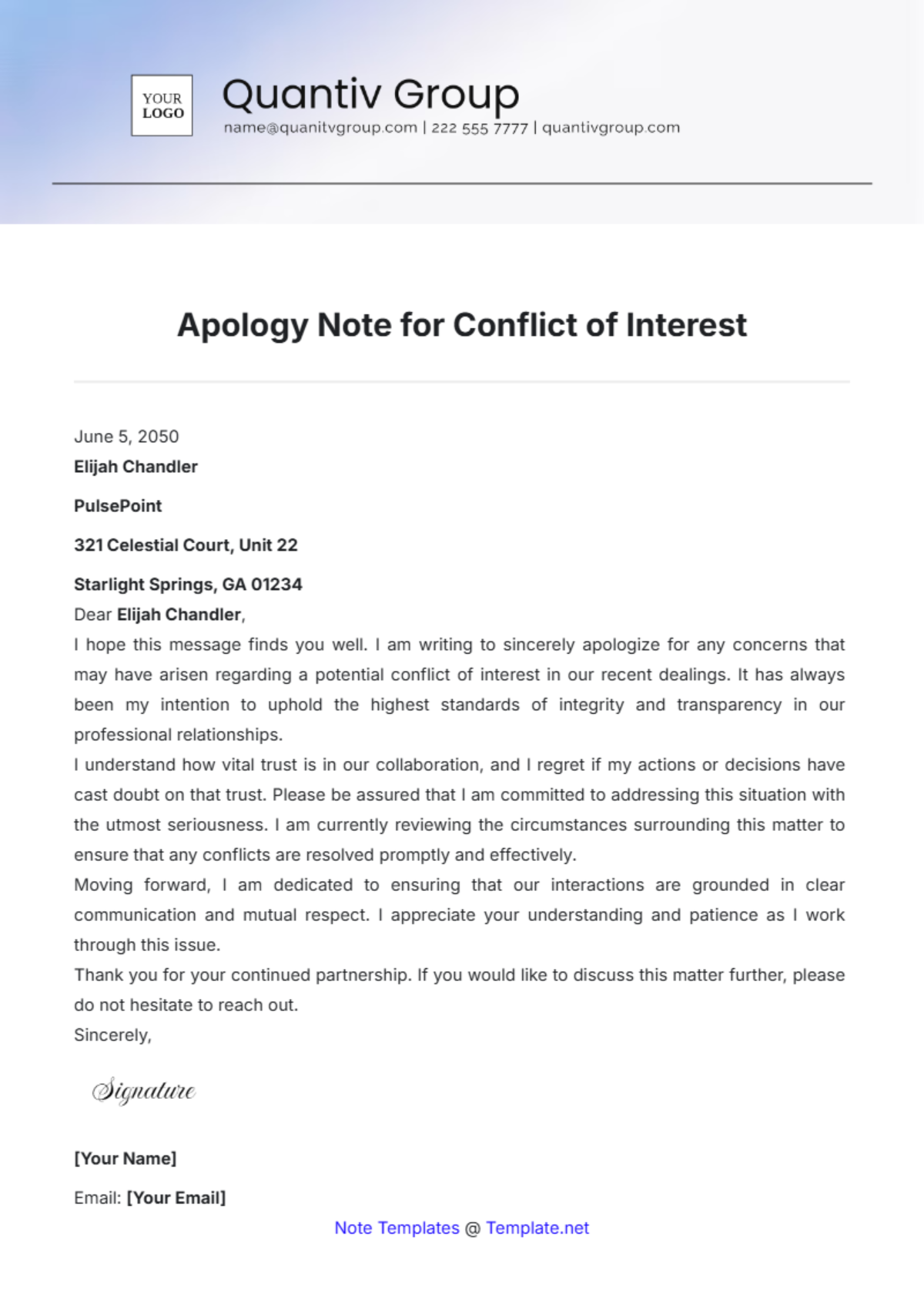


🔹 Online Conflicts
- Miscommunication can lead to disputes
🔹 Digital Apologies
- Expressing regret and forgiveness online
🔹 Challenges
- Lack of emotional cues
🧭 Real-Life Examples
🔹 Personal Life
- Forgiving friends or family
🔹 Social Context
- Resolving community conflicts
🔹 Global Context
- Peace and reconciliation efforts
📊 Comparison with Related Values
| Value | Relation |
|---|---|
| Compassion | Leads to forgiveness |
| Empathy | Helps understand others |
| Patience | Supports forgiveness |
| Kindness | Expression of forgiveness |
🧾 Conclusion
Forgiveness is a powerful virtue that transforms individuals and societies. It enables people to release negative emotions, heal from past hurts, and build stronger relationships. While it may be challenging, forgiveness offers immense benefits for mental, emotional, and physical well-being.
In a world often marked by conflict and misunderstanding, forgiveness serves as a pathway to peace, reconciliation, and harmony. It reflects strength, wisdom, and compassion—qualities essential for a meaningful and fulfilling life.
By embracing forgiveness, individuals can move beyond pain and create a future filled with understanding, trust, and positivity.