
🌿 Visual Overview of Environment Components


📘 1. Introduction to Environmental Components
The environment is a complex system composed of various interacting elements that sustain life on Earth. These elements are broadly classified into biotic (living) and abiotic (non-living) components. Together, they form ecosystems where energy flows and nutrients cycle continuously.
Understanding these components is essential in Environmental Studies because it helps us analyze how ecosystems function, how environmental changes occur, and how human activities influence nature.
📖 2. Definition of Environment Components
The components of the environment refer to all living and non-living elements that interact within a particular space to support life.
They are divided into:
- Biotic Components → Living organisms
- Abiotic Components → Physical and chemical factors
🌱 3. Biotic Components of Environment
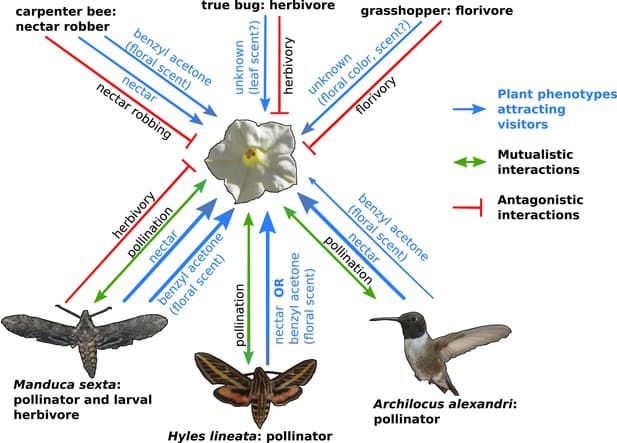
🌿 Visual Representation of Biotic Components


📌 3.1 Definition
Biotic components include all living organisms present in an ecosystem. These organisms interact with each other and with abiotic components to maintain ecological balance.
🌳 3.2 Classification of Biotic Components
Biotic components are categorized into three main groups:
🌿 3.2.1 Producers (Autotrophs)
🔹 Definition:
Producers are organisms that produce their own food using sunlight or chemical energy.
🔹 Examples:
- Green plants
- Algae
- Photosynthetic bacteria
🔹 Process:
- Photosynthesis converts sunlight, carbon dioxide, and water into glucose and oxygen.
🔹 Importance:
- Base of the food chain
- Provide energy for all other organisms
- Maintain oxygen balance
🐾 3.2.2 Consumers (Heterotrophs)
🔹 Definition:
Consumers depend on other organisms for food.
🔹 Types:
a) Primary Consumers (Herbivores):
- Eat plants
- Examples: deer, rabbit, cow
b) Secondary Consumers (Carnivores):
- Eat herbivores
- Examples: frog, snake
c) Tertiary Consumers:
- Top predators
- Examples: tiger, eagle
d) Omnivores:
- Eat both plants and animals
- Examples: humans, bears
🍄 3.2.3 Decomposers (Saprotrophs)
🔹 Definition:
Organisms that break down dead organic matter.
🔹 Examples:
- Bacteria
- Fungi
🔹 Role:
- Recycle nutrients
- Maintain soil fertility
- Complete the ecological cycle
🔄 3.3 Food Chain and Food Web
🌿 Food Chain Visualization


📌 Food Chain:
A linear sequence of organisms where energy flows from one to another.
Example:
Grass → Deer → Tiger
📌 Food Web:
A complex network of interconnected food chains.
📌 Trophic Levels:
- Producers (Level 1)
- Primary consumers (Level 2)
- Secondary consumers (Level 3)
- Tertiary consumers (Level 4)
🌍 3.4 Importance of Biotic Components
- Maintain ecological balance
- Support energy flow
- Help in nutrient cycling
- Sustain biodiversity
- Provide food and resources
🌎 4. Abiotic Components of Environment
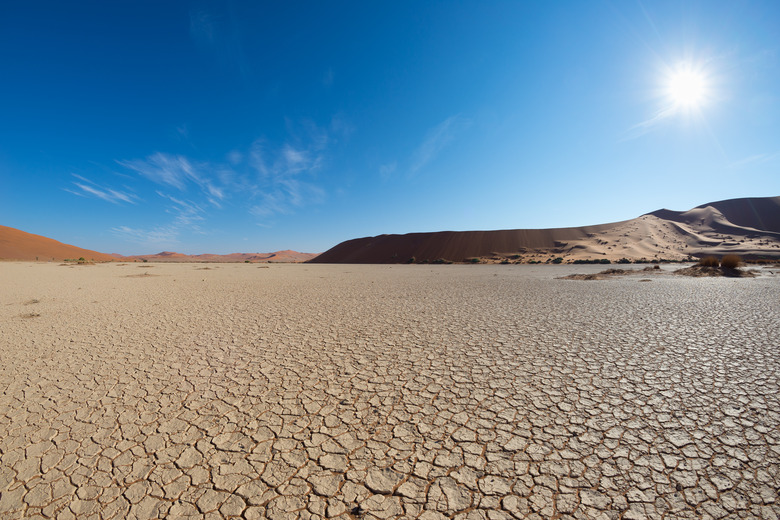
🌊 Visual Representation of Abiotic Components


📌 4.1 Definition
Abiotic components are the non-living physical and chemical factors that influence living organisms.
🌡️ 4.2 Types of Abiotic Components
☀️ 4.2.1 Climatic Factors
- Sunlight
- Temperature
- Rainfall
- Wind
- Humidity
🔹 Importance:
- Control photosynthesis
- Influence species distribution
🌊 4.2.2 Edaphic Factors (Soil)
- Soil type
- Texture
- Nutrient content
- pH level
🔹 Importance:
- Determines plant growth
- Affects microorganisms
💧 4.2.3 Hydrological Factors (Water)
- Availability
- Quality
- Salinity
🔹 Importance:
- Essential for life processes
- Influences aquatic ecosystems
🌬️ 4.2.4 Atmospheric Factors
- Oxygen
- Carbon dioxide
- Nitrogen
🔹 Importance:
- Supports respiration
- Enables photosynthesis
🧪 4.2.5 Chemical Factors
- Minerals
- Nutrients
- pH levels
⚙️ 4.3 Functions of Abiotic Components
- Provide habitat conditions
- Regulate biological processes
- Influence organism distribution
- Support energy flow
🔄 5. Interaction Between Biotic and Abiotic Components
🌿 Interaction Visualization


📌 Key Interactions:
5.1 Energy Flow
- Sunlight → Plants → Animals
5.2 Nutrient Cycling
- Decomposers recycle nutrients into soil
5.3 Adaptation
- Organisms adapt to abiotic conditions
5.4 Balance in Ecosystem
- Stability depends on interaction between both components
🌱 6. Differences Between Biotic and Abiotic Components
| Feature | Biotic Components | Abiotic Components |
|---|---|---|
| Nature | Living | Non-living |
| Examples | Plants, animals | Water, air, soil |
| Role | Energy transfer | Environmental support |
| Dependency | Depend on abiotic | Independent |
🌍 7. Examples of Ecosystems
🌳 Forest Ecosystem
- Biotic: Trees, animals, insects
- Abiotic: Soil, sunlight, rainfall
🌊 Aquatic Ecosystem
- Biotic: Fish, algae
- Abiotic: Water, oxygen
🏜️ Desert Ecosystem
- Biotic: Cactus, reptiles
- Abiotic: Sand, heat
🌿 8. Importance of Understanding Components
- Helps in environmental conservation
- Supports sustainable development
- Aids in ecosystem management
- Helps predict environmental changes
🌎 9. Human Impact on Environmental Components
📌 Effects on Biotic Components:
- Deforestation
- Extinction of species
- Habitat destruction
📌 Effects on Abiotic Components:
- Pollution
- Climate change
- Soil degradation
🌱 10. Conservation Strategies
- Afforestation
- Pollution control
- Sustainable resource use
- Wildlife protection
🌍 11. Conclusion
Biotic and abiotic components together form the foundation of all ecosystems. Their interactions ensure the survival of life on Earth. Any imbalance between these components can disrupt ecological stability, leading to environmental problems.
Understanding these components is essential for protecting the environment and promoting sustainable living.