


Introduction to Applications of Derivatives
Derivatives are one of the most powerful tools in calculus. While the concept of differentiation focuses on determining the rate of change of a function, the applications of derivatives involve using derivatives to solve real-world problems in mathematics, physics, engineering, economics, biology, and many other disciplines.
In simple terms, derivatives help us understand how one quantity changes with respect to another. For example, derivatives can describe how fast a car is moving, how quickly a population is growing, or how profit changes with production levels. By analyzing derivatives, mathematicians and scientists can identify maximum and minimum values, determine slopes of curves, analyze motion, and optimize systems.
Applications of derivatives extend far beyond theoretical mathematics. They play a central role in modeling natural phenomena, designing engineering systems, optimizing business decisions, and analyzing scientific data.
The study of applications of derivatives helps students move from abstract mathematical theory to practical problem solving. It demonstrates how calculus can be used to understand real-world behavior and make informed decisions.
Rate of Change


One of the most fundamental applications of derivatives is measuring rate of change.
A derivative describes how rapidly one quantity changes with respect to another. For example:
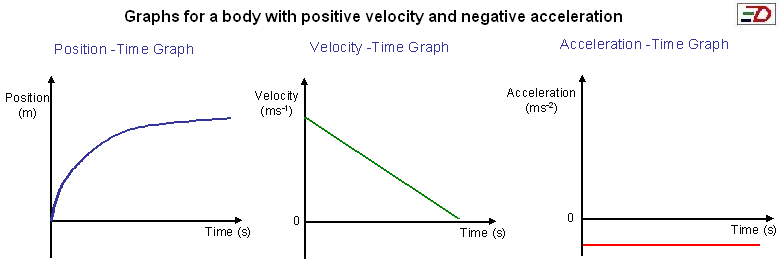
- Velocity measures how position changes with time.
- Acceleration measures how velocity changes with time.
- Growth rate measures how a population changes over time.
Average Rate of Change
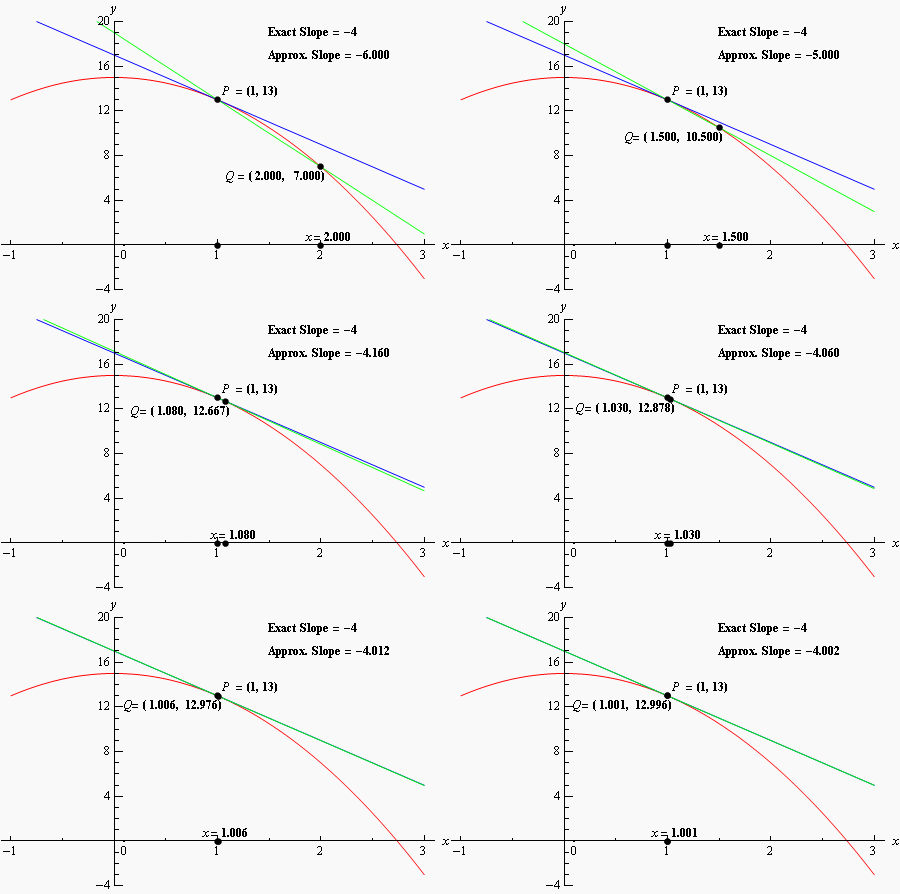
Average rate of change measures how a function changes over an interval.
Formula:
(f(b) − f(a)) / (b − a)
This represents the slope of the line connecting two points on the curve.
Instantaneous Rate of Change
Instantaneous rate of change describes how the function changes at a specific moment.
This is given by the derivative:
dy/dx
For example, if the position of a moving object is given by:
s(t) = t²
The velocity is:
v(t) = ds/dt = 2t
This means the velocity increases linearly with time.
Tangent and Normal to Curves
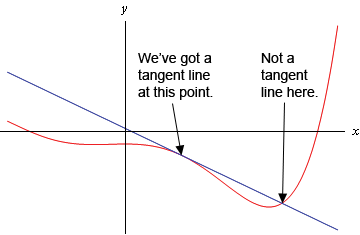
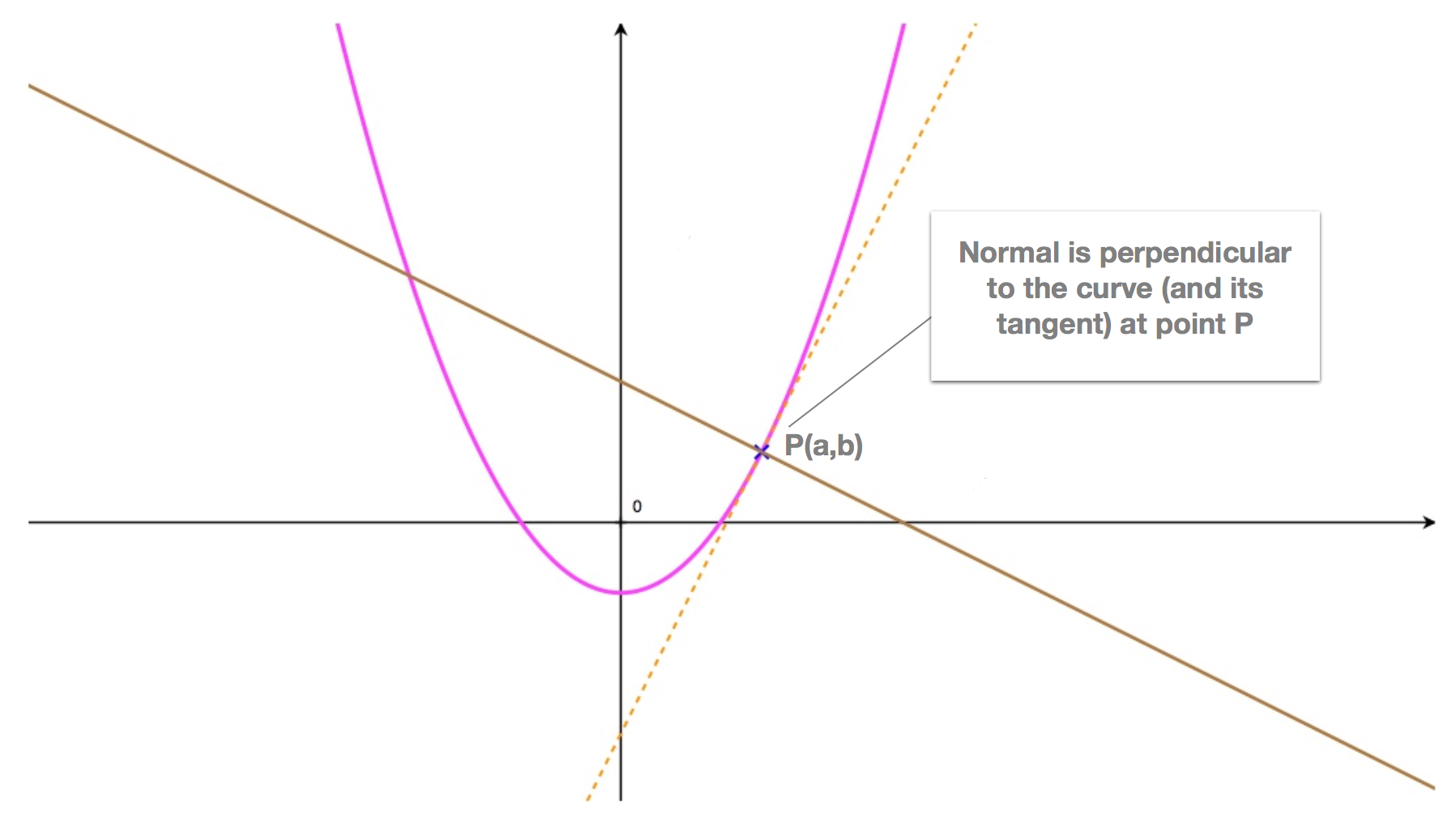
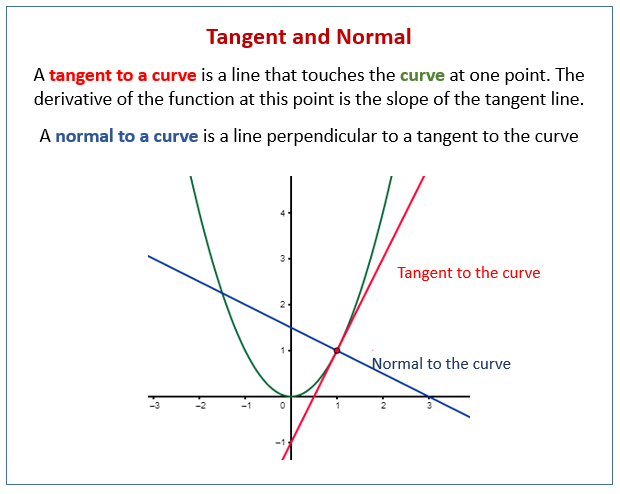
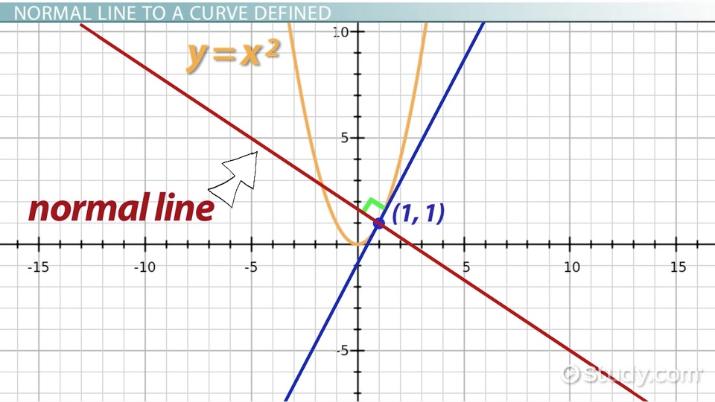
Derivatives are used to determine the equations of tangent and normal lines to curves.
Tangent Line
A tangent line touches a curve at exactly one point and has the same slope as the curve at that point.
If:
y = f(x)
Then the slope of the tangent is:
dy/dx
The equation of the tangent line at point (a, f(a)) is:
y − f(a) = f′(a)(x − a)
Normal Line
The normal line is perpendicular to the tangent line.
If the slope of the tangent is m, the slope of the normal is:
−1/m
These concepts are useful in geometry, physics, and engineering.
Increasing and Decreasing Functions

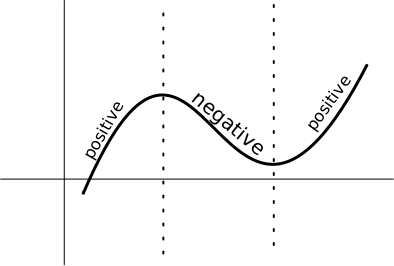


Derivatives help determine whether a function is increasing or decreasing.
If:
f′(x) > 0
The function is increasing.
If:
f′(x) < 0
The function is decreasing.
This information helps analyze the behavior of graphs and predict trends.
For example, if the derivative of a profit function is positive, profit is increasing as production increases.
Maxima and Minima (Optimization)
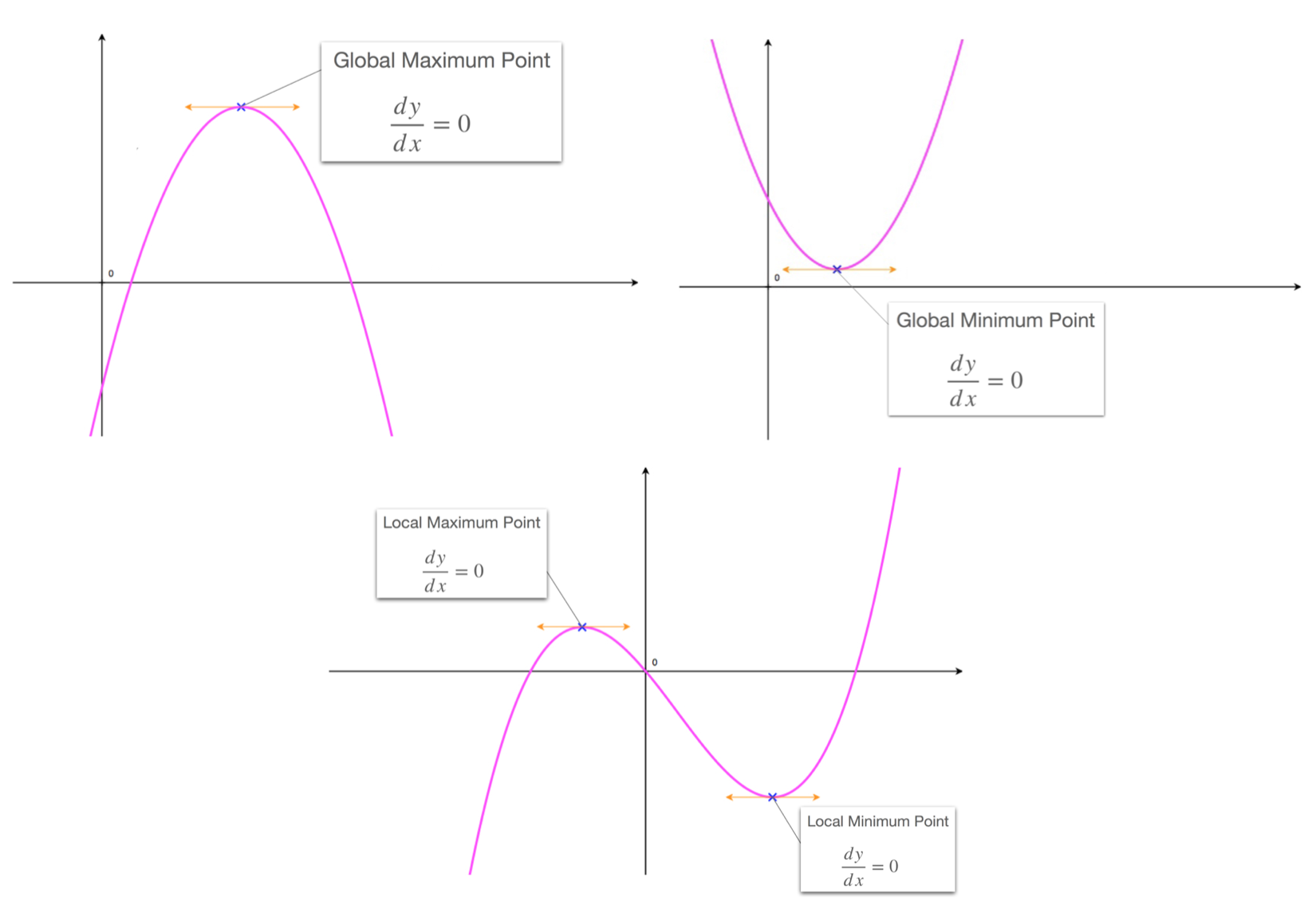

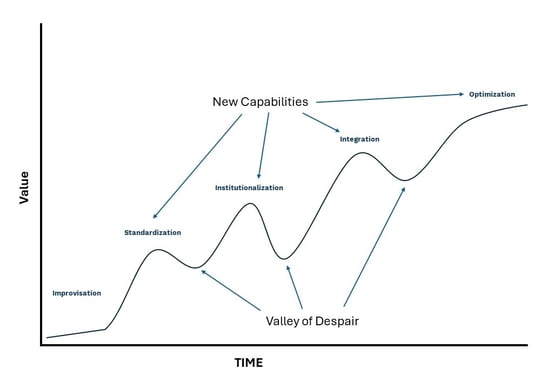
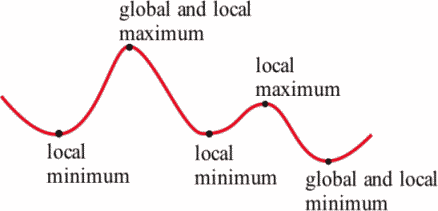
One of the most important applications of derivatives is finding maximum and minimum values.
These values are also known as extrema.
Critical Points
Critical points occur where:
f′(x) = 0
or
f′(x) is undefined.
These points may correspond to maxima, minima, or saddle points.
First Derivative Test
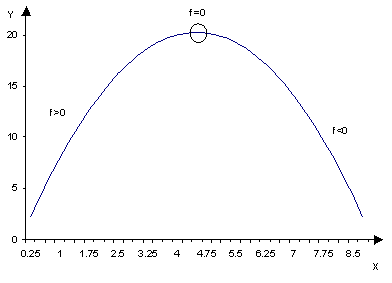
If the derivative changes from positive to negative, the point is a maximum.
If the derivative changes from negative to positive, the point is a minimum.
Example
Consider the function:
f(x) = −x² + 4x
Derivative:
f′(x) = −2x + 4
Set derivative to zero:
−2x + 4 = 0
x = 2
Thus, the function has a maximum at x = 2.
Optimization problems are widely used in engineering, economics, and business.
Concavity and Points of Inflection
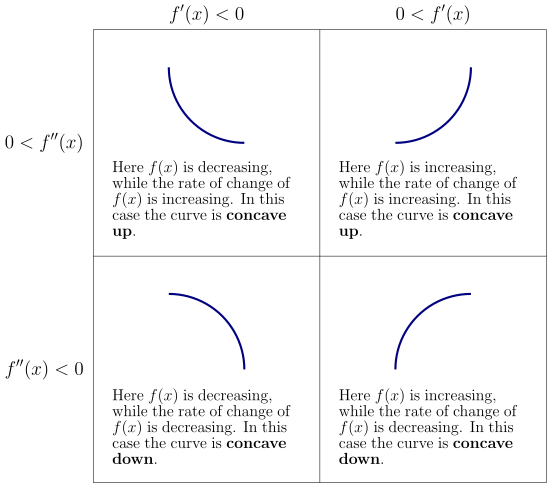


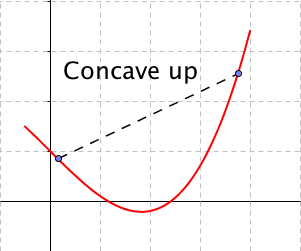
The second derivative helps determine the concavity of a function.
If:
f″(x) > 0
The graph is concave upward.
If:
f″(x) < 0
The graph is concave downward.
Points of Inflection
A point of inflection occurs where the concavity changes.
This happens when:
f″(x) = 0
These points help understand the shape of curves.
Curve Sketching
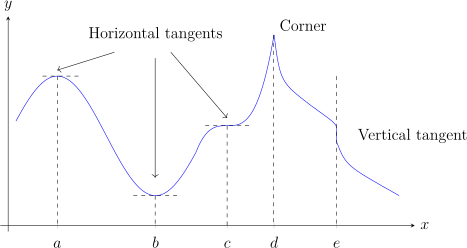


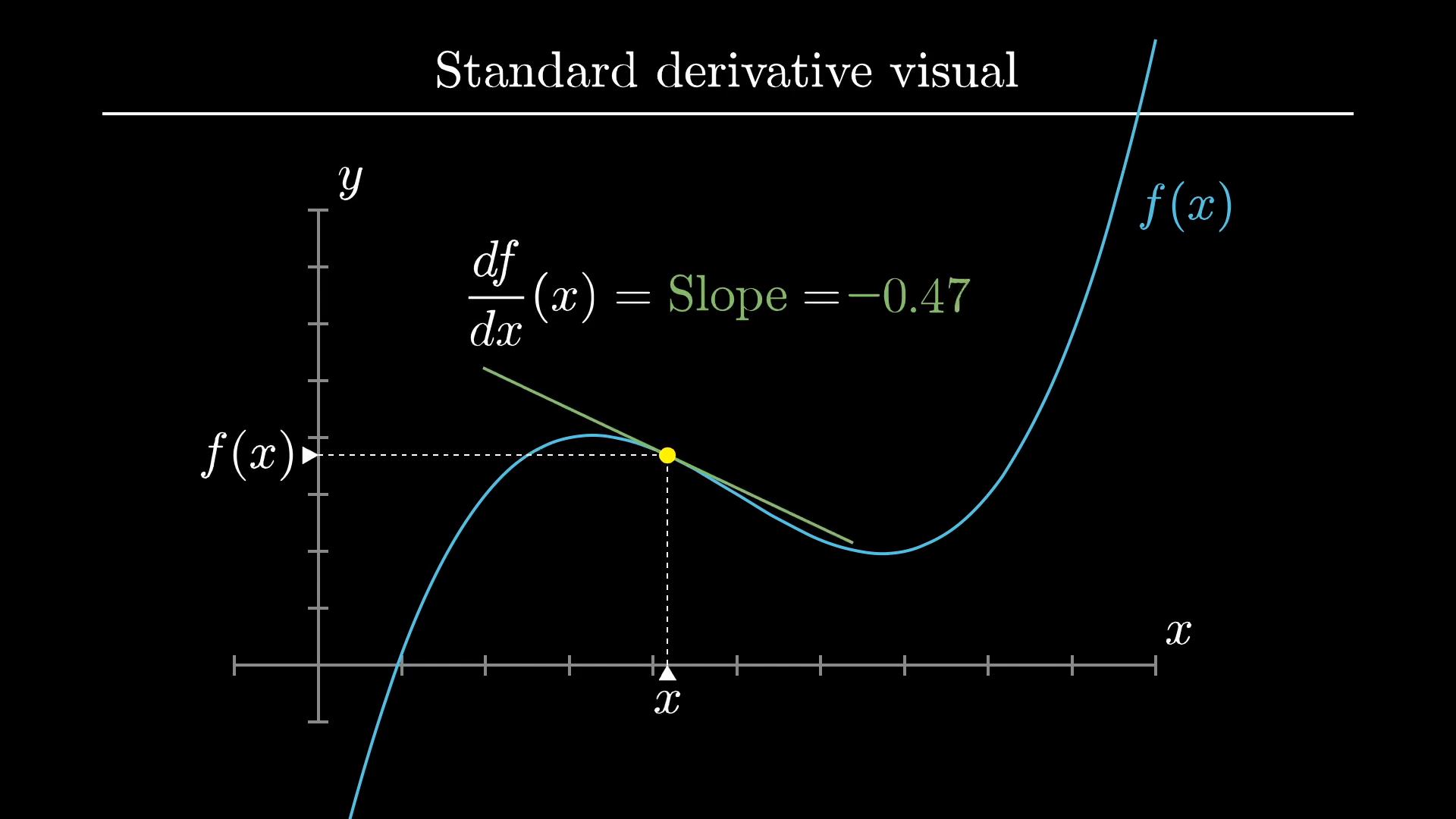
Derivatives play a major role in curve sketching.
To sketch a curve, we analyze:
- intercepts
- asymptotes
- increasing/decreasing intervals
- maxima and minima
- concavity
- inflection points
Using derivatives, mathematicians can determine the overall shape of a graph without plotting many points.
This technique is widely used in calculus and mathematical modeling.
Motion in Physics
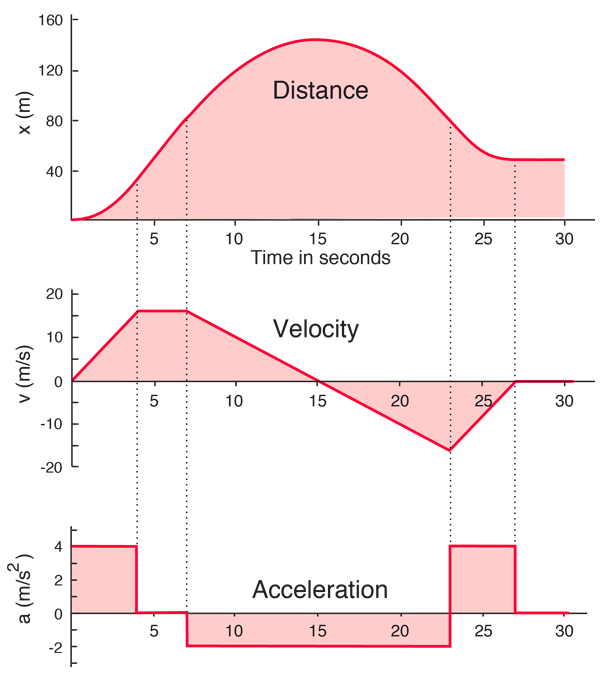
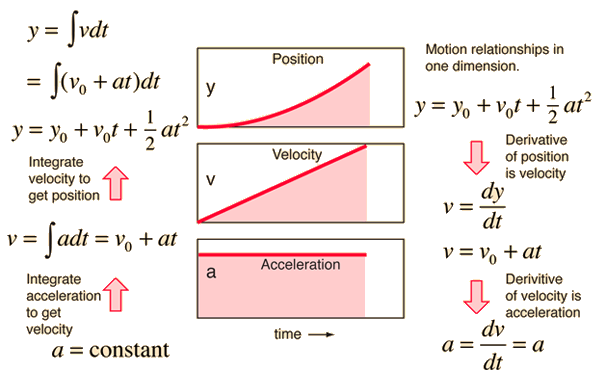

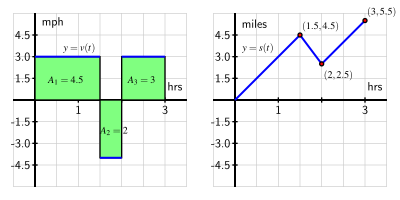
Derivatives are essential for describing motion in physics.
If:
s(t) = position
Then:
v(t) = ds/dt = velocity
a(t) = dv/dt = acceleration
These relationships allow physicists to study motion of objects such as cars, rockets, and planets.
Example:
If
s(t) = t³
Velocity:
v(t) = 3t²
Acceleration:
a(t) = 6t
Optimization in Economics


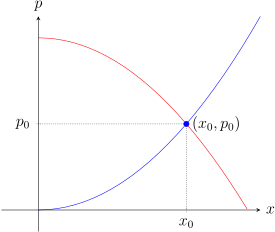
In economics, derivatives help determine optimal production levels.
Marginal Cost
Marginal cost is the derivative of the cost function.
Marginal Revenue
Marginal revenue is the derivative of the revenue function.
Profit Maximization
Profit is maximized when:
Marginal revenue = marginal cost.
These calculations help businesses determine efficient production levels.
Applications in Engineering


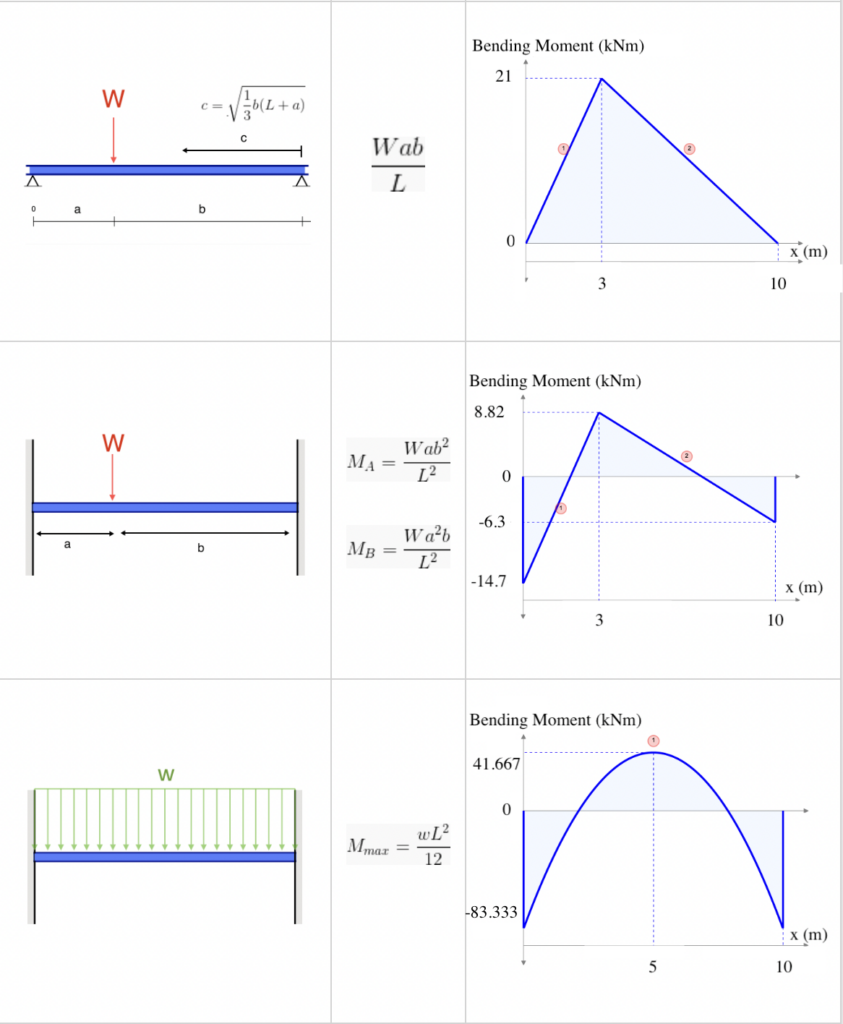
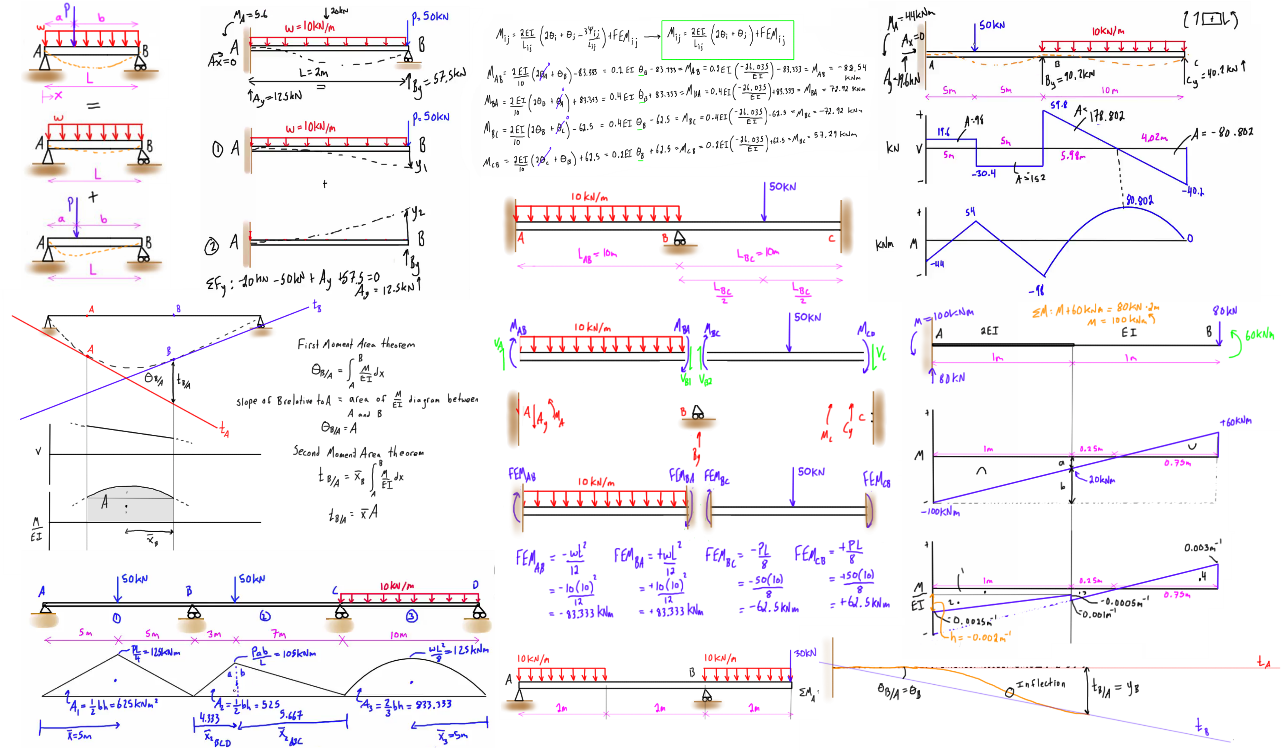
Engineers use derivatives in many areas.
Examples include:
- designing machines
- analyzing electrical signals
- studying heat transfer
- optimizing structures
Derivatives help engineers model systems and improve efficiency.
Applications in Biology and Medicine
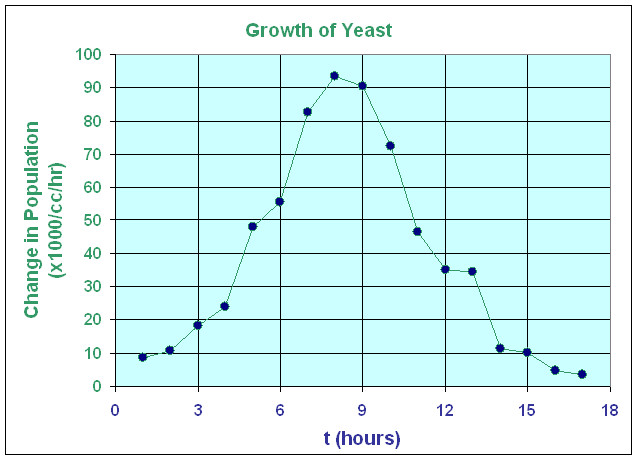


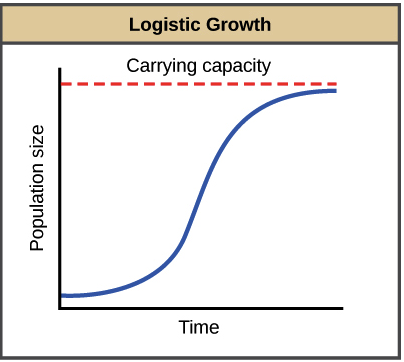
Derivatives are used to analyze biological processes.
Examples include:
- population growth
- spread of diseases
- rate of chemical reactions
- drug concentration in the body
Mathematical models based on derivatives help scientists understand biological systems.
Importance of Applications of Derivatives
Applications of derivatives demonstrate how calculus can solve real-world problems.
They help:
- analyze motion
- optimize systems
- study natural phenomena
- improve engineering designs
- model economic behavior
Understanding these applications makes calculus more practical and meaningful.
Conclusion
Derivatives are powerful mathematical tools used to analyze rates of change, slopes of curves, and optimal values in various problems. The applications of derivatives extend across many fields including physics, engineering, economics, biology, and computer science.
Through derivatives, mathematicians can determine tangent lines, analyze increasing and decreasing behavior of functions, find maximum and minimum values, study concavity, and model real-world phenomena.
Because of their versatility and wide range of applications, derivatives remain one of the most important concepts in calculus and applied mathematics.
Mastering the applications of derivatives enables students to solve complex problems, understand dynamic systems, and apply mathematical reasoning to real-world situations.