
🌿 Introduction
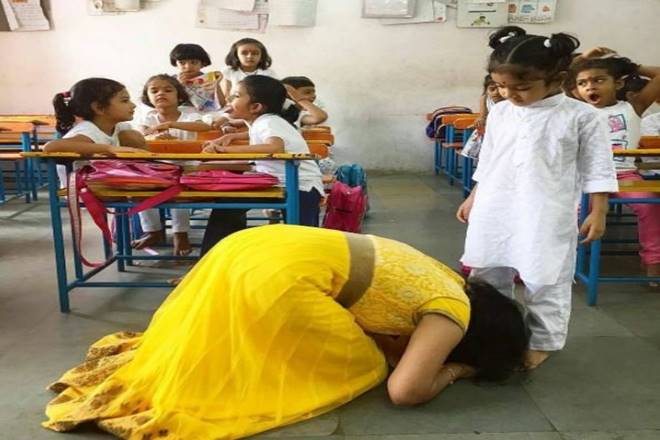

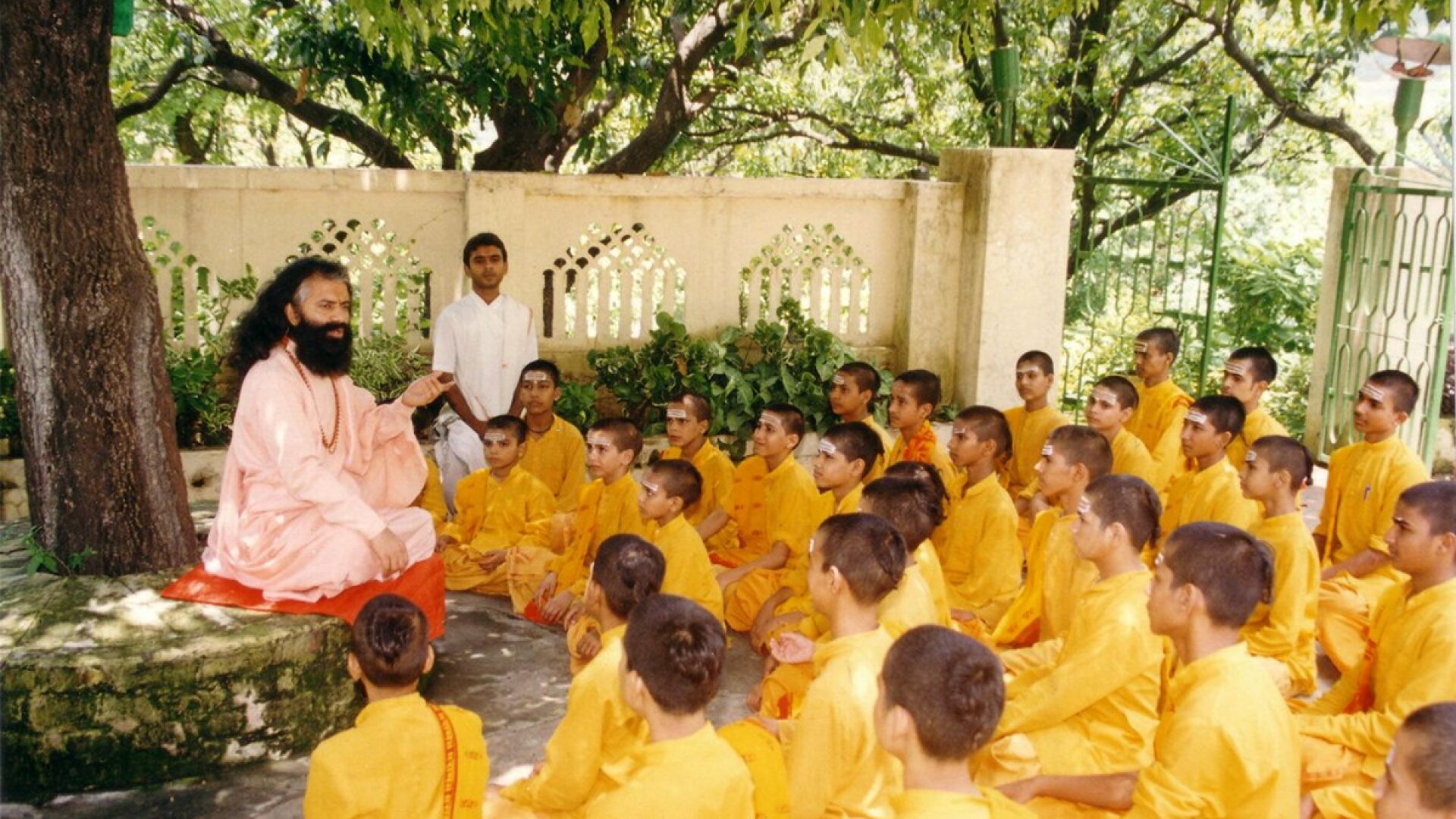

Respect for elders and teachers is a timeless value that lies at the heart of human civilization. It reflects gratitude, humility, and acknowledgment of the wisdom and experience accumulated by those who guide us. Across cultures, religions, and societies, this value is considered essential for maintaining harmony, preserving knowledge, and fostering moral development.
Elders represent life experience, cultural continuity, and accumulated wisdom, while teachers symbolize knowledge, guidance, and intellectual growth. Respecting both groups ensures not only personal growth but also the stability and ethical strength of society. In many traditions, especially in countries like India, respect for elders and teachers is not merely encouraged—it is deeply embedded in daily life, rituals, and social norms.
🌱 Meaning and Concept
🔹 Respect for Elders
Respect for elders involves:
- Valuing their life experiences and wisdom
- Showing kindness, patience, and care
- Listening to their advice and guidance
- Supporting them emotionally and physically
🔹 Respect for Teachers
Respect for teachers includes:
- Acknowledging their role in shaping knowledge and character
- Following discipline and classroom norms
- Expressing gratitude for their efforts
- Maintaining a positive attitude toward learning
🔹 Core Elements
- Gratitude: Recognizing contributions of elders and teachers
- Humility: Accepting guidance with openness
- Obedience: Following instructions with respect
- Care and Support: Providing help when needed
🏛️ Cultural and Traditional Perspectives


🔸 Indian Culture
In India, respect for elders and teachers is deeply rooted in traditions:
- Touching feet (Pranam) as a sign of respect
- The concept of Guru-Shishya (teacher-student relationship)
- The saying “Acharya Devo Bhava” (Teacher is like God)
🔸 Confucian Philosophy
- Emphasizes filial piety—respect for parents and elders
- Values obedience, loyalty, and family harmony
🔸 Japanese Culture
- Respect is shown through bowing and polite language
- Elders are honored for their contributions
🔸 African Traditions
- Elders are seen as custodians of wisdom
- Oral traditions preserve knowledge through elders
🧠 Psychological and Emotional Significance
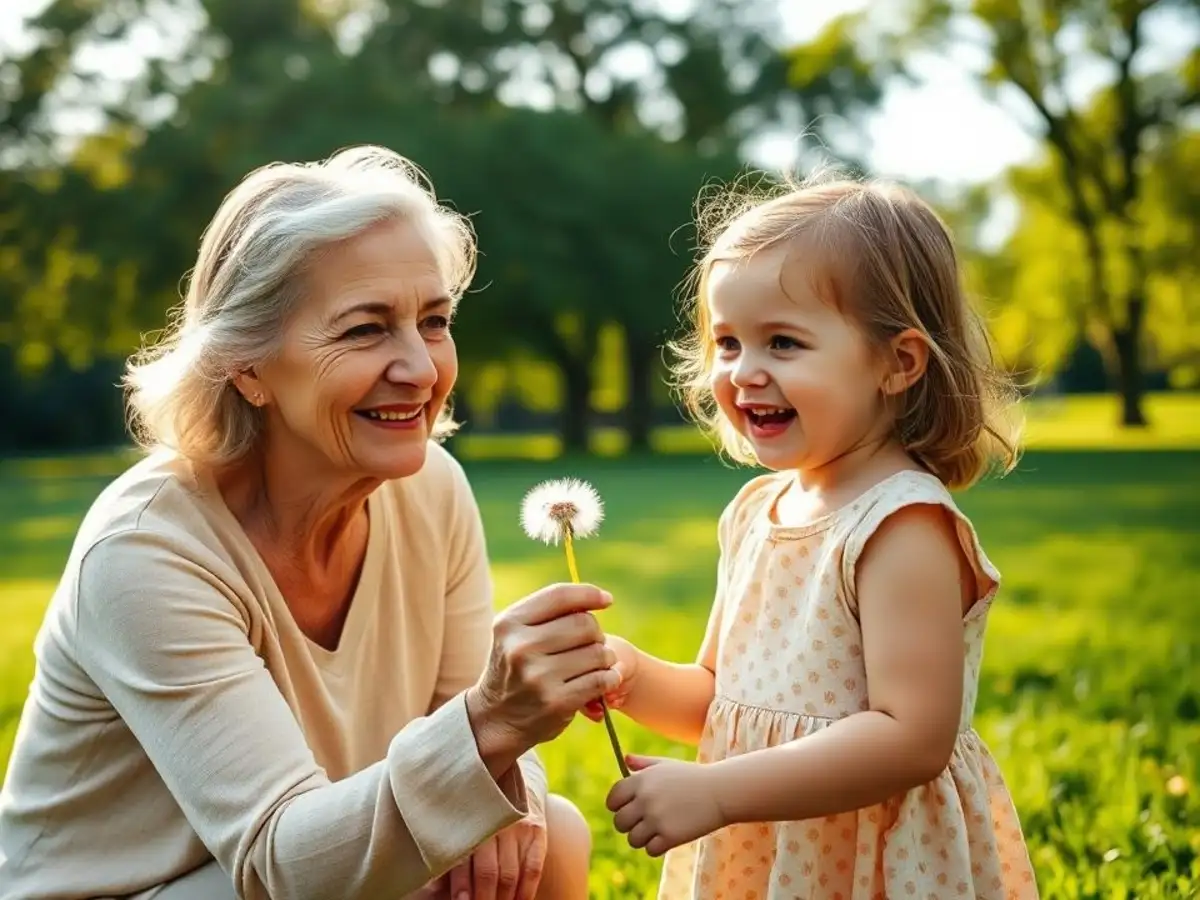



🔹 Emotional Development
Respecting elders and teachers helps individuals:
- Develop empathy and compassion
- Build emotional intelligence
- Strengthen interpersonal relationships
🔹 Identity Formation
- Elders provide cultural identity and values
- Teachers shape intellectual and moral identity
🔹 Confidence and Security
- Guidance from elders and teachers creates a sense of stability
- Encouragement boosts self-esteem
🏫 Importance in Education
📘 Teacher as a Guide
Teachers play multiple roles:
- Educator
- Mentor
- Role model
- Motivator
Respect enhances:
- Classroom discipline
- Effective communication
- Better learning outcomes
📘 Student Responsibilities
- Listening attentively
- Completing assignments honestly
- Participating actively
- Maintaining discipline
📘 Impact on Learning
- Respectful students are more engaged
- Positive teacher-student relationships improve performance
🏠 Role in Family and Society


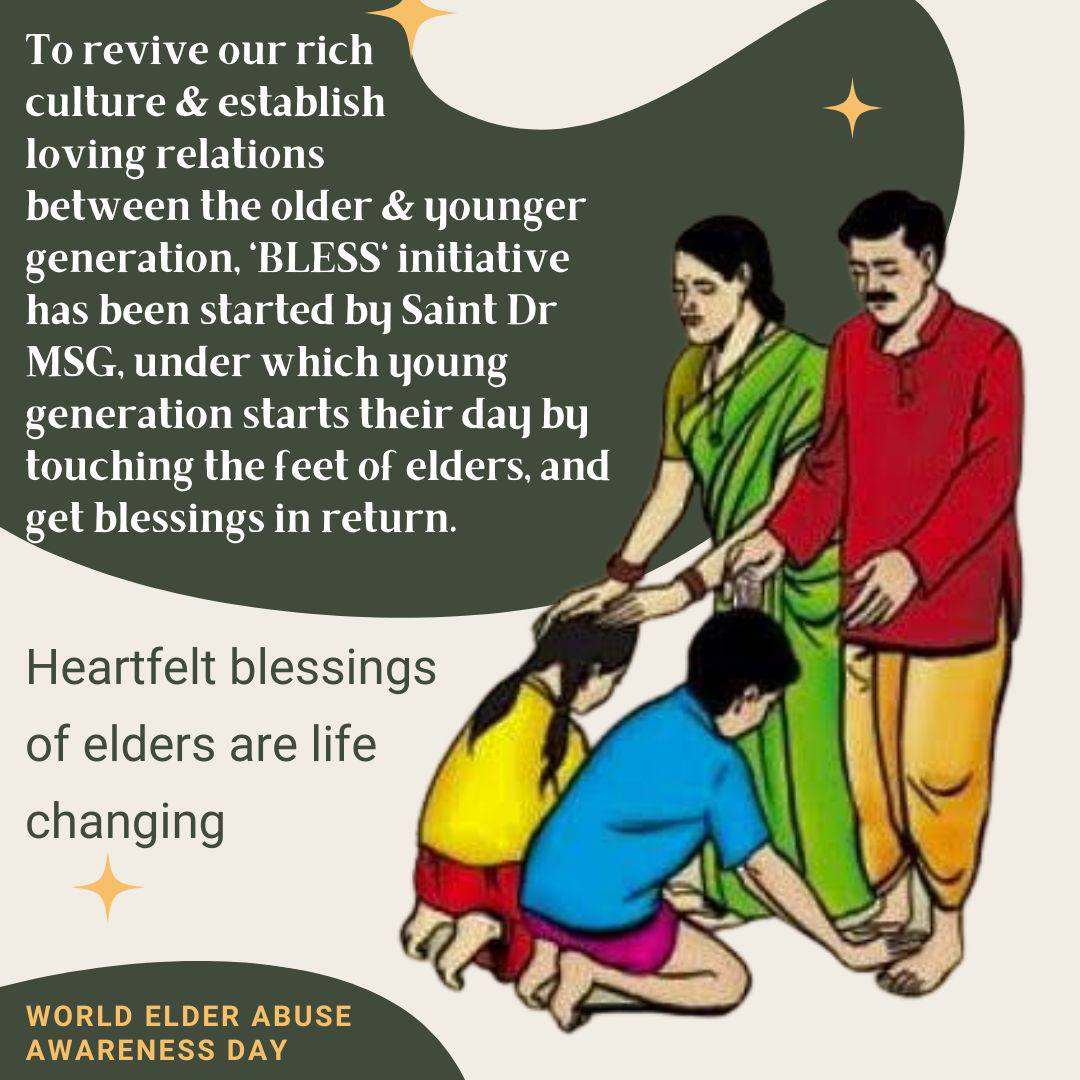

🔹 Family Values
- Elders guide family decisions
- Provide emotional support
- Preserve traditions and customs
🔹 Social Harmony
- Respect reduces conflicts
- Promotes unity and cooperation
- Encourages mutual understanding
🔹 Intergenerational Bonding
- Strengthens relationships between young and old
- Facilitates knowledge transfer
💼 Relevance in Modern Society
🔹 Changing Lifestyles
- Nuclear families reduce interaction with elders
- Busy schedules limit communication
🔹 Digital Influence
- Technology may reduce face-to-face respect
- Online communication sometimes lacks politeness
🔹 Need for Revival
- Re-emphasizing values in education
- Encouraging family interactions
⚖️ Ethical and Moral Dimensions


🔹 Moral Responsibility
- Respect is a fundamental ethical duty
- Reflects character and integrity
🔹 Balance Between Respect and Independence
- Respect does not mean blind obedience
- Encourages critical thinking with humility
🔹 Mutual Respect
- Elders and teachers should also respect younger individuals
- Builds healthy relationships
🧩 Challenges and Issues
🔸 Generational Gap
- Differences in beliefs and values
- Communication barriers
🔸 Lack of Awareness
- Younger generations may not understand importance
🔸 Social Changes
- Urbanization and modernization affecting traditions
🔸 Misuse of Authority
- Respect should not justify exploitation or unfair treatment
🌟 Benefits of Respecting Elders and Teachers
✅ Personal Benefits
- Moral development
- Better discipline
- Emotional maturity
✅ Social Benefits
- Stronger communities
- Preservation of culture
- Reduced conflicts
✅ Educational Benefits
- Improved academic performance
- Better teacher-student relationships
🛠️ Ways to Cultivate Respect

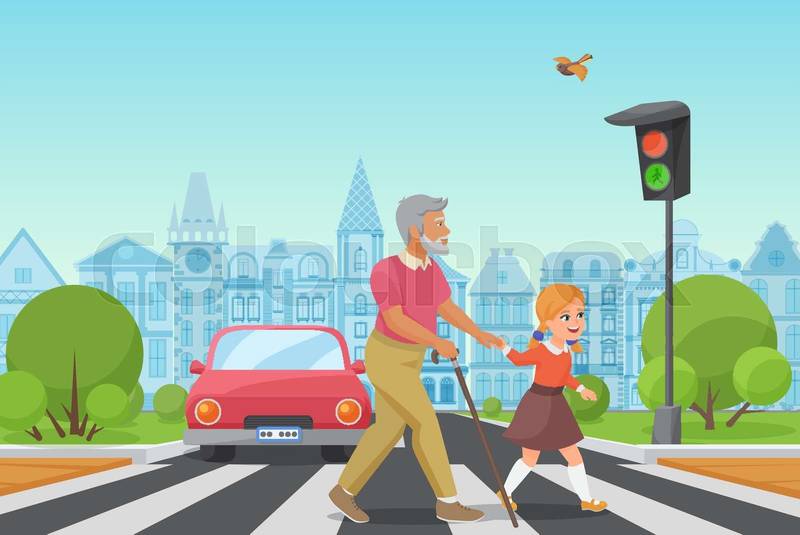
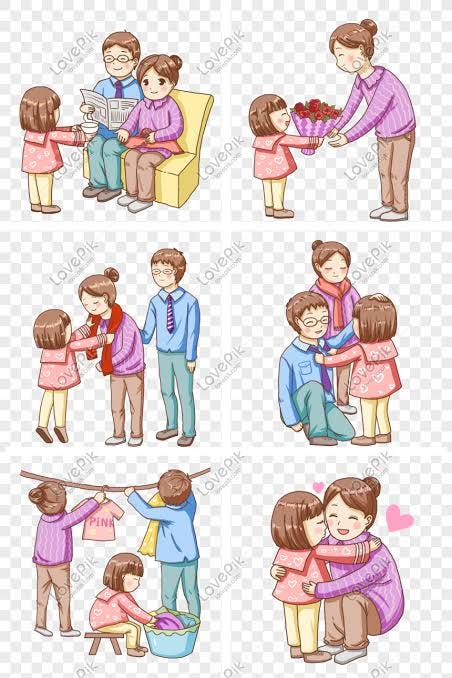
🔹 At Home
- Teach children to greet elders
- Encourage listening and helping
🔹 In Schools
- Value education programs
- Activities promoting respect
🔹 Personal Practices
- Use polite language
- Show gratitude
- Be patient and understanding
🔹 Community Initiatives
- Programs supporting elderly care
- Awareness campaigns
🧘 Spiritual and Religious Perspectives
🔸 Hinduism
- Respect for elders and teachers is considered sacred duty
- Guru is seen as a guide to knowledge and enlightenment
🔸 Buddhism
- Emphasizes respect, compassion, and gratitude
🔸 Christianity
- Encourages honoring parents and teachers
🔸 Islam
- Strong emphasis on respecting parents, elders, and teachers
📱 Respect in the Digital Age




🔹 Online Behavior
- Using respectful language in messages
- Avoiding rude or disrespectful comments
🔹 Digital Learning
- Respecting teachers in virtual classrooms
- Following online etiquette
🔹 Challenges
- Anonymity leading to disrespect
- Lack of emotional connection
🧭 Real-Life Examples and Stories
🔹 Guru-Shishya Tradition
- Historical examples of strong teacher-student bonds
🔹 Family Values
- Stories of children caring for elderly parents
🔹 Inspirational Figures
- Individuals who showed great respect for mentors and elders
📊 Comparison with Related Values
| Value | Relation |
|---|---|
| Gratitude | Basis of respect |
| Discipline | Result of respect |
| Humility | Essential for respect |
| Obedience | Part of respectful behavior |
🧾 Conclusion
Respect for elders and teachers is a cornerstone of ethical living and social harmony. It nurtures values such as gratitude, humility, and responsibility, which are essential for personal and societal well-being. In a rapidly changing world, where traditional values are often challenged, preserving and promoting respect becomes even more important.
By valuing the wisdom of elders and the guidance of teachers, individuals not only enrich their own lives but also contribute to a more compassionate and harmonious society. Respect is not merely an obligation—it is a reflection of one’s character and humanity.