Tag Archives: Mathematics Education

LCM and HCF in Mathematics

Image
Image
Image
Image

Tags:


LCM and HCF in Mathematics

LCM (Least Common Multiple) and HCF (Highest Common Factor) are important concepts in arithmetic and number theory. These ideas help us understand how numbers relate to each other through multiples and factors. They are widely used in solving mathematical problems involving fractions, divisibility, scheduling, algebra, and real-life applications such as time cycles and resource distribution.

The Least Common Multiple (LCM) of two or more numbers is the smallest number that is a multiple of each of those numbers. The Highest Common Factor (HCF), also known as the Greatest Common Divisor (GCD), is the largest number that divides two or more numbers exactly.

Understanding LCM and HCF strengthens a student’s foundation in mathematics because these concepts appear frequently in arithmetic operations, algebraic expressions, and problem-solving scenarios.


1. Factors and Multiples

Before understanding LCM and HCF, it is important to understand factors and multiples.

Factors

A factor of a number is a number that divides another number exactly without leaving a remainder.

Example:

Factors of 12:

1, 2, 3, 4, 6, 12

Explanation:

12 ÷ 3 = 4
12 ÷ 6 = 2

Since the division leaves no remainder, these numbers are factors.


Multiples

A multiple of a number is obtained by multiplying that number by integers.

Example:

Multiples of 4:

4, 8, 12, 16, 20, 24, …

Multiples continue indefinitely because numbers can be multiplied by any integer.


2. Understanding HCF (Highest Common Factor)
Image
Image
Image
Image

Definition

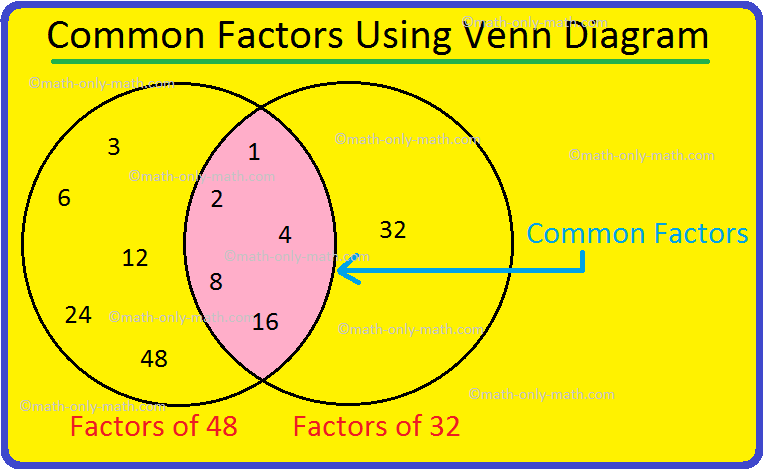
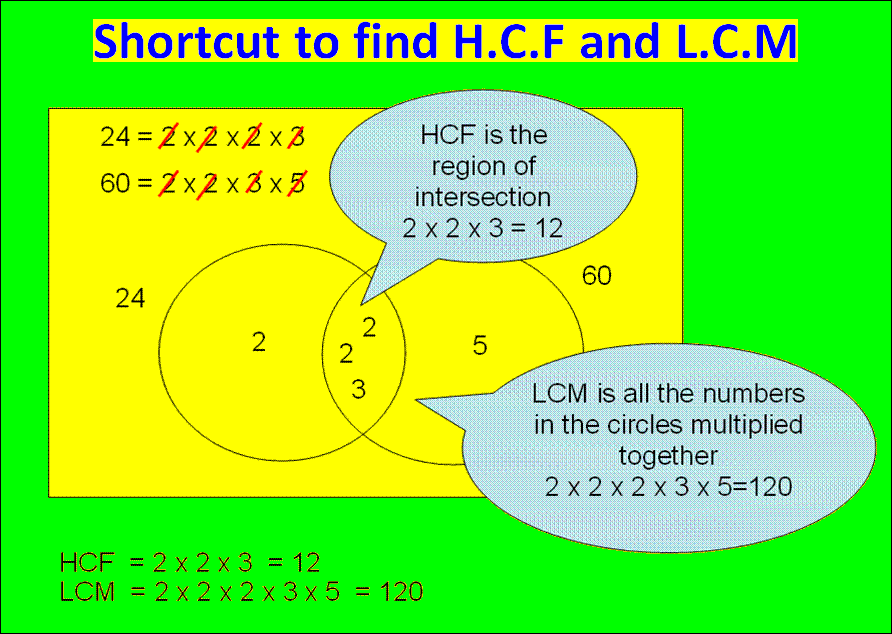
The Highest Common Factor (HCF) of two or more numbers is the largest number that divides all of them exactly.

HCF is also called:

  • Greatest Common Divisor (GCD)
  • Greatest Common Factor (GCF)

Example:

Find the HCF of 12 and 18.

Factors of 12:

1, 2, 3, 4, 6, 12

Factors of 18:

1, 2, 3, 6, 9, 18

Common factors:

1, 2, 3, 6

Highest common factor:

6

Thus:

HCF(12,18) = 6


3. Methods to Find HCF

There are several methods for finding the HCF.


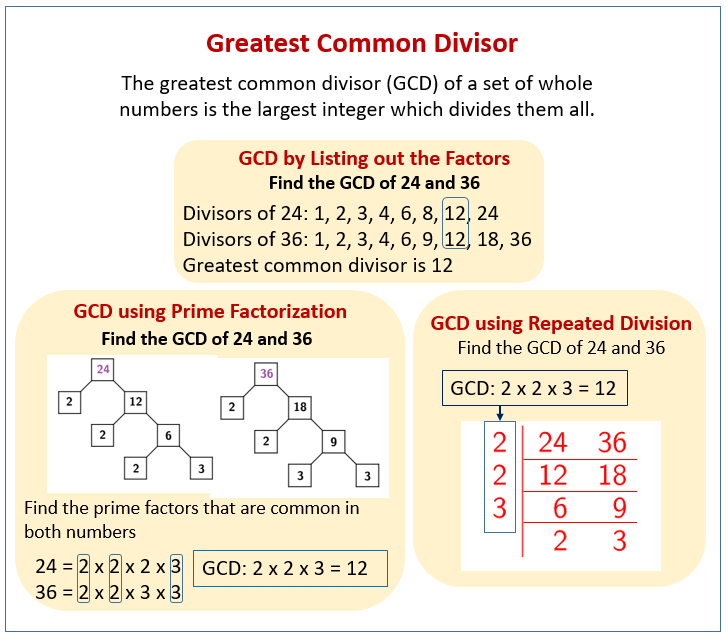
Factor Listing Method

List all factors of each number and find the greatest common factor.

Example:

Find HCF of 16 and 24.

Factors of 16:

1, 2, 4, 8, 16

Factors of 24:

1, 2, 3, 4, 6, 8, 12, 24

Common factors:

1, 2, 4, 8

HCF:

8


Prime Factorization Method

This method involves expressing numbers as products of prime numbers.

Example:

Find HCF of 36 and 48.

Prime factorization:

36 = 2 × 2 × 3 × 3
48 = 2 × 2 × 2 × 2 × 3

Common prime factors:

2 × 2 × 3

HCF = 12


Division Method

This method repeatedly divides numbers until a remainder appears.

Example:

Find HCF of 24 and 36.

36 ÷ 24 = 1 remainder 12

24 ÷ 12 = 2 remainder 0

HCF = 12


4. Understanding LCM (Least Common Multiple)
Image
Image
Image
Image

Definition

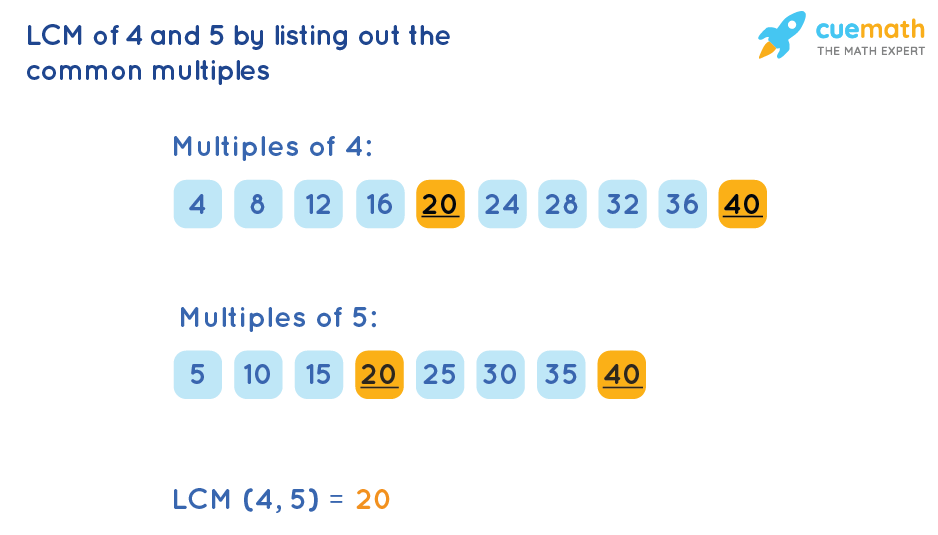
The Least Common Multiple (LCM) of two or more numbers is the smallest number that is a multiple of all the numbers.

Example:

Find LCM of 4 and 6.

Multiples of 4:

4, 8, 12, 16, 20…

Multiples of 6:

6, 12, 18, 24…

Common multiples:

12, 24…

Smallest common multiple:

12

LCM(4,6) = 12


5. Methods to Find LCM


Listing Multiples Method

List multiples of each number and find the smallest common one.

Example:

LCM of 3 and 5

Multiples of 3:

3, 6, 9, 12, 15…

Multiples of 5:

5, 10, 15…

LCM = 15


Prime Factorization Method

Example:

Find LCM of 12 and 18.

Prime factorization:

12 = 2² × 3
18 = 2 × 3²

Take highest powers:

2² × 3²

LCM = 36


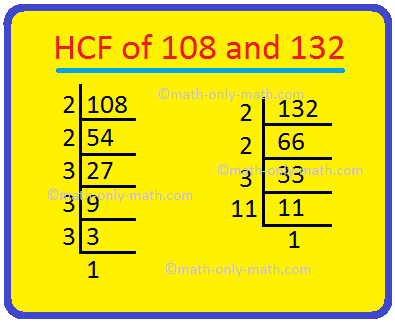
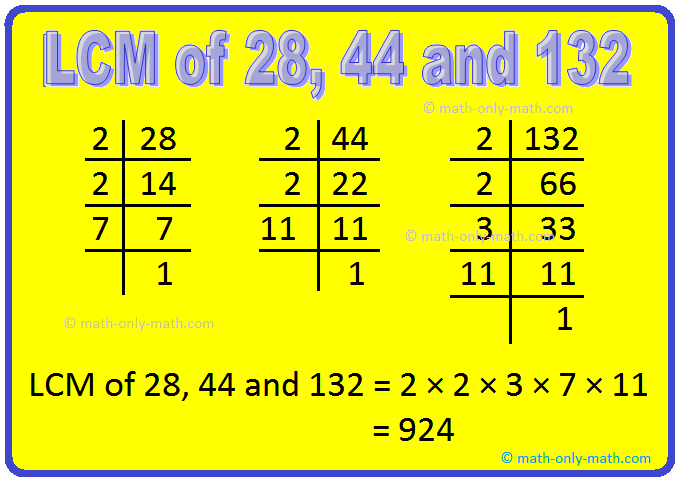
Division Method

Numbers are divided by prime numbers until all become 1.

Example:

Find LCM of 8 and 12.

8 = 2³
12 = 2² × 3

LCM = 2³ × 3

LCM = 24


6. Relationship Between LCM and HCF

There is an important relationship between LCM and HCF.

For two numbers:

LCM × HCF = Product of the numbers

Example:

Numbers = 12 and 18

HCF = 6
LCM = 36

Check:

36 × 6 = 216

12 × 18 = 216

Thus the relationship holds.


7. Prime Factorization and Number Theory
Image
Image
Image
Image

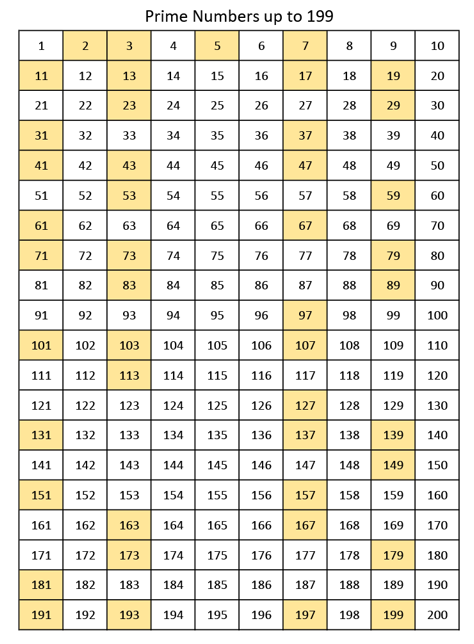
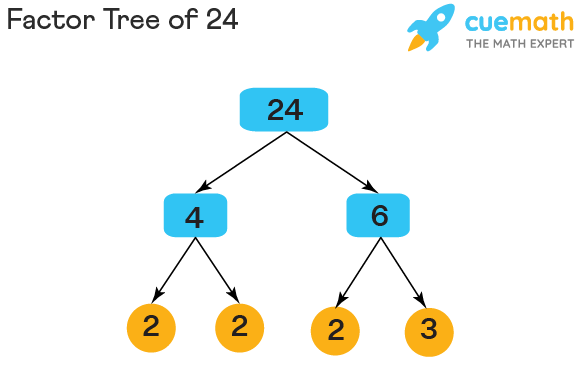
Prime factorization plays an important role in determining both LCM and HCF.

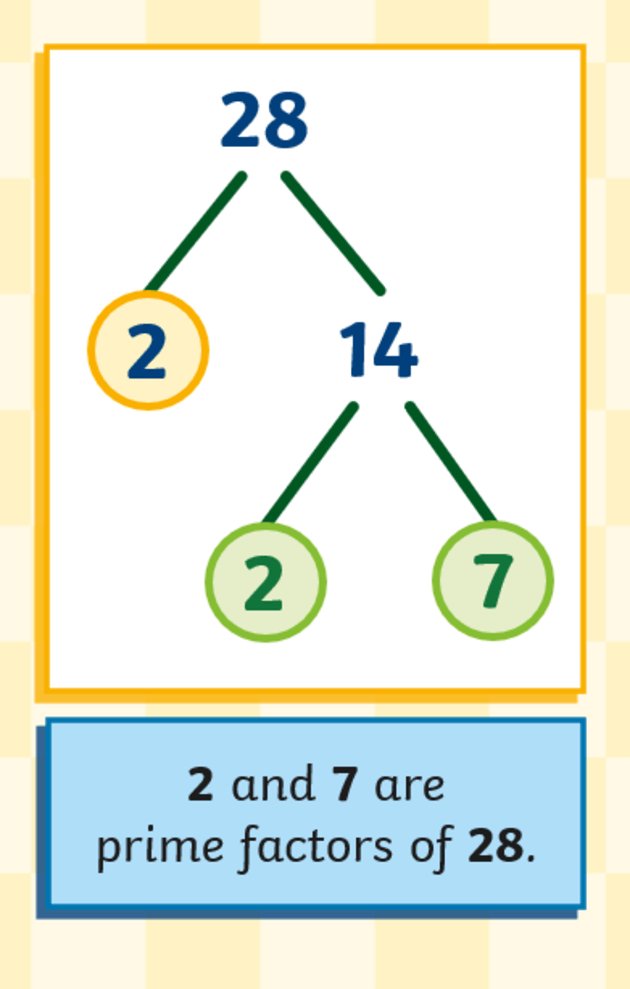
A prime number is a number that has only two factors:

1 and itself.

Examples:

2, 3, 5, 7, 11

Composite numbers can be expressed as products of primes.

Example:

60 = 2 × 2 × 3 × 5

This representation helps identify common factors and multiples easily.


8. Applications of HCF

HCF is useful in many mathematical and real-world situations.


Simplifying Fractions

Example:

12/18

HCF = 6

12 ÷ 6 = 2
18 ÷ 6 = 3

Simplified fraction:

2/3


Dividing Items Equally

Example:

24 apples and 36 oranges must be packed into equal baskets.

HCF = 12

Thus:

12 baskets can be formed.


Arranging Objects

HCF helps determine the largest group size when arranging objects evenly.


9. Applications of LCM

LCM is used when events repeat at regular intervals.


Scheduling Events

Example:

Two traffic lights change every 6 minutes and 8 minutes.

LCM of 6 and 8:

24

Both lights change together every 24 minutes.


Adding Fractions

LCM helps find common denominators.

Example:

1/4 + 1/6

LCM of 4 and 6 = 12

Convert:

3/12 + 2/12 = 5/12


Cyclic Events

LCM determines when repeating cycles align.

Example:

Two machines operate every 15 minutes and 20 minutes.

LCM = 60 minutes


10. LCM and HCF in Algebra

LCM and HCF are also applied to algebraic expressions.

Example:

Find LCM of:

x² and x³

LCM = x³

Example:

HCF of:

x²y and xy²

HCF = xy

These ideas are important when simplifying algebraic expressions.


11. Differences Between LCM and HCF

FeatureHCFLCM
MeaningGreatest common factorSmallest common multiple
FocusFactorsMultiples
ValueSmallerLarger
UseSimplificationCommon denominators

12. Properties of HCF

Some important properties include:

  1. HCF of two prime numbers is 1.

Example:

HCF(5,7) = 1

  1. HCF of consecutive numbers is always 1.

Example:

HCF(8,9) = 1

  1. HCF of identical numbers is the number itself.

Example:

HCF(12,12) = 12


13. Properties of LCM

Important properties include:

  1. LCM of prime numbers is their product.

Example:

LCM(3,5) = 15

  1. LCM of identical numbers is the number itself.

Example:

LCM(7,7) = 7

  1. LCM of numbers always equals or exceeds the largest number.

14. Euclidean Algorithm

The Euclidean algorithm is an efficient method for finding HCF.

Procedure:

  1. Divide the larger number by the smaller.
  2. Replace the larger number with the smaller.
  3. Replace the smaller number with the remainder.
  4. Repeat until remainder becomes zero.

Example:

Find HCF of 48 and 18.

48 ÷ 18 = 2 remainder 12
18 ÷ 12 = 1 remainder 6
12 ÷ 6 = 2 remainder 0

HCF = 6


15. Importance of LCM and HCF

LCM and HCF are essential concepts in mathematics because they:

  • simplify calculations
  • help solve arithmetic problems
  • improve number understanding
  • support algebra and number theory

They also appear in computer science algorithms and engineering calculations.


16. Role in Computer Science

In computer science, LCM and HCF are used in:

  • cryptography
  • algorithm design
  • modular arithmetic
  • number theory algorithms

The Euclidean algorithm is one of the oldest and most efficient algorithms used in computing.


17. Role in Real-Life Problem Solving

These concepts help solve real-world problems involving:

  • time schedules
  • resource distribution
  • measurement conversions
  • engineering designs

Understanding LCM and HCF helps create efficient solutions.


18. Historical Development

The study of factors and multiples dates back to ancient mathematics.

Greek mathematicians studied divisibility and number relationships.

Euclid described methods for finding the greatest common divisor more than 2000 years ago.

These ideas remain fundamental in modern mathematics.


19. Advanced Topics Related to LCM and HCF

More advanced topics related to these concepts include:

  • number theory
  • modular arithmetic
  • Diophantine equations
  • cryptographic algorithms

These topics expand the study of factors and multiples in higher mathematics.


20. Summary

LCM and HCF are fundamental concepts in arithmetic and number theory. The Least Common Multiple helps identify the smallest common multiple of numbers, while the Highest Common Factor identifies the largest common divisor.

These concepts are essential for simplifying fractions, solving arithmetic problems, scheduling events, and analyzing numerical relationships.

Understanding LCM and HCF builds a strong foundation for more advanced topics in mathematics, including algebra, number theory, and computer science. Their applications extend beyond mathematics into everyday problem-solving and modern technology.
Ratios and Proportions in Mathematics

Image
Image
Image
Image

Tags:


Ratios and Proportions in Mathematics

Ratios and proportions are fundamental mathematical concepts used to compare quantities and describe relationships between numbers. These concepts are widely used in everyday life, science, engineering, economics, and many other fields.

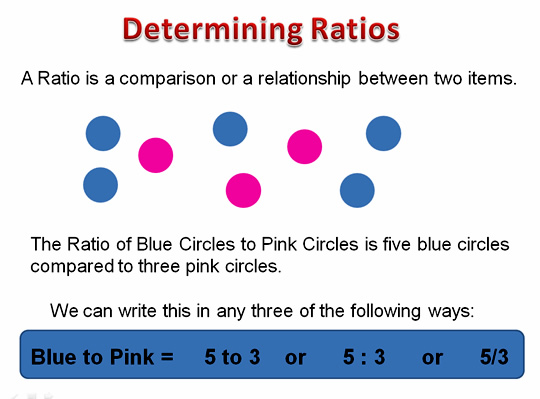
A ratio expresses the relationship between two quantities, indicating how many times one value contains or is contained within another. A proportion, on the other hand, states that two ratios are equal.

Ratios and proportions are essential tools for solving problems involving scaling, mixing, measurements, rates, and comparisons. They also form the foundation for advanced topics such as algebra, trigonometry, statistics, and calculus.

Understanding ratios and proportions helps people interpret real-world data, perform calculations, and make logical comparisons between quantities.


1. Understanding Ratios

Definition of a Ratio

A ratio is a mathematical expression used to compare two quantities.

A ratio shows how many times one value is contained in another.

For example, if there are:

  • 4 apples
  • 2 oranges

The ratio of apples to oranges is:

4 : 2

This means there are 4 apples for every 2 oranges.


Ways to Write Ratios

Ratios can be written in three common forms:

  1. Using a colon
    3 : 5
  2. Using the word “to”
    3 to 5
  3. As a fraction
    3/5

All three forms represent the same ratio.


Terms in a Ratio

In a ratio a : b:

  • a is called the antecedent
  • b is called the consequent

Example:

In the ratio 4 : 7

  • 4 is the antecedent
  • 7 is the consequent

2. Simplifying Ratios

Ratios can often be simplified in the same way as fractions.

Example:

6 : 8

Divide both numbers by their greatest common divisor.

GCD of 6 and 8 = 2

6 ÷ 2 = 3
8 ÷ 2 = 4

Simplified ratio:

3 : 4

Simplifying ratios makes comparisons easier to understand.


3. Types of Ratios

Ratios can appear in different forms depending on what is being compared.


Part-to-Part Ratio

A part-to-part ratio compares two different parts of a group.

Example:

In a class:

  • 10 boys
  • 15 girls

Ratio of boys to girls:

10 : 15

Simplified:

2 : 3


Part-to-Whole Ratio

A part-to-whole ratio compares one part to the total.

Example:

Total students = 25

Boys = 10

Ratio of boys to total students:

10 : 25

Simplified:

2 : 5


4. Equivalent Ratios

Image
Image
Image
Image

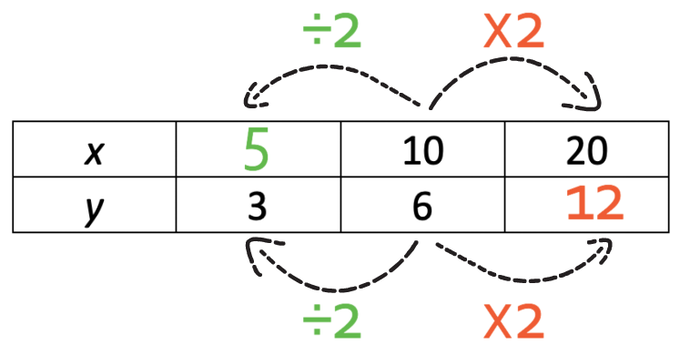
Equivalent ratios represent the same relationship between numbers.

Example:

2 : 3

Equivalent ratios include:

4 : 6
6 : 9
8 : 12

These ratios are obtained by multiplying both terms by the same number.

Example:

2 × 2 = 4
3 × 2 = 6

Equivalent ratios are important when solving proportion problems.


5. Understanding Proportions

Definition of Proportion

A proportion is an equation stating that two ratios are equal.

Example:

2/3 = 4/6

This shows that the two ratios represent the same relationship.

Proportions are used to solve problems involving unknown quantities.


Structure of a Proportion

A proportion has four numbers.

Example:

a/b = c/d

Here:

  • a and d are called extremes
  • b and c are called means

Cross Multiplication

Cross multiplication is used to solve proportions.

Example:

3/4 = x/8

Cross multiply:

3 × 8 = 4 × x

24 = 4x

x = 6


6. Direct Proportion

Image
Image
Image
Image

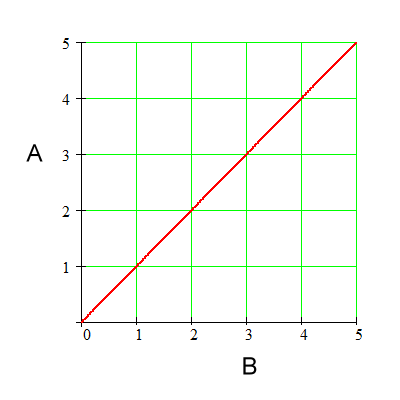
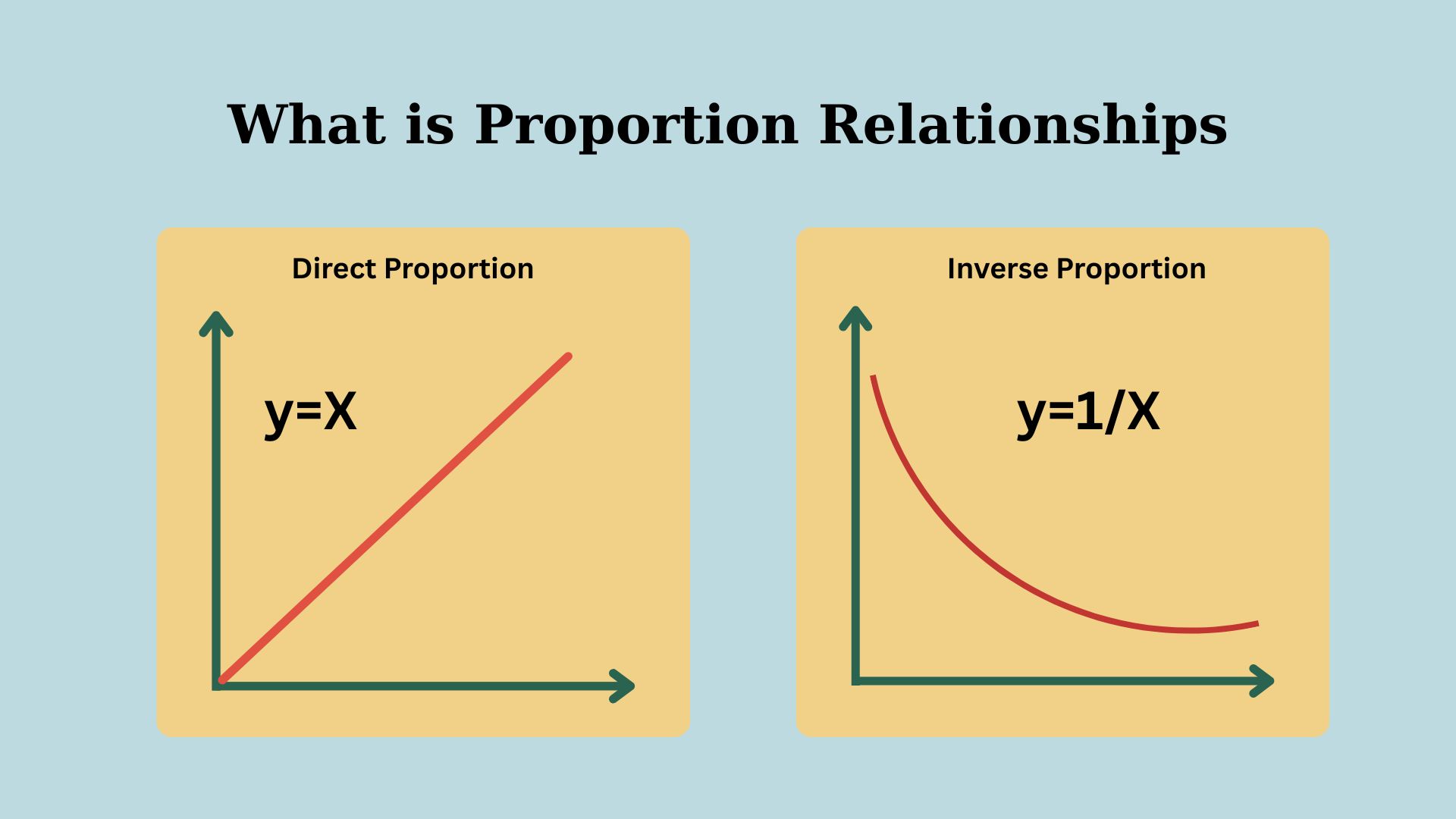
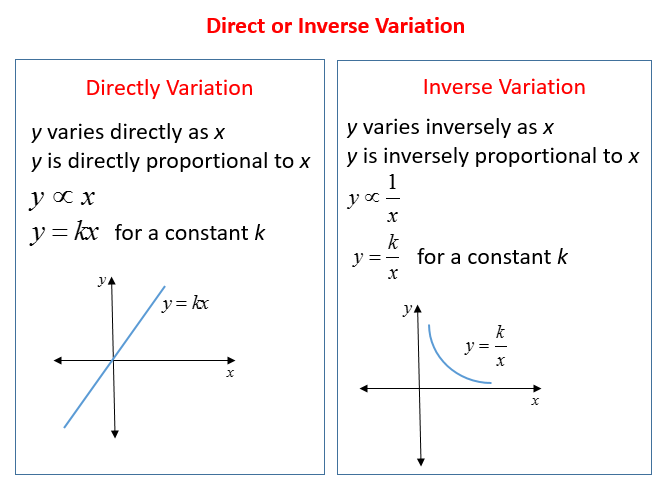
Two quantities are in direct proportion when one increases or decreases in the same ratio as the other.

Mathematically:

y = kx

Where k is the constant of proportionality.


Example of Direct Proportion

If one notebook costs $2:

1 notebook = $2
2 notebooks = $4
3 notebooks = $6

Cost is directly proportional to the number of notebooks.


Graph of Direct Proportion

The graph of a direct proportion is a straight line passing through the origin.


7. Inverse Proportion

Image
Image
Image
Image

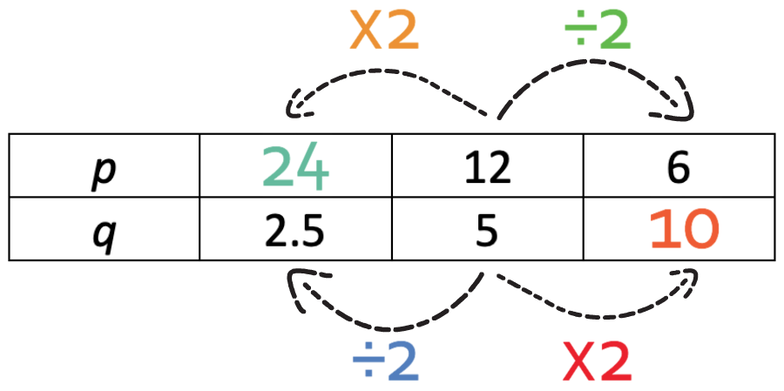
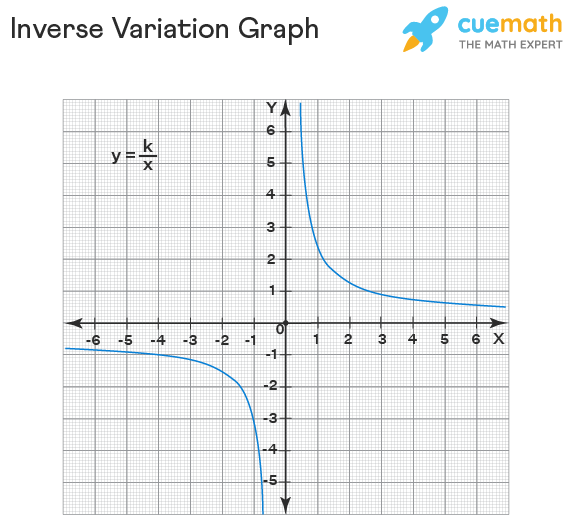
Two quantities are in inverse proportion when one increases while the other decreases.

Mathematical relationship:

xy = k

Where k is a constant.


Example of Inverse Proportion

If 4 workers complete a job in 6 hours:

More workers reduce time.

Example:

4 workers → 6 hours
6 workers → 4 hours

Workers and time are inversely proportional.


8. Continued Proportion

When three numbers are in proportion such that:

a : b = b : c

They form a continued proportion.

Example:

2 : 4 = 4 : 8

Here:

4 is the mean proportional.


9. Compound Ratio

A compound ratio is obtained by multiplying two or more ratios.

Example:

2 : 3 and 4 : 5

Compound ratio:

(2×4) : (3×5)

8 : 15

Compound ratios are used in complex comparisons.


10. Applications of Ratios

Ratios appear in many real-life situations.


Cooking

Recipes often use ratios.

Example:

2 cups flour : 1 cup sugar

This ratio maintains flavor balance.


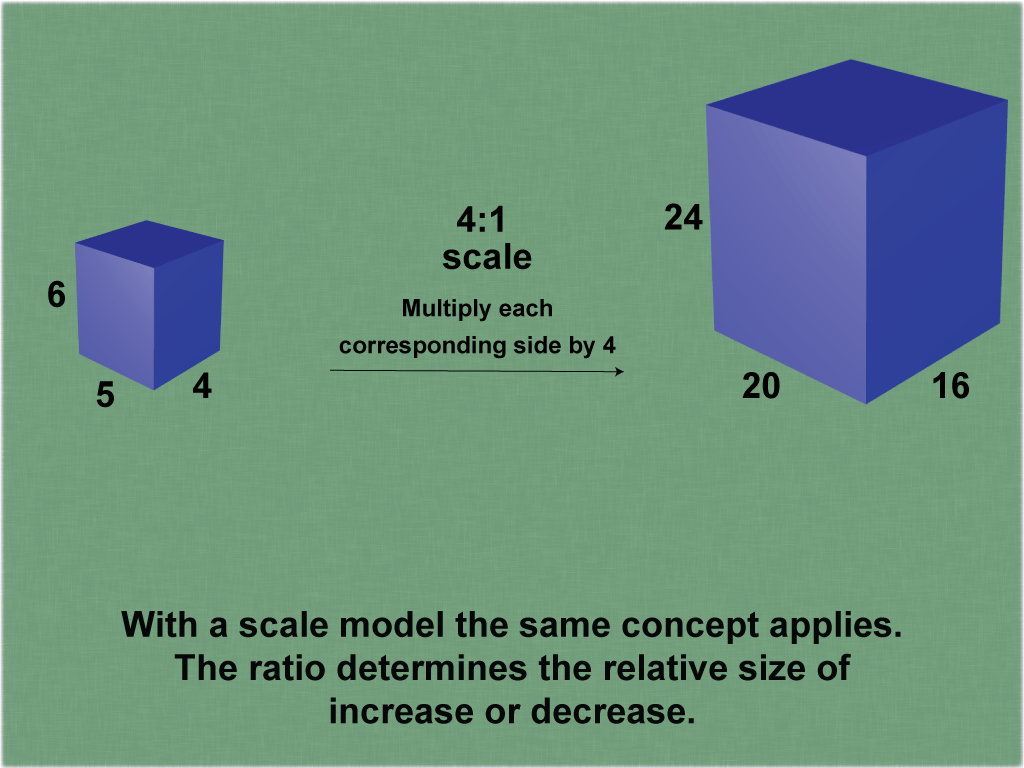
Maps and Scale

Maps use ratios to represent distances.

Example:

1 cm : 10 km

This means 1 cm on the map equals 10 km in reality.


Mixing Solutions

Chemistry uses ratios when mixing substances.

Example:

Water to chemical ratio.


Finance

Ratios are used to compare financial quantities.

Examples include:

  • profit ratios
  • interest rates
  • investment comparisons

Sports Statistics

Ratios are used to evaluate performance.

Example:

Goals per game.


11. Applications of Proportions

Proportions help solve many practical problems.


Speed and Distance

Example:

If a car travels 60 km in 1 hour:

Distance is proportional to time.


Currency Conversion

Exchange rates use proportions.

Example:

1 USD = 80 INR


Construction

Architects use proportional scaling when designing buildings.


Photography

Aspect ratios determine image dimensions.

Example:

16 : 9


12. Ratio Tables

A ratio table lists pairs of values that maintain a constant ratio.

Example:

ApplesOranges
23
46
69

Each pair represents the same ratio.

Ratio tables help visualize proportional relationships.


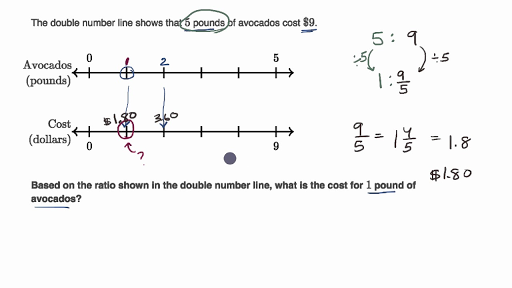
13. Unit Rate

A unit rate expresses a ratio with denominator 1.

Example:

60 km in 2 hours

Unit rate:

30 km per hour

Unit rates simplify comparisons.


14. Ratios and Fractions

Ratios are closely related to fractions.

Example:

2 : 5 = 2/5

Fractions express part-to-whole relationships, while ratios compare quantities.


15. Ratios and Percentages

Percentages are ratios with denominator 100.

Example:

25%

25/100

1/4

Percentages allow easy comparison of proportions.


16. Importance in Mathematics

Ratios and proportions are fundamental in mathematics because they describe relationships between numbers.

They are used in:

  • algebra
  • geometry
  • trigonometry
  • statistics

Many mathematical formulas rely on proportional relationships.


17. Role in Science and Engineering

In science and engineering, ratios and proportions help describe relationships between variables.

Examples include:

  • density
  • speed
  • concentration
  • electrical resistance

These relationships allow scientists and engineers to model real-world systems.


18. Ratio and Proportion in Data Analysis

In statistics, ratios help interpret data.

Examples:

  • population ratios
  • probability ratios
  • risk ratios

These measurements help analyze trends and relationships.


19. Historical Development

The study of ratios and proportions dates back to ancient civilizations.

Greek mathematicians studied proportional relationships in geometry.

These ideas were later developed into formal mathematical theories used in modern mathematics.


20. Summary

Ratios and proportions are essential mathematical tools used to compare quantities and describe relationships between numbers.

A ratio compares two quantities, while a proportion states that two ratios are equal.

These concepts appear in many real-world applications, including cooking, construction, finance, science, and engineering.

Understanding ratios and proportions helps build strong mathematical reasoning and prepares students for advanced topics in mathematics and science.

They remain fundamental tools for analyzing relationships, solving problems, and interpreting numerical information.

Fractions and Decimals in Mathematics

Image
Image
Image
Image

Tags:


Fractions and Decimals in Mathematics

Fractions and decimals are essential concepts in mathematics that represent numbers that are not whole numbers. They are used to express parts of a whole, ratios, proportions, and precise measurements. These forms of numbers belong to a broader class called rational numbers, which can be expressed as the ratio of two integers.

Fractions and decimals are widely used in everyday life, including in finance, measurements, engineering, science, and computer calculations. Understanding how fractions and decimals work allows us to perform precise calculations and interpret numerical data more effectively.

In mathematics, fractions represent numbers in the form of a ratio of two integers, while decimals represent numbers using the base-10 positional number system. Both representations can often express the same value, and there are methods to convert between them.

Fractions and decimals are taught early in mathematics education because they form the foundation for algebra, statistics, calculus, and other advanced mathematical topics.


1. Understanding Fractions

Image
Image
Image
Image

Definition of a Fraction

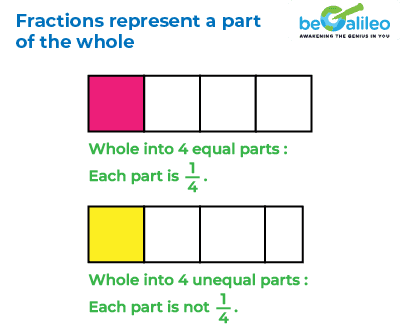
A fraction represents a part of a whole or a ratio between two quantities.

A fraction is written in the form:

a/b

Where:

  • a is called the numerator
  • b is called the denominator

Example:

3/4

This means 3 parts out of 4 equal parts.

Example interpretation:

If a pizza is divided into 4 equal slices and you eat 3 slices, you have eaten 3/4 of the pizza.


Parts of a Fraction

Every fraction has two main components:

Numerator

The number on the top.

It represents how many parts are being considered.

Example:

In 5/8, the numerator is 5.


Denominator

The number on the bottom.

It represents the total number of equal parts.

Example:

In 5/8, the denominator is 8.


2. Types of Fractions

Fractions can be categorized into several types depending on their structure.


Proper Fractions

A proper fraction has a numerator smaller than the denominator.

Example:

1/2
3/5
7/8

In these fractions, the value is always less than 1.


Improper Fractions

An improper fraction has a numerator greater than or equal to the denominator.

Example:

5/3
9/4
7/7

Improper fractions represent values greater than or equal to 1.


Mixed Fractions

A mixed fraction combines a whole number and a proper fraction.

Example:

2 1/3

This means:

2 + 1/3

Mixed numbers are often used in everyday measurements.

Example:

2 1/2 meters


Equivalent Fractions

Equivalent fractions represent the same value even though their numerators and denominators differ.

Example:

1/2 = 2/4 = 4/8

These fractions represent the same portion of a whole.

Equivalent fractions are obtained by multiplying or dividing both numerator and denominator by the same number.

Example:

1/2 × 2/2 = 2/4


3. Simplifying Fractions

Simplifying (or reducing) a fraction means expressing it in its lowest terms.

Example:

6/8

Both numbers can be divided by 2:

6 ÷ 2 = 3
8 ÷ 2 = 4

Simplified fraction:

3/4

To simplify fractions, we divide numerator and denominator by their greatest common divisor (GCD).

Example:

15/25

GCD of 15 and 25 = 5

15 ÷ 5 = 3
25 ÷ 5 = 5

Simplified form:

3/5


4. Comparing Fractions

Fractions can be compared to determine which is larger or smaller.

Example:

3/4 and 2/3

Convert them to a common denominator.

Common denominator = 12

3/4 = 9/12
2/3 = 8/12

Therefore:

3/4 > 2/3

Fractions can also be compared using decimal conversions.


5. Operations on Fractions

Fractions support four basic arithmetic operations.


Addition of Fractions

To add fractions with the same denominator:

Add numerators and keep denominator.

Example:

2/7 + 3/7 = 5/7


For different denominators, find a common denominator.

Example:

1/3 + 1/4

Common denominator = 12

1/3 = 4/12
1/4 = 3/12

Sum:

7/12


Subtraction of Fractions

Similar to addition.

Example:

5/6 − 1/3

Convert:

1/3 = 2/6

Result:

3/6 = 1/2


Multiplication of Fractions

Multiply numerators and denominators.

Example:

2/3 × 4/5

Result:

8/15


Division of Fractions

Division involves multiplying by the reciprocal.

Example:

3/4 ÷ 2/5

Convert:

3/4 × 5/2

Result:

15/8


6. Understanding Decimals

Image
Image
Image
Image

Definition of Decimals

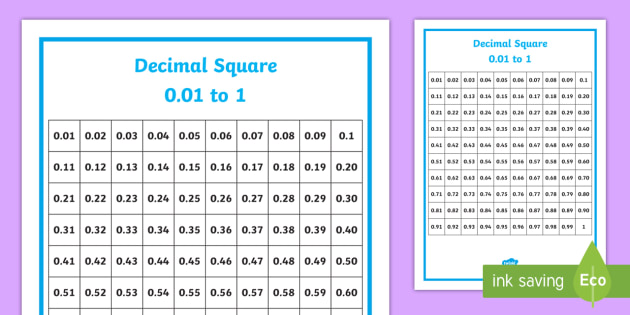
A decimal is a number expressed in the base-10 system using a decimal point.

Example:

0.5
1.25
3.75

Decimals represent fractional values using place value.


Decimal Place Value

Decimal numbers extend the place value system to the right of the decimal point.

Example:

4.375

Place values:

4 → ones
3 → tenths
7 → hundredths
5 → thousandths


Decimal Place Value Table

PlaceValue
Ones1
Tenths0.1
Hundredths0.01
Thousandths0.001

7. Types of Decimals

Decimals can be categorized into different types.


Terminating Decimals

Decimals that end after a finite number of digits.

Example:

0.5
0.25
0.125

These correspond to fractions with denominators that are powers of 2 or 5.

Example:

1/2 = 0.5


Non-Terminating Decimals

Decimals that continue indefinitely.

Example:

1/3 = 0.333…


Repeating Decimals

Decimals with repeating patterns.

Example:

0.666…

This is written as:

0.6̅


8. Converting Fractions to Decimals

Fractions can be converted into decimals by dividing numerator by denominator.

Example:

1/4

1 ÷ 4 = 0.25

Another example:

3/8

3 ÷ 8 = 0.375

Some fractions produce repeating decimals.

Example:

1/3

0.333…


9. Converting Decimals to Fractions

Decimals can also be converted to fractions.

Example:

0.75

Step 1:

Write as fraction:

75/100

Step 2:

Simplify:

3/4


Example:

0.2

2/10 = 1/5


10. Operations with Decimals

Decimals support the same arithmetic operations as whole numbers.


Addition

Example:

2.35 + 1.40

Align decimal points:

3.75


Subtraction

Example:

5.6 − 2.3

Result:

3.3


Multiplication

Example:

2.5 × 1.2

25 × 12 = 300

Decimal places = 2

Result:

3.00


Division

Example:

4.8 ÷ 2

Result:

2.4


11. Relationship Between Fractions and Decimals

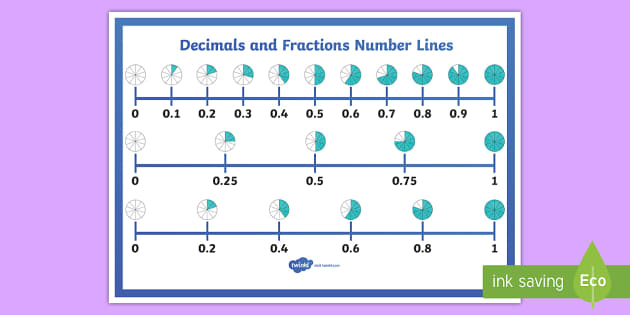
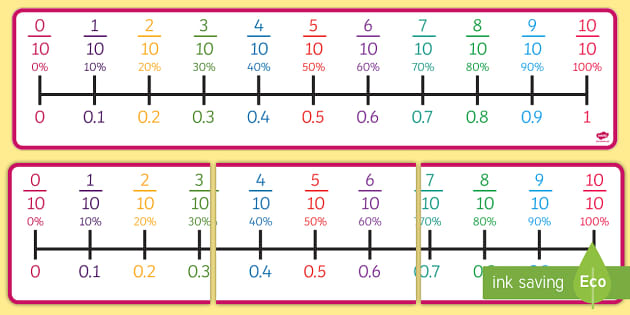
Fractions and decimals represent the same numbers in different formats.

Examples:

1/2 = 0.5
1/4 = 0.25
3/5 = 0.6

Fractions emphasize ratio, while decimals emphasize place value.


12. Fractions and Decimals on a Number Line

Image
Image
Image
Image

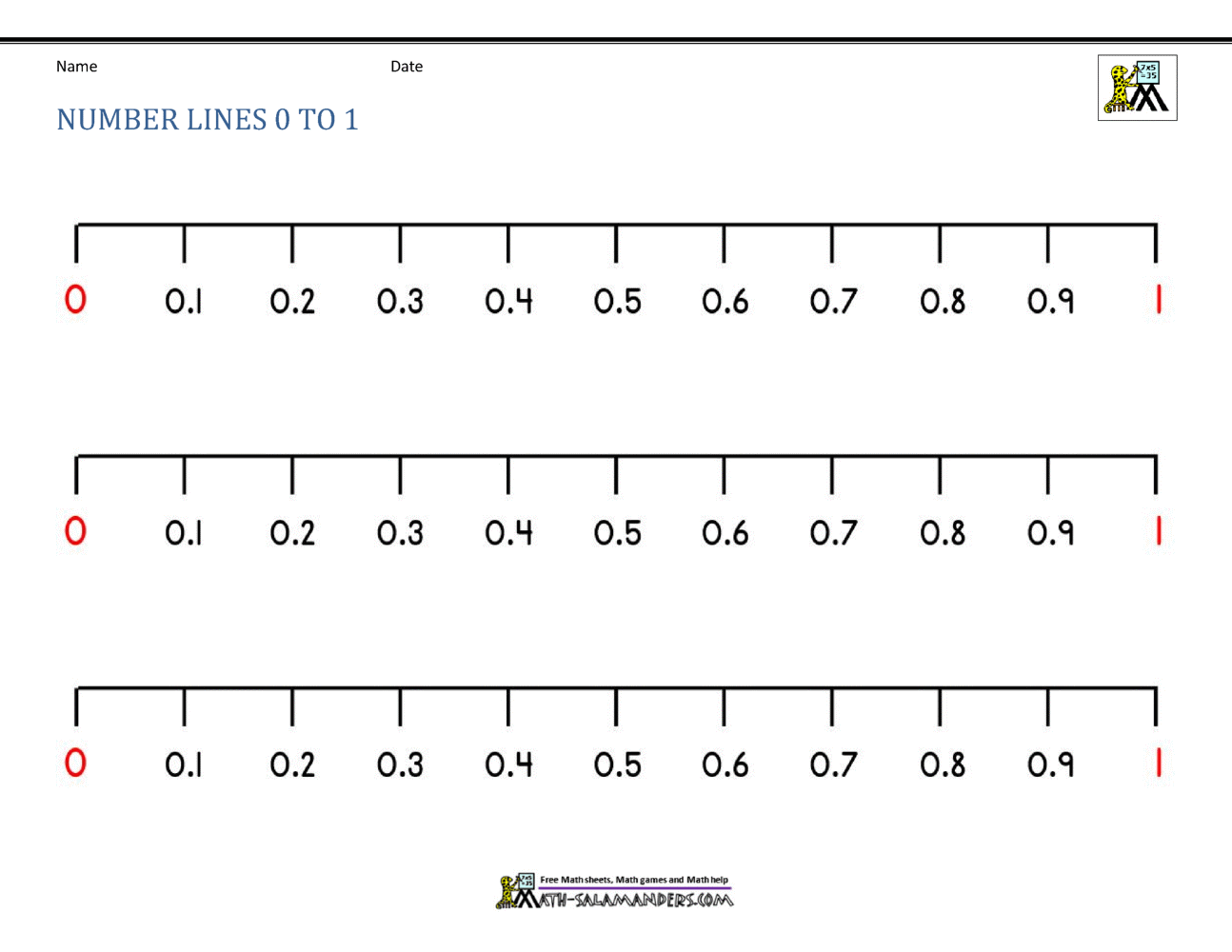
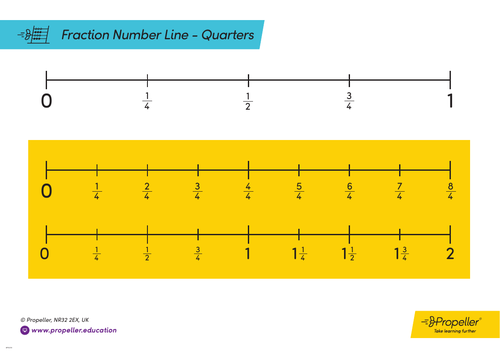
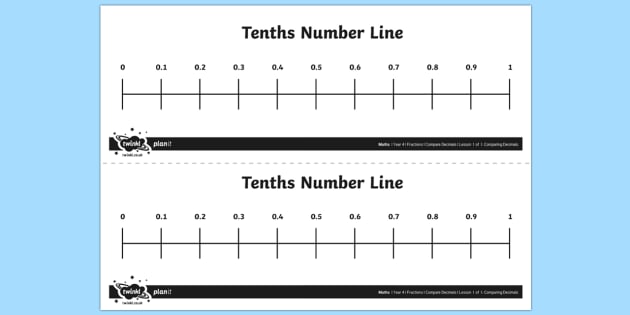
Fractions and decimals can be represented visually on a number line.

Example:

0 — 1

Halfway point:

1/2 or 0.5

Other examples:

1/4 = 0.25
3/4 = 0.75

The number line helps visualize magnitude and relationships between numbers.


13. Applications of Fractions and Decimals

Fractions and decimals are used in many real-life contexts.


Measurements

Fractions and decimals represent measurements.

Example:

1/2 meter
0.75 kilogram


Finance

Decimals are widely used in money.

Example:

$5.75


Cooking

Recipes use fractions.

Example:

1/2 cup
3/4 teaspoon


Engineering

Precise measurements use decimals.

Example:

2.35 millimeters


Science

Scientific calculations often use decimal numbers.

Example:

9.81 m/s²


14. Importance in Mathematics

Fractions and decimals are essential for many mathematical topics.

They form the foundation for:

  • ratios and proportions
  • percentages
  • algebra
  • statistics
  • calculus

Without fractions and decimals, it would be difficult to express precise values.


15. Summary

Fractions and decimals are important numerical representations used to express values between whole numbers.

Fractions represent numbers as ratios of integers, while decimals represent numbers using the base-10 positional system.

Understanding fractions and decimals involves learning their types, conversions, arithmetic operations, and practical applications.

These concepts are fundamental to mathematics, science, engineering, finance, and everyday life.

Mastery of fractions and decimals allows for accurate calculations, better numerical understanding, and deeper insight into more advanced mathematical ideas.

Trigonometry in Mathematics – Detailed Explanation

Trigonometry

1. Introduction to Trigonometry

Image
Image
Image
Image

Trigonometry is a branch of mathematics that studies the relationships between the angles and sides of triangles, especially right-angled triangles.

The word trigonometry comes from the Greek words:

  • “trigonon” – meaning triangle
  • “metron” – meaning measure

Thus, trigonometry literally means “measurement of triangles.”

Trigonometry helps us determine unknown sides and angles of triangles using special ratios called trigonometric functions. These functions are fundamental in mathematics, physics, engineering, astronomy, architecture, navigation, and many other scientific fields.

The basic trigonometric functions are:

  1. Sine (sin)
  2. Cosine (cos)
  3. Tangent (tan)
  4. Cosecant (csc)
  5. Secant (sec)
  6. Cotangent (cot)

Trigonometry is essential for studying waves, oscillations, circular motion, and distances that cannot be measured directly.


2. History of Trigonometry

Image
Image
Image
Image

Trigonometry developed gradually over thousands of years through the work of mathematicians from different civilizations.

Ancient Civilizations

Early concepts related to trigonometry existed in:

  • Egypt
  • Babylon
  • China
  • India

Egyptians used geometric ratios to calculate pyramid slopes.

Greek Contributions

The Greek astronomer Hipparchus (190–120 BCE) is often called the father of trigonometry. He created the first known trigonometric tables based on chord lengths in circles.

Later, Ptolemy expanded these ideas and created more accurate mathematical tables.

Indian Contributions

Indian mathematicians such as Aryabhata developed early forms of sine and cosine functions, which later influenced Arabic and European mathematics.

Islamic Scholars

Islamic mathematicians expanded trigonometry by introducing:

  • Secant
  • Cosecant
  • Tangent tables

European Development

During the 16th and 17th centuries, mathematicians formalized trigonometry and developed the modern notation sin, cos, tan.

Today, trigonometry is a fundamental part of modern mathematics and science.


3. Right-Angled Triangle Basics

Image
Image
Image

A right-angled triangle contains one 90° angle.

The three sides of a right triangle are:

  1. Hypotenuse
    • Longest side
    • Opposite the right angle
  2. Opposite side
    • Opposite the given angle
  3. Adjacent side
    • Next to the given angle

These sides form the basis of trigonometric ratios.


4. Trigonometric Ratios

The six trigonometric ratios are defined as:

1. Sine (sin)

[
sin(\theta) = \frac{Opposite}{Hypotenuse}
]

2. Cosine (cos)

[
cos(\theta) = \frac{Adjacent}{Hypotenuse}
]

3. Tangent (tan)

[
tan(\theta) = \frac{Opposite}{Adjacent}
]

These ratios relate the sides of a triangle to an angle.

The other three functions are reciprocals:

  1. Cosecant

[
csc(\theta)=\frac{1}{sin(\theta)}
]

  1. Secant

[
sec(\theta)=\frac{1}{cos(\theta)}
]

  1. Cotangent

[
cot(\theta)=\frac{1}{tan(\theta)}
]


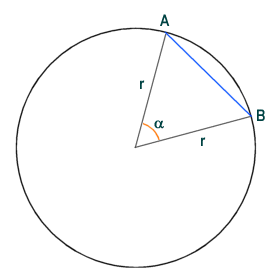
5. Unit Circle in Trigonometry

Image
Image
Image

The unit circle is a circle with radius = 1 centered at the origin.

It is used to extend trigonometric functions beyond right triangles.

Key concepts:

  • Coordinates on the circle represent cosine and sine values
  • Any point on the circle is written as:

[
(x,y)=(cos\theta,sin\theta)
]

Important angles include:

Anglesincos
01
30°1/2√3/2
45°√2/2√2/2
60°√3/21/2
90°10

6. Important Trigonometric Identities

Trigonometric identities are equations that are always true.

1. Pythagorean Identity

[
sin^2\theta + cos^2\theta = 1
]

2. Tangent Identity

[
1 + tan^2\theta = sec^2\theta
]

3. Cotangent Identity

[
1 + cot^2\theta = csc^2\theta
]

Reciprocal Identities

[
sin\theta = \frac{1}{csc\theta}
]

[
cos\theta = \frac{1}{sec\theta}
]

[
tan\theta = \frac{1}{cot\theta}
]

These identities help simplify trigonometric equations and solve complex problems.


7. Laws of Trigonometry

Law of Sines

[
\frac{a}{sinA} = \frac{b}{sinB} = \frac{c}{sinC}
]

Used when:

  • Two angles and one side are known.

Law of Cosines

[
c^2 = a^2 + b^2 – 2ab cosC
]

Used when:

  • Two sides and included angle are known.

These laws help solve any triangle, not just right triangles.


8. Trigonometry Graphs

Image
Image
Image

Trigonometric functions produce periodic graphs.

Sine Graph

  • Smooth wave
  • Period = 360° or (2\pi)

Cosine Graph

  • Similar to sine
  • Starts at maximum value

Tangent Graph

  • Repeating pattern
  • Vertical asymptotes

These graphs are used in studying waves, oscillations, and signal processing.


9. Example Problems

Example 1: Find sin θ

If:

Opposite = 4
Hypotenuse = 5

[
sin\theta = \frac{4}{5}
]


Example 2: Find the Height of a Tower

A ladder makes an angle 30° with the ground and reaches a wall.

Length of ladder = 10 m

Using sine:

[
sin30° = \frac{height}{10}
]

[
\frac{1}{2} = \frac{height}{10}
]

Height = 5 m


Example 3: Using Tangent

If:

Angle = 45°
Adjacent = 6

[
tan45° = \frac{Opposite}{6}
]

[
1 = \frac{Opposite}{6}
]

Opposite = 6


10. Applications of Trigonometry

Image
Image
Image
Image

Trigonometry has many real-life applications.

1. Architecture

Used to design:

  • Bridges
  • Buildings
  • Towers

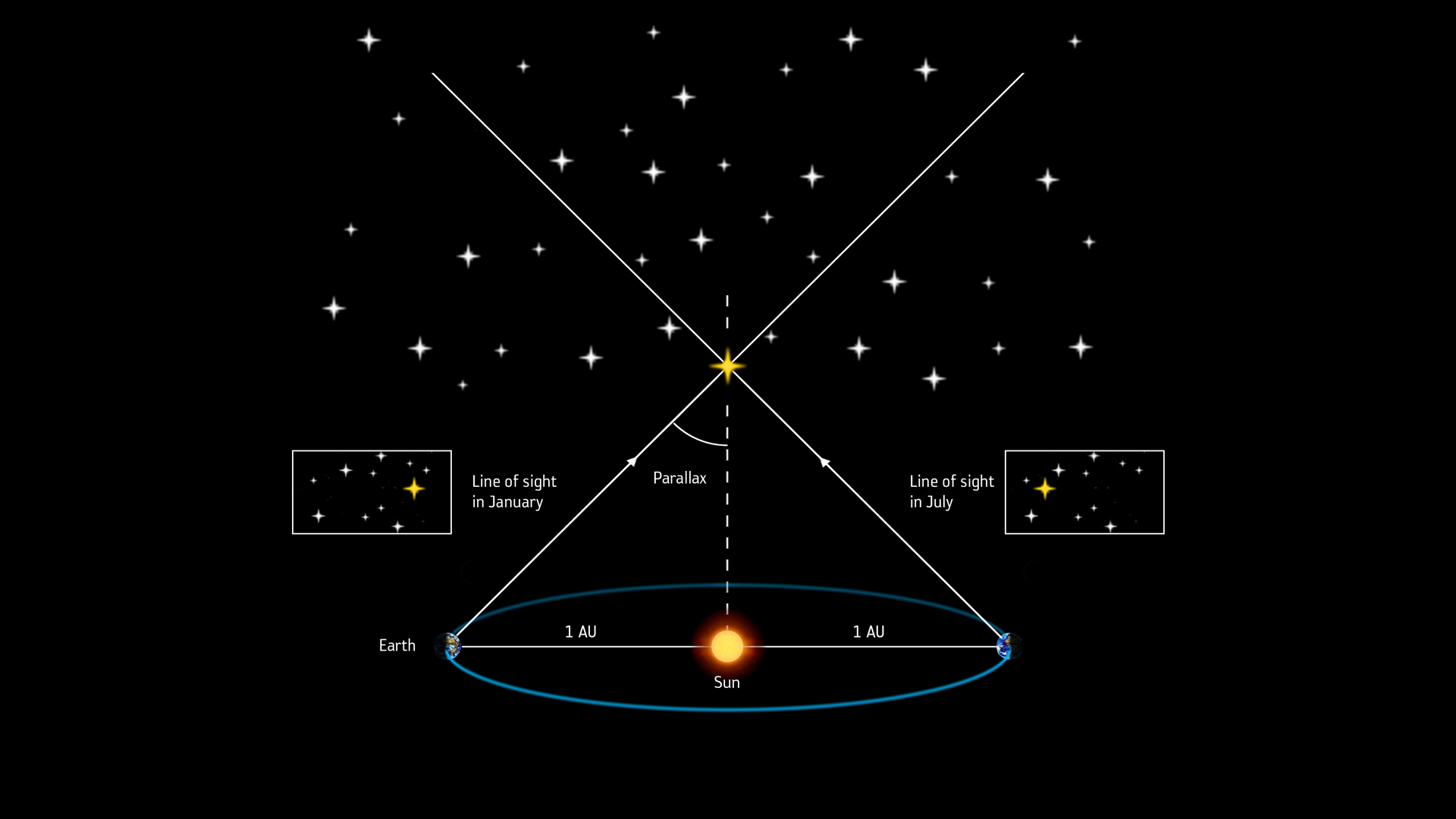
2. Astronomy

Used to calculate distances between stars and planets.

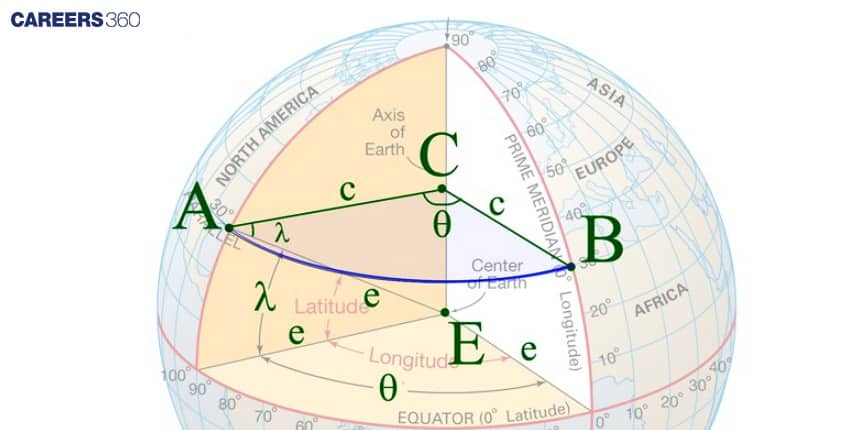
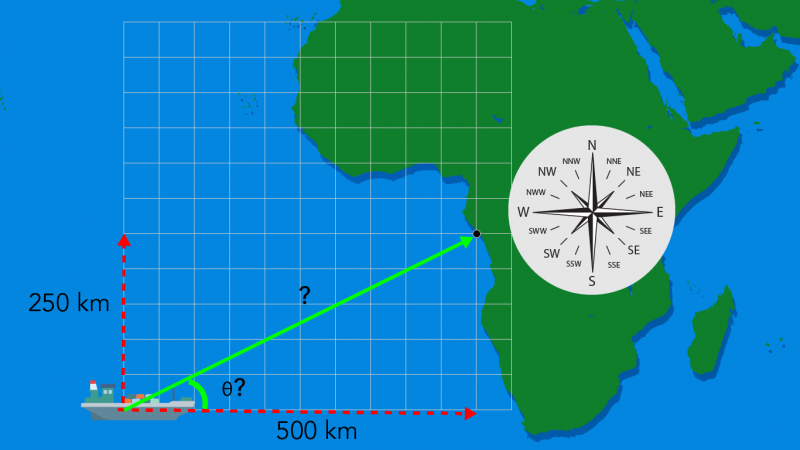
3. Navigation

Used in:

  • Ships
  • Airplanes
  • GPS systems

4. Physics

Used to analyze:

  • Waves
  • Sound
  • Light

5. Engineering

Engineers use trigonometry to design:

  • Machines
  • Roads
  • Electronics

6. Geography and Surveying

Used to calculate heights and distances without measuring directly.


11. Importance of Trigonometry

Trigonometry is important because it helps:

  • Solve real-world measurement problems
  • Understand circular motion
  • Study waves and oscillations
  • Analyze periodic phenomena
  • Develop advanced mathematics such as calculus

Many modern technologies rely on trigonometric principles.


12. Conclusion

Trigonometry is a fundamental branch of mathematics that deals with the relationships between angles and sides of triangles. From ancient civilizations to modern science, it has played an essential role in solving problems involving distance, height, and angles.

By understanding trigonometric ratios, identities, graphs, and laws, students and researchers can solve complex mathematical and real-world problems.

Today, trigonometry is widely used in engineering, astronomy, architecture, navigation, and physics, making it one of the most practical areas of mathematics.