
🌍 Visual Overview: Freedom and Liberty in Society

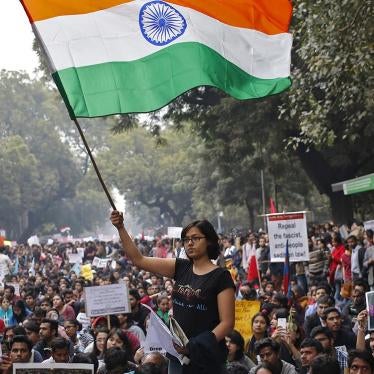

📘 1. Introduction to Liberty
Liberty is one of the most fundamental and cherished concepts in political theory, closely associated with human dignity, autonomy, and the development of personality. It lies at the heart of democratic systems and is essential for ensuring that individuals can live meaningful and fulfilling lives.
The term “liberty” is often used interchangeably with “freedom,” but in political philosophy, it has a deeper and more structured meaning. Liberty is not merely the absence of restraint; it also involves the presence of conditions that allow individuals to flourish.
🧠 2. Meaning and Definitions of Liberty
📌 Basic Meaning
Liberty refers to the freedom of individuals to act according to their will without undue interference, while also ensuring that such freedom does not harm others.
🧾 Classical Definitions
- John Stuart Mill:
Liberty is the freedom to act as one pleases, provided it does not harm others. - T.H. Green:
Liberty is the power to do or enjoy something worth doing or enjoying. - Isaiah Berlin:
Distinguished between negative liberty and positive liberty.
🔑 Key Features of Liberty
- Absence of arbitrary restraint
- Presence of enabling conditions
- Linked with rights and justice
- Balanced by law and responsibility
⚖️ 3. Types of Liberty (General Classification)
Before diving into positive vs negative liberty, it is useful to understand broader forms:
🟢 Natural Liberty
Freedom in the state of nature (unrestricted)
🔵 Civil Liberty
Freedom protected by laws
🟣 Political Liberty
Participation in governance
🔴 Economic Liberty
Freedom to earn and use resources
🔍 4. Negative Liberty (Freedom From)
📌 Meaning
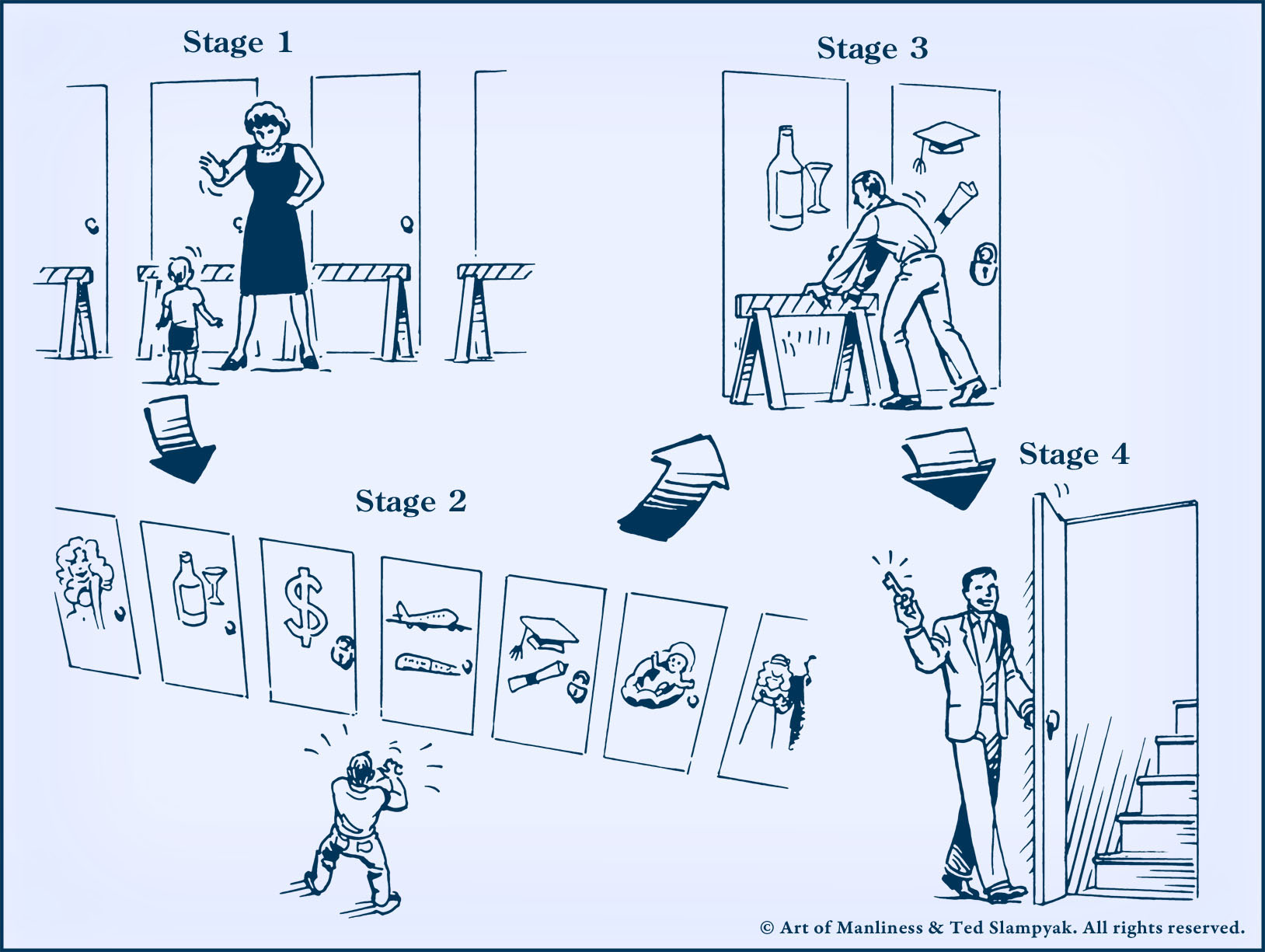
Negative liberty refers to the absence of external interference in an individual’s actions.
👉 “Freedom from constraints”
🧠 Key Thinker: Isaiah Berlin



Berlin defined negative liberty as the area within which a person can act unobstructed by others.
🧩 Core Features of Negative Liberty
- Absence of coercion
- Minimal state intervention
- Focus on individual autonomy
- Emphasis on rights
⚙️ Philosophical Roots
- Classical liberalism
- Thinkers like John Locke and Adam Smith
📊 Examples
- Freedom of speech
- Freedom of religion
- Freedom of movement
- Freedom from arbitrary arrest
⚠️ Limitations of Negative Liberty
- Ignores social inequality
- May favor the powerful
- Lack of support systems
- Can lead to exploitation
🌱 5. Positive Liberty (Freedom To)
📌 Meaning
Positive liberty refers to the ability and capacity to act upon one’s free will and achieve one’s potential.
👉 “Freedom to achieve”
🧠 Key Thinker: T.H. Green




Green argued that liberty requires enabling conditions such as education, health, and opportunities.
🧩 Core Features of Positive Liberty
- Presence of opportunities
- Role of the state
- Focus on welfare
- Emphasis on development
⚙️ Philosophical Roots
- Modern liberalism
- Idealist philosophy
- Welfare state theory
📊 Examples
- Right to education
- Right to healthcare
- Employment opportunities
- Social security
⚠️ Limitations of Positive Liberty
- Risk of excessive state control
- May justify paternalism
- Can reduce individual autonomy
⚖️ 6. Positive vs Negative Liberty (Comparison)

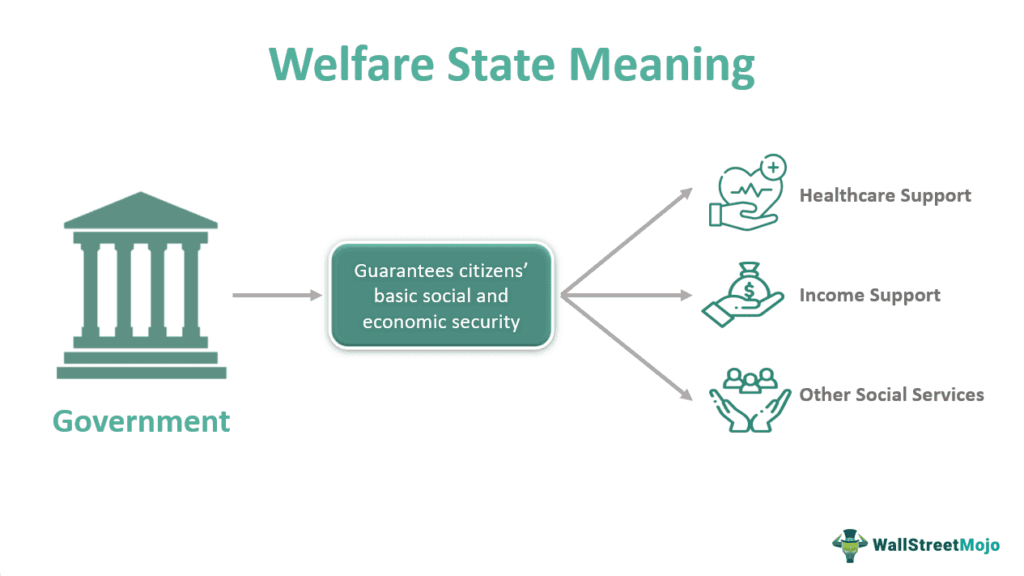

| Aspect | Negative Liberty | Positive Liberty |
|---|---|---|
| Meaning | Freedom from interference | Freedom to develop |
| Focus | Individual | Society |
| Role of State | Minimal | Active |
| Thinkers | Berlin, Locke | Green |
| Risk | Inequality | Authoritarianism |
🔗 7. Relationship Between the Two
- Complementary, not contradictory
- Both necessary for a balanced society
- Negative liberty ensures freedom from oppression
- Positive liberty ensures capacity for growth
🏛️ 8. Liberty in Democracy
🟢 Importance:
- Ensures individual rights
- Promotes participation
- Encourages diversity
⚖️ Safeguards:
- Rule of law
- Independent judiciary
- Fundamental rights
🌍 9. Liberty in Modern Context
📱 Digital Liberty
- Freedom of expression online
- Privacy concerns
🌐 Globalization
- Cross-border freedoms
- Economic liberty
🧑🤝🧑 Social Justice
- Equality and inclusion
- Minority rights
⚠️ 10. Challenges to Liberty
- Authoritarian governments
- Surveillance and data control
- Economic inequality
- Social discrimination
🧠 11. Importance of Liberty
- Human development
- Innovation and creativity
- Political participation
- Social harmony
🧾 12. Conclusion
Liberty is not a single-dimensional concept but a complex and evolving idea. The distinction between negative liberty (freedom from) and positive liberty (freedom to) helps us understand different approaches to freedom.
While negative liberty protects individuals from interference, positive liberty empowers them to achieve their potential. A just and democratic society must balance both to ensure true freedom.