Tag Archives: freedom

🌍 Human Rights and Duties — A Comprehensive Detailed Study


🌟 Introduction

Image
Image
Image
Image

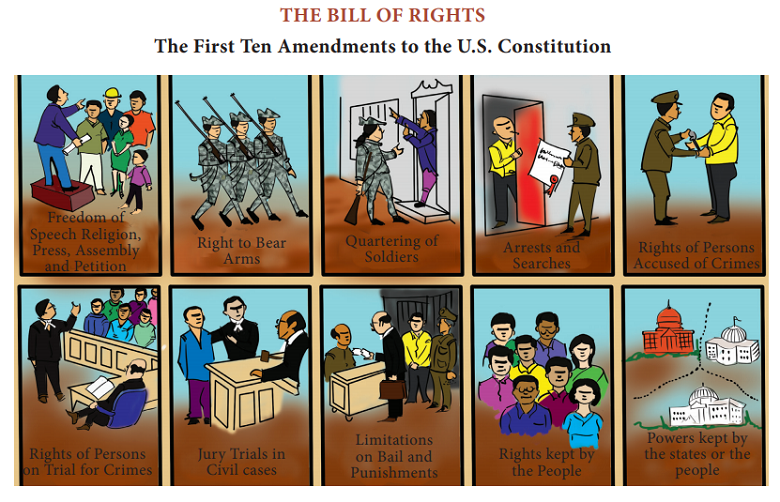
Human rights and duties are fundamental principles that ensure freedom, equality, dignity, and responsibility in society. While human rights guarantee individuals the freedom to live with dignity, duties emphasize the responsibilities individuals have toward society, the nation, and the environment.

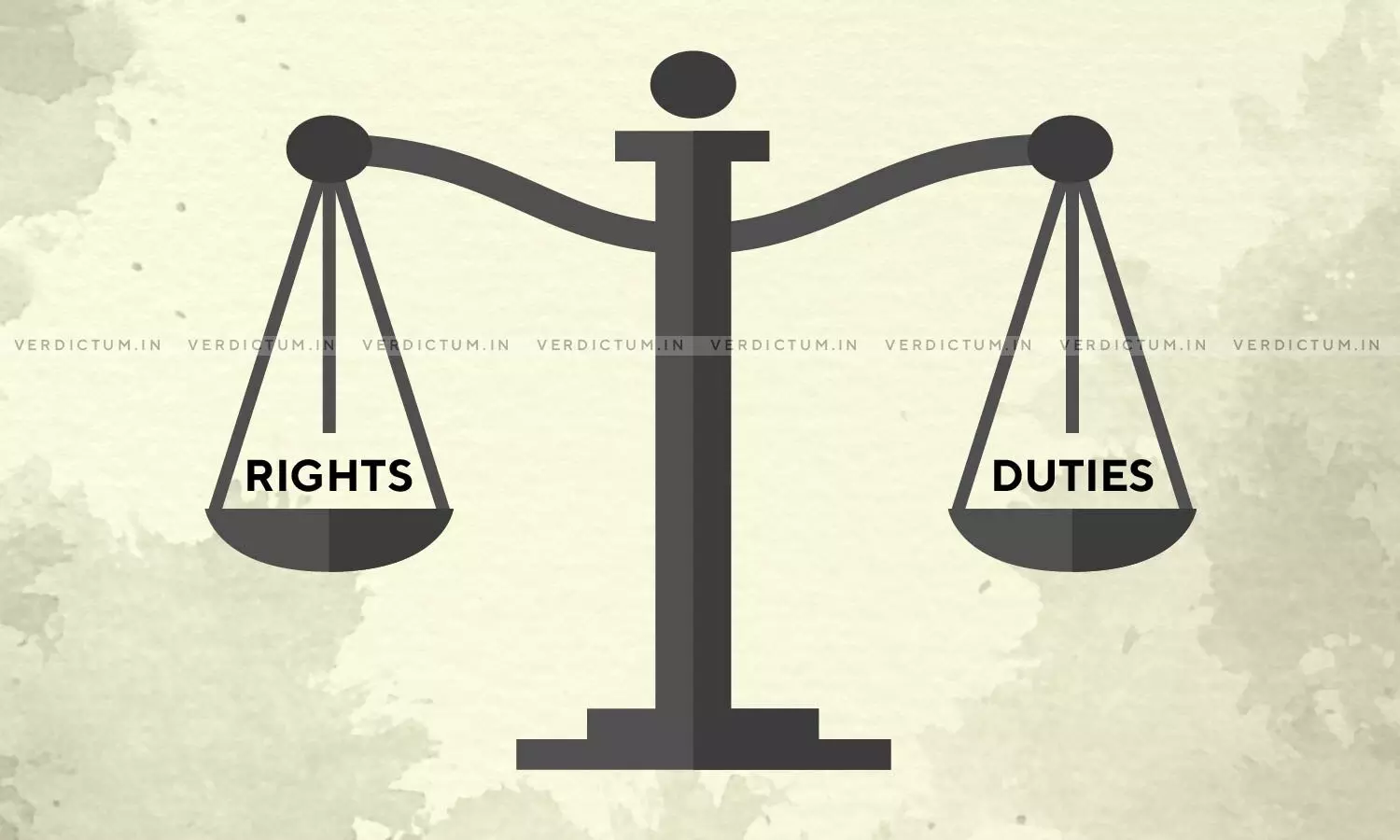
A balanced understanding of both rights and duties is essential for maintaining social harmony, justice, and sustainable development. Rights without duties can lead to misuse of freedom, while duties without rights can result in oppression. Therefore, both are interconnected and complementary.


🧭 Meaning of Human Rights


🔹 Definition

Human rights are the basic rights and freedoms that belong to every individual simply because they are human.


🔹 Key Features

  • Universal
  • Inalienable (cannot be taken away)
  • Fundamental
  • Equal for all

🌱 Types of Human Rights


🧍 1. Civil Rights
Image
Image
Image
Image
  • Right to life
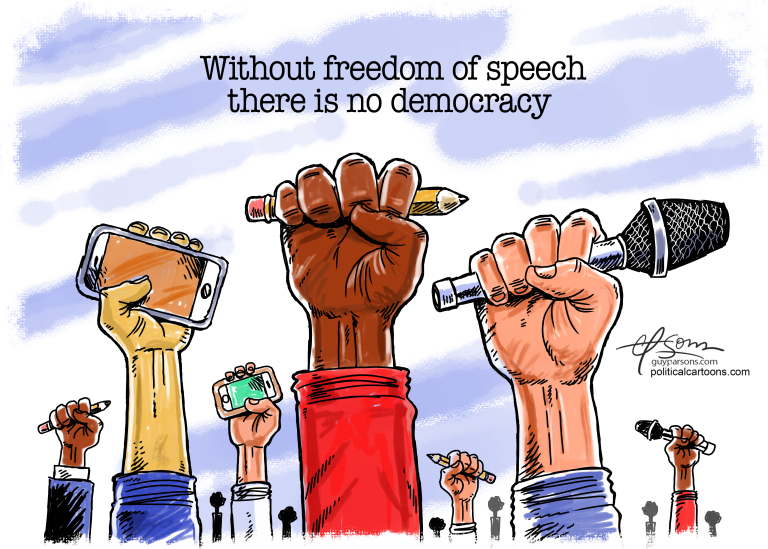
  • Freedom of speech
  • Right to equality

🏛️ 2. Political Rights
Image
Image
Image
Image
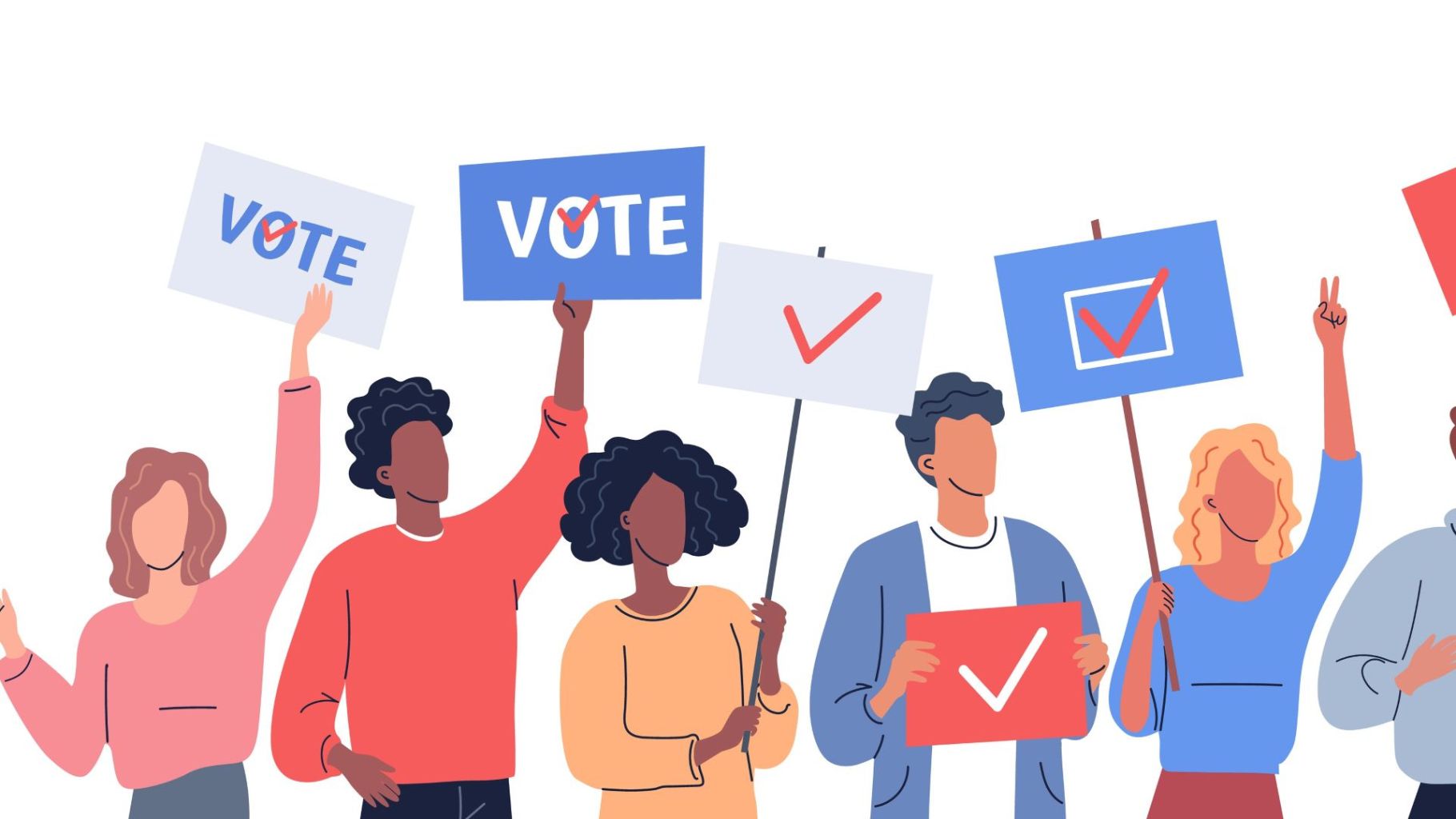
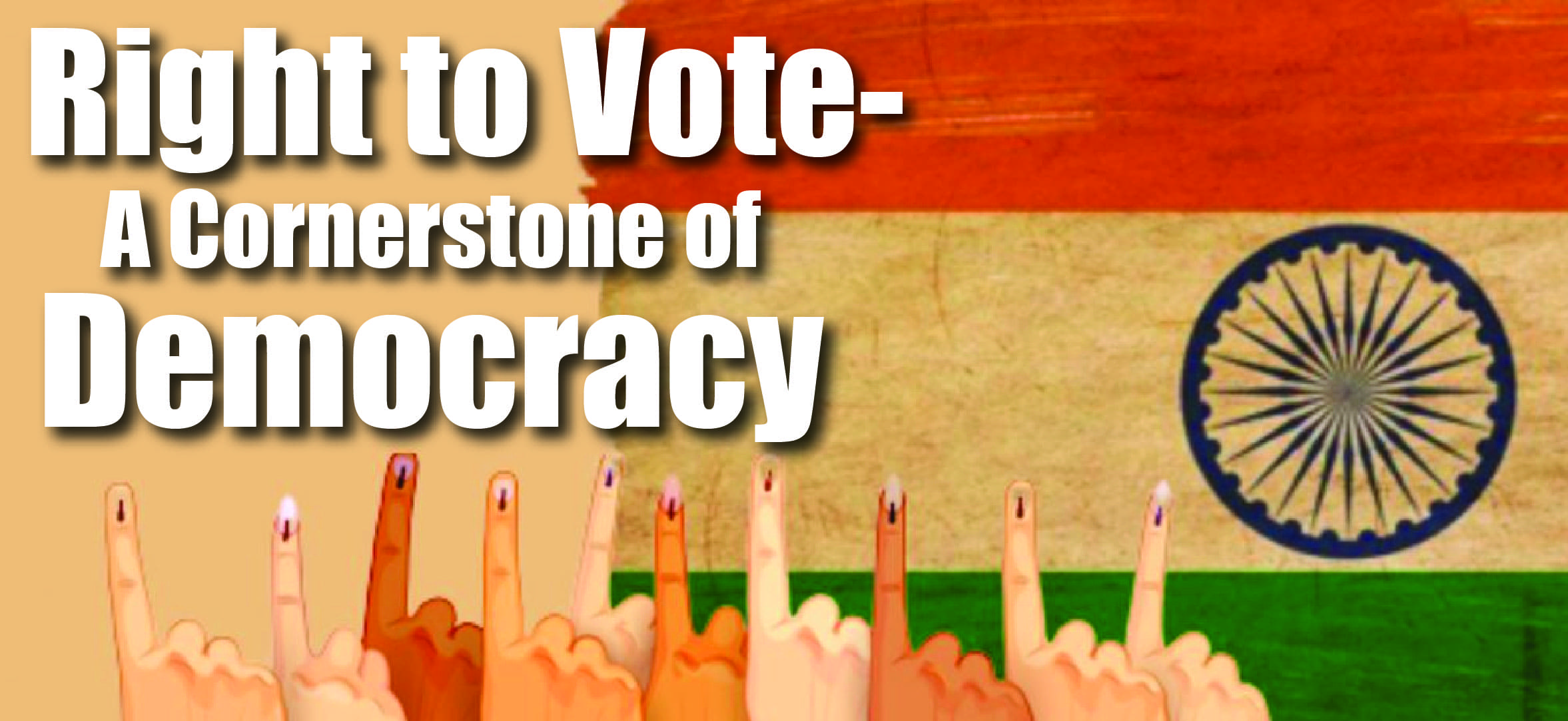
  • Right to vote
  • Right to participate in governance

💼 3. Economic Rights

Image
Image
Image
Image
  • Right to work
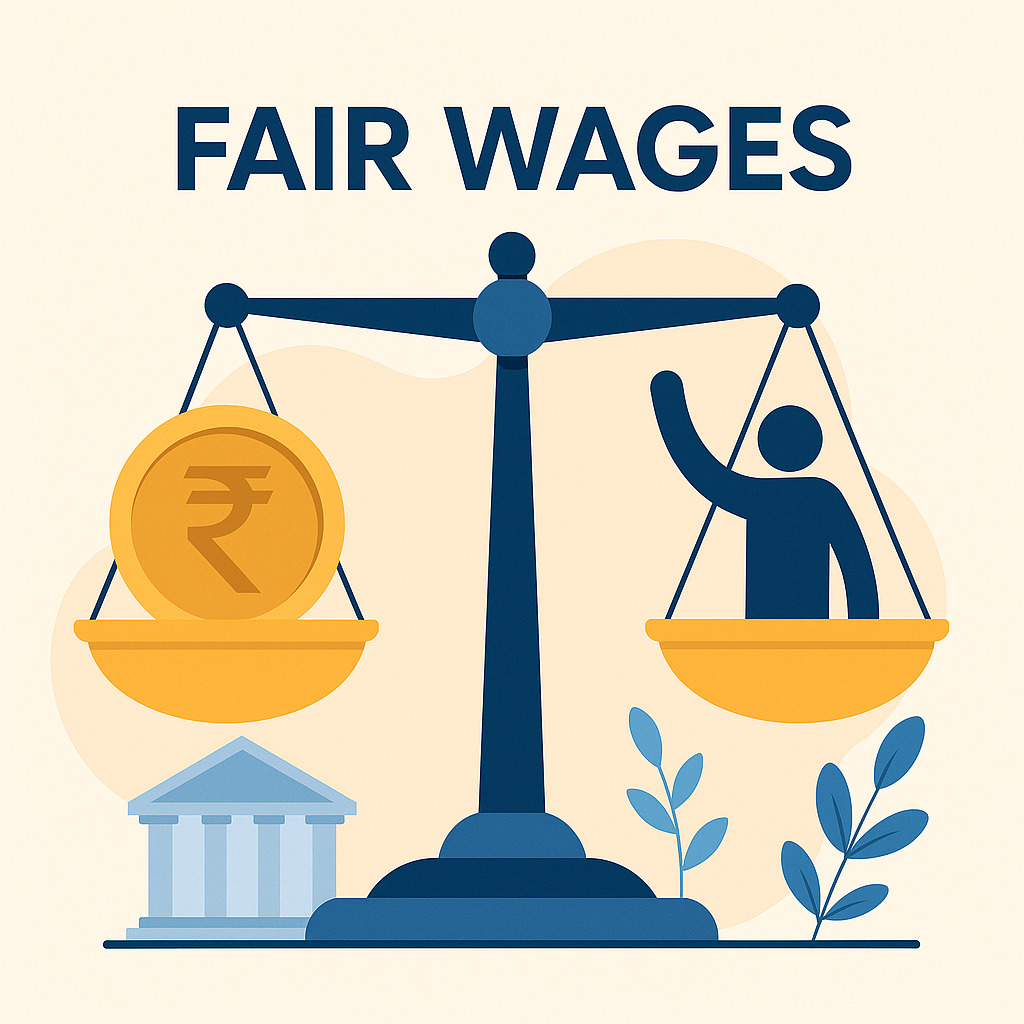
  • Fair wages

🎓 4. Social Rights

Image
Image
Image
Image
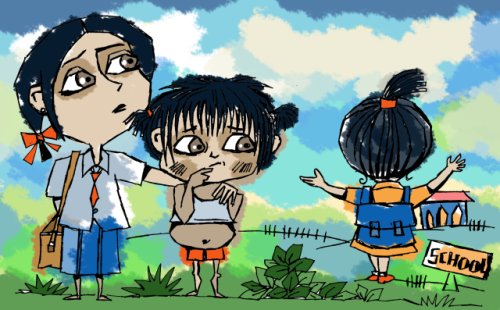
  • Right to education
  • Right to health

🌿 5. Cultural Rights
Image
Image
Image
Image
  • Right to culture
  • Freedom to practice traditions

🌟 Meaning of Duties


🔹 Definition

Duties are the responsibilities or obligations that individuals have toward society, the nation, and others.


🔹 Key Features

  • Moral and legal obligations
  • Promote social harmony
  • Ensure responsible behavior

🌿 Types of Duties


👨‍👩‍👧‍👦 1. Personal Duties

Image
Image
Image
Image
  • Self-discipline
  • Personal development

🤝 2. Social Duties
Image
Image
Image
Image
  • Helping others
  • Respecting society

🏛️ 3. National Duties

Image
Image
Image
Image
  • Respecting laws
  • Paying taxes

🌱 4. Environmental Duties

Image
Image
Image
Image
  • Protecting nature
  • Conserving resources

⚖️ Relationship Between Rights and Duties


🌟 Balance Concept

Image
Image
Image
Image
  • Rights and duties are interconnected
  • One cannot exist without the other

👉 Example:
Right to freedom → Duty to respect others’ freedom


🌍 Importance of Human Rights


🔹 1. Protect Human Dignity

🔹 2. Promote Equality

🔹 3. Ensure Freedom

🔹 4. Prevent Exploitation


🌍 Importance of Duties


🔹 1. Maintain Social Order

🔹 2. Promote Responsibility

🔹 3. Strengthen Society

🔹 4. Ensure Sustainable Development


🌱 Human Rights and Duties in Daily Life


🔹 Family

  • Respect and care

🔹 School

  • Follow rules

🔹 Workplace

  • Ethical behavior

🔹 Society

  • Civic participation

🌍 Human Rights and Duties in Constitution


  • Fundamental rights
  • Fundamental duties

🌱 Challenges


🔹 Violation of Rights

🔹 Lack of Awareness

🔹 Inequality

🔹 Neglect of Duties


🌍 Role of Education


  • Awareness of rights
  • Teaching responsibilities

🌱 Human Rights in Modern World


🔹 Digital Rights

🔹 Gender Equality

🔹 Environmental Rights


🌍 Duties in Modern World


  • Responsible digital behavior
  • Environmental protection

🌱 Practical Applications


🔹 Students

  • Respect rules

🔹 Citizens

  • Follow laws

🔹 Professionals

  • Ethical conduct

🌟 Conclusion

Human rights and duties are essential for maintaining balance, justice, and harmony in society. While rights ensure freedom and dignity, duties ensure responsibility and order. Together, they create a fair and sustainable society where individuals can thrive.

Understanding and practicing both rights and duties is crucial for building a better world based on respect, equality, and responsibility.
🏷️ Tags

Liberalism (Classical & Modern)


1. Introduction to Liberalism

Image
Image
Image
Image

Liberalism is one of the most influential political ideologies in the modern world, shaping governance, economics, and social structures across continents. At its core, liberalism emphasizes individual freedom, equality, rationality, and the protection of rights. The ideology emerged during the Enlightenment period in Europe, when thinkers began questioning absolute monarchy, feudal privileges, and religious authority.

The word “liberal” originates from the Latin liber, meaning “free.” Liberalism advocates that individuals should be free to pursue their own goals, provided they do not harm others. It supports limited government, rule of law, constitutionalism, and civil liberties.

Over time, liberalism evolved into two major strands:

  • Classical Liberalism – emphasizes minimal state intervention and economic freedom.
  • Modern Liberalism – supports a more active state role in ensuring social welfare and equality.
2. Historical Development of Liberalism

Image
Image
Image
Image

Liberalism emerged in response to historical transformations:

a) Enlightenment Roots

Thinkers such as John Locke argued that individuals possess natural rights—life, liberty, and property. Governments exist to protect these rights and derive authority from the consent of the governed.

b) Revolutions

Liberal ideas influenced major revolutions:

  • The American Revolution (1776)
  • The French Revolution (1789)

These movements promoted constitutional governance, democracy, and equality before law.

c) Industrial Revolution

The rise of capitalism strengthened classical liberal ideas like free markets and minimal regulation, but also exposed inequalities, which later inspired modern liberal reforms.


3. Core Principles of Liberalism

Image
Image
Image
Image

Liberalism rests on several foundational principles:

a) Individual Liberty

Freedom of thought, expression, religion, and association.

b) Equality

Equality before the law and equal opportunities.

c) Rule of Law

No one is above the law, including rulers.

d) Consent of the Governed

Government legitimacy comes from people’s consent.

e) Tolerance

Respect for diverse beliefs and lifestyles.

f) Limited Government

State power must be restricted to prevent tyranny.


4. Classical Liberalism

Image
Image
Image
Image

4.1 Meaning and Definition

Classical liberalism developed during the 17th and 18th centuries and emphasizes maximum individual freedom with minimal government interference.

4.2 Key Thinkers

  • John Locke – Natural rights and social contract
  • Adam Smith – Free market economy and “invisible hand”
  • Jeremy Bentham – Utilitarianism
  • J.S. Mill – Liberty and individual autonomy

4.3 Core Features

a) Negative Liberty

Freedom from interference.

b) Laissez-faire Economy

Government should not interfere in economic activities.

c) Private Property

Essential for individual freedom and economic growth.

d) Limited State

State functions limited to:

  • Defense
  • Law and order
  • Protection of property

4.4 Economic Ideas

Classical liberals believe:

  • Markets regulate themselves
  • Competition leads to efficiency
  • State intervention distorts economic outcomes

4.5 Political Ideas

  • Constitutional government
  • Representative democracy (initially limited suffrage)
  • Protection of civil liberties

4.6 Criticism of Classical Liberalism

  • Ignores social inequality
  • Leads to exploitation during industrialization
  • Weak protection for vulnerable groups

5. Modern Liberalism

Image
Image
Image
Image

5.1 Meaning and Evolution

Modern liberalism emerged in the late 19th and early 20th centuries as a response to the failures of classical liberalism, especially social and economic inequalities.

5.2 Key Thinkers

  • T.H. Green – Positive liberty
  • L.T. Hobhouse – Social liberalism
  • John Maynard Keynes – Government role in economy
  • John Rawls – Theory of justice

5.3 Core Features

a) Positive Liberty

Freedom to achieve one’s potential.

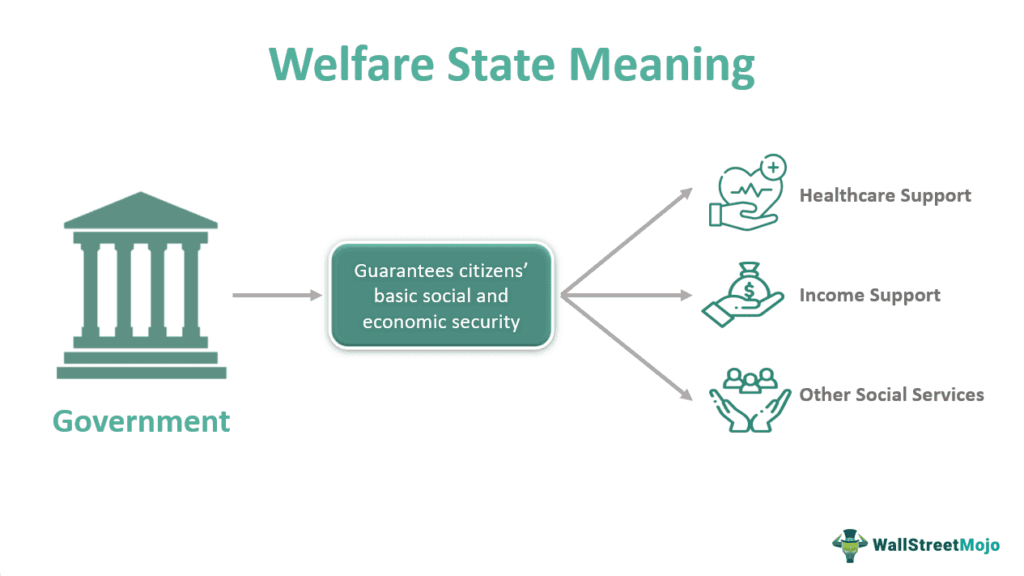
b) Welfare State

Government provides:

  • Education
  • Healthcare
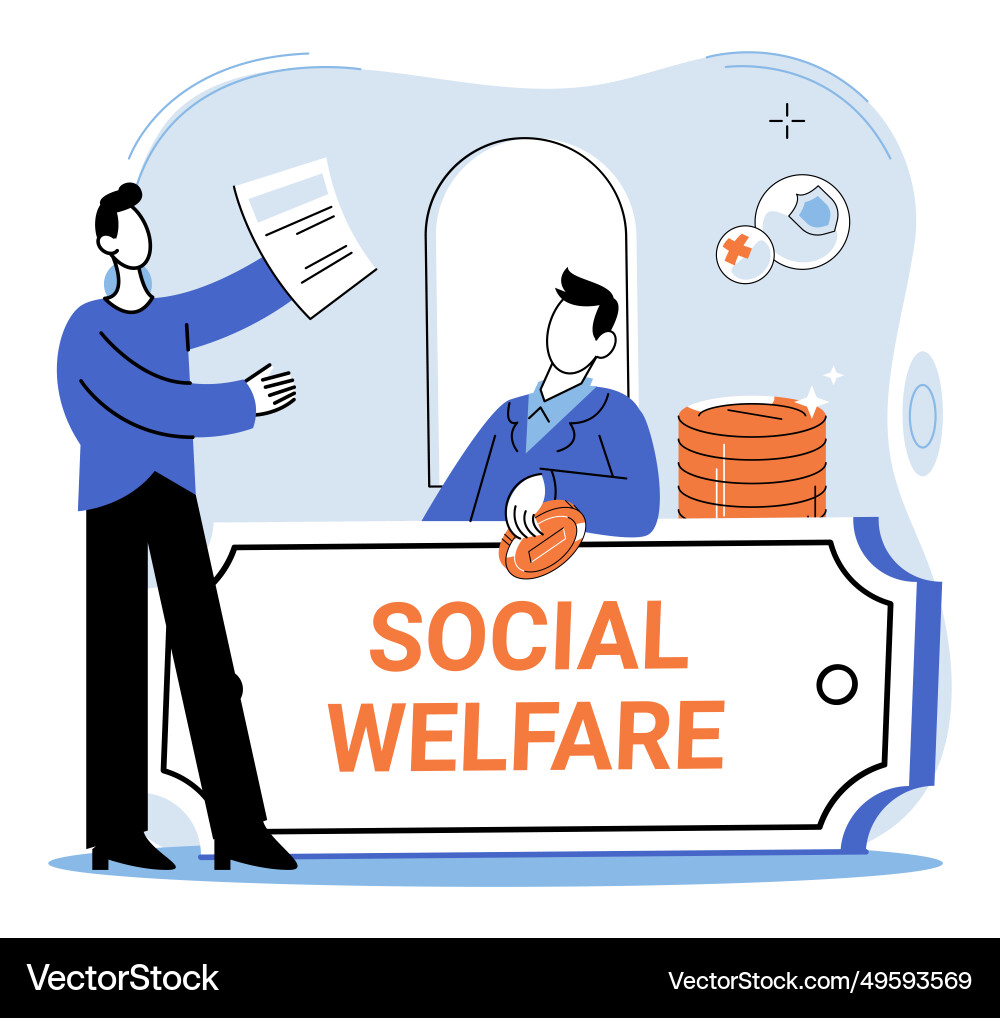
  • Social security

c) Economic Regulation

State intervenes to correct market failures.

d) Social Justice

Focus on reducing inequality.

5.4 Role of the State

Modern liberalism supports:

  • Active government
  • Redistribution of wealth
  • Protection of disadvantaged groups

5.5 Economic Ideas

  • Mixed economy
  • Regulation of industries
  • Progressive taxation

5.6 Political Ideas

  • Universal suffrage
  • Human rights protection
  • Inclusive democracy

5.7 Criticism of Modern Liberalism

  • Too much state control
  • High taxation
  • Bureaucracy and inefficiency

6. Classical vs Modern Liberalism

Image
Image
Image
Image
AspectClassical LiberalismModern Liberalism
LibertyNegative libertyPositive liberty
State RoleMinimalActive
EconomyFree marketMixed economy
EqualityLegal equalitySocial & economic equality
WelfareNot emphasizedStrongly emphasized

7. Liberalism in Practice

Image
Image
Image
Image

Liberalism has shaped modern political systems:

a) Democratic Governance

Most democracies follow liberal principles.

b) Human Rights

Universal Declaration of Human Rights reflects liberal values.

c) Economic Systems

Countries adopt varying mixes of capitalism and regulation.

d) Global Influence

Institutions like international organizations promote liberal norms.


8. Contemporary Relevance

Image
Image
Image
Image

Modern liberalism addresses new challenges:

  • Digital freedom and privacy
  • Environmental protection
  • Gender and minority rights
  • Global inequality

9. Conclusion

Liberalism remains a dynamic and evolving ideology. While classical liberalism laid the foundation for freedom and economic growth, modern liberalism expanded its scope to include social justice and welfare. Together, they form the backbone of contemporary democratic societies.

The balance between individual freedom and social responsibility continues to define debates within liberalism, making it one of the most adaptable and enduring political ideologies.


🕊️ Liberty in Political Science (Positive vs Negative Liberty – Comprehensive Explanation)


🌍 Visual Overview: Freedom and Liberty in Society

Image
Image
Image
Image

📘 1. Introduction to Liberty

Liberty is one of the most fundamental and cherished concepts in political theory, closely associated with human dignity, autonomy, and the development of personality. It lies at the heart of democratic systems and is essential for ensuring that individuals can live meaningful and fulfilling lives.
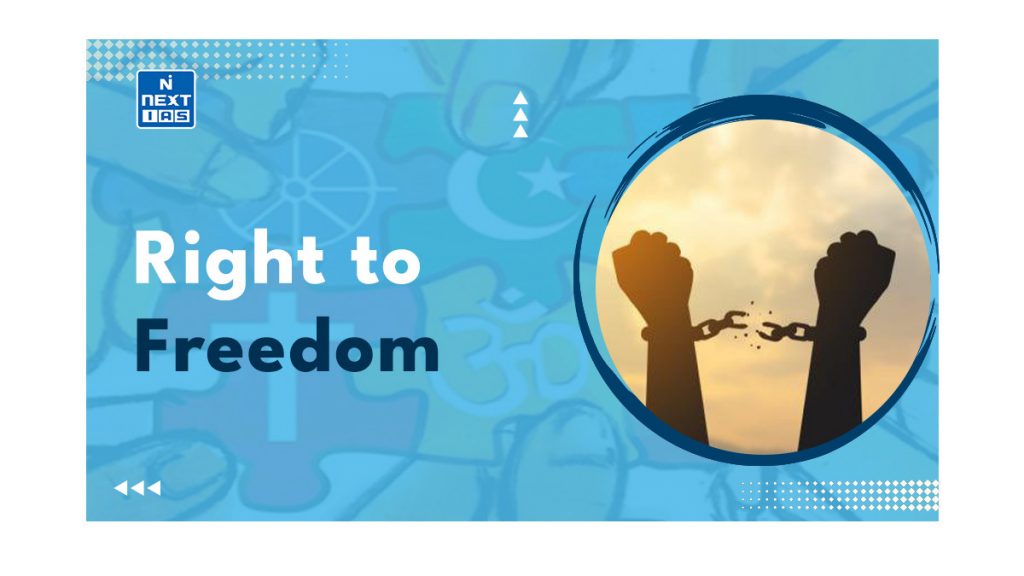
The term “liberty” is often used interchangeably with “freedom,” but in political philosophy, it has a deeper and more structured meaning. Liberty is not merely the absence of restraint; it also involves the presence of conditions that allow individuals to flourish.


🧠 2. Meaning and Definitions of Liberty

📌 Basic Meaning

Liberty refers to the freedom of individuals to act according to their will without undue interference, while also ensuring that such freedom does not harm others.


🧾 Classical Definitions

  • John Stuart Mill:
    Liberty is the freedom to act as one pleases, provided it does not harm others.
  • T.H. Green:
    Liberty is the power to do or enjoy something worth doing or enjoying.
  • Isaiah Berlin:
    Distinguished between negative liberty and positive liberty.

🔑 Key Features of Liberty

  • Absence of arbitrary restraint
  • Presence of enabling conditions
  • Linked with rights and justice
  • Balanced by law and responsibility

⚖️ 3. Types of Liberty (General Classification)

Before diving into positive vs negative liberty, it is useful to understand broader forms:

🟢 Natural Liberty

Freedom in the state of nature (unrestricted)

🔵 Civil Liberty

Freedom protected by laws

🟣 Political Liberty

Participation in governance

🔴 Economic Liberty

Freedom to earn and use resources


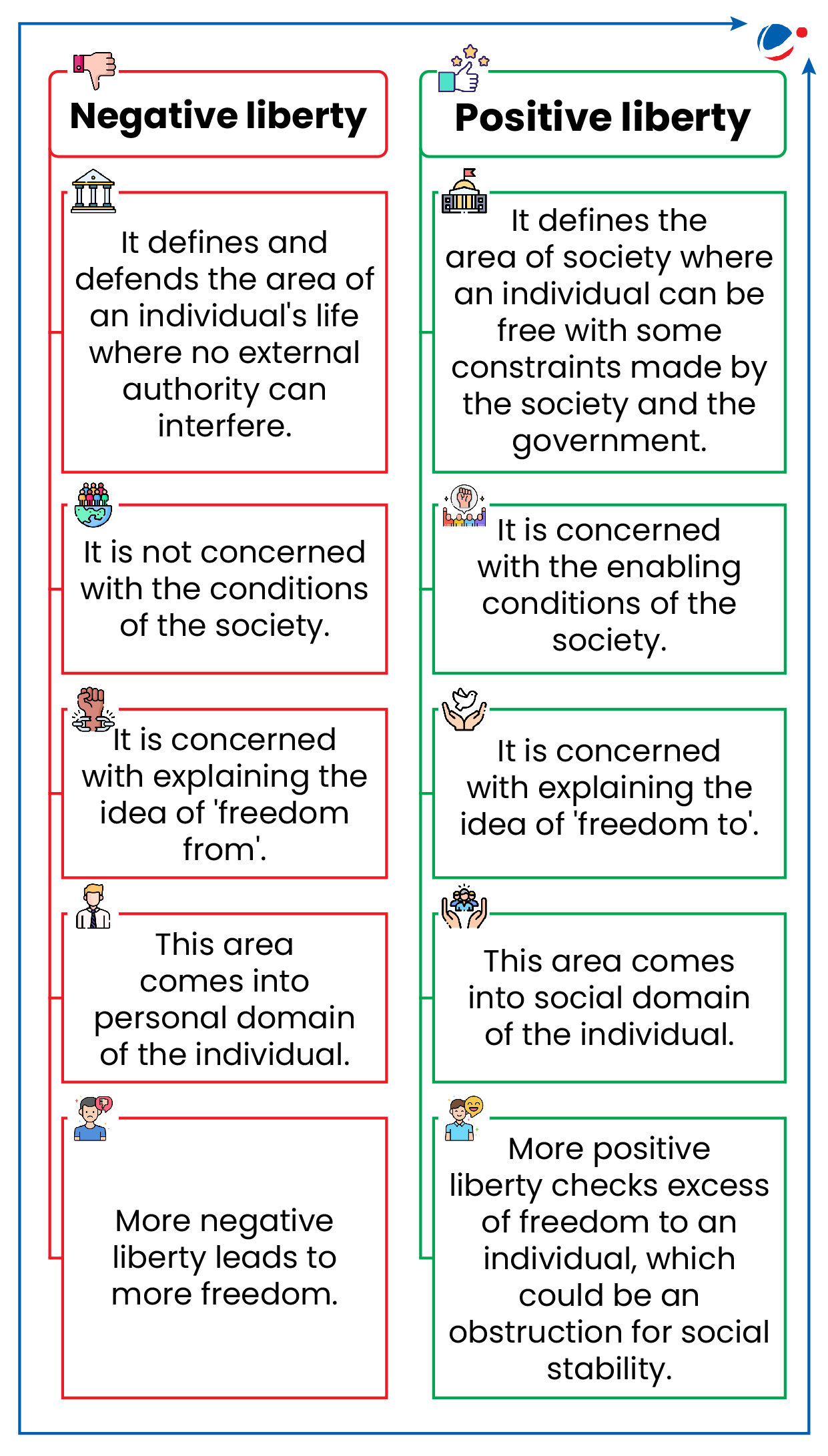
🔍 4. Negative Liberty (Freedom From)

📌 Meaning

Negative liberty refers to the absence of external interference in an individual’s actions.

👉 “Freedom from constraints”


🧠 Key Thinker: Isaiah Berlin

Image
Image
Image
Image

Berlin defined negative liberty as the area within which a person can act unobstructed by others.


🧩 Core Features of Negative Liberty

  • Absence of coercion
  • Minimal state intervention
  • Focus on individual autonomy
  • Emphasis on rights

⚙️ Philosophical Roots

  • Classical liberalism
  • Thinkers like John Locke and Adam Smith

📊 Examples

  • Freedom of speech
  • Freedom of religion
  • Freedom of movement
  • Freedom from arbitrary arrest

⚠️ Limitations of Negative Liberty

  • Ignores social inequality
  • May favor the powerful
  • Lack of support systems
  • Can lead to exploitation

🌱 5. Positive Liberty (Freedom To)

📌 Meaning

Positive liberty refers to the ability and capacity to act upon one’s free will and achieve one’s potential.

👉 “Freedom to achieve”


🧠 Key Thinker: T.H. Green

Image
Image
Image
Image

Green argued that liberty requires enabling conditions such as education, health, and opportunities.


🧩 Core Features of Positive Liberty

  • Presence of opportunities
  • Role of the state
  • Focus on welfare
  • Emphasis on development

⚙️ Philosophical Roots

  • Modern liberalism
  • Idealist philosophy
  • Welfare state theory

📊 Examples

  • Right to education
  • Right to healthcare
  • Employment opportunities
  • Social security

⚠️ Limitations of Positive Liberty

  • Risk of excessive state control
  • May justify paternalism
  • Can reduce individual autonomy

⚖️ 6. Positive vs Negative Liberty (Comparison)

Image
Image
Image
Image
AspectNegative LibertyPositive Liberty
MeaningFreedom from interferenceFreedom to develop
FocusIndividualSociety
Role of StateMinimalActive
ThinkersBerlin, LockeGreen
RiskInequalityAuthoritarianism

🔗 7. Relationship Between the Two

  • Complementary, not contradictory
  • Both necessary for a balanced society
  • Negative liberty ensures freedom from oppression
  • Positive liberty ensures capacity for growth

🏛️ 8. Liberty in Democracy

🟢 Importance:

  • Ensures individual rights
  • Promotes participation
  • Encourages diversity

⚖️ Safeguards:

  • Rule of law
  • Independent judiciary
  • Fundamental rights

🌍 9. Liberty in Modern Context

📱 Digital Liberty

  • Freedom of expression online
  • Privacy concerns

🌐 Globalization

  • Cross-border freedoms
  • Economic liberty

🧑‍🤝‍🧑 Social Justice

  • Equality and inclusion
  • Minority rights

⚠️ 10. Challenges to Liberty

  • Authoritarian governments
  • Surveillance and data control
  • Economic inequality
  • Social discrimination

🧠 11. Importance of Liberty

  • Human development
  • Innovation and creativity
  • Political participation
  • Social harmony

🧾 12. Conclusion

Liberty is not a single-dimensional concept but a complex and evolving idea. The distinction between negative liberty (freedom from) and positive liberty (freedom to) helps us understand different approaches to freedom.

While negative liberty protects individuals from interference, positive liberty empowers them to achieve their potential. A just and democratic society must balance both to ensure true freedom.


Equality and Human Rights

🌿 Introduction

Image
Image
Image
Image

Equality and human rights are fundamental principles that uphold dignity, fairness, and justice in society. They ensure that every individual, regardless of background, identity, or circumstances, is treated with respect and has access to opportunities and freedoms. These values form the cornerstone of democratic societies and are essential for peace, development, and human well-being.

Equality refers to the state of being equal in rights, opportunities, and treatment. Human rights are the basic rights and freedoms that belong to every person simply because they are human. Together, these concepts aim to create a world where discrimination is eliminated, and everyone can live with dignity and freedom.

In today’s globalized world, where diversity is vast and inequalities persist, understanding and promoting equality and human rights is more important than ever.


🌱 Meaning and Definitions

🔹 Equality

Equality is:

  • The state of being equal in status, rights, and opportunities
  • Ensuring fairness and non-discrimination
  • Providing equal access to resources and opportunities

Examples:

  • Equal pay for equal work
  • Equal access to education
  • Non-discriminatory laws

🔹 Human Rights

Human rights are:

  • Fundamental rights inherent to all human beings
  • Universal, inalienable, and indivisible
  • Protected by laws and international agreements

Examples:

  • Right to life
  • Freedom of speech
  • Right to education

🔹 Key Differences

AspectEqualityHuman Rights
NaturePrinciple of fairnessLegal and moral rights
FocusEqual treatmentBasic freedoms
ExampleEqual opportunitiesRight to freedom

🧠 Philosophical Foundations

Image
Image
Image
Image

🔸 Natural Rights Theory

  • Thinkers like John Locke argued that all humans are born with natural rights
  • Rights include life, liberty, and property

🔸 Social Contract

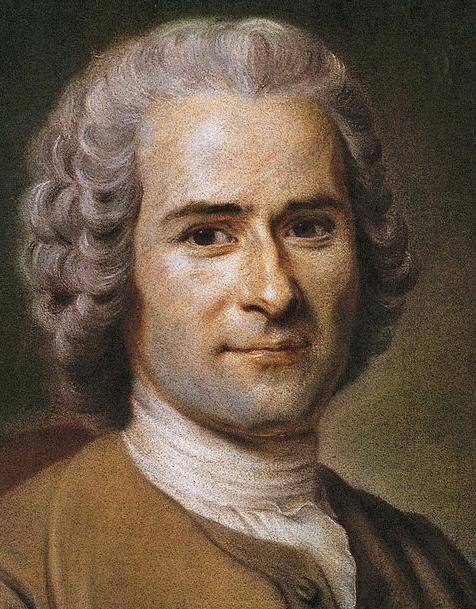
  • Jean-Jacques Rousseau emphasized equality in society
  • Governments should protect citizens’ rights

🔸 Marxist Perspective

  • Karl Marx focused on economic equality
  • Critiqued social and class inequalities

🔸 Eastern Philosophy

  • Buddhism promotes equality and compassion
  • Emphasizes dignity of all beings

🧾 Historical Development

Image
Image
Image
Image

🔹 Early Developments

  • Ancient laws recognized basic rights
  • Concepts evolved over centuries

🔹 Major Milestones

  • Magna Carta (1215): Limited royal power
  • French Revolution (1789): Promoted liberty and equality
  • Universal Declaration of Human Rights (1948): Global recognition of rights

🔹 Modern Era

  • Growth of human rights movements
  • Expansion of rights to marginalized groups

🌍 Types of Human Rights

Image
Image
Image
Image

🔹 Civil and Political Rights

  • Right to life
  • Freedom of speech
  • Right to vote

🔹 Economic, Social, and Cultural Rights

  • Right to education
  • Right to work
  • Right to health

🔹 Collective Rights

  • Right to development
  • Environmental rights
  • Cultural rights

🏛️ Legal and Institutional Framework

Image
Image
Image
Image

🔹 International Organizations

  • United Nations promotes and protects human rights globally

🔹 Legal Instruments

  • Universal Declaration of Human Rights
  • International treaties and conventions

🔹 National Laws

  • Constitutions guarantee fundamental rights
  • Legal systems enforce equality

🏠 Role in Personal Life

🌟 Dignity and Respect

  • Ensures individuals are treated fairly

🌟 Freedom

  • Enables individuals to express themselves

🌟 Opportunities

  • Equal access to education and employment

🌍 Social Importance

Image
Image
Image
Image

🔹 Social Justice

  • Reduces inequality and discrimination

🔹 Inclusivity

  • Promotes acceptance of diversity

🔹 Peace and Stability

  • Prevents conflicts and promotes harmony

🏫 Importance in Education

📘 Equal Access

  • Education for all regardless of background

📘 Awareness

  • Teaching human rights values

📘 Empowerment

  • Enables individuals to claim their rights

💼 Workplace Relevance

Image
Image
Image
Image

🔹 Equal Opportunities

  • Fair hiring and promotion

🔹 Non-Discrimination

  • Respect for diversity

🔹 Safe Environment

  • Protection from harassment

⚖️ Ethical Dimensions

🔸 Justice

  • Fair treatment for all

🔸 Respect

  • Valuing human dignity

🔸 Responsibility

  • Protecting others’ rights

🧩 Challenges to Equality and Human Rights

Image
Image
Image
Image

🔹 Discrimination

  • Based on race, gender, religion, etc.

🔹 Poverty

  • Limits access to basic rights

🔹 Political Issues

  • Weak enforcement of laws

🔹 Cultural Barriers

  • Traditional practices limiting equality

🌟 Benefits of Equality and Human Rights

✅ Personal Benefits

  • Freedom and dignity
  • Equal opportunities

✅ Social Benefits

  • Inclusive and harmonious society

✅ Economic Benefits

  • Better utilization of human potential

🛠️ Ways to Promote Equality and Human Rights

Image
Image
Image
Image

🔹 Education

  • Raising awareness about rights

🔹 Legal Action

  • Enforcing laws

🔹 Advocacy

  • Supporting social movements

🔹 Community Participation

  • Promoting inclusivity

📱 Equality in the Digital Age

Image
Image
Image
Image

🔹 Digital Rights

  • Right to privacy and access

🔹 Online Activism

  • Promoting equality through platforms

🔹 Challenges

  • Digital divide and cyber discrimination

🧭 Real-Life Examples

🔹 Social Movements

  • Civil rights movements
  • Gender equality campaigns

🔹 Legal Reforms

  • Laws promoting equality

🔹 Global Efforts

  • International cooperation for rights protection

📊 Comparison with Related Values

ValueRelation
JusticeEnsures fairness
FreedomCore human right
DignityBasis of rights
EquityFair distribution

🧾 Conclusion

Equality and human rights are fundamental principles that ensure dignity, fairness, and justice for all individuals. They form the foundation of peaceful and progressive societies, enabling people to live with freedom and respect. While significant progress has been made, challenges remain, making it essential to continue promoting and protecting these values.

By understanding and upholding equality and human rights, individuals can contribute to a more just, inclusive, and harmonious world. These values are not just ideals—they are essential for the well-being and advancement of humanity.


🏷️ Tags