


Introduction
Resistance is a fundamental concept in electricity and electronics that describes the opposition offered by a material to the flow of electric current. When electric current flows through a conductor, the movement of electrons is hindered by collisions with atoms and impurities in the material. This opposition to current flow is called electrical resistance.
A resistor is an electronic component specifically designed to provide a precise amount of resistance in a circuit. Resistors are widely used in electronic circuits to control current, divide voltage, protect sensitive components, and regulate electrical signals.
Resistance and resistors are essential in electrical engineering and electronics because they allow the control and manipulation of electric current in circuits. Without resistors, electrical devices could experience excessive current flow, potentially causing damage to components.
Resistance is measured in the SI unit called the ohm (Ω). The concept of resistance is closely related to Ohm’s Law, which describes the relationship between voltage, current, and resistance in an electrical circuit.
Resistors are among the most commonly used electronic components and are found in nearly every electrical and electronic device, including:
- Computers and smartphones
- Power supplies
- Amplifiers
- Lighting systems
- Communication devices
Understanding resistance and resistors is crucial for designing and analyzing electrical circuits.
Electrical Resistance


Electrical resistance is defined as the opposition offered by a conductor to the flow of electric current.
When voltage is applied across a conductor, electrons begin to move. However, they collide with atoms in the conductor, which slows their motion and creates resistance.
Definition
Resistance is the ratio of voltage applied across a conductor to the current flowing through it.
Mathematical Expression
[
R = \frac{V}{I}
]
Where:
- (R) = resistance
- (V) = voltage
- (I) = current
Unit of Resistance
The SI unit of resistance is the ohm (Ω).
[
1 , \Omega = 1 , \frac{Volt}{Ampere}
]
This means that if one volt produces one ampere of current, the resistance is one ohm.
Factors Affecting Resistance
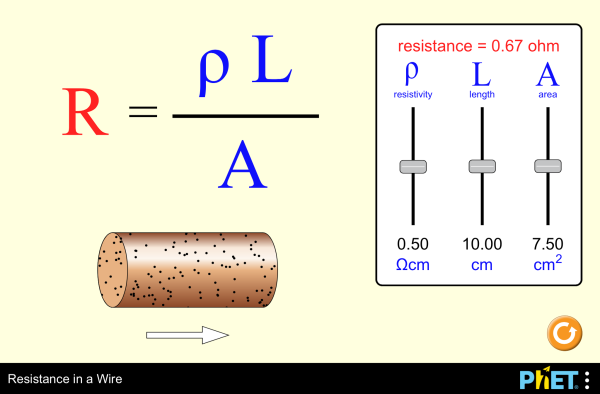


The resistance of a conductor depends on several factors.
Length of the Conductor
Resistance increases with the length of the conductor.
[
R \propto L
]
A longer conductor causes more electron collisions.
Cross-Sectional Area
Resistance decreases with increasing cross-sectional area.
[
R \propto \frac{1}{A}
]
Thicker wires allow electrons to move more easily.
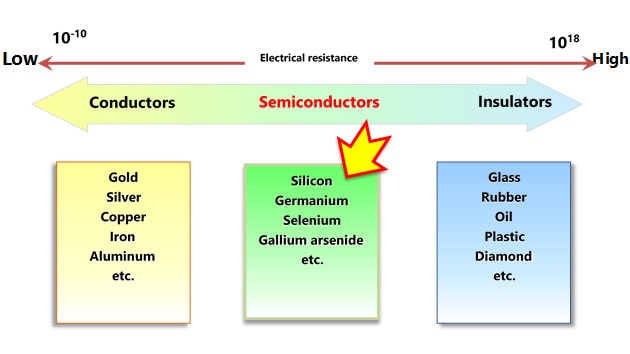
Nature of Material
Different materials have different electrical resistivities.
Examples:
- Copper – low resistance
- Silver – very low resistance
- Rubber – very high resistance
Temperature
Temperature affects resistance significantly.
In metals:
- Resistance increases with temperature.
In semiconductors:
- Resistance decreases with temperature.
Resistivity

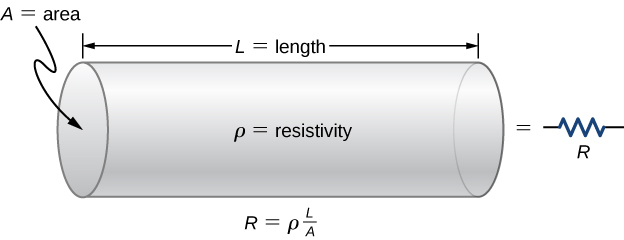

Resistivity is a property that measures how strongly a material opposes electric current.
Formula
[
R = \rho \frac{L}{A}
]
Where:
- (R) = resistance
- (ρ) = resistivity
- (L) = length of conductor
- (A) = cross-sectional area
Unit of Resistivity
[
\Omega \cdot m
]
Materials with low resistivity are good conductors, while those with high resistivity are insulators.
Types of Resistors


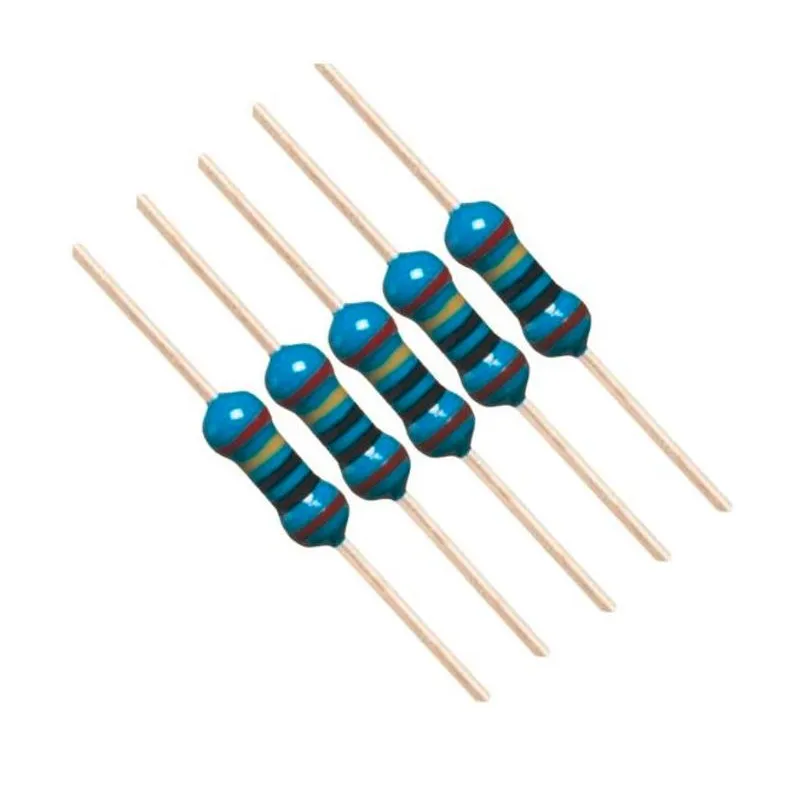

Resistors are classified based on their construction and function.
Fixed Resistors
Fixed resistors have a constant resistance value.
Common types include:
- Carbon composition resistors
- Carbon film resistors
- Metal film resistors
- Wire-wound resistors
These resistors are widely used in electronic circuits.
Variable Resistors
Variable resistors allow resistance to be adjusted.
Examples include:
- Potentiometers
- Rheostats
- Trimmers
These are used in volume controls, tuning circuits, and adjustable devices.
Special Resistors
Some resistors respond to environmental conditions.
Examples:
- Thermistors – resistance changes with temperature
- Photoresistors – resistance changes with light
- Varistors – resistance changes with voltage
Color Coding of Resistors

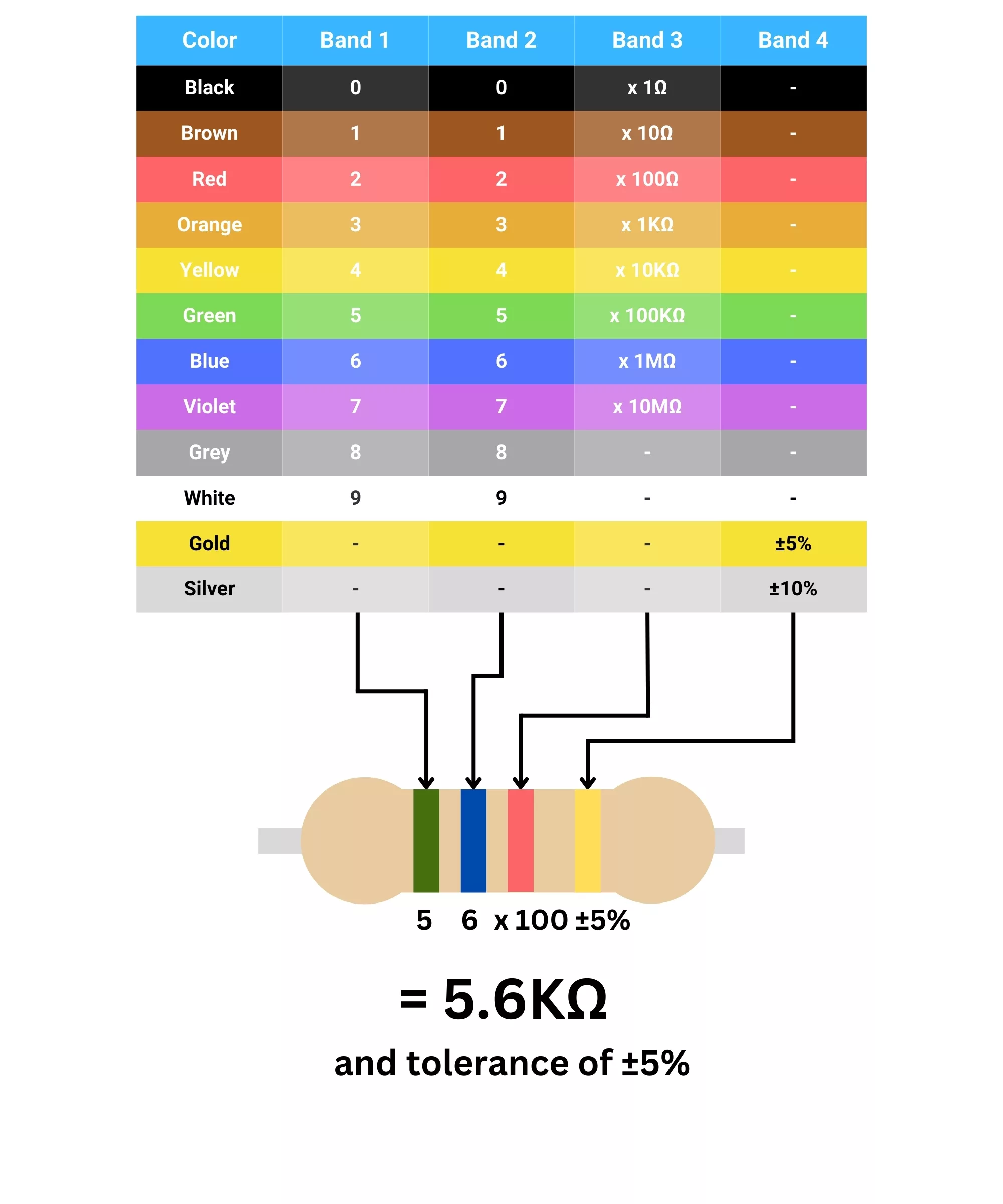
Resistors are often marked using color bands to indicate their resistance value.
Each color represents a number.
Example:
| Color | Value |
|---|---|
| Black | 0 |
| Brown | 1 |
| Red | 2 |
| Orange | 3 |
| Yellow | 4 |
| Green | 5 |
| Blue | 6 |
| Violet | 7 |
| Grey | 8 |
| White | 9 |
The bands indicate:
- First digit
- Second digit
- Multiplier
- Tolerance
This system allows quick identification of resistor values.
Combination of Resistors


Resistors can be connected in different configurations.
Series Combination
In series circuits:
- Current is the same through each resistor.
Total resistance:
[
R_{total} = R_1 + R_2 + R_3
]
Parallel Combination
In parallel circuits:
- Voltage across each resistor is the same.
Total resistance:
[
\frac{1}{R_{total}} = \frac{1}{R_1} + \frac{1}{R_2}
]
Parallel circuits reduce total resistance.
Power Dissipation in Resistors


Resistors convert electrical energy into heat.
Power Formula
[
P = VI
]
Using Ohm’s Law:
[
P = I^2 R
]
[
P = \frac{V^2}{R}
]
Resistors are designed with specific power ratings to prevent overheating.
Applications of Resistors


Resistors are used in many applications.
Current Limiting
Resistors limit current to protect components such as LEDs.
Voltage Division
Voltage divider circuits use resistors to obtain specific voltage levels.
Signal Conditioning
Resistors adjust signal levels in electronic circuits.
Biasing Transistors
Resistors control transistor operating points.
Temperature Sensors
Thermistors measure temperature in electronic devices.
Importance of Resistance in Electrical Systems
Resistance plays a critical role in electrical engineering.
It helps:
- Control current flow
- Protect electrical components
- Convert electrical energy into heat
- Stabilize electronic circuits
Resistance also determines how efficiently electricity can be transmitted through power lines.
Superconductivity and Zero Resistance
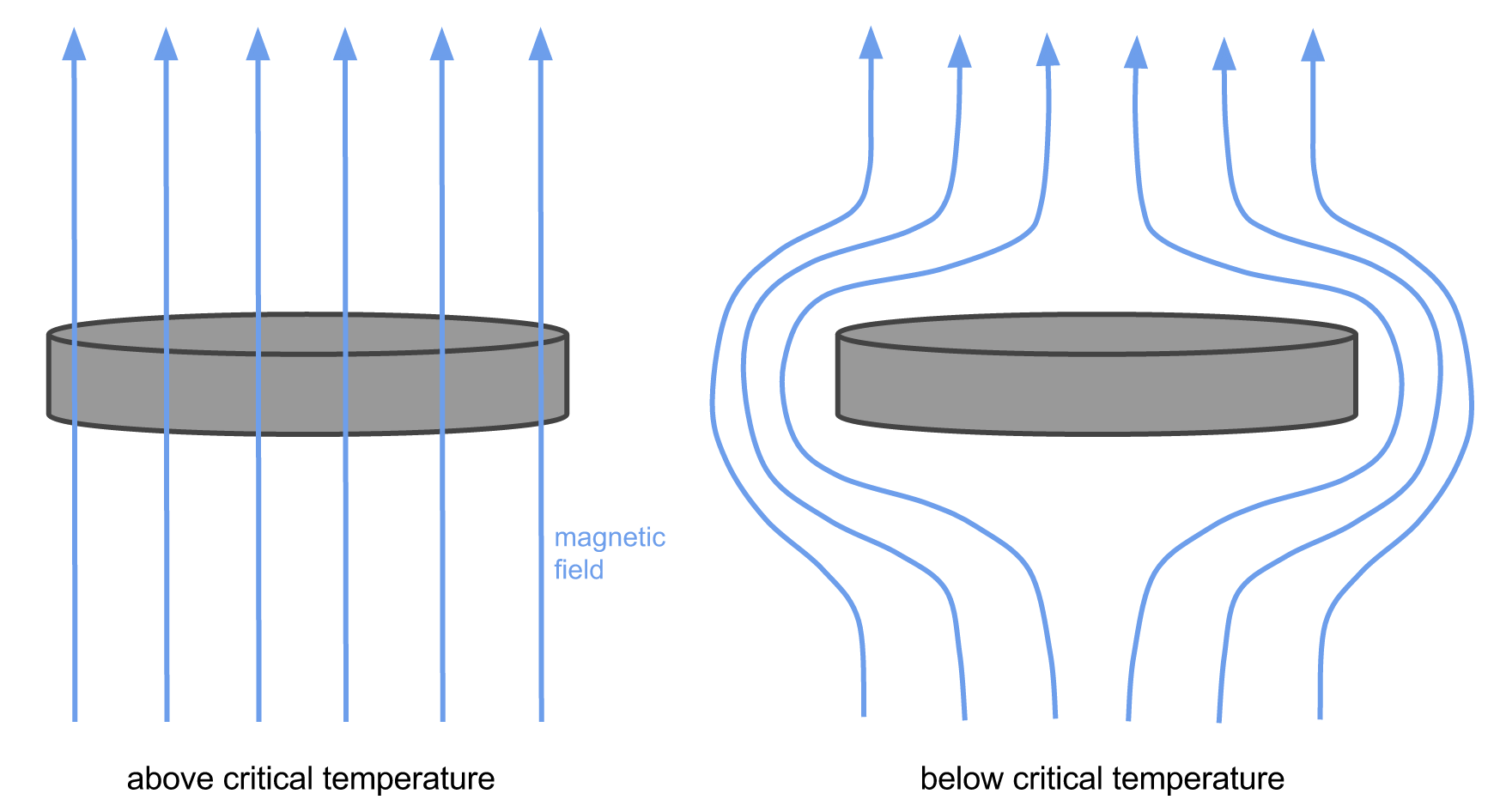
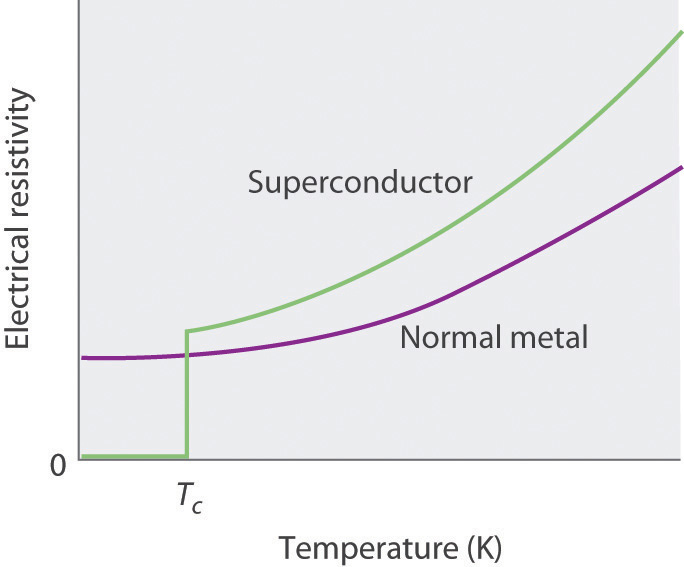


At extremely low temperatures, some materials exhibit superconductivity, a state where resistance becomes zero.
Characteristics include:
- Zero electrical resistance
- Perfect diamagnetism
- Persistent current flow
Superconductors are used in:
- MRI machines
- Particle accelerators
- Magnetic levitation trains
Conclusion
Resistance and resistors are essential concepts in electricity and electronics. Resistance represents the opposition to the flow of electric current, while resistors are components designed to control this flow in electrical circuits.
The value of resistance depends on factors such as material, length, cross-sectional area, and temperature. Resistors play a crucial role in regulating current, dividing voltage, protecting components, and controlling signals in electronic systems.
From simple household devices to complex electronic circuits and power systems, resistors are indispensable components that ensure safe and efficient operation of electrical systems.