




📘 Introduction to Wildlife Protection Acts
Wildlife Protection Acts are legal frameworks enacted by governments to conserve wildlife, protect habitats, regulate hunting, and control illegal trade of flora and fauna. These laws are essential tools in safeguarding biodiversity and maintaining ecological balance.
With increasing threats such as:
- Habitat destruction
- Poaching
- Climate change
- Illegal wildlife trade
wildlife protection laws have become critical for ensuring the survival of species across the globe.
In India, the most significant legislation is the Wildlife Protection Act, 1972, which serves as the cornerstone of wildlife conservation efforts.
🌱 Concept and Objectives of Wildlife Protection Laws
Wildlife protection laws aim to regulate human interaction with nature to prevent exploitation and ensure sustainability.
🎯 Major Objectives:
- Protection of Wildlife Species – Safeguarding animals and plants from extinction
- Habitat Conservation – Preserving forests, wetlands, and ecosystems
- Control of Hunting and Poaching – Restricting illegal killing of animals
- Regulation of Trade – Preventing illegal trade of wildlife products
- Promotion of Conservation Awareness – Educating society
🇮🇳 Wildlife Protection Act, 1972 (India)


📖 Overview
The Wildlife Protection Act, 1972 is a comprehensive legislation enacted by the Government of India to protect wildlife and their habitats.
It applies to:
- Entire India (with certain historical exceptions)
- Both terrestrial and aquatic species
🧾 Key Features of the Act
1. Prohibition of Hunting
- Hunting of wild animals is strictly prohibited
- Exceptions allowed only under special circumstances (e.g., self-defense)
2. Protected Areas
The Act provides for the creation of:
- National Parks
- Wildlife Sanctuaries
- Conservation Reserves
- Community Reserves
3. Classification into Schedules
Species are categorized into six schedules, offering varying degrees of protection:
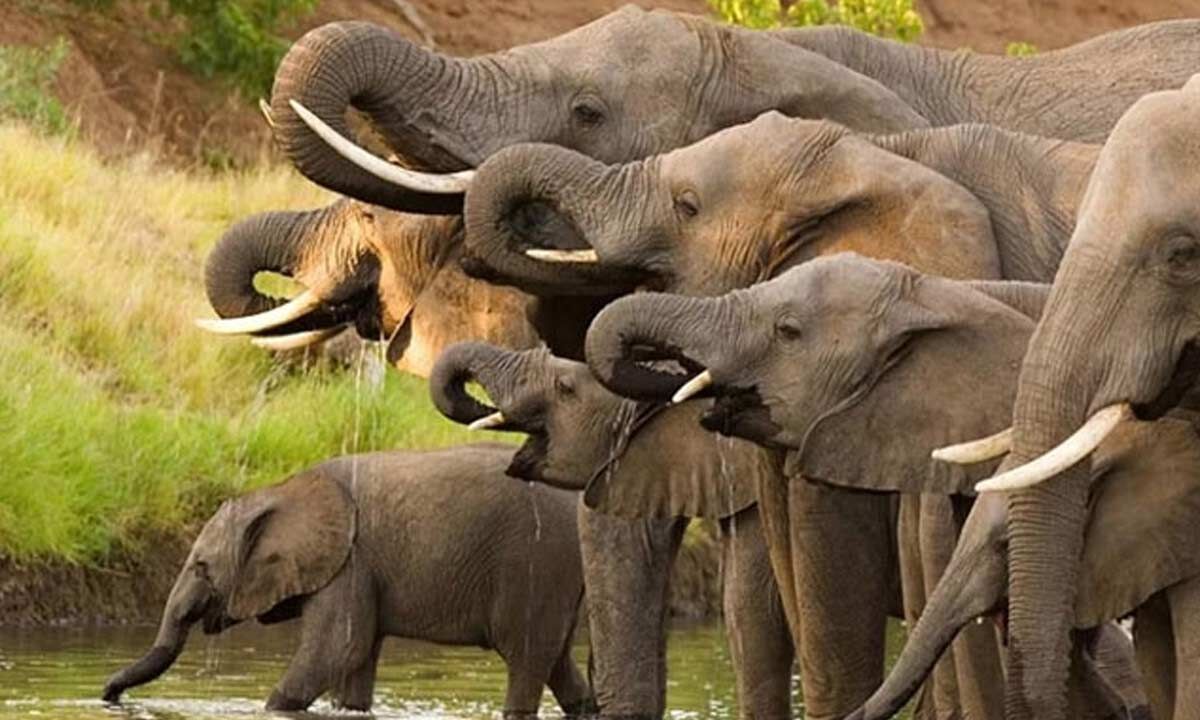
- Schedule I & II → Highest protection (e.g., tiger, elephant)
- Schedule III & IV → Protected but with lesser penalties
- Schedule V → Vermin species
- Schedule VI → Protected plants
4. Regulation of Trade
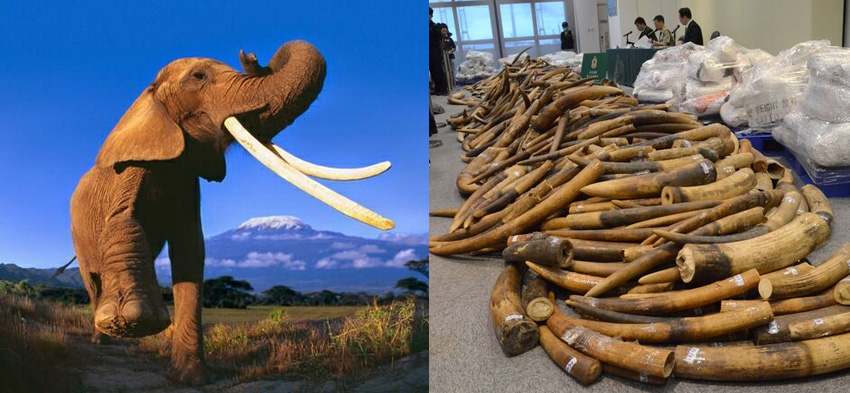
- Ban on trade of wildlife products
- Strict control over possession and transport
5. Penalties and Punishments
- Heavy fines
- Imprisonment for violations
🐅 Amendments to the Act
The Act has been amended multiple times to strengthen conservation:
🔄 1991 Amendment
- Complete ban on hunting
- Protection for plants
🔄 2002 Amendment
- Introduction of Conservation and Community Reserves
🔄 2006 Amendment
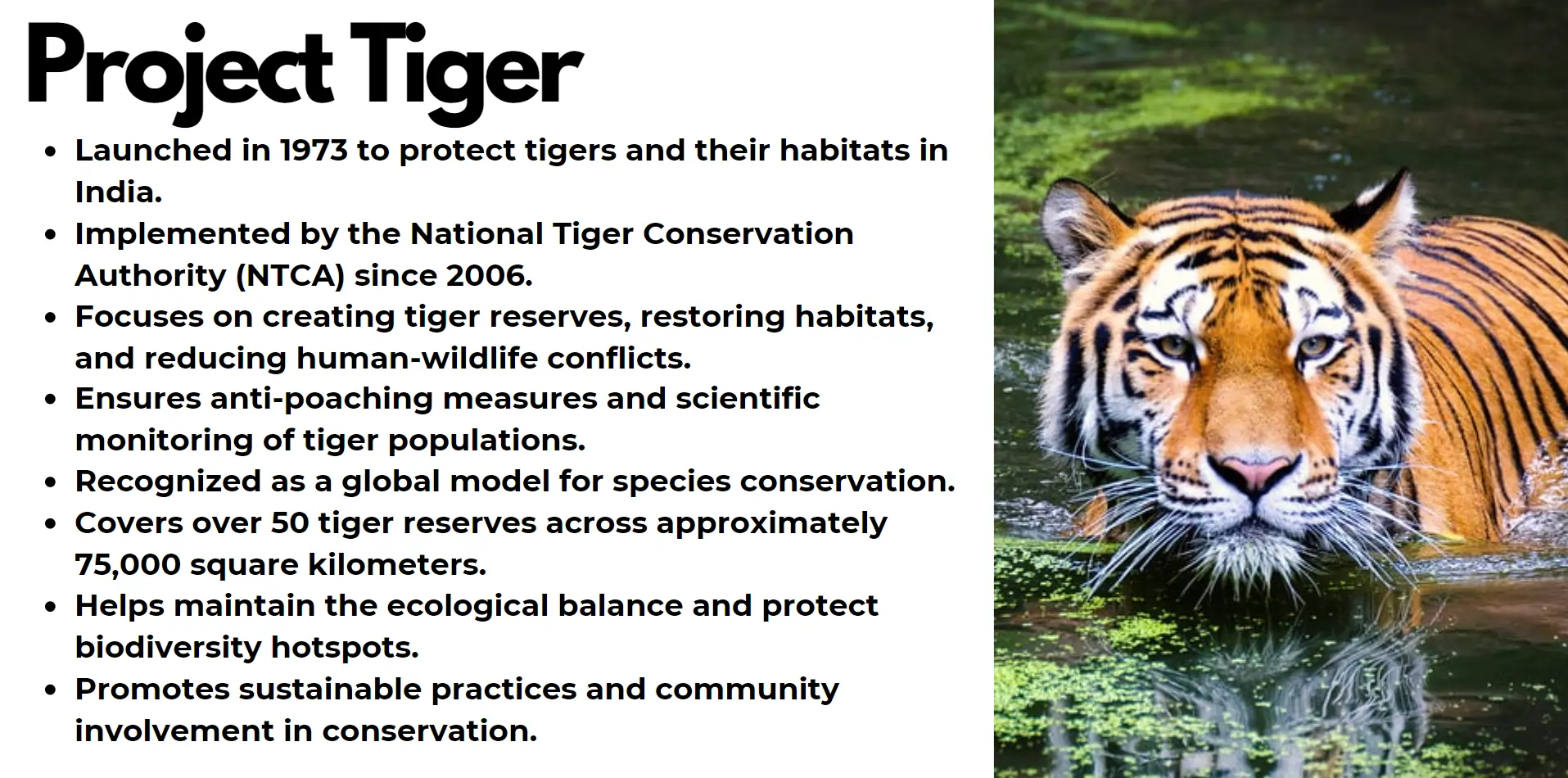
- Establishment of National Tiger Conservation Authority (NTCA)
- Launch of Wildlife Crime Control Bureau (WCCB)
🔄 Recent Updates
- Increased penalties
- Stronger enforcement mechanisms
🐾 Role in Conservation Programs
The Act supports major initiatives like:
- Project Tiger
- Project Elephant
- Crocodile Conservation Project
🌍 International Wildlife Protection Laws

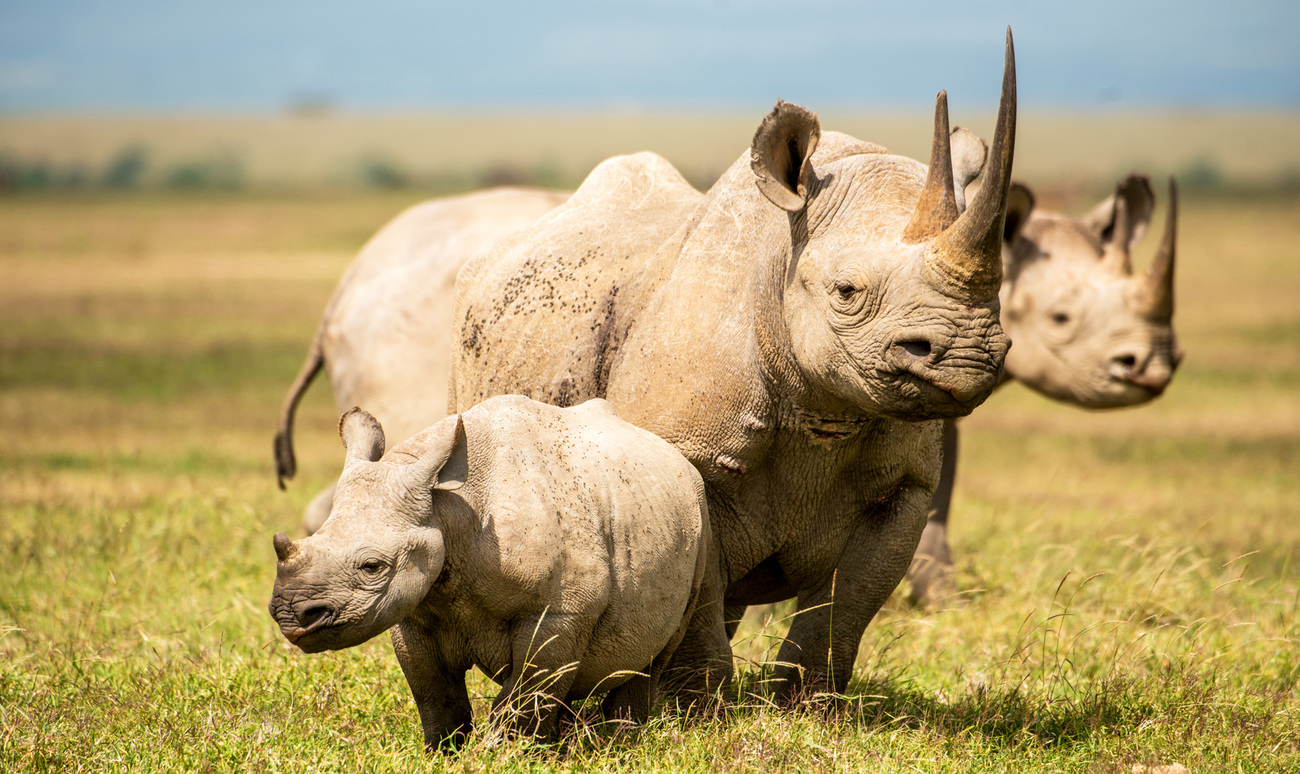

Wildlife conservation is a global concern, and several international agreements complement national laws.
🌐 1. CITES (1973)
Convention on International Trade in Endangered Species
Key Features:
- Regulates international trade of endangered species
- Species listed in Appendices I, II, III
- Prevents over-exploitation
🌐 2. Convention on Biological Diversity (CBD), 1992
Objectives:
- Conservation of biodiversity
- Sustainable use of resources
- Fair sharing of benefits
🌐 3. Ramsar Convention (1971)
- Focuses on wetland conservation
- Protects aquatic ecosystems
🌐 4. CMS (Bonn Convention)
- Protects migratory species
- Encourages international cooperation
⚖️ Key Provisions of Wildlife Laws
1. Protected Areas
- Legal designation of conservation zones
2. Species Protection
- Categorization based on risk
3. Anti-Poaching Measures
- Patrols
- Surveillance
4. Trade Regulation
- Ban on illegal wildlife trade
5. Enforcement Agencies
- Forest departments
- Wildlife authorities
🐘 Importance of Wildlife Protection Acts

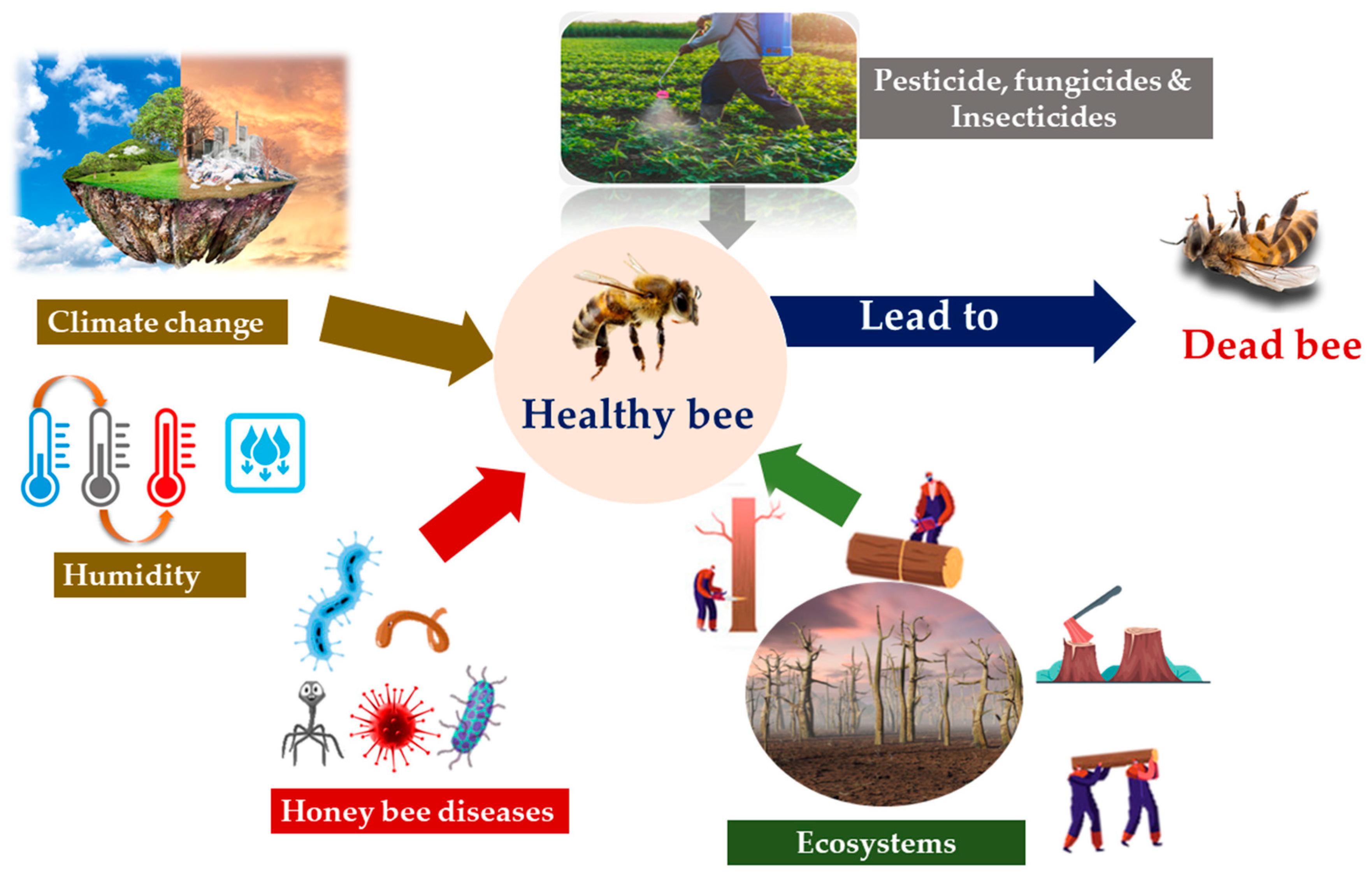

1. Conservation of Biodiversity
Protects diverse species and ecosystems.
2. Prevention of Extinction
Ensures survival of endangered species.
3. Ecological Balance
Maintains food chains and ecosystem stability.
4. Economic Benefits
Supports tourism and livelihoods.
5. Ethical Responsibility
Promotes humane treatment of animals.
⚠️ Challenges in Implementation
1. Poaching and Illegal Trade
- High demand for wildlife products
2. Habitat Loss
- Deforestation
- Urbanization
3. Human-Wildlife Conflict
- Crop damage
- Animal attacks
4. Lack of Awareness
- Limited public participation
5. Enforcement Issues
- Insufficient manpower
- Corruption
🔬 Conservation Strategies Under Wildlife Laws




1. Habitat Restoration
- Reforestation
- Wetland conservation
2. Wildlife Corridors
- Connecting fragmented habitats
3. Technology Use
- Drones
- GPS tracking
4. Community Participation
- Eco-development programs
5. Strict Enforcement
- Surveillance and monitoring
🇮🇳 Role of Government and Institutions
Key Bodies:
- Ministry of Environment, Forest and Climate Change (MoEFCC)
- National Tiger Conservation Authority
- Wildlife Crime Control Bureau
These organizations:
- Implement laws
- Monitor wildlife
- Conduct research
🌏 Global Importance of Wildlife Protection Acts
Wildlife laws contribute to:
- Global biodiversity conservation
- Climate change mitigation
- Sustainable development
They help achieve international goals like:
- Sustainable Development Goals (SDGs)
📚 Advantages of Wildlife Protection Acts
- Legal framework for conservation
- Prevents illegal exploitation
- Supports ecosystem protection
- Encourages global cooperation
❌ Limitations of Wildlife Protection Acts
- Implementation gaps
- Limited resources
- Conflicts with development projects
- Lack of community involvement
🔮 Future of Wildlife Protection Laws
Future improvements include:
- Stronger enforcement
- Use of advanced technology
- International collaboration
- Increased public awareness
Emerging trends:
- Climate-adaptive policies
- Digital monitoring systems
🧾 Conclusion
Wildlife Protection Acts are essential tools in safeguarding biodiversity and ensuring ecological balance. The Wildlife Protection Act, 1972 (India) stands as a powerful legal framework that has significantly contributed to conservation efforts.
However, effective implementation, public participation, and global cooperation are crucial for the success of these laws. Protecting wildlife is not just a legal responsibility—it is a necessity for sustaining life on Earth.