
Natural resources are the foundation of human survival and economic development. They are materials and substances that occur naturally in the environment and can be used for economic gain or to support life. Understanding how natural resources are classified helps in their effective management, conservation, and sustainable utilization.
🌿 Introduction to Natural Resources


🌱 Definition
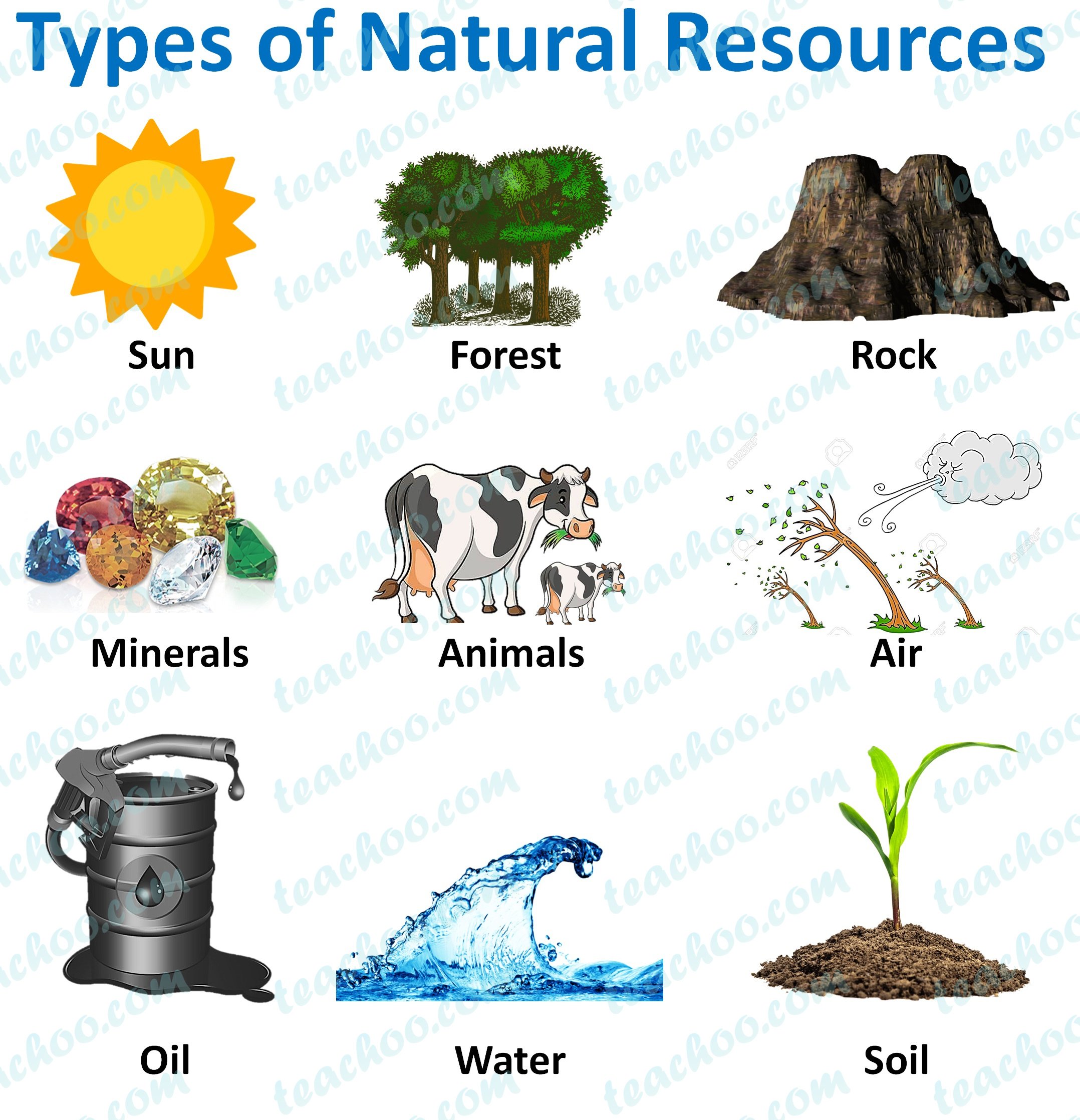
Natural resources are substances that occur in nature and can be used by humans for survival, development, and economic activities. These include air, water, soil, minerals, forests, wildlife, and energy sources.
🌍 Importance of Natural Resources
- Support life on Earth
- Provide raw materials for industries
- Generate energy
- Maintain ecological balance
- Contribute to economic growth
🔍 Basis of Classification of Natural Resources
Natural resources can be classified based on several criteria:
- Origin (Biotic and Abiotic)
- Exhaustibility (Renewable and Non-renewable)
- Level of Development (Potential, Developed, Stock, Reserves)
- Distribution (Ubiquitous and Localized)
- Ownership (Individual, Community, National, International)
🌱 1. Classification Based on Origin


🌿 Biotic Resources
These are resources derived from living organisms.
🌱 Examples:
- Plants
- Animals
- Forests
- Fossil fuels (formed from organic matter)
🌍 Characteristics:
- Organic in nature
- Capable of reproduction
- Dependent on environmental conditions
🌵 Abiotic Resources
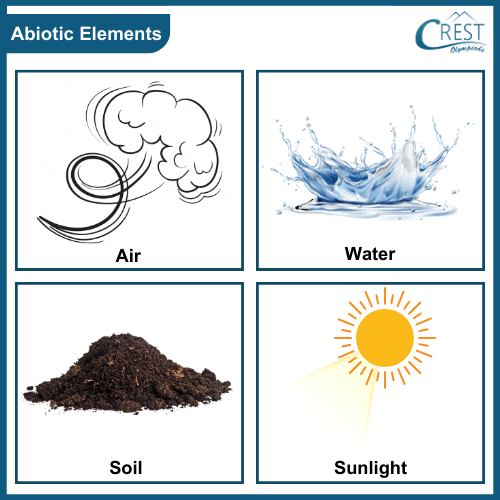
These are non-living resources obtained from the physical environment.
🌱 Examples:
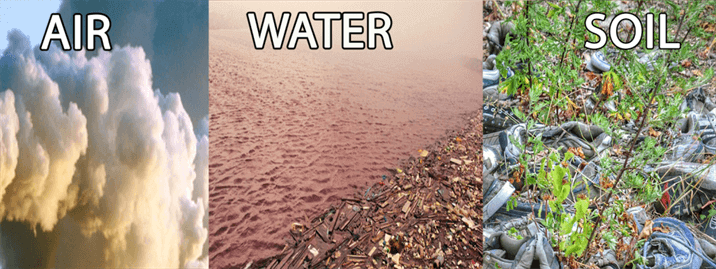
- Air
- Water
- Soil
- Minerals
🌍 Characteristics:
- Inorganic in nature
- Not capable of reproduction
- Formed through geological processes
🔋 2. Classification Based on Exhaustibility


🌿 Renewable Resources
🌱 Definition
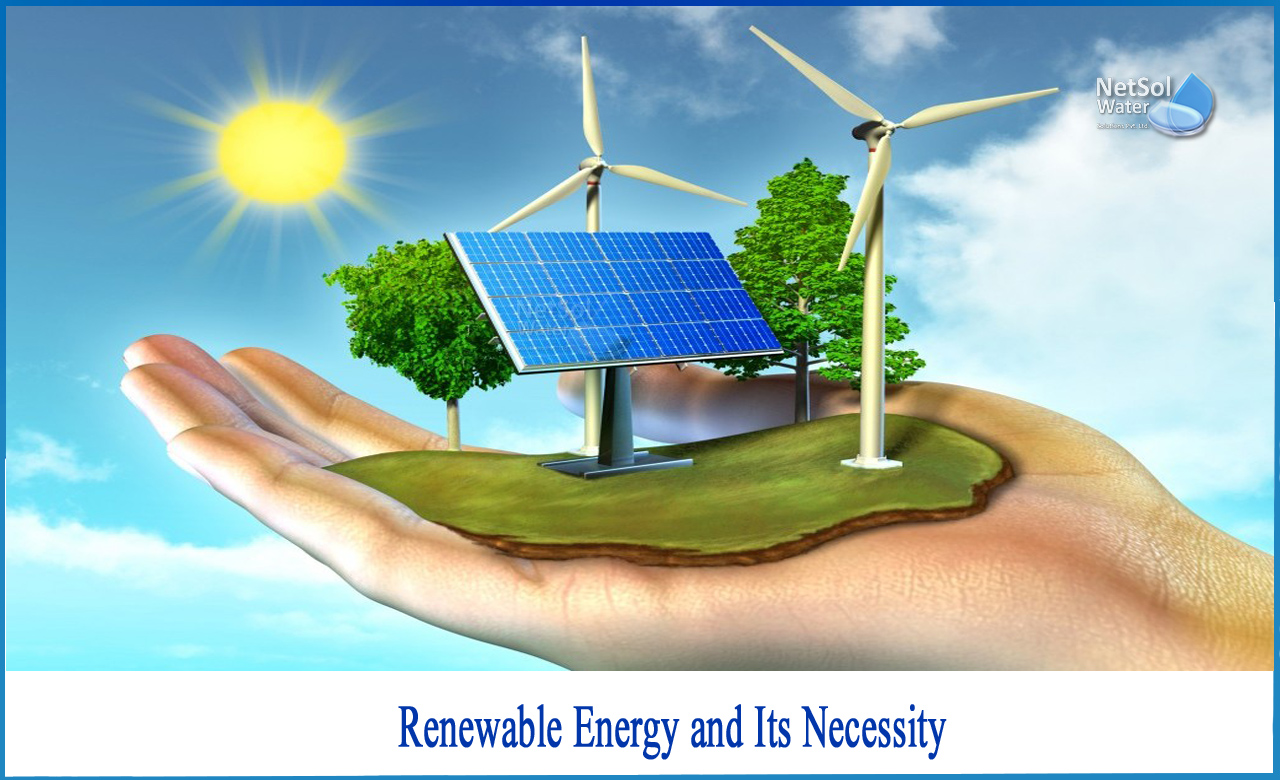
Resources that can be replenished naturally over time.
🌍 Examples:
- Solar energy
- Wind energy
- Water
- Forests
🌱 Characteristics:
- Sustainable if managed properly
- Replenish naturally
- Environmentally friendly
🌵 Non-renewable Resources
🌱 Definition
Resources that cannot be replenished within a human lifetime.
🌍 Examples:
- Coal
- Petroleum
- Natural gas
- Minerals
🌱 Characteristics:
- Limited supply
- Formed over millions of years
- High environmental impact
🏗️ 3. Classification Based on Level of Development


🌿 Potential Resources
- Found in a region but not yet utilized
- Example: Wind energy in coastal areas
🌱 Developed Resources
- Surveyed and currently in use
- Example: Active oil fields
🌾 Stock Resources
- Available but cannot be used due to lack of technology
- Example: Hydrogen as fuel
🌳 Reserves
- Part of stock that can be used with current technology
- Example: Known coal reserves
🌍 4. Classification Based on Distribution
🌿 Ubiquitous Resources
- Found everywhere
- Examples: Air, sunlight
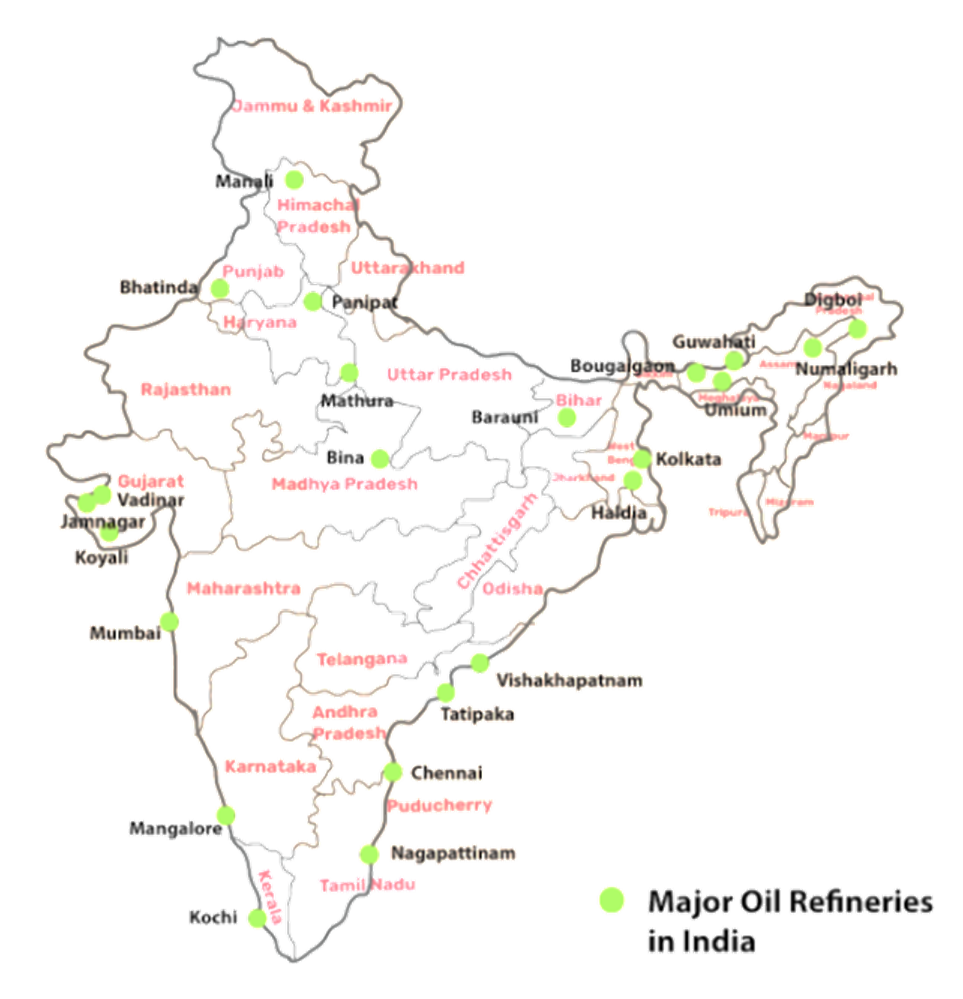
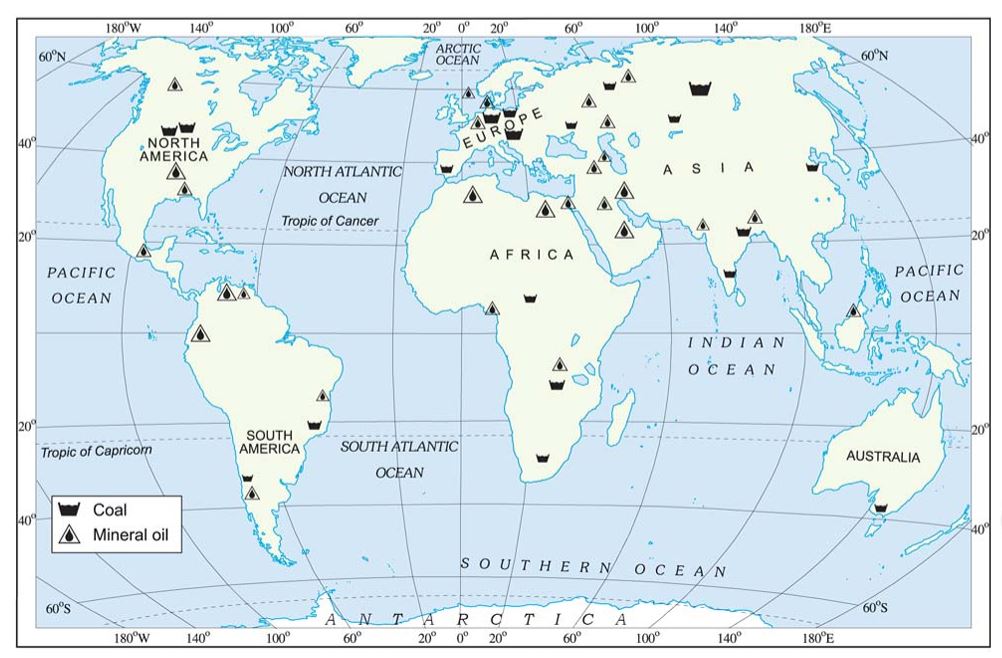
🌱 Localized Resources
- Found in specific locations
- Examples: Minerals, fossil fuels
👥 5. Classification Based on Ownership


🌿 Individual Resources
- Owned by individuals
- Example: Private land
🌱 Community Resources
- Owned by communities
- Example: Public parks
🌾 National Resources
- Owned by the country
- Example: Minerals, forests
🌳 International Resources
- Beyond national jurisdiction
- Example: Oceans, Antarctica
🌎 Additional Classifications
🔄 Based on Use
- Material Resources (minerals, timber)
- Energy Resources (solar, fossil fuels)
🌱 Based on Renewability
- Perpetual Resources (solar, wind)
- Recyclable Resources (metals)
⚙️ Conservation of Natural Resources
🌿 Methods:
- Sustainable use
- Recycling
- Afforestation
- Pollution control
- Renewable energy adoption
⚠️ Challenges in Resource Management
- Overexploitation
- Pollution
- Climate change
- Unequal distribution
🌍 Sustainable Development
Sustainable development ensures that natural resources are used without compromising future generations.
🌱 Principles:
- Efficient resource use
- Environmental protection
- Economic growth balance
🧠 Conclusion
Natural resources are essential for life and development. Their classification helps in understanding their availability, usage, and conservation. By categorizing resources based on origin, exhaustibility, development, distribution, and ownership, we gain a structured approach to managing them sustainably. As human demands increase, responsible use and conservation of natural resources become crucial for maintaining ecological balance and ensuring a sustainable future.