
🌍 Introduction



Habits and character formation are central to human development, shaping who we are and how we live. While habits are repeated behaviors that become automatic over time, character refers to the moral and ethical qualities that define a person.
The famous idea “We are what we repeatedly do” highlights that habits are the building blocks of character. Small daily actions, when repeated consistently, lead to lasting personality traits such as honesty, discipline, and responsibility.
Understanding how habits are formed and how they influence character is essential for personal growth, success, and ethical living.
🧭 Meaning of Habits
🔹 Definition
A habit is a regular behavior or action performed repeatedly, often unconsciously.
Examples:
- Brushing teeth
- Studying daily
- Exercising
- Checking phone frequently
🔹 Key Features of Habits
- Automatic
- Repetitive
- Learned behavior
- Can be positive or negative
🌟 Types of Habits
🌿 1. Physical Habits

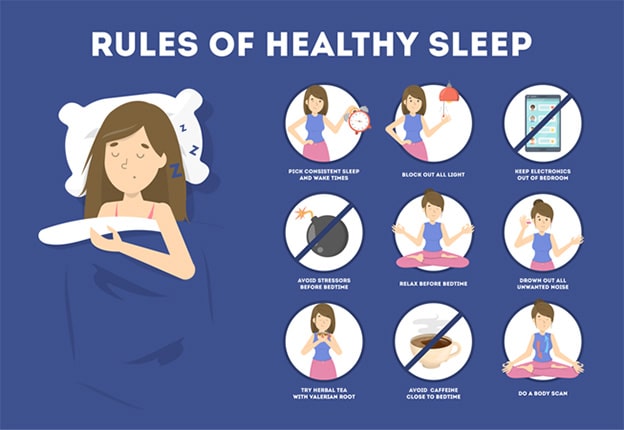


- Exercise
- Sleep patterns
- Hygiene
🧠 2. Mental Habits




- Thinking patterns
- Problem-solving
- Focus
💬 3. Social Habits
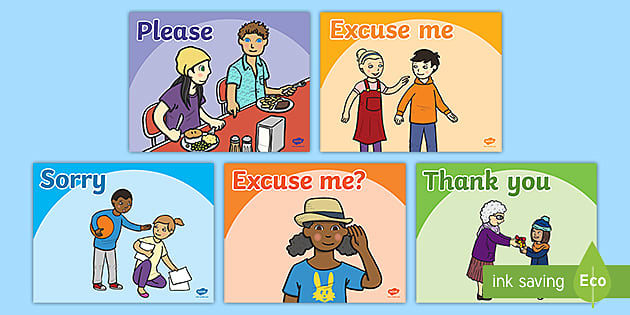

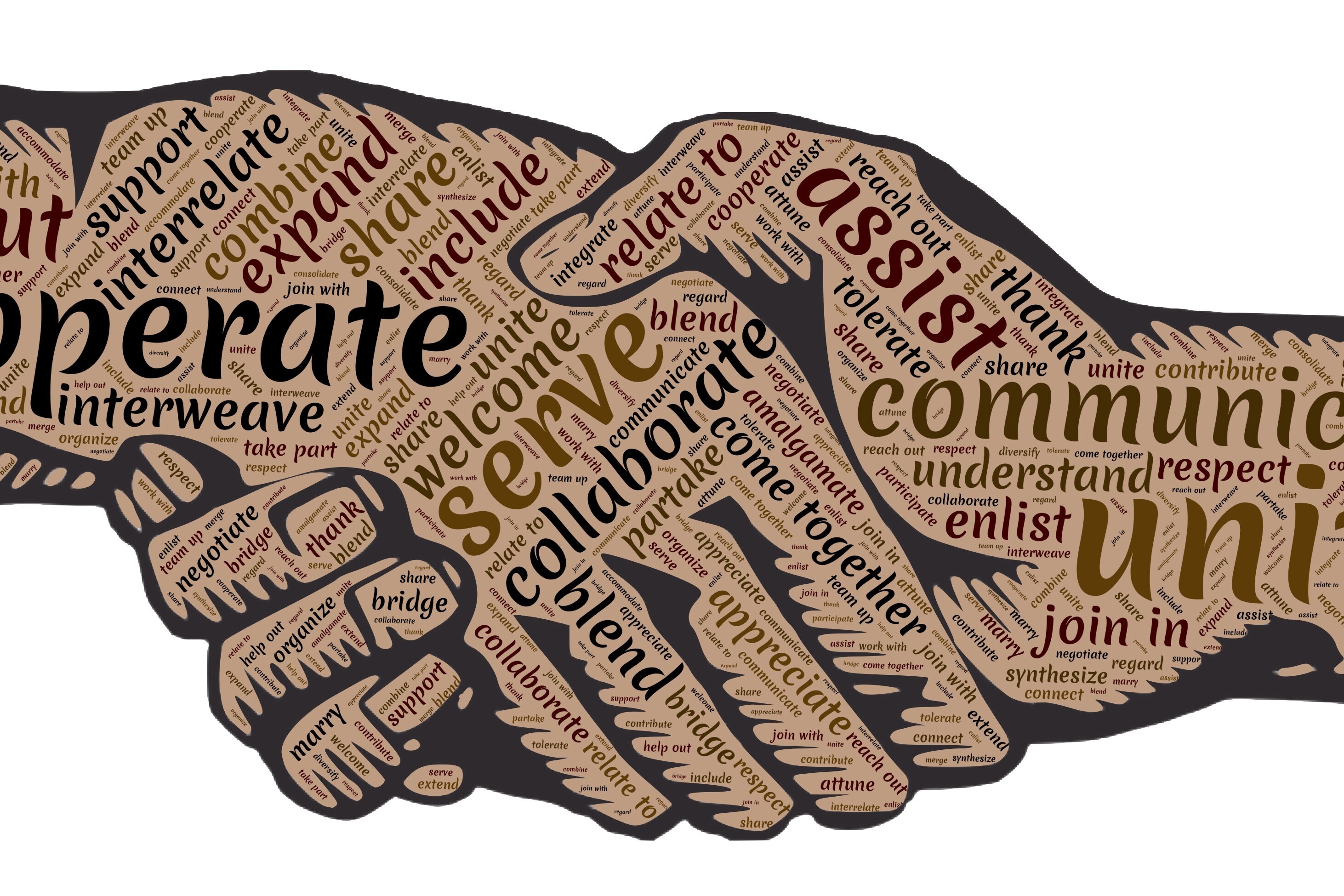

- Communication
- Manners
- Interaction
🌱 4. Moral Habits




- Honesty
- Kindness
- Responsibility
🔄 Habit Formation Process
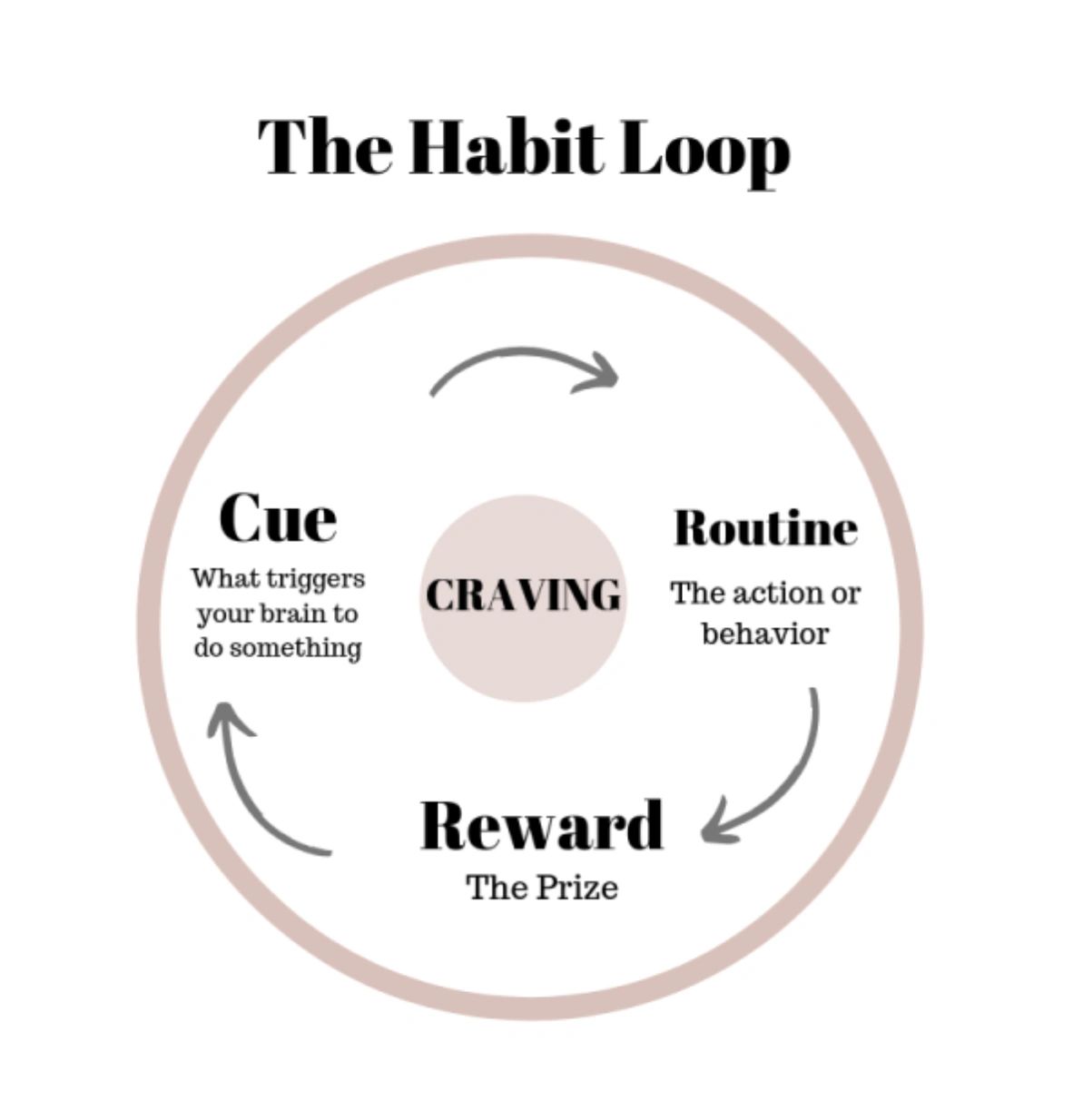
🌟 Habit Loop Model

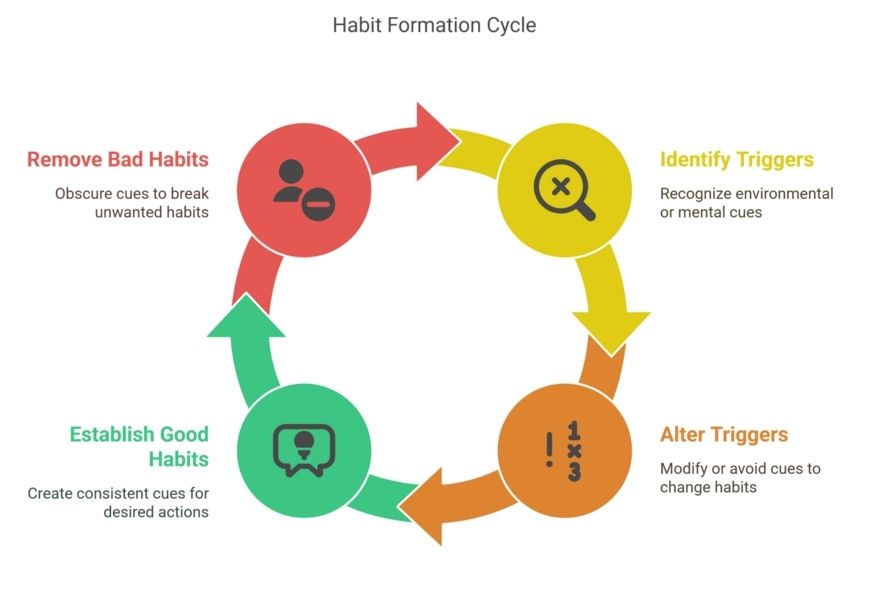
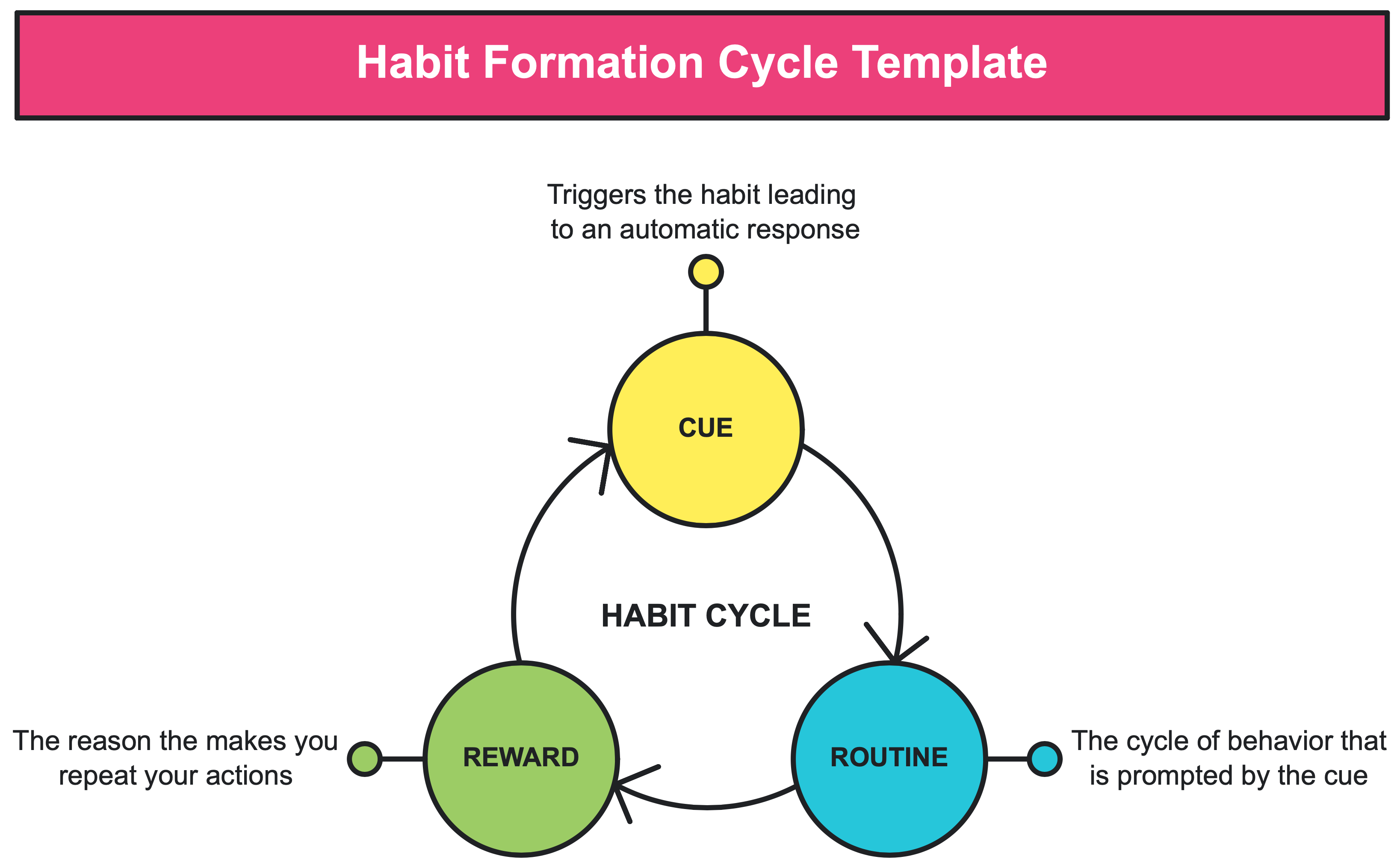
🔹 1. Cue (Trigger)
- Something that initiates behavior
🔹 2. Routine (Action)
- The behavior itself
🔹 3. Reward
- Benefit gained
🔹 Repetition and Consistency
- Habits form through repeated actions
- Consistency is key
🧠 Meaning of Character
🔹 Definition
Character is the combination of moral qualities, values, and traits that define an individual’s personality.
It reflects:
- Integrity
- Responsibility
- Honesty
- Ethics
🔹 Components of Character
- Values
- Beliefs
- Attitudes
- Behavior
🌿 Nature of Character
🔹 1. Built Over Time


- Not instant
- Developed through experiences
🔹 2. Influenced by Habits


- Habits form character
- Repeated actions define personality
🔹 3. Stable yet Changeable


- Generally stable
- Can improve with effort
🔄 Relationship Between Habits and Character
🌟 Core Connection



- Habits → Behavior → Character → Destiny
👉 Good habits lead to strong character
👉 Bad habits lead to weak character
🌍 Importance of Habits
🔹 1. Improve Efficiency
- Save time and effort
🔹 2. Enhance Productivity
- Build consistency
🔹 3. Support Personal Growth
- Encourage discipline
🔹 4. Shape Behavior
- Influence actions
🌍 Importance of Character
🔹 1. Builds Reputation
- Defines identity
🔹 2. Guides Decisions
- Helps choose right actions
🔹 3. Strengthens Relationships
- Builds trust
🔹 4. Ensures Success
- Long-term growth
🌱 Good Habits vs Bad Habits
| Good Habits | Bad Habits |
|---|---|
| Discipline | Procrastination |
| Honesty | Lying |
| Healthy lifestyle | Addiction |
| Time management | Laziness |
🌍 Factors Influencing Habits and Character
🔹 1. Family



- First source of habit formation
🔹 2. Education




- Promotes discipline and values
🔹 3. Society and Environment
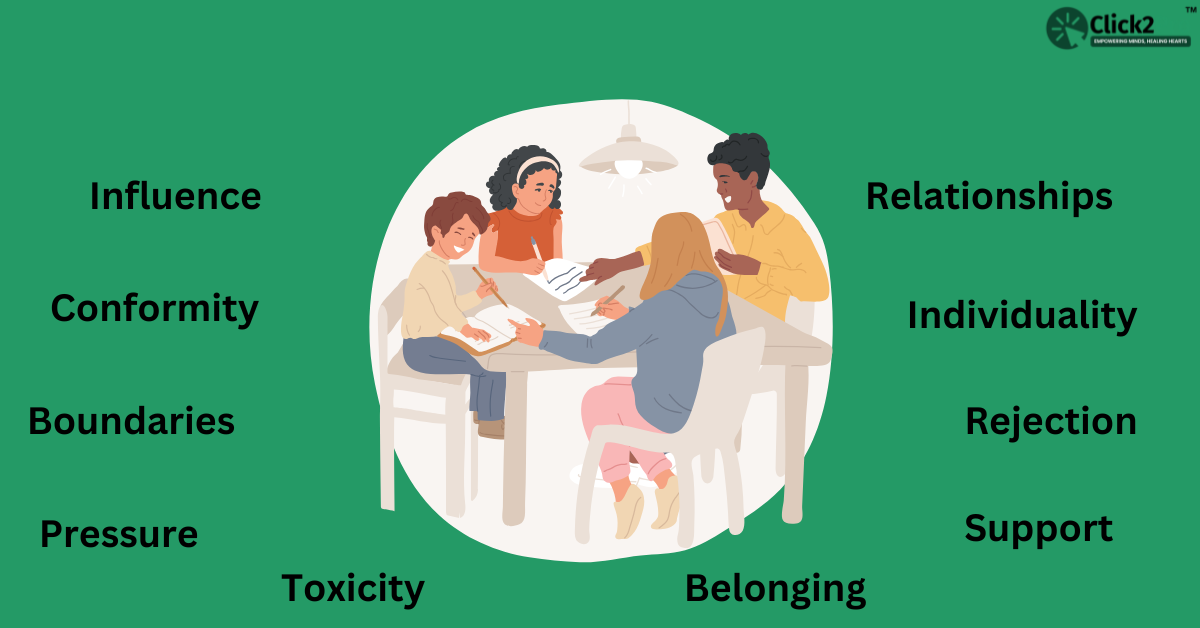



- Influences behavior
🔹 4. Personal Choices
- Individual decisions shape habits
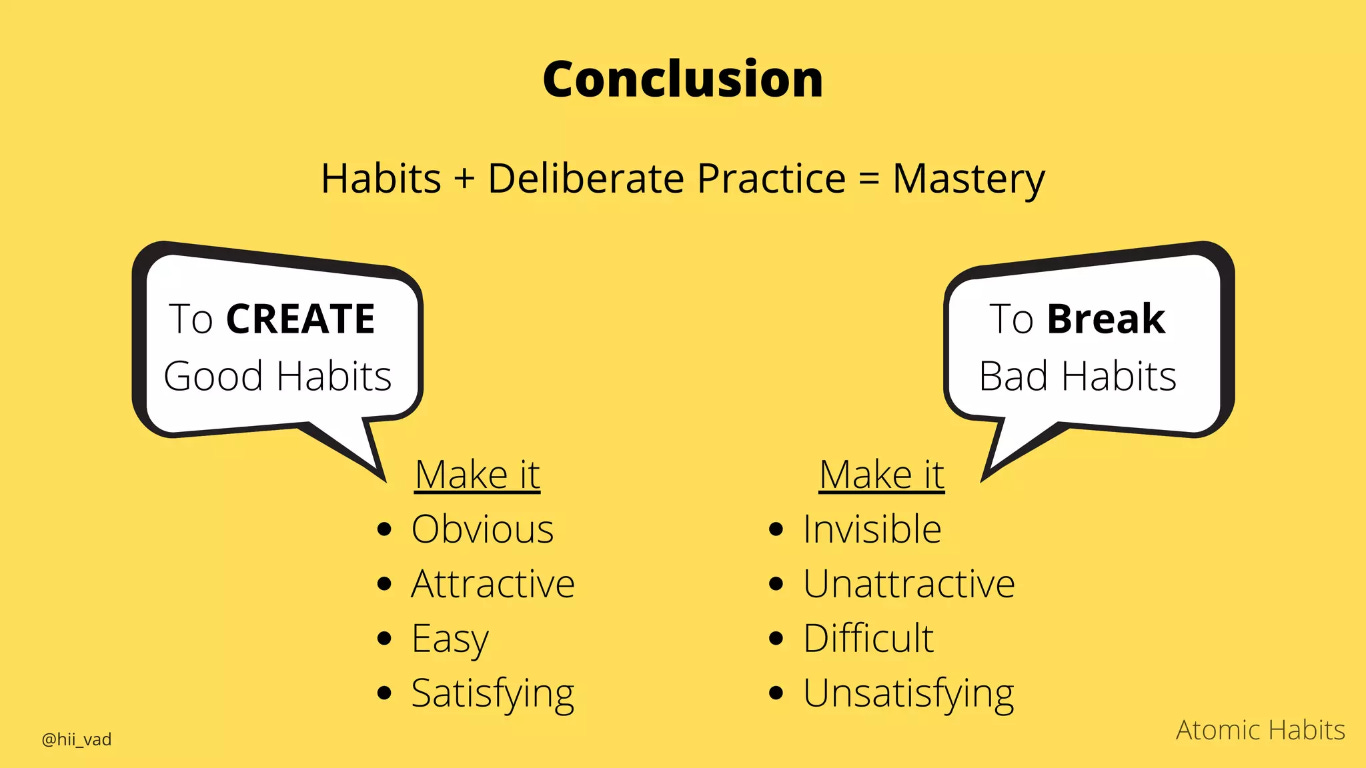
🌱 Development of Good Habits
🔹 Strategies
1. Start Small
- Simple actions
2. Be Consistent
- Daily practice
3. Set Goals
- Clear direction
4. Track Progress
- Monitor improvement
5. Avoid Triggers
- Remove distractions
🌍 Character Formation Process
🔹 Steps
- Learning values
- Practicing habits
- Reinforcing behavior
- Developing personality
⚖️ Challenges in Habit Formation
🔹 Lack of Motivation
🔹 Distractions
🔹 Negative Environment
🔹 Procrastination
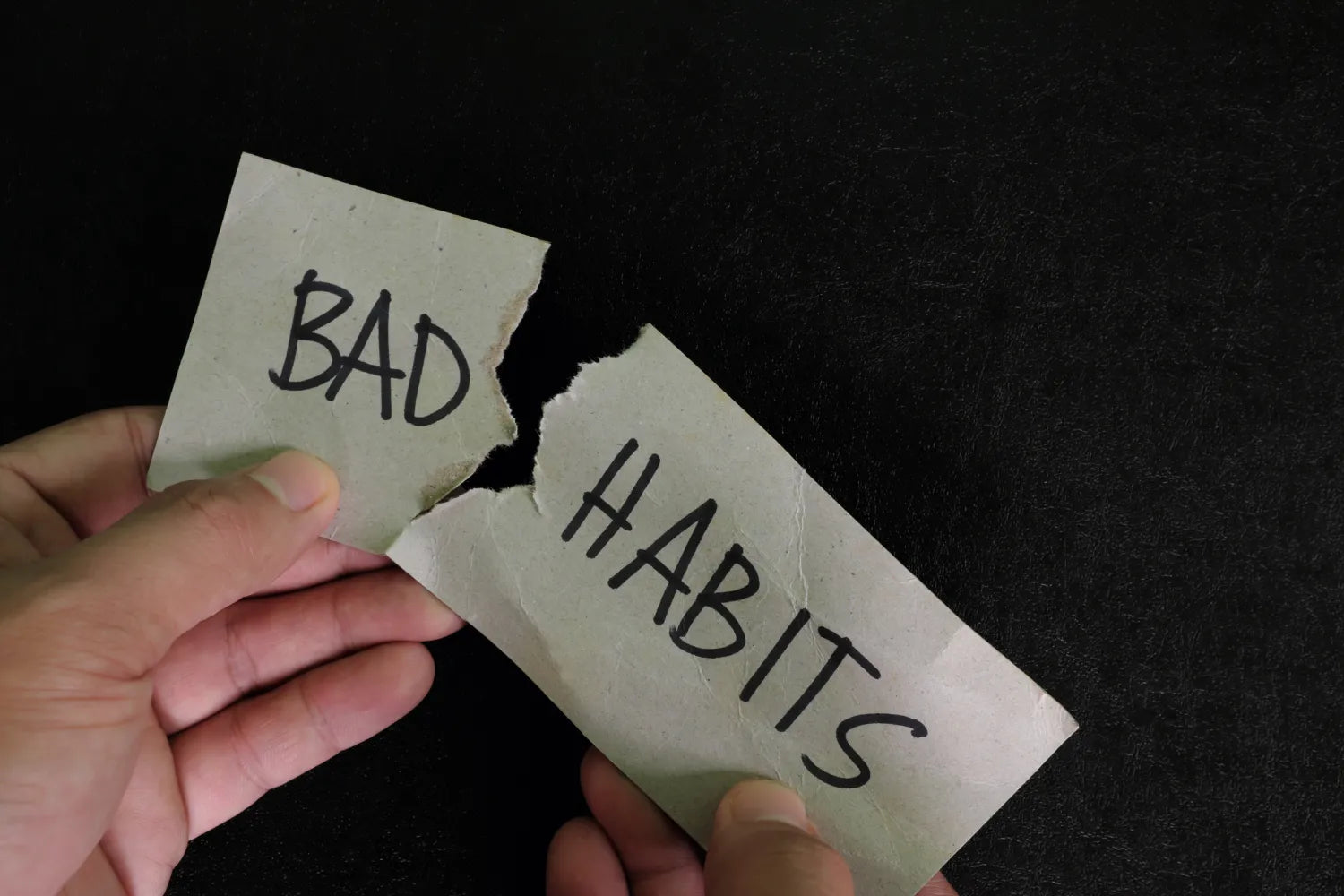
🌍 Breaking Bad Habits
🔹 Techniques
- Identify triggers
- Replace with positive habits
- Practice self-control
🌱 Role in Personal Development
- Builds discipline
- Enhances confidence
- Improves decision-making
🌍 Role in Society
- Promotes ethical behavior
- Ensures social harmony
🌱 Habits, Character, and Success
- Success is built on daily habits
- Strong character leads to long-term success
🌟 Practical Applications
🔹 Students
- Study habits
🔹 Professionals
- Work discipline
🔹 Individuals
- Healthy lifestyle
🌍 Modern Challenges
🔹 Digital Distractions
🔹 Lack of Discipline
🔹 Instant Gratification
🌟 Conclusion
Habits and character formation are deeply interconnected processes that shape human life. While habits are small daily actions, they accumulate over time to form character. By developing good habits and eliminating negative ones, individuals can build strong character and achieve success.
In a rapidly changing world, cultivating discipline, consistency, and ethical behavior through positive habits is essential for personal growth and social well-being.