
🌿 Introduction


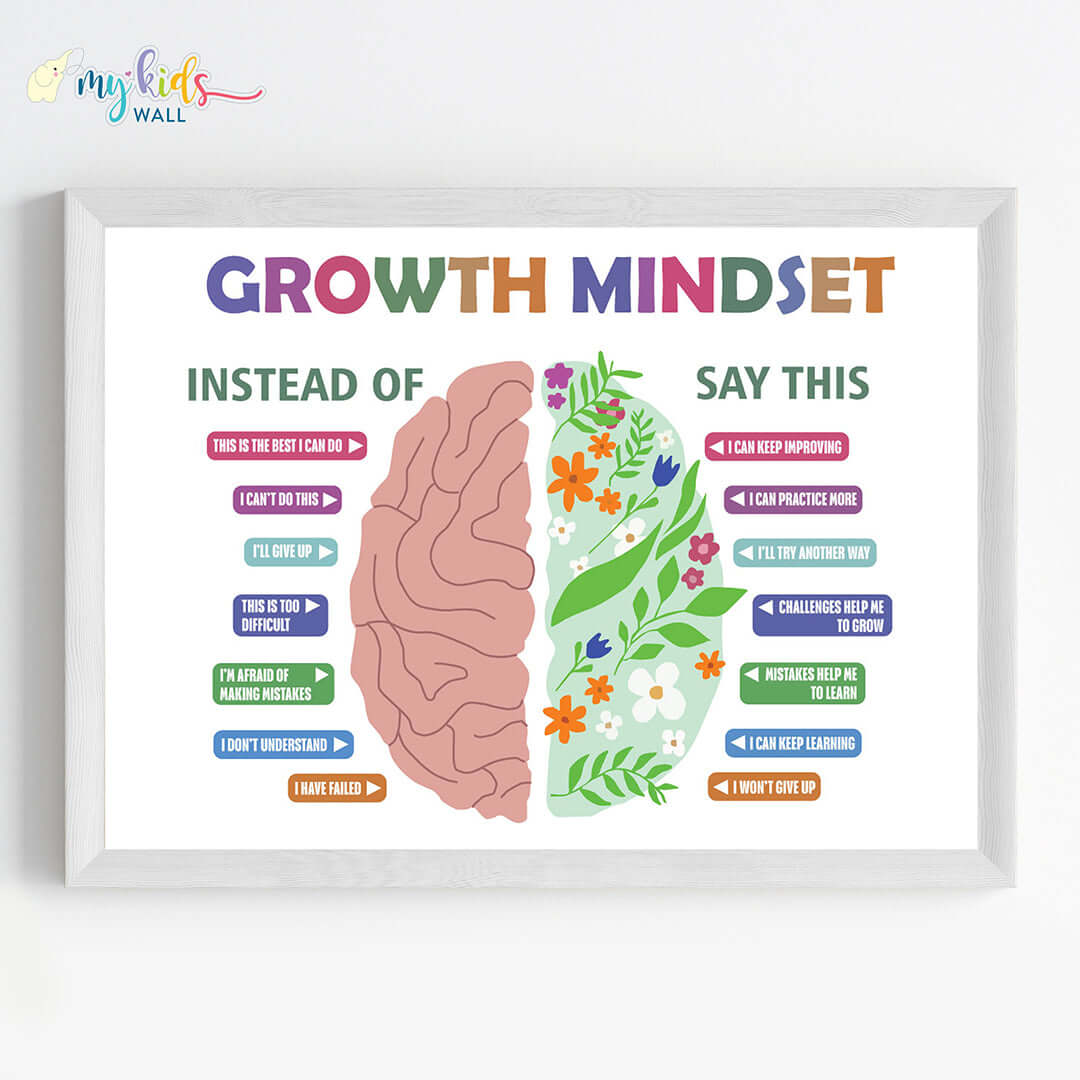

Positive thinking and attitude are powerful mental and emotional approaches that influence how individuals perceive challenges, opportunities, and life itself. They involve maintaining an optimistic outlook, focusing on possibilities rather than limitations, and responding to situations with confidence and hope. These qualities are not about ignoring reality or avoiding difficulties; instead, they are about approaching life with resilience, constructive thinking, and a solution-oriented mindset.
In today’s fast-paced and often stressful world, cultivating a positive attitude has become essential for mental well-being, personal growth, and success. It affects how individuals think, behave, interact with others, and overcome obstacles. Positive thinking empowers individuals to turn challenges into opportunities, setbacks into lessons, and failures into stepping stones for growth.
🌱 Meaning and Definitions
🔹 Positive Thinking
Positive thinking is:
- The practice of focusing on constructive and optimistic thoughts
- Believing in the possibility of favorable outcomes
- Replacing negative thoughts with positive ones
Examples:
- Seeing failure as a learning opportunity
- Maintaining hope during difficult times
- Encouraging oneself with positive affirmations
🔹 Positive Attitude
A positive attitude is:
- A mental outlook that reflects optimism, confidence, and resilience
- The way individuals respond to situations and challenges
- A combination of thoughts, emotions, and behaviors
Examples:
- Staying calm under pressure
- Motivating others
- Approaching tasks with enthusiasm
🔹 Key Differences
| Aspect | Positive Thinking | Positive Attitude |
|---|---|---|
| Nature | Thought process | Behavioral expression |
| Focus | Internal mindset | External response |
| Example | Optimistic thoughts | Confident actions |
🧠 Psychological Foundations


🔹 Positive Psychology
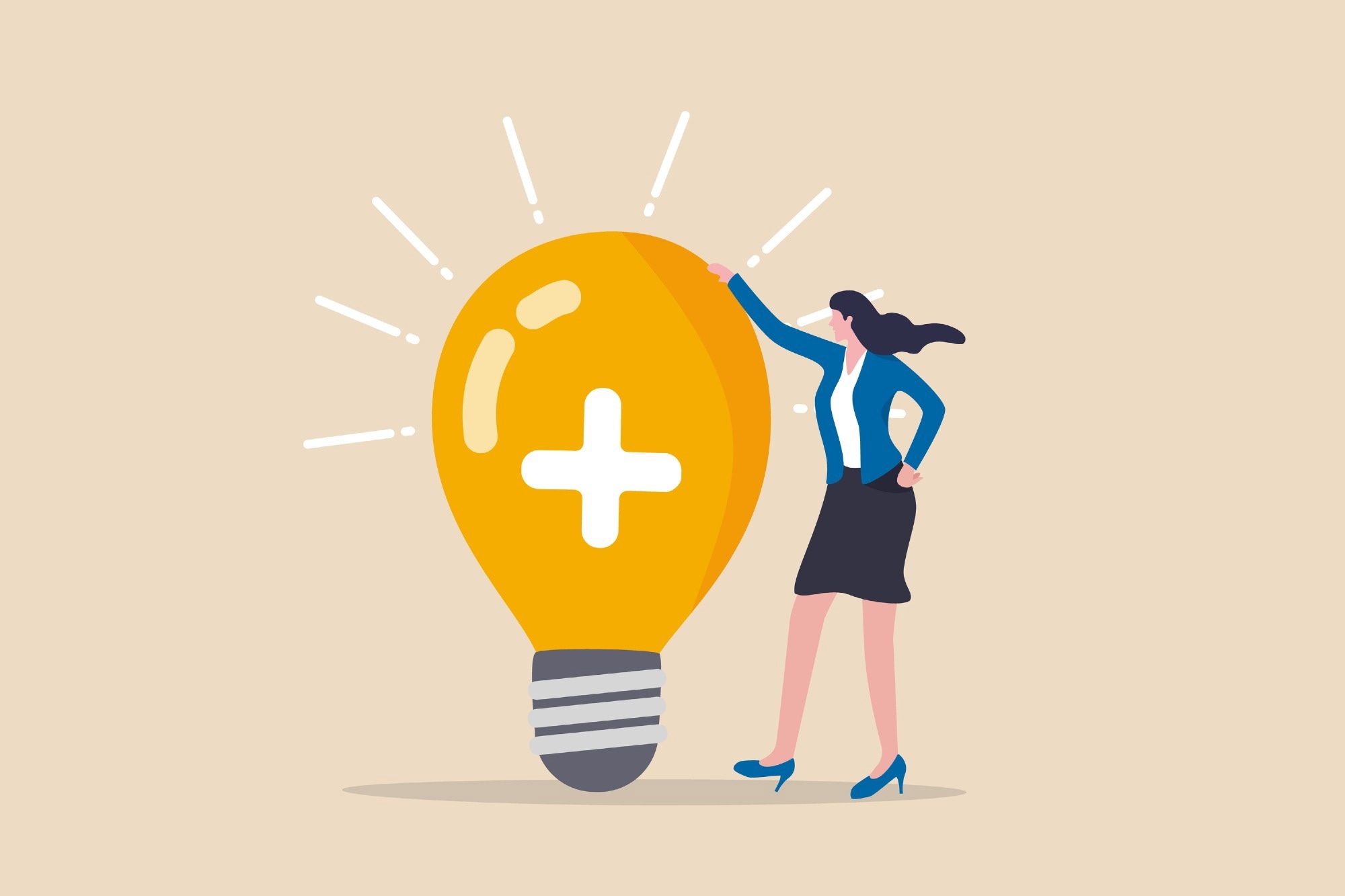
- Focuses on strengths, happiness, and well-being
- Emphasizes optimism and resilience
🔹 Cognitive Restructuring
- Changing negative thought patterns
- Developing healthier perspectives
🔹 Brain and Emotions
- Positive thinking releases feel-good hormones
- Improves mood and reduces stress
🏛️ Philosophical Perspectives


🔸 Ancient Philosophy
- Aristotle linked happiness with virtuous thinking
🔸 Stoicism
- Focus on controlling thoughts and reactions
- Accepting what cannot be changed
🔸 Eastern Philosophy
- Buddhism emphasizes mindfulness and positive thinking
- Hinduism promotes positive actions and thoughts
🔸 Modern Thinkers
- Mahatma Gandhi believed in optimism and perseverance
🧘 Spiritual and Moral Significance


🔹 Inner Peace
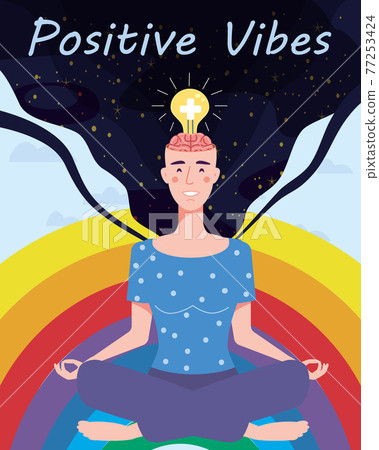
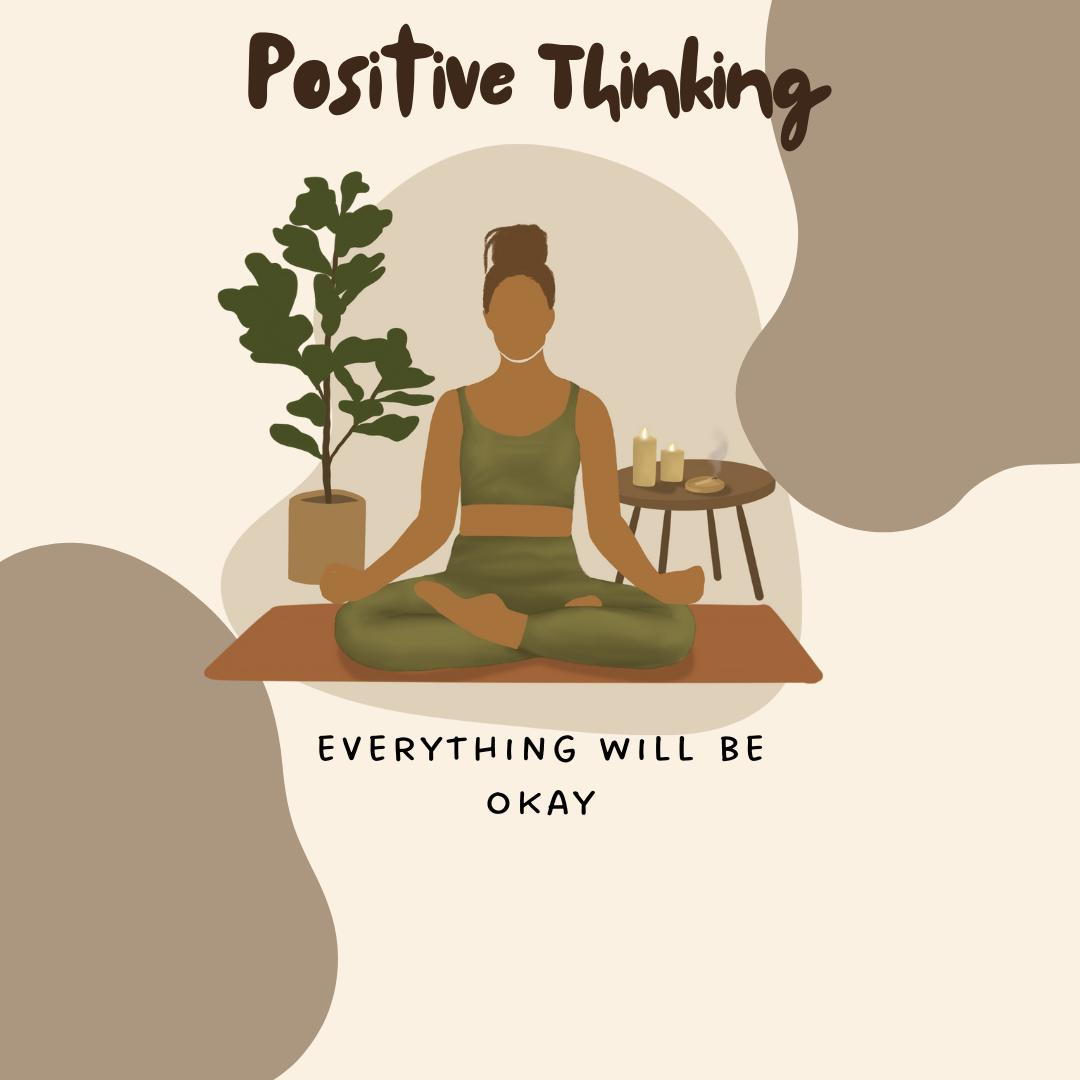
- Positive thinking leads to calmness
🔹 Gratitude
- Appreciating what one has
🔹 Moral Strength
- Encourages ethical and constructive behavior
🏠 Role in Personal Life
🌟 Emotional Well-being
- Reduces stress and anxiety
- Promotes happiness
🌟 Relationships
- Improves communication and understanding
- Builds trust and positivity
🌟 Self-Confidence
- Encourages belief in oneself
- Enhances motivation
🌍 Social Importance



🔹 Social Harmony
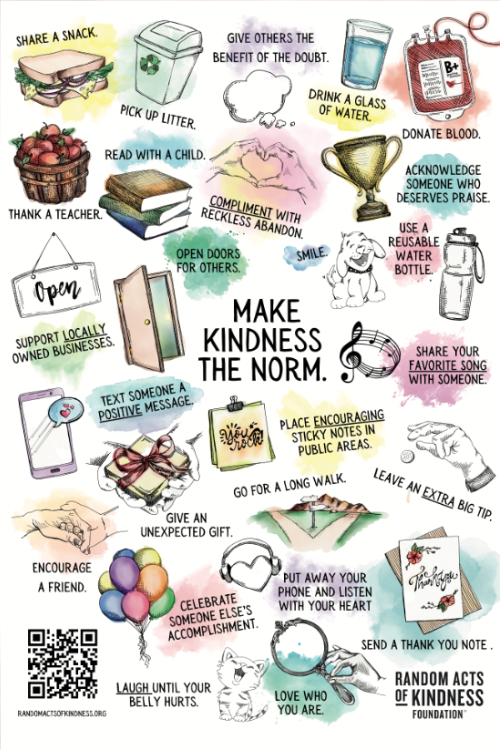
- Positive individuals create supportive environments
🔹 Inspiration
- Encourages others to adopt positive attitudes
🔹 Conflict Reduction
- Optimism reduces negativity and disputes
🏫 Importance in Education
📘 Student Success
- Positive thinking improves learning outcomes
📘 Classroom Environment
- Encourages collaboration and enthusiasm
📘 Teacher Role
- Motivating students with positive reinforcement
💼 Workplace Relevance


🔹 Productivity
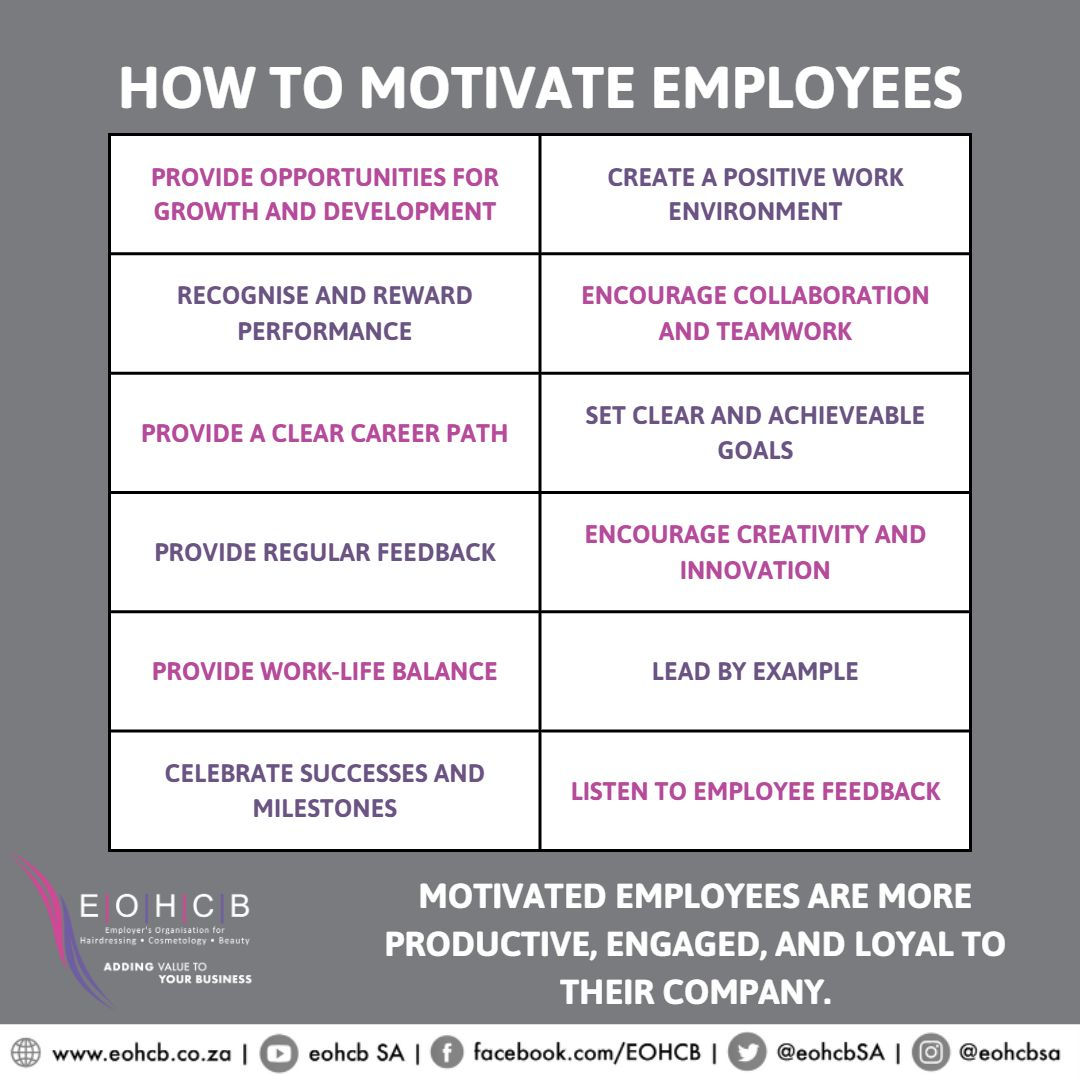
- Positive attitude enhances performance
🔹 Leadership
- Inspires and motivates teams
🔹 Workplace Culture
- Creates a healthy and supportive environment
⚖️ Ethical Dimensions
🔸 Responsibility
- Positive thinking encourages constructive actions
🔸 Integrity
- Maintaining optimism without ignoring reality
🔸 Balance
- Avoiding unrealistic positivity
🧩 Challenges to Positive Thinking


🔹 Negative Thinking Patterns
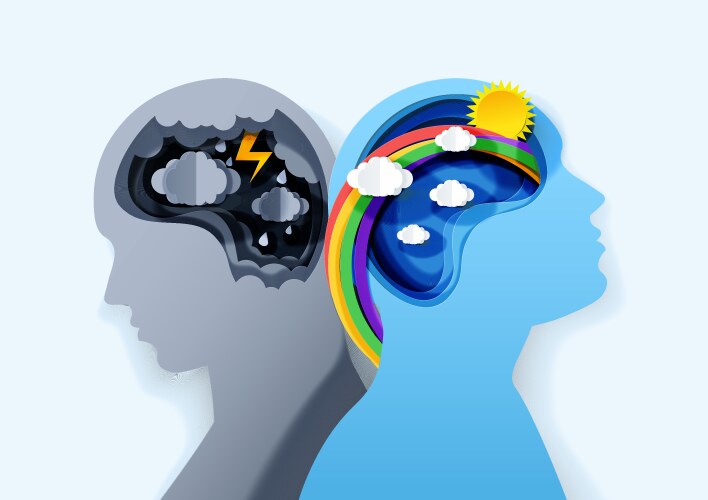
- Habitual pessimism
🔹 Stress and Anxiety
- Difficult situations affecting mindset
🔹 Self-Doubt
- Lack of confidence
🔹 Toxic Positivity
- Ignoring real problems
🌟 Benefits of Positive Thinking and Attitude
✅ Personal Benefits
- Improved mental health
- Greater resilience
- Increased happiness
✅ Social Benefits
- Better relationships
- Positive influence on others
✅ Professional Benefits
- Career growth
- Better performance
🛠️ Ways to Develop Positive Thinking


🔹 Practice Gratitude
- Focus on positive aspects of life
🔹 Positive Affirmations
- Encourage self-belief
🔹 Mindfulness
- Stay present and aware
🔹 Surround Yourself with Positivity
- Positive people and environments
🛠️ Ways to Build a Positive Attitude


🔹 Set Realistic Goals
- Achieve small successes
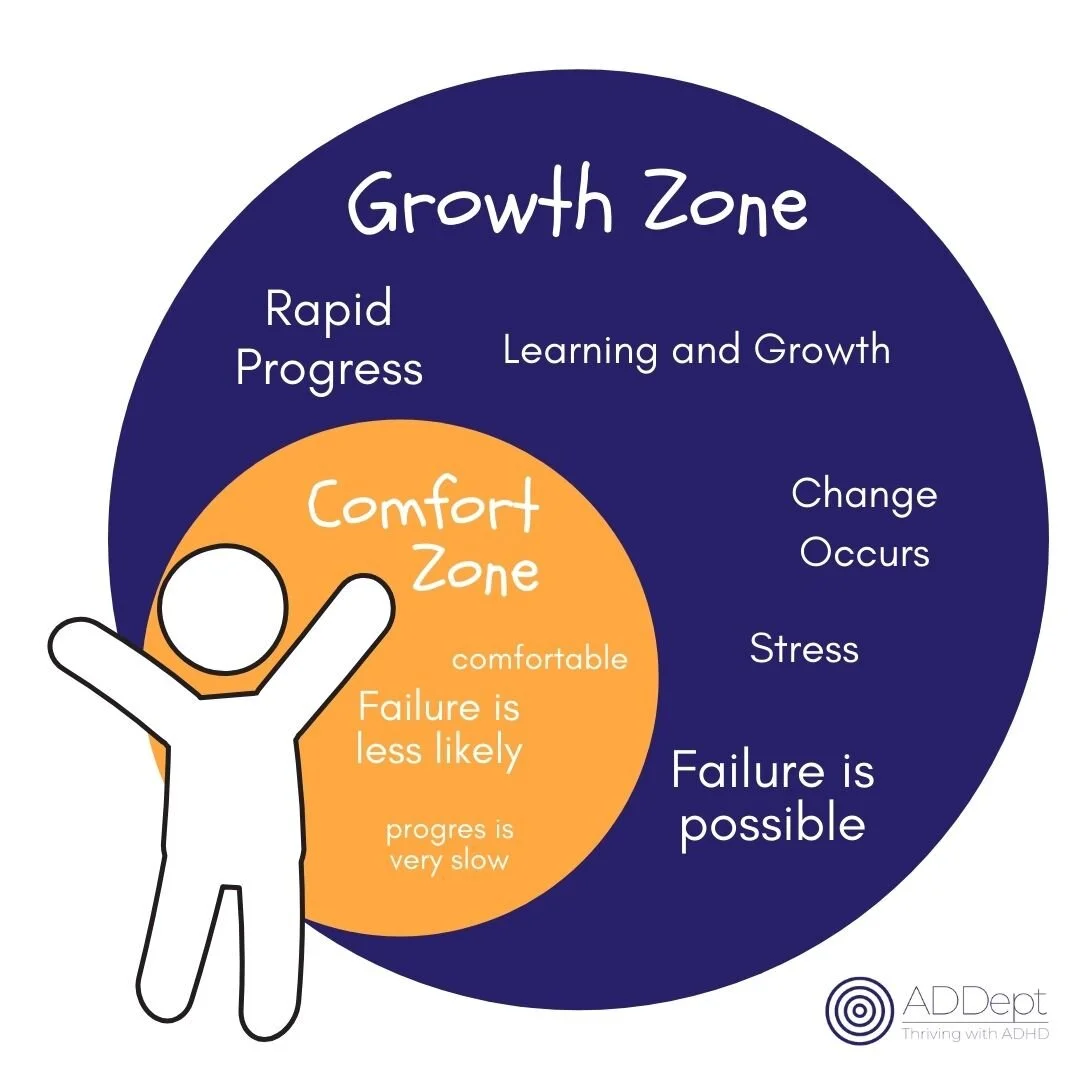
🔹 Learn from Failures
- Treat mistakes as lessons
🔹 Maintain Healthy Lifestyle
- Exercise and proper diet
🔹 Help Others
- Acts of kindness boost positivity
📱 Positive Thinking in the Digital Age




🔹 Managing Content
- Avoid negative influences
🔹 Digital Positivity
- Share uplifting content
🔹 Online Communities
- Supportive and motivational groups
🧭 Real-Life Examples
🔹 Students
- Staying motivated during exams
🔹 Professionals
- Handling workplace challenges
🔹 Individuals
- Overcoming personal struggles
📊 Comparison with Related Values
| Value | Relation |
|---|---|
| Optimism | Core of positive thinking |
| Resilience | Strengthens positive attitude |
| Confidence | Result of positivity |
| Motivation | Driven by positive mindset |
🧾 Conclusion
Positive thinking and attitude are powerful tools that shape how individuals experience life. They influence emotions, actions, relationships, and overall success. By adopting a positive mindset, individuals can overcome challenges, build resilience, and achieve their goals with confidence and determination.
In a world filled with uncertainties, maintaining positivity is not just beneficial—it is essential. It enables individuals to stay hopeful, motivated, and focused, even in difficult situations. By cultivating positive thinking and attitude, individuals can create a fulfilling, balanced, and successful life.