Tag Archives: Abraham Lincoln

🗳️ Democracy: Types and Principles (Comprehensive Explanation)


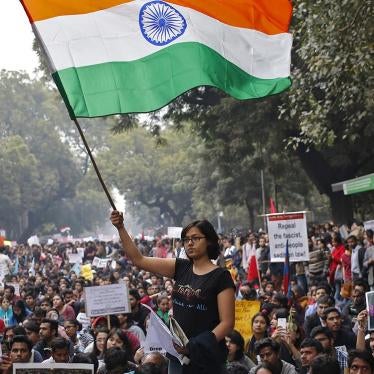
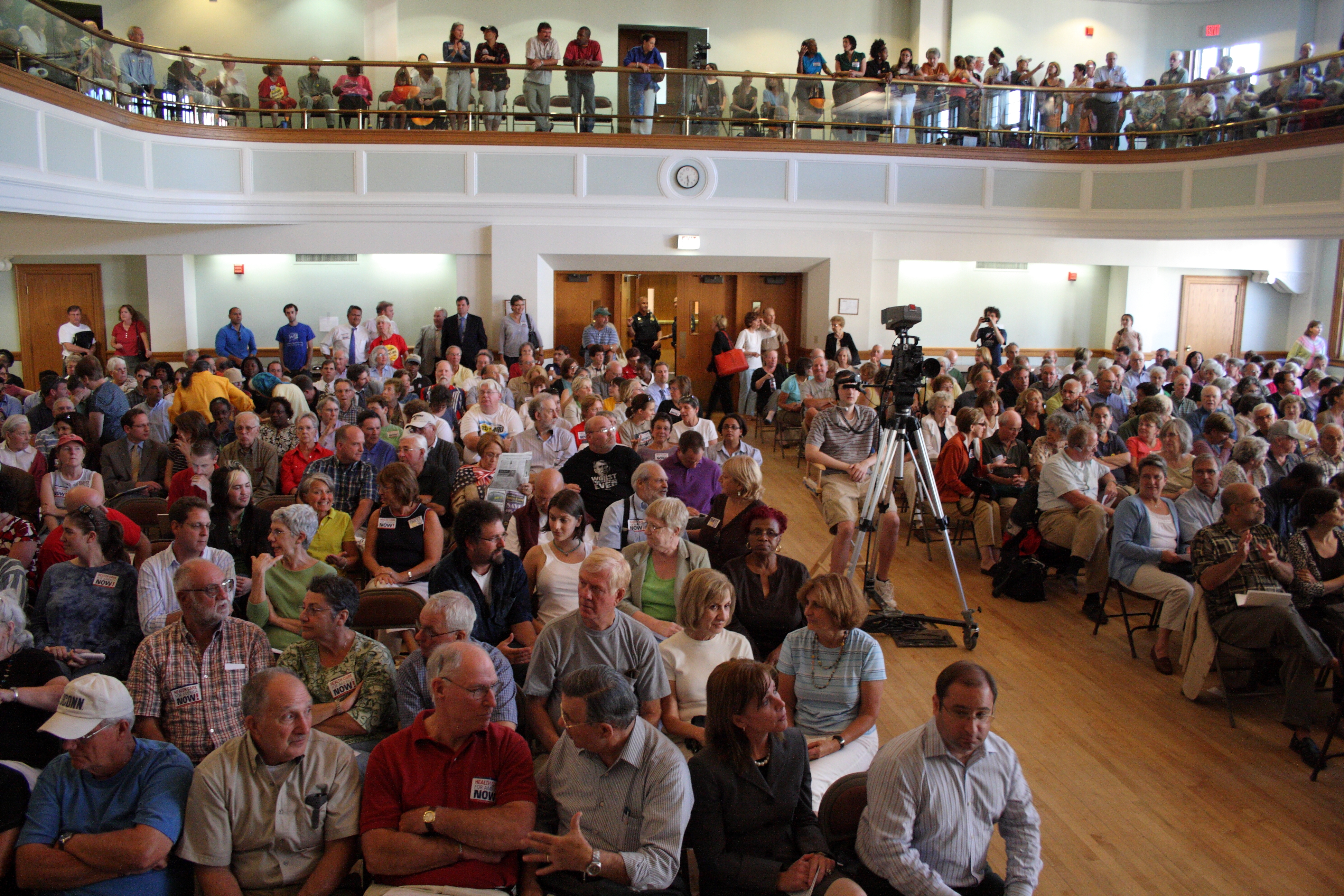
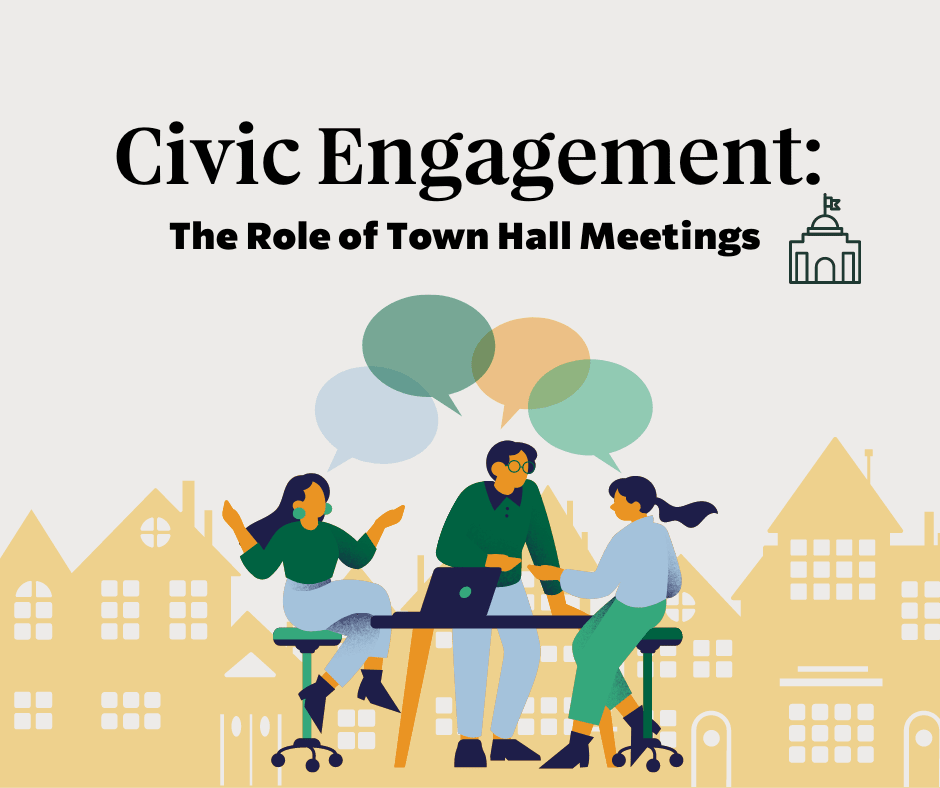
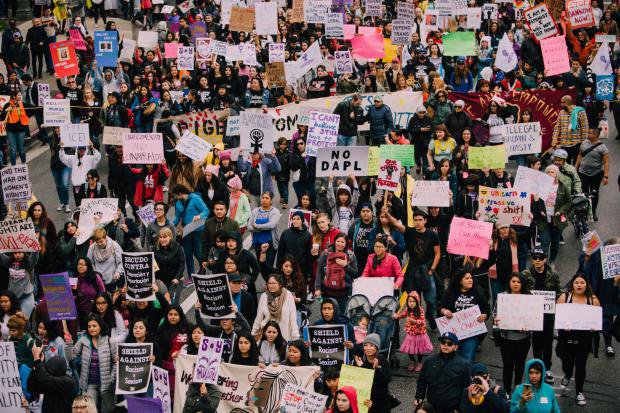
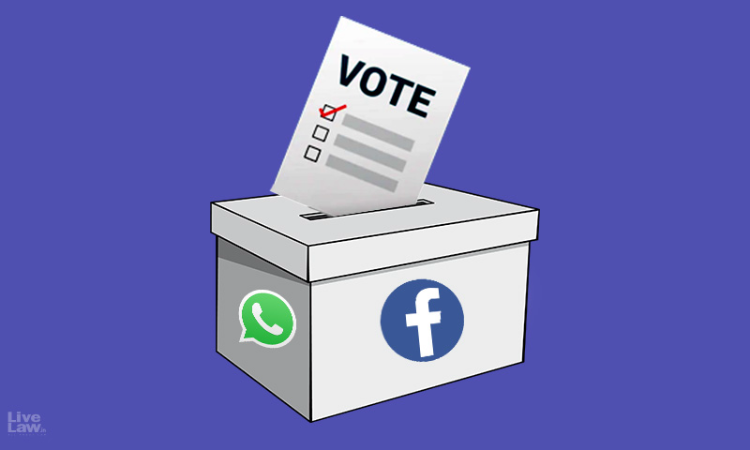
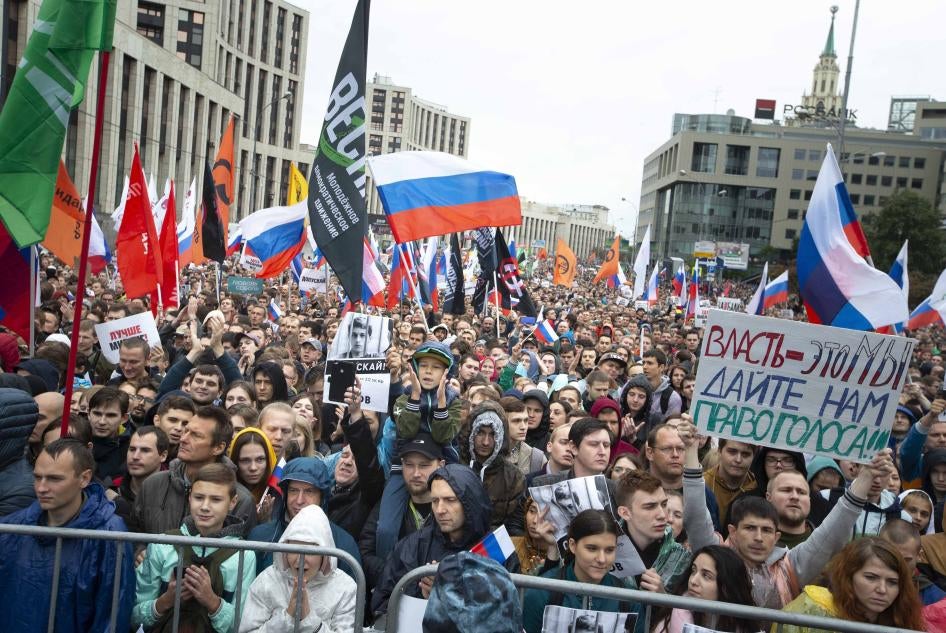
🌍 Visual Overview: Democracy in Practice

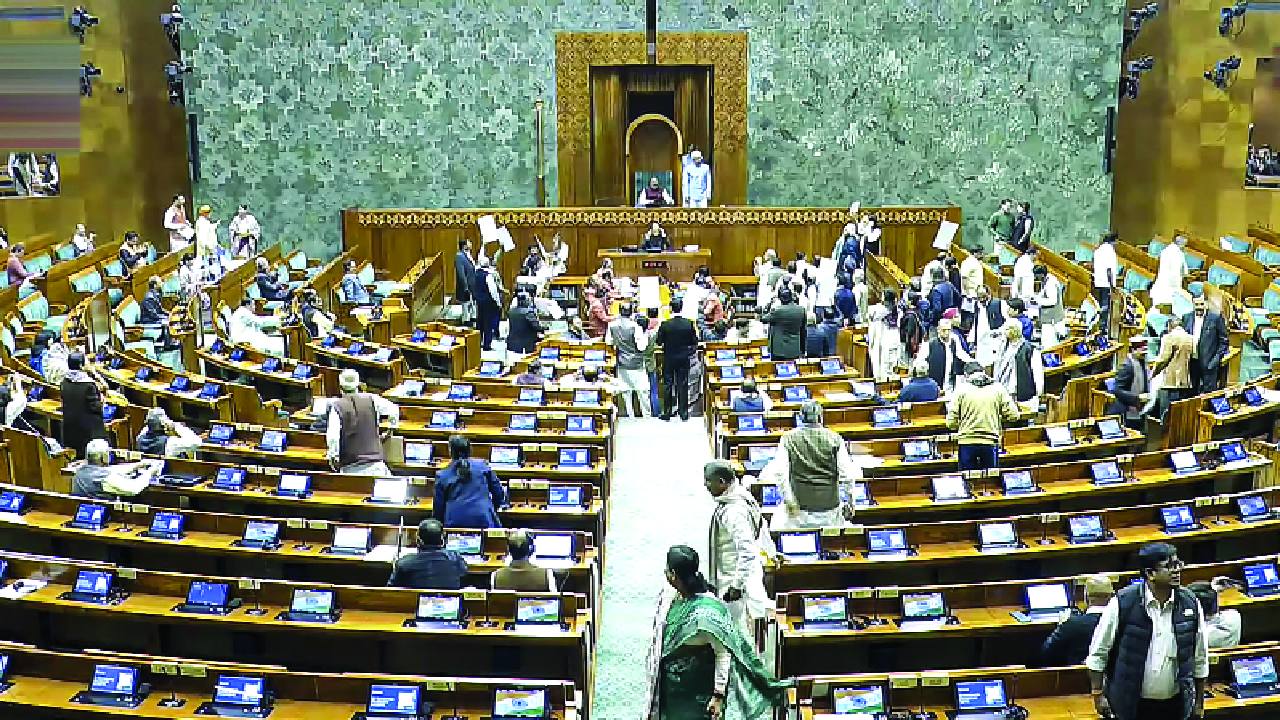
Image
Image
Image
Image

📘 1. Introduction to Democracy

Democracy is one of the most influential and widely practiced systems of government in the modern world. It represents a political arrangement where power ultimately rests with the people, either directly or through their elected representatives.

The term democracy is derived from the Greek words demos (people) and kratos (power), meaning “rule of the people.” Over centuries, democracy has evolved from small city-state participation to complex modern systems involving millions of citizens.

Democracy is not just a form of government; it is also a way of life, a set of values, and a system of governance based on participation, equality, and accountability.


🧠 2. Meaning and Definitions of Democracy

📌 Basic Meaning

Democracy refers to a system of government in which people have the authority to choose their leaders and influence decision-making.


🧾 Definitions

  • Abraham Lincoln:
    “Government of the people, by the people, for the people.”
  • Joseph Schumpeter:
    Democracy is a system where leaders are selected through competitive elections.
  • Robert Dahl:
    Democracy is characterized by political equality and participation.

🔑 Key Features of Democracy

  • Popular sovereignty
  • Political equality
  • Rule of law
  • Free and fair elections
  • Protection of rights

⚖️ 3. Types of Democracy

Democracy can be classified into several types based on how people exercise their power.


🟢 3.1 Direct Democracy

📌 Meaning

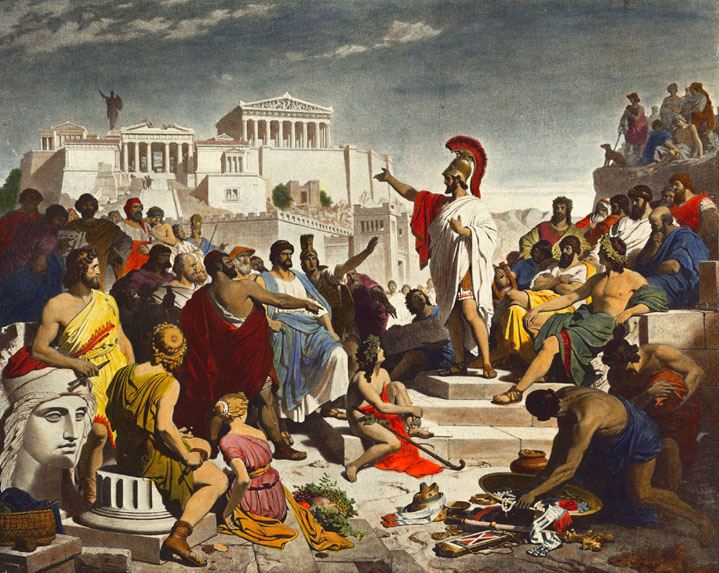
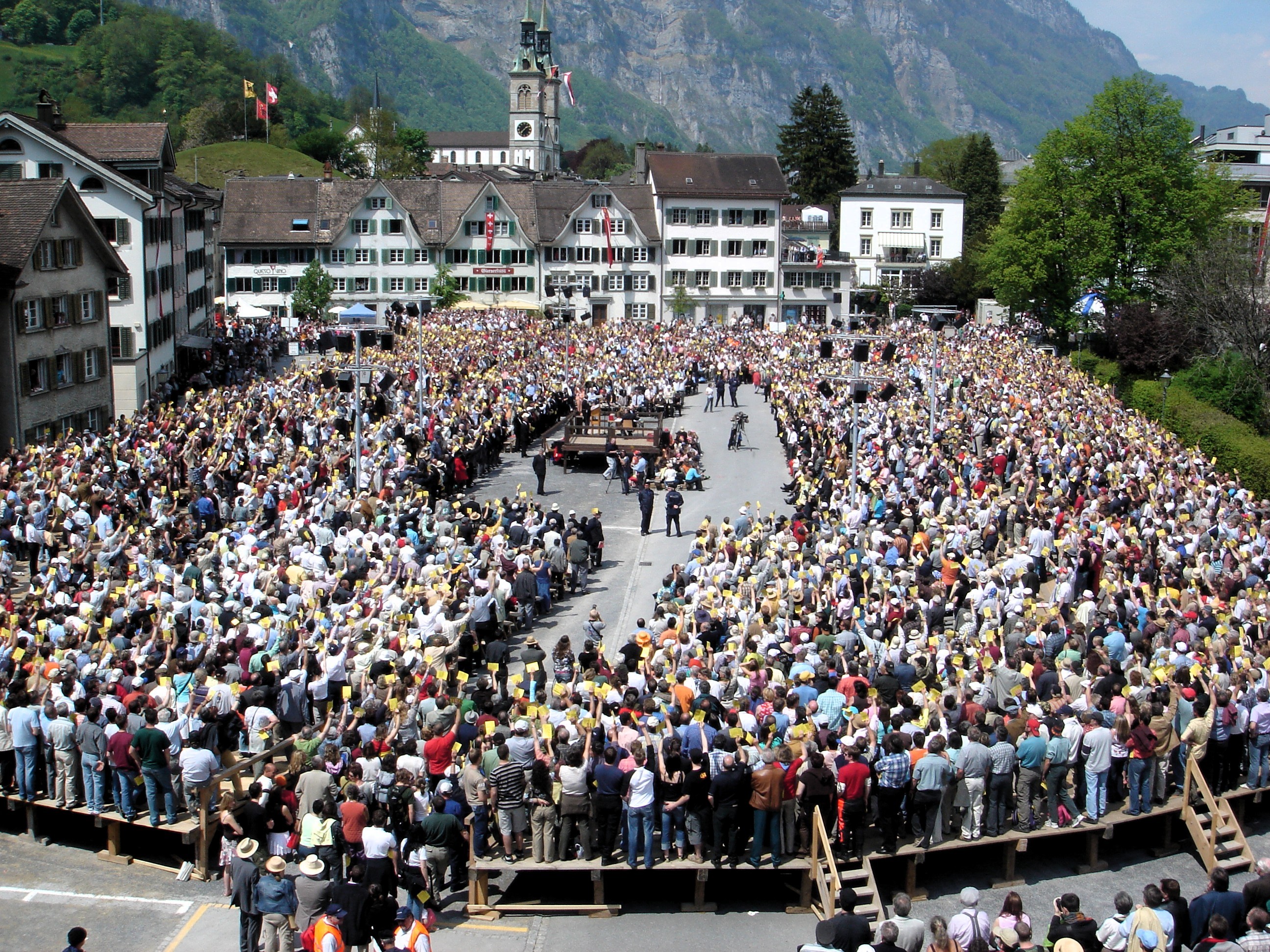
Direct democracy is a system where citizens directly participate in decision-making without intermediaries.


🌍 Visual Representation
Image
Image
Image
Image

🧩 Features

  • Direct participation
  • No representatives
  • Immediate decision-making

📊 Examples

  • Ancient Athens
  • Referendums
  • Initiatives and recalls

✅ Advantages

  • High participation
  • Transparency
  • Accountability

⚠️ Disadvantages

  • Impractical in large societies
  • Time-consuming
  • Risk of uninformed decisions

🔵 3.2 Representative Democracy

📌 Meaning

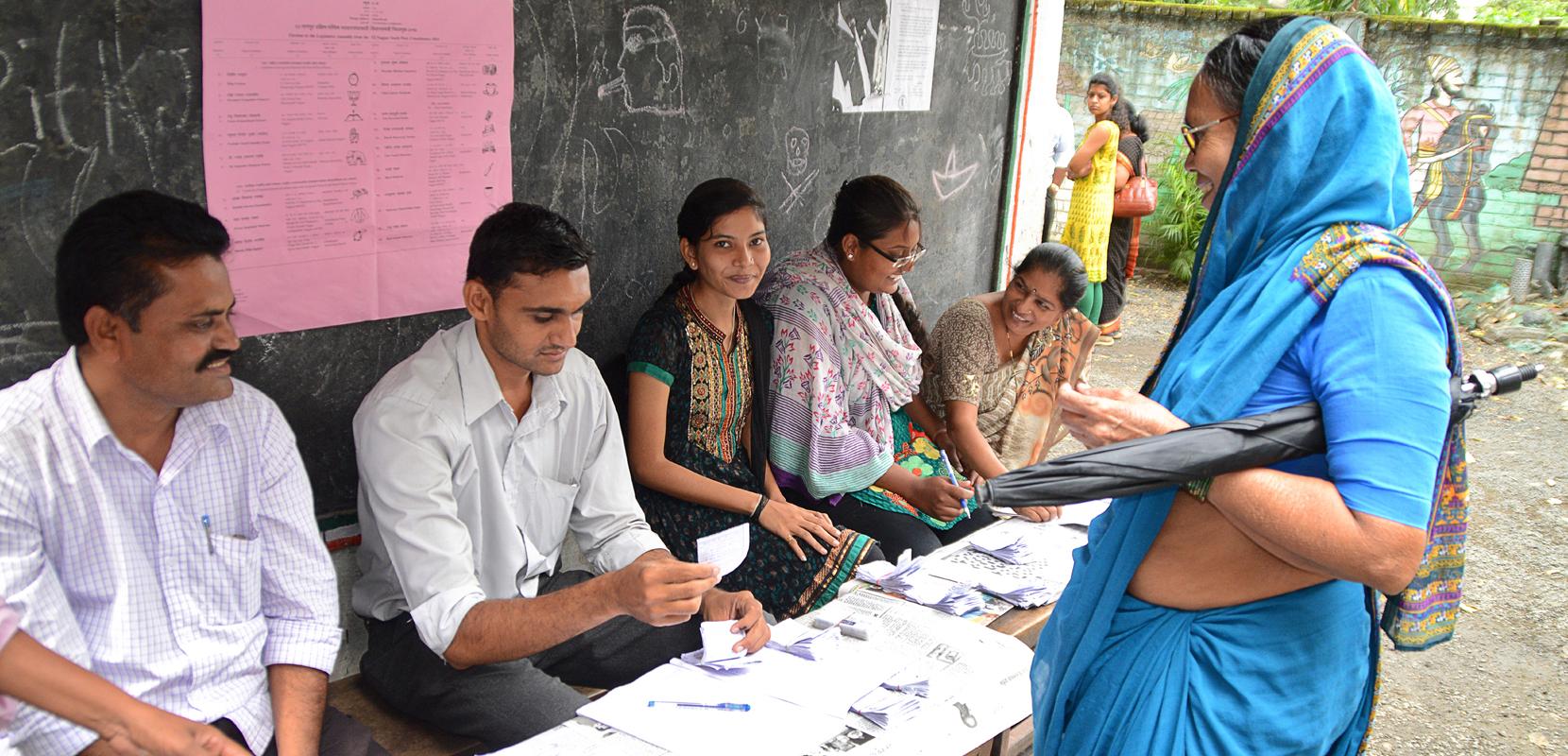
Citizens elect representatives who make decisions on their behalf.


🌍 Visual Representation
Image
Image
Image
Image

🧩 Features

  • Indirect participation
  • Elected representatives
  • Structured governance

📊 Examples

  • India
  • United States
  • United Kingdom

✅ Advantages

  • Efficient
  • Suitable for large populations
  • Professional decision-making

⚠️ Disadvantages

  • Risk of corruption
  • Gap between leaders and people
  • Limited direct participation

🟣 3.3 Liberal Democracy

📌 Meaning

A form of democracy that emphasizes individual rights, rule of law, and limited government.


🧩 Features

  • Protection of fundamental rights
  • Independent judiciary
  • Free media

📊 Examples

  • Western democracies

🔴 3.4 Illiberal Democracy

📌 Meaning

Elections exist, but civil liberties and rights are restricted.


🧩 Features

  • Weak rule of law
  • Limited freedoms

🟡 3.5 Participatory Democracy

📌 Meaning

Encourages active involvement of citizens beyond voting.


🧩 Features

  • Public consultations
  • Local governance participation

3.6 Deliberative Democracy

📌 Meaning

Focuses on discussion and reasoning before decision-making.


🧩 Features

  • Public debate
  • Rational discourse

⚖️ 4. Principles of Democracy


🟢 4.1 Popular Sovereignty

📌 Meaning

Ultimate authority lies with the people.


🌍 Visual
Image
Image
Image
Image


🔵 4.2 Political Equality

  • Equal voting rights
  • Equal opportunity to participate

🟣 4.3 Rule of Law

  • Law applies equally to all
  • No arbitrary power

🔴 4.4 Protection of Rights

  • Freedom of speech
  • Freedom of religion

🟡 4.5 Free and Fair Elections

  • Transparent process
  • Independent election bodies

4.6 Accountability and Transparency

  • Government answerable to people
  • Open governance

4.7 Separation of Powers

  • Legislature, Executive, Judiciary

🧩 4.8 Majority Rule with Minority Rights

  • Decisions by majority
  • Protection of minorities

🔗 5. Democracy and Other Concepts

⚖️ Democracy and Liberty

  • Ensures freedom

⚖️ Democracy and Equality

  • Promotes equal participation

⚖️ Democracy and Justice

  • Ensures fairness

🌍 6. Merits of Democracy

  • Protects rights
  • Encourages participation
  • Promotes accountability
  • Peaceful conflict resolution

⚠️ 7. Demerits of Democracy

  • Slow decision-making
  • Influence of money and media
  • Political instability
  • Populism

🌐 8. Democracy in Modern World

📱 Digital Democracy

  • Online participation

🌍 Global Democracy

  • International cooperation

🧑‍🤝‍🧑 Inclusive Democracy

  • Gender and minority inclusion

⚠️ 9. Challenges to Democracy

  • Corruption
  • Misinformation
  • Voter apathy
  • Authoritarian tendencies

🧠 10. Importance of Democracy

  • Ensures freedom
  • Promotes development
  • Protects rights
  • Enhances stability

🧾 11. Conclusion

Democracy is a dynamic and evolving system that balances power, participation, and accountability. Its various forms—from direct to representative—highlight its adaptability to different societies.

The principles of democracy ensure that governance remains fair, inclusive, and responsive. Despite challenges, democracy continues to be the most preferred system for ensuring human dignity and political freedom.


⚖️ Rights and Duties in Political Science (Comprehensive Explanation)


🌍 Visual Overview: Rights and Duties in Society

Image
Image
Image
Image

📘 1. Introduction to Rights and Duties

Rights and duties are two sides of the same coin in political theory. They form the foundation of a well-ordered society and democratic governance. While rights empower individuals, duties ensure that individuals act responsibly and respect the rights of others.

A society that emphasizes only rights without duties may lead to chaos, while a society that stresses duties without rights may become oppressive. Therefore, a balance between rights and duties is essential for maintaining harmony, justice, and order.


🧠 2. Meaning and Definitions of Rights

📌 Meaning

Rights are claims or entitlements that individuals possess and that are recognized and protected by society and the state.


🧾 Definitions

  • Harold J. Laski:
    Rights are those conditions of social life without which no man can seek to be his best self.
  • T.H. Green:
    Rights are powers necessary for the fulfillment of human personality.
  • John Locke:
    Individuals possess natural rights to life, liberty, and property.

🔑 Key Features of Rights

  • Social recognition
  • Legal protection
  • Universal in nature
  • Dynamic and evolving
  • Linked with duties

🧱 3. Types of Rights


🟢 3.1 Natural Rights

📌 Meaning

Rights that are inherent and exist by virtue of being human.

📊 Examples

  • Right to life
  • Right to liberty

🔵 3.2 Legal Rights

📌 Meaning

Rights granted and protected by the state through laws.

📊 Examples

  • Right to vote
  • Right to property

🟣 3.3 Fundamental Rights

📌 Meaning

Basic rights guaranteed by the constitution.

📊 Examples

  • Freedom of speech
  • Equality before law

🔴 3.4 Political Rights

📌 Meaning

Rights that enable participation in political processes.

📊 Examples

  • Voting
  • Contesting elections

🟡 3.5 Economic Rights

📌 Meaning

Rights related to economic well-being.

📊 Examples

  • Right to work
  • Fair wages

🟤 3.6 Social and Cultural Rights

📌 Meaning

Rights ensuring social welfare and cultural identity.

📊 Examples

  • Right to education
  • Right to culture

🌍 Visual Representation of Rights

Image
Image
Image
Image

⚖️ 4. Meaning and Definitions of Duties

📌 Meaning

Duties are obligations or responsibilities that individuals are expected to fulfill towards society and the state.


🧾 Definitions

  • Harold J. Laski:
    Duties are obligations that correspond to rights.
  • Mahatma Gandhi:
    The true source of rights is duty. If we perform our duties, rights will follow.

🔑 Key Features of Duties

  • Moral and legal obligations
  • Promote social order
  • Complement rights
  • Essential for democracy

🧩 5. Types of Duties


🟢 5.1 Moral Duties

📌 Meaning

Duties based on ethical principles.

📊 Examples

  • Helping others
  • Respecting elders

🔵 5.2 Legal Duties

📌 Meaning

Duties enforced by law.

📊 Examples

  • Paying taxes
  • Obeying laws

🟣 5.3 Civic Duties

📌 Meaning

Duties of citizens in a democracy.

📊 Examples

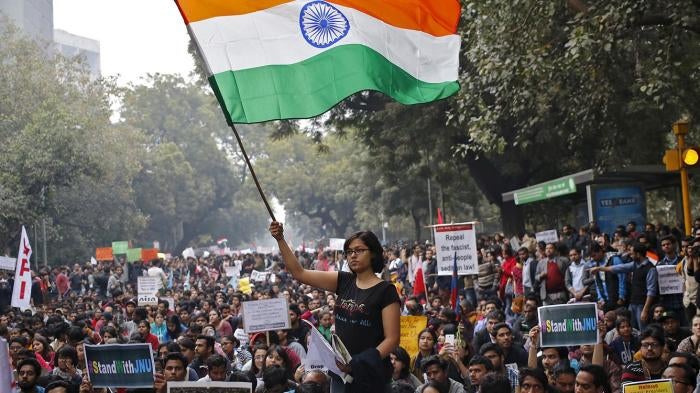
  • Voting
  • Participating in public life

🔴 5.4 Fundamental Duties

📌 Meaning

Duties mentioned in the constitution (in some countries like India).

📊 Examples

  • Respecting the constitution
  • Protecting the environment

🌍 Visual Representation of Duties

Image
Image
Image
Image

🔗 6. Relationship Between Rights and Duties

Image
Image
Image
Image

📌 Key Idea

👉 Every right implies a corresponding duty


🧩 Examples

  • Right to freedom → Duty to respect others’ freedom
  • Right to education → Duty to learn and contribute
  • Right to vote → Duty to vote responsibly

⚖️ Interdependence

RightsDuties
ClaimsObligations
FreedomResponsibility
Individual focusSocial focus

🏛️ 7. Rights and Duties in Democracy

🟢 Importance of Rights

  • Protect individual freedom
  • Ensure equality
  • Promote participation

🔵 Importance of Duties

  • Maintain order
  • Promote responsibility
  • Strengthen democracy

🌍 8. Evolution of Rights and Duties

🏺 Ancient Period

  • Focus on duties (e.g., in traditional societies)

🏰 Medieval Period

  • Limited rights

👑 Modern Period

  • Rise of rights (liberalism)

🌐 Contemporary Period

  • Balance of rights and duties

⚖️ 9. Theories of Rights

🧠 Natural Rights Theory

  • John Locke

🧠 Legal Theory

  • Rights created by law

🧠 Idealist Theory

  • T.H. Green

🧠 Marxist Theory

  • Karl Marx

⚠️ 10. Limitations of Rights

  • Not absolute
  • Subject to restrictions
  • Depend on social conditions

⚠️ 11. Challenges in Modern Society

  • Misuse of rights
  • Lack of awareness
  • Conflict between rights
  • Neglect of duties

🌐 12. Rights and Duties in Global Context

📱 Digital Rights

  • Privacy
  • Freedom of expression

🌍 Human Rights

  • Universal rights

🌱 Environmental Duties

  • Protecting nature

🧠 13. Importance of Rights and Duties

  • Maintain social balance
  • Promote justice
  • Ensure stability
  • Encourage responsible citizenship

🧾 14. Measures to Promote Awareness

  • Education
  • Legal enforcement
  • Public campaigns
  • Civic participation

🧠 15. Conclusion

Rights and duties are essential for a just, democratic, and harmonious society. While rights empower individuals, duties ensure that society functions smoothly. A proper balance between the two leads to a stable and progressive political system.

A responsible citizen not only demands rights but also fulfills duties, contributing to the overall development of society.