Tag Archives: boolean logic

๐Ÿ”˜ Boolean Logic โ€“ Complete Detailed Guide


๐ŸŒ Introduction to Boolean Logic

Image
Image
Image
Image

Boolean Logic is a branch of mathematics and computer science that deals with binary variables and logical operations. It forms the foundation of digital electronics, computer architecture, programming, and decision-making systems.

Boolean logic operates on two values:

  • 0 โ†’ False
  • 1 โ†’ True

It was introduced by George Boole, and today it is essential for designing circuits, writing programs, and building intelligent systems.


๐Ÿง  Importance of Boolean Logic

  • Core of digital circuit design
  • Used in programming conditions (if, else)
  • Enables decision-making in computers
  • Essential for data processing and control systems
  • Basis of artificial intelligence logic

๐Ÿ”ข Basic Concepts of Boolean Logic


๐Ÿ”ค Boolean Variables

A Boolean variable can take only two values:

  • True (1)
  • False (0)

Example:

A = 1
B = 0

โš™๏ธ Logical Operations

Boolean logic uses operations to manipulate variables:

  • AND
  • OR
  • NOT

These are called basic logic gates.


๐Ÿ”Œ Logic Gates


๐Ÿ”ท 1. AND Gate

Image
Image
Image
Image

Definition:

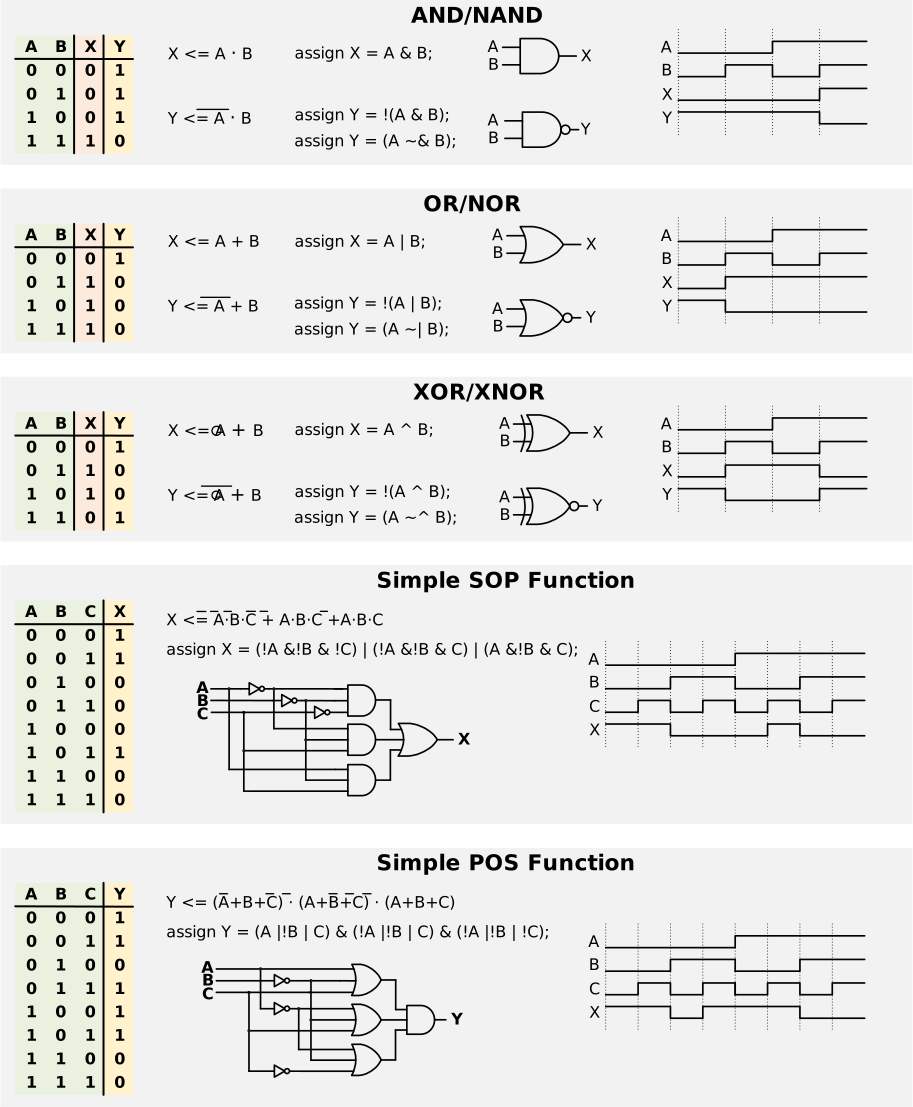
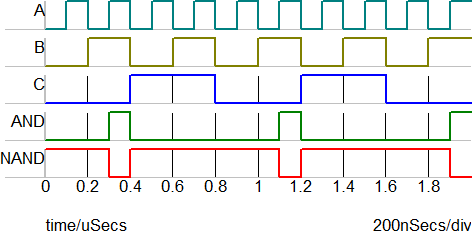
Output is 1 only when all inputs are 1

Truth Table:

ABOutput
000
010
100
111

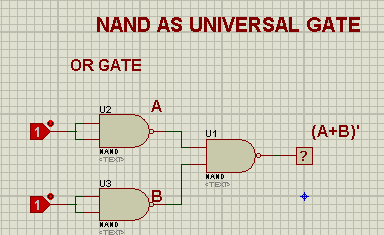
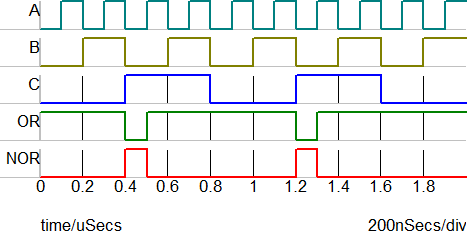
๐Ÿ”ถ 2. OR Gate

Image
Image
Image
Image

Definition:

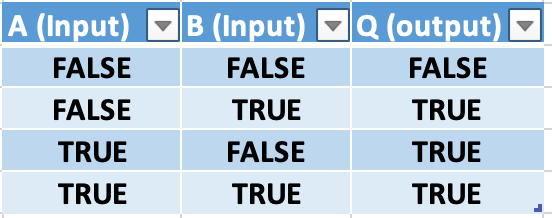
Output is 1 if at least one input is 1


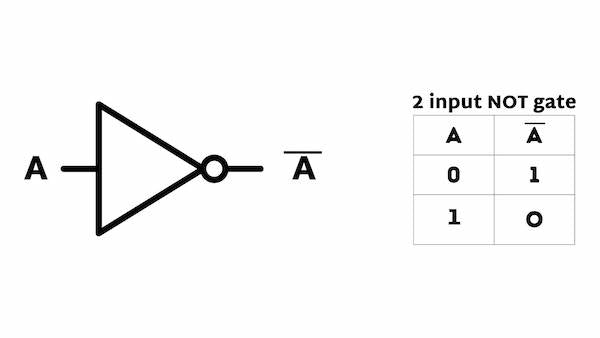
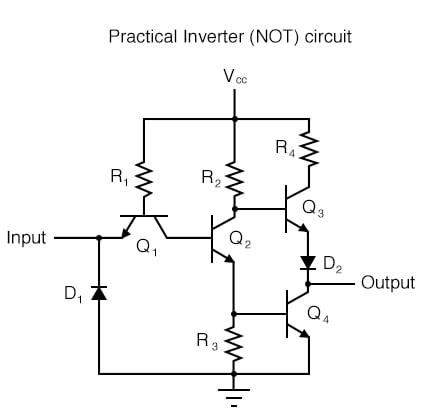
โšซ 3. NOT Gate

Image
Image
Image
Image

Definition:

Reverses the input


๐Ÿ”ท 4. NAND Gate

Image
Image
Image
Image
  • Opposite of AND
  • Output is 0 only when both inputs are 1

๐Ÿ”ถ 5. NOR Gate

Image
Image
Image
Image
  • Opposite of OR

โšช 6. XOR Gate

Image
Image
Image
  • Output is 1 when inputs are different

โšซ 7. XNOR Gate

Image
Image
Image
  • Output is 1 when inputs are same

๐Ÿงฎ Boolean Algebra


๐Ÿ“˜ Definition

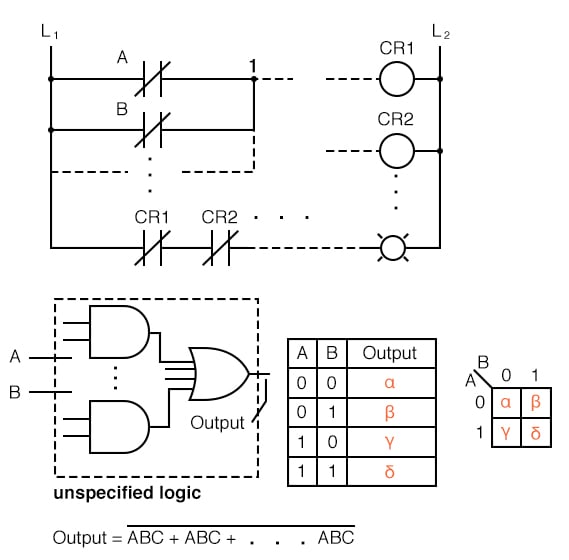
Boolean algebra is the mathematical framework for Boolean logic.


๐Ÿ”‘ Basic Laws of Boolean Algebra


โš–๏ธ 1. Identity Laws

A + 0 = A
A ยท 1 = A

๐Ÿ” 2. Null Laws

A + 1 = 1
A ยท 0 = 0

๐Ÿ”„ 3. Idempotent Laws

A + A = A
A ยท A = A

๐Ÿ”ƒ 4. Complement Laws

A + A' = 1
A ยท A' = 0

๐Ÿ”€ 5. Commutative Laws

A + B = B + A
A ยท B = B ยท A

๐Ÿ”— 6. Associative Laws

(A + B) + C = A + (B + C)
(A ยท B) ยท C = A ยท (B ยท C)

๐Ÿ” 7. Distributive Laws

A(B + C) = AB + AC
A + BC = (A + B)(A + C)

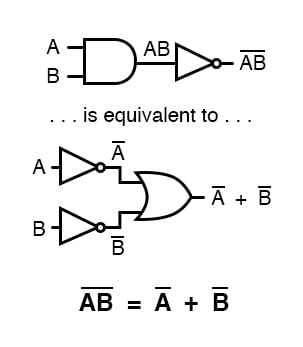
๐Ÿ”„ 8. De Morganโ€™s Theorems

Image
Image
Image
Image
(A ยท B)' = A' + B'
(A + B)' = A' ยท B'

๐Ÿงฉ Boolean Expressions


๐Ÿ”ค Example:

Y = A ยท B + C

Used to represent logic circuits mathematically.


๐Ÿ”„ Simplification Techniques


๐Ÿ“‰ 1. Algebraic Simplification

Use Boolean laws to reduce expressions.


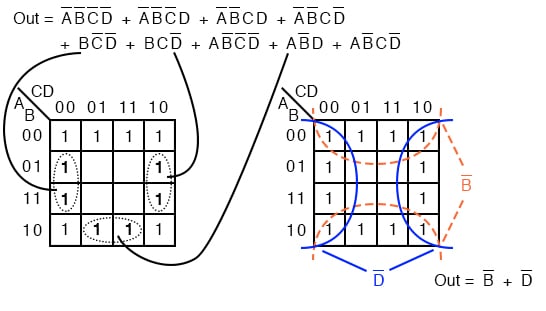
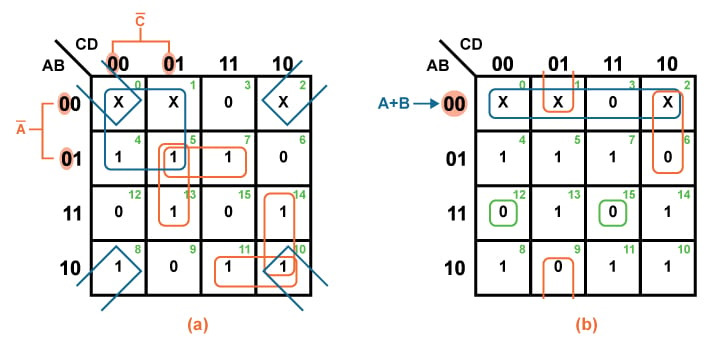
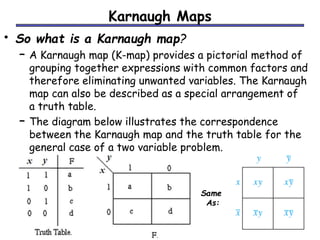
๐Ÿ—บ๏ธ 2. Karnaugh Map (K-Map)

Image
Image
Image
Image
  • Graphical method
  • Reduces complexity
  • Minimizes logic gates

๐Ÿง  Canonical Forms


๐Ÿ”ข 1. Sum of Products (SOP)

Expression as OR of AND terms.


๐Ÿ”ข 2. Product of Sums (POS)

Expression as AND of OR terms.


๐Ÿ”Œ Digital Circuit Implementation


โš™๏ธ Combinational Circuits

Image
Image
Image
Image
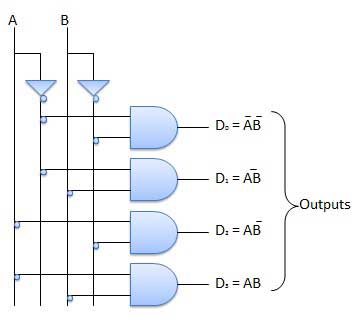
  • Output depends only on current inputs

Examples:

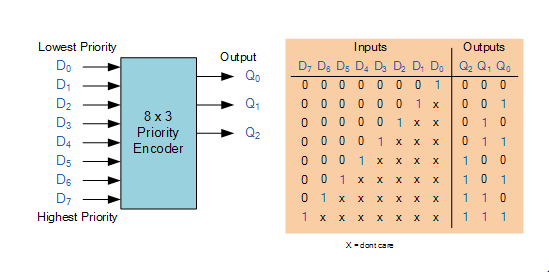
  • Adders
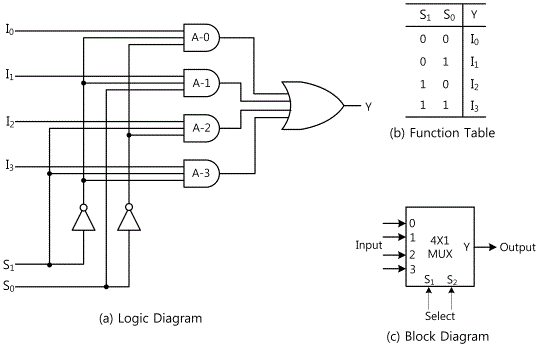
  • Multiplexers
  • Encoders

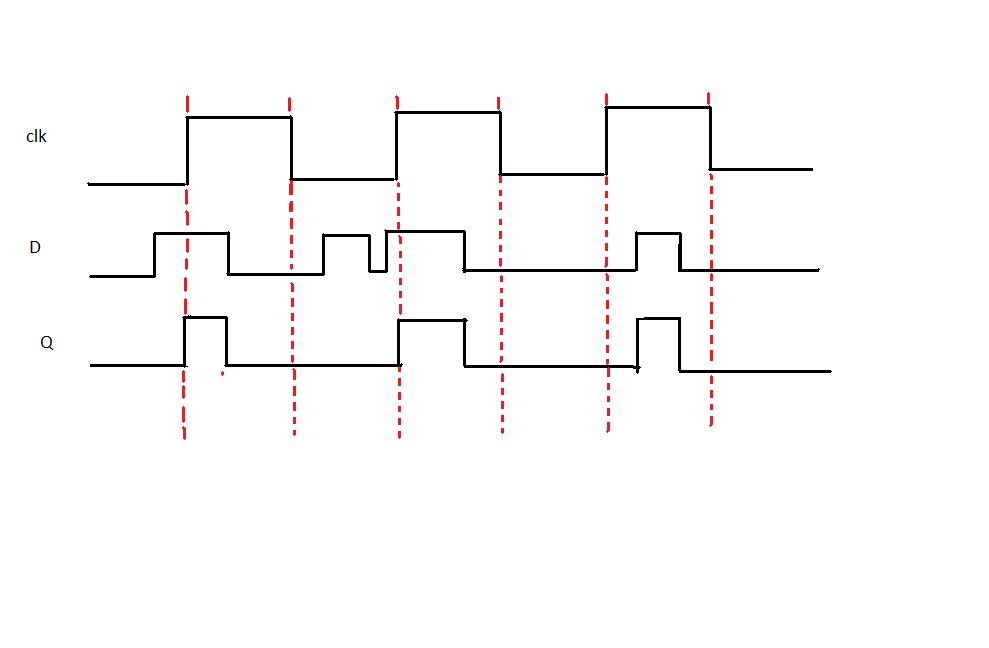
๐Ÿ” Sequential Circuits

Image
Image
Image
Image
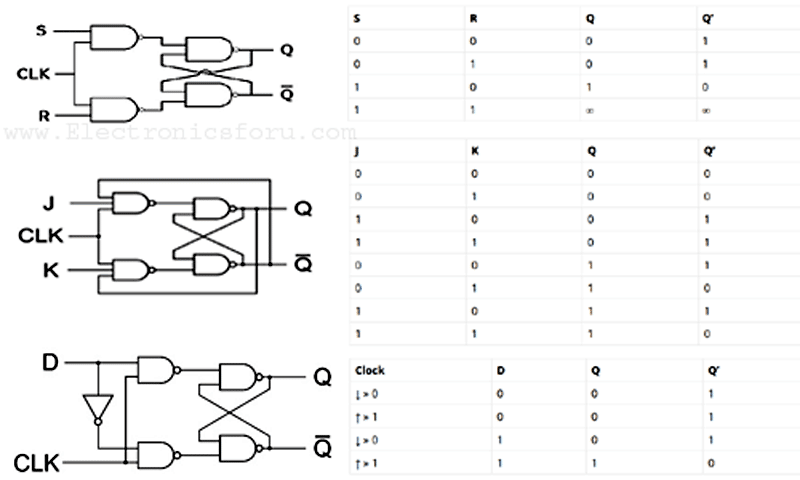
  • Output depends on past inputs
  • Uses memory elements

Examples:

  • Flip-flops
  • Counters

๐Ÿง  Boolean Logic in Programming


๐Ÿ’ป Conditional Statements

if (A && B)
if (A || B)
if (!A)

๐Ÿ” Logical Operators

  • AND (&&)
  • OR (||)
  • NOT (!)

๐ŸŒ Applications of Boolean Logic


๐Ÿ–ฅ๏ธ 1. Computer Hardware

  • CPU design
  • Memory systems

๐Ÿ” 2. Cybersecurity

  • Encryption algorithms
  • Access control

๐Ÿค– 3. Artificial Intelligence

  • Decision trees
  • Rule-based systems

๐Ÿ“ก 4. Networking

  • Packet filtering
  • Routing decisions

๐ŸŽฎ 5. Gaming

  • Game logic
  • AI behavior

โšก Advantages of Boolean Logic

  • Simple and efficient
  • Reliable
  • Easy to implement in hardware
  • Scalable

โš ๏ธ Limitations

  • Limited to binary values
  • Complex for large systems
  • Requires optimization

๐Ÿš€ Advanced Topics


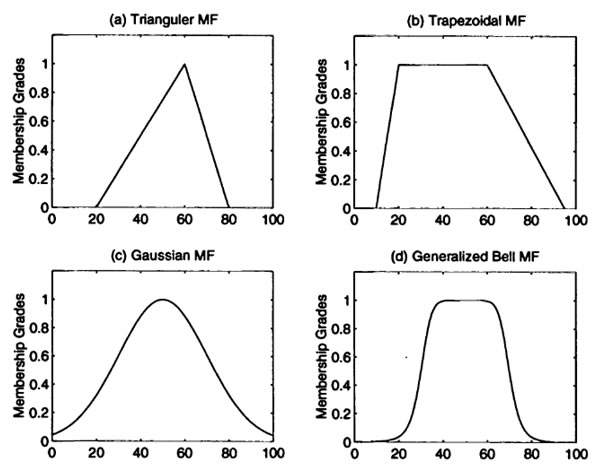
๐Ÿง  Fuzzy Logic

Image
Image
Image
Image
  • Extends Boolean logic
  • Allows partial truth (0 to 1)

โš›๏ธ Quantum Logic

  • Uses qubits
  • Supports superposition

๐Ÿง  Neural Logic Systems

  • Combines Boolean logic with AI

๐Ÿงพ Conclusion

Boolean logic is the foundation of digital systems and computing. It enables:

  • Logical decision-making
  • Circuit design
  • Programming conditions
  • Advanced computing technologies

Understanding Boolean logic is essential for anyone studying:

  • Computer science
  • Electronics
  • Artificial intelligence

๐Ÿท๏ธ Tags

Logic and Propositions

Image
Image
Image
Image

1. Introduction to Logic and Propositions

Logic is one of the most fundamental branches of mathematics and philosophy. It deals with reasoning, argument structure, and determining whether statements are true or false. Logic forms the foundation for mathematical proofs, computer programming, artificial intelligence, digital circuits, and many scientific disciplines.

A central concept in logic is the proposition, which is a statement that can either be true or false, but not both simultaneously. Propositions allow us to analyze reasoning systematically and determine the validity of arguments.

Logic is widely used in many areas, including:

  • Mathematics
  • Computer science
  • Philosophy
  • Artificial intelligence
  • Digital electronics
  • Data science
  • Linguistics
  • Formal verification

By studying logic and propositions, we develop the ability to analyze statements, construct proofs, and evaluate arguments rigorously.


2. What is a Proposition?

A proposition is a declarative statement that has a definite truth value: either true or false.

Examples of propositions:

  • “2 + 3 = 5”
  • “The Earth revolves around the Sun”
  • “7 is a prime number”

Each of these statements can be evaluated as either true or false.

Examples that are not propositions:

  • “What time is it?”
  • “Close the door”
  • “x + 5 = 10”

The first two are questions or commands. The third contains a variable whose truth depends on the value of x.

Therefore, a proposition must have a definite truth value.


3. Truth Values

Every proposition has a truth value.

Truth values are usually represented by:

T = True
F = False

Example:

p: “5 > 3”

Truth value: True

Another example:

q: “4 is an odd number”

Truth value: False

Truth values form the basis of logical reasoning.


4. Simple and Compound Propositions

Propositions can be classified into two types:

Simple (Atomic) Propositions

These are basic propositions that cannot be broken down into smaller statements.

Example:

p: “It is raining.”

q: “The temperature is 25ยฐC.”


Compound Propositions

Compound propositions are formed by combining simple propositions using logical connectives.

Example:

“It is raining and cold.”

This combines two simple propositions.


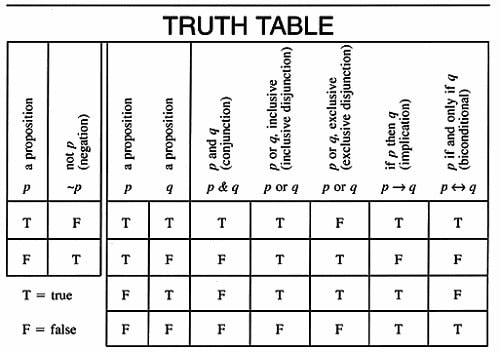
5. Logical Connectives

Logical connectives combine propositions to create compound statements.

The most common logical connectives are:

  • NOT
  • AND
  • OR
  • IMPLICATION
  • BICONDITIONAL

Negation (NOT)

Negation reverses the truth value of a proposition.

Symbol:

ยฌp

Example:

p: “It is raining.”

ยฌp: “It is not raining.”

Truth table:

p | ยฌp
T | F
F | T


Conjunction (AND)

Conjunction combines two propositions and is true only if both are true.

Symbol:

p โˆง q

Example:

p: “It is raining.”

q: “It is cold.”

Compound statement:

“It is raining and cold.”

Truth table:

p | q | p โˆง q
T | T | T
T | F | F
F | T | F
F | F | F


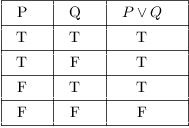
Disjunction (OR)

Disjunction is true if at least one proposition is true.

Symbol:

p โˆจ q

Truth table:

p | q | p โˆจ q
T | T | T
T | F | T
F | T | T
F | F | F


Implication (IFโ€“THEN)

Implication represents conditional statements.

Symbol:

p โ†’ q

Meaning:

“If p is true, then q must be true.”

Truth table:

p | q | p โ†’ q
T | T | T
T | F | F
F | T | T
F | F | T


Biconditional

Symbol:

p โ†” q

Meaning:

p is true if and only if q is true.

Truth table:

p | q | p โ†” q
T | T | T
T | F | F
F | T | F
F | F | T


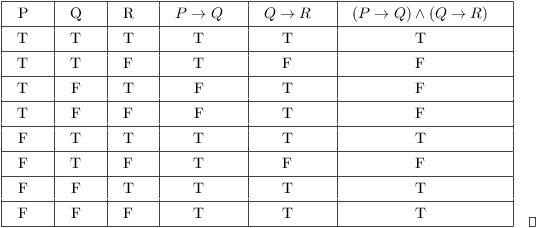
6. Truth Tables

A truth table is a table that shows the truth values of logical expressions for all possible combinations of inputs.

Truth tables help evaluate logical expressions and verify logical equivalences.

Example:

Expression:

p โˆง q

Truth table lists all possible values of p and q.


7. Logical Equivalence

Two statements are logically equivalent if they always have the same truth values.

Example:

p โ†’ q is equivalent to ยฌp โˆจ q

Logical equivalence is useful in simplifying logical expressions.


8. Laws of Logic

Several laws govern logical expressions.


Identity Laws

p โˆง T = p
p โˆจ F = p


Domination Laws

p โˆจ T = T
p โˆง F = F


Idempotent Laws

p โˆจ p = p
p โˆง p = p


Double Negation

ยฌ(ยฌp) = p


Commutative Laws

p โˆง q = q โˆง p
p โˆจ q = q โˆจ p


Associative Laws

(p โˆง q) โˆง r = p โˆง (q โˆง r)


Distributive Laws

p โˆง (q โˆจ r) = (p โˆง q) โˆจ (p โˆง r)


De Morgan’s Laws

ยฌ(p โˆง q) = ยฌp โˆจ ยฌq

ยฌ(p โˆจ q) = ยฌp โˆง ยฌq

These laws are extremely important in logic and computer science.


9. Tautologies and Contradictions

Logical expressions can be classified based on their truth values.


Tautology

A statement that is always true.

Example:

p โˆจ ยฌp


Contradiction

A statement that is always false.

Example:

p โˆง ยฌp


Contingency

A statement that is sometimes true and sometimes false.

Example:

p โˆง q


10. Logical Arguments

Logic is used to evaluate arguments.

An argument consists of:

Premises
Conclusion

Example:

Premise 1: If it rains, the ground is wet.
Premise 2: It is raining.

Conclusion: The ground is wet.

This argument is logically valid.


11. Predicate Logic

Propositional logic deals with whole statements.

Predicate logic extends this by including variables.

Example:

P(x): “x is a prime number.”


12. Quantifiers

Quantifiers describe how many objects satisfy a predicate.


Universal Quantifier

Symbol:

โˆ€

Meaning:

“For all”

Example:

โˆ€x (x + 0 = x)


Existential Quantifier

Symbol:

โˆƒ

Meaning:

“There exists”

Example:

โˆƒx (xยฒ = 4)


13. Logic in Mathematics

Logic is the foundation of mathematical proofs.

Types of proofs include:

  • Direct proof
  • Proof by contradiction
  • Proof by contrapositive
  • Mathematical induction

14. Logic in Computer Science

Logic is essential in programming and computing.

Applications include:

  • algorithm design
  • program verification
  • database queries
  • artificial intelligence

Programming languages use logical operators like:

AND, OR, NOT.


15. Logic in Digital Electronics

Digital circuits use logical operations.

Examples include:

  • AND gate
  • OR gate
  • NOT gate
  • NAND gate
  • NOR gate

Computers operate using binary logic.


16. Logic in Artificial Intelligence

AI systems use logical reasoning to make decisions.

Example applications:

  • expert systems
  • automated reasoning
  • knowledge representation

17. Logic in Linguistics

Logic helps analyze sentence structure and meaning.

Used in:

  • semantic analysis
  • natural language processing

18. Importance of Logic

Logic helps people:

  • think clearly
  • evaluate arguments
  • avoid fallacies
  • build valid proofs

It is essential for scientific reasoning and critical thinking.


Conclusion

Logic and propositions form the foundation of reasoning in mathematics, computer science, and philosophy. Propositions provide the basic units of logical analysis, while logical connectives allow complex statements to be constructed and evaluated. Through truth tables, logical laws, and equivalence rules, logic enables systematic analysis of arguments and statements.

The study of logic extends beyond mathematics into many practical fields, including computer programming, artificial intelligence, digital circuit design, and formal verification systems. Predicate logic further expands the power of logical reasoning by introducing variables and quantifiers, allowing more detailed and flexible analysis of statements.

Understanding logic and propositions is essential for anyone interested in mathematics, computer science, or analytical reasoning. By mastering logical principles, individuals can improve their problem-solving skills, construct valid arguments, and develop a deeper understanding of formal systems.


Tags