Tag Archives: Logic Gates

🔘 Boolean Logic – Complete Detailed Guide


🌐 Introduction to Boolean Logic
Image
Image
Image
Image

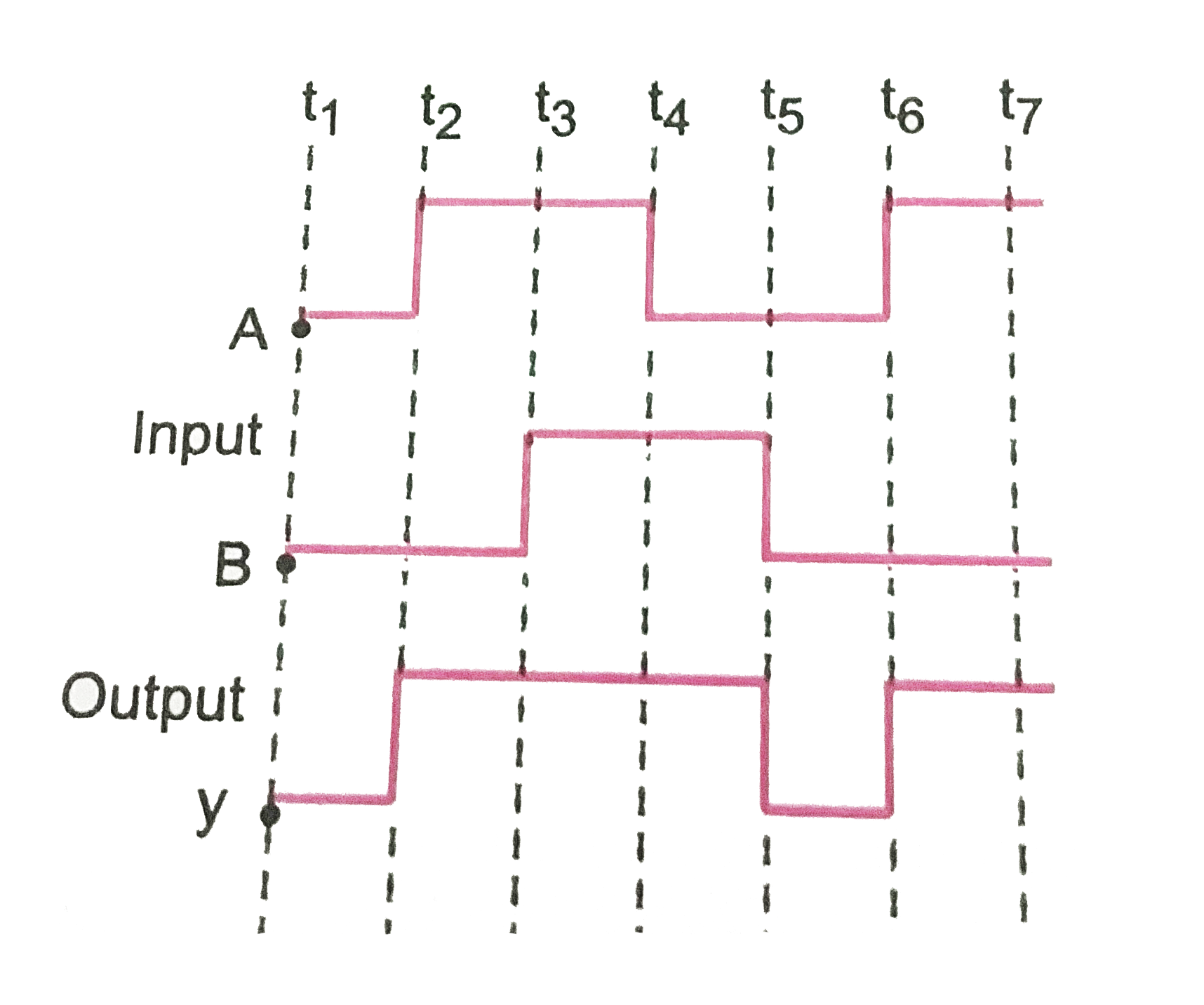
Boolean Logic is a branch of mathematics and computer science that deals with binary variables and logical operations. It forms the foundation of digital electronics, computer architecture, programming, and decision-making systems.

Boolean logic operates on two values:

  • 0 → False
  • 1 → True

It was introduced by George Boole, and today it is essential for designing circuits, writing programs, and building intelligent systems.


🧠 Importance of Boolean Logic

  • Core of digital circuit design
  • Used in programming conditions (if, else)
  • Enables decision-making in computers
  • Essential for data processing and control systems
  • Basis of artificial intelligence logic

🔢 Basic Concepts of Boolean Logic


🔤 Boolean Variables

A Boolean variable can take only two values:

  • True (1)
  • False (0)

Example:

A = 1
B = 0

⚙️ Logical Operations

Boolean logic uses operations to manipulate variables:

  • AND
  • OR
  • NOT

These are called basic logic gates.


🔌 Logic Gates


🔷 1. AND Gate

Image
Image
Image
Image

Definition:

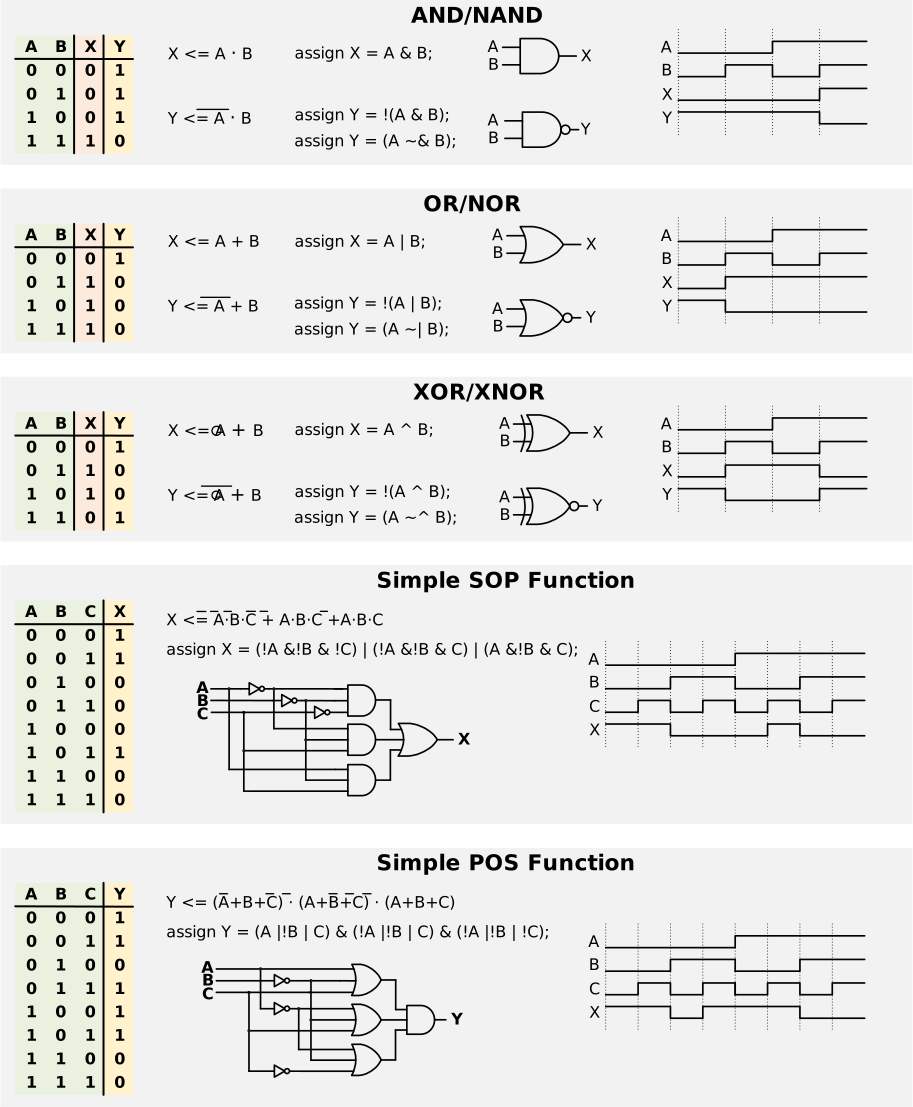
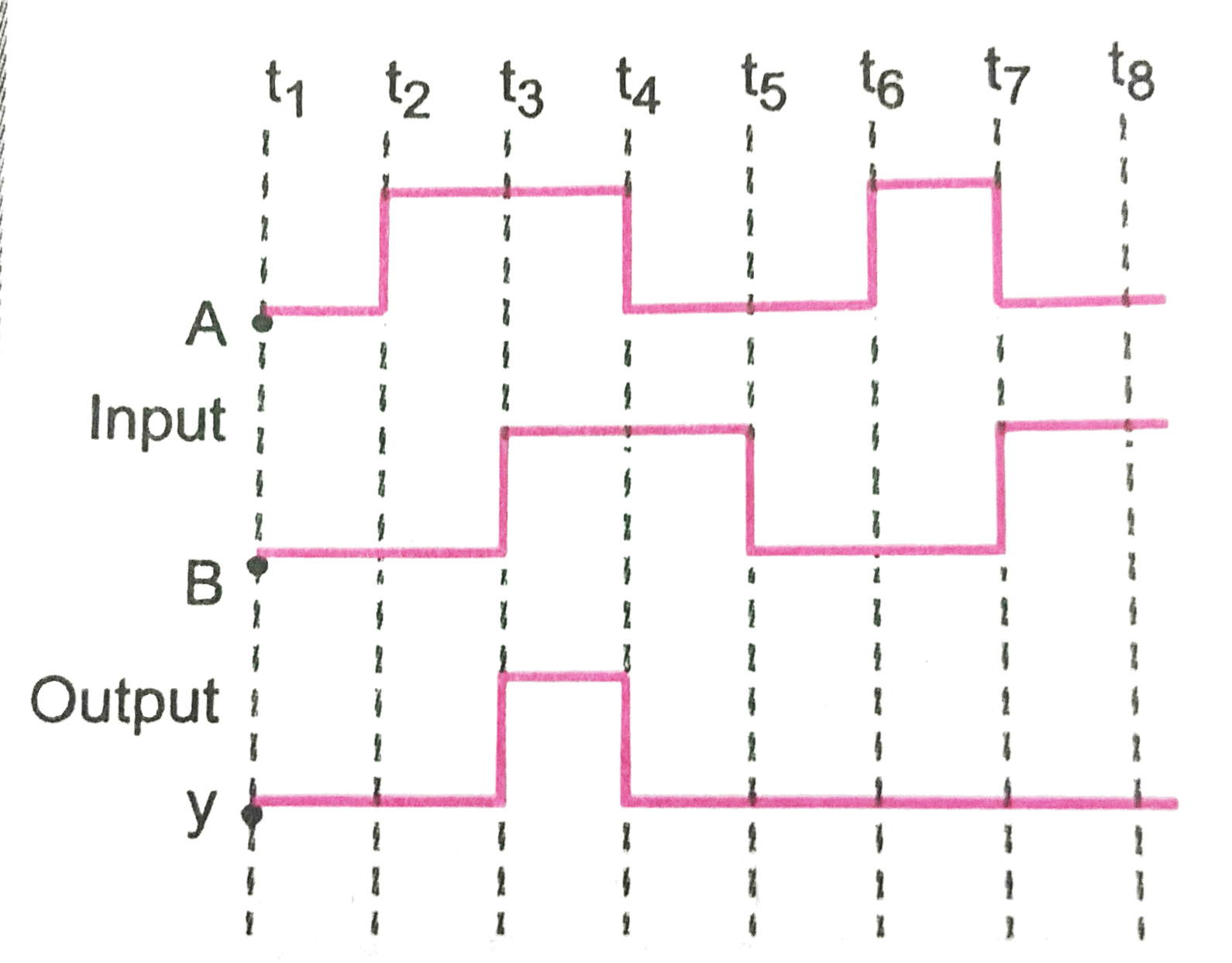
Output is 1 only when all inputs are 1

Truth Table:

ABOutput
000
010
100
111

🔶 2. OR Gate

Image
Image
Image
Image

Definition:

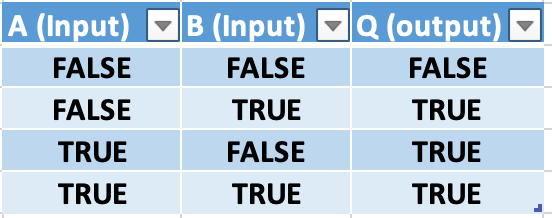
Output is 1 if at least one input is 1


⚫ 3. NOT Gate

Image
Image
Image
Image

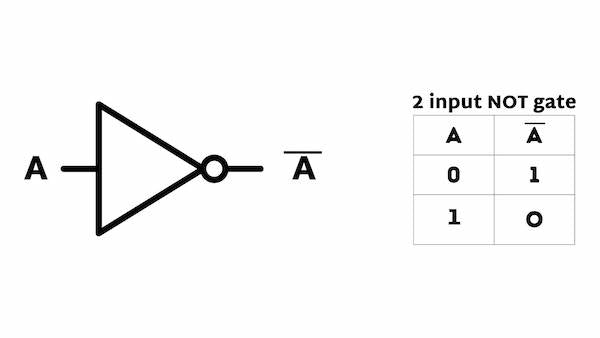
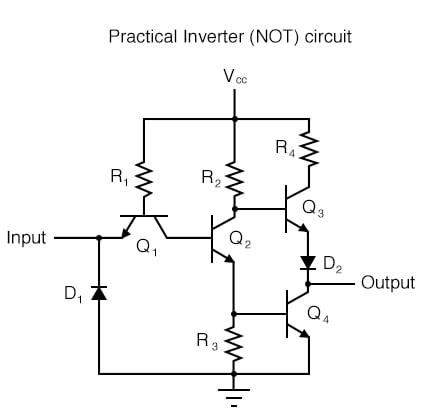
Definition:

Reverses the input


🔷 4. NAND Gate

Image
Image
Image
Image
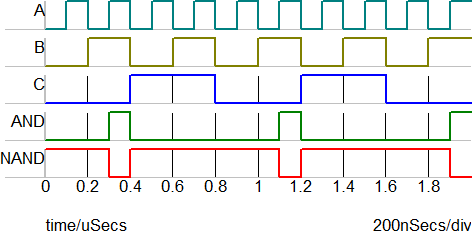
  • Opposite of AND
  • Output is 0 only when both inputs are 1

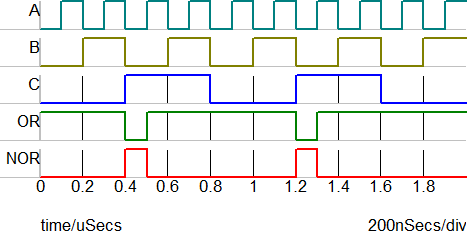
🔶 5. NOR Gate

Image
Image
Image
Image
  • Opposite of OR

⚪ 6. XOR Gate

Image
Image
Image
  • Output is 1 when inputs are different

⚫ 7. XNOR Gate

Image
Image
Image
  • Output is 1 when inputs are same

🧮 Boolean Algebra


📘 Definition

Boolean algebra is the mathematical framework for Boolean logic.


🔑 Basic Laws of Boolean Algebra


⚖️ 1. Identity Laws

A + 0 = A
A · 1 = A

🔁 2. Null Laws

A + 1 = 1
A · 0 = 0

🔄 3. Idempotent Laws

A + A = A
A · A = A

🔃 4. Complement Laws

A + A' = 1
A · A' = 0

🔀 5. Commutative Laws

A + B = B + A
A · B = B · A

🔗 6. Associative Laws

(A + B) + C = A + (B + C)
(A · B) · C = A · (B · C)

🔁 7. Distributive Laws

A(B + C) = AB + AC
A + BC = (A + B)(A + C)

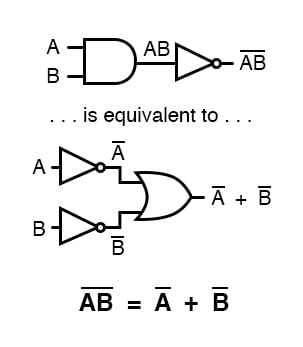
🔄 8. De Morgan’s Theorems

Image
Image
Image
Image
(A · B)' = A' + B'
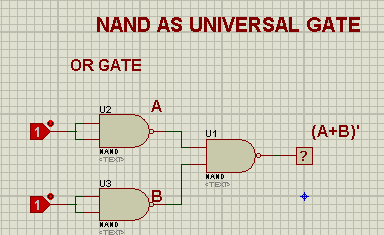
(A + B)' = A' · B'

🧩 Boolean Expressions


🔤 Example:

Y = A · B + C

Used to represent logic circuits mathematically.


🔄 Simplification Techniques


📉 1. Algebraic Simplification

Use Boolean laws to reduce expressions.


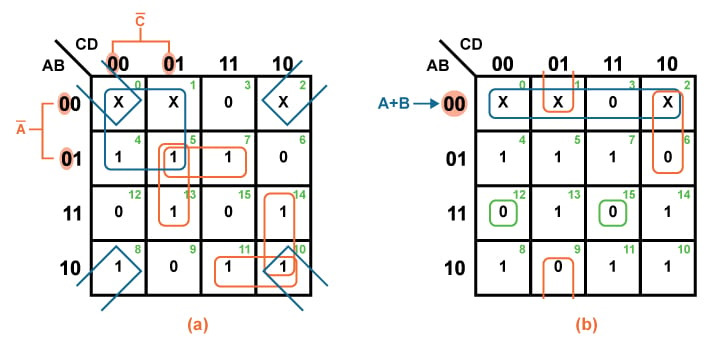
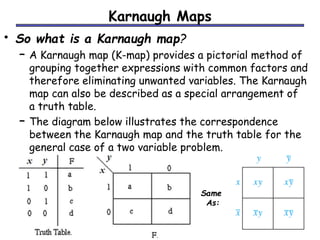
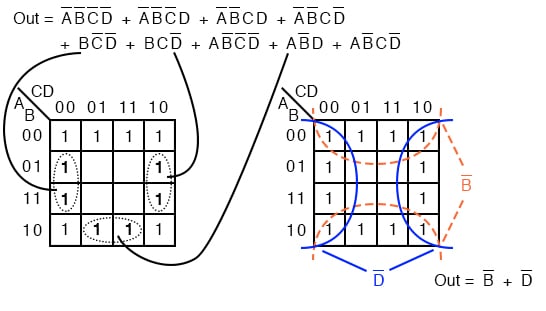
🗺️ 2. Karnaugh Map (K-Map)
Image
Image
Image
Image
  • Graphical method
  • Reduces complexity
  • Minimizes logic gates

🧠 Canonical Forms


🔢 1. Sum of Products (SOP)

Expression as OR of AND terms.


🔢 2. Product of Sums (POS)

Expression as AND of OR terms.


🔌 Digital Circuit Implementation


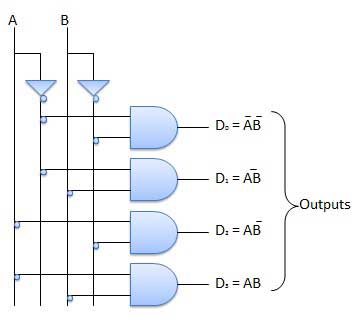
⚙️ Combinational Circuits

Image
Image
Image
Image
  • Output depends only on current inputs

Examples:

  • Adders
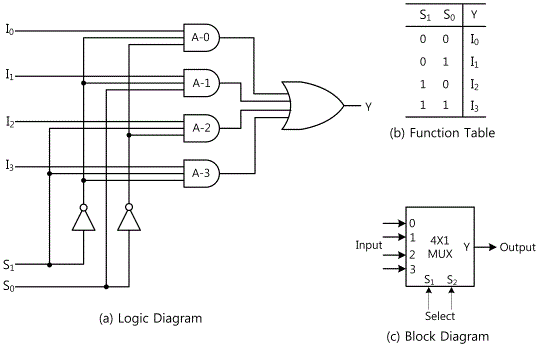
  • Multiplexers
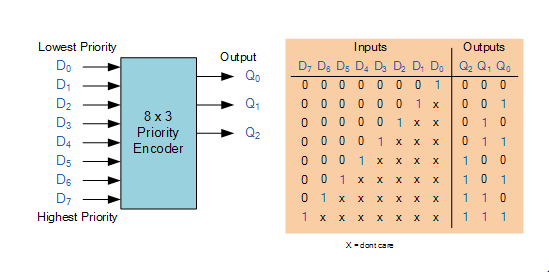
  • Encoders

🔁 Sequential Circuits

Image
Image
Image
Image
  • Output depends on past inputs
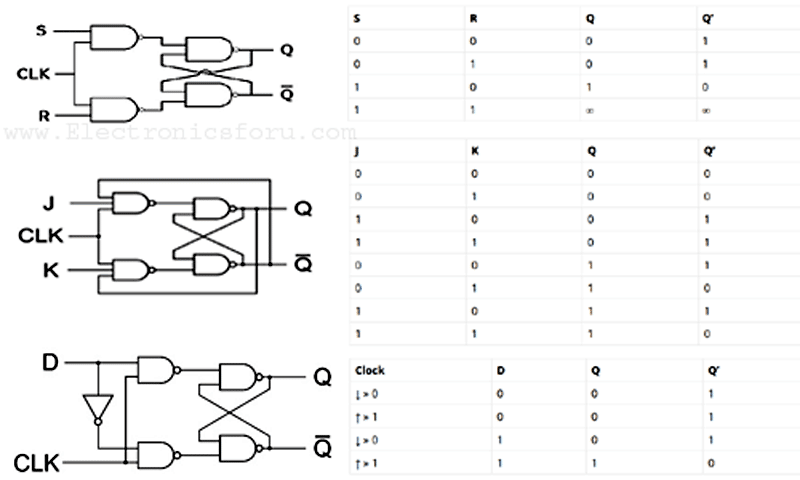
  • Uses memory elements

Examples:

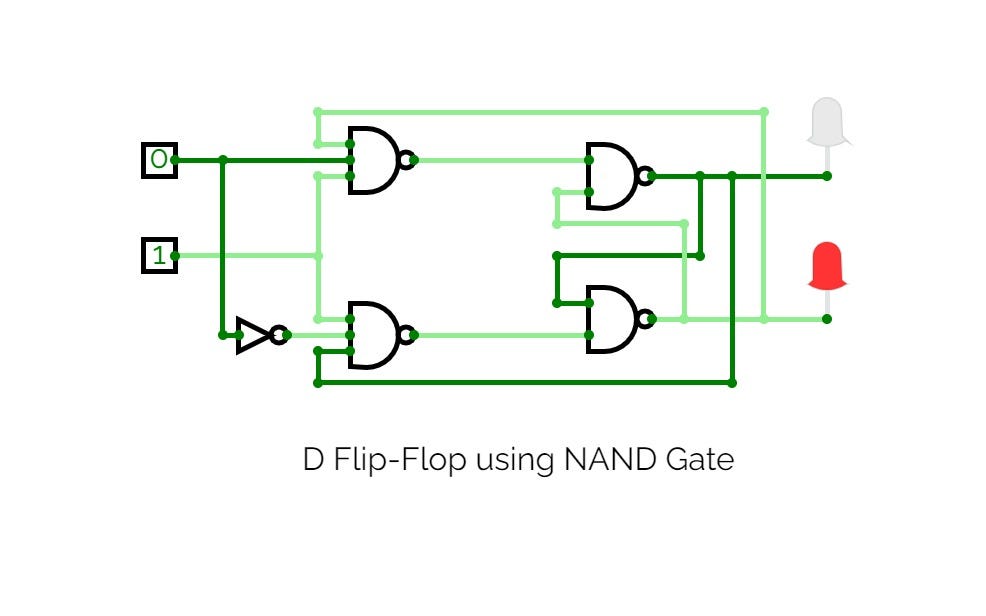
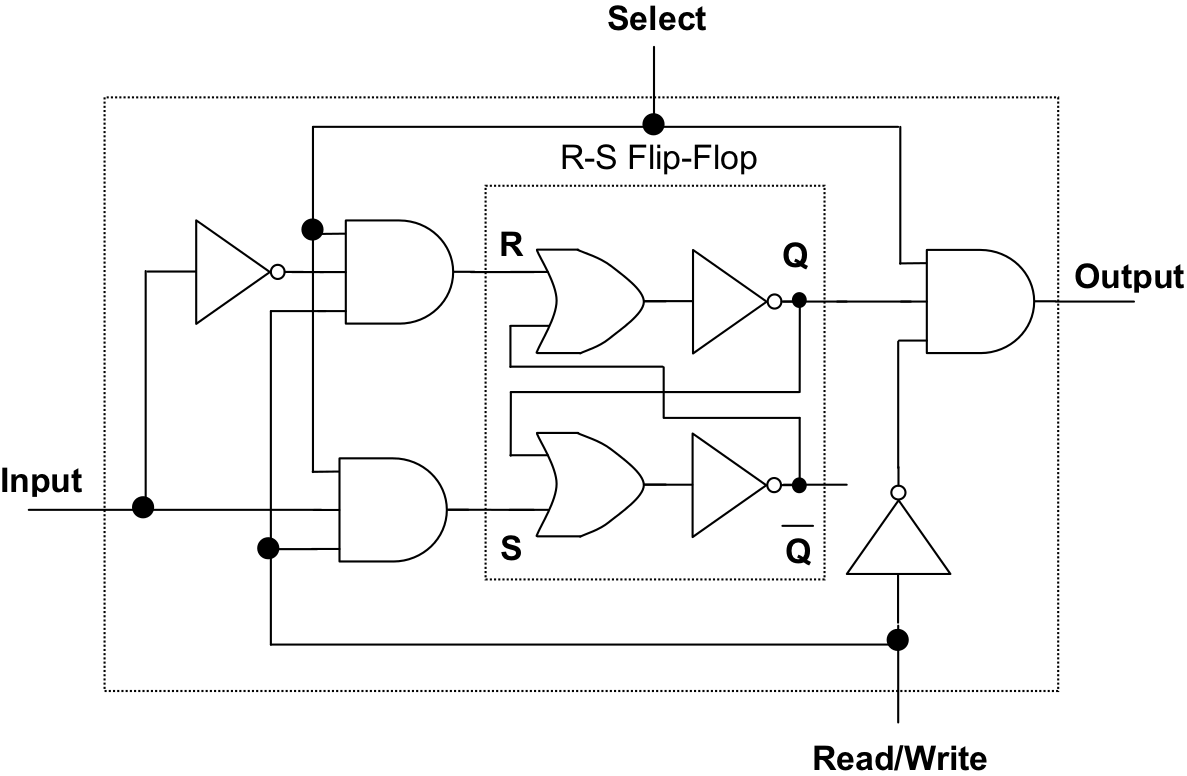
  • Flip-flops
  • Counters

🧠 Boolean Logic in Programming


💻 Conditional Statements

if (A && B)
if (A || B)
if (!A)

🔍 Logical Operators

  • AND (&&)
  • OR (||)
  • NOT (!)

🌐 Applications of Boolean Logic


🖥️ 1. Computer Hardware

  • CPU design
  • Memory systems

🔐 2. Cybersecurity

  • Encryption algorithms
  • Access control

🤖 3. Artificial Intelligence

  • Decision trees
  • Rule-based systems

📡 4. Networking

  • Packet filtering
  • Routing decisions

🎮 5. Gaming

  • Game logic
  • AI behavior

⚡ Advantages of Boolean Logic

  • Simple and efficient
  • Reliable
  • Easy to implement in hardware
  • Scalable

⚠️ Limitations

  • Limited to binary values
  • Complex for large systems
  • Requires optimization

🚀 Advanced Topics


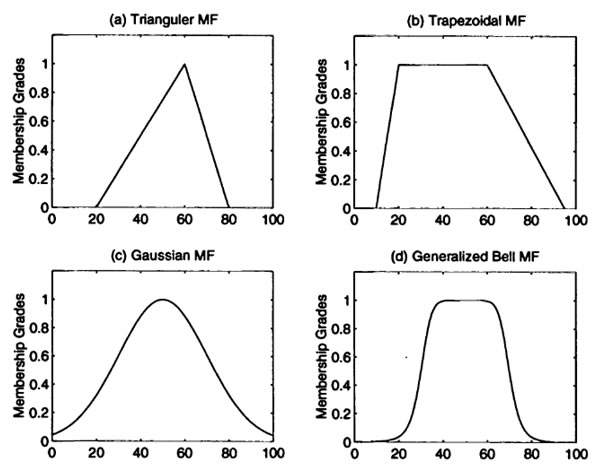
🧠 Fuzzy Logic
Image
Image
Image
Image
  • Extends Boolean logic
  • Allows partial truth (0 to 1)

⚛️ Quantum Logic

  • Uses qubits
  • Supports superposition

🧠 Neural Logic Systems

  • Combines Boolean logic with AI

🧾 Conclusion

Boolean logic is the foundation of digital systems and computing. It enables:

  • Logical decision-making
  • Circuit design
  • Programming conditions
  • Advanced computing technologies

Understanding Boolean logic is essential for anyone studying:

  • Computer science
  • Electronics
  • Artificial intelligence

🏷️ Tags

🔢 Binary Number System – Complete Detailed Guide


🌐 Introduction to the Binary Number System

Image
Image
Image
Image

The binary number system is the foundation of all modern computing and digital electronics. It is a base-2 number system, meaning it uses only two digits:

0 and 1

Every piece of data inside a computer—whether text, images, videos, or programs—is ultimately represented using binary digits (bits).

Binary works because electronic circuits can easily represent two states:

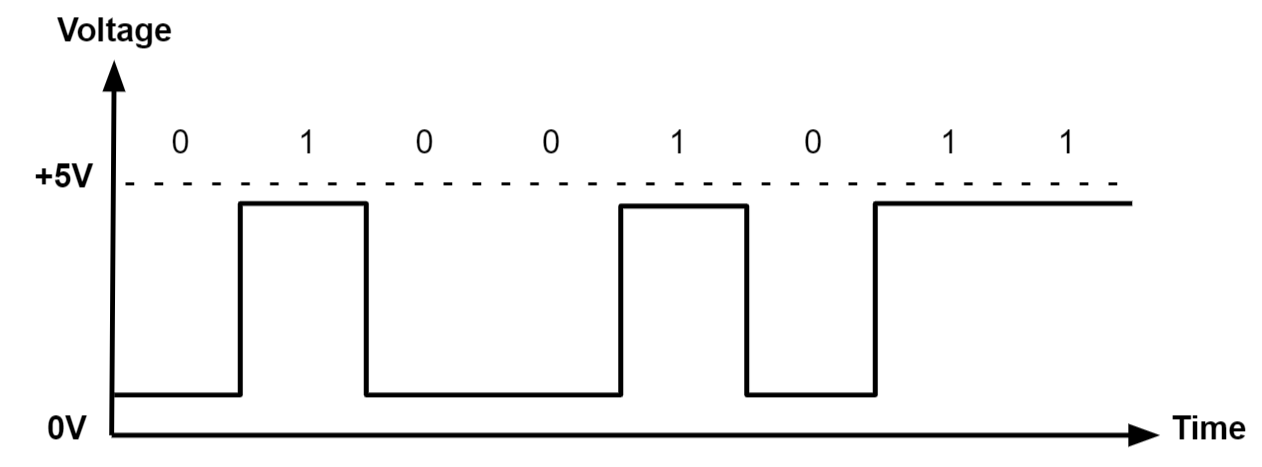
  • 0 → OFF (Low voltage)
  • 1 → ON (High voltage)

🧠 Why Binary Is Used in Computers

Computers rely on binary because:

  • Electronic circuits have two stable states (on/off)
  • Binary simplifies hardware design
  • It reduces errors in signal transmission
  • It is efficient for logic operations

🔢 Understanding Number Systems

Before diving deeper, it’s important to understand number systems:

SystemBaseDigits
Decimal100–9
Binary20–1
Octal80–7
Hexadecimal160–9, A–F

🧮 Structure of Binary Numbers

Image
Image
Image

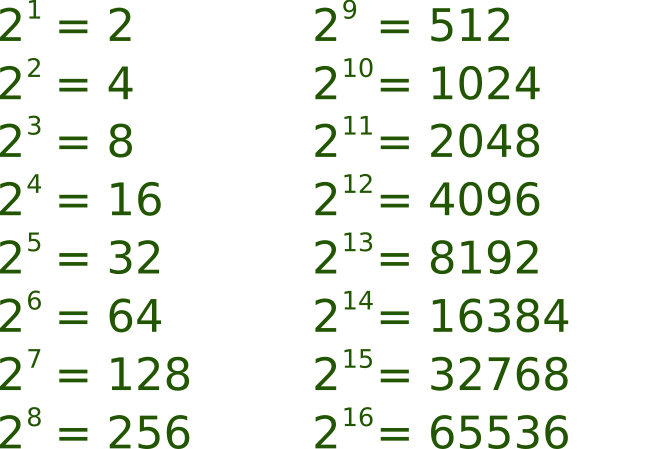
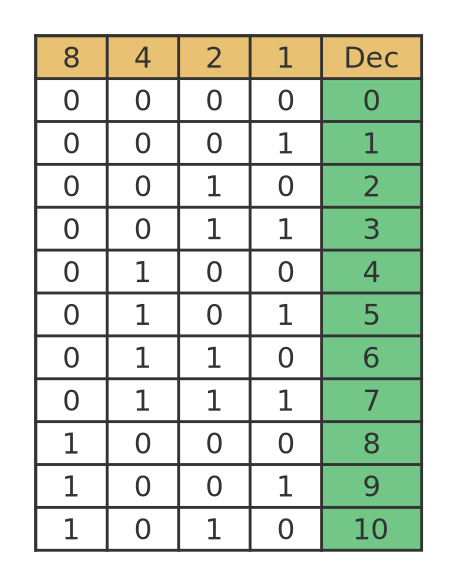
Each position in a binary number represents a power of 2:

Example:

1011₂ = (1×2³) + (0×2²) + (1×2¹) + (1×2⁰)
      = 8 + 0 + 2 + 1
      = 11₁₀

🧩 Bits, Bytes, and Data Units

UnitSize
Bit1 binary digit
Nibble4 bits
Byte8 bits
Kilobyte1024 bytes
Megabyte1024 KB

🔄 Conversion Between Number Systems


🔁 Decimal to Binary

Image
Image

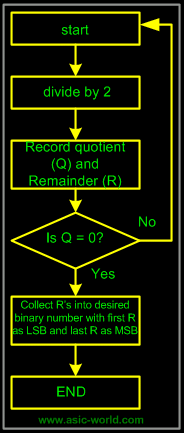
Method: Repeated Division by 2

Example: Convert 13 to binary

13 ÷ 2 = 6 remainder 1
6 ÷ 2 = 3 remainder 0
3 ÷ 2 = 1 remainder 1
1 ÷ 2 = 0 remainder 1

Binary = 1101

🔁 Binary to Decimal

Multiply each bit by powers of 2:

Example:

1101₂ = 13₁₀

🔁 Binary to Octal and Hexadecimal

Image
Image
Image
Image

Binary → Octal:

Group bits in 3s

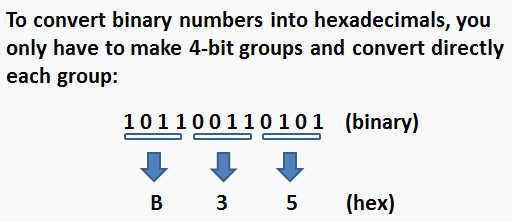
Binary → Hex:

Group bits in 4s


➕ Binary Arithmetic


➕ Binary Addition

Image
Image
Image
Image

Rules:

0 + 0 = 0
0 + 1 = 1
1 + 1 = 10 (carry 1)
1 + 1 + 1 = 11

➖ Binary Subtraction

Rules:

1 - 0 = 1
1 - 1 = 0
0 - 1 = borrow

✖️ Binary Multiplication

Image
Image
Image
Image

Similar to decimal multiplication but simpler.


➗ Binary Division

Performed using repeated subtraction or long division method.


🧠 Signed Binary Numbers


🔢 1. Sign-Magnitude Representation

  • First bit = sign
  • Remaining bits = magnitude

🔢 2. One’s Complement

  • Flip all bits

🔢 3. Two’s Complement

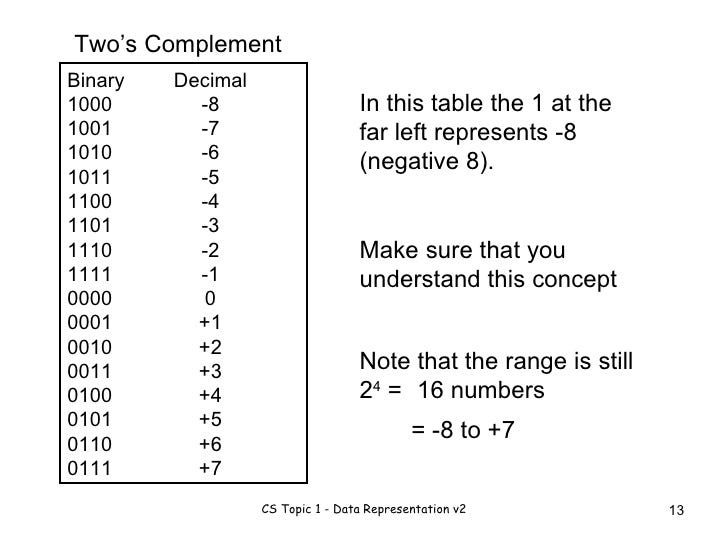
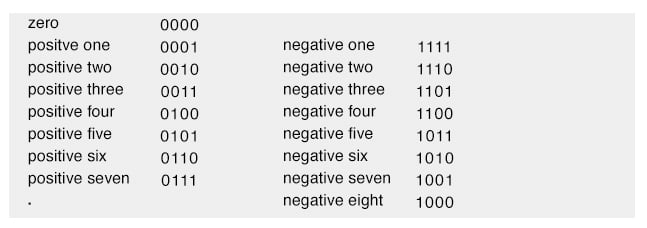
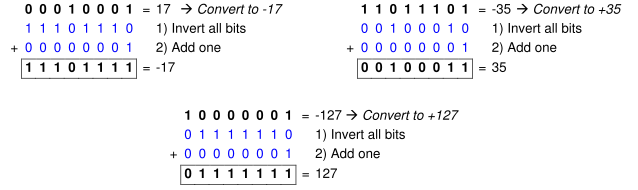
Image
Image
Image
Image

Steps:

  1. Invert bits
  2. Add 1

Example:

+5 = 0101
-5 = 1011

🧮 Binary Codes


🔤 1. ASCII Code

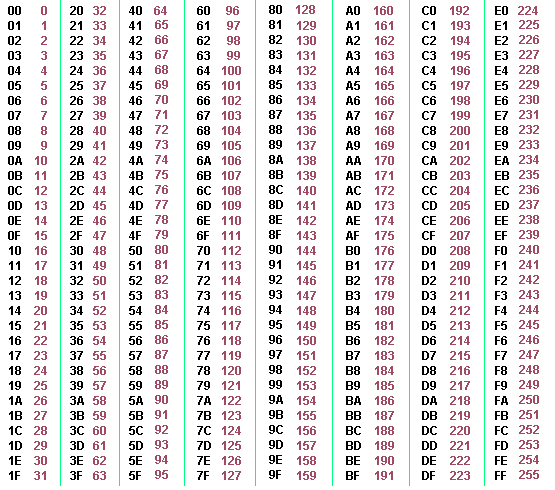
Image
Image
Image
Image
  • Represents characters using binary
  • Example:
    • A = 65 = 01000001

🌍 2. Unicode

  • Supports global languages
  • Uses more bits than ASCII

🔢 3. BCD (Binary Coded Decimal)

Represents decimal digits separately.


⚙️ Binary in Digital Circuits

Image
Image
Image
Image

Binary is used in:

  • Logic gates (AND, OR, NOT)
  • Flip-flops
  • Registers
  • Memory circuits

🔌 Boolean Algebra and Binary

  • 0 = False
  • 1 = True

Operations:

  • AND
  • OR
  • NOT

🧠 Applications of Binary System


💻 1. Computer Processing

All operations inside CPU use binary.


📡 2. Communication Systems

Binary signals used in:

  • Networking
  • Data transmission

🖼️ 3. Image Representation

Image
Image
Image
Image

Images are stored as binary pixel data.


🎵 4. Audio Encoding

Sound converted into binary signals.


🎮 5. Gaming and Graphics

All rendering uses binary computations.


🔐 6. Cryptography

Binary used in encryption algorithms.


⚡ Advantages of Binary System

  • Simple implementation
  • Reliable
  • Efficient for machines
  • Error-resistant

⚠️ Limitations

  • Lengthy representations
  • Hard for humans to read
  • Conversion required

🔄 Binary vs Decimal

FeatureBinaryDecimal
Base210
Digits0,10–9
UsageComputersHumans

🧠 Advanced Concepts


⚡ Floating Point Representation

Used for real numbers.


🔢 Fixed Point Representation

Used for precise calculations.


🧩 Gray Code

Only one bit changes at a time.


🔄 Error Detection Codes

  • Parity bits
  • Hamming code

🧠 Future of Binary

Although binary dominates today:

  • Quantum computing uses qubits
  • Multi-valued logic systems are emerging

🧾 Conclusion

The binary number system is the backbone of computing technology. From basic calculations to advanced AI systems, everything depends on binary representation. Understanding binary is essential for:

  • Programming
  • Electronics
  • Data science
  • Cybersecurity

🏷️ Tags