
🌐 Introduction to the Binary Number System


The binary number system is the foundation of all modern computing and digital electronics. It is a base-2 number system, meaning it uses only two digits:
0 and 1
Every piece of data inside a computer—whether text, images, videos, or programs—is ultimately represented using binary digits (bits).
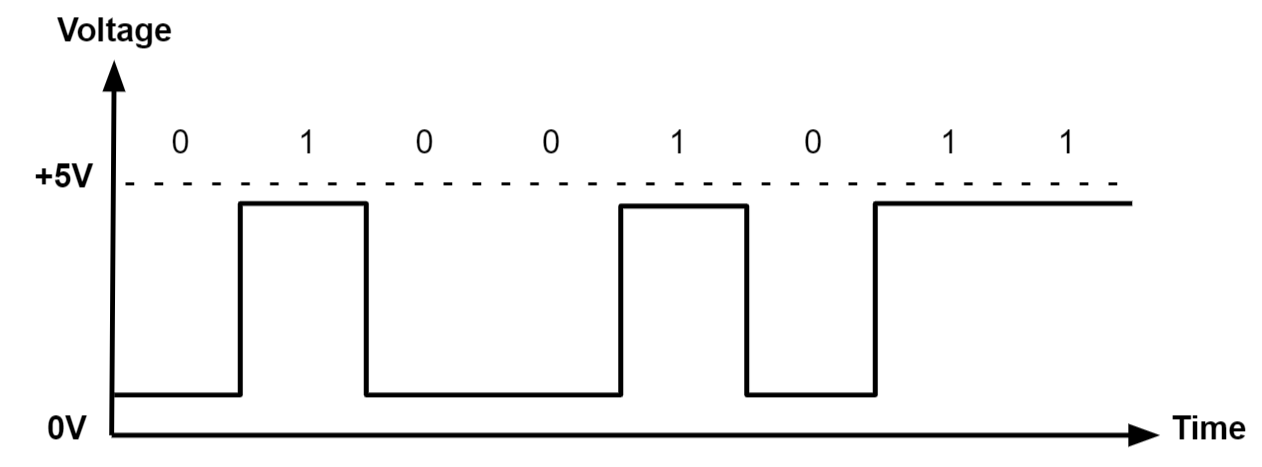
Binary works because electronic circuits can easily represent two states:
- 0 → OFF (Low voltage)
- 1 → ON (High voltage)
🧠 Why Binary Is Used in Computers
Computers rely on binary because:
- Electronic circuits have two stable states (on/off)
- Binary simplifies hardware design
- It reduces errors in signal transmission
- It is efficient for logic operations
🔢 Understanding Number Systems
Before diving deeper, it’s important to understand number systems:
| System | Base | Digits |
|---|---|---|
| Decimal | 10 | 0–9 |
| Binary | 2 | 0–1 |
| Octal | 8 | 0–7 |
| Hexadecimal | 16 | 0–9, A–F |
🧮 Structure of Binary Numbers
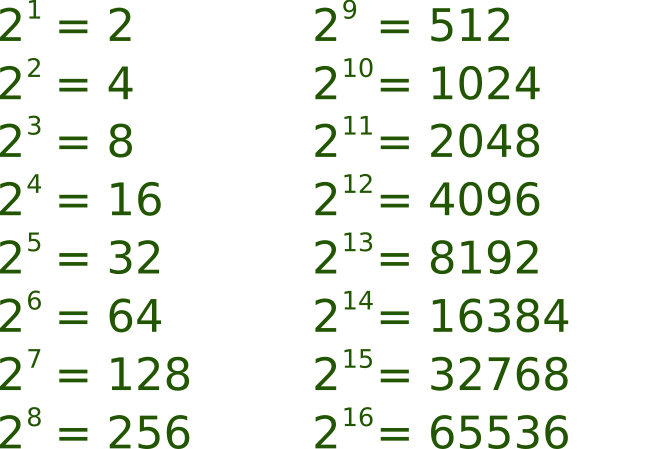
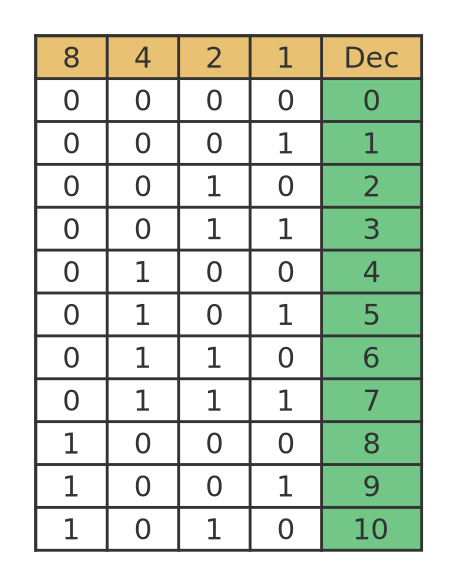

Each position in a binary number represents a power of 2:
Example:
1011₂ = (1×2³) + (0×2²) + (1×2¹) + (1×2⁰)
      = 8 + 0 + 2 + 1
      = 11₁₀
🧩 Bits, Bytes, and Data Units
| Unit | Size |
|---|---|
| Bit | 1 binary digit |
| Nibble | 4 bits |
| Byte | 8 bits |
| Kilobyte | 1024 bytes |
| Megabyte | 1024 KB |
🔄 Conversion Between Number Systems
🔁 Decimal to Binary
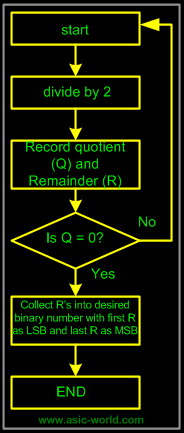
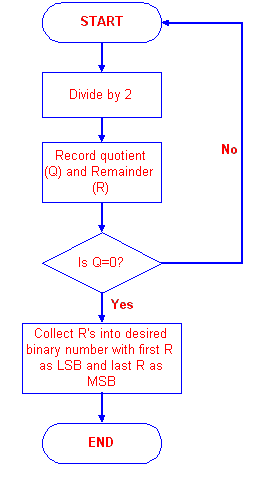
Method: Repeated Division by 2
Example: Convert 13 to binary
13 ÷ 2 = 6 remainder 1
6 ÷ 2 = 3 remainder 0
3 ÷ 2 = 1 remainder 1
1 ÷ 2 = 0 remainder 1

Binary = 1101
🔁 Binary to Decimal
Multiply each bit by powers of 2:
Example:
1101₂ = 13₁₀
🔁 Binary to Octal and Hexadecimal
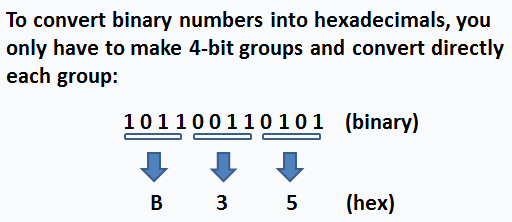


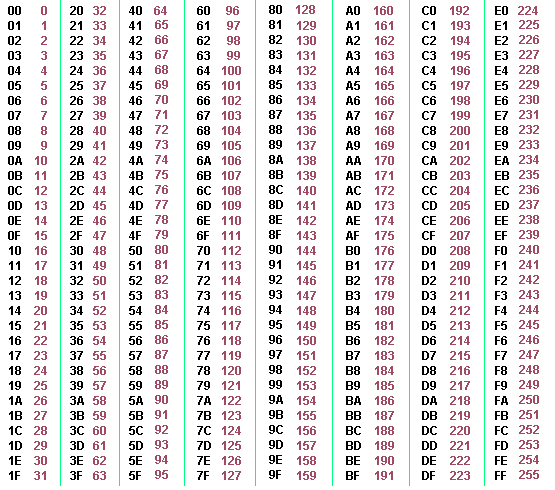
Binary → Octal:
Group bits in 3s
Binary → Hex:
Group bits in 4s
➕ Binary Arithmetic
➕ Binary Addition


Rules:
0 + 0 = 0
0 + 1 = 1
1 + 1 = 10 (carry 1)
1 + 1 + 1 = 11
➖ Binary Subtraction
Rules:
1 - 0 = 1
1 - 1 = 0
0 - 1 = borrow
✖️ Binary Multiplication


Similar to decimal multiplication but simpler.
➗ Binary Division
Performed using repeated subtraction or long division method.
🧠 Signed Binary Numbers
🔢 1. Sign-Magnitude Representation
- First bit = sign
- Remaining bits = magnitude
🔢 2. One’s Complement
- Flip all bits
🔢 3. Two’s Complement
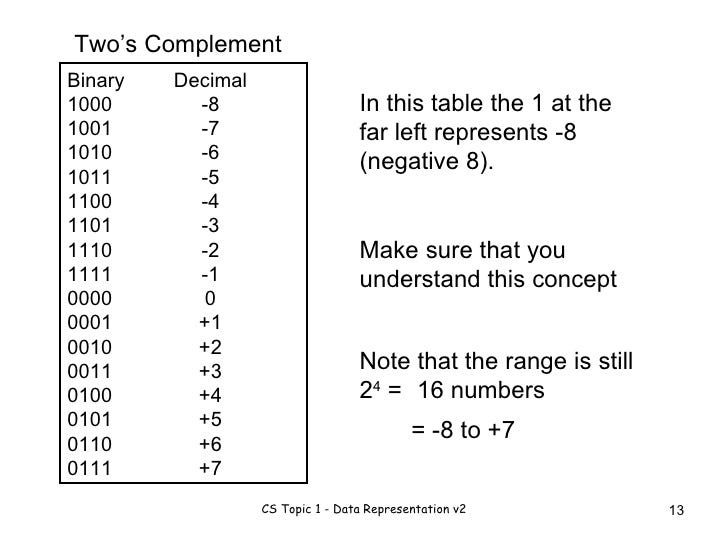

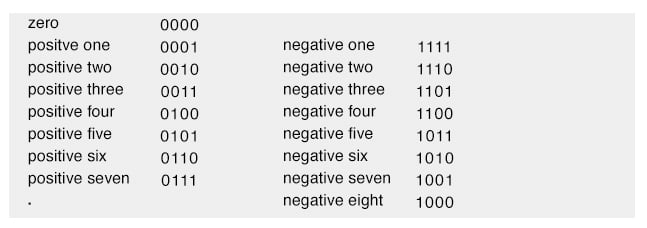
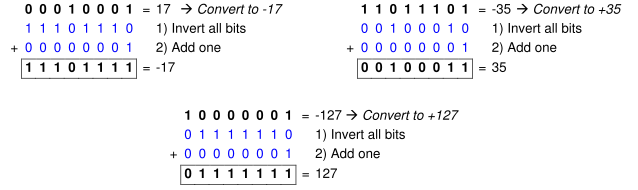
Steps:
- Invert bits
- Add 1
Example:
+5 = 0101
-5 = 1011
🧮 Binary Codes
🔤 1. ASCII Code


- Represents characters using binary
- Example:
- A = 65 = 01000001
🌍 2. Unicode
- Supports global languages
- Uses more bits than ASCII
🔢 3. BCD (Binary Coded Decimal)
Represents decimal digits separately.
⚙️ Binary in Digital Circuits

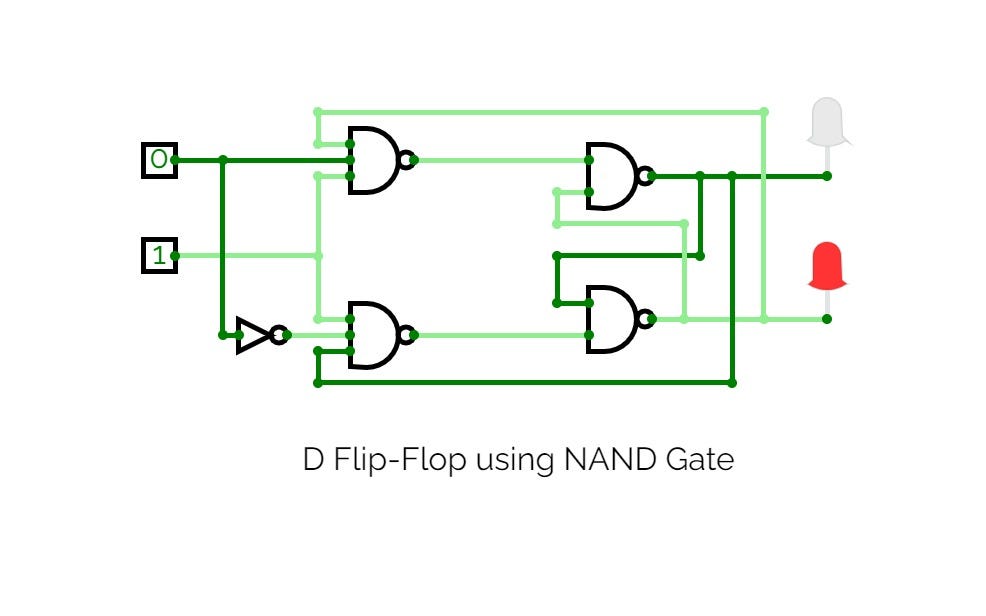
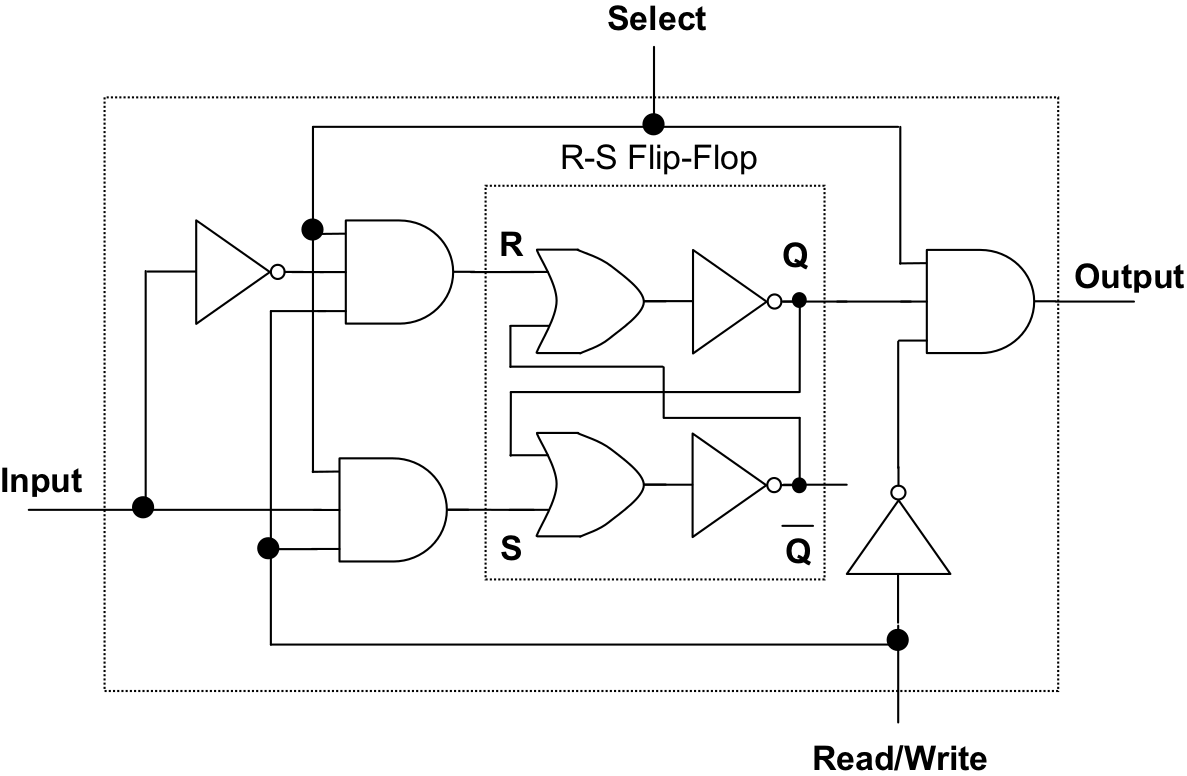
Binary is used in:
- Logic gates (AND, OR, NOT)
- Flip-flops
- Registers
- Memory circuits
🔌 Boolean Algebra and Binary
- 0 = False
- 1 = True
Operations:
- AND
- OR
- NOT
🧠 Applications of Binary System
💻 1. Computer Processing
All operations inside CPU use binary.
📡 2. Communication Systems
Binary signals used in:
- Networking
- Data transmission
🖼️ 3. Image Representation


Images are stored as binary pixel data.
🎵 4. Audio Encoding
Sound converted into binary signals.
🎮 5. Gaming and Graphics
All rendering uses binary computations.
🔐 6. Cryptography
Binary used in encryption algorithms.
⚡ Advantages of Binary System
- Simple implementation
- Reliable
- Efficient for machines
- Error-resistant
⚠️ Limitations
- Lengthy representations
- Hard for humans to read
- Conversion required
🔄 Binary vs Decimal
| Feature | Binary | Decimal |
|---|---|---|
| Base | 2 | 10 |
| Digits | 0,1 | 0–9 |
| Usage | Computers | Humans |
🧠 Advanced Concepts
⚡ Floating Point Representation
Used for real numbers.
🔢 Fixed Point Representation
Used for precise calculations.
🧩 Gray Code
Only one bit changes at a time.
🔄 Error Detection Codes
- Parity bits
- Hamming code
🧠 Future of Binary
Although binary dominates today:
- Quantum computing uses qubits
- Multi-valued logic systems are emerging
🧾 Conclusion
The binary number system is the backbone of computing technology. From basic calculations to advanced AI systems, everything depends on binary representation. Understanding binary is essential for:
- Programming
- Electronics
- Data science
- Cybersecurity