
🌿 Introduction


Sharing and helping others are essential human values that promote cooperation, empathy, and social harmony. These values are deeply rooted in human nature and have played a vital role in the survival and development of societies throughout history. From early tribal communities to modern global societies, acts of sharing and helping have enabled people to support one another, overcome challenges, and build meaningful relationships.
Sharing refers to the act of giving a portion of what one has—whether material resources, time, knowledge, or emotions—to others. Helping others involves providing assistance, support, or care to those in need. Together, these values foster a sense of unity, compassion, and collective responsibility.
In today’s interconnected world, where inequalities and challenges persist, sharing and helping others are more important than ever. They not only benefit individuals but also contribute to the well-being and progress of society as a whole.
🌱 Meaning and Definitions
🔹 Sharing
Sharing is:
- Giving or distributing something among others
- Allowing others to use or benefit from what one has
- An expression of generosity and cooperation
Examples:
- Sharing food with a friend
- Lending books or resources
- Sharing knowledge and skills
🔹 Helping Others
Helping others is:
- Providing assistance or support
- Addressing the needs or problems of others
- Acting with kindness and compassion
Examples:
- Helping someone in difficulty
- Assisting in emergencies
- Supporting emotional needs
🔹 Key Differences
| Aspect | Sharing | Helping Others |
|---|---|---|
| Nature | Giving resources | Providing assistance |
| Scope | Often material or informational | Physical, emotional, or social support |
| Example | Sharing lunch | Helping someone carry bags |
🧠 Psychological Foundations

🔹 Human Nature and Altruism
- Humans are naturally inclined toward cooperation
- Altruism involves selfless concern for others
🔹 Brain and Emotions
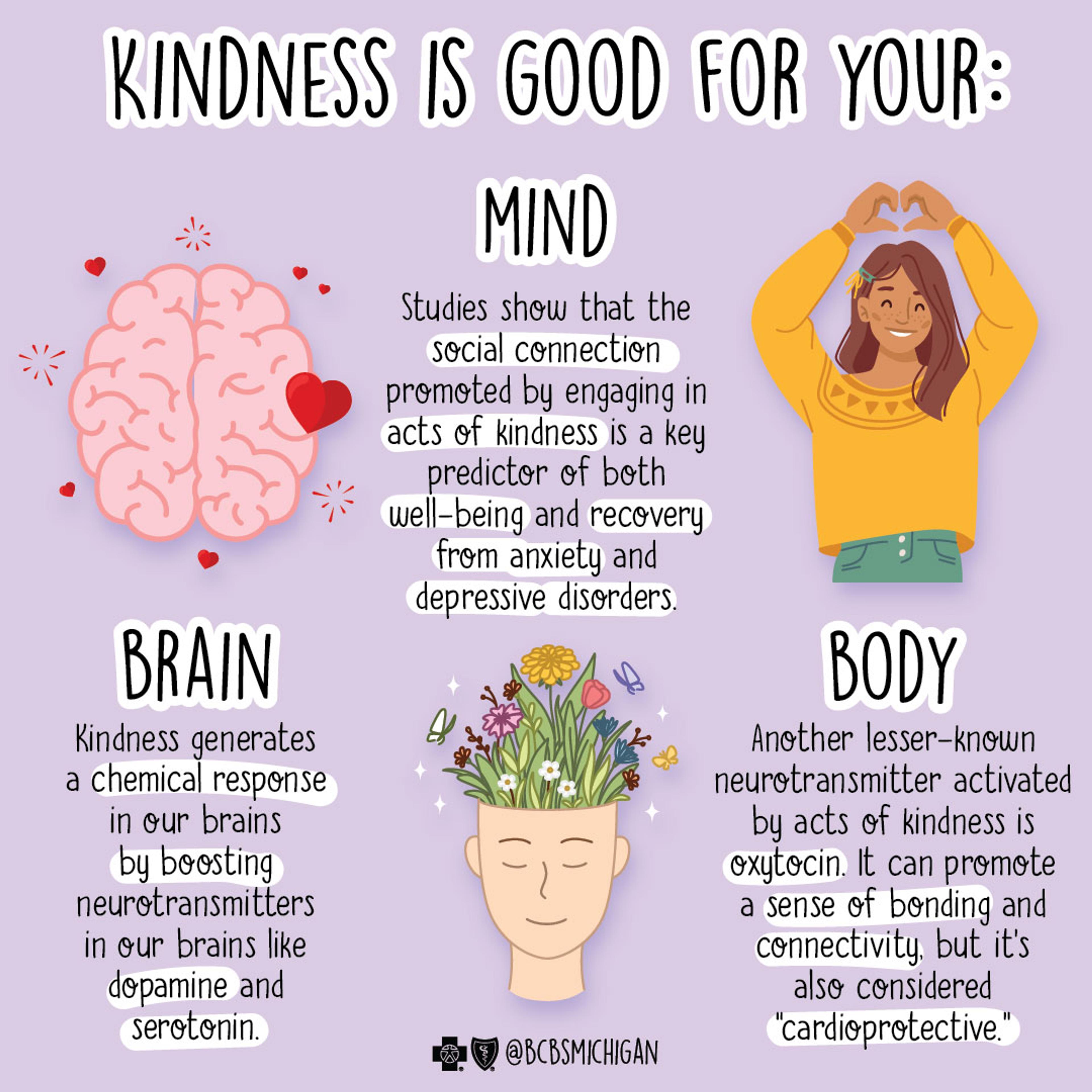
- Helping others activates reward centers in the brain
- Releases dopamine and oxytocin, creating happiness
🔹 Development in Childhood
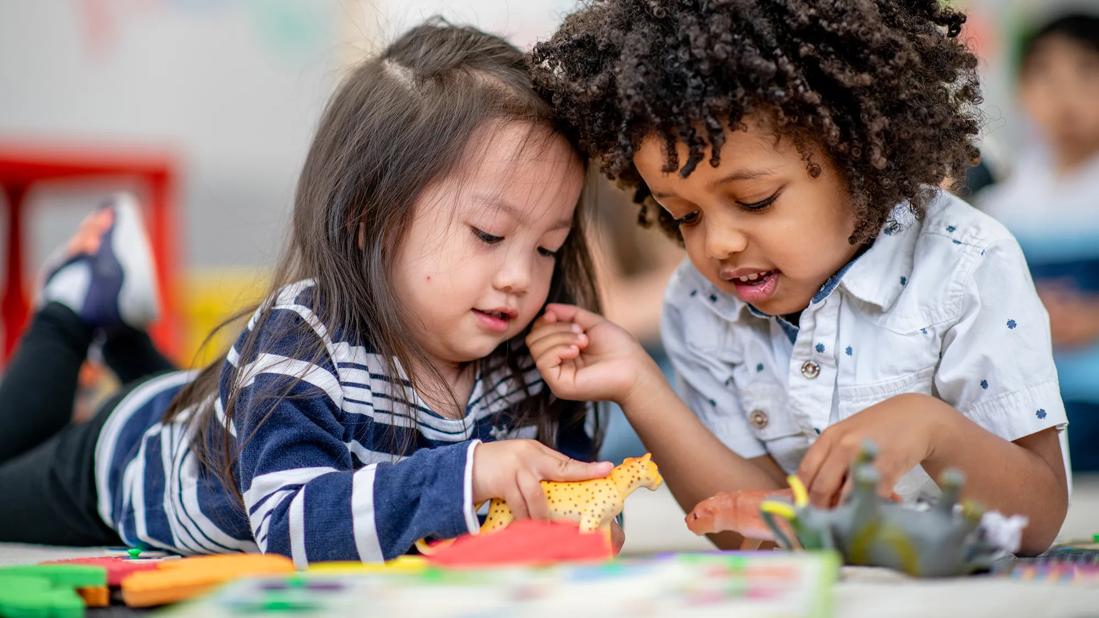
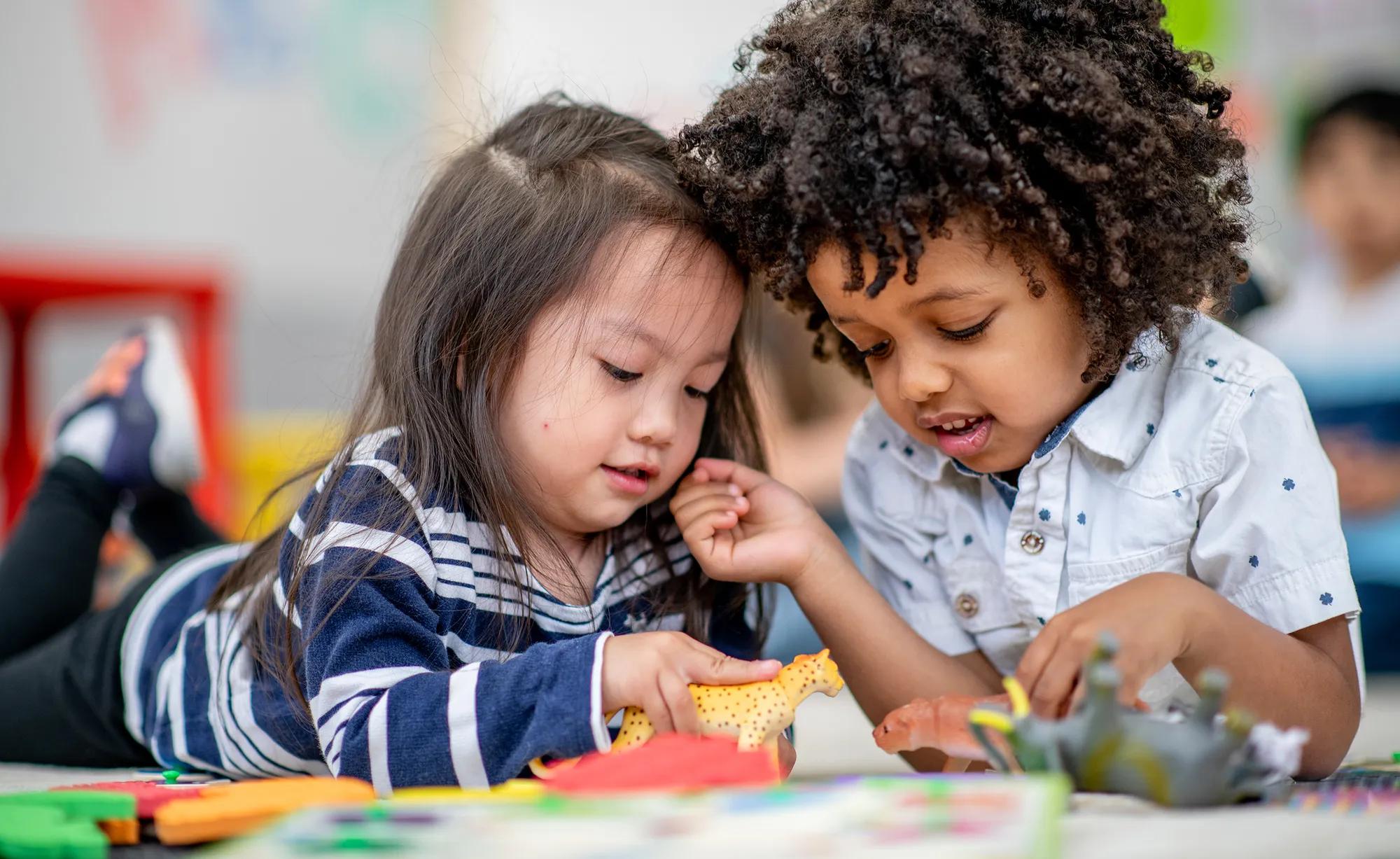
- Sharing begins in early childhood
- Influenced by parents, teachers, and environment
🏛️ Cultural and Traditional Perspectives




🔸 Indian Culture
- Emphasizes Seva (selfless service)
- Practices like community kitchens (Langar)
🔸 African Traditions
- Strong sense of community cooperation
- Collective responsibility for well-being
🔸 Eastern Philosophies
- Encourage sharing and compassion
- Promote harmony and balance
🔸 Global Practices
- Charity and volunteering worldwide
- Cultural festivals involving sharing
🏠 Role in Personal Life
🌟 Character Development
- Builds generosity and empathy
- Encourages selflessness
🌟 Relationships
- Strengthens friendships and family bonds
- Creates trust and mutual respect
🌟 Emotional Well-being
- Helping others increases happiness
- Reduces stress and loneliness
🌍 Social Importance




🔹 Building Communities
- Promotes unity and cooperation
- Reduces social inequalities
🔹 Social Welfare
- Helps vulnerable groups
- Supports economic and social development
🔹 Crisis Management
- Essential during disasters and emergencies
- Encourages collective action
🏫 Importance in Education
📘 Teaching Values
- Schools encourage sharing through activities
- Promote teamwork and collaboration
📘 Classroom Environment
- Sharing resources improves learning
- Helping peers enhances understanding
📘 Student Development
- Builds social skills
- Encourages leadership qualities
💼 Workplace Relevance



🔹 Teamwork
- Sharing knowledge improves productivity
- Helping colleagues builds strong teams
🔹 Leadership
- Leaders who help others inspire trust
- Encourage collaboration
🔹 Corporate Social Responsibility
- Companies engage in charitable activities
- Promote social good
⚖️ Ethical Dimensions
🔸 Moral Responsibility
- Helping others is a fundamental ethical duty
- Reflects compassion and humanity
🔸 Altruism vs Self-Interest
- Balancing personal needs with helping others
🔸 Fairness
- Ensuring equal opportunities and support
🧩 Challenges to Sharing and Helping



🔹 Selfishness
- Focus on personal gain
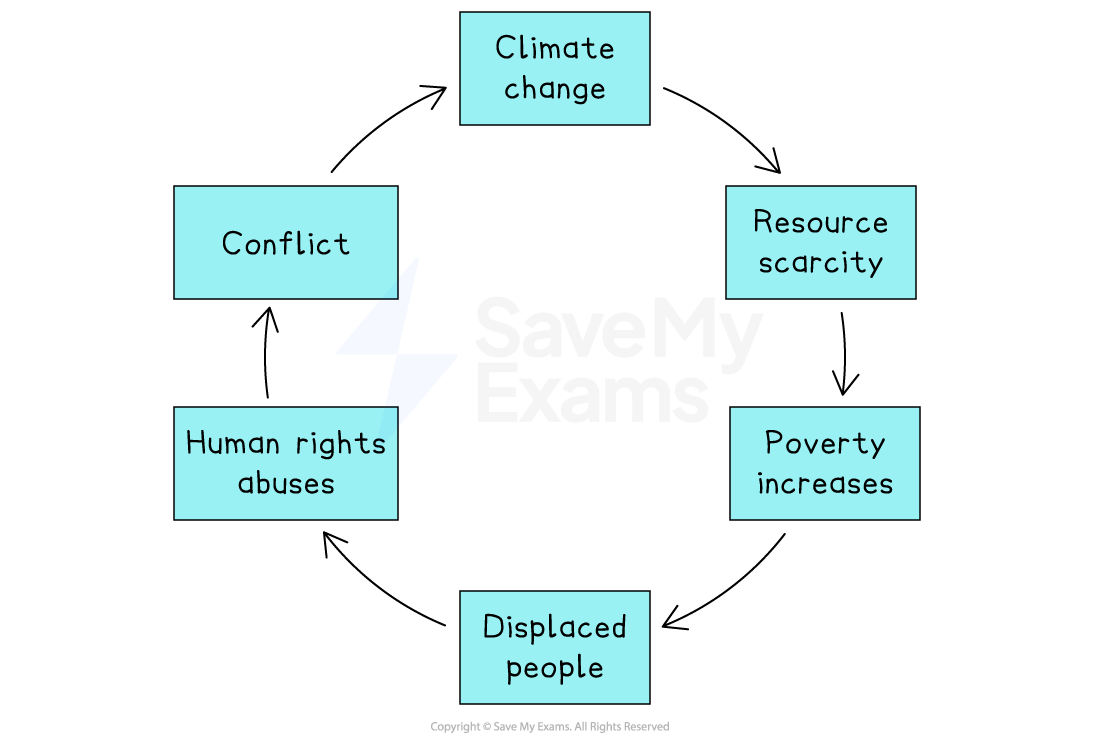
🔹 Resource Scarcity
- Limited resources reduce willingness to share
🔹 Social Barriers
- Inequality and discrimination
🔹 Time Constraints
- Busy lifestyles limit helping behavior
🌟 Benefits of Sharing and Helping
✅ Personal Benefits
- Increased happiness
- Improved mental health
- Sense of purpose
✅ Social Benefits
- Stronger communities
- Reduced conflicts
- Greater equality
✅ Economic Benefits
- Resource optimization
- Support for development
🛠️ Ways to Cultivate Sharing and Helping


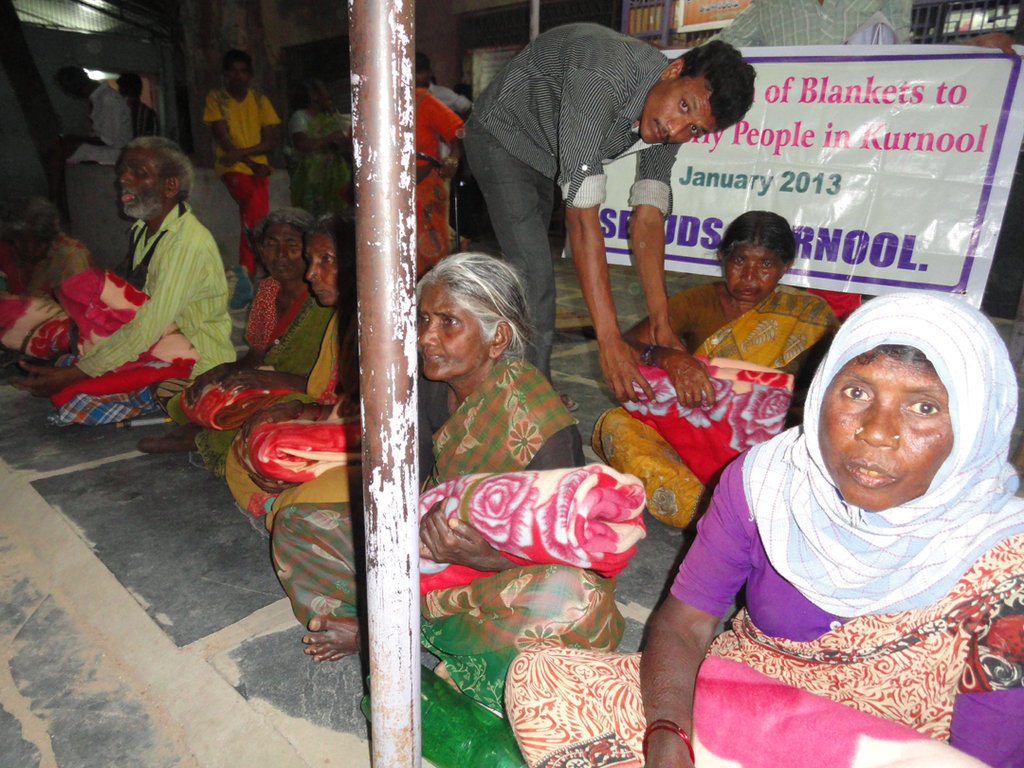
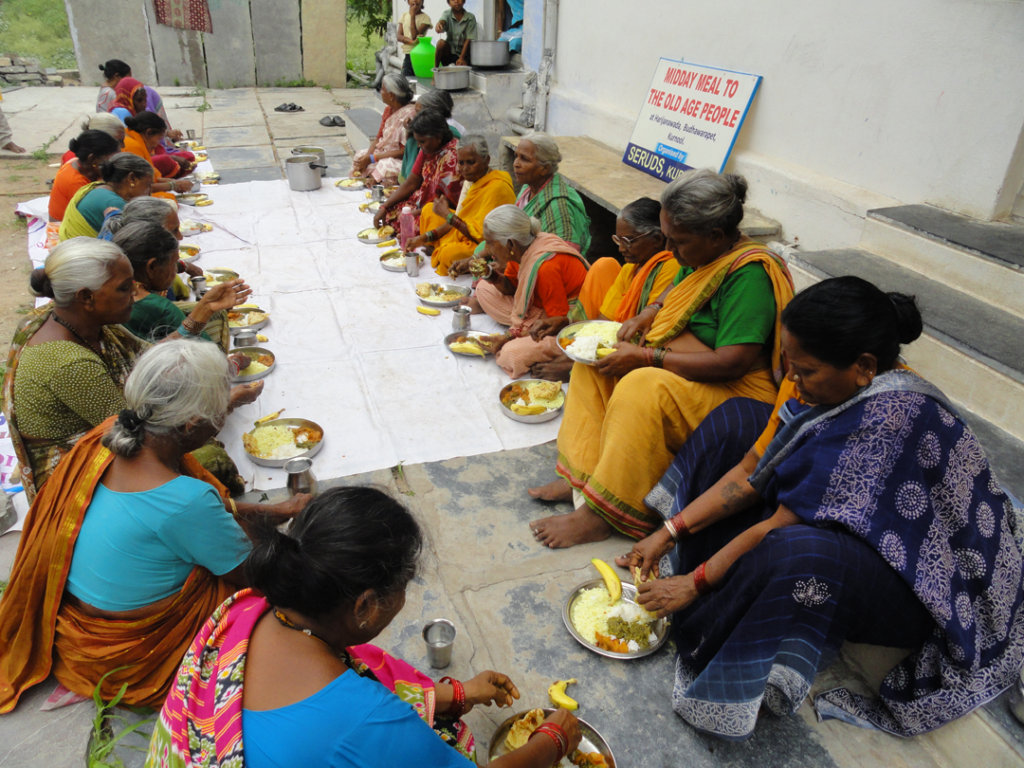
🔹 Start Small
- Share daily resources
- Help in simple ways
🔹 Practice Empathy
- Understand others’ needs
🔹 Volunteer
- Participate in community service
🔹 Teach Children
- Encourage sharing from early age
🔹 Support Charities
- Donate time, money, or resources
🧘 Spiritual and Religious Perspectives
🔸 Hinduism
- Emphasizes Dana (charity) and Seva
🔸 Buddhism
- Encourages generosity (Dana)
🔸 Christianity
- Promotes helping the needy
🔸 Islam
- Obligatory charity (Zakat) and voluntary charity (Sadaqah)
📱 Sharing in the Digital Age
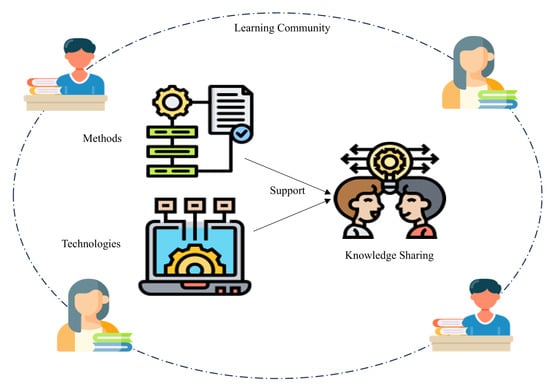



🔹 Knowledge Sharing
- Online learning platforms
- Open-source contributions
🔹 Digital Charity
- Crowdfunding and donations
🔹 Social Media
- Awareness campaigns
- Community support
🧭 Real-Life Examples
🔹 Everyday Acts
- Helping neighbors
- Sharing food or resources
🔹 Community Service
- Volunteering in NGOs
- Disaster relief work
🔹 Global Initiatives
- Humanitarian organizations
- International aid programs
📊 Comparison with Related Values
| Value | Relation |
|---|---|
| Kindness | Motivates helping |
| Compassion | Drives deeper support |
| Generosity | Involves giving resources |
| Cooperation | Collective sharing and helping |
🧾 Conclusion
Sharing and helping others are fundamental values that enrich both individual lives and society. They promote empathy, cooperation, and mutual support, creating a more inclusive and harmonious world. These values are not limited to material giving—they encompass emotional support, knowledge sharing, and acts of kindness.
In a world facing numerous challenges, from social inequality to global crises, the importance of sharing and helping others cannot be overstated. By embracing these values, individuals contribute to a culture of care and compassion, ensuring that no one is left behind.
Ultimately, sharing and helping others reflect the essence of humanity. They remind us that we are interconnected and that our well-being is closely tied to the well-being of others.